


The forest floor, a snowy field, or a muddy riverbank holds secrets that many of us walk past without noticing. Animal tracks tell stories—revealing who’s been there, what they were doing, and sometimes even how they were feeling. For wildlife enthusiasts, hunters, photographers, and nature lovers, learning to read these signs transforms an ordinary walk into a detective story. Each impression in the soil or snow offers clues about the creature’s size, speed, diet, and behavior. In this guide, we’ll explore 17 common animal tracks and decode what these silent signatures reveal about the fascinating creatures that left them behind.
The Science of Track Identification

Animal tracking is both an ancient skill and a modern science. Trackers look for several key features when identifying prints: size, shape, number of toes or digits, presence of claws, pattern of movement (gait), and stride length. The substrate—whether mud, snow, sand, or dust—affects how tracks appear, as does the animal’s weight, speed, and purpose. Fresh tracks show crisp edges and clear details, while older tracks may be weathered or partially filled. Understanding these variables helps trackers distinguish between similar species and interpret animal behavior accurately. Professional wildlife biologists often use tracking to monitor populations and study animal movements without the disruption caused by direct observation.
White-tailed Deer Tracks The Forest’s Silent Walker

White-tailed deer leave distinctive heart-shaped hoofprints measuring about 2-3 inches long. These cloven hooves create a two-toed impression with pointed tips facing the direction of travel. When deer walk normally, their tracks form a nearly straight line, as they place their back feet almost exactly where their front feet stepped—a behavior called “perfect register” that helps them move quietly through the forest. When alarmed, however, deer tracks show a different pattern: wider spacing between prints (sometimes 15-25 feet apart for bounding leaps) and deeper impressions from the forceful impact. Tracks that suddenly change from walking to bounding patterns might indicate the deer sensed danger. In winter, look for drag marks between prints—evidence of deer conserving energy by lifting their feet just high enough to clear the snow.
Black Bear Tracks The Plantigrade Prowler

Black bear tracks reveal much about North America’s largest predator in many regions. Measuring 5-7 inches long for front paws and 7-12 inches for hind paws, these tracks show five toes and non-retractable claws on each foot. Bears walk with a distinctive rolling gait due to their plantigrade posture (walking flat-footed, similar to humans). This creates an alternating pattern where the hind foot partially overlaps the front foot print. The front track is wider than it is long, while the hind track resembles a human footprint. Young bears leave similar tracks but smaller, about 3-5 inches. During mating season (May-June), trackers might notice two sets of prints traveling together, while tracks showing a sow with cubs reveal smaller prints alongside adult ones, often with erratic patterns as cubs investigate their surroundings. Fresh bear tracks warrant caution—you may be closer to the animal than you’d prefer.
Coyote Tracks The Adaptable Trickster
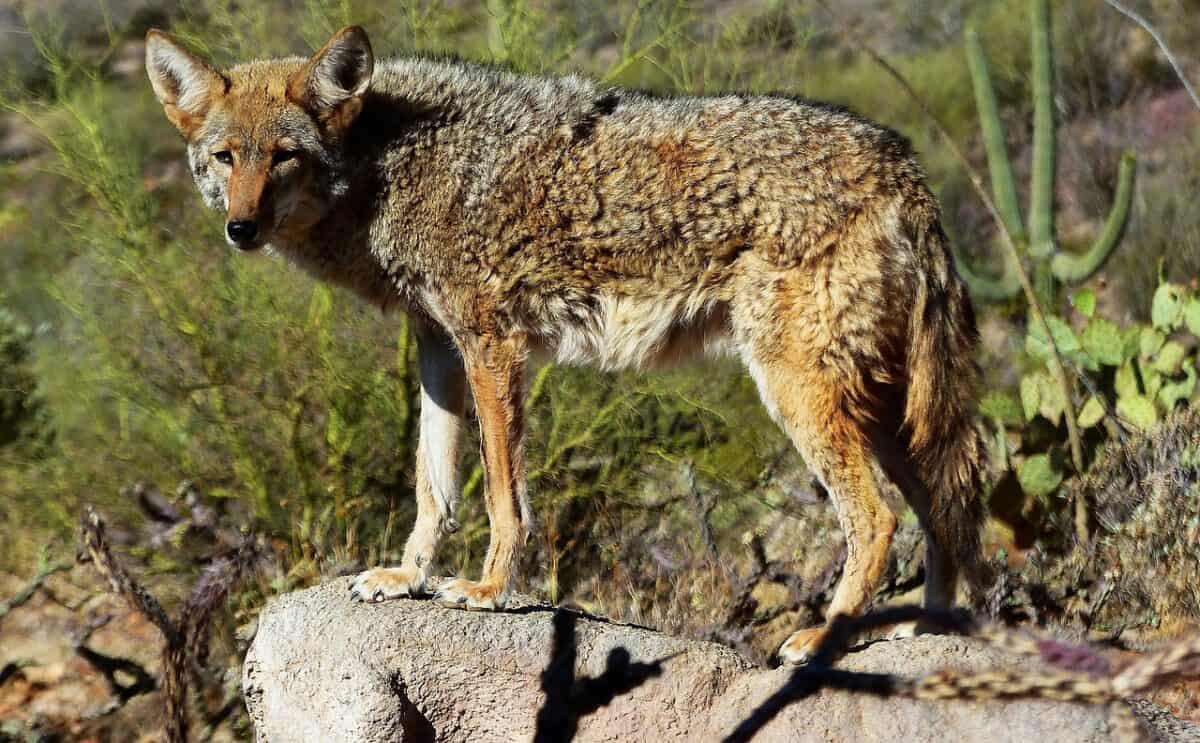
Coyote tracks tell the story of one of North America’s most adaptable predators. These canid prints measure about 2.5-3.5 inches long by 2-2.5 inches wide, showing four toes with visible claw marks and a distinctive single lobe at the heel pad. Compared to domestic dog tracks of similar size, coyote prints appear more oval and compact, with the two middle toes often closely aligned and pointing forward. Coyotes are efficient travelers who conserve energy by moving in a straight line—their tracks typically follow a nearly perfect single-file pattern. This “perfect register” walking style, where hind feet land directly in the front foot impressions, creates what appears to be a single line of tracks. During winter breeding season (January-March), paired male and female tracks might be observed traveling together. When hunting, coyote tracks often show sudden direction changes or pounce marks where they’ve leapt to catch prey—revealing their opportunistic hunting strategy.
Raccoon Tracks The Dexterous Bandit

Raccoon tracks are among the most distinctive and easily recognized animal prints in North America. Measuring approximately 2-4 inches in length, these prints reveal the raccoon’s remarkable dexterity. Both front and hind feet have five long, splayed toes that create a pattern resembling a tiny human handprint. The front tracks show more widely spread toes than the hind tracks, reflecting the animal’s incredible manual dexterity. Raccoons are plantigrade walkers (flat-footed like humans and bears), and their heel pads are particularly prominent in soft mud or snow. Their common walking pattern is a diagonal walk or a gallop when in a hurry, often creating paired prints. Raccoon tracks frequently appear near water sources, as these animals habitually wash their food. Finding raccoon tracks that zigzag or show frequent stops suggests foraging behavior, while straight-line tracks indicate purposeful travel between den sites or food sources. In urban environments, tracks often lead to or from culverts, storm drains, or dumpsters—evidence of their remarkable adaptation to human landscapes.
Bobcat Tracks The Stealthy Hunter

Bobcat tracks offer a glimpse into the life of one of North America’s most elusive predators. Measuring roughly 1.5-2 inches in diameter, these compact, rounded prints show four toes arranged asymmetrically around a distinctive M-shaped heel pad. Unlike canine tracks, bobcat prints show no claw marks, as these felines keep their retractable claws sheathed while walking. The overall shape is more circular than the oval tracks of foxes or coyotes. Bobcats place their hind feet almost exactly where their front feet landed—a walking pattern called direct register that helps them move silently through the forest. Their stride length typically measures 6-14 inches, with wider spacing indicating faster movement. The irregular outline of the heel pad is a key identifier separating bobcat tracks from domestic cat prints, which appear similar but smaller (about 1-1.5 inches). Finding bobcat tracks that suddenly diverge from a straight line might indicate the cat detected prey—these opportunistic hunters will change direction instantly when they spot potential food. In winter, bobcat tracks rarely show tail drag marks, unlike many other mammals, as they keep their short tails elevated while moving.
Red Fox Tracks The Light-Footed Omnivore

Red fox tracks reveal the precise, energy-efficient movement of these adaptable canids. Measuring approximately 2-2.5 inches long and 1.5-2 inches wide, fox prints show four toes and a heel pad arranged in a neat, compact oval. Unlike the more splayed tracks of domestic dogs, fox prints typically form a straight line as if the animal were walking a tightrope—a gait known as “direct register.” This walking style, where hind feet land exactly in the front foot impressions, minimizes noise and conserves energy. Close examination reveals claw marks, though they’re less prominent than in coyote or dog tracks. The heel pad shows a distinctive chevron or V-shape at its base, helping distinguish fox prints from other canids. During winter, red fox tracks might show tail drag marks in deep snow, appearing as a continuous line between footprints. Finding tracks that suddenly show a pouncing pattern—where the prints disappear before reappearing with disturbed snow or soil between—indicates hunting behavior, as foxes leap to capture mice or voles beneath the snow. This characteristic “mousing jump” is a signature hunting technique revealed clearly in their track patterns.
Opossum Tracks The Prehistoric Wanderer

Opossum tracks offer a glimpse into the life of North America’s only marsupial, a creature whose ancestors walked with dinosaurs. These distinctive prints measure approximately 2 inches long and show five widely splayed toes in both front and hind feet. The most remarkable feature is the opposable thumb on the hind foot, which points outward at nearly a right angle from the other toes—creating an unmistakable star-shaped appearance. This unusual thumb, lacking a claw, helps opossums grip branches while climbing. Front tracks show all five toes pointing forward with visible claw marks. Opossums are plantigrade walkers (flat-footed), creating full heel impressions in soft substrates. Their typical walking pattern creates staggered, almost waddling tracks reflecting their slow, deliberate movement. During winter, opossum tracks often appear erratic or confused-looking, as these tropical-origin animals aren’t well-adapted to cold and may struggle in snow. Finding tracks that disappear at the base of a tree indicates the opossum likely climbed to safety or to forage, utilizing its prehensile tail as a fifth limb. Near human habitations, opossum tracks frequently lead to compost piles, pet food dishes, or garbage areas, revealing their opportunistic feeding habits.
Wild Turkey Tracks The Forest Floor Scratcher

Wild turkey tracks tell the story of North America’s largest game bird as it moves through forests and fields. These distinctive three-toed prints measure approximately 4-5 inches long and 4 inches wide, with the middle toe noticeably longer than the outer toes. Unlike many bird tracks, turkey prints show a backward-pointing hallux (the avian equivalent of a thumb) that sometimes leaves a mark behind the main footprint, particularly in soft mud or snow. The three forward-facing toes spread widely at nearly 180 degrees, creating a distinctive pattern that resembles an arrow or a peace symbol. Turkeys typically walk in a straight line with a stride length of 12-18 inches, though this spacing increases when the birds run. During spring mating season, areas with concentrated tracks, drag marks from wing feathers, and disturbed leaves or soil indicate strutting grounds where males display for females. Finding tracks that show extensive back-and-forth movement with small depressions in the soil reveals feeding areas where turkeys have scratched the ground searching for insects, seeds, and acorns. In winter, turkey tracks often lead to and from conifer stands, which provide thermal cover during cold weather—a detail that reveals their sophisticated habitat utilization.
River Otter Tracks The Playful Slider

River otter tracks reveal both the physical adaptations and playful nature of these semi-aquatic mammals. Measuring approximately 2.5-3.5 inches in length and 2-3 inches in width, otter prints show five toes arranged in a splayed pattern around a kidney-shaped heel pad. The overall appearance resembles a small handprint with short fingers. Close examination reveals webbing marks between the toes in perfect impressions, evidence of the otter’s swimming adaptations. The most distinctive tracking sign otters leave isn’t individual footprints, however, but their signature “slide” marks. On snow-covered banks or muddy slopes, otters often drop to their bellies and push with their powerful legs to slide down into water—creating chute-like depressions up to 25 feet long and 8 inches wide. These slides are often used repeatedly, becoming well-established travel routes. Otter trails typically show a bounding gait pattern with paired prints, and their tracks often appear along shorelines rather than venturing deep into the forest. Finding small piles of fish scales, crayfish parts, or shell fragments near slides indicates feeding stations. During winter, otter tracks might lead to holes in ice where they access water for hunting—a behavior that reveals their remarkable adaptation to cold environments through specialized metabolism and dense, water-resistant fur.
Beaver Tracks The Aquatic Engineer

Beaver tracks provide insight into North America’s largest rodent and its remarkable ecosystem engineering. Front foot prints measure about 2 inches long with five toes and visible claw marks, resembling small handprints. The more distinctive hind feet are much larger—typically 6-7 inches long including the heel—with five long toes and webbing that sometimes registers in perfect impressions. The fifth toe on the hind foot is offset, creating an asymmetrical pattern. The most revealing track feature isn’t the prints themselves but the wide tail drag mark often visible between footprints, appearing as a smooth, continuous impression up to 10 inches wide. This tail drag is particularly evident in mud or snow along shorelines where beavers exit the water. Their typical movement pattern shows alternate front and hind feet with the tail mark bisecting the trail. Away from water, beaver tracks often lead to fresh tree cutting sites, where distinctive chip patterns reveal their lumber harvesting for food and construction materials. During winter, beaver tracks may be less common as these animals spend more time under ice in their lodges, surviving on cached food supplies—a behavior that demonstrates their remarkable adaptation to seasonal change through preparation rather than hibernation or migration.
Moose Tracks The Northern Giant

Moose tracks reveal the presence of North America’s largest deer species, an animal that can weigh over 1,500 pounds. These massive hoofprints measure approximately 5-7 inches long and 3.5-5 inches wide—nearly twice the size of white-tailed deer tracks. Like other members of the deer family, moose have cloven hooves, but their prints have a distinctive heart or shield shape with more pointed tips that splay widely under the animal’s substantial weight, particularly in soft substrates. In deep snow or mud, moose tracks may also show dewclaw impressions (small vestigial toes located above and behind the main hooves) that register as small depressions behind the main print. Moose typically walk with a diagonal pattern, placing opposite feet forward simultaneously, creating a rocking gait that helps them navigate through deep snow and marshy terrain. Their stride length ranges from 30-50 inches depending on the animal’s size and speed. During mating season (September-October), bull moose tracks may show erratic patterns as they search for cows, sometimes accompanied by areas of torn-up ground where they’ve scraped away vegetation to mark territory. In winter, moose tracks often lead to “yards”—areas of conifer forest with dense overhead canopy that reduces snow depth and provides protection from wind—revealing their sophisticated habitat selection strategy for surviving harsh northern winters.
Skunk Tracks The Confident Ambler
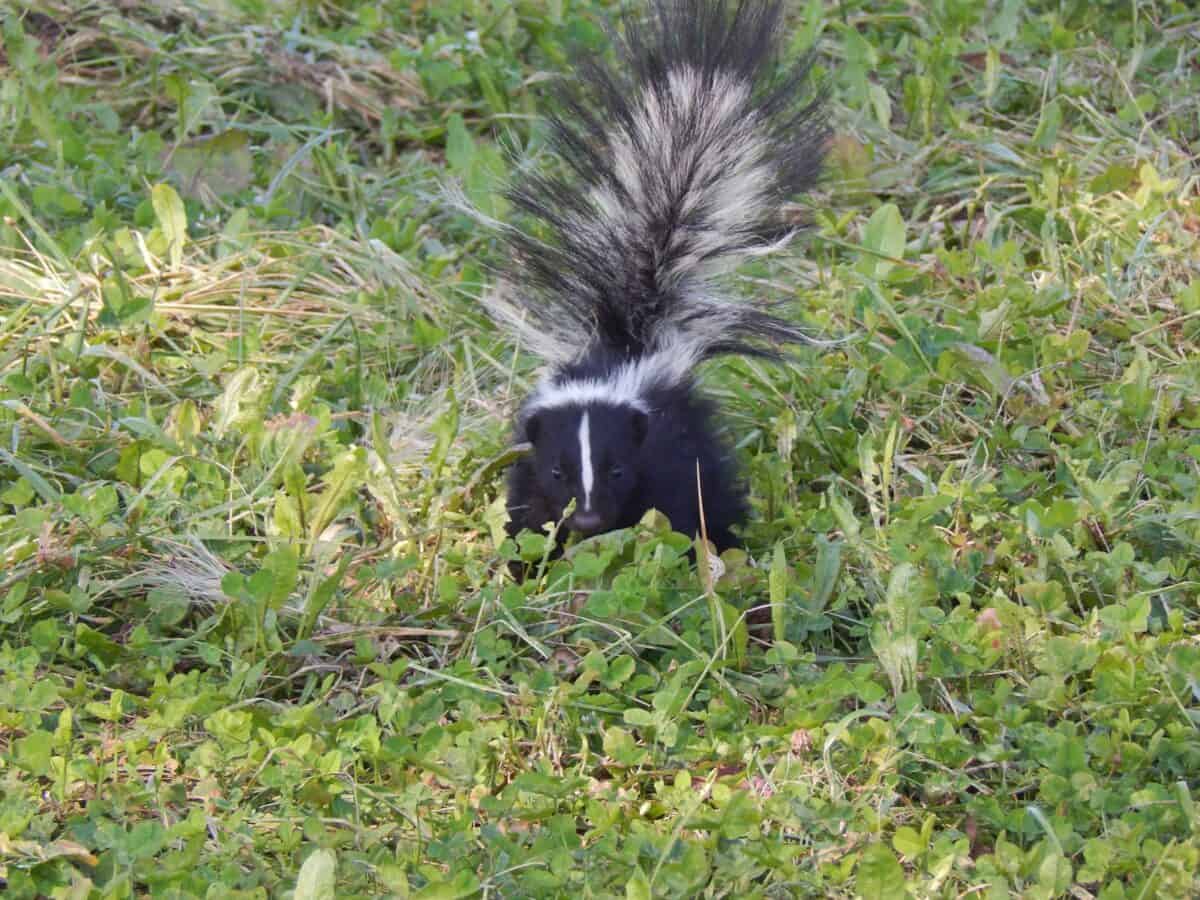
Skunk tracks reveal the unhurried confidence of an animal with few natural predators. Measuring approximately 1-2 inches long and 1-1.5 inches wide, skunk prints show five toes on both front and hind feet with prominent claw marks extending well beyond the toe pads. The front feet leave slightly wider, more hand-like impressions than the narrower hind feet. Skunks are plantigrade walkers (flat-footed like bears and humans), creating full heel pad impressions in suitable substrates. Their typical walking pattern shows a waddling gait with diagonal pairs of feet moving together, creating a distinctive alternating track pattern. The stride length is relatively short—typically 5-8 inches—reflecting their unhurried movement style. Unlike many mammals that flee at the first sign of danger, skunks move deliberately through their environment, a confidence reflected in their meandering, casual track patterns. Finding skunk tracks that show digging activity—disturbed soil and clustered prints—indicates foraging for grubs and insects, a primary food source. Near human habitations, skunk tracks often lead to crawl spaces under buildings or decks, particularly in late winter when females seek protected denning sites for birthing. The presence of multiple small tracks alongside adult prints in spring reveals family groups, as mother skunks teach their kits foraging skills during nightly excursions.
Gray Squirrel Tracks The Arboreal Acrobat

Gray squirrel tracks offer glimpses into the life of one of North America’s most common and visible forest mammals. Front foot prints measure approximately 1-1.5 inches long with four slender toes and occasionally a tiny thumb impression, while hind foot prints are significantly larger—about 1.5-2.5 inches long—with five toes arranged in a distinctive splayed pattern. This size difference between front and hind feet reflects the squirrel’s bounding locomotion, where powerful hind legs provide most of the propulsion. Their typical movement pattern shows paired hind feet landing ahead of paired front feet, creating a distinctive 4-print pattern in snow or mud. When moving quickly.
Conclusion:
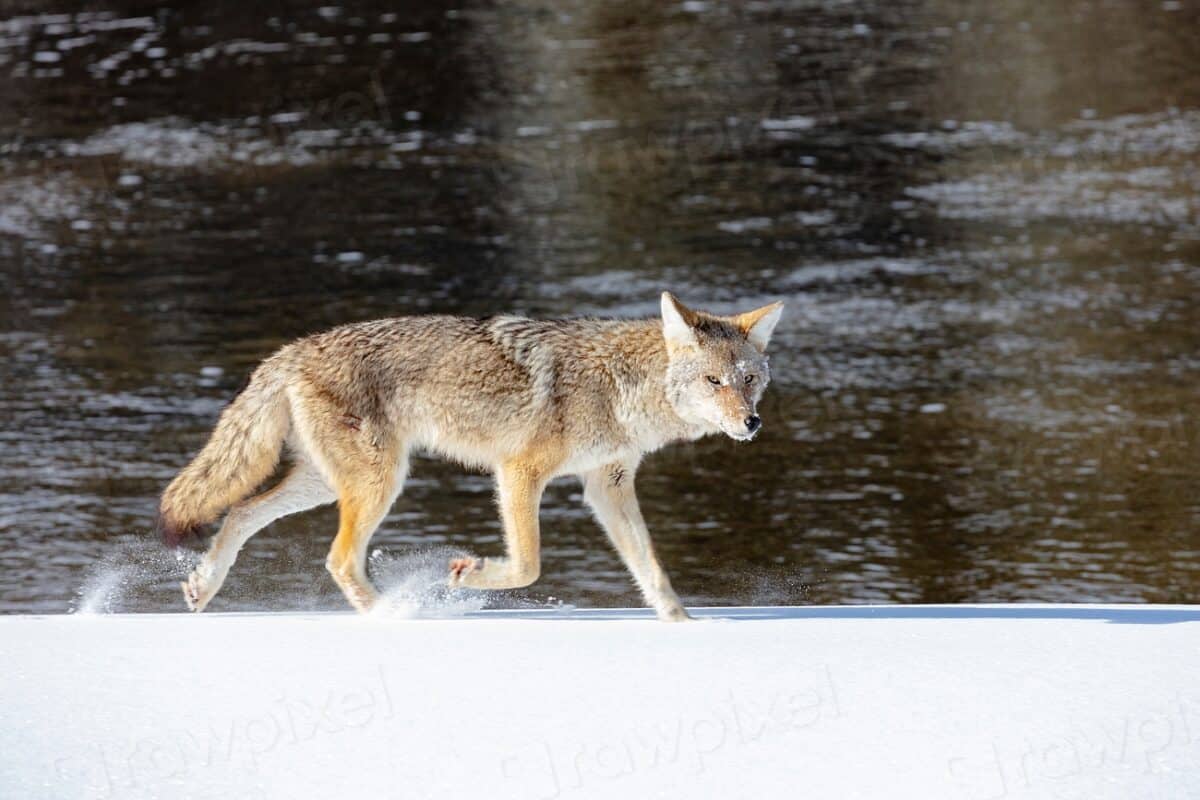
Every track tells a story—one of survival, curiosity, hunger, or caution. Whether etched into fresh snow, pressed into soft mud, or imprinted along a dusty trail, these silent signatures offer more than just proof of an animal’s presence. They are windows into lives often hidden from view. From the quiet grace of a deer to the calculated stride of a bobcat or the playful slide of an otter, tracks reveal behaviors, habitats, and adaptations shaped by evolution and environment.
Learning to read these signs deepens our understanding of the natural world. It invites us to slow down, observe, and connect with the wildlife that shares our landscapes. For hikers, hunters, photographers, and anyone with a curious eye, the forest floor becomes a living journal—one where each print holds meaning. By recognizing and interpreting these 17 common animal tracks, we step into the role of nature’s detective, uncovering stories written not in ink, but in the earth itself.

As a little kid, I fell in love with nature, wildlife, and animals. Living in the USA, South Africa, Italy, China and Germany gave me the opportunity to discover the world's Wildlife. My favorite animals are Mountain Gorillas, Siberian Tigers, and Great White Sharks.
I'm a certified PADI Open Water Diver, went to Everest Base Camp and Trekked Gorillas in Uganda. I hold a Master of Science in Economics and Finance.
Please send any feedback to feedback@animalsaroundtheglobe.com
- 13 Cat Breeds That Get Along with Dogs - July 20, 2026
- The 12 Largest Dog Breeds That Still Love to Cuddle - July 20, 2026
- 12 Pet Habits That Secretly Mean They Love You - July 20, 2026