
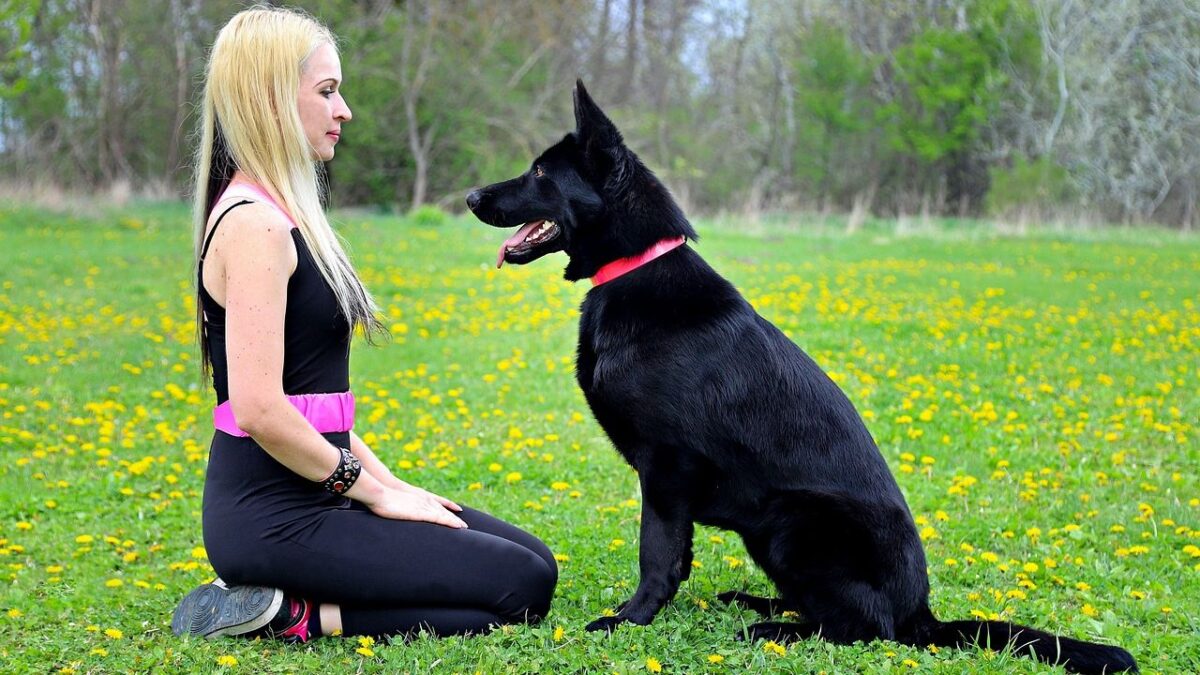
Most people assume any animal can adjust to a new home with enough time and patience. Shelter workers and animal behaviorists will tell you something very different. Certain animals form attachments so exclusive and intense that rehoming attempts routinely fail – not because the new family didn’t try hard enough, but because the animal has already decided their world begins and ends with one specific human being.
These bonds run deeper than preference. They trace back to imprinting, trauma, working partnerships, and breed-level instincts that wire the animal to treat one person as their entire source of safety. The fallout when that bond is severed can look like refusal to eat, complete behavioral shutdown, self-harm, or a grief so visible it’s hard to watch. The animals on this list aren’t being stubborn. They’re being heartbroken. Here’s what that actually looks like.
#14 – Akitas That Shut Down Without Their Person
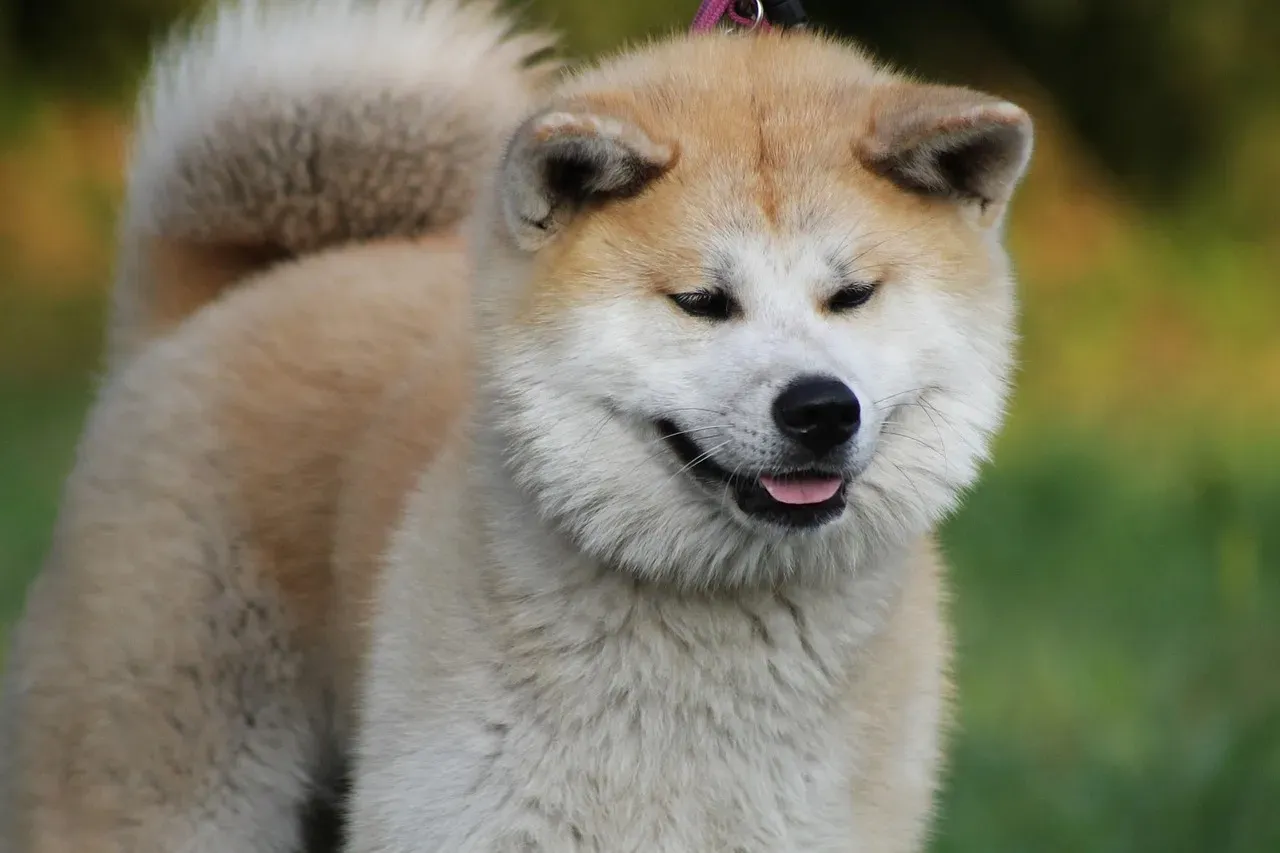
Akitas are famous for picking one human and treating everyone else as background noise. This Japanese breed often imprints so completely during puppyhood that the chosen person becomes the animal’s sole source of safety, comfort, and meaning. To the Akita, everyone else is essentially a stranger – permanently.
Shelter records show Akitas are returned after adoptions at a striking rate, often because they stop eating, withdraw completely, or become impossible to read. Some have been known to wait at the same spot for months after an owner’s death, ignoring every caregiver who approaches. Trainers warn that forcing a new bond doesn’t create trust – it creates lifelong anxiety in a dog that already gave everything it had to someone else.
#13 – Chihuahuas With Tunnel-Vision Loyalty
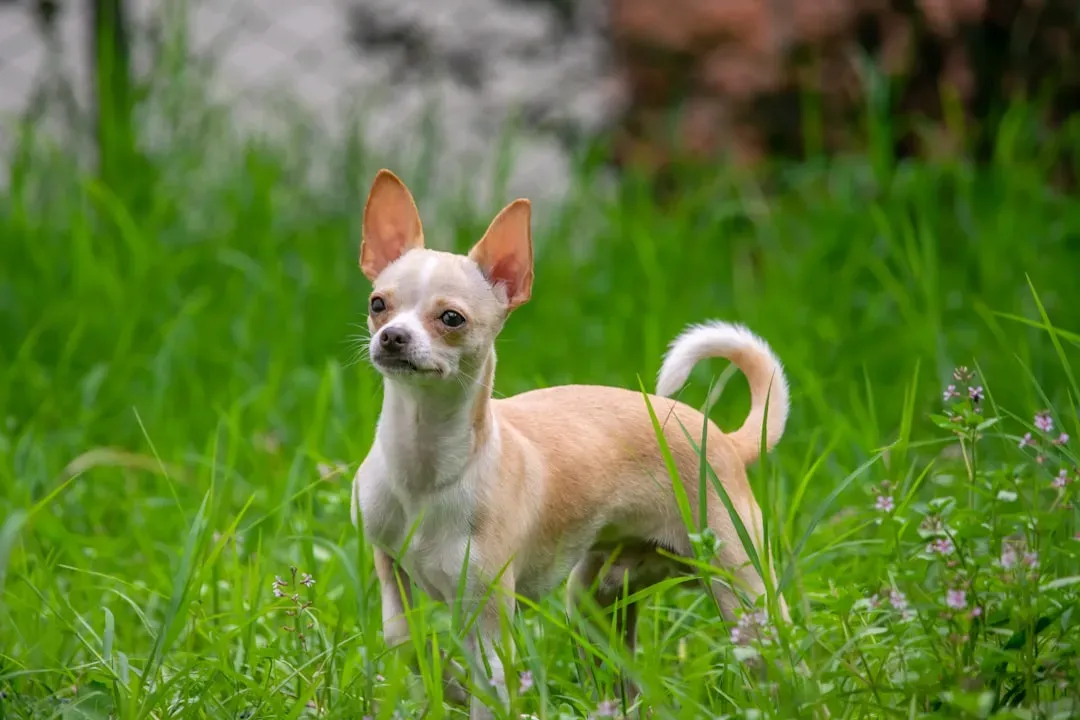
Don’t let the size fool you. Chihuahuas can latch onto a single person with a ferocity that makes larger breeds look casual about their attachments. They follow their chosen human everywhere, treat the rest of the household like background furniture, and bark at newcomers with a conviction that says: you are not my person, and you never will be.
Behaviorists point out that this attachment forms fast and resists change with remarkable stubbornness. Rehoming attempts frequently fail because the dog simply refuses to open up again – not out of spite, but because the original bond used up everything they had to give. Some Chihuahuas have gone weeks eating poorly or barely at all in a new environment, waiting for someone who isn’t coming back.
#12 – German Shepherds That Choose Their Handler for Life
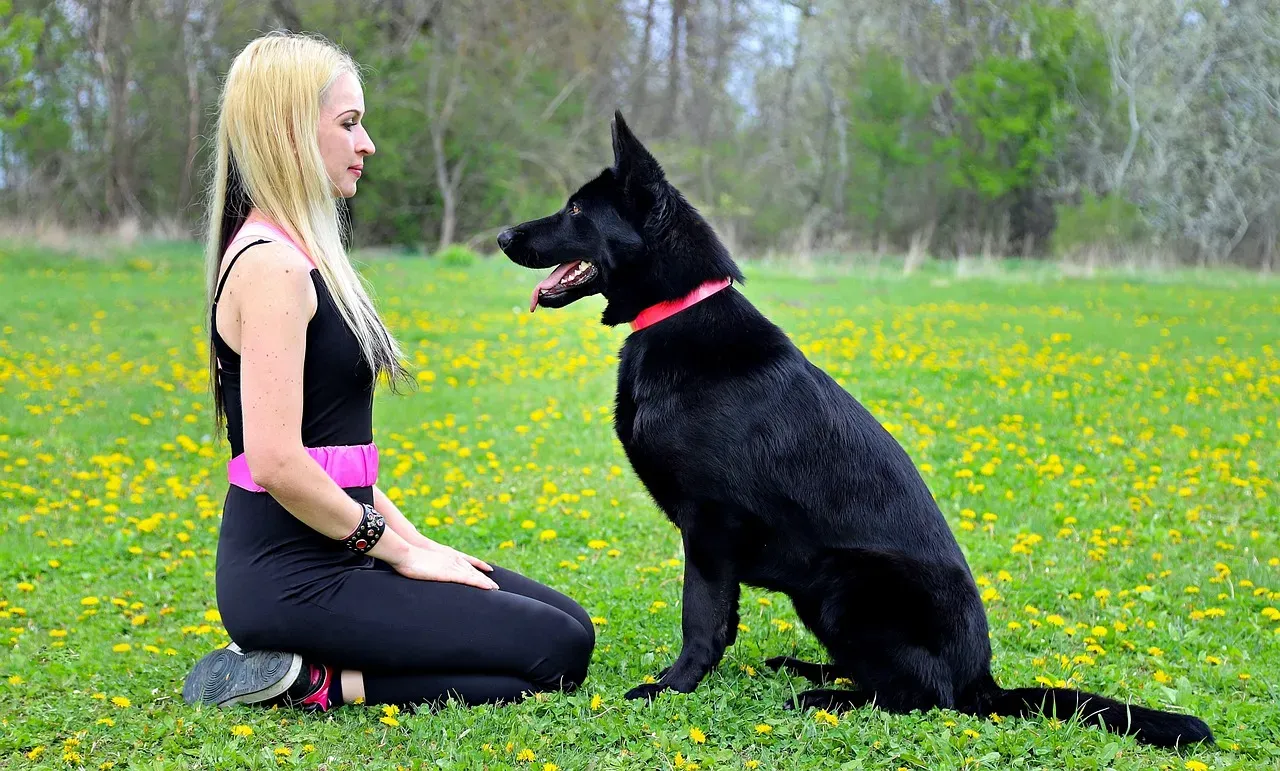
German Shepherds are wired to work, and when they find the right person, that partnership becomes the centerpiece of their entire existence. In police, military, and service roles especially, these dogs lock into one handler so completely that they may refuse to perform for anyone else – not because they’re untrained, but because the commands feel wrong coming from the wrong voice.
Rescue groups report higher return rates for Shepherds than many other large breeds, precisely because new homes cannot replicate what the original connection felt like to the dog. Their intelligence makes it worse, not better – they remember routines, voices, and people with a clarity that keeps the original bond present even when the person is gone. Some have refused commands from multiple skilled trainers after losing their original handler, not out of defiance, but out of loyalty.
#11 – African Grey Parrots That Mimic Only One Voice
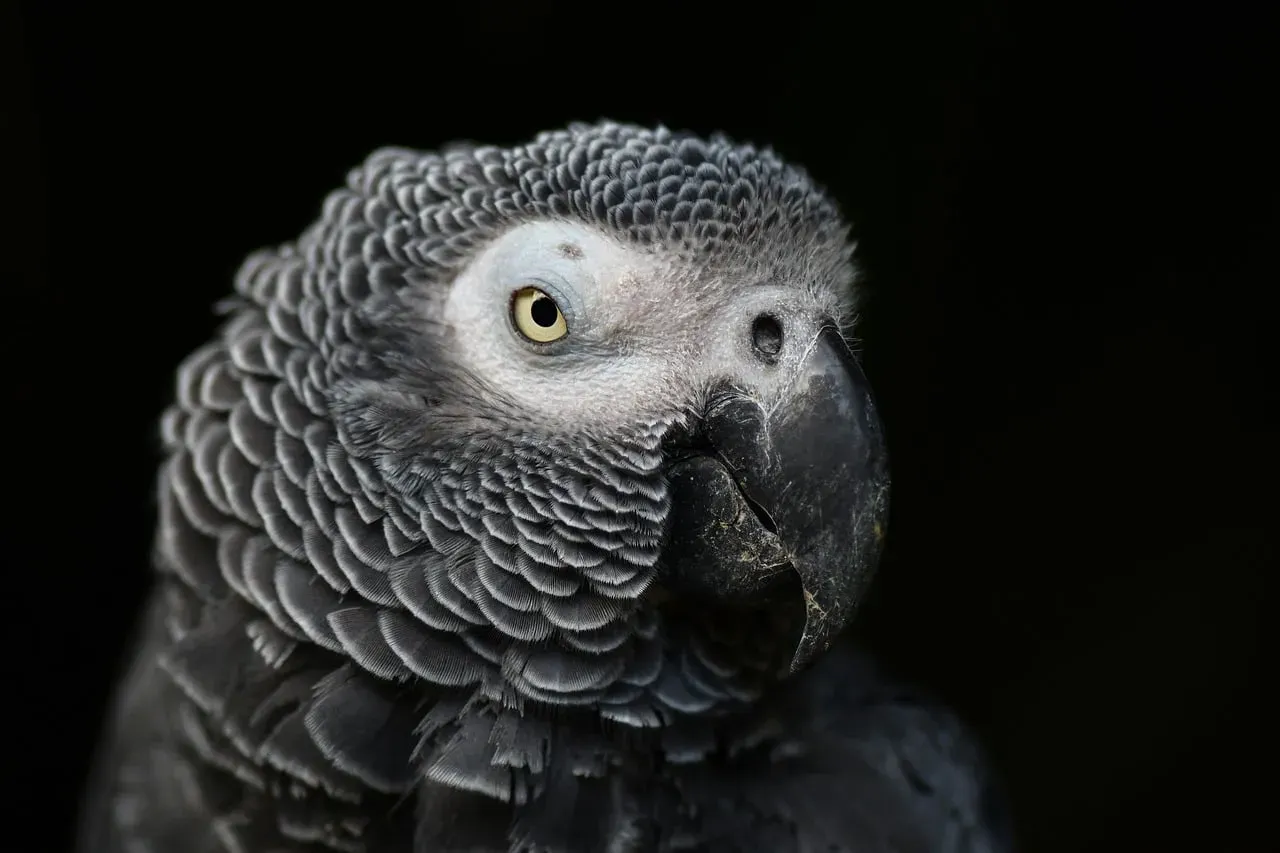
African Grey parrots are among the most emotionally complex animals on the planet, and they direct that complexity toward a single person. Their vocabulary, their play patterns, even the specific phrases they choose to repeat – all of it centers on one caregiver. When that person disappears, the bird doesn’t simply adjust. It mourns.
Avian specialists document parrots in shelters that stop speaking entirely after being rehomed – birds that had rich vocabularies going silent for months. Some pluck their own feathers. Some refuse food from anyone but the bonded human, even after long separations. Their lifespan can exceed 50 years, which means this isn’t a short-term adjustment problem. It’s a decades-long wound.
#10 – Horses That Remember One Rider Forever
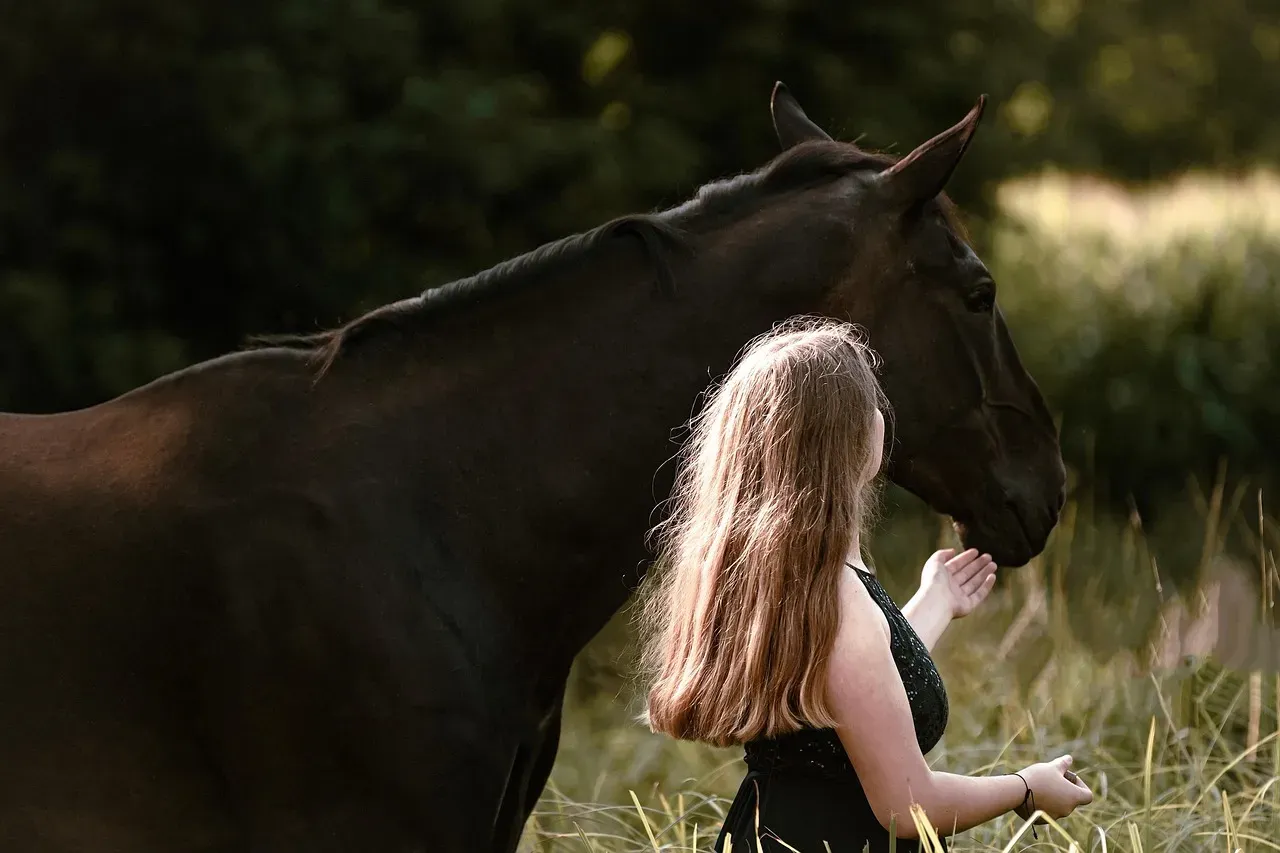
Horses form long, layered bonds with individual riders and handlers – bonds built on thousands of small moments of trust, pressure, and release over months or years. When that person leaves, the horse doesn’t simply transfer that trust to whoever picks up the lead rope next. The body language shifts. The cooperation evaporates. The horse that was described as “easy” becomes labeled “difficult” almost overnight.
Equine rescues cite cases regularly where horses cycle through multiple failed placements and eventually get flagged as unadoptable – not because anything is clinically wrong with them, but because they will not trust again at that depth. Some have been observed seeking out the scent of their original person’s belongings years after separation. For an animal that weighs half a ton and communicates entirely through physical cues, that kind of grief is impossible to fake.
#9 – Certain Domestic Cats That Become One-Person Shadows
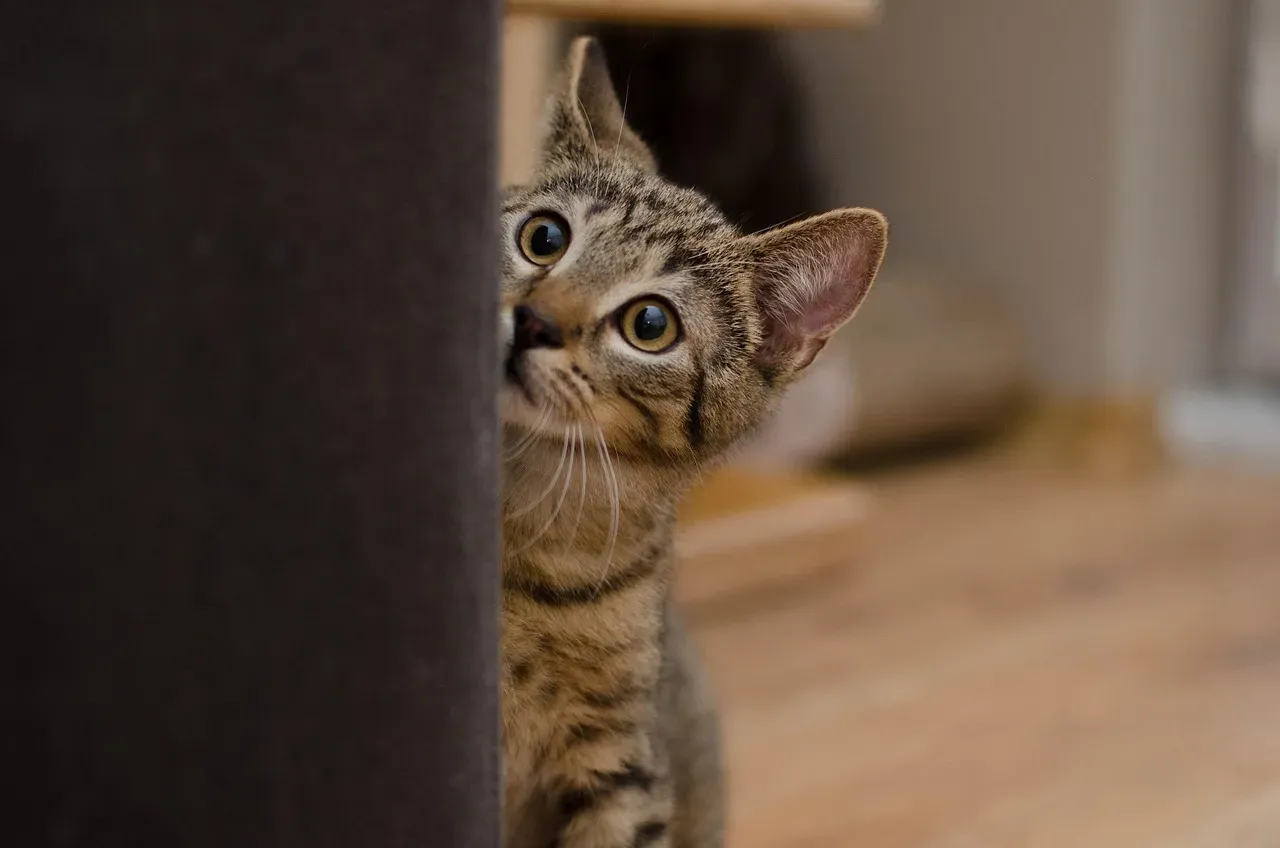
Cats have a reputation for cold independence that simply doesn’t hold up when you look at the ones rescued as young kittens by a single caregiver. Those cats can form attachments that are quiet, total, and completely non-transferable. They’re not aloof with strangers – they’re actively hostile, withdrawn, or visibly distressed in a way that new owners often interpret as a personality flaw rather than a loyalty signal.
Shelters see these cats returned repeatedly, each failed placement leaving the animal more convinced the world outside their person is unsafe. Veterinarians note that forcing interaction in these cases tends to deepen the stress rather than reduce it, with some cats developing chronic behavioral issues like litter box avoidance or over-grooming. The bond is quiet, but it’s absolute – and it doesn’t renegotiate.
#8 – Rabbits That Bond Like Velcro to One Human
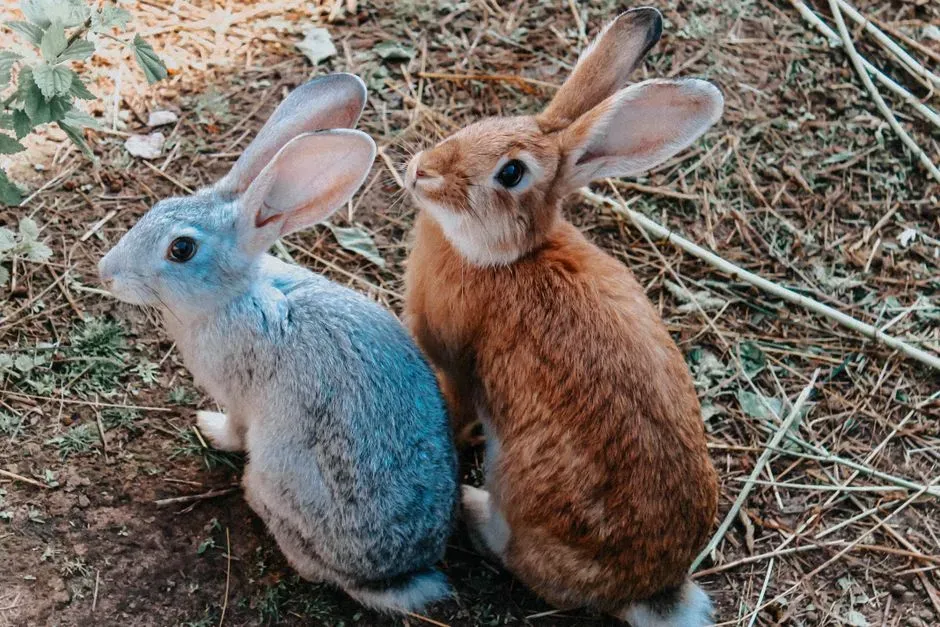
Rabbits are prey animals, which means trust doesn’t come easily or cheaply. When a rabbit extends that trust to a single person – really extends it, the kind that involves approaching freely, flopping nearby, and allowing handling without flinching – it represents an enormous investment from an animal whose every instinct says run. Breaking that trust doesn’t just reset the clock. It often breaks something that can’t be rebuilt.
Rescue organizations report that bonded rabbits frequently fail in new homes not through any dramatic behavior, but through absence – they hide constantly, refuse handling, stop eating with enthusiasm, and retreat into a stillness that looks like depression because it is depression. Some will only approach and groom a person they already know even after years have passed. For an animal people assume is easy to re-home, the reality is quietly heartbreaking.
#7 – Potbellied Pigs With Human-Level Attachment
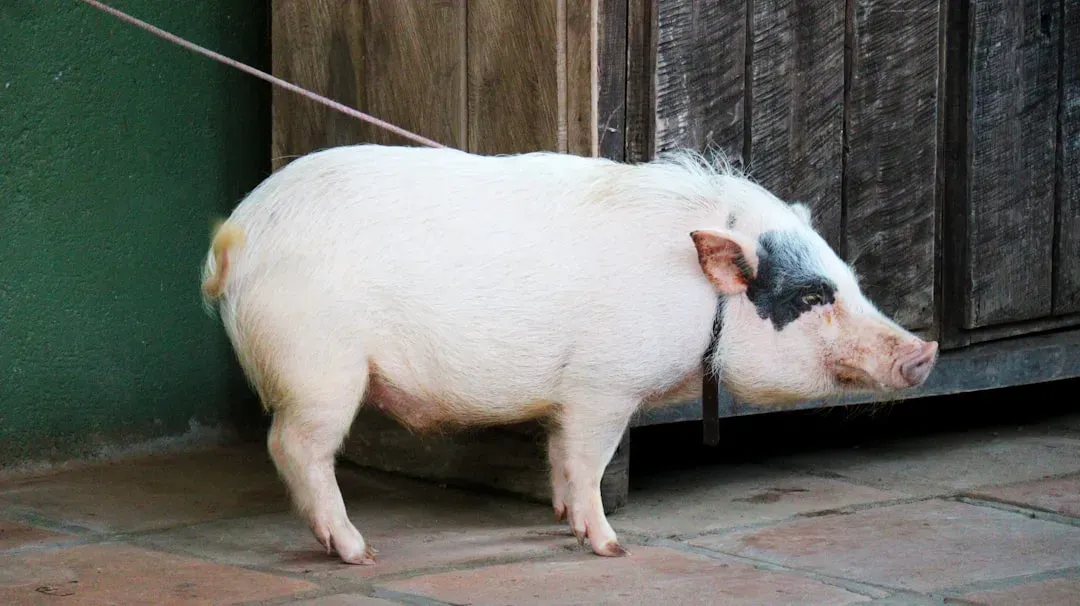
Pigs are cognitively sophisticated enough to recognize individual humans, remember specific voices and faces, and form social bonds that function similarly to the ones they’d form within a herd. When a potbellied pig bonds to one caregiver, that person essentially becomes their entire social world. Rehoming doesn’t feel like a change of address to the pig – it feels like the collapse of their community.
Sanctuaries that take in surrendered pigs document behavioral deterioration that can be dramatic: aggression toward new owners, refusal to eat, repetitive stress behaviors, and visible withdrawal. Some pigs have refused to eat for new owners until the original person returned – a detail that sounds extreme until you understand that pigs experience boredom, loneliness, and grief in ways that are measurably real. Their lifespan of 15 to 20 years means these situations aren’t short-term problems. They’re long ones.
#6 – Captive Elephants That Grieve Lost Keepers
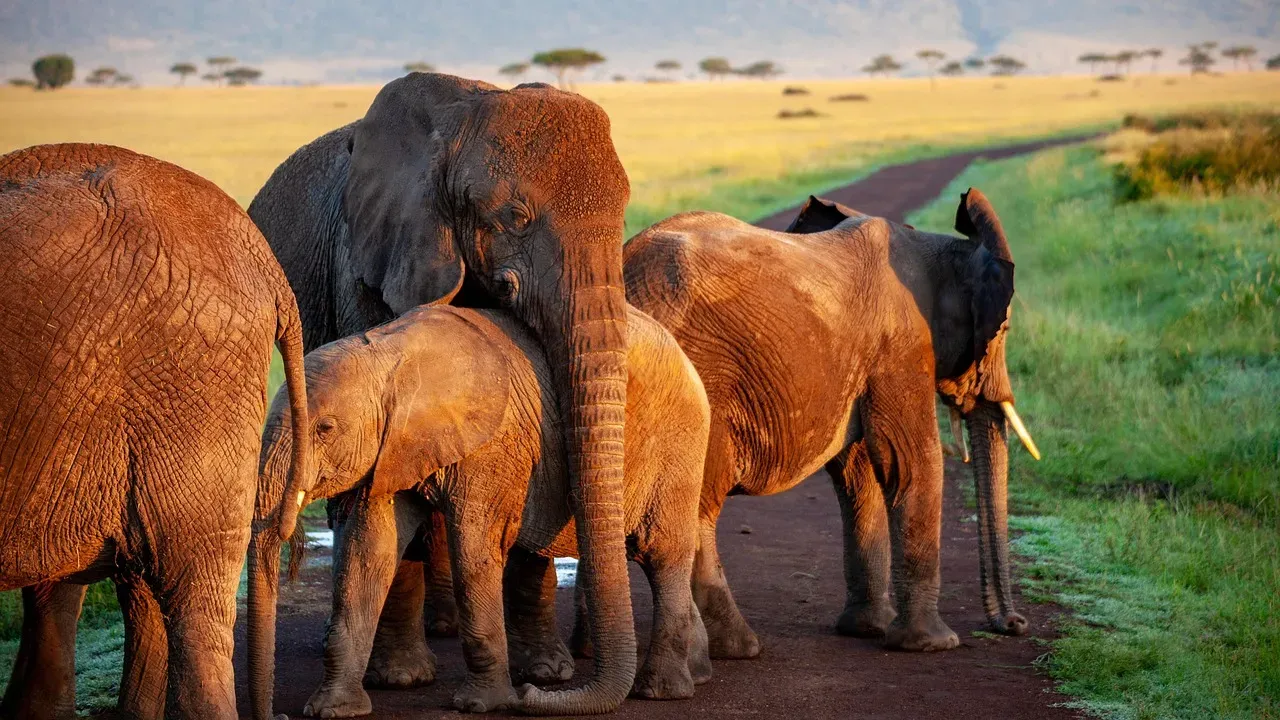
Elephants in sanctuaries and zoological facilities sometimes form bonds with individual keepers that are genuinely profound – built over years of daily contact, shared routine, and what researchers increasingly describe as mutual emotional attunement. When that keeper leaves, the elephant’s response isn’t simply behavioral adjustment. It looks, unmistakably, like grief.
The question is not whether animals have emotions. The question is why we ever doubted it.
Frans de Waal, primatologist and ethologist
Wildlife experts have documented elephants becoming withdrawn, refusing food, or turning aggressive toward replacement staff after a bonded keeper departs. Some have been observed vocalizing repeatedly in patterns that don’t match any known social call – as if calling for someone specific. For the most emotionally complex land animal on Earth, losing the one person who understood them isn’t a minor disruption. It’s a loss they carry.
#5 – Border Collies That Live for One Handler
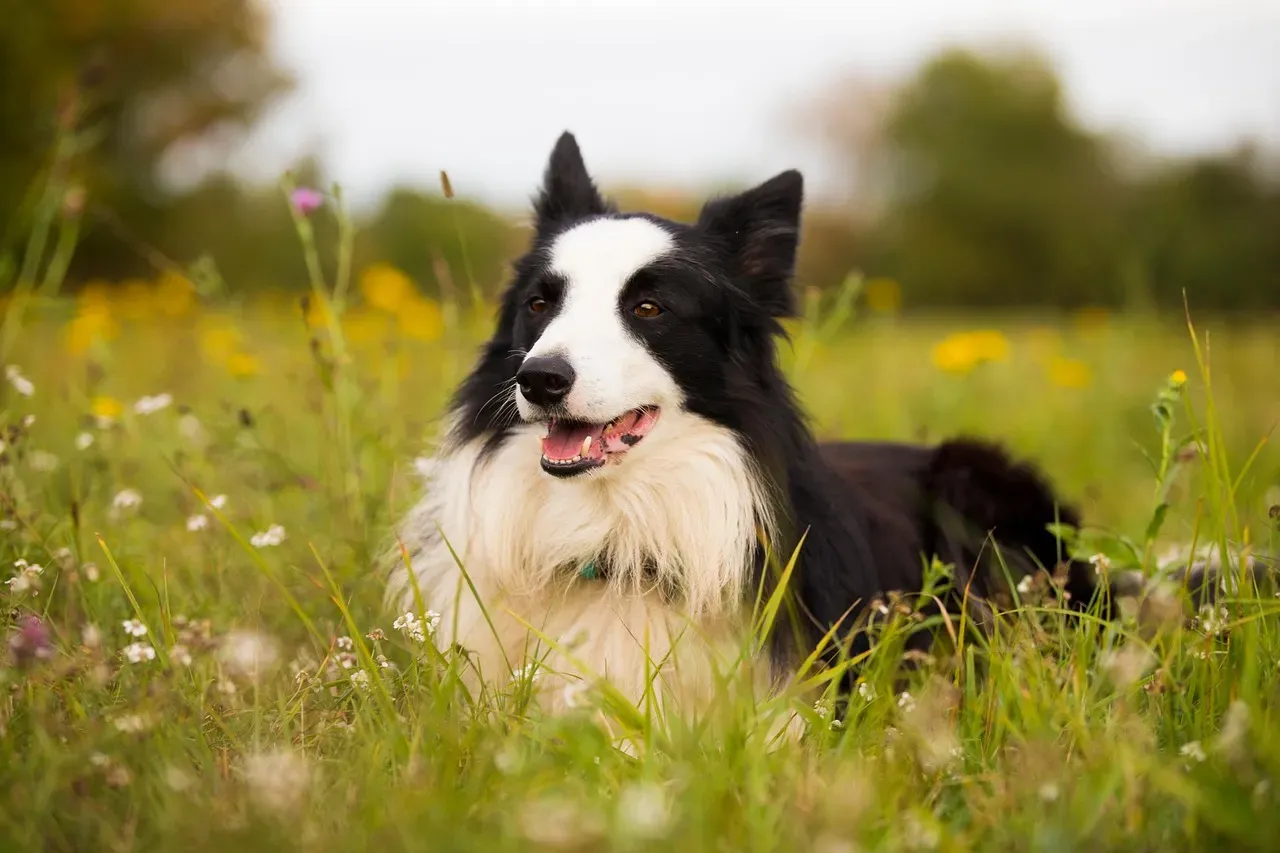
Border Collies don’t just bond with a person – they synchronize with one. Their intense work drive and herding instinct need an outlet, and when they find the right handler, every ounce of that energy gets directed like a laser at that one relationship. They learn that person’s rhythms, anticipate their movements, and begin functioning almost as an extension of them rather than a separate animal.
Take that away, and the synchronized machine starts shaking itself apart. Herding dog rescues see frequent returns because the collie won’t engage with new handlers – not because the new people are doing anything wrong, but because the original partnership consumed everything the dog had to offer. Some have performed complex tasks only for their bonded owner despite prolonged training attempts by skilled handlers. Without the right outlet and the right person, that same intelligence becomes pure, relentless anxiety.
#4 – Cockatoos That Demand One Person’s Entire World
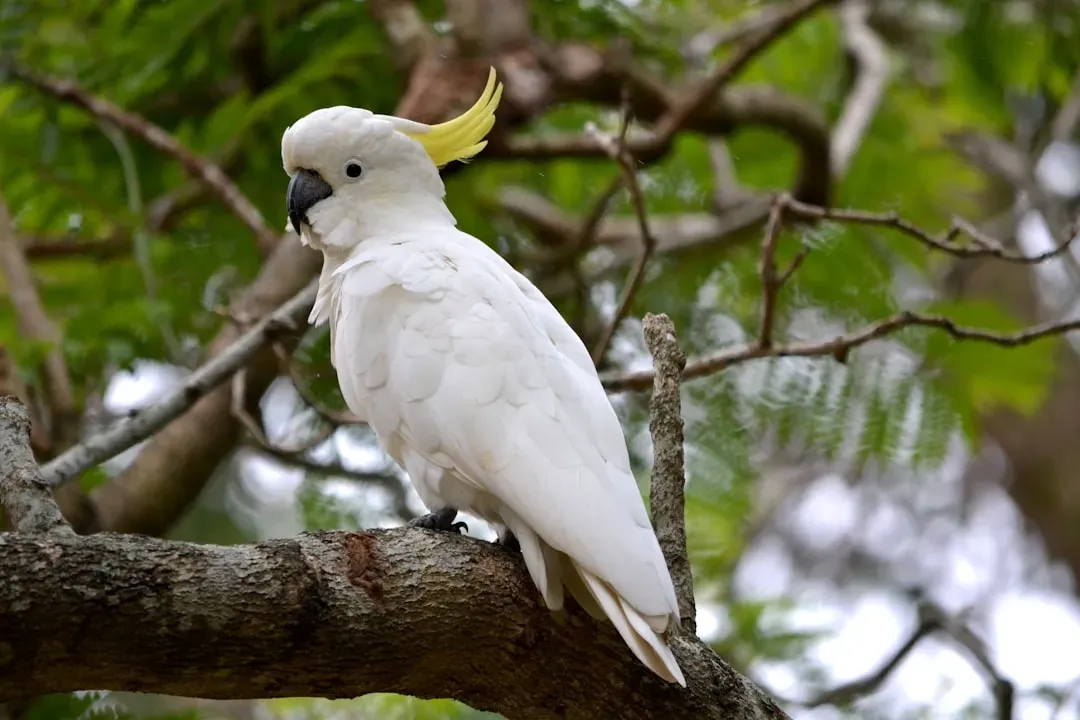
Cockatoos are emotionally equivalent to a toddler who never grows up, never becomes more independent, and has chosen you as their entire universe. They scream for attention. They demand physical contact for hours daily. They learn what gets a reaction and deploy it without mercy. And all of that intensity – every bit of it – gets aimed at one person.
When that bond is severed, the breakdown can be severe and visible: feather-plucking, self-mutilation, screaming that lasts for hours, complete refusal to eat. Avian behaviorists describe rehoming a bonded cockatoo as one of the most emotionally difficult rescues in the bird world, because the animal’s suffering is impossible to misread and very hard to resolve. Some will only accept interaction from their original person after multiple failed placements – still waiting, still certain, long after any reasonable hope is gone.
#3 – Akita Mixes and Other Loyal Crossbreeds
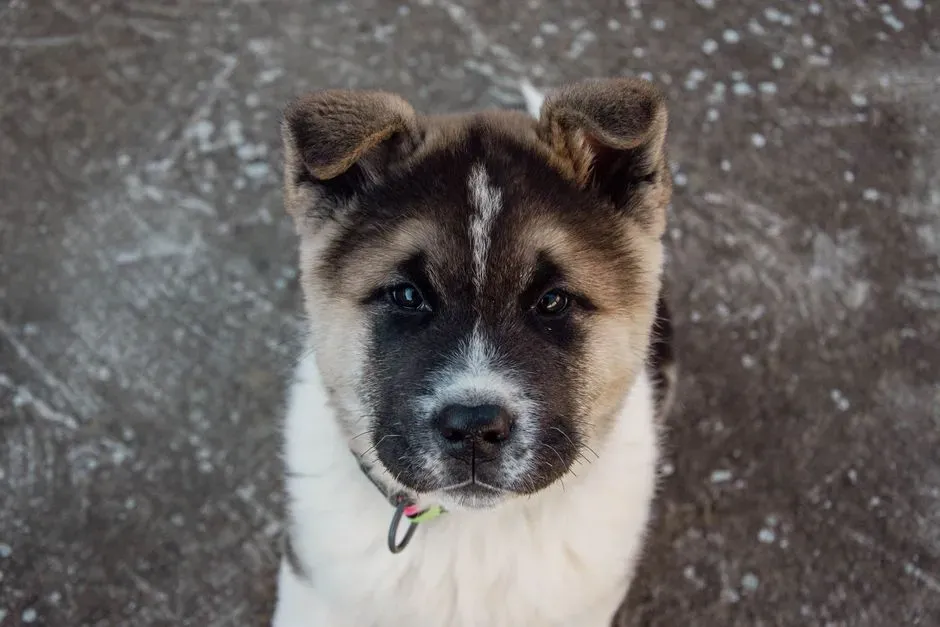
When you cross an Akita with another strongly bonded breed, you don’t always dilute the loyalty trait – sometimes you intensify it while removing the predictability that comes with a purebred. These mixes can inherit the one-person attachment in full while being harder for shelters to profile accurately, leading to placements that seem reasonable on paper and fall apart within weeks.
Trainers and rescue coordinators increasingly flag these crosses as high return-risk, particularly when the dog came from a single-person household early in life. Early intervention rarely overrides the original bond – it just creates a dog that can comply under pressure while remaining emotionally absent. Some mixes have shown no measurable progress bonding with new families after six months of patient, consistent effort. The loyalty was already spoken for.
#2 – Senior Dogs With Decades-Old Attachments
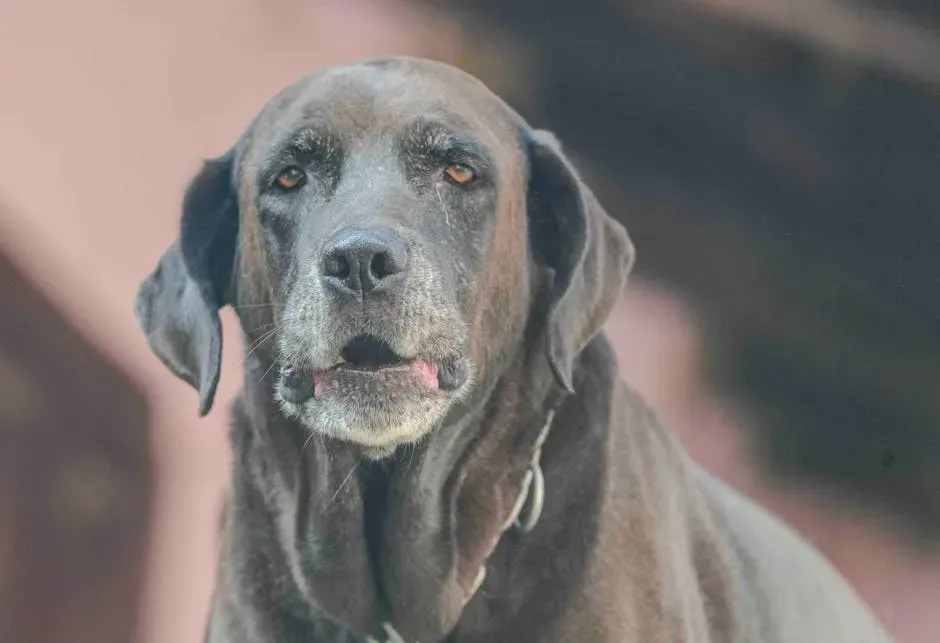
An older dog that has spent ten, twelve, fifteen years with one person isn’t just attached – that person is every familiar smell, every known routine, every signal that the world is safe. Removing that at age twelve doesn’t give the dog time to rebuild. It gives the dog confusion, grief, and a body that no longer bounces back the way it once did.
Shelters that work with senior dogs are candid about what happens: many decline rapidly after forced separation – not just behaviorally, but physically. Appetite drops. Activity disappears. The immune system falters. Some organizations designate these animals “hospice only,” advocating to keep them with their person at almost any cost. The most sobering reality in all of animal rescue is that some senior dogs have passed away within weeks of losing their lifelong companion – not from illness, but from something that looks, in every observable way, like a broken heart.
#1 – Service Dogs Retired With Their Handler
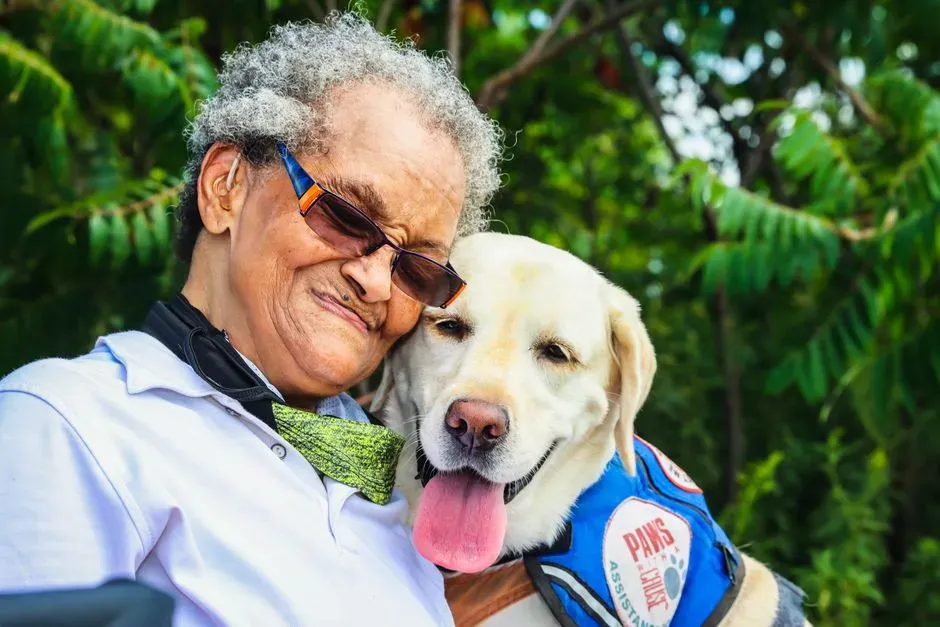
A service dog’s entire existence is built around one person’s specific needs, specific rhythms, and specific life. They don’t just follow commands – they learn to read a single human being at a level of detail most people never achieve with each other. The dog knows what a change in breathing means. Knows what a particular posture signals. Knows, sometimes, before the person does, that something is wrong.
That kind of relationship cannot be replicated or transferred. Organizations that place service animals overwhelmingly allow – and actively advocate for – retired dogs to remain with their handler for life, because the alternative is documented and grim. Dogs placed elsewhere after retirement have been observed refusing to move, refusing to eat, or becoming functionally non-operational – not broken by abuse, but hollowed out by the absence of the one thing that gave their entire trained life meaning. Of every animal on this list, the retired service dog may be the clearest example of a bond that was never meant to end.
The uncomfortable truth that runs through all fourteen of these animals is this: we built many of these bonds on purpose. We bred them, trained them, rescued them young, or simply loved them so completely that the attachment became total. And then life happens – illness, death, crisis, circumstance – and we expect the animal to adapt to a loss they have no framework for understanding. Some do. These fourteen largely don’t. That’s not a flaw in them. It’s the full weight of what it means when a living creature decides, without reservation, that you are their entire world. The least we can do is take that seriously before we make promises we might not be able to keep.

- 6 Things Never to Do When A Shark Approaches You - August 3, 2026
- 8 Astounding Animal Migrations That Defy All Scientific Explanation - August 3, 2026
- Top 10 Animals and Wildlife in Ontario - August 3, 2026