
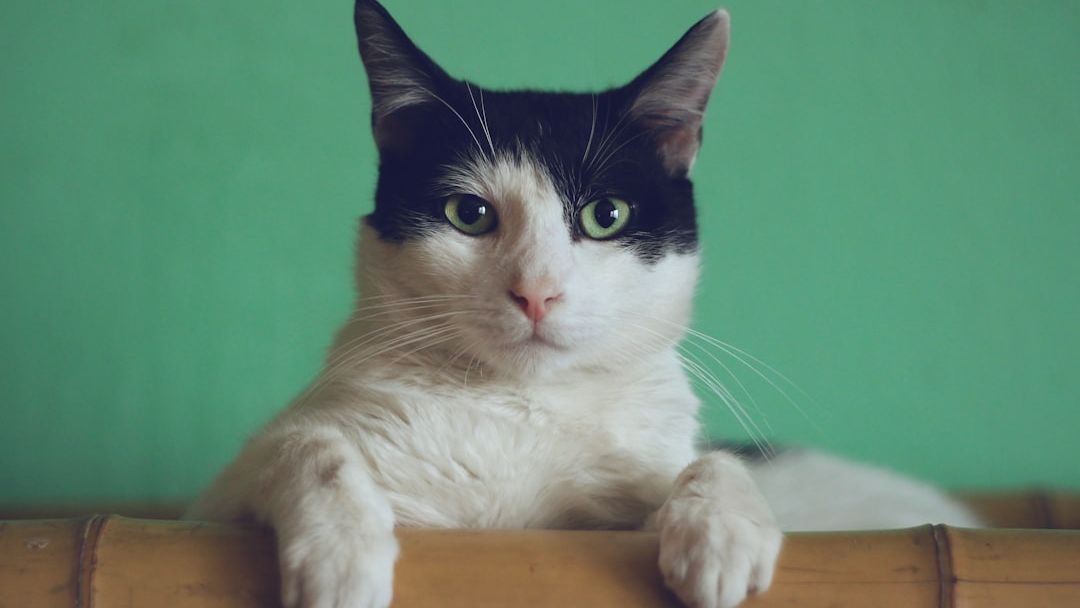
You step into the kitchen one morning and spot it right away. A small, still shape lies neatly placed near your feet, a silent offering from your feline companion. It feels unsettling at first, yet this moment carries layers of instinct that stretch back through generations of cats.
Many owners assume their pet is testing them or showing off in some odd way. The reality points to something deeper and more rooted in how cats have always operated in their world.
The Wild Origins Behind the Behavior
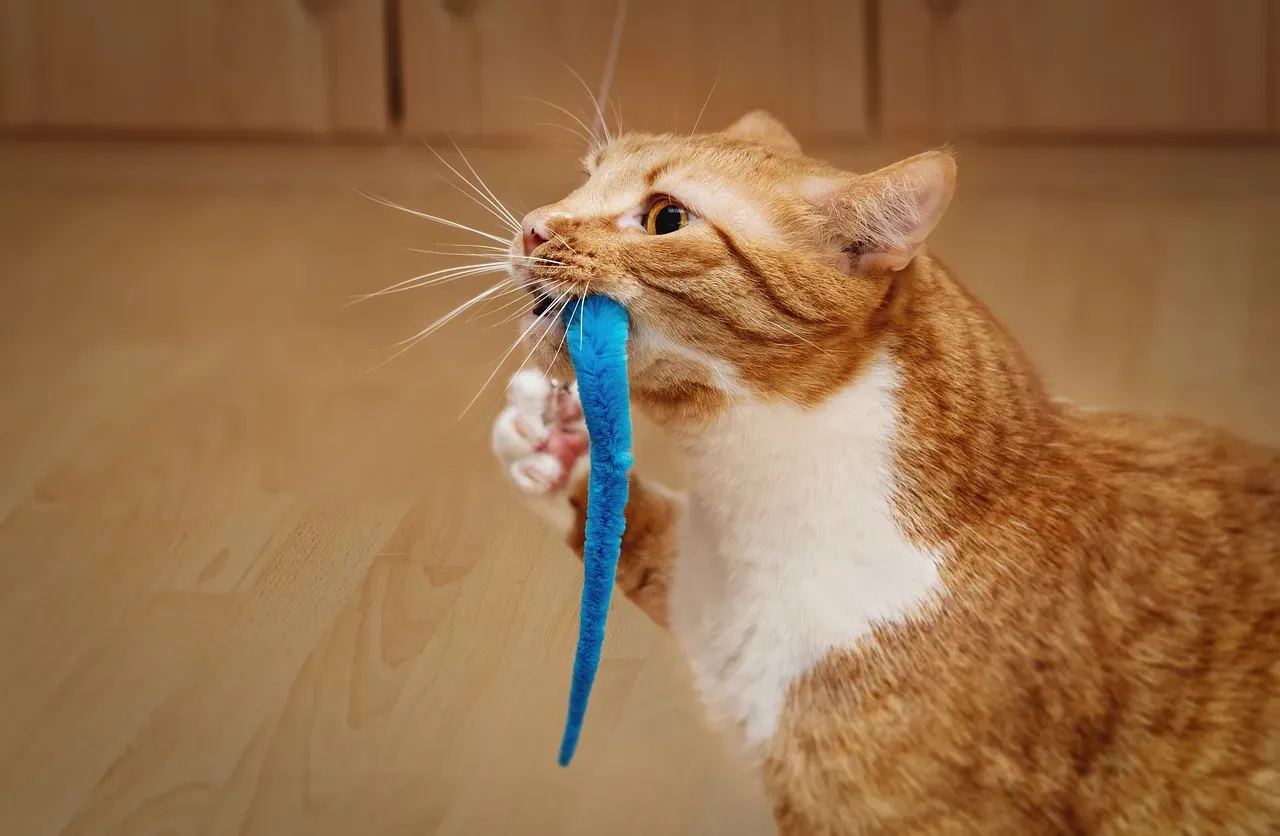
Cats descend from solitary hunters who relied on sharp skills to survive. In those environments, every catch mattered for staying fed and passing knowledge along. Domestic life has not erased those deep patterns even after thousands of years of living alongside people.
Today the same drive surfaces when a house cat returns with prey. The act reflects an ancient blueprint rather than any modern motive like seeking praise. It simply happens because the wiring remains intact.
How Mother Cats Teach Their Young
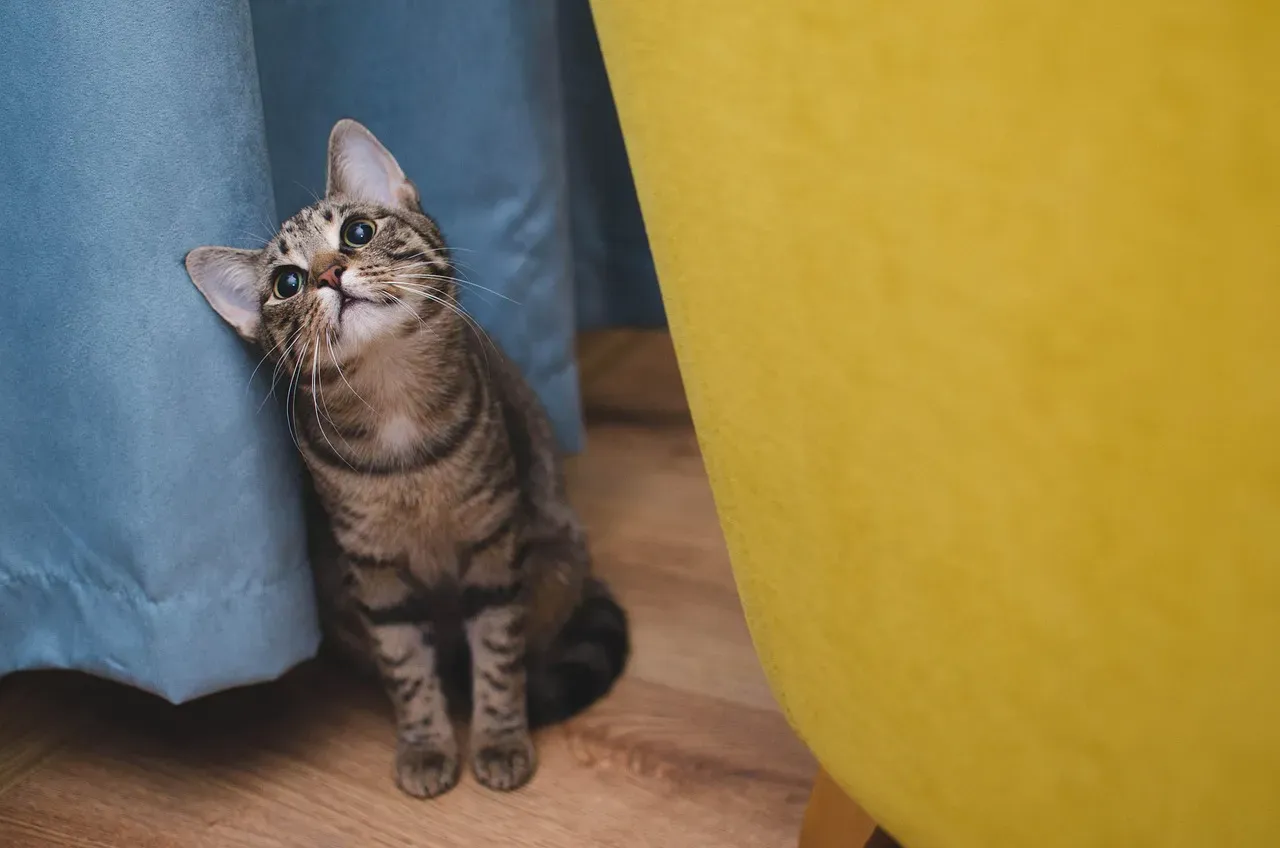
Female cats in the wild bring back injured or dead animals to demonstrate hunting techniques. Kittens watch and eventually practice on the provided prey, learning what works and what does not. This hands on approach ensures the next generation can fend for itself once it leaves the den.
Spayed and neutered pets rarely have litters of their own. Still the urge to instruct persists because the instinct does not switch off with reproductive status. Your cat applies the same lesson to the household it considers its own.
Viewing Owners as Part of the Family Unit
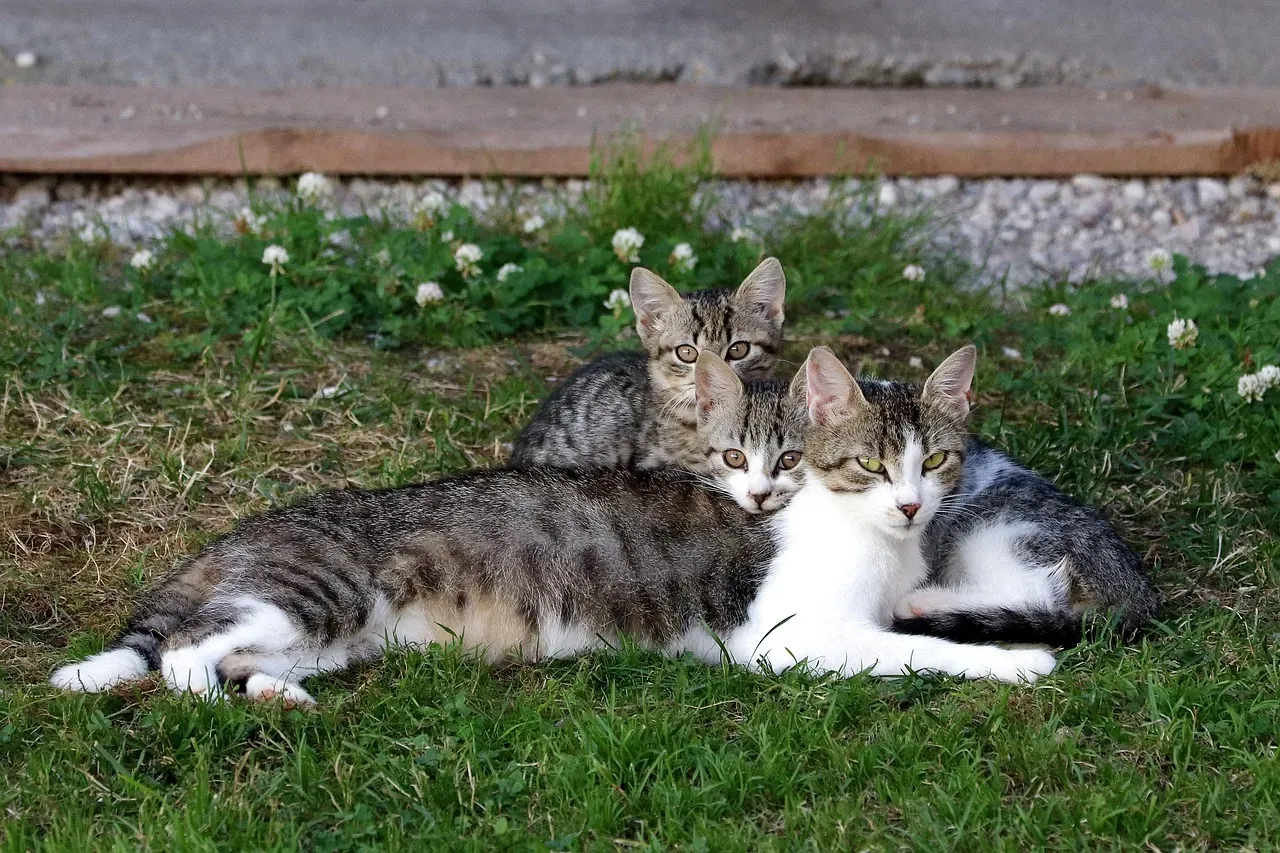
Cats often treat their human companions like oversized kittens or fellow group members. In their eyes the household forms a small social circle that needs care and guidance. Bringing prey fits into that framework as an attempt to contribute and support everyone present.
The gesture shows inclusion rather than judgment about your own abilities. Your cat has no concept of grocery stores or prepared meals. It simply follows the pattern that once kept groups alive in tougher conditions.
Distinguishing Instinct From Other Possible Motives
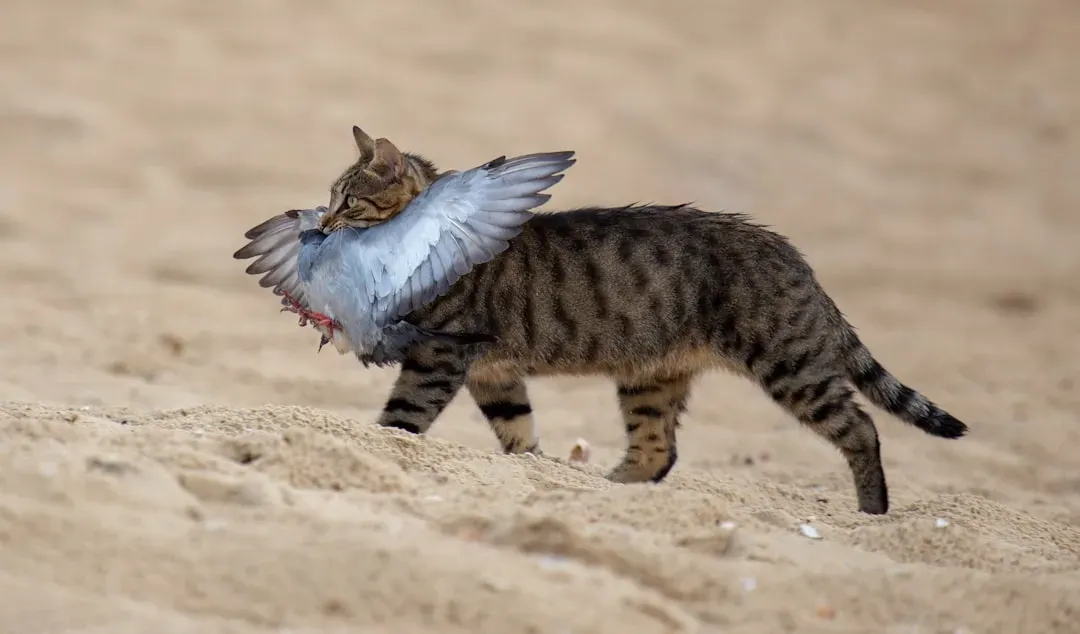
Some people interpret the gifts as affection or a bid for attention. While bonding plays a role in daily interactions, the specific act of delivering prey traces more directly to hunting education. Affection shows up in purring, kneading, and following you around instead.
Playful elements can mix in when the cat bats at the item afterward. Yet the initial delivery stems from the teaching drive rather than a desire to entertain. Observing the full sequence helps separate the layers at work.
Why the Behavior Persists in Indoor Cats
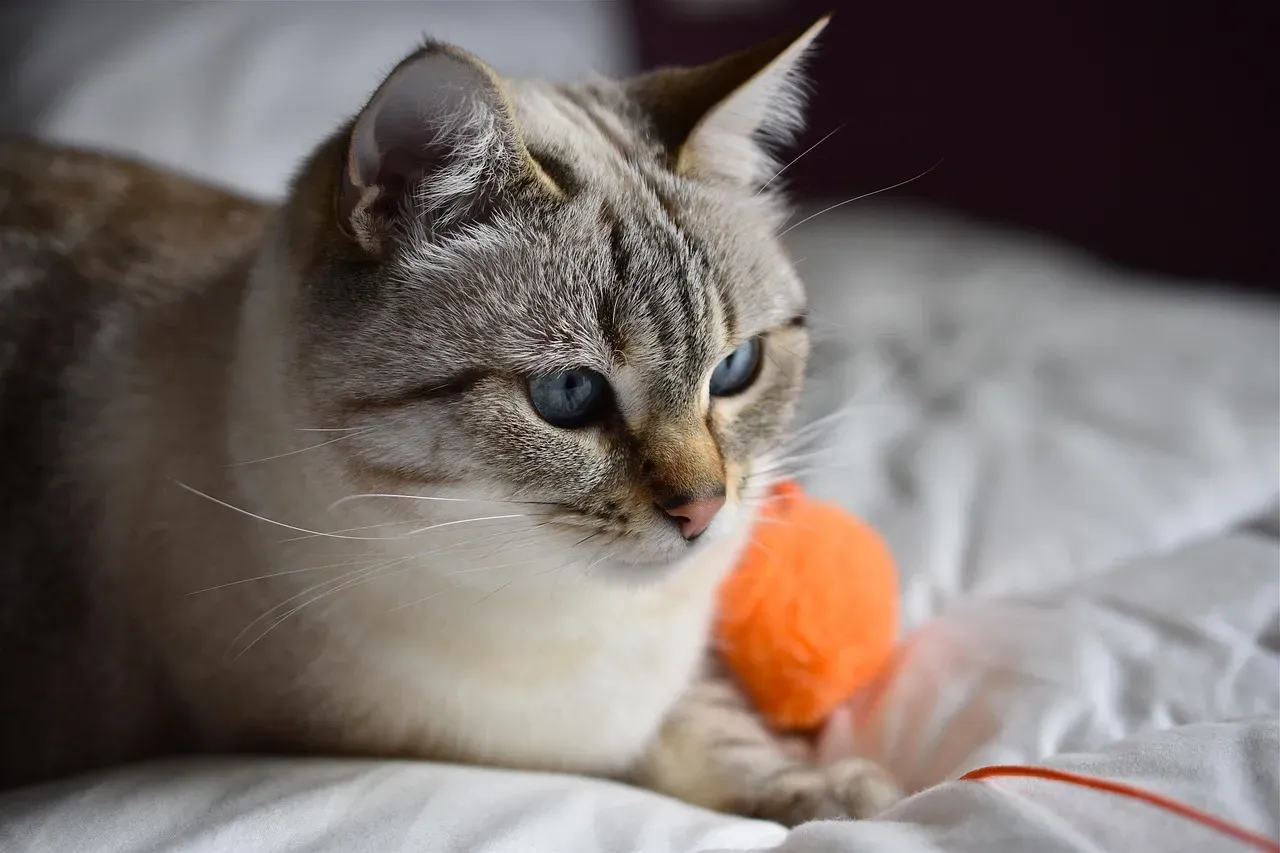
Even cats that never leave the house retain strong predatory sequences. Toys and laser pointers satisfy part of the urge, but real prey triggers the complete chain from stalk to capture. When an opportunity arises outside or through an open window, the old pattern activates fully.
Modern safety concerns keep many cats inside, yet the drive does not fade. Owners sometimes notice the behavior more during certain seasons when small animals become active. The timing aligns with natural cycles rather than any deliberate choice by the cat.
Practical Ways to Respond Without Discouraging the Bond
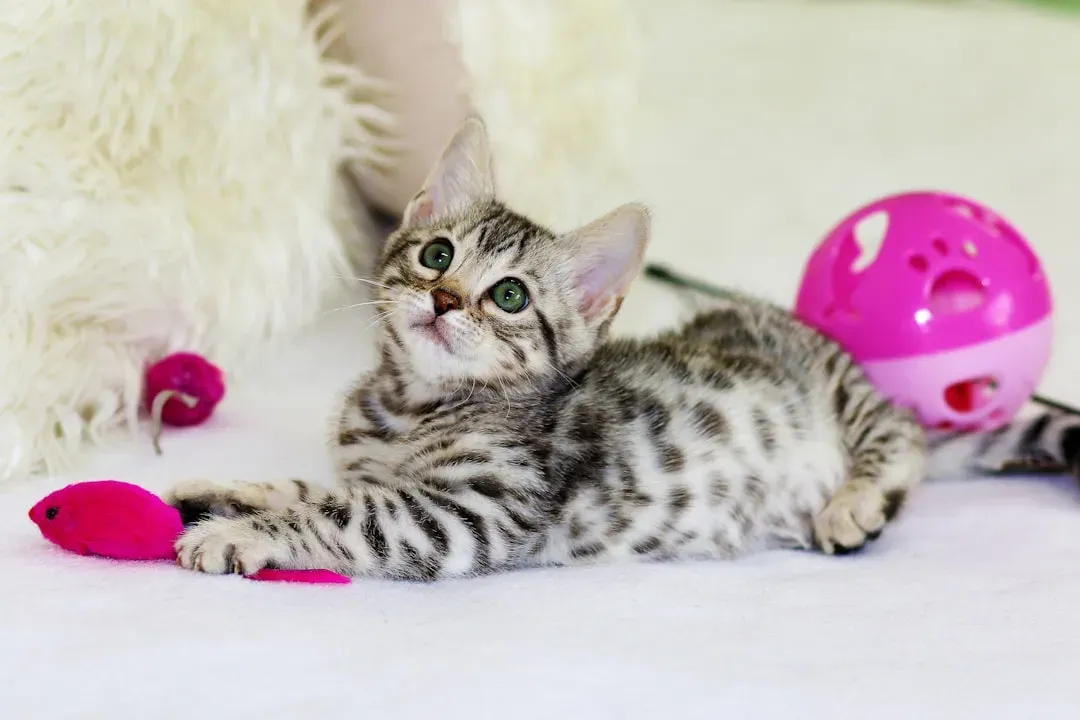
Reacting with disgust can confuse a cat that believes it has done something helpful. A calm removal of the item followed by gentle redirection works better than scolding. Over time the cat may still hunt but learn to leave offerings in less prominent spots.
Providing enrichment like puzzle feeders or supervised outdoor time channels the energy productively. These steps respect the instinct while keeping the home cleaner. The relationship stays intact because the cat continues to feel part of a cared for group.
Recognizing Individual Differences Among Cats
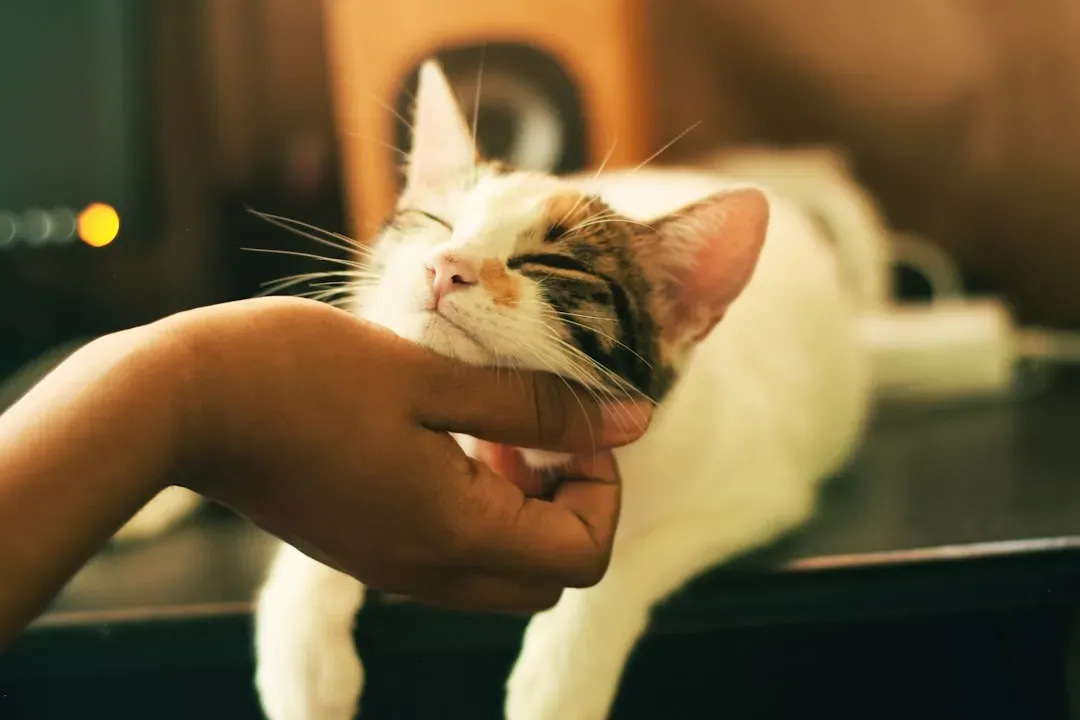
Not every cat brings prey home with the same frequency. Personality, early experiences, and access to outdoor spaces all influence how often the behavior appears. Some cats focus more on play or vocal communication instead.
Breed tendencies and age also factor in, with younger adults often showing stronger hunting drives. Watching your own cat over months reveals its unique pattern. This observation deepens the connection without forcing any change.
Appreciating the Gesture as a Window Into Feline Minds
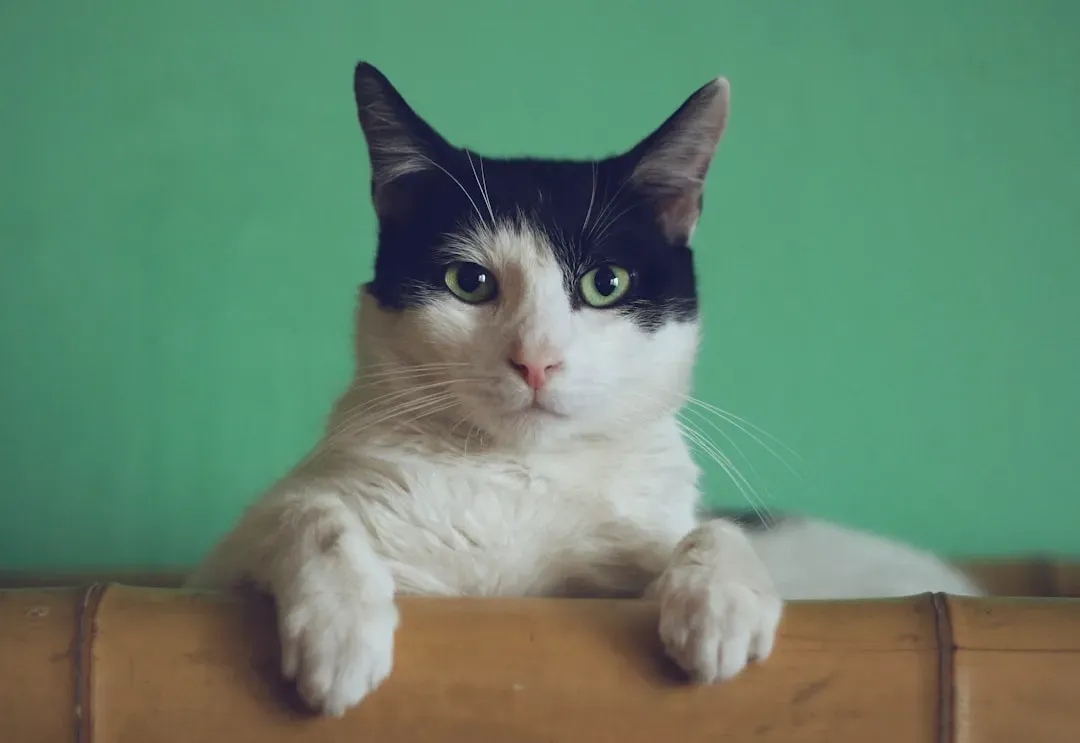
Understanding this instinct shifts the moment from unpleasant surprise to quiet insight. Your cat operates from a place of ancient responsibility rather than any test of your reactions. The act underscores how deeply these animals still carry their wild heritage into everyday life with us.
Respecting that drive fosters patience on both sides of the relationship. In the end it reminds us that living with cats means accepting behaviors shaped long before homes and schedules existed. That perspective turns a small dead animal into a reminder of shared history and quiet loyalty.

- 6 Things Never to Do When A Shark Approaches You - August 3, 2026
- 8 Astounding Animal Migrations That Defy All Scientific Explanation - August 3, 2026
- Top 10 Animals and Wildlife in Ontario - August 3, 2026