
Nature is, at its core, a relentless arms race. Predators evolve sharper teeth, and prey evolves stranger, more spectacular ways to survive. It’s a cycle that has been running for hundreds of millions of years, and the results are, frankly, breathtaking. Some animals have developed defenses so bizarre, so wildly creative, that they honestly look like something ripped from a science fiction screenplay.
Anti-predator adaptations are mechanisms developed through evolution that assist prey organisms in their constant struggle against predators. Throughout the animal kingdom, adaptations have evolved for every stage of this struggle, from avoiding detection to warding off attacks, fighting back, or escaping when found. What follows is a deep dive into some of the most jaw-dropping examples on the planet. Be prepared to be genuinely surprised.
1. The Bombardier Beetle: Nature’s Living Flamethrower
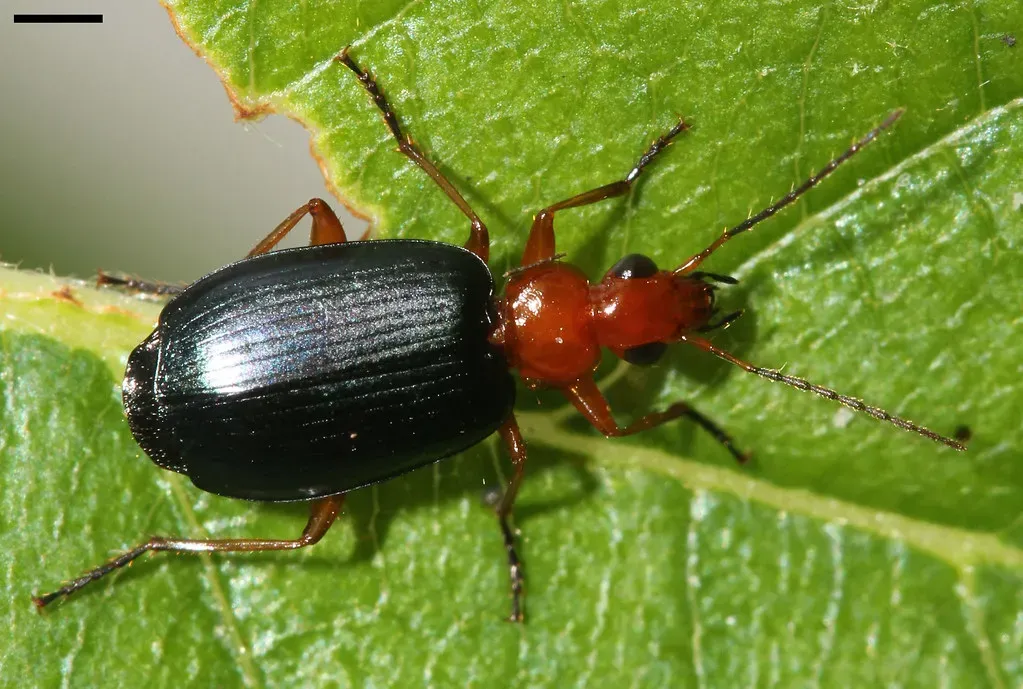
Honestly, if you had to pick one animal that sounds completely made up, the bombardier beetle would be a top contender. This small insect carries a chemical weapons system inside its own body that engineers are still trying to replicate.
The beetle has two chambers in its abdomen. One contains hydroquinone and the other contains hydrogen peroxide. When threatened, both chemicals are discharged at the same time, mixing and reacting to produce heat. The resulting liquid can reach nearly 212 degrees Fahrenheit and is directed at the attacker.
Bombardier beetles are unique in their ability to superheat the liquid and expel it in an intense, pulsating jet. The bombardier beetle has been a subject of interest in chemistry and biochemistry, offering insights into the evolution of chemical defenses. These animals are inspiring designers of engines, drug-delivery devices, and fire extinguishers to improve spray technologies. Think about that. A tiny beetle is literally inspiring modern engineering.
2. The Horned Lizard: Blood-Squirting Nightmare
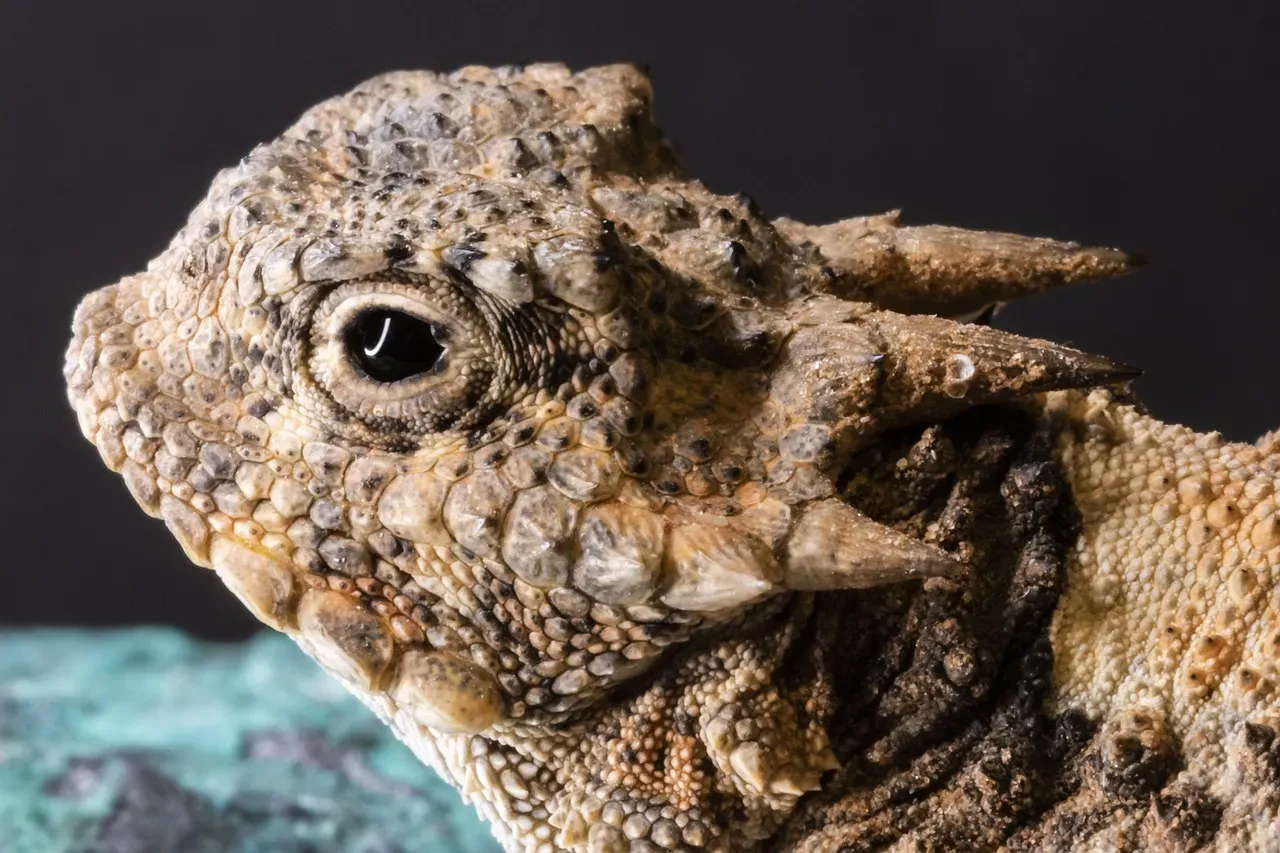
Let’s be real. There is no stranger first impression than meeting an animal that shoots blood from its own eyes. The Texas horned lizard does exactly that, and it remains one of the most shocking defense mechanisms in the entire animal kingdom.
If the sharp spikes and horns don’t ward off predators, the lizard steps it up a notch and squirts a well-aimed stream of blood out of its eyes. The stream of blood, which can go as far as 5 feet, is mixed with a foul-tasting chemical that wards off predators.
The lizard can control the pressure in its sinus cavities. When at risk, it increases the pressure until the blood vessels in the eye burst and spray the predator with blood. I think this is nature’s most dramatic overreaction to danger. And it works brilliantly.
3. The Sea Cucumber: Throwing Its Own Guts at You
If you thought the horned lizard was extreme, wait until you meet the sea cucumber. This seemingly passive ocean dweller has evolved perhaps the most grotesquely spectacular last resort in the sea.
When threatened, sea cucumbers have a shocking defense mechanism because they can eviscerate themselves, expelling their internal organs to entangle or distract predators. The organs essentially act like a biological trap, tangling up the attacker while the sea cucumber slips away.
The organs can also contain a poison called holothurin. This ejection of organs is not fatal, but it takes the sea cucumber around 6 weeks to fully regenerate any lost organs. Some sea cucumber species also produce defensive toxins called saponins. Interestingly, new research found that these marine animals are the only echinoderms capable of making these saponins, and that they alter their metabolism in a way that confers protection against self-poisoning by their own saponins.
4. The Malaysian Exploding Ant: Suicide Bomber of the Insect World
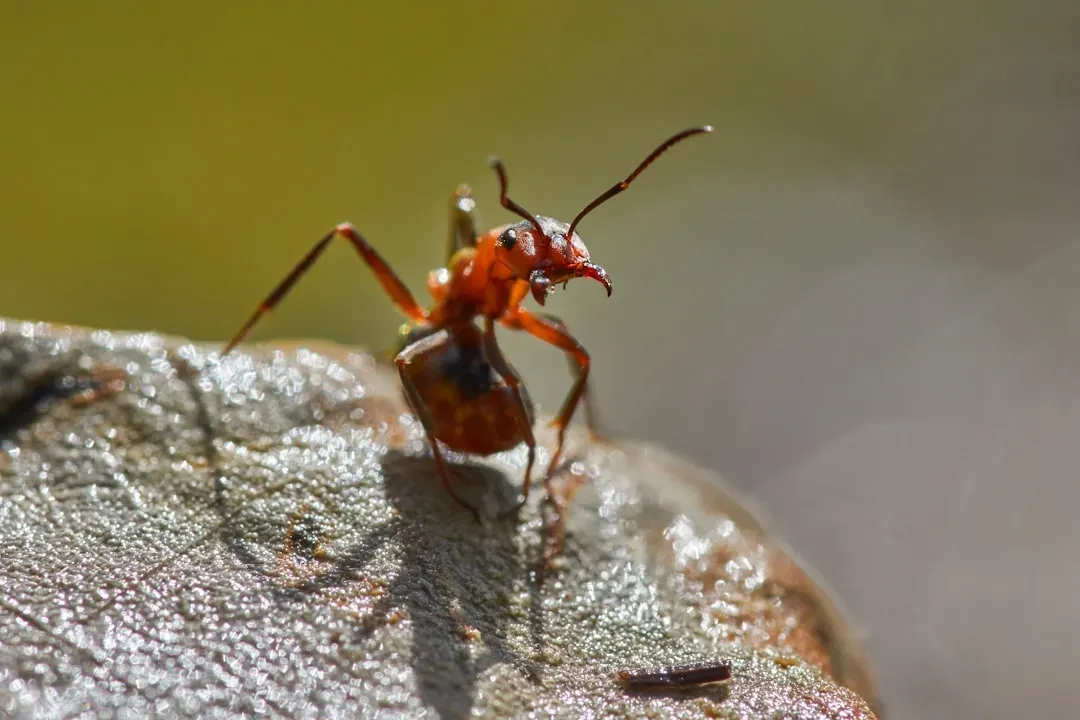
Here is a defense mechanism so extreme it requires sacrificing your own life. The Malaysian exploding ant has evolved what is arguably the most dramatic form of self-sacrifice in the natural world. It is extraordinary, and a little bit terrifying.
Soldier Malaysian ants have two large poison glands that the ant employs to incapacitate invaders and defend the colony. It does this by violently flexing so that its abdomen splits open, causing the fluid-filled glands to burst and spray the enemy with a sticky poisonous substance. This also ends the soldier ant’s life, but can seriously hamper or even kill the attackers.
Social hymenoptera rely on altruism to protect the entire colony, so the self-destructive acts benefit all individuals in the colony. In other words, the ant dies so that thousands of others may live. Disturbing and magnificent in equal measure.
5. The Opossum: The World’s Greatest Faker
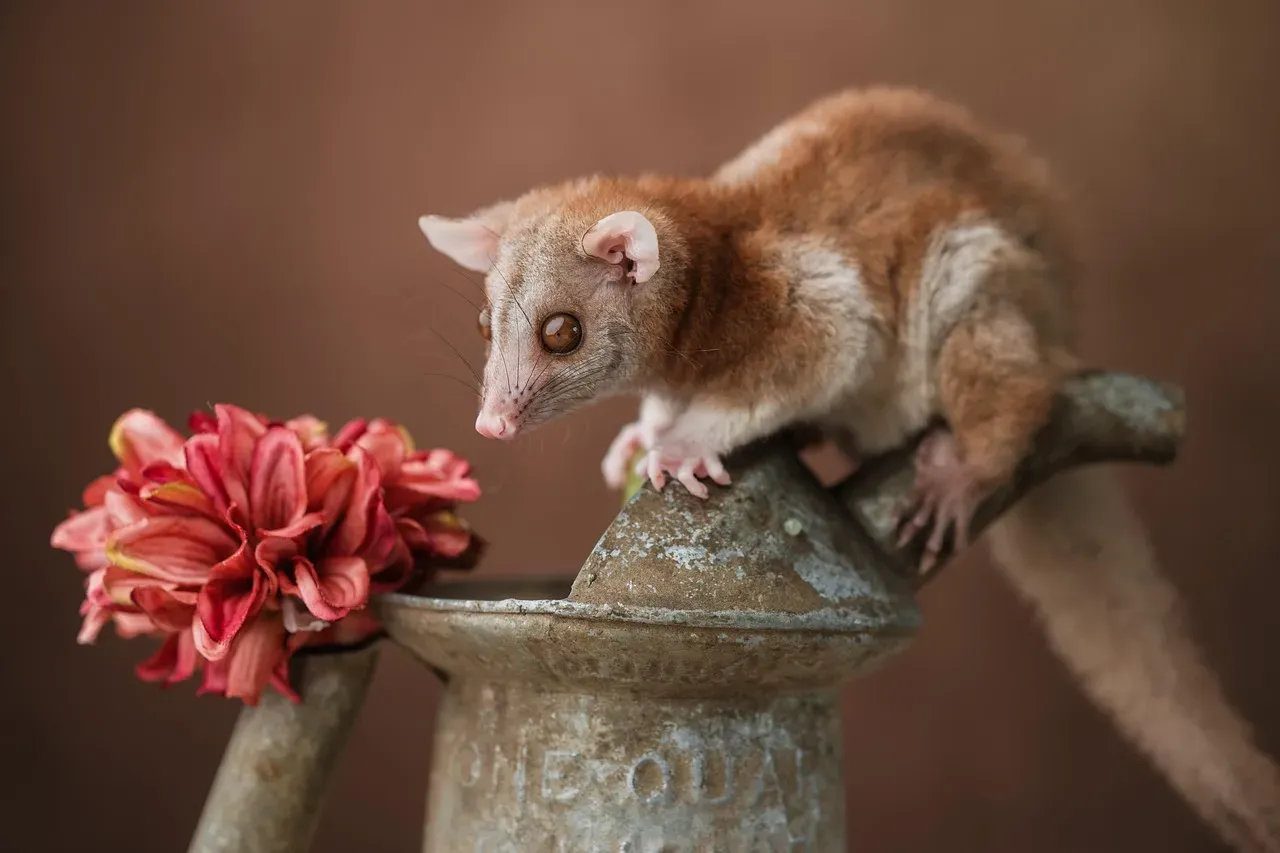
Everyone has heard of “playing possum.” It’s become a metaphor in everyday language. Yet most people don’t realize that the opossum is not actually acting at all. There’s no performance happening. It’s something far more remarkable.
It’s an involuntary response that is more like fainting. When an opossum plays dead, it bares its teeth, foams at the mouth, and secretes a fluid from its anal glands that gives off a bad smell. All of these things add to the look of it being dead, helping to keep predators at bay.
Under intense fear, opossums fall into a comatose-like state that can last for hours, long enough to convince any predator that the opossum is already dead. Fear causes these animals to emit a corpse-like smell that only adds to their act. Involuntary, uncontrollable, and deeply effective. Nature found a way to turn fainting into a superpower.
6. The Hairy Frog: It Breaks Its Own Bones
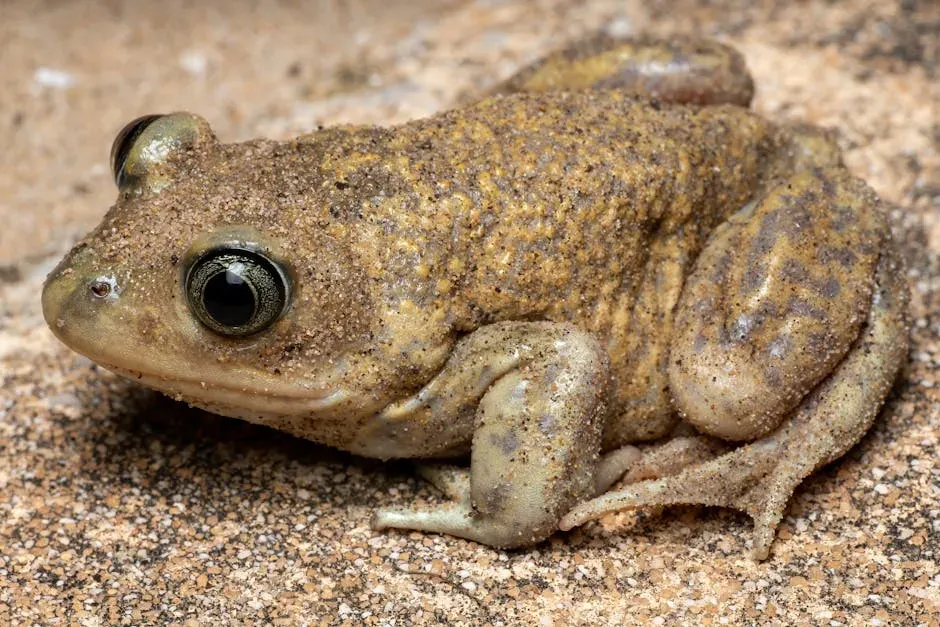
Known colloquially as the “wolverine frog,” this Central African amphibian takes the concept of fighting back to a place most animals never go. It manufactures its own claws. From the inside. By breaking its own bones.
Also called wolverine frogs, these animals create their own weapons using their bones. When they are threatened, they crack their own finger bones and poke them through the skin so that they can be used defensively like claws. They are able to do this thanks to a special arrangement of muscles in their hind feet.
It’s hard to say for sure whether this hurts in the way it would for a human, but the sheer audacity of the adaptation is mind-bending. Think of it this way: rather than growing external armor, the hairy frog decided to weaponize its own skeleton. Evolution, sometimes, is basically metal.
7. The Mimic Octopus: Master of a Thousand Disguises
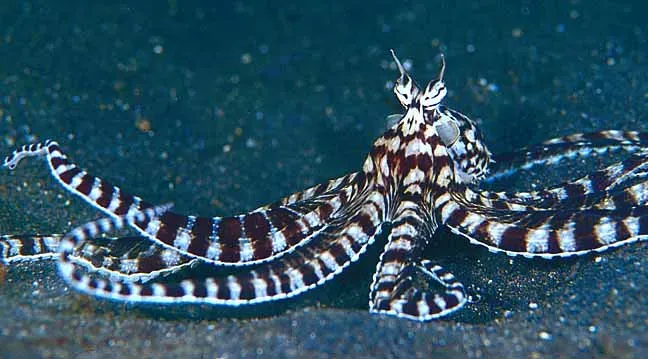
Most animals that use disguise pretend to be one other species. The mimic octopus looked at that strategy and decided one disguise simply wasn’t enough. It impersonates an entire gallery of dangerous creatures, switching costumes depending on what predator is nearby.
The mimic octopus has an extraordinary defense mechanism since it can mimic the appearance and behavior of more than 15 marine species. Besides changing their colors to disguise themselves, they can also contort their bodies to take on the appearance and behavior of several different animals, including lionfish, sea snakes, and flatfish. This form of mimicry is not just a passive defense but an active strategy to confuse or deter predators by imitating species known to be venomous or unpalatable.
The mimic octopus has color-changing cells, or chromatophores, covering its skin. This allows the animal to change color by quickly expanding or contracting the cells, blending into its environment. Watching one in action is, genuinely, one of the most astonishing things you will ever see in a nature documentary.
8. The Hagfish: Drowning Predators in Slime
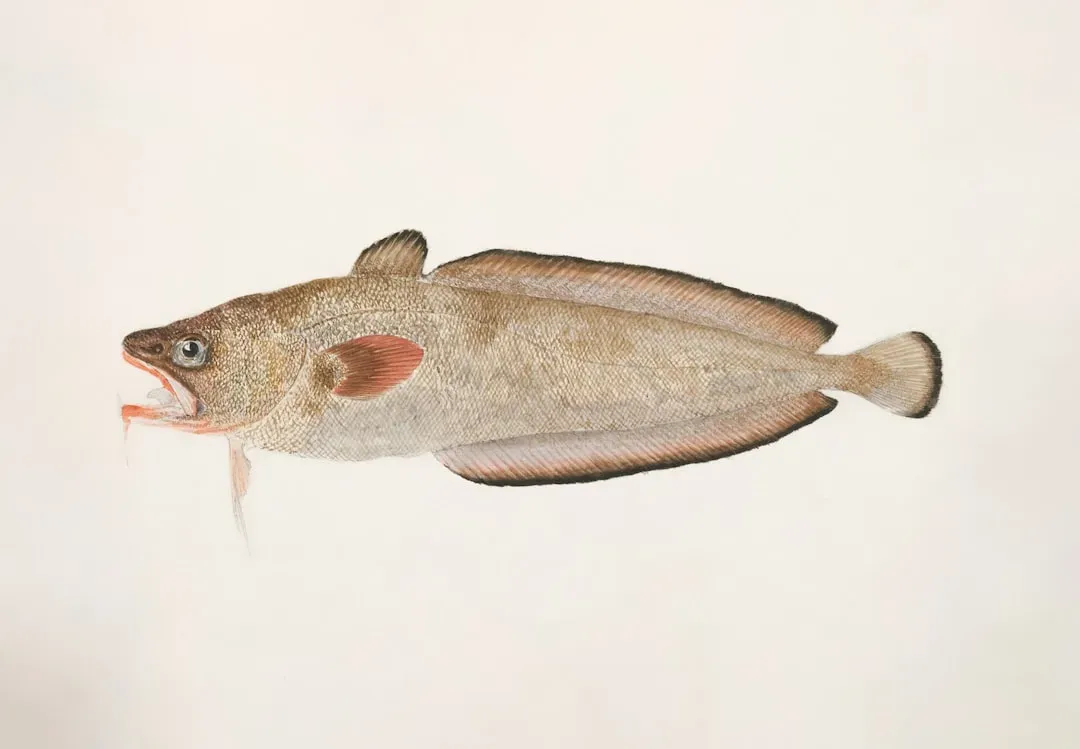
The hagfish is not going to win any beauty contests. It’s ancient, eel-shaped, and produces one of the most revolting substances in the ocean. But here’s the thing: that revolting substance is a biological marvel.
Hagfish are eel-shaped marine animals with the incredibly useful ability to slime their enemies. When threatened, the hagfish emit a slime from their pores that, when mixed with water, expands into a gelatinous goo that can either trap predators or suffocate them by clogging their gills.
The hagfish secretes a suffocating slime that coats the enemy in a gooey coating until he cannot breathe. The hagfish’s slime is very dangerous though, even to him, so it has to be careful it doesn’t accidentally get caught up in it too. A defense mechanism that can also backfire on the defender. The ultimate high-risk, high-reward strategy.
9. The Pufferfish: Becoming Too Big to Swallow
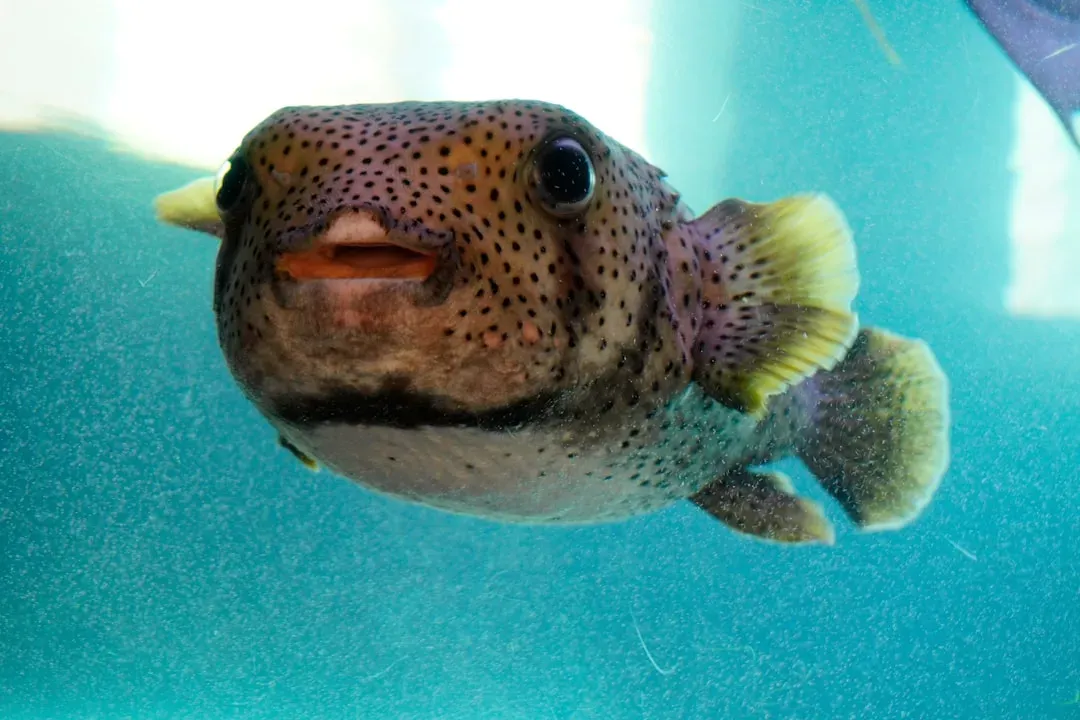
The pufferfish takes a deceptively simple approach to survival. Rather than producing venom, growing armor, or launching chemical attacks, it just makes itself impossible to eat. The sheer elegance of the idea is kind of beautiful.
When threatened, this unique fish can inflate its body by ingesting water or air, transforming into a spiky, unappetizing ball. This sudden increase in size makes it difficult for predators to swallow the pufferfish, providing a crucial window for escape. The sharp spines that protrude as it inflates not only add an extra layer of protection but also make the pufferfish appear even more formidable.
A last-ditch defense is for the animal’s flesh itself to be toxic, as in the puffer fish. So if the inflation doesn’t put a predator off, the poison inside certainly will. It’s like a car alarm that also explodes. Not much room for error on the predator’s part.
10. The Armadillo: Living in Built-In Armor
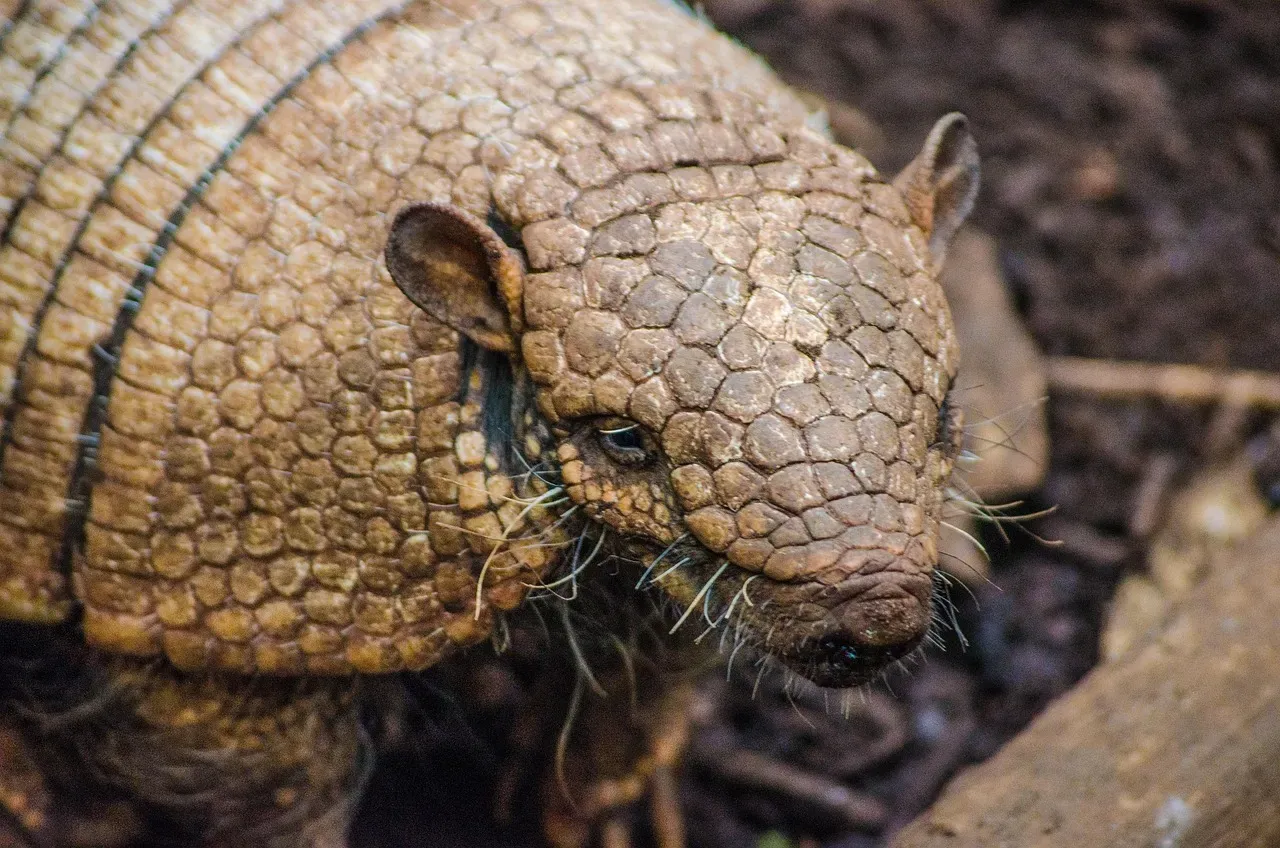
If you could design your own defense system from scratch, you might consider simply wearing a full-body suit of armor. The armadillo evolved exactly that, millions of years before humans thought to build metal shields.
Armadillos are unique mammals known for their distinctive armored shells, which serve as their primary defense mechanism. These shells, made of bony plates covered by a tough, leathery skin, form a protective covering around the armadillo’s body. Comprised of several movable bands, this armor provides flexibility, enabling the armadillo to curl into a ball when threatened, completely enclosing itself within the shell.
This ingenious adaptation shields them from threats posed by predators, such as large birds of prey or carnivorous mammals. It’s worth noting that not all armadillo species can fully curl into a ball. The three-banded armadillo does it best, clicking itself shut like a living locket. A perfect, self-contained fortress.
11. The Skunk: The Weapon You Smell From Half a Mile Away
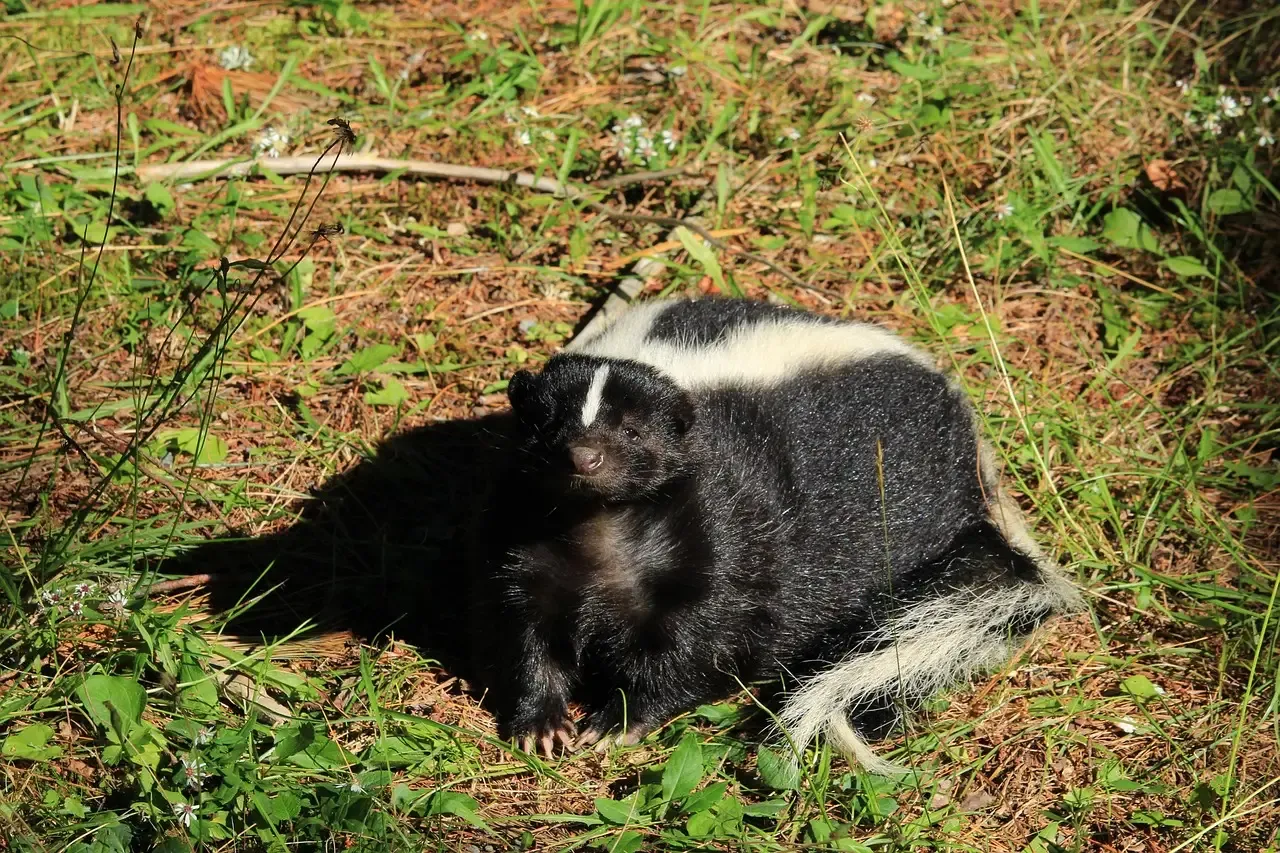
No list of remarkable animal defenses is complete without the skunk. Its spray is so effective, so deeply unpleasant, that it has become a cultural symbol. It’s also more sophisticated than most people realize.
The stinky spray of a skunk is usually used as a last resort. A skunk will first try less odiferous means of keeping a potential predator at bay. It may start by hissing and stomping its feet. If that doesn’t send a predator scampering, the skunk will arch its back and lift its tail.
The musk is contained in anal glands that have nipples so the skunks can precisely direct their spray, which can reach distances of 10 feet or more. The spray may cause an unsuspecting animal’s eyes to water and sting, but it leaves no lasting damage, although the smell can linger for days or even weeks. That precision targeting detail is something most people never know. Skunks aren’t just smelly. They are accurate.
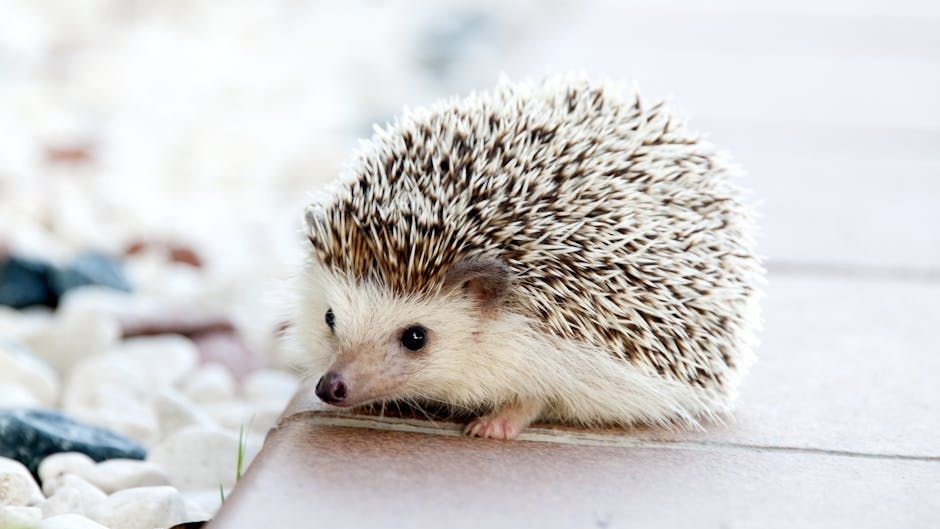
12. The Hedgehog: Rolling Into a Ball of Spikes
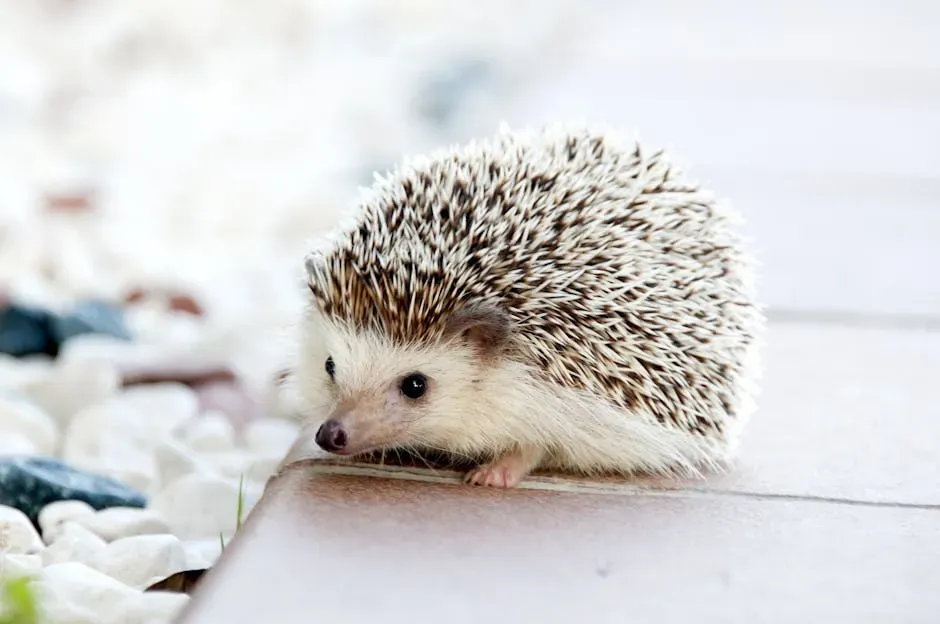
Small, round, and covered in thousands of needle-like spines, the hedgehog has been perfecting its defensive strategy for a very long time. It’s deceptively simple. It’s also remarkably effective.
Their spines are stiff, keratin-coated hairs. When threatened, a hedgehog will curl into a tight ball, making its spines protrude in all directions. This defensive posture protects its vulnerable face, limbs, and belly from predators. The solid ball of spikes is hard for predators to open.
Evidence suggests that hedgehogs’ quills may also contain unpleasant chemicals to make them even less appealing. Research into hedgehog spines has potential applications in designing flexible and protective materials. So not only is the hedgehog well protected in the wild, it’s also inspiring the future of body armor design. Not bad for such a tiny animal.
13. The Electric Eel: Shocking Predators Into Retreat
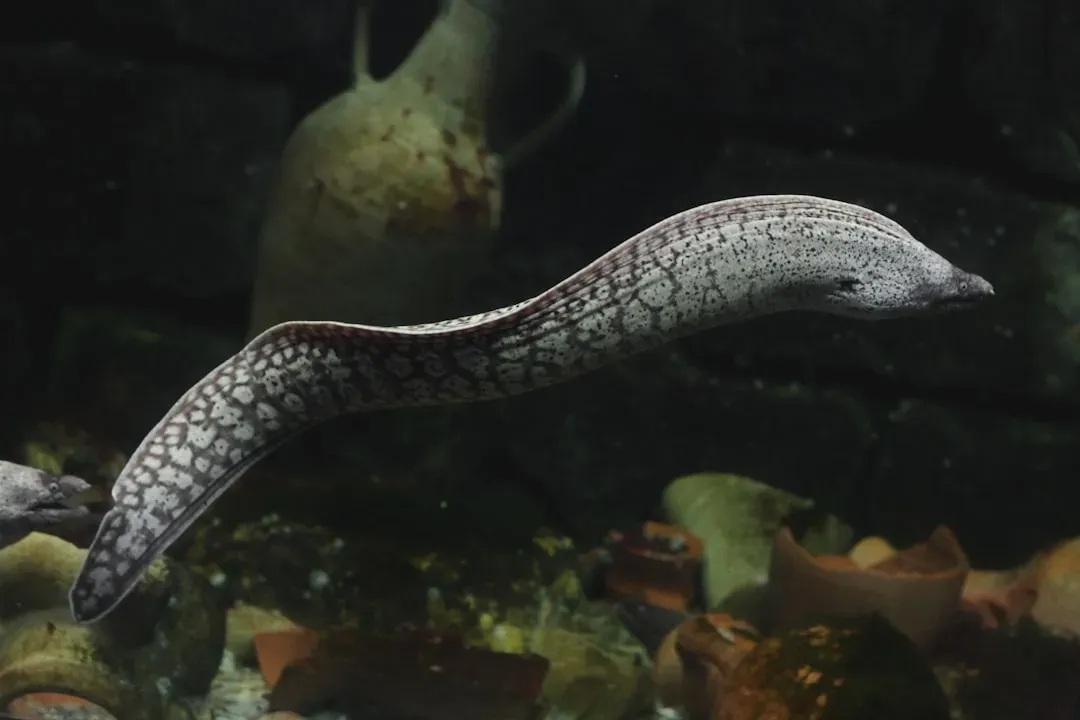
Imagine being able to generate an electric field powerful enough to stun or kill an animal many times your own size. The electric eel does not imagine it. It simply does it. And the biology behind this ability is extraordinary.
Electric eels, known for their incredible ability to generate electric shocks, are predominantly found in the freshwater rivers and streams of South America, particularly in the Amazon and Orinoco River basins. These remarkable creatures possess specialized organs called electrocytes that enable them to produce powerful electric discharges for hunting prey, self-defense, and communication. Capable of delivering shocks up to 600 volts, electric eels use these jolts to immobilize prey and deter potential threats, such as predators.
The electric eel can turn it up to over 500 volts. That is enough electricity to be fatal to a human being. Think of it as wearing a taser as a skin suit. At all times. In a river. The electric eel wins the “most intimidating neighbor” award, no contest.
14. The Wood Frog: Surviving by Freezing Solid
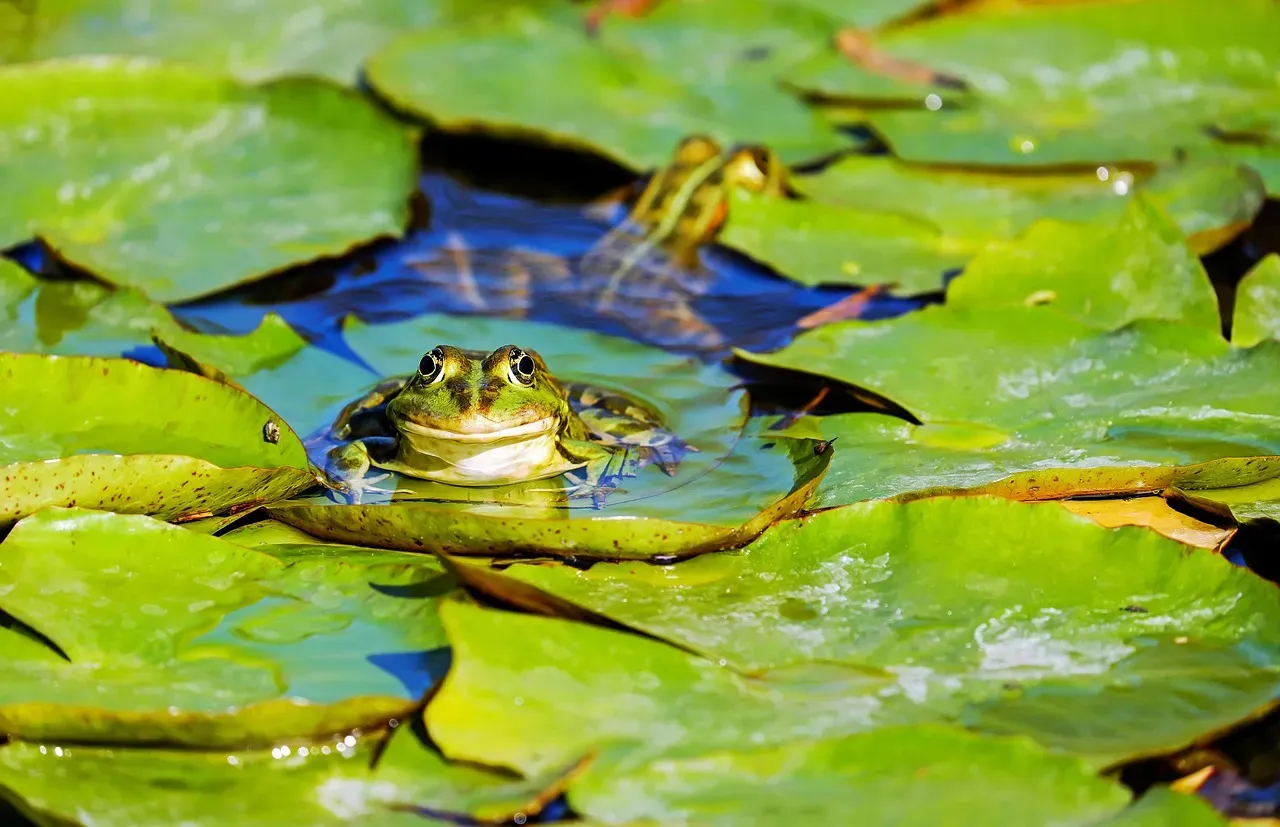
This last entry is different from all the others. Rather than defending against a predator directly, the wood frog has evolved a defense against something even more fundamentally deadly: winter itself. It survives by doing something that would kill virtually every other vertebrate on Earth.
Wood frogs have adapted to remain frozen for up to eight months of the year. In the first few weeks, ice fills their abdominal cavity and forms between their layers of skin and muscle. While this happens, the frog’s liver produces large amounts of glucose, which prevents their cells from freezing and binds water molecules to prevent dehydration. So, while ice forms on the outsides of their organs and cells, the insides of their cells are protected.
When they’re hibernating, wood frogs have no heartbeat and do not breathe. In spring, once they thaw, their hearts start beating again. This adaptation allows them to become active much earlier in the spring than other frogs and to breed in pools of freshly melted water that would have already dried up if they came out of hibernation later.
Conclusion: Evolution Never Stops Surprising Us
From boiling chemical sprays to self-evisceration to literal heart-stopping freezing, the animal kingdom has invented survival strategies that no human engineer could have dreamed up in advance. These bizarre defenses aren’t random oddities; they are finely tuned survival techniques formed over millions of years by specific predators and harsh environments.
The relationship between predator and prey is a bit like an evolutionary arms race. As soon as one develops a weapon or defense mechanism, the other is working on an adaptation that allows them to circumvent it. That race, ongoing and relentless, is why life on Earth is as spectacular and varied as it is.
Every single animal on this list found its own answer to the same question: how do I stay alive? The answers turned out to be far stranger, far more creative, and far more inspiring than any of us might have expected. Nature, it turns out, is the greatest innovator of all. Which of these fourteen defenses shocked you the most? Tell us in the comments.
