

In the relentless game of survival, nature has equipped certain animals with extraordinary abilities that defy our imagination. From withstanding extreme temperatures to employing bizarre defensive mechanisms, these creatures showcase evolution’s most ingenious solutions to life’s challenges. The animal kingdom is filled with species that have developed remarkable adaptations allowing them to thrive in conditions that would be fatal to most other organisms. These survival specialists demonstrate the incredible resilience and adaptability of life on Earth. Let’s explore twenty of the most fascinating examples of extreme survival tactics that have evolved in animals across our planet.
14. Tardigrades The Ultimate Survivors

Often called water bears or moss piglets, tardigrades are microscopic creatures that have mastered survival in ways that seem almost supernatural. These tiny animals (typically 0.5mm long) can survive temperatures from near absolute zero (-458°F/-272°C) to well above boiling (300°F/149°C). When faced with extreme conditions, tardigrades enter a state called cryptobiosis, where they expel almost all water from their bodies and reduce their metabolic activity to less than 0.01% of normal. In this dehydrated state—known as a “tun”—they can survive radiation levels thousands of times higher than what would kill a human, pressures six times greater than those in the deepest ocean trenches, and even the vacuum of space. Perhaps most impressively, tardigrades can remain in this suspended animation for up to 30 years before rehydrating and continuing their lives as if nothing happened.
13. African Lungfish Masters of Dormancy

When their aquatic habitats dry up during prolonged droughts, African lungfish employ an extraordinary survival strategy. These remarkable fish can burrow into mud and secrete a mucus cocoon around themselves that hardens into a protective case. Inside this cocoon, the lungfish enters a state of estivation—a dormancy similar to hibernation—where their metabolic rate plummets to just 1/60th of normal. They can breathe air through a small tube leading to the surface and survive on their own muscle tissue for fuel. This remarkable adaptation allows African lungfish to survive without food or water for up to four years, essentially “waiting out” drought conditions until the rains return. When water finally floods their habitat again, they break free from their cocoons and resume normal activity within hours, demonstrating one of the most impressive drought-survival mechanisms in the vertebrate world.
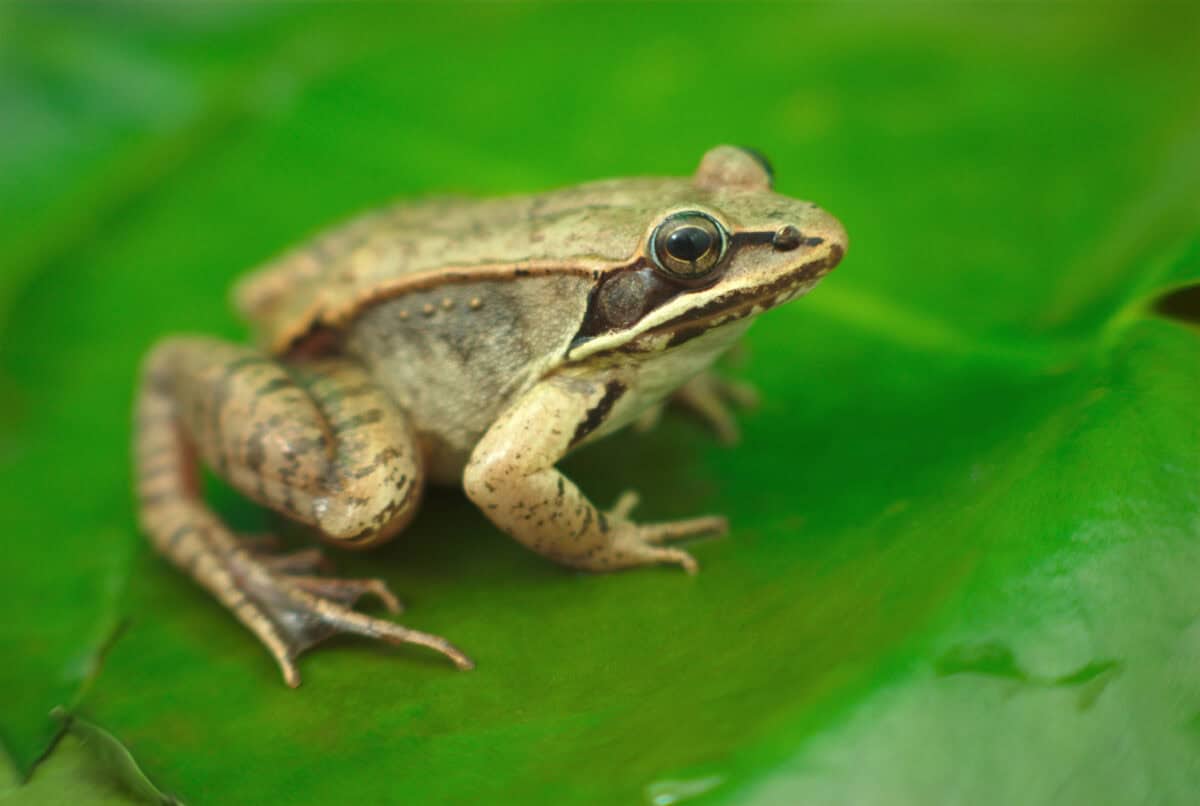
12. Wood Frogs The Freeze-Tolerant Amphibians

Wood frogs (Lithobates sylvaticus) employ a winter survival strategy that seems more science fiction than reality—they allow themselves to freeze solid. As temperatures drop below freezing, these remarkable amphibians produce large quantities of glucose and urea, which act as natural antifreeze in their blood. This cryoprotectant solution prevents ice from forming inside their cells, though ice does form in spaces between cells and organs. During this frozen state, the wood frog’s heart stops beating, it stops breathing, and up to 65% of its body water converts to ice. Their internal organs are completely frozen, and if you were to pick one up, it would feel like a small ice sculpture. Remarkably, when spring arrives and temperatures rise, the frogs thaw from the inside out, with their hearts resuming beating even while ice still surrounds them. Within hours, they hop away as if nothing happened, having survived body temperatures as low as 21°F (-6°C).
11. Naked Mole Rats Pain-Free and Cancer-Resistant
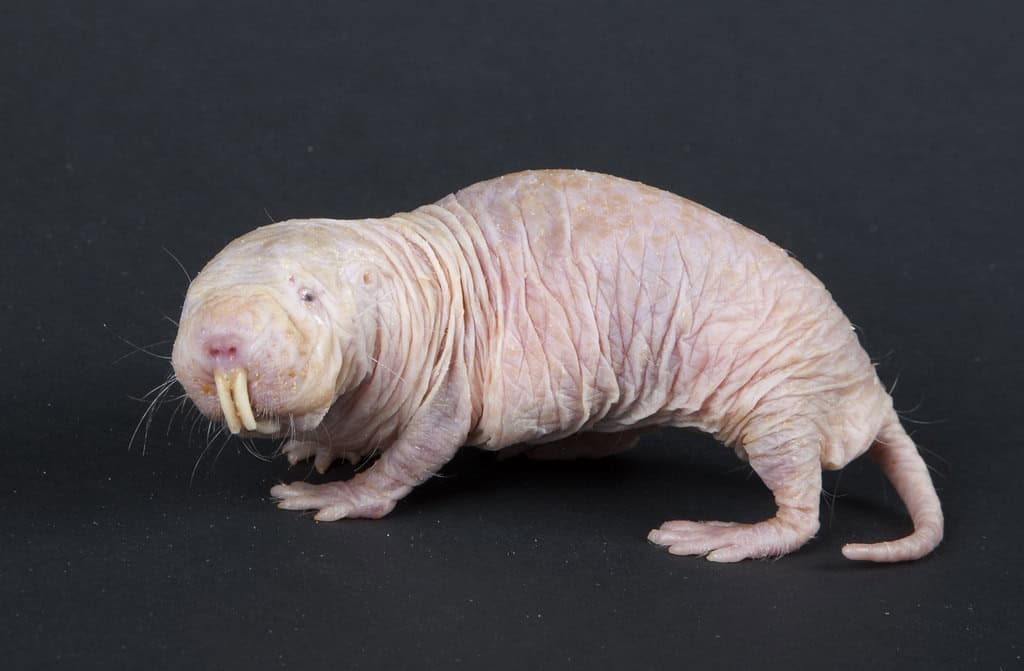
The naked mole rat (Heterocephalus glaber) has evolved an arsenal of survival adaptations that make it one of the most extraordinary mammals on Earth. These wrinkled, hairless rodents live in underground colonies in East Africa and have developed the ability to survive with remarkably little oxygen. They can live in an atmosphere with only 5% oxygen (compared to the 21% in air we breathe) for hours without apparent harm. Most remarkably, naked mole rats are virtually immune to cancer, thanks to unique genes that prevent tumors from forming. They also lack sensitivity to certain types of pain, particularly the burning sensation caused by acid and capsaicin (the compound that makes chili peppers hot). This adaptation helps them thrive in the high-carbon dioxide, low-oxygen environment of their crowded underground tunnels. Additionally, naked mole rats have extraordinary longevity, living up to 30 years—nearly 10 times longer than similar-sized rodents—and show few signs of aging throughout their lives.
10. Pompeii Worms Life in Volcanic Vents

The Pompeii worm (Alvinella pompejana) thrives in one of the most extreme environments on Earth—the hydrothermal vents of the Pacific Ocean. These remarkable creatures build paper-like tubes on the sides of deep-sea vents where they experience the most extreme temperature gradient of any animal known to science. While their heads are bathed in cool seawater around 72°F (22°C), their tails withstand scorching temperatures up to 176°F (80°C)—hot enough to kill most proteins in other organisms. This ability to survive such extreme heat comes from a symbiotic relationship with heat-resistant bacteria that form a protective fleece on the worm’s back. These bacteria produce special enzymes that help protect the worm from the blistering temperatures. Scientists are studying these thermostable enzymes for potential applications in biotechnology and medicine. The Pompeii worm’s adaptation to this extreme environment showcases how life can evolve to thrive in conditions once thought incompatible with biological processes.
9. Bombardier Beetles The Living Chemical Weapons

When threatened, the bombardier beetle deploys one of the most sophisticated defense mechanisms in the animal kingdom—a boiling hot chemical spray ejected with explosive force. Inside the beetle’s abdomen are two separate chambers containing different chemical compounds: hydrogen peroxide and hydroquinones in one chamber, and enzymes (catalases and peroxidases) in another. When danger approaches, the beetle mixes these chemicals in a special reaction chamber, triggering an exothermic reaction that heats the mixture to nearly 212°F (100°C). A sharp pop sounds as the beetle precisely aims and fires this boiling chemical spray at predators, capable of directing it in almost any direction with remarkable accuracy. The spray can reach distances up to 8 inches (20 cm)—impressive for a beetle typically less than an inch long. This chemical warfare system is so effective that few predators will attempt to eat a bombardier beetle twice, providing these insects with an extraordinary survival advantage against creatures many times their size.
7. Kangaroo Rats Water-Independent Desert Dwellers

The kangaroo rat has mastered desert survival by evolving to live without ever drinking water. These small rodents, native to North American deserts, derive all their hydration from the seeds and plants they consume through a process called metabolic water production. Their specialized kidneys produce highly concentrated urine, allowing them to conserve virtually every drop of moisture. Their nasal passages and respiratory systems are specially designed to capture moisture from exhaled breath, preventing water loss during respiration. Kangaroo rats are also nocturnal, remaining in cool, humid burrows during the day to minimize water loss in the scorching desert heat. Perhaps most impressive is their ability to detect and harvest seeds in complete darkness, allowing them to gather food quickly and efficiently while minimizing exposure to predators and harsh conditions. Their namesake powerful hind legs enable them to leap up to 9 feet (2.75 meters) in a single bound, helping them escape predators like snakes and owls with erratic, unpredictable movements.
8. Axolotls The Regeneration Champions

The axolotl (Ambystoma mexicanum), a salamander native to Mexico, possesses regenerative abilities that border on the miraculous. Unlike most vertebrates, axolotls can regrow entire complex body parts including limbs, portions of vital organs like the heart and brain, and even sections of their spinal cord—all without scarring. If an axolotl loses a limb, a mass of cells called a blastema forms at the wound site, which then differentiates into all the necessary tissues: bone, muscle, nerves, and blood vessels. Remarkably, they can perform this regeneration hundreds of times throughout their lifetime without degradation in the quality of the regenerated part. The axolotl also exhibits neoteny, meaning they retain juvenile features (including external gills) into adulthood and remain aquatic their entire lives. Scientists are intensively studying the axolotl’s genomic and cellular mechanisms in hopes of unlocking regenerative medical applications for humans. Unfortunately, these biological marvels are critically endangered in the wild, existing now primarily in scientific facilities and the aquarium trade.
7. Desert Snails Hibernation Champions

The desert snail Eremina desertorum has evolved perhaps the most patient survival strategy known to science. These mollusks can enter a state of dormancy called estivation that defies our understanding of biological timeframes. When faced with drought conditions, the snail retreats into its shell and secretes a layer of mucus that hardens into a seal called an epiphragm, which prevents water loss. In this suspended animation state, the snail’s metabolic rate drops to near zero, allowing it to survive extreme periods without food or water. The most remarkable documented case involved desert snails collected in Egypt in 1846 and glued to display cards in the British Museum. In 1850, museum workers noticed that one snail had broken free of its adhesive and was moving about in its display case—having survived four years without food or water. Even more astonishing, another specimen from the same collection was discovered alive in 1920, having survived 74 years in dormancy. When properly rehydrated, these snails can “wake up” and continue their lives after decades of suspended animation.
6. Antarctic Ice Fish Living Without Hemoglobin

Antarctic ice fish (family Channichthyidae) have evolved a survival strategy unlike any other vertebrate on Earth—they live without hemoglobin or red blood cells. These ghostly white fish have completely transparent blood, having lost the genes for producing hemoglobin, the oxygen-carrying protein that gives blood its red color. In the oxygen-rich, near-freezing waters of Antarctica, ice fish have adapted by developing enlarged hearts that pump a much greater volume of blood than other fish their size. Their blood vessels are also significantly wider and more numerous, and their skin is thin and scale-less, allowing for direct oxygen absorption from the water. Additionally, these fish produce antifreeze proteins that prevent their blood from freezing in waters that can reach 28.8°F (-1.8°C)—below the freezing point of normal fish blood. This remarkable adaptation allows them to thrive in one of the coldest environments on Earth, though it comes with a tradeoff: ice fish cannot survive in warmer waters because their unique adaptations for cold survival make them unable to meet oxygen demands in less oxygen-rich environments.
5. Spadefoot Toads Speed-Growing Survivors
Spadefoot toads have mastered the art of rapid development to survive in temporary desert water sources. These remarkable amphibians spend most of the year buried underground in the desert, emerging only after rare heavy rainfalls create temporary pools. Once these pools form, adult spadefoots engage in a frantic breeding process. The real survival marvel begins with their tadpoles, which face a desperate race against time as their aquatic nurseries evaporate under the desert sun. While most frog species require months to metamorphose from tadpole to adult, spadefoot tadpoles can complete this transformation in as little as 12-14 days—the fastest development rate of any amphibian. This rapid metamorphosis is partially triggered by specialized sensory cells that detect when their pond is drying up, causing the release of hormones that accelerate development. The tadpoles can even adjust their development speed based on the drying rate of their pool. Once transformed into toadlets, they quickly disperse and dig themselves underground where they may remain for months or even years, surviving on stored body fat until the next significant rainfall triggers another brief period of activity.
4. Hairy Frog The Wolverine of Amphibians

The Central African hairy frog (Trichobatrachus robustus) possesses one of the most bizarre and extreme defense mechanisms in the animal kingdom. When threatened, this amphibian intentionally breaks its own toe bones and pushes them through the skin to create sharp, claw-like defensive weapons. The bone breaks through a special pad on the frog’s foot, and the skin around the protruding bone contains collagen that forms a sort of sheath around the improvised claw. After the danger passes, the bones retract back into the frog’s toe pads, though the exact mechanism for this retraction remains a scientific mystery. This extraordinary adaptation has earned it nicknames like the “Wolverine frog” or “horror frog.” Adding to its unusual appearance, male hairy frogs develop hair-like structures along their flanks and thighs during breeding season—actually thin, vascularized strands that increase oxygen absorption for the developing eggs they guard. This combination of weird adaptations makes the hairy frog one of the most unusual survival specialists in the amphibian world.
3. Immortal Jellyfish Reversing the Life Cycle

The immortal jellyfish (Turritopsis dohrnii) has developed perhaps the most extraordinary survival mechanism of all—biological immortality. Unlike virtually every other multicellular organism, this tiny jellyfish (about 4.5mm across) can reverse its life cycle when stressed, injured, or aging. After reaching sexual maturity in the medusa stage, instead of dying, the immortal jellyfish can revert to its juvenile polyp stage through a process called transdifferentiation, where its cells transform from one type to another. This is somewhat like a butterfly turning back into a caterpillar. The jellyfish can repeat this cycle indefinitely, potentially escaping death altogether in favorable conditions. While they can still be killed by predators or disease, their cells don’t undergo the normal aging process that leads to death in other animals. This biological immortality makes the Turritopsis dohrnii the only known animal capable of continuously reverting to an earlier developmental stage, essentially resetting its biological clock. Scientists are studying these jellyfish intensively, hoping their unique cellular mechanisms might provide insights into human aging and regenerative medicine.
2. Deep-Sea Anglerfish Bizarre Mating Fusion
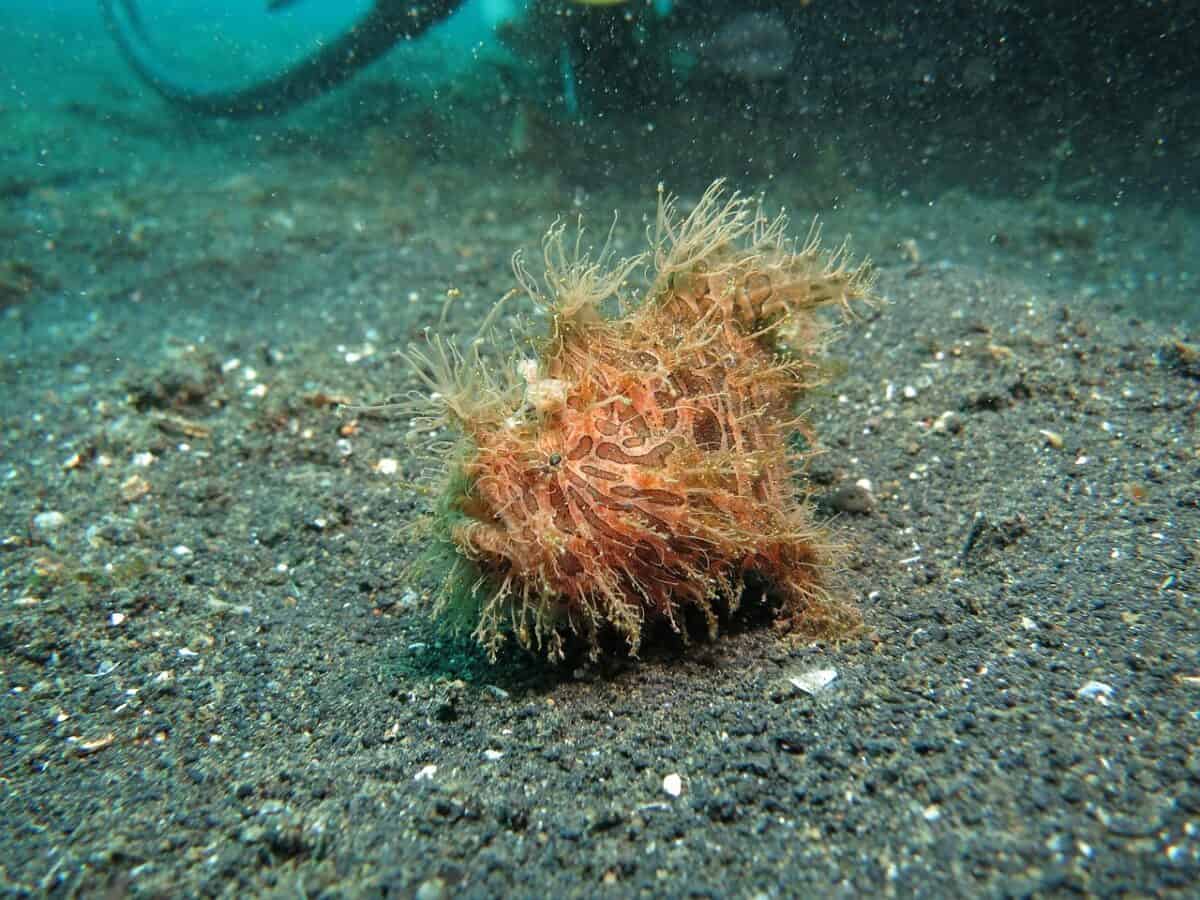
The female deep-sea anglerfish has evolved one of the most extreme reproductive survival strategies known in the animal kingdom. Living in the pitch-black depths up to 3,000 feet (914 meters) below the ocean’s surface, finding a mate presents an enormous challenge. The solution is as bizarre as it is effective: sexual parasitism. The tiny male anglerfish (sometimes 1/60th the size of the female) permanently fuses with the female’s body upon finding her. Using specialized teeth, the male bites into the female’s skin and releases an enzyme that dissolves his mouth and her body tissue, fusing their blood vessels together. Eventually, most of the male’s organs degenerate until he becomes little more than a permanent sperm-producing appendage attached to the female. A single female may host multiple males throughout her lifetime, ensuring she always has fertilization available when she’s ready to spawn. This extreme adaptation solves the problem of finding mates in the vast, dark deep sea, where encounters between anglerfish are extremely rare. The female provides nutrients to her attached males through their shared circulatory system, while the males provide sperm on demand—a bizarre but highly effective survival arrangement.
1. Saharan Silver Ant Outrunning Desert Heat
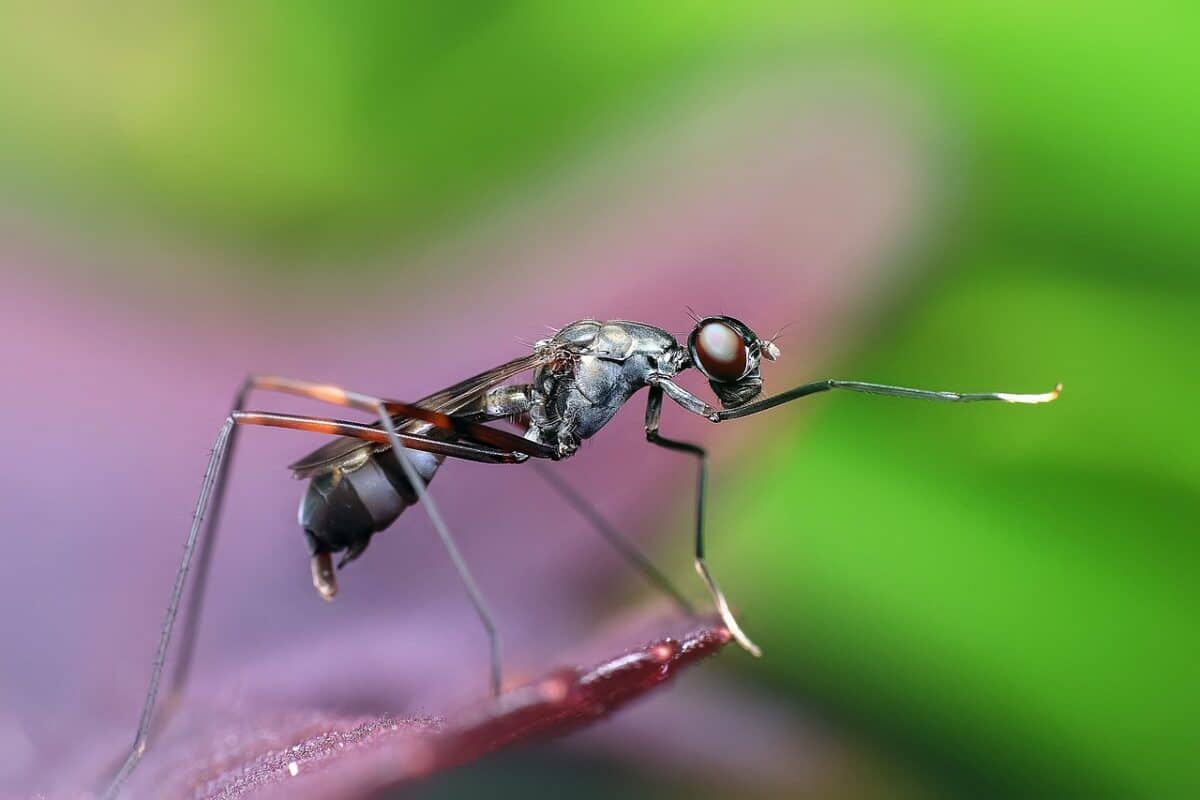
The Saharan silver ant (Cataglyphis bombycina) ventures out in conditions so extreme that they would kill most other creatures within minutes. These remarkable insects forage on the scorching desert sand when temperatures reach up to 140°F (60°C)—conditions so hostile that even desert predators must seek shelter. The ants have evolved several extraordinary adaptations to survive these lethal conditions. Their bodies are covered in uniquely shaped silver hairs that reflect both visible and infrared light, acting as a heat shield that can lower their body temperature by up to 10°F (5.5°C). They possess exceptionally long legs that keep their bodies.
Conclusion:

From the bone-breaking claws of the hairy frog to the seemingly ageless cycles of the immortal jellyfish, the animal kingdom is teeming with species that defy our expectations of biology and endurance. These twenty creatures showcase not only nature’s capacity for innovation but also the sheer tenacity of life in even the harshest environments—from boiling ocean vents and freezing tundras to searing deserts and pitch-black ocean abysses. Each adaptation, whether for defense, reproduction, or sheer survival, is a testament to millions of years of evolutionary fine-tuning. These extraordinary organisms don’t just survive; they thrive under conditions that would obliterate most forms of life. In doing so, they inspire scientists, engineers, and thinkers to push the boundaries of what’s possible in biotechnology, medicine, and environmental resilience. The resilience and creativity of life on Earth remind us that survival isn’t just about strength—it’s about adaptation, patience, and sometimes, a little evolutionary weirdness.

As a little kid, I fell in love with nature, wildlife, and animals. Living in the USA, South Africa, Italy, China and Germany gave me the opportunity to discover the world's Wildlife. My favorite animals are Mountain Gorillas, Siberian Tigers, and Great White Sharks.
I'm a certified PADI Open Water Diver, went to Everest Base Camp and Trekked Gorillas in Uganda. I hold a Master of Science in Economics and Finance.
Please send any feedback to feedback@animalsaroundtheglobe.com
- 13 Cat Breeds That Get Along with Dogs - July 20, 2026
- The 12 Largest Dog Breeds That Still Love to Cuddle - July 20, 2026
- 12 Pet Habits That Secretly Mean They Love You - July 20, 2026