
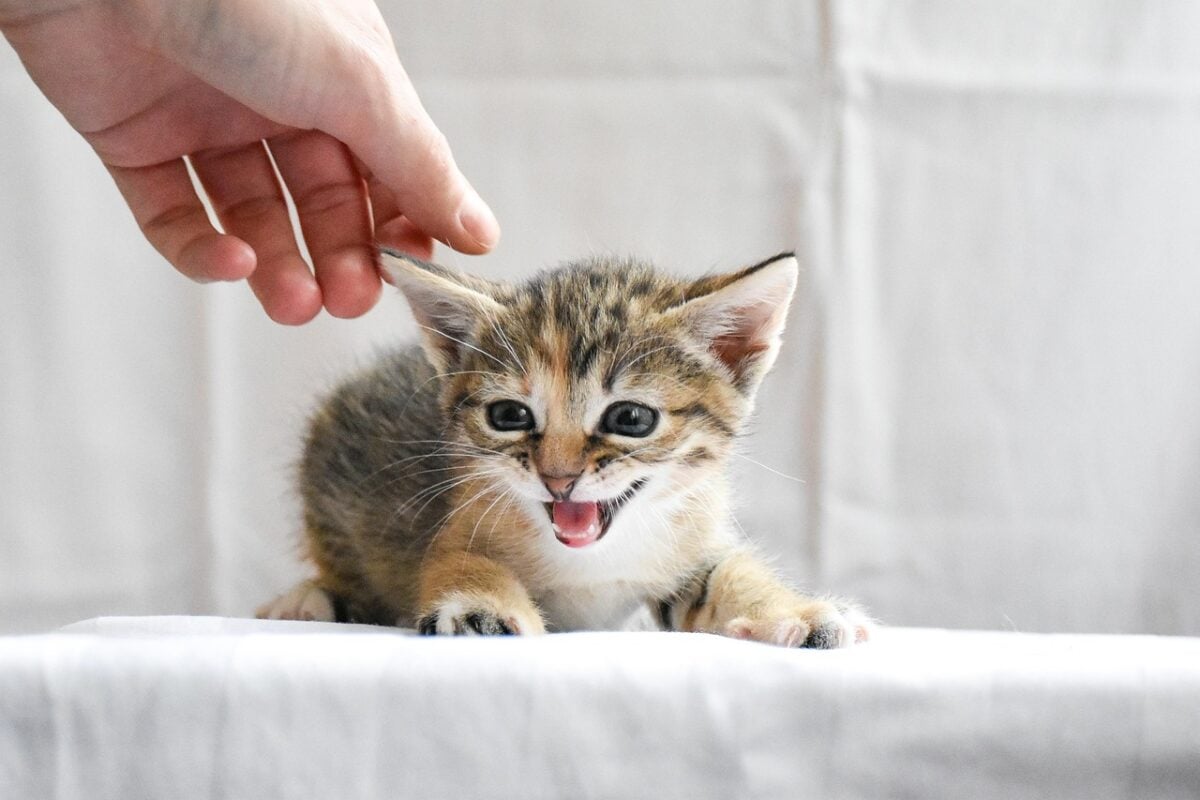
Your cat is curled on your chest, rumbling like a tiny motorboat, and you think: case closed, happy cat. But purring is a messier signal than it looks. Cats purr when they are content, and also at the vet, while recovering from injury, and sometimes when they simply want something from you.
The habits below are quieter, stranger, and far more honest. A few look like annoying quirks, like the bathroom shadow or the dead mouse on the doorstep. Others you may have been misreading for years, like the belly flop that is not the invitation you think it is. Keep going, because the habit at #1 shows up in roughly two-thirds of the cats researchers tested, and it changes how you read every cuddle.
#14 – Teeth Chattering at the Window Shows a Hunter Who Never Clocked Out
🔥 Would you like to save this?
We'll email this post to you, so you can come back to it later!
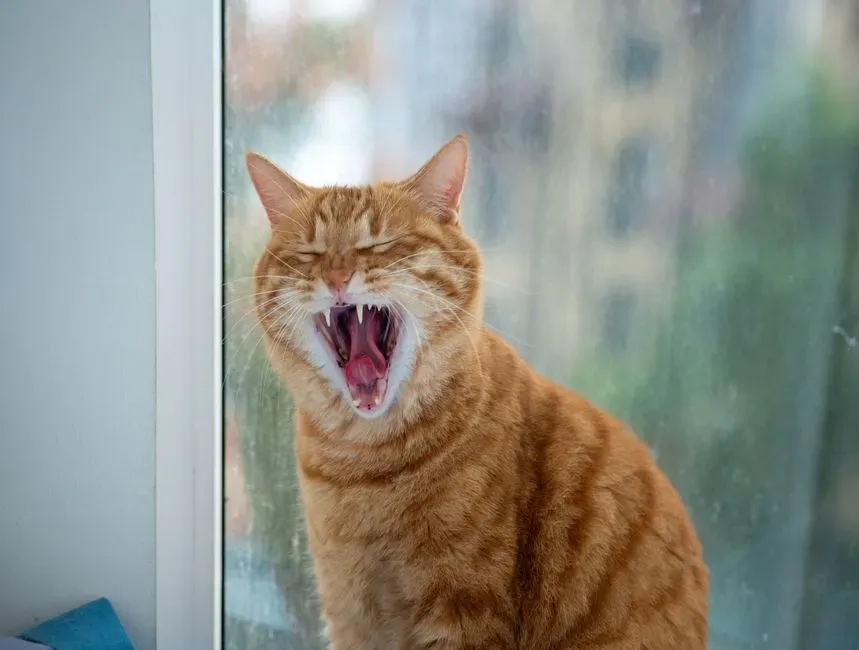
Picture the scene: your cat crouched on the windowsill, tail twitching, eyes locked on a sparrow. Then comes a strange stuttering clack-clack-clack from her mouth. This is often called chittering or chattering, and it is one of the oddest sounds a cat makes.
Researchers do not agree on one explanation. The leading theory is a mix of excitement and frustration, because the hunting sequence has fired up but the prey is stuck behind glass. Some also suspect the rapid jaw motion echoes the quick bite cats use to finish off prey. Dilated pupils, a tense body, and a lashing tail often come along for the ride.
It matters because it shows how intact a pet cat’s predatory wiring still is. A cat with a full food bowl is not a cat with the hunting drive switched off. Cats are crepuscular, so the chattering often peaks around dawn and dusk, when wild hunters would be most active.
- It is most common near bird feeders, window perches, and garden views.
- Younger, high-energy cats tend to do it more.
- A short wand-toy session can give that pent-up drive somewhere to go.
The takeaway: that clacking is not random noise. It is a hunting sequence with nowhere to land.
But the next habit has been misread as a love letter for centuries…
#13 – The Dead Mouse on Your Doorstep Is Not the Gift You Think It Is
🔥 Would you like to save this?
We'll email this post to you, so you can come back to it later!
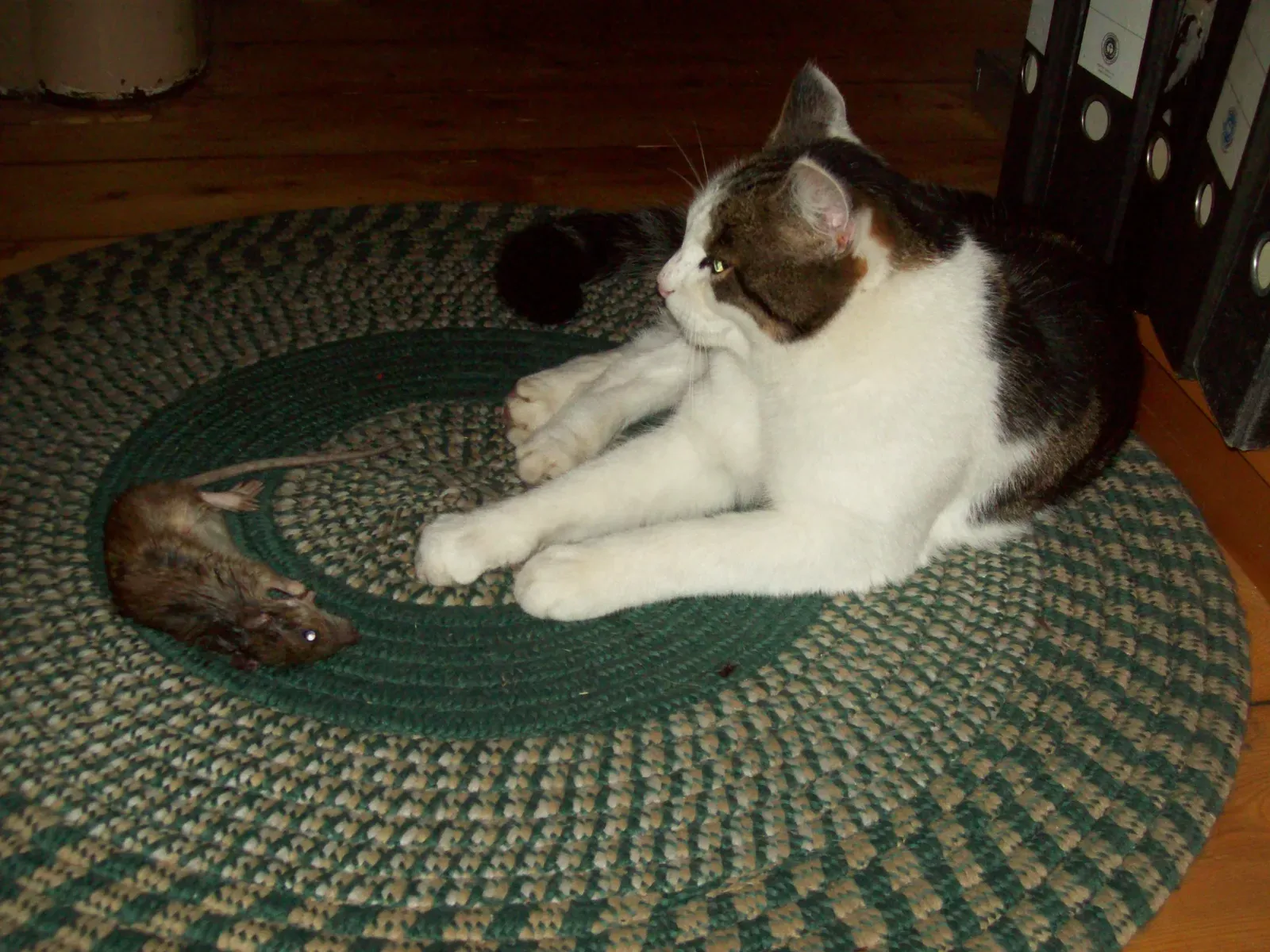
You step outside and there it is, a lifeless mouse or bird, laid out like an offering. Most people assume it is a present, and it is easy to see why. But animal behavior experts generally treat that story with caution.
A more grounded explanation is that cats instinctively carry prey to a place they consider safe before eating or playing with it. Your home is that place. Some experts also suggest that cats with strong bonds may treat their people as part of their social group, one that could use a little help with the hunting.
Either way, the habit is less a gift than a window into how your cat sees your home. In its mind, the doorstep or living room is part of its core territory, and you are living in it.
It shows up more often in cats that hunt regularly. A sudden change in how often it happens can be worth noticing, since confidence, routine, and health can all shift hunting behavior.
Fast Facts
- Hunting drive and hunger run on separate tracks, so a well-fed cat can still stalk and catch prey.
- Cats tend to haul their catch to a spot they feel is secure before eating or playing with it.
- The habit is most common in cats with outdoor access.
- A sudden jump or drop in frequency can reflect a change in routine, confidence, or health.
The takeaway: it is probably less about generosity and more about a cat moving its catch to the safest place it knows.
But what happens when your cat follows you into the one room you wanted privacy in? That is next…
#12 – Following You Into the Bathroom Is a Quiet Vote of Confidence
🔥 Would you like to save this?
We'll email this post to you, so you can come back to it later!
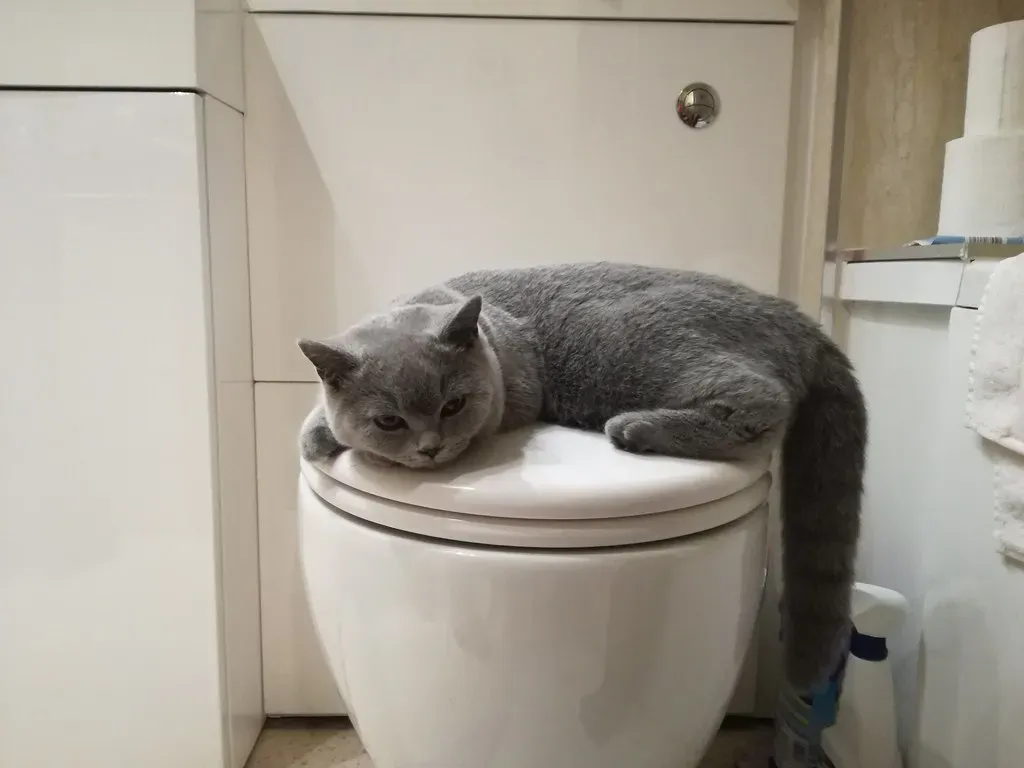
You close the door, and a tiny paw appears underneath it. Or you leave it open, and a cat plants itself on the bath mat like a very furry security guard. It feels invasive, but it is one of the clearest everyday signs of attachment.
Research using adapted versions of the Strange Situation test, originally designed for human infants, found that many cats treat their caregiver as a secure base. That means they use you as a reliable anchor in a changing world. Following you around, even into the bathroom, is the low-key version of that same pattern.
The behavior often intensifies when a cat feels mildly unsettled, or when it simply wants proximity without needing a full cuddle session. Some sit quietly. Others offer a soft meow, like a status update.
- Cats may settle on the mat, the tub edge, or your feet.
- It tends to be stronger in cats who are closely bonded to one person.
The takeaway: a cat who shadows you everywhere is not being clingy for no reason. You are their safe spot.
Now for a habit that looks like chaos but is actually something else entirely…
#11 – The Midnight Zoomies Are a Pressure Valve, Not a Personality Flaw
🔥 Would you like to save this?
We'll email this post to you, so you can come back to it later!
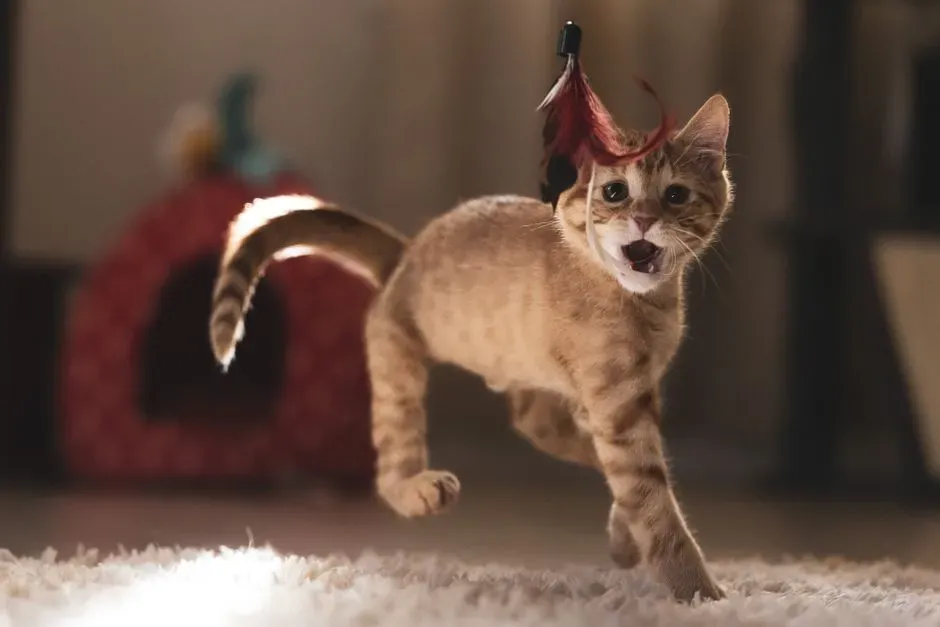
It is 9 p.m. and your calm, dignified cat suddenly rockets down the hallway, bounces off the couch, and skids around a corner like it has seen a ghost. Cat people call these bursts zoomies, and behavior experts sometimes call them frenetic random activity periods.
For most indoor cats, zoomies are a normal way to release pent-up energy. They often cluster around dawn and dusk, which fits their crepuscular biology. Evening dashes and post-meal bursts are especially common.
Owners sometimes worry the sprint signals anxiety. In most cases, though, the cat returns to a relaxed state afterward, which is a good sign that it was play drive rather than distress. The context tells you a lot: is the cat bright-eyed and playful, or panicked and hiding?
Zoomies also work as self-directed exercise for an animal built for short, explosive bursts of hunting. A cat with no outlet may find its own, usually in the form of your hallway at 2 a.m.
- Evening play sessions can take the edge off late-night sprints.
- Sudden new zoomies in an older cat are worth mentioning to a vet.
The takeaway: zoomies are less random than they look. They are a cat’s way of letting off steam.
But there is one sound your cat makes almost exclusively for you…
#10 – Meowing at You, and Mostly Only You, Is a Language Cats Invented for Humans
🔥 Would you like to save this?
We'll email this post to you, so you can come back to it later!
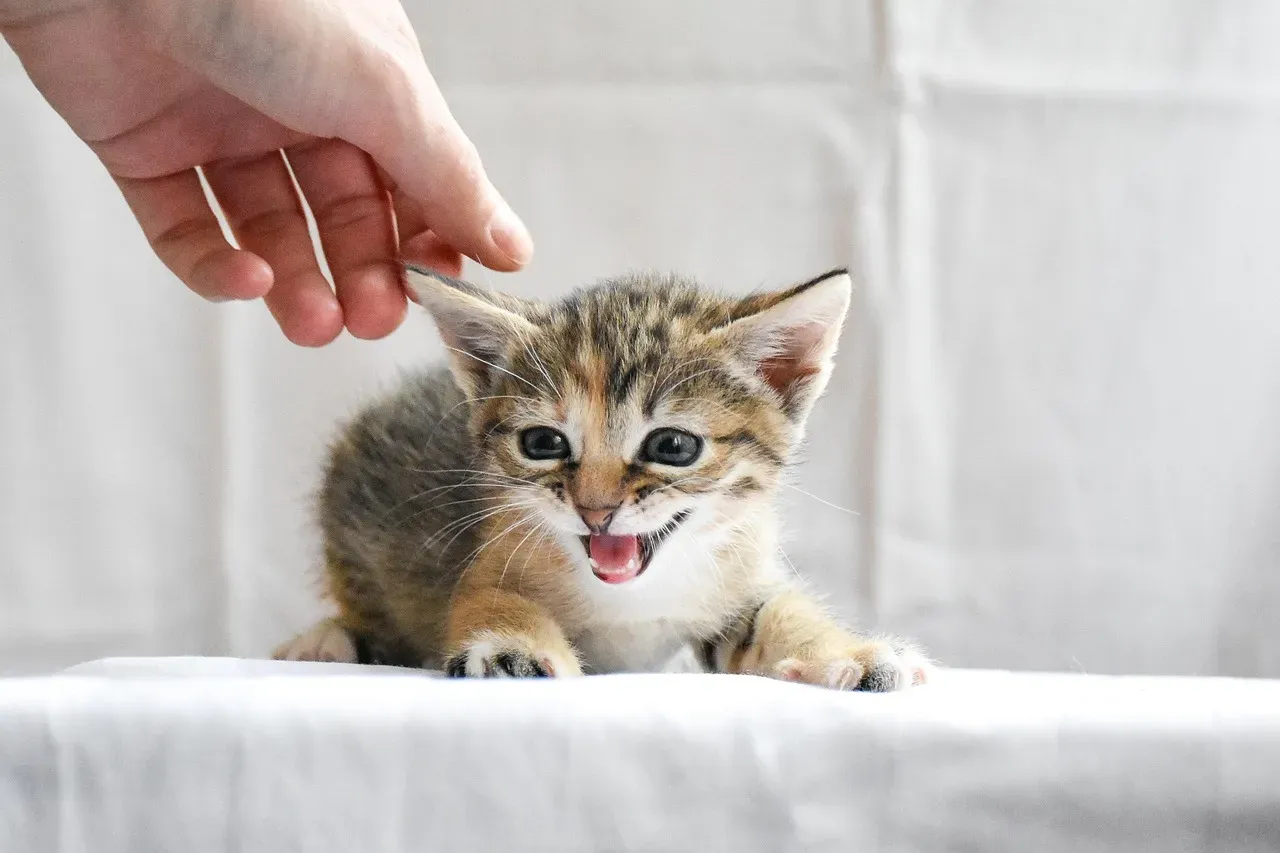
Watch two adult cats together and you will hear surprisingly little meowing. They communicate through scent, posture, tail position, and silence. Yet put the same cat in front of a human and the commentary never stops.
That is because the adult meow is largely a tool for talking to people, not other cats. Domestic cats are often said to have around 20 distinct vocalizations, and meows can function as greetings, requests, or protests. Cats seem to learn which versions get results, and they adjust accordingly.
In other words, your cat has trained you as much as you have trained it. If a certain pitch gets breakfast faster, that pitch becomes part of the repertoire. Many owners can tell their cat’s “feed me” meow from its “let me out” meow after a few months.
- Meowing can increase in busy households where attention is competitive.
- Senior cats may become noticeably more vocal due to sensory or cognitive changes, which is worth discussing with a vet.
The takeaway: your cat is not just making noise. It has figured out that you respond to it.
Next up is a habit that does something far sneakier than it appears…
#9 – Rubbing Against Your Legs Is a Chemical Signature, Not Just Affection
🔥 Would you like to save this?
We'll email this post to you, so you can come back to it later!
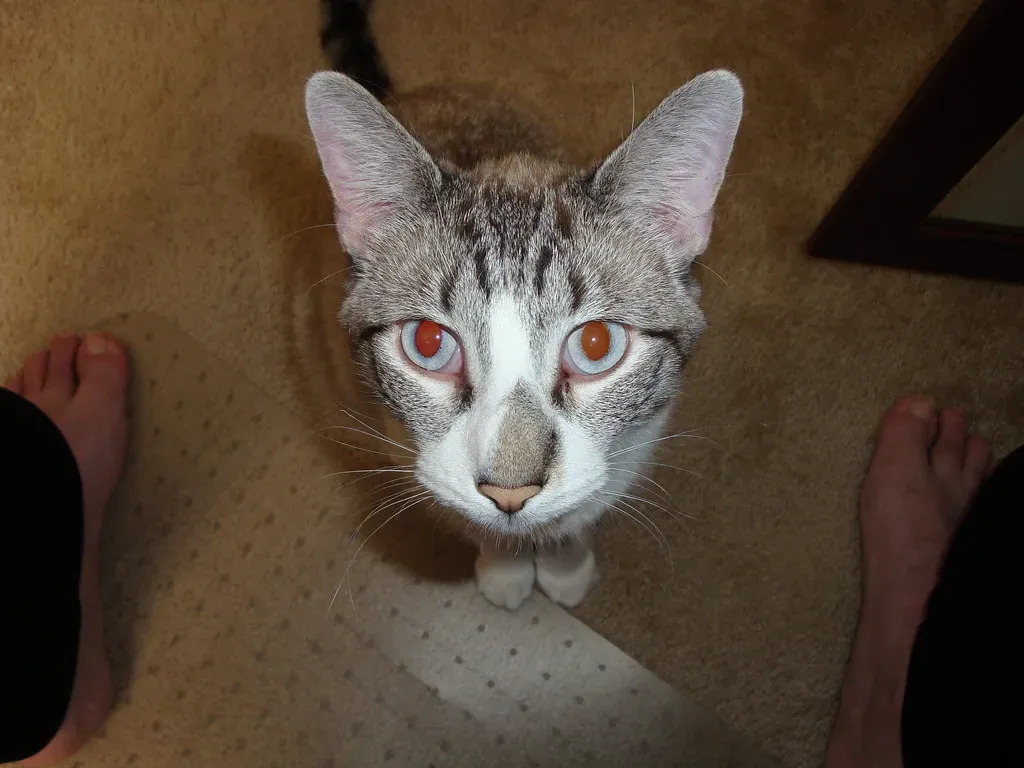
When your cat winds figure-eights around your ankles, it is not just being sweet. It is writing a message in scent. Cats have glands around the cheeks, chin, and flanks, and rubbing transfers a chemical signature onto whatever they touch.
That scent helps make a space feel familiar and safe. When your cat rubs against furniture, doorframes, and you, it is blending your shared environment into one comforting smell. It is a bit like a family sharing the same house scent.
You will notice it most during greetings or after you have been away. The rub says, in effect, “I know you, you belong here, and this place is ours.” In multi-cat and human-cat households alike, it is one of the most consistent friendly signals.
The takeaway: that leg rub is both a territory claim and a bonding gesture, and your cat does not see those as separate things.
But the next habit has an even bigger payoff, and it happens in the most defenseless moment of a cat’s day…
#8 – Sleeping on Your Lap or Bed Means You Passed the Safety Test
🔥 Would you like to save this?
We'll email this post to you, so you can come back to it later!
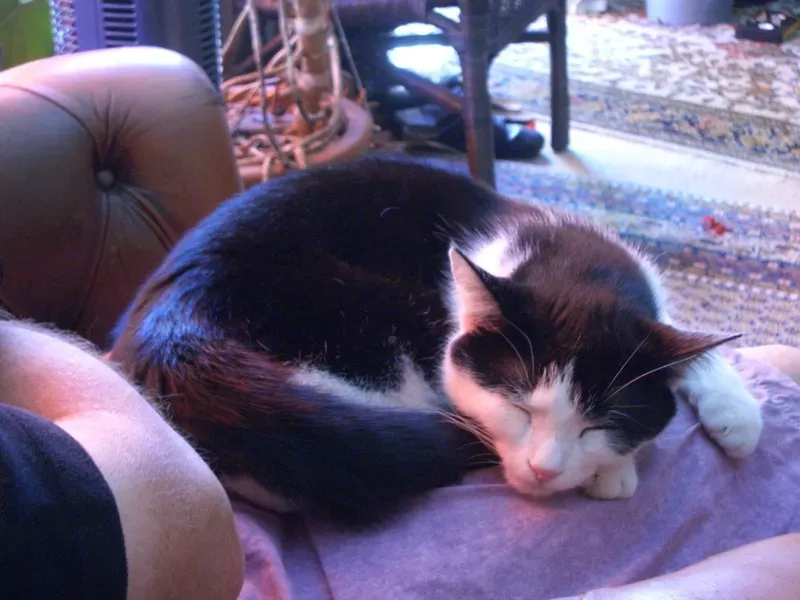
Sleep is when a cat is at its most vulnerable. A creature that is both predator and prey does not doze off just anywhere. So when yours chooses your lap, your pillow, or the spot against your legs, that is a real decision.
That choice usually develops after weeks or months of consistent, positive experiences. Your cat has quietly concluded that you are not a threat, and that your presence adds warmth and safety rather than risk. Some cats prefer the chest or legs, perhaps for the heat and steady heartbeat.
It can be a noticeable change when a cat suddenly abandons a favorite sleeping spot. Sometimes it is just a new piece of furniture or a seasonal shift. Sometimes it is discomfort or stress, so it is worth keeping an eye on.
- Kneading and purring often come right before settling in.
- Cats may pick different spots depending on temperature and mood.
The takeaway: a cat who sleeps on you has made you part of its core safe territory.
And now for the pose that fools nearly every cat owner…

Smart Bird Feeder with Camera Solar Powered, 2K HD Live Video, 10,000+ Bird Species AI Identification
Check Price on AmazonAs an Amazon Associate, we earn from qualifying purchases.
10/7/2026 1:22 pm GMTi

Halloween Cat Costume Cloak Witch Hat Pet Accessories
Check Price on AmazonAs an Amazon Associate, we earn from qualifying purchases.
10/9/2026 2:44 pm GMTi

Halloween Dog Collar with Bow, Orange Cute Ghost Collar,
Check Price on AmazonAs an Amazon Associate, we earn from qualifying purchases.
10/9/2026 2:43 pm GMTi

Orthopedic Extra Large Dog Bed, Waterproof Washable XL Pet Bed 44"
Check Price on AmazonAs an Amazon Associate, we earn from qualifying purchases.
10/7/2026 1:32 pm GMTi

Glass Hummingbird Feeder for Outdoors Hanging, 16 oz Leak-Proof Nectar Feeder with Bee Guards & Ant Moat
Check Price on AmazonAs an Amazon Associate, we earn from qualifying purchases.
10/7/2026 1:22 pm GMTi
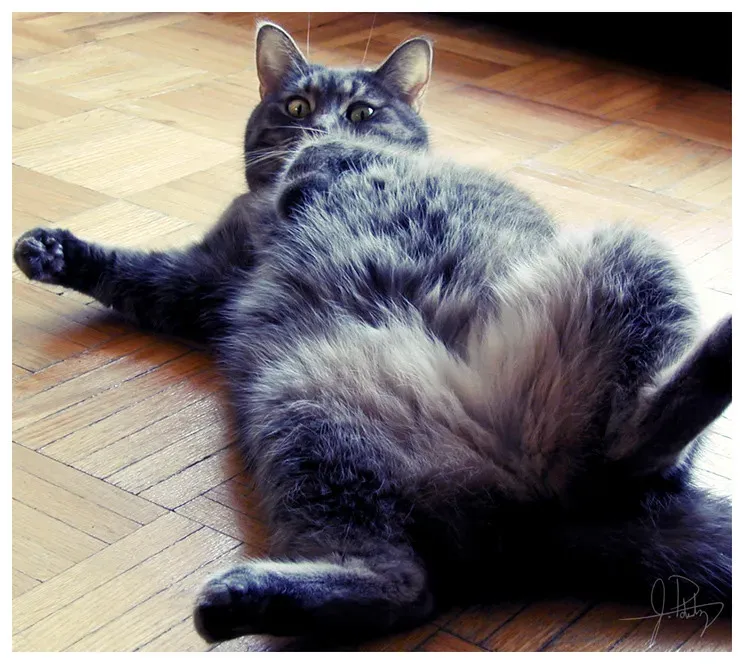
#7 – The Belly Flop Is a Trust Display, Not a Request for Belly Rubs
🔥 Would you like to save this?
We'll email this post to you, so you can come back to it later!
Your cat drops, rolls onto its back, and stretches out with the softest part of its body fully exposed. Every instinct says to reach down and give that fluffy tummy a rub. And that is exactly where many cats lose patience.
For a lot of cats, belly contact is a no-go zone. Rolling over is a sign of comfort and trust because it leaves the cat defenseless. Cats tend to do it only around individuals they consider safe.
The display itself is the message: “I feel safe enough to be vulnerable here.” Touching the belly can trigger a grab-and-kick reflex, which is a natural defensive response. Some cats do love belly rubs, but plenty see the roll as a statement, not an invitation.
Quick Compare
- Loose body, soft eyes, slow blink: a relaxed trust display. Admire it from a distance.
- Loose body, head nudging into your hand: you may have an actual belly-rub fan on your hands.
- Tense body, wide pupils, ears sideways: a defensive posture. Back off.
A better response is to talk softly, offer a slow blink, or scratch a favorite spot like the cheek or chin. Your cat will let you know if the belly is welcome.
The takeaway: the belly is a compliment you are supposed to receive, not touch.
Next up is the part of your cat that talks the loudest without making a sound…
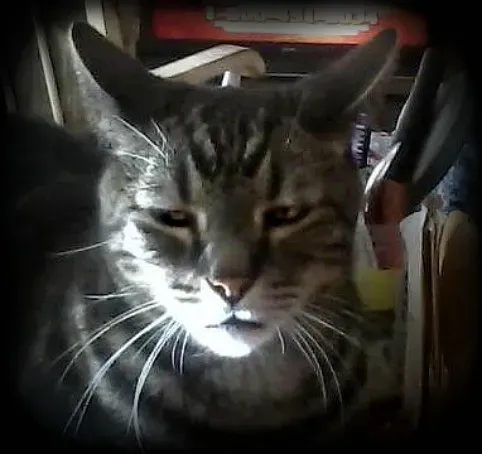
#6 – Ear Position Is Your Cat’s Live Mood Ticker
🔥 Would you like to save this?
We'll email this post to you, so you can come back to it later!
Cats move their ears constantly, and each tiny shift can say a lot. Ears pointed forward usually mean curiosity or relaxed attention. Ears turned sideways, sometimes called airplane ears, can mean uncertainty, overstimulation, or readiness to defend.
These micro-movements change quickly, which makes them useful in real time. Many owners get scratched or bitten during petting sessions because they missed the early signs. A sideways twitch of the ears is often the first warning that your cat has had enough.
Ears work best in combination with other clues. Pair them with tail position, pupil size, and body posture and you get a far more precise picture than any single meow can offer.
- Forward ears with a relaxed body usually point to interest or contentment.
- Sideways or flattened ears during petting are a cue to pause.
- Persistent flattened ears in a calm setting may be worth a vet check for pain or discomfort.
The takeaway: learn the ear signals and you can often stop trouble before it starts.
Ears are only half of the body-language story. The other half is flying like a flag…
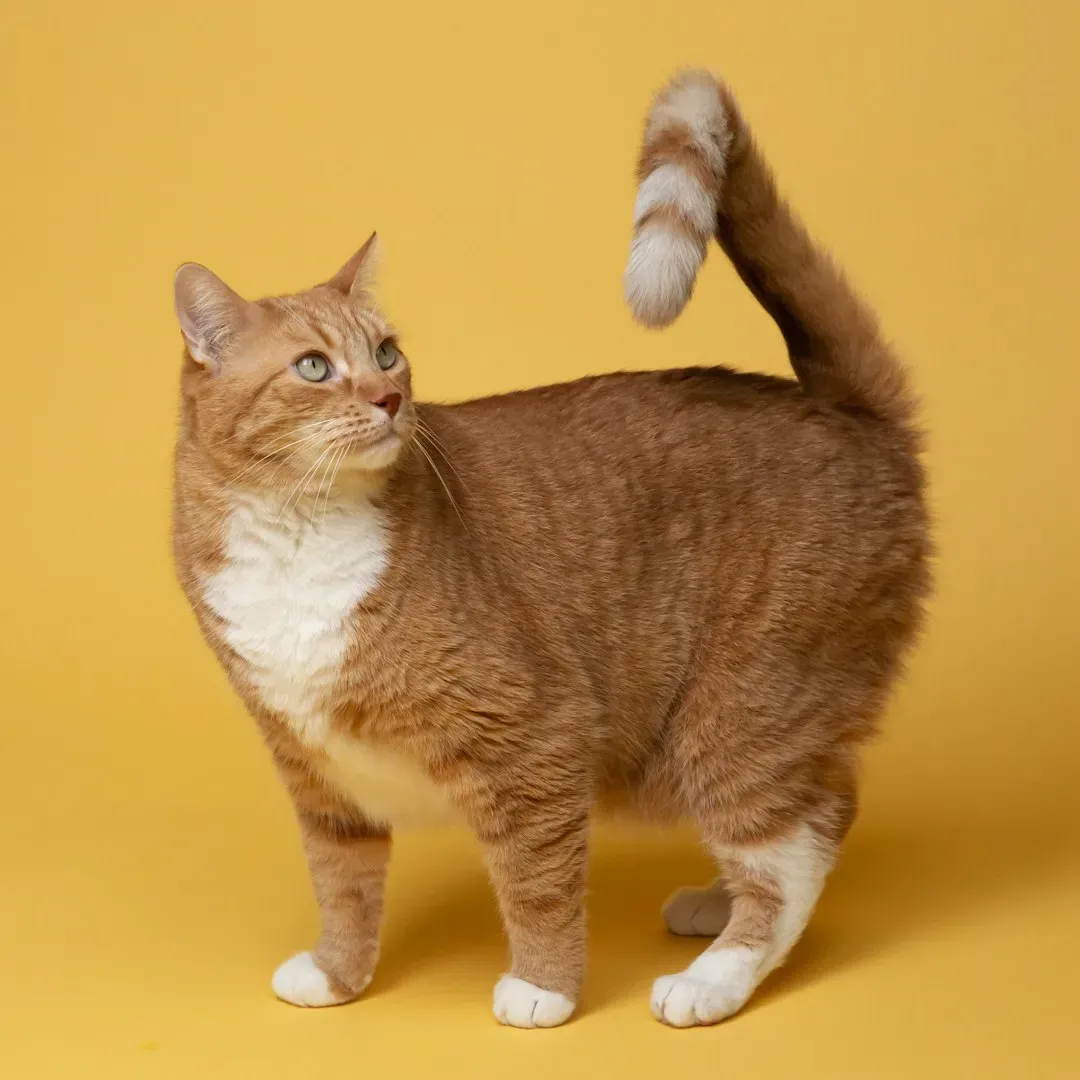
#5 – The Upright Tail Is a Greeting, Not Just a Posture
🔥 Would you like to save this?
We'll email this post to you, so you can come back to it later!
When your cat trots toward you with its tail straight up, perhaps with a little curl at the tip, you are being greeted. This posture is a friendly signal that cats use with each other and, importantly, with people.
Researchers who study feline communication describe the raised tail as a sign of confidence and goodwill. It says the cat is not afraid of you and welcomes contact. It looks very different from a tucked tail, which suggests fear, or a rapidly lashing tail, which often means irritation or overstimulation.
That is why tail reading is so useful in everyday life. A cat who comes in tail-up is usually ready for company. A cat who approaches low or with a twitchy tail may need space first.
At a Glance
- Tail straight up, tip curled: friendly greeting, welcome contact.
- Tail tucked low: fear or insecurity, so give space.
- Tail lashing fast: irritation or overstimulation, so pause the petting.
It also helps to notice how the tail changes over a few minutes. A cat that starts a greeting tail-up and ends with a swishing tail is telling you the mood has shifted.
The takeaway: that tall, curling tail is a hello your cat does not give to just anyone.
And speaking of hellos, here is one that comes with direct contact…
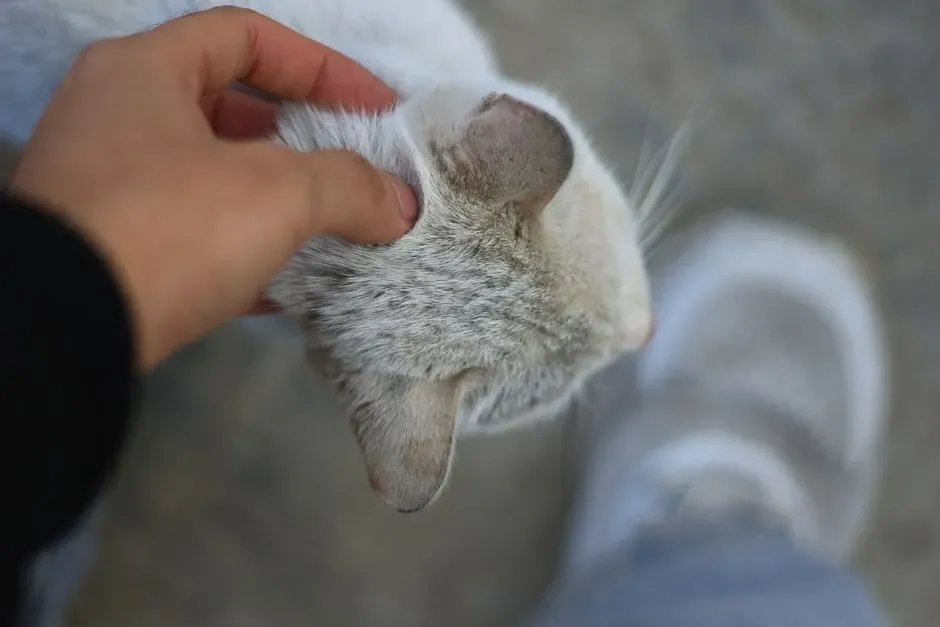
#4 – Head-Butting Is Affection With a Scent Attached
🔥 Would you like to save this?
We'll email this post to you, so you can come back to it later!
Few cat behaviors feel as warm as a firm head bump to the face, chin, or hand. Behaviorists call it bunting, and it is a double message. It transfers scent from glands around the head while also seeking contact and attention.
The scent part marks you as part of the cat’s inner circle, someone familiar and safe. The contact part is simply social. Cats with strong attachments tend to head-butt more readily, and often during reunions or when they want comfort.
Bunting often targets the chin, forehead, or temples, where scent glands are concentrated. Some cats pair it with a slow blink for extra emphasis, like a full-body “I’m glad you’re here.”
- It often shows up at reunions, in the morning, or when a cat wants reassurance.
- Some cats prefer to head-butt hands or faces, while others stick to legs and furniture.
The takeaway: a head-butt is not passive marking. It is active affection that happens to leave a scent behind.
Speaking of slow blinks, the next habit has actual research behind it…

Hand Blown Glass Hummingbird Feeders for Outdoors Hanging, 24oz Wild Bird Nectar Feeder
Check Price on AmazonAs an Amazon Associate, we earn from qualifying purchases.
10/7/2026 1:23 pm GMTi

Professional 7 in 1 Dog Paw Cleaner for Dogs & Cats - Includes 1 Portable Paw Washer, 1 Bath Brush
Check Price on AmazonAs an Amazon Associate, we earn from qualifying purchases.
10/7/2026 1:26 pm GMTi

2 Pcs Halloween Pet Hat Bandana Set, Witch Pumpkin Costumes for Dogs
Check Price on AmazonAs an Amazon Associate, we earn from qualifying purchases.
10/9/2026 2:45 pm GMTi

Air Purifiers for Home Pets Large Room Up to 3000 Ft²,HEPA Air Cleaner with Washable Double-Side Filter, PM2.5 Air Quality Monitor,15dB Sleep Mode for Bedroom Odor Dust Pollen,White
Check Price on AmazonAs an Amazon Associate, we earn from qualifying purchases.
10/8/2026 8:23 am GMTi

Dog Stairs for Bed 18" H, 4-Step Dog Steps for High Bed
Check Price on AmazonAs an Amazon Associate, we earn from qualifying purchases.
10/9/2026 2:42 pm GMTi
#3 – The Slow Blink Really Is a Kitty Kiss
🔥 Would you like to save this?
We'll email this post to you, so you can come back to it later!
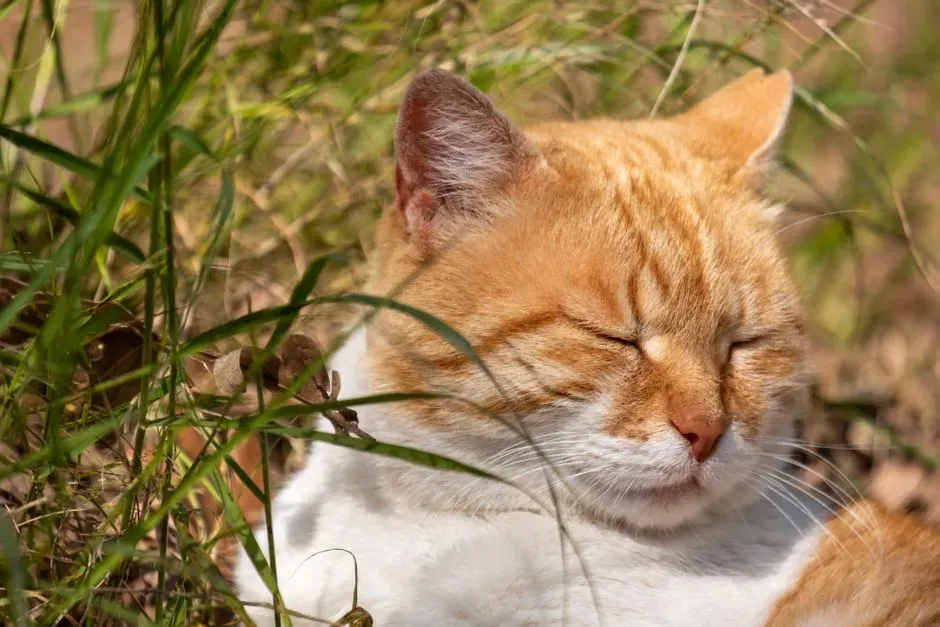
Your cat looks at you from across the room, eyes half closed, and gives one deliberate, drawn-out blink. It looks like sleepiness, but it is far from that. In cat language, it is a calm, friendly signal.
A study led by researchers including Karen McComb and Tasmin Humphrey found that cats were more likely to approach an experimenter’s outstretched hand after the person slow-blinked at them. They also returned slow blinks more readily in those situations. That suggests the signal is not only understood but reciprocal.
It works because direct staring can feel threatening to a cat, while a soft, slow blink communicates the opposite. You are saying, “I mean no harm.” Most people find that it works best in a quiet, relaxed setting with a cat that already knows them.
Try it at home. Soften your eyes, close them slowly, and open them again. Don’t be surprised if your cat blinks back.
The takeaway: this is one of the few signals that works both ways between cats and humans.
The next one has roots going back to the very first days of your cat’s life…
#2 – Kneading Is a Kitten Memory That Never Faded
🔥 Would you like to save this?
We'll email this post to you, so you can come back to it later!
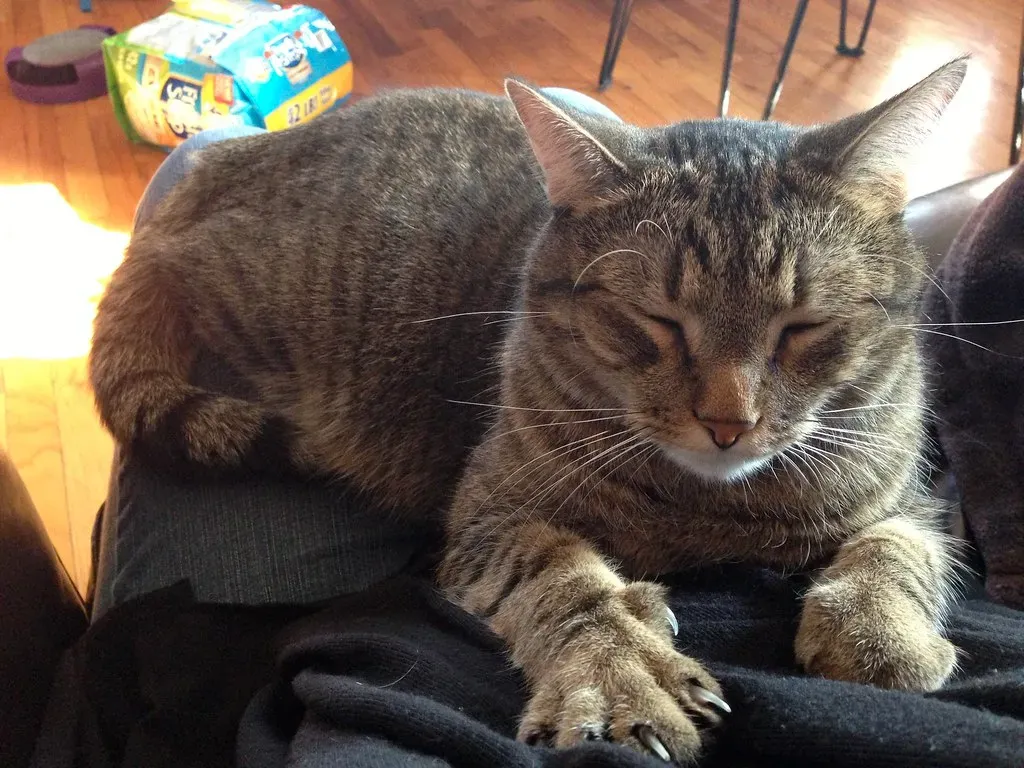
Kneading, or making biscuits, starts in nursing kittens. They press their paws against the mother’s belly to stimulate milk flow. It is a comforting experience tied to warmth, food, and safety.
Many adult cats keep the habit for life. On your lap, it combines contentment with scent marking, since cats have scent glands on their paws. Purring, half-closed eyes, and a soft, slow rhythm often come along with it, creating a full-body display of relaxation.
Some cats knead only certain people, blankets, or textures, which hints at individual preferences. It can also serve as mild self-soothing in a new environment, kind of like a stress-relief ritual.
- Claws can be uncomfortable, so a thick blanket on your lap helps.
- Sudden or excessive kneading in an older cat may be worth bringing up with a vet.
The takeaway: when your cat kneads you, it is treating you like the safest place it has ever known.
But the habit that tells you the most is also the easiest to miss…

Earth Rated XL Dog & Puppy Pee Pads, Discreet Top, Max Absorbency
Check Price on AmazonAs an Amazon Associate, we earn from qualifying purchases.
10/7/2026 1:28 pm GMTi

PetSafe Oasys Pet Fountain, 1/2 Gallon (64 oz), Small Dogs & Cats
Check Price on AmazonAs an Amazon Associate, we earn from qualifying purchases.
10/8/2026 8:14 am GMTi

Glass Hummingbird Feeder for Outdoors Hanging
Check Price on AmazonAs an Amazon Associate, we earn from qualifying purchases.
10/7/2026 1:21 pm GMTi

Portable Dog Water Bottle Foldable Dog Travel Water Bottle
Check Price on AmazonAs an Amazon Associate, we earn from qualifying purchases.
10/7/2026 1:29 pm GMTi
#1 – Using You as a Home Base Is the Loudest Silent Signal of All
🔥 Would you like to save this?
We'll email this post to you, so you can come back to it later!
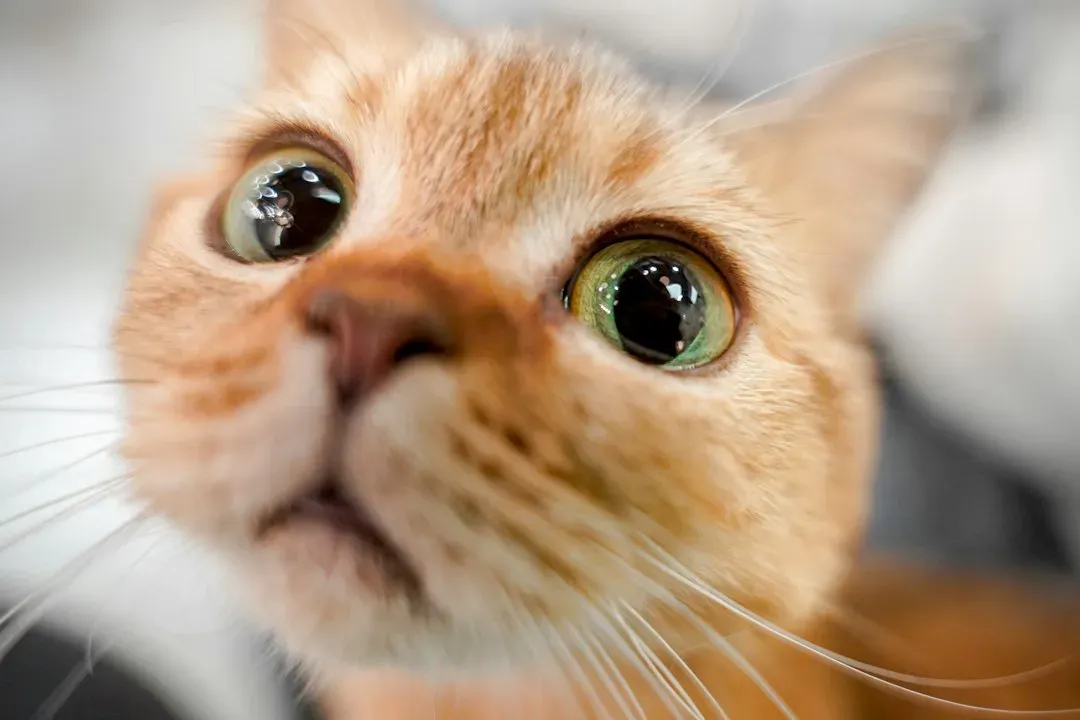
Here is the habit that beats purring by a mile. Your cat wanders off to investigate a noise, a new box, or a sunny corner. Then it circles back, checks in with you, maybe gets a bit of reassurance, and heads out again.
That pattern is called secure-base behavior, and researchers have documented it in cats. In one well-known study using an adapted version of the Strange Situation test, roughly two-thirds of the cats tested showed a secure attachment style. Their behavior looked remarkably similar to that of securely attached infants.
What does that tell us? That a cat sees you as more than a food source. You are the emotional anchor that lets it explore the world with confidence. Disruptions in that pattern can be worth noticing, since stress or health issues sometimes show up as changes in how a cat seeks you out.
The rest of the list comes together here. Bathroom following, lap sleeping, head-butting, and slow blinking are all pieces of the same story. Your cat is not just tolerating you. It has built a relationship with you.
Why It Stands Out
- It shows up in roughly two-thirds of the cats in the attachment research described above.
- It mirrors the way securely attached infants explore and return to a caregiver.
- It ties together the bathroom shadow, the lap nap, the head-butt, and the slow blink.
- Changes in it can be an early clue that stress or health is shifting.
The takeaway: if your cat checks in with you while exploring, that is attachment in action.
The Bottom Line: Here is my honest take: purring is the most overrated signal in the cat world. It is easy to hear, so we treat it as the headline. But it is one of the least specific things a cat does.
The real story is in the quiet stuff, like the slow blink across the room, the ear that flicks sideways, the cat that follows you to the bathroom and settles on the mat. Those habits are consistent, context-rich, and much harder to misread once you know what to look for.
So stop waiting for the rumble. Start watching the details, and your cat will tell you plenty. Which of these habits have you noticed most in your own cat, and did any surprise you? Drop your observations in the comments.

- 13 Dog Breeds Known for Single Person Loyalty - November 9, 2026
- 14 Cat Habits That Reveal Far More Than Purring Does - November 9, 2026
- 8 Signs a Dog Chose You - November 9, 2026