

You’d think a breeder who’s spent decades perfecting a bloodline would be thrilled to sell you one of their puppies. But the most experienced breeders in the country keep a quiet, unspoken list – breeds they’ll gently redirect you away from no matter how much money you’re willing to spend. Not because they don’t love the dogs. Because they do, and they’ve watched too many families shatter over vet bills, surgeries, and grief that never had to happen.
These aren’t obscure breeds with niche problems. Several are sitting at the top of the AKC popularity charts right now. What the brochures don’t mention – and what the breeders who know best will only tell their most trusted customers – is what’s buried inside the genetics, the structure, and decades of breeding for looks over health. What follows isn’t pretty, but it’s exactly what you came here to know.
#1 – French Bulldog
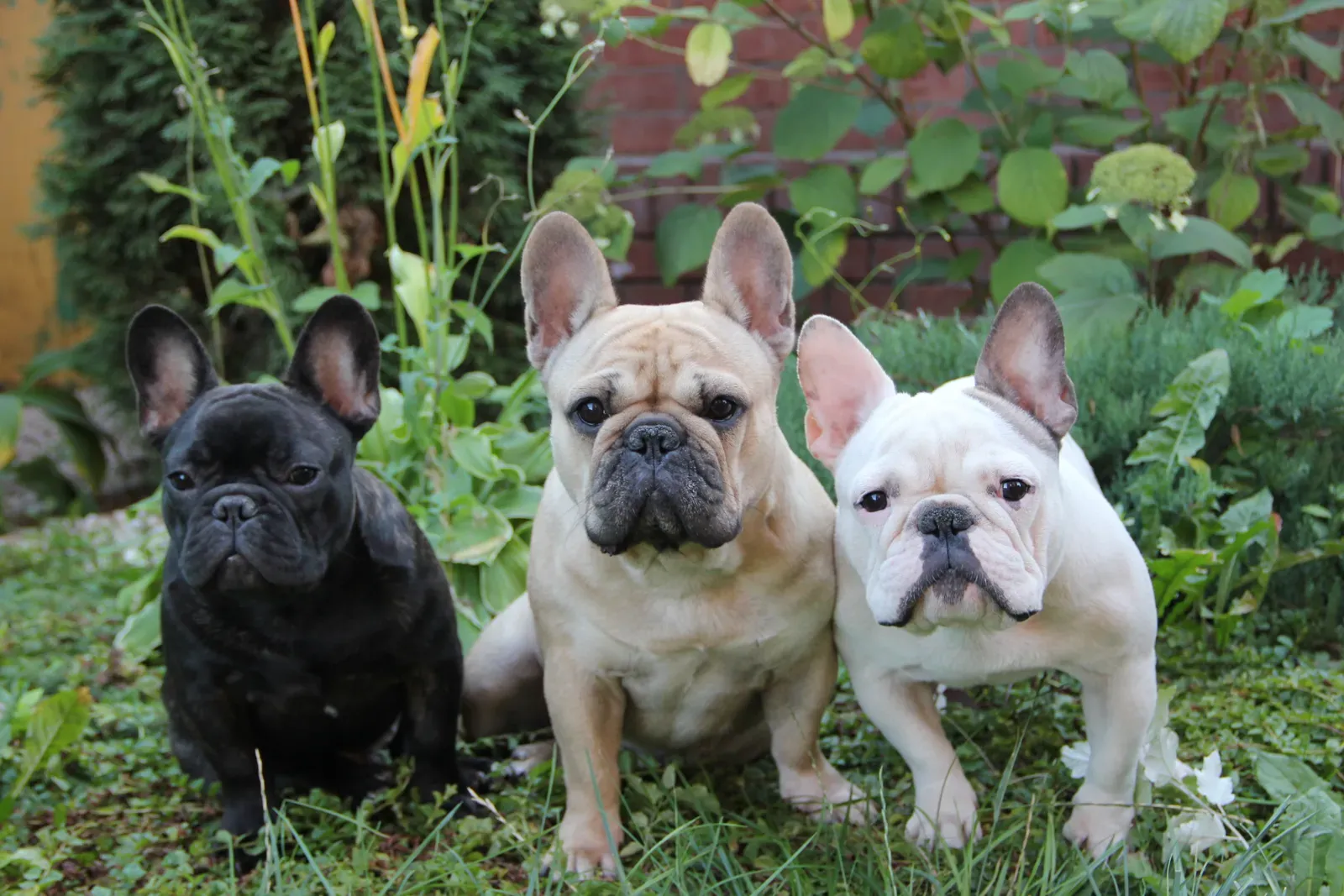
French Bulldogs didn’t land at number one by accident. They’ve been America’s most popular dog breed, and that popularity is precisely what makes responsible breeders lose sleep over them. Brachycephalic obstructive airway syndrome affects nearly every single one to some degree – their skulls are shaped in a way that makes breathing a constant, effortful struggle. Many need corrective surgery just to live a reasonably comfortable life, and even after surgery, a warm afternoon outside can turn dangerous within minutes.
Then there’s the spine. Hemivertebrae – malformed, wedge-shaped vertebrae – cause chronic pain and progressive mobility loss in a significant portion of the breed. Most French Bulldogs also can’t reproduce naturally; artificial insemination and C-sections are the industry standard, not the exception. Puppy mortality rates are high. Vet bills are staggering. Experienced breeders who genuinely care will look you in the eye and suggest a Boston Terrier or a Miniature Bulldog before they let you walk into this with stars in your eyes.
Fast Facts
- According to the Royal Veterinary College, 72.4% of all French Bulldogs have at least one health condition.
- A soft palate surgery alone can exceed $5,000, and ongoing allergy treatments can add $2,000 or more per year.
- One major pet insurer paid out over $6.3 million in vet bills for French Bulldogs in a single two-year span.
- The lifetime cost of owning a Frenchie can exceed $40,000 when chronic conditions and surgeries are factored in.
- Surgical referrals for French Bulldogs at one leading veterinary hospital rose by over 2,000% across a ten-year period.
#2 – English Bulldog

The English Bulldog is what happens when a breed gets loved so hard by the wrong people that it nearly collapses under the weight of human preference. Their flat faces, squat bodies, and enormous heads were engineered entirely for aesthetics – and the dog pays the price every single day. BOAS is nearly universal. Chronic skin infections fester in the deep folds around their face, tail, and body. The average lifespan hovers around 8 to 10 years, and many of those years involve significant suffering.
What truly separates the Bulldog from most breeds on this list is that they literally cannot reproduce without human intervention in most cases. Artificial insemination, C-sections, and intensive neonatal care are baked into the process. Ethical breeders who have watched this breed deteriorate over decades are increasingly stepping away entirely – not rehoming to different buyers, but walking away from the breed altogether. The look that made them famous has become the source of their misery.
#3 – Pug
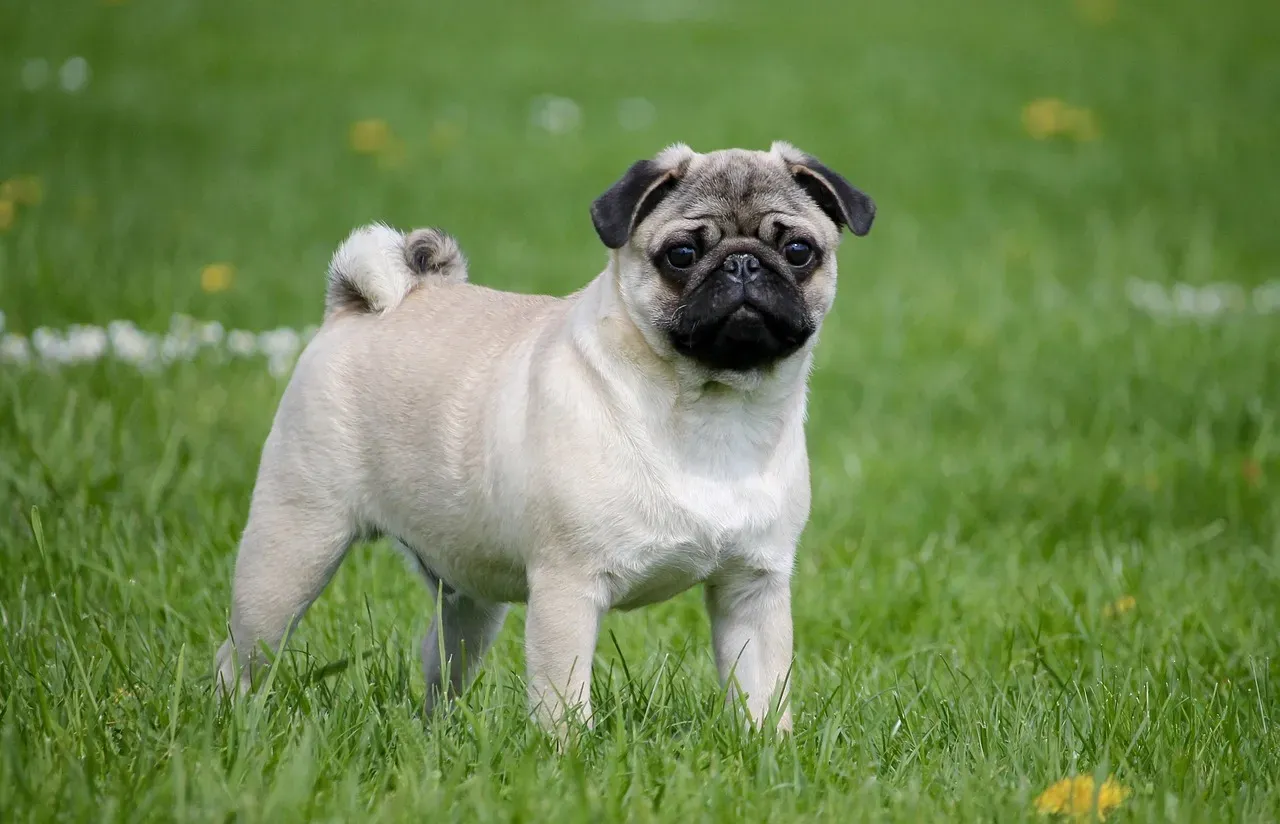
Pugs have been the internet’s darling for years – those squished faces, those enormous eyes, that snorting personality that makes people melt. But spend five minutes with a veterinary surgeon and the picture shifts fast. That iconic flat face creates the same brachycephalic airway crisis as the Frenchie and Bulldog. Exercise in heat isn’t just uncomfortable for a Pug – it can be fatal. Many need surgical correction of their nostrils and soft palate just to breathe at a functional level.
Eye ulcers are common because those big, gorgeous eyes protrude enough to get scratched by nearly anything. Skin infections hide in every fold. Obesity compounds everything because these dogs can barely exercise enough to stay lean. Some of the most principled breeders in the country have made a public decision to stop producing Pugs entirely, arguing that the suffering is predictable, documentable, and entirely preventable. That’s not a fringe position anymore – it’s becoming the mainstream view among people who’ve actually seen what happens.
#4 – Cavalier King Charles Spaniel

The Cavalier is one of the most affectionate, gentle, genuinely lovable breeds ever developed – and that makes what’s happening inside their genetics all the more heartbreaking. Mitral valve disease is so prevalent in the breed that responsible breeders consider it almost inevitable with age. More than half of all Cavaliers develop it by age five, and studies show that nearly 100% are affected by age ten – requiring lifelong cardiac medication and monitoring. You’re not just buying a dog; you’re committing to a cardiology budget.
Syringomyelia is the condition that haunts knowledgeable breeders even more. It’s a neurological disorder caused by a skull that’s too small for the brain – a direct consequence of breeding for that sweet, domed head shape. The fluid pressure causes pain that owners describe as watching their dog scratch at phantom itches, cry at nothing, and flinch from touch. Some dogs are mildly affected. Others suffer profoundly. The Cavalier’s explosive popularity has put enormous pressure on breeders to produce fast and cheap, which has made both conditions dramatically worse.
At a Glance: Cavalier King Charles Spaniel
- Mitral valve disease is the leading cause of death in the breed worldwide.
- MVD is approximately 20 times more prevalent in Cavaliers than in other dog breeds.
- Over 50% of Cavaliers show signs of MVD by age 5; nearly 100% are affected by age 10.
- Syringomyelia affects a significant portion of the breed due to skull structure bred for appearance.
- There is currently no genetic test to identify MVD-free bloodlines with certainty.
#5 – German Shepherd
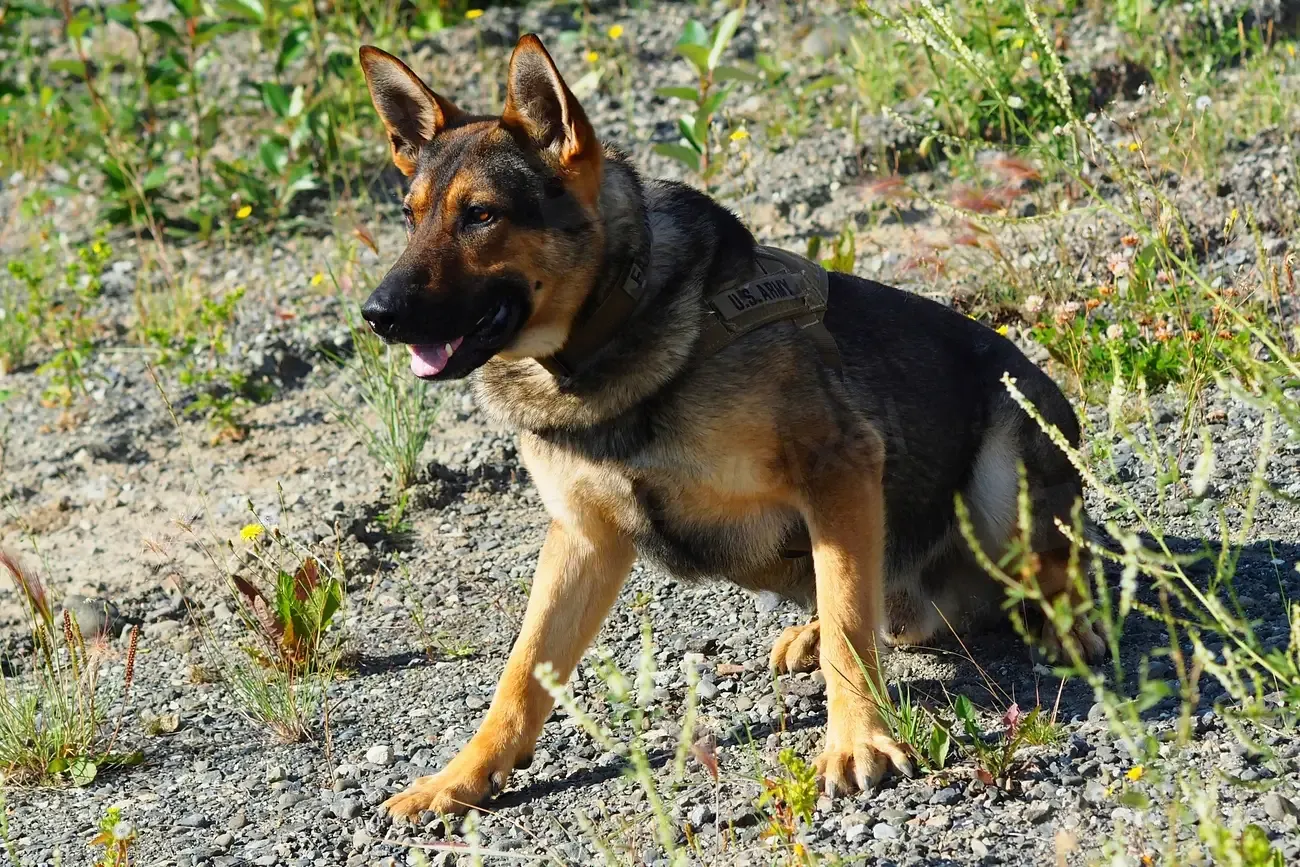
German Shepherds built their reputation as the world’s most capable working dog – police K9 units, search and rescue, military service. The breed earned every bit of that legend. But what’s being sold as a German Shepherd in most pet markets today barely resembles the dog that earned that reputation. Overbreeding for the dramatically sloped back seen in show lines has accelerated hip and elbow dysplasia to alarming rates. Degenerative myelopathy – a progressive neurological disease that eventually paralyzes the hindquarters – is devastatingly common.
Temperament has fractured too. Fear-based aggression is rising in poorly bred lines, a trait virtually unheard of in the breed’s working origins. These are high-drive dogs that need structured work, consistent training, and mental engagement that most pet households genuinely cannot provide. Experienced breeders who work with working-line dogs will tell you plainly: the show-line German Shepherd you’re looking at in that glossy photo is a different animal entirely from what the breed was designed to be. Many end up surrendered when the health bills and behavior problems overwhelm families who thought they were buying a family-friendly classic.
#6 – Great Dane
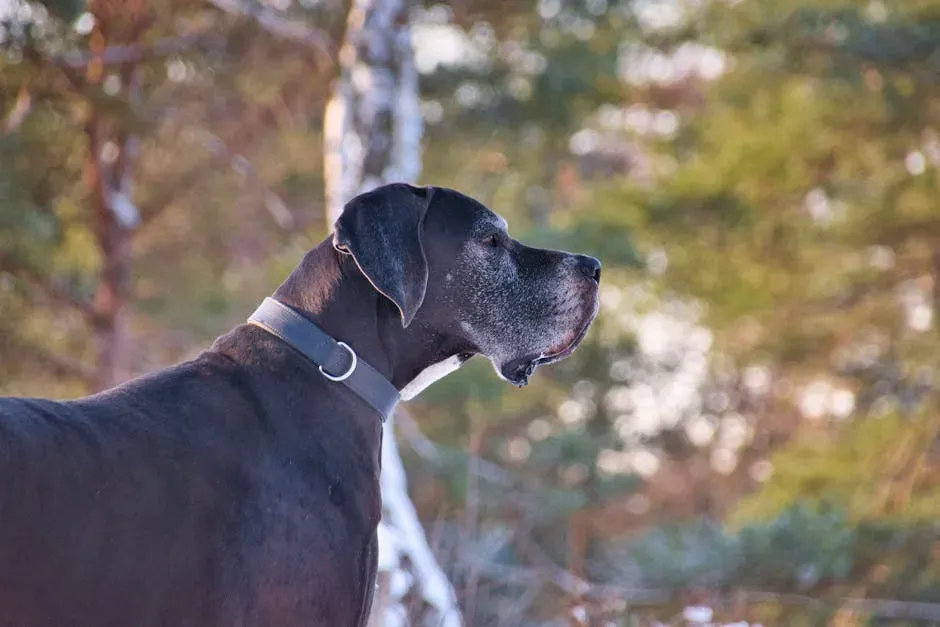
Great Danes stop people cold. There’s something genuinely magnificent about a 150-pound dog with the temperament of a golden retriever – and ethical breeders don’t dispute that. What they can’t overlook is the math. Gastric dilatation-volvulus, commonly called bloat, is a condition where the stomach fills with gas and twists on itself. It is a surgical emergency that can kill within hours. Great Danes are among the highest-risk breeds in the world for it, and it can happen to any dog, any age, at any time.
Hip dysplasia and wobbler syndrome – a spinal condition that causes a distinctive, unstable gait – add mobility suffering to the equation. Most Great Danes live only 7 to 10 years despite their gentle, loyal nature, and a significant portion of those years involve managing serious conditions. The cost of feeding a dog this size is its own conversation. Breeders who are honest about it will tell you they only place Danes with families who’ve researched bloat prevention, have a 24-hour emergency vet nearby, and have genuinely reckoned with the grief of a short lifespan.
Quick Compare: Giant Breed Reality Check
- Great Dane lifespan: Typically 7–10 years
- Bloat (GDV): Surgical emergency; can be fatal within hours if untreated
- Monthly food cost: Significantly higher than average breeds due to size
- Wobbler syndrome: Causes progressive spinal instability; common in deep-chested giant breeds
- Prophylactic gastropexy: Many vets recommend the preventive surgery at time of spay/neuter
#7 – Rottweiler
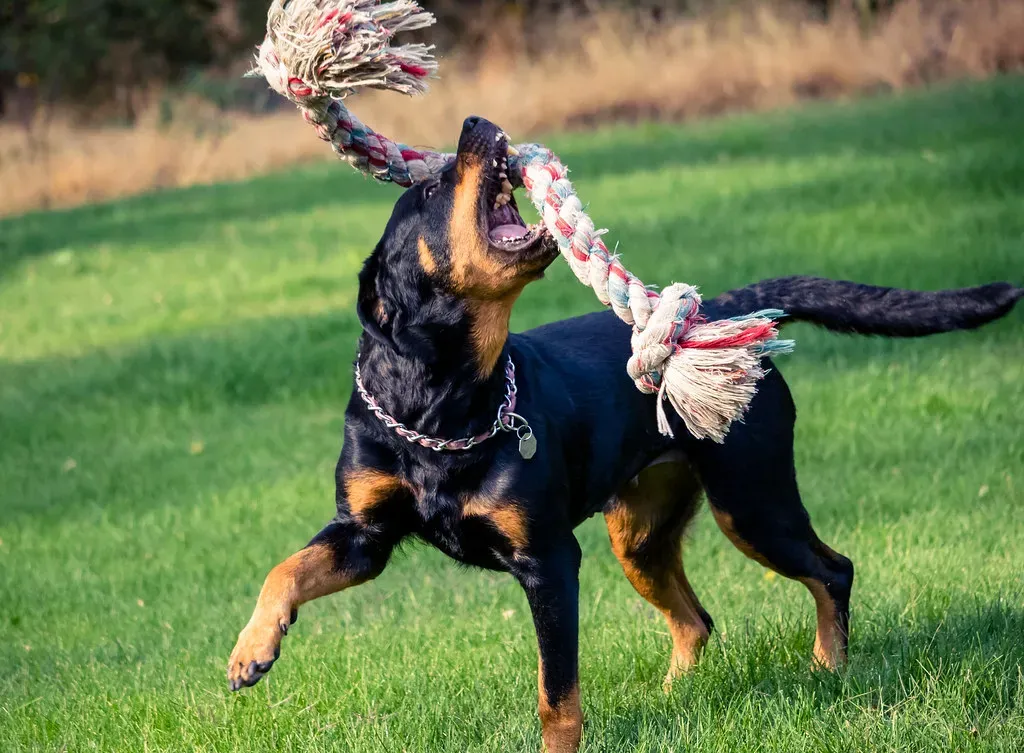
Rottweilers are one of the most misunderstood breeds on this list – the problem isn’t their temperament when they’re properly bred and raised. The problem is their bones and their biology. Osteosarcoma, an aggressive bone cancer, hits Rottweilers at rates that stun even experienced oncology vets. Hip dysplasia is endemic in many lines. The combination of a heavy, powerful build and joints that frequently fail means many Rottweilers face significant orthopedic surgery before they’re five years old.
Overbreeding for sheer size has compounded these vulnerabilities over time – bigger has been equated with better by buyers, which pushed breeders toward dogs whose frames simply can’t support the load. Their guarding instincts, when not channeled through consistent expert-level training from puppyhood, can create liability that most families aren’t equipped to manage. Responsible breeders don’t avoid placing Rottweilers because the breed is bad. They’re cautious because the gap between a well-managed Rottweiler and a neglected one is one of the widest in all of dogdom.
#8 – Doberman Pinscher
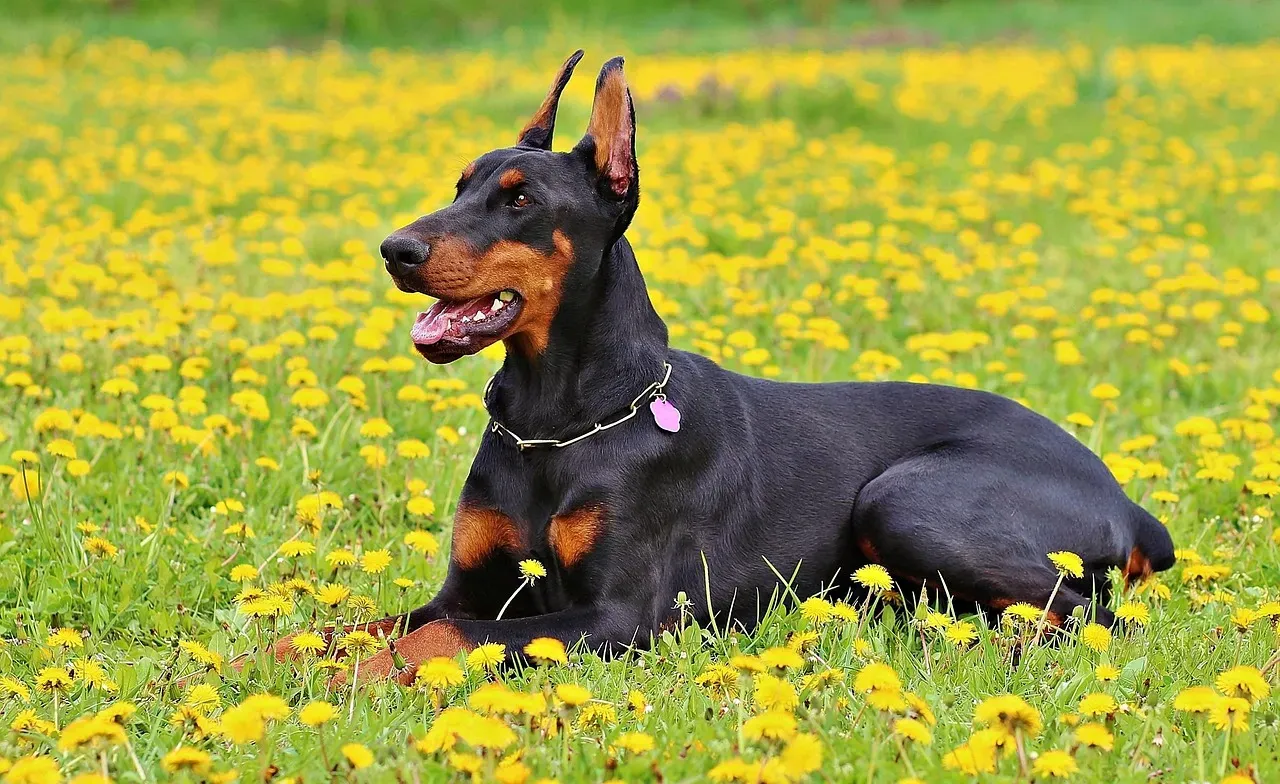
The Doberman carries an air of sleek, sharp-edged elegance that makes them look invincible. They are not. Dilated cardiomyopathy – a progressive heart disease where the heart muscle weakens and enlarges – is one of the leading causes of death in the breed. What makes it particularly cruel is that many dogs show no symptoms until they collapse. By the time it’s caught without proactive screening, it’s often already advanced. Responsible breeders now insist on cardiac testing before breeding, but not everyone does.
Von Willebrand’s disease, a blood clotting disorder, adds another layer of risk for surgery or trauma. Hip and elbow dysplasia create early-onset arthritis in many lines. Dobermans are deeply loyal, intensely bonded dogs – which means they need the socialization work and structured engagement that inexperienced owners frequently underestimate or skip entirely. Breeders who know the breed well will tell you: a Doberman without consistent handling doesn’t become dangerous because it’s mean. It becomes anxious, and an anxious Doberman is a problem nobody budgeted for.
Worth Knowing: The Hidden Health Stack
- Dilated cardiomyopathy often shows no symptoms until sudden collapse – proactive cardiac screening is essential.
- Von Willebrand’s disease can make routine surgeries or injuries unexpectedly dangerous.
- Dobermans rank among the breeds most affected by DCM globally, making annual cardiac exams non-negotiable.
- Early, structured socialization isn’t optional for this breed – it’s the difference between a stable companion and a serious liability.
#9 – Boxer
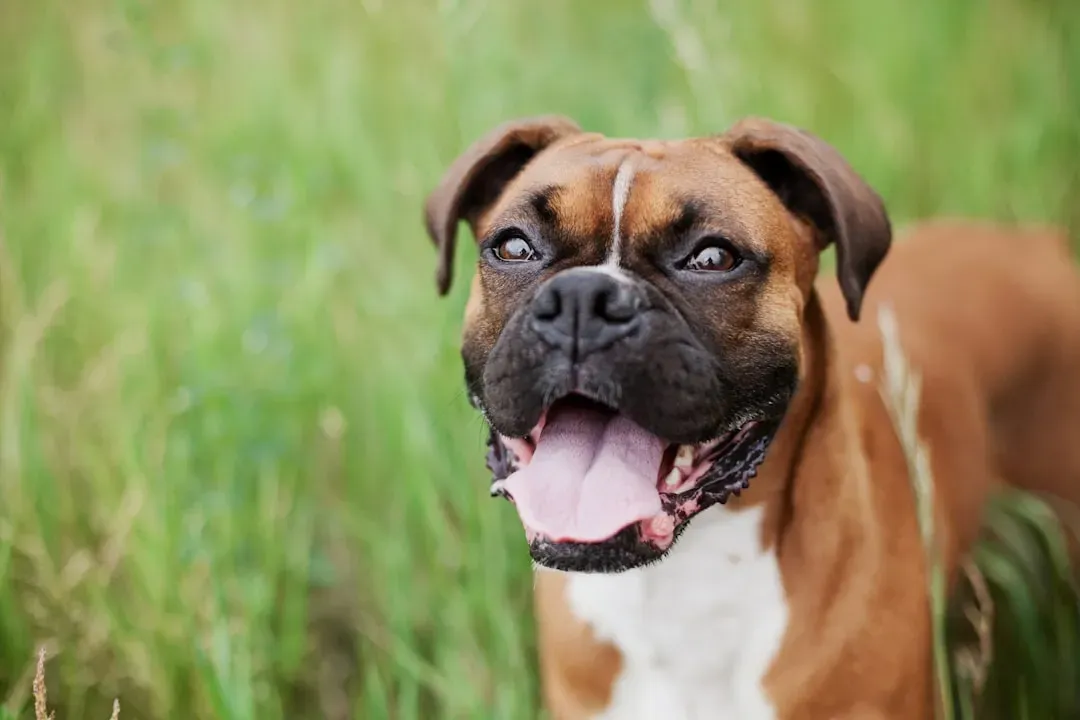
Boxers are clowns with hearts – exuberant, goofy, affectionate, and utterly devoted to their families. They also carry one of the most troubling cancer profiles in purebred dogs. Mast cell tumors, lymphoma, and brain tumors appear at rates that make oncologists wince. Dilated cardiomyopathy is a serious concern in the breed as well, and aortic stenosis can cause sudden cardiac death in young, apparently healthy dogs. The combination means breeders who care deeply about where their dogs end up feel a real ethical weight when placing them.
Degenerative myelopathy and hip dysplasia add mobility challenges as the dog ages. Their flat face also places them in mild brachycephalic territory – not as severe as a Frenchie or Pug, but enough to make heat and heavy exercise genuinely risky. None of this negates how wonderful a well-bred Boxer can be as a companion. But experienced breeders want buyers to walk in with open eyes, a robust vet relationship, and a pet insurance policy already in hand – because at some point, most Boxer owners are going to need all three.
#10 – Shar Pei
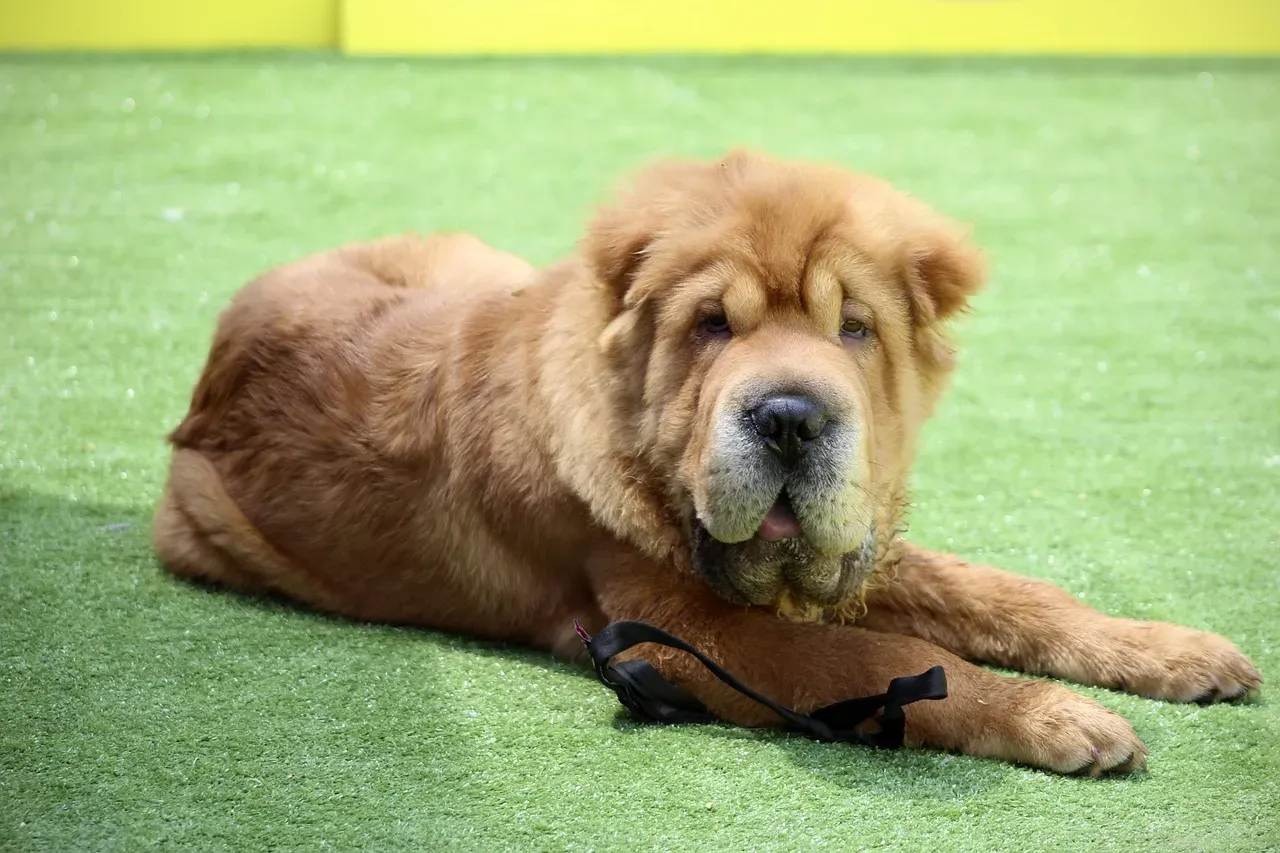
The Shar Pei’s deeply wrinkled skin is unlike anything else in the dog world, and it arrives with a medical dossier to match. Entropion – where the eyelids roll inward and the lashes scratch the cornea continuously – is extremely common and often requires surgical correction in puppyhood. Skin fold infections are a constant battle; that magnificent wrinkled coat traps moisture, bacteria, and debris in ways that demand meticulous, lifelong grooming and monitoring. Neglect it for even a short stretch and you’re looking at painful, expensive infections.
Amyloidosis is the condition that experienced breeders discuss in lowered voices. It’s a kidney and liver disease caused by a protein buildup that’s strongly linked to the Shar Pei’s unique immune profile – the same biological quirk that gives them their skin may be what ultimately kills them. The disease is progressive and often fatal, sometimes striking dogs that seemed completely healthy just months before. Their loose muzzle structure also creates breathing and temperature regulation challenges in warm climates. Breeders who are honest about this breed’s future will tell you the wrinkles are beautiful and the medical consequences are real.
#11 – Chow Chow
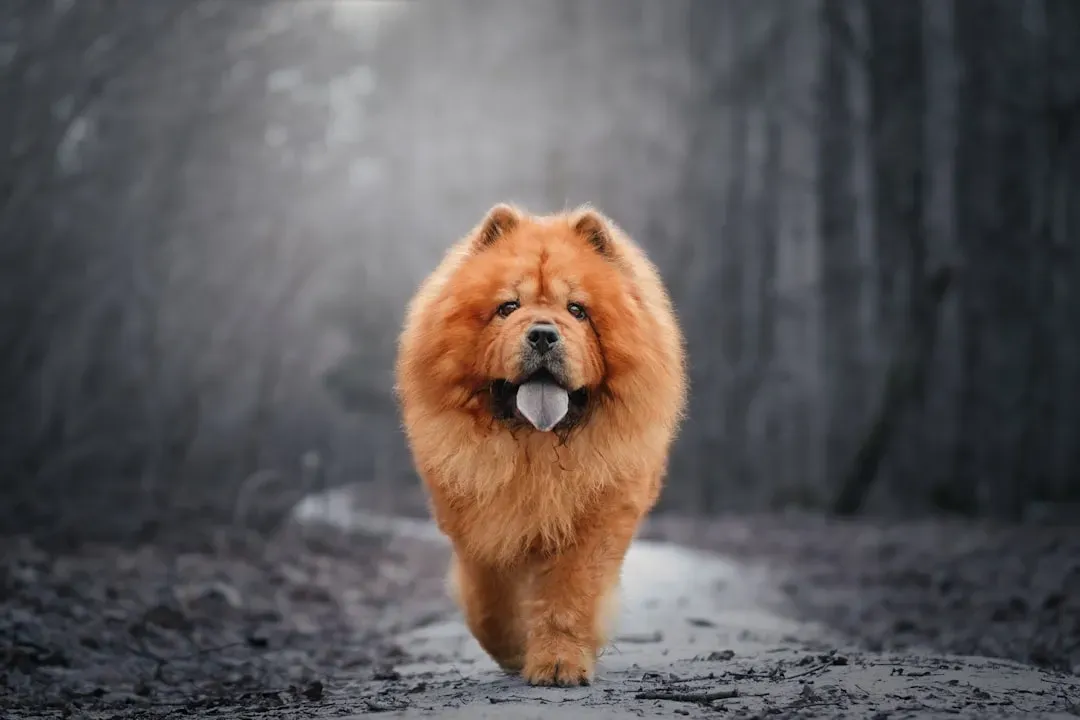
Few dogs look as magnificently exotic as a Chow Chow – that lion’s mane, that regal posture, that blue-black tongue that makes strangers do double takes. What the photos don’t capture is the maintenance reality. Their dense double coat traps heat and moisture close to the skin, creating the perfect environment for chronic skin infections if not groomed with serious dedication. Entropion – the same inward-rolling eyelid condition that plagues the Shar Pei – appears regularly in Chow lines, causing ongoing eye pain and requiring surgical correction.
The temperament issue is what makes ethical breeders most hesitant. Chow Chows are profoundly aloof by nature – not unfriendly, but wired for a kind of dignified independence that requires an owner who genuinely understands it. Without intensive early socialization, that aloofness curdles into suspicion, and suspicion in a breed with this build and protective instinct creates real problems. Even knowledgeable breeders will admit that the gap between a well-raised Chow and a poorly raised one is enormous – and most families simply don’t know which side of that gap they’re on until it’s too late. Chow rescues are not empty.
#12 – Akita
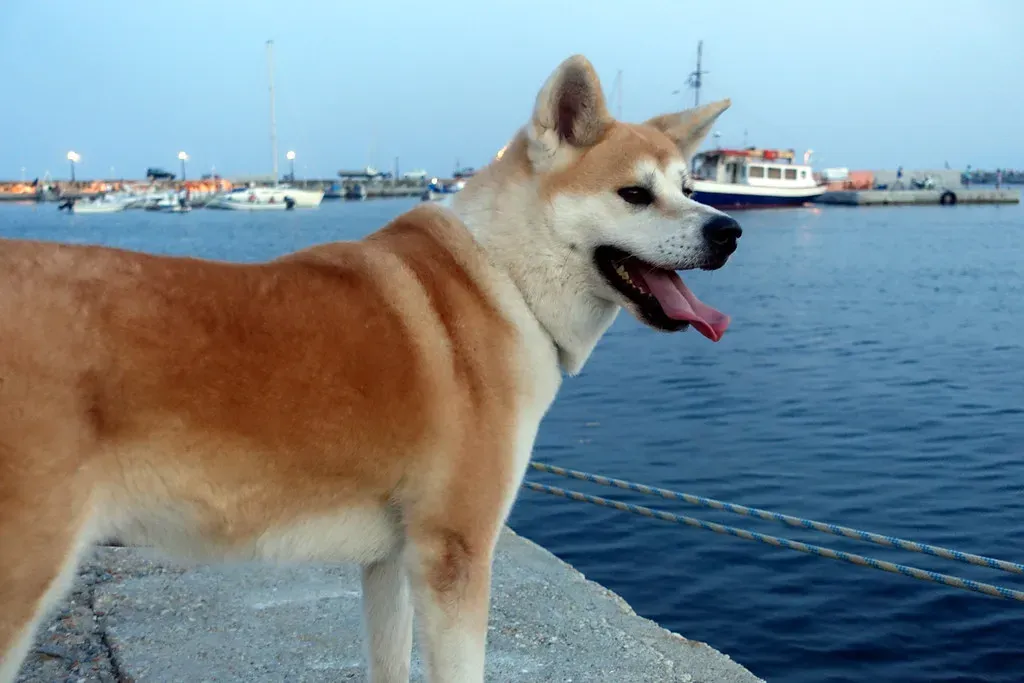
Akitas are one of the oldest and most revered breeds in Japan, woven into the national identity as a symbol of loyalty and courage. That history is real and it’s earned. What’s also real is that the Akita’s intense independence, strong guarding instincts, and dominant personality require a level of experienced handling that the average dog owner has never encountered. Hip dysplasia and autoimmune thyroiditis are common in many lines, and their thick double coats demand serious grooming to prevent skin infections beneath the surface.
What pushes Akitas toward the top of the quiet warning list is the dog-to-dog dynamic. Akitas frequently do not tolerate other dogs – especially same-sex dogs – and their size and strength mean that when a conflict happens, it happens with consequences. Breeders who love the breed deeply will be the first to tell you that an Akita placed with the wrong family isn’t just a bad match. It’s a liability that can end in tragedy for the dog, and sometimes for people around it. They belong with owners who’ve done the homework, not buyers swept away by the breed’s powerful mystique.
Why It Stands Out: Breeds That Demand the Most From Owners
- Akita: Intense same-sex dog aggression; size and strength make conflicts dangerous
- Chow Chow: Deep aloofness requires experienced handling from day one or socialization fails
- Doberman: Anxiety without structure; unhandled Dobermans become unpredictable, not aggressive
- German Shepherd (show line): High drive with nowhere to put it in average households
- Weimaraner: Separation anxiety so severe it can border on panic disorder when undertreated
#13 – Weimaraner
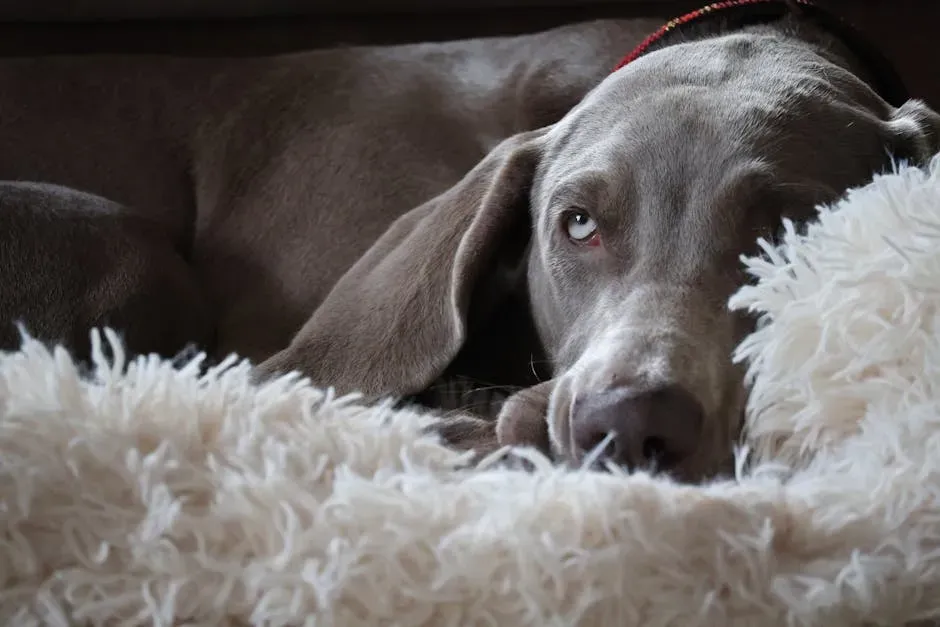
Weimaraners look like they were designed by someone with a flair for the dramatic – that sleek silver-gray coat, those eerie amber eyes, that athletic silhouette. They earned their nickname, the Gray Ghost, not just from their looks but from their habit of shadowing their owners everywhere with an almost unsettling intensity. That intensity is the first thing experienced breeders try to explain to potential buyers. These are not casual dogs. They were bred to hunt all day and they carry that engine whether you’re hiking ten miles or sitting at a desk.
Hip dysplasia and bloat are serious concerns, and hypertrophic osteodystrophy – a painful bone development disorder – can cripple young Weimaraners during growth phases. Their deep chest makes GDV a constant background risk throughout life. But what lands more Weimaraners in rescues than any health issue is separation anxiety so severe it borders on panic disorder. These dogs bond with a depth that most owners find overwhelming when they’re not home. Breeders who’ve placed enough of them will tell you: a Weimaraner thrives with a person who can make the dog the center of their life. Most people can’t, and the dog suffers for it.
[article_quiz]#14 – Dalmatian
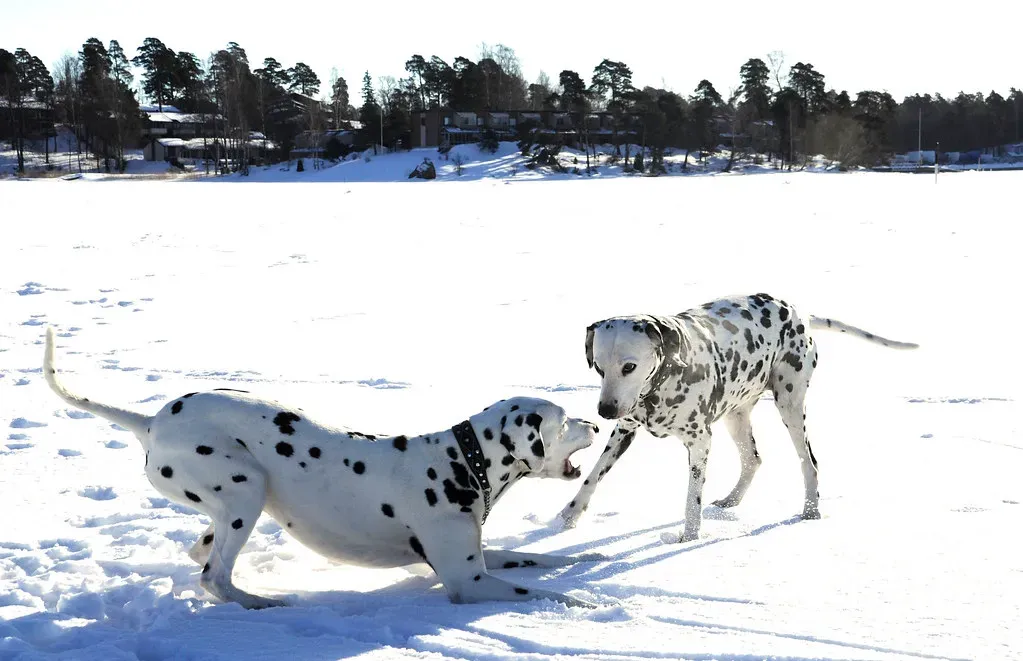
Dalmatians became icons the moment Disney put them on screen, and that cultural moment sent waves of impulse buyers into breeders’ doors for years. The people who know the breed best watched it happen with dread. Congenital deafness affects up to 30% of all Dalmatians in the United States – with roughly 22% affected in one ear and 8% deaf in both – and that rate is linked to coat pigmentation patterns, meaning the most dramatically spotted dogs buyers specifically request carry the highest risk. Responsible breeders insist on BAER hearing tests before placement. Many sellers never mention the subject at all.
Urinary stones caused by the breed’s unique uric acid metabolism require lifelong dietary management and regular veterinary monitoring. Skip it and you’re looking at blockages, surgeries, and serious pain. Dalmatians also carry an exercise requirement that’s genuinely formidable – this is a dog bred to run alongside horse-drawn carriages for miles. An under-exercised Dalmatian doesn’t just misbehave; it comes apart at the seams. Experienced breeders have seen this story play out enough times that they’ll ask more questions than you expected, probe your lifestyle harder than feels comfortable, and sometimes conclude that what you actually want isn’t a Dalmatian at all.
Fast Facts: Dalmatian
- Up to 30% of U.S. Dalmatians are affected by congenital sensorineural deafness – the highest rate of any breed.
- About 8% are deaf in both ears; roughly 22% are deaf in one ear only.
- BAER (Brainstem Auditory Evoked Response) testing can detect hearing loss in puppies as young as 6 weeks old.
- The breed’s unique uric acid metabolism requires lifelong low-purine dietary management to prevent urinary blockages.
- Responsible breeders will not place a puppy without a BAER test result on record – walk away from any who won’t provide one.
Here’s the honest conclusion that experienced breeders would give you if they weren’t worried about offending you: modern dog breeding has a crisis, and it’s driven by demand. Every time a breed explodes in popularity – through a movie, a celebrity, a viral video – the worst breeders flood the market to meet it, cutting corners on health testing, temperament evaluation, and structural soundness. The breeds on this list aren’t inherently broken. They’ve been broken by the pressure to produce more, faster, cuter, more extreme. The breeders who actually love these dogs are left cleaning up the fallout one heartbroken owner at a time. If you’re serious about bringing one of these breeds home, the bar isn’t just finding a “reputable” breeder. It’s finding someone who will push back on you, ask hard questions, and occasionally tell you no – because that’s exactly what good breeders do for the dogs they can’t stop caring about.
