

Owning a dog brings immeasurable joy, endless tail wags, and countless memories that warm our hearts for years to come. But here’s what most people don’t talk about when they’re scrolling through adorable puppy photos on social media – some breeds come with price tags that extend far beyond the initial adoption fee. While every dog deserves love regardless of potential health costs, the reality is that certain breeds are genetic time bombs waiting to explode your bank account.
Research has found that the average amount spent for a dog and its care throughout its lifetime is $28,000, but for these particular breeds, you might want to double that estimate. The combination of poor breeding practices, genetic predispositions, and structural problems can turn your beloved companion into a four-legged financial disaster faster than you can say “emergency vet visit.”
English Bulldogs – The Breathing Disaster

The English Bulldog is well-loved for its distinctive, wrinkly appearance and gentle disposition. However, this breed is prone to many health issues, mainly due to its brachycephalic (short-nosed) facial structure, leading to breathing difficulties, overheating, and dental problems. These lovable wrinkle monsters might look like they’re always smiling, but their flat faces create a perfect storm of respiratory problems.
The average BOAS claim for Bulldogs in 2021 was £1,662.91 and many vets quote several thousand pounds for the surgery, depending on the extent of the treatment needed. Bulldogs are also prone to joint problems, dental issues and obesity. Their trademark pushed-in faces that make them so endearing are actually the source of most of their expensive health problems.
The structural issues don’t stop at breathing. We paid 173 cherry eye claims for Bulldogs in 2021 and the average cost was £643.72… So even though the average claim for skin disorders in Bulldogs is £219.23, repeat claims could easily add up to thousands of pounds. Think of it like buying a house with beautiful curb appeal but a foundation that’s slowly sinking – the charm comes with a hefty maintenance bill.
German Shepherds – The Hip Replacement Heroes

German Shepherds are renowned for their intelligence, loyalty, and versatility but are also predisposed to various health issues that can lead to high veterinary costs. This breed is particularly susceptible to hip and elbow dysplasia, a genetic condition that affects the joints and can lead to arthritis or mobility issues, often requiring expensive surgeries.
German Shepherds can also suffer from degenerative myelopathy, a progressive disease of the spinal cord, and bloat, a life-threatening condition that requires emergency veterinary care. These health challenges and their active nature make it crucial for German Shepherd owners to be prepared for potential medical expenses. Imagine having a brilliant employee who’s constantly calling in sick – that’s essentially what you’re signing up for with this breed.
Common health issues include arthritis, hip dysplasia, and degenerative myelopathy. Many purebred dogs have health concerns, so it’s not specific to German shepherds, but dog owners should prepare for the costs. Their working dog heritage means they push through pain until problems become severe, often requiring emergency intervention.
Great Danes – The Gentle Giant Money Pit

Great Danes are prone to some health problems in their short lives, and you will spend more on vet visits. But health care extends beyond this. These magnificent creatures are like owning a small horse that thinks it’s a lap dog, and the medical bills reflect their enormous size.
Great Danes are susceptible to several serious and often costly health conditions, from bloat and heart disease to joint and bone disorders. Veterinary care for these breed-specific issues can get expensive quickly. Their most terrifying health issue is gastric torsion, or bloat, which can kill them within hours and requires immediate emergency surgery.
Great Danes are prone to various health conditions, and they’re clumsy and prone to eating things they shouldn’t. Expect at least one surprise emergency vet visit a year, and there may be quite a few appointments for ongoing health issues as well. Think of them as loveable bulldozers in a china shop – accidents are inevitable.
Rottweilers – The Cancer-Prone Powerhouses
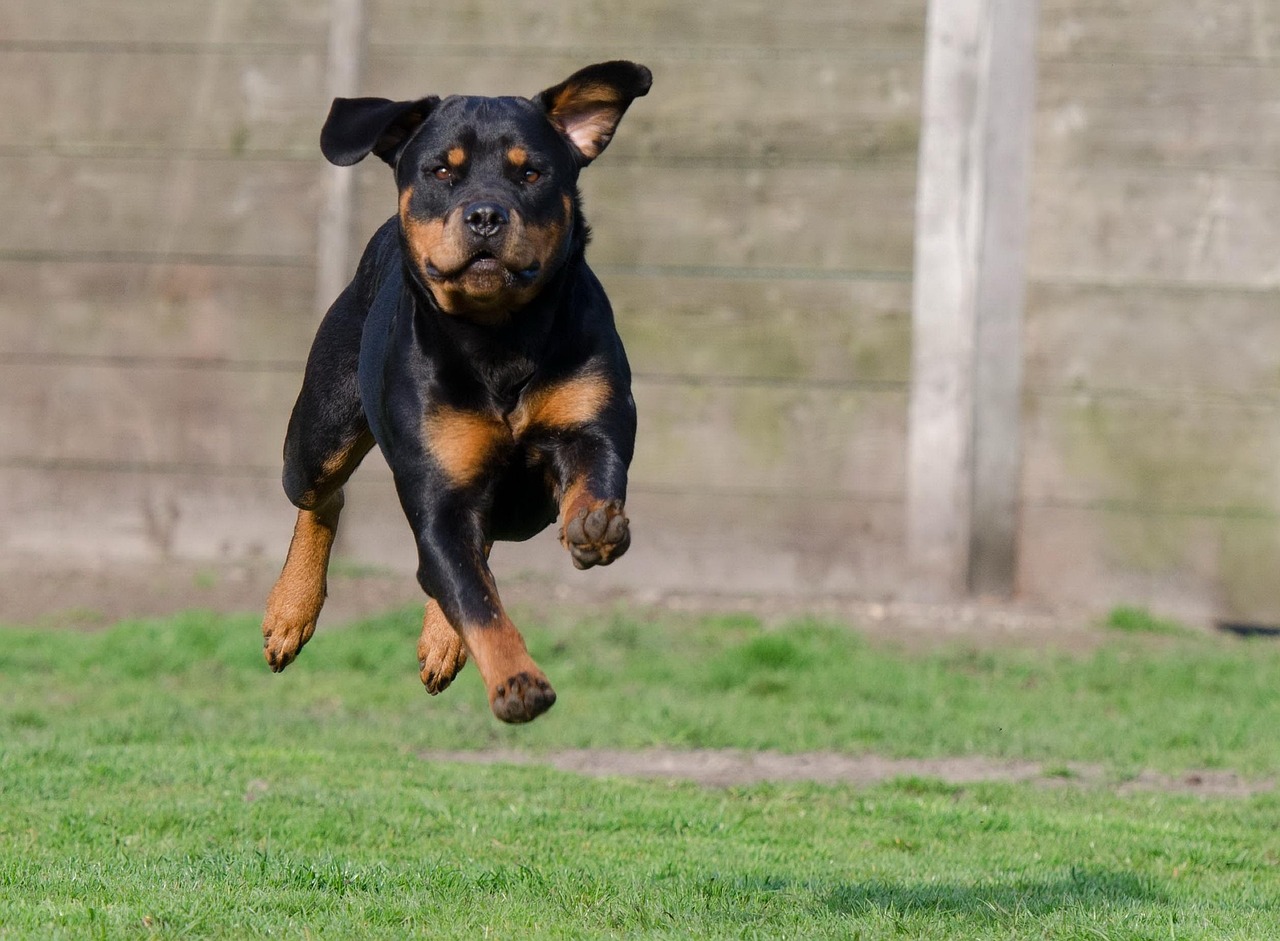
On a more detailed short list of dogs with the highest average insurance claims, Rottweilers placed first with an average claim amount of $567.53. These powerful dogs might look invincible, but their genetics tell a different story when it comes to health problems.
Sadly, Rottweilers also have an above-average risk of developing certain cancers, according to Newtown Veterinary Specialists. This includes “lymphoma, mast cell tumors, soft tissue sarcomas, bone cancer, bladder cancer, and hemangiosarcomas.” Cancer treatments in dogs can easily reach five-figure sums, especially when multiple rounds of chemotherapy are involved.
Like German Shepherds, Rottweilers are at risk for hip and elbow dysplasia. They are also susceptible to heart conditions, including aortic stenosis and cancer, particularly osteosarcoma (bone cancer). These health issues can require extensive medical intervention, including surgeries, ongoing medication, and specialized treatments. Their size and genetic predispositions create a perfect storm of expensive health conditions.
French Bulldogs – The Expensive Fashion Statement

French Bulldogs come with a hefty price tag (even more for tri-colored markings and anything up to $12,000 for the rare ‘fluffy’ variety). But they’re also prone to costly health problems, especially if badly or irresponsibly bred. As a brachycephalic (flat-faced) breed, they often have breathing problems which need expensive surgery to fix (roughly $2,000 to $3,000).
Like their English cousins, French Bulldogs suffer from the same structural problems that make breathing a constant struggle. One of the conditions is Brachycephalic Airway Syndrome, which is common in flat-faced breeds. This is a syndrome caused by some abnormalities that attack the respiratory system. This issue can risk your Frenchie’s life.
Vet bills can easily mount over the course of a 10 to 12-year lifespan. They’re essentially the designer handbag of the dog world – expensive to buy, expensive to maintain, and guaranteed to need frequent repairs.
Bernese Mountain Dogs – The Beautiful But Brief Companions
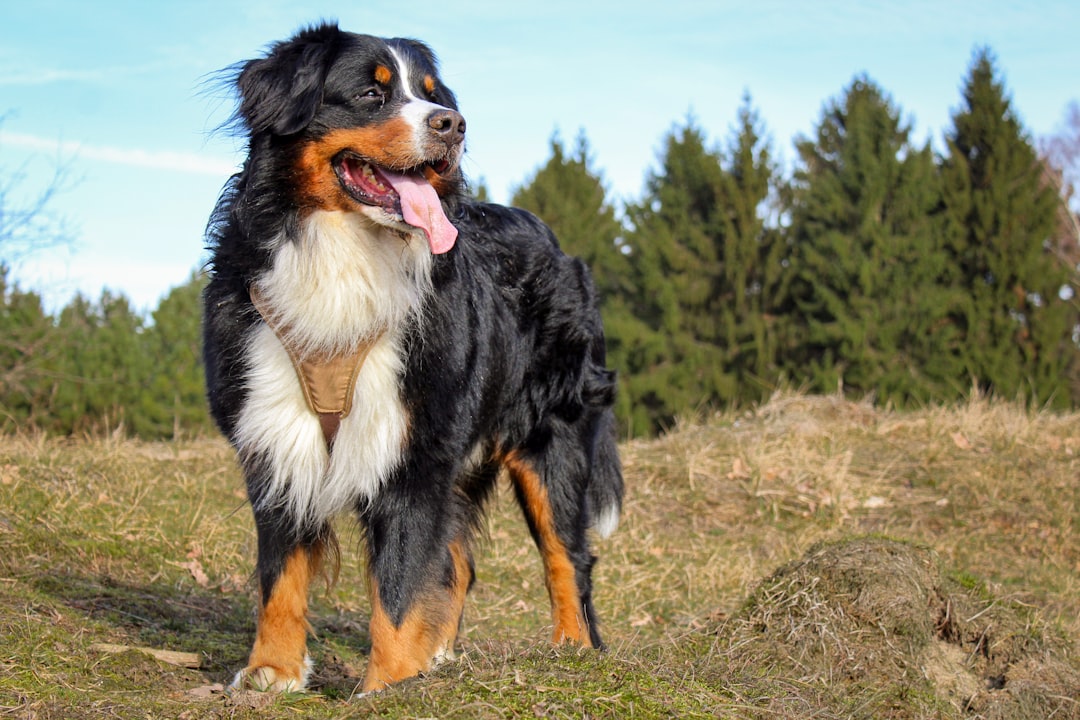
Based on claims filed in 2020, Embrace Pet Insurance reported the five breeds with the highest vet bills were Greater Swiss Mountain Dogs, Bernese Mountain Dogs, Flat-Coated Retrievers, Bullmastiffs and Newfoundlands. These gorgeous, fluffy giants are heartbreakers in more ways than one.
A huge number of Bernese Mountain Dogs die while they’re still puppies… Lack of genetic diversity and their predisposition to catching some health conditions are the common culprits, as per WebMD. The leading cause of death is breed is cancer; regular screening will be required.
Other common health risks are: Hip dysplasia, elbow dysplasia, bloating, cruciate disease (a ligament damage), Degenerative myelopathy, and obesity. Treatment of obesity can help with joint problems. They’re like that beautiful but fragile antique car – stunning to look at, but you’ll spend more time in the repair shop than on the road.
Boxers – The Athletic Heart Patients

Even this generally healthy breed is at risk of getting sick and make your wallet tremble at the vet bills… Some common problems related to health in these pups are: cancers (the most common threat in Boxers), Dilated Cardiomyopathy (a heart disease), Boxer Arrhythmia, and bloat. These energetic clowns pack a lot of personality, but also pack some serious genetic health issues.
Heart problems in Boxers aren’t just common – they’re almost expected. Dilated cardiomyopathy causes the heart to enlarge and is most likely genetic. It is a very serious condition that often does not get diagnosed until it is too late to help. There are some treatment options, but DCM has no cure.
Cancer rates in Boxers are alarmingly high, making regular screening and early detection crucial but expensive. Think of them as the marathon runners who look incredibly fit but are hiding serious cardiovascular issues – the problems aren’t always visible until it’s too late.
Labrador Retrievers – The Deceptively Expensive Family Dog

One of America’s favorite pups, the Labrador Retriever, can also be an expensive option due to the healthcare bills they can cause to rack up. These gorgeous and strong dogs are normally healthy, especially if bred by a responsible breeder. Their reputation as the perfect family dog masks some hidden costs that many owners don’t anticipate.
Labs are prone to hip dysplasia, eye problems, and obesity-related issues that can snowball into expensive treatments. Their love of food often leads to weight problems, which then compound joint issues and create a cascade of health problems. Their retrieving instinct also means they’ll eat anything they find, leading to emergency surgeries to remove foreign objects.
The irony is that their popularity has led to poor breeding practices, creating more health problems in what should be a relatively sturdy breed. It’s like buying what you think is a reliable family car, only to discover it needs constant maintenance because it came from a questionable manufacturer.
Afghan Hounds – The Beautiful But Fragile Aristocrats

They’re prone to expensive health issues, such as corneal dystrophy, autoimmune conditions, and cardiac disorders that can mount to around $5,000. These elegant, flowing-haired beauties are the supermodels of the dog world, but like many supermodels, they’re high-maintenance and prone to health issues.
The hounds have an average life of 10-14 years, and their health conditions might cost you some more money. They’re predisposed to cataracts and hypothyroidism, which can cost up to $3,000. Their exotic appearance comes with equally exotic veterinary bills.
Afghan Hounds are essentially the aristocrats of the dog world – beautiful, refined, and requiring a trust fund to maintain properly. Their genetic isolation has created a breed that’s as fragile as it is stunning.
Mastiffs – The Gentle Giants with Giant Bills

Based on claims filed in 2020, Embrace Pet Insurance reported the five breeds with the highest vet bills were Greater Swiss Mountain Dogs, Bernese Mountain Dogs, Flat-Coated Retrievers, Bullmastiffs and Newfoundlands… Bernese Mountain Dogs with average claims of $412.85. These massive, drooling giants are gentle souls with heavyweight medical expenses.
Their enormous size means everything costs more – from medication dosages to surgery complications. Mastiffs are prone to bloat, hip dysplasia, heart problems, and a condition called wobbler syndrome that affects their spine. Recovery times are longer, medication doses are higher, and surgical risks are greater.
Think of mastiffs as living, breathing SUVs – they consume more resources, need specialized care, and when something goes wrong, the repair bill reflects their size. Their gentle nature makes the financial burden even more heartbreaking because they’re such wonderful companions.
Chow Chows – The Fluffy Financial Disasters
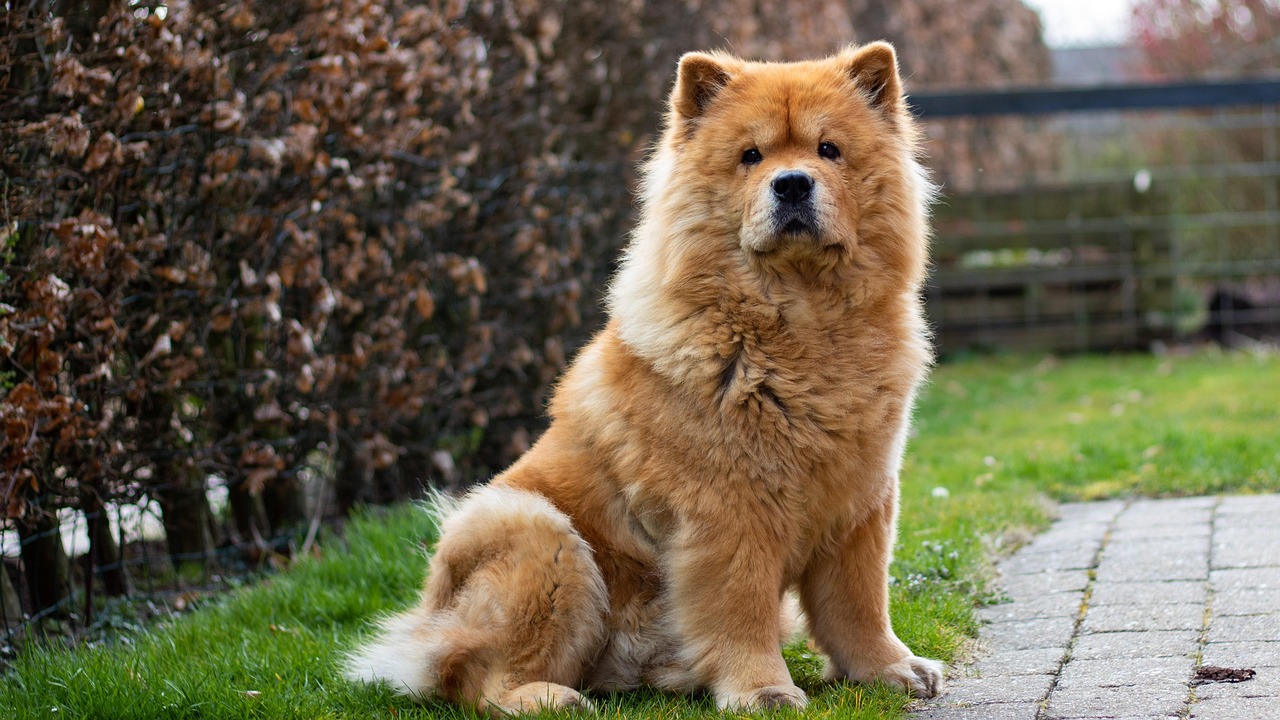
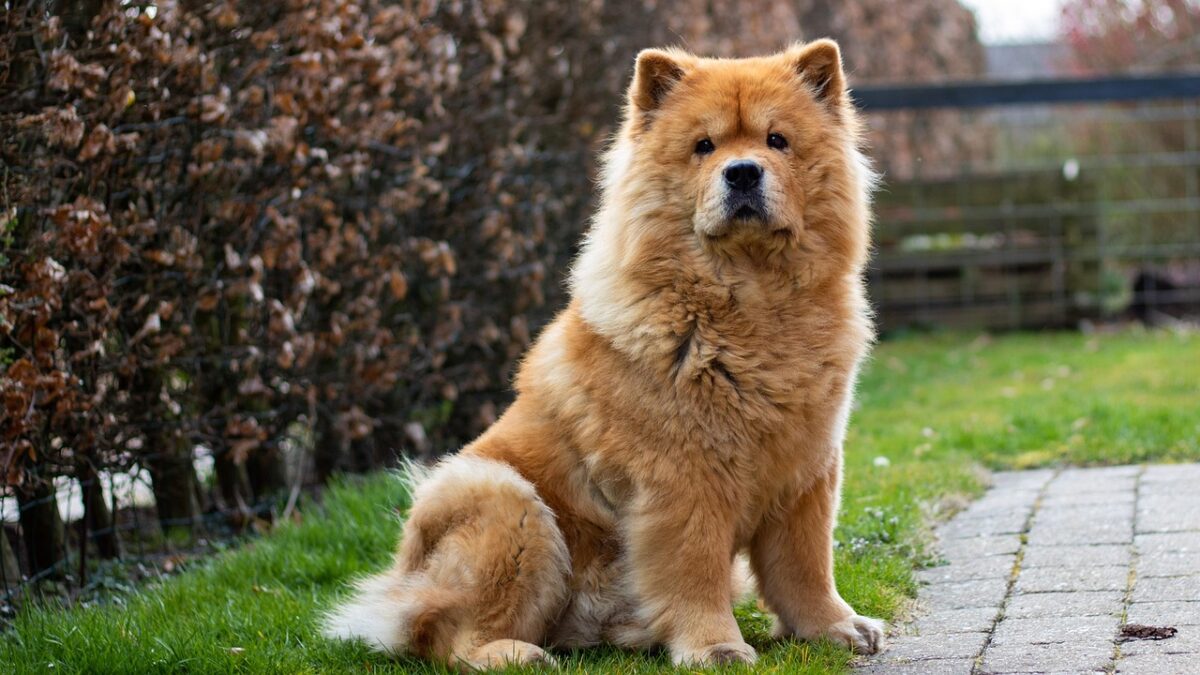
The Chow Chow is susceptible to a host of health issues, such as hip and elbow dysplasia, improper thyroid function, and eye entropion, meaning the vet bills might add up. It also does not help that the Chow Chow is a notoriously stubborn breed, meaning they are hard to train.
Their thick, fluffy coats hide a multitude of skin problems, and their independent nature means they often hide pain until conditions become severe. Eye problems are particularly common, often requiring expensive surgical corrections. Their stubborn personality can also make treatment challenging, sometimes requiring sedation for simple procedures.
Chow Chows are like that grumpy relative who refuses to admit they’re sick until they’re practically dying – by the time you realize there’s a problem, it’s often expensive to fix.
Irish Wolfhounds – The Giant Hearts with Giant Problems
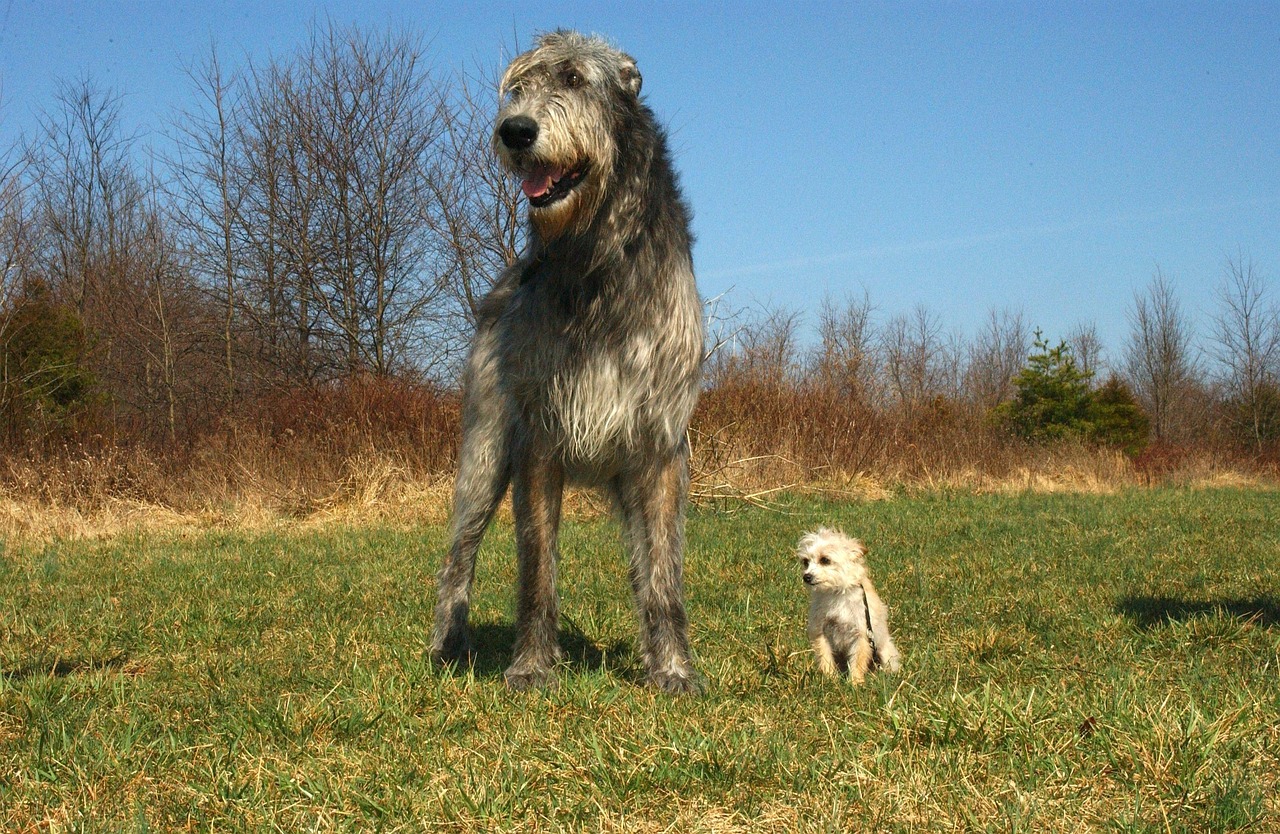
Irish Wolfhounds are among the tallest breeds in the world, and unfortunately, their size comes with proportionally large health problems. They’re prone to heart disease, bone cancer, bloat, and liver shunt conditions that can be fatal without immediate (and expensive) intervention.
Their average lifespan is tragically short – often only six to eight years – which means you’ll pack a lifetime of veterinary expenses into a much shorter timeframe. It’s like buying a luxury car that depreciates rapidly and requires constant expensive maintenance.
The combination of their gentle nature and massive size creates a perfect storm of emotional and financial devastation when health problems arise. These gentle giants steal your heart quickly, then break it along with your bank account.
Dalmatians – The Spotted Kidney Problems

Those distinctive spots aren’t the only thing that makes Dalmatians unique – they also have a genetic predisposition to kidney and bladder stones that can require expensive surgical removal. Their unique metabolism makes them prone to urinary tract problems throughout their lives.
Dalmatians also suffer from congenital deafness at higher rates than most breeds, and their high energy levels often lead to injuries and accidents. They’re prone to skin allergies and hip dysplasia as well. Think of them as beautiful but high-maintenance sports cars – they look amazing but require specialized care and frequent trips to the mechanic.
Their energetic nature combined with their genetic health issues creates a breed that’s constantly in motion toward the next veterinary bill. They’re the embodiment of “looks good, but high maintenance.”
Saint Bernards – The Drooling Debt Collectors

These massive, gentle rescue dogs are ironically the ones who might need rescuing when it comes to your finances. Saint Bernards are prone to bloat, hip dysplasia, heart problems, and a condition called dilated cardiomyopathy that can be fatal without expensive treatment.
Their size means they eat enormous amounts of food, require higher medication doses, and face increased surgical risks. Recovery times are longer, and complications are more common. They’re also prone to heat stroke due to their thick coats and large size, often requiring emergency cooling treatments.
Saint Bernards are essentially the gentle giants of the veterinary world – everyone loves them, but they require constant expensive care to keep them healthy. They’re like maintaining a small aircraft – the initial cost is just the beginning.
Conclusion

While every dog deserves love and proper medical care regardless of breed, understanding the potential financial commitment is crucial before bringing any of these breeds home. Even if your dog is young and healthy, expect your premium to be higher than usual because Great Danes are prone to expensive medical problems… Monthly insurance payments can seem expensive, but compared to the thousands of dollars it can cost if something goes wrong, it isn’t.
The key is preparation – pet insurance, emergency funds, and choosing reputable breeders who health test their breeding stock can help mitigate some of these costs. Remember, the breeds on this list aren’t inherently “bad” choices; they’re simply breeds that require owners who understand and can financially handle their unique needs.
Love doesn’t always conquer all when it comes to veterinary bills, but informed preparation can help ensure that when health problems arise, your dog gets the care they need without destroying your financial stability. After all, isn’t that what they deserve?

- 15 Dog Breeds Known for Stubborn Housebreaking Habits - June 26, 2026
- 15 Calmest Dog Breeds Perfect for Senior People - June 26, 2026
- 10 Land Animals That Can Fly - June 24, 2026