
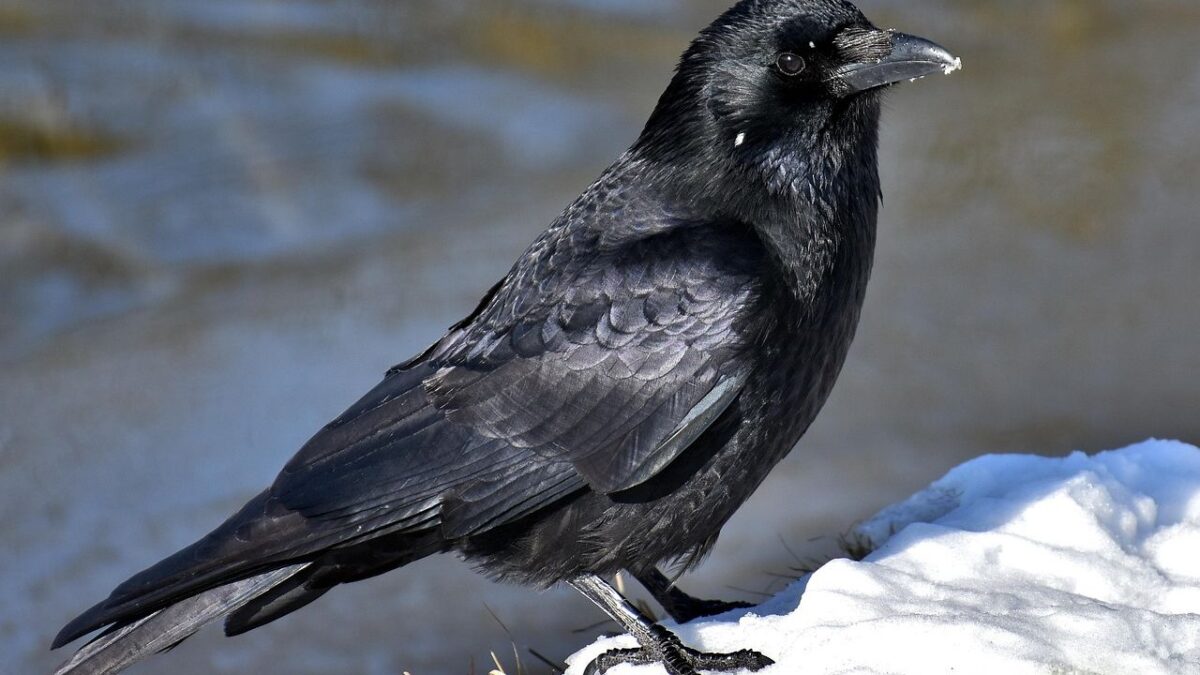
Ever stopped to watch a crow eyeing you from a wire or picking through a parking lot? You might think they’re just scavenging birds, ordinary black shapes against the sky. Let’s be real, though. These creatures are walking around with brains that would make plenty of mammals jealous.
I know it sounds crazy, but crows might be using cognitive skills that rival, and in some cases surpass, what many of us bring to the table when solving everyday problems. They’re not just pecking at random things hoping something works. These birds are thinking, planning, and in certain scenarios, absolutely schooling us.
The Hook That Changed Everything
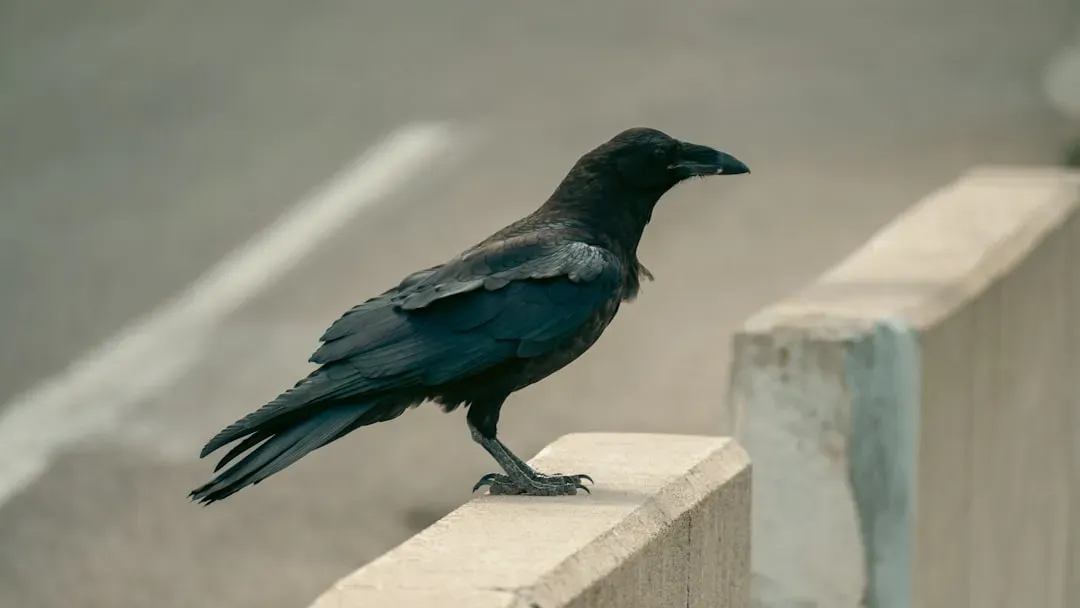
A crow named Betty wedged one end of a wire under sticky tape and pulled the other end with her beak creating a hook, which she then used to retrieve a bucket of food during a 2002 experiment. Here’s the thing: Betty had never seen wire before that test. She just figured it out, improvising on the spot without any training period.
This was the first time any animal had been seen to make a new tool for a specific task without an extended period of trial-and-error learning. Think about that for a moment. Most of us struggle with flat-pack furniture instructions, yet this bird bent metal into a functional tool after a few failed attempts with a straight piece.
What really gets me is the creativity involved. Betty didn’t just get lucky once. Out of ten successful retrievals, Betty bent the wire into a hook nine times, proving it wasn’t some fluke.
Later experiments showed she could modify aluminum strips too, bending or unbending them as needed. The bird was essentially redesigning tools in real time based on what the problem demanded.
Building Compound Tools Like Tiny Engineers
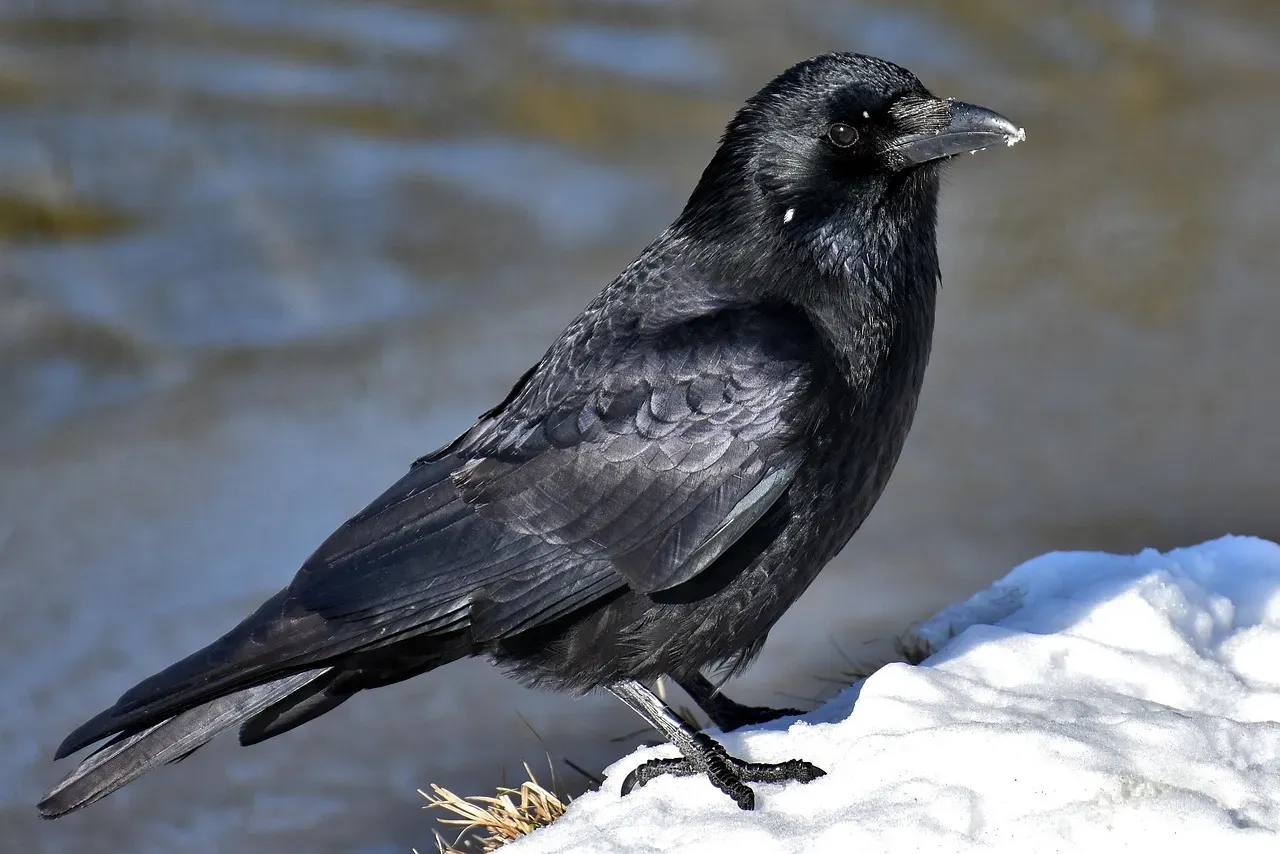
New Caledonian crows are able to create tools by combining two or more otherwise non-functional elements, an ability so far observed only in humans and great apes. Researchers presented eight crows with a box containing food that could only be reached with a long stick. The catch? They only provided short pieces.
Without any help or demonstration, four of the crows partially inserted one piece into another and used the resulting longer compound pole to reach and extract the food. One bird called Mango took it even further. Mango was able to make compound tools out of three and even four parts when the researchers made the task progressively harder.
To put this in perspective, compound tool construction supposedly emerged in human evolution around 300,000 years ago during the Middle Palaeolithic period. Young children don’t reliably invent novel tools until they’re at least five years old. Yet these crows, with walnut-sized brains, spontaneously figured out how to combine separate objects into functional instruments.
Honestly, I’ve watched people struggle to connect extension cords. These birds are doing the corvid equivalent without a manual, training, or even seeing another crow do it first.
Planning Multiple Steps Ahead
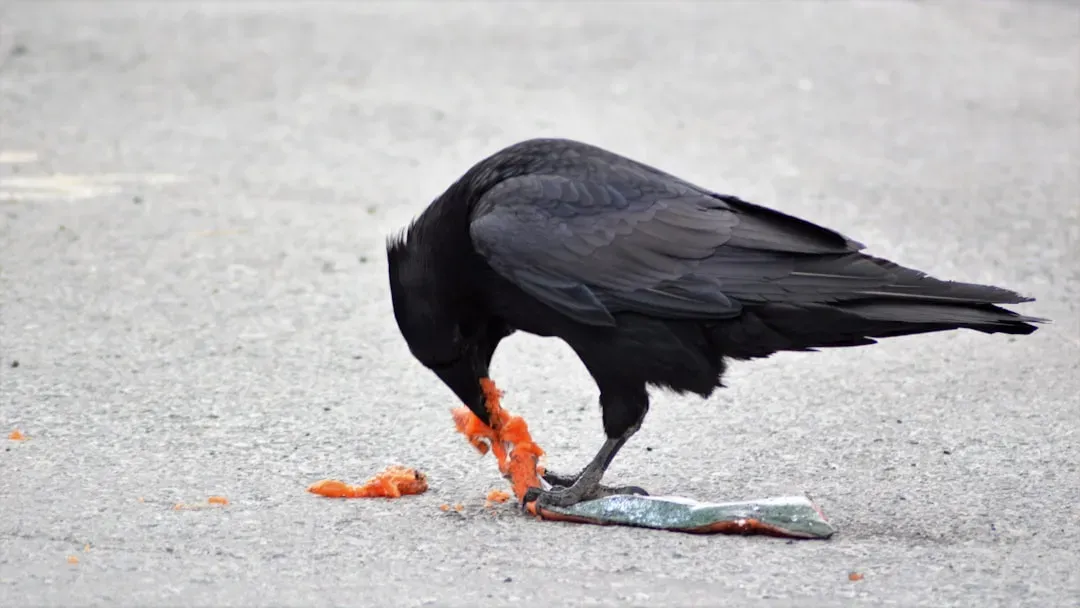
Can crows think several moves ahead like a chess player? Turns out, yes. Researchers presented New Caledonian crows with a series of metatool problems where each stage was out of sight of the others, and crows were able to mentally represent the sub-goals and goals, keeping in mind the location and identities of out-of-sight tools and apparatuses while planning and performing a sequence of tool behaviors.
The experimental setup was deliberately tricky. Crows had to use a short stick to retrieve a stone from one tube, then use that stone to release a platform holding meat, all while ignoring distractor tools and apparatuses. As the crows approached the problem, they had to mentally represent where the long stick, stone and meat were, and then use these representations to form a plan of what to do once they had picked up the short stick.
This isn’t just reacting to what’s immediately visible. It’s genuine preplanning, holding multiple goals and sub-goals in mind simultaneously. The birds demonstrated they weren’t just responding moment-by-moment but were instead mapping out an entire behavioral sequence before executing it.
Many humans struggle with this kind of forward planning in daily life. We forget why we walked into a room or can’t plan dinner three steps in advance. Meanwhile, crows are mentally simulating complex tool-use scenarios involving objects they can’t even see.
Precision That Rivals Human Craftspeople
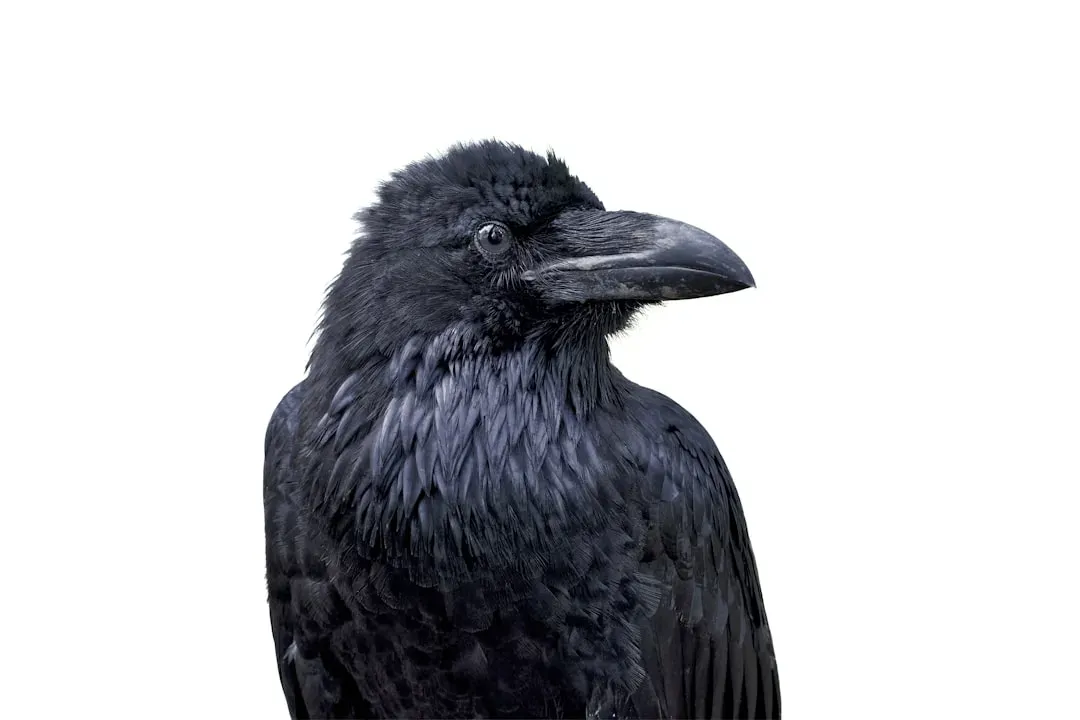
Carrion crows first picked the stick from a holder and adjusted it until they were grasping it such that it was precisely aligned with their beak, then they used it to guide the pellet within reach, and during pellet manipulation, they closely observed how the stick-tip affected the pellet to correct any mistakes immediately. This level of precision develops with practice, much like a human learning any fine motor skill.
Early training sessions showed broad, clumsy movements. The birds would lunge with the stick, often just shoving food around ineffectively. By comparison, recordings of later training sessions show extremely precise movement patterns. The crows weren’t just getting better through repetition; they were refining their technique, making subtle adjustments based on tactile and visual feedback.
Crows use their renowned intelligence to learn to use a tool initially, but they switch to circuits associated with motor learning and memory as they grow more familiar with it, a shift comparable to the changes in human brain activity after mastering a skill. The neural circuits they activate actually change as they become more proficient, moving from higher-order cognitive processing to automatic motor control.
It’s hard to say for sure, but this suggests crows experience something like the flow state athletes describe. They’re not thinking through every movement anymore; they’ve internalized the skill.
Valuing Tools and Safekeeping Them
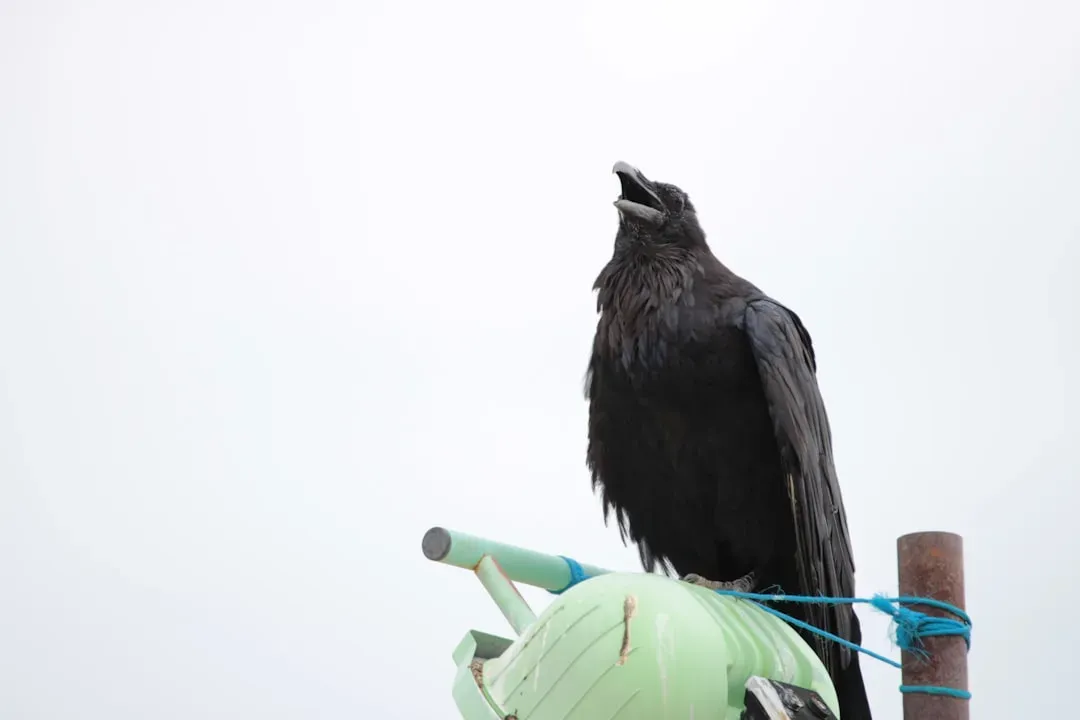
New Caledonian crows are the only nonhuman species known to craft hooks in the wild, and they don’t treat these tools as disposable. Crows look after their tools in between uses, especially when the cost or likelihood of losing the tool is high. They’ll hold onto valuable tools or store them safely rather than dropping them and starting over.
This study is the first to use animals’ tool-handling behavior to make inferences about the value they ascribe to different tool types, allowing an assessment of how animals value tools without the need for elaborate training. Hooked tools, which take more effort to manufacture and work better for certain tasks, receive more careful treatment than basic stick tools.
Think about your own toolbox. You probably take better care of expensive or hard-to-replace items. Crows are doing the same cost-benefit analysis without any formal education in economics or resource management. They’re calculating risk, effort, and utility on the fly.
This suggests that New Caledonian crows may have the equivalent of a search image in mind when looking for good tool material that includes features of the tool they intend to make. They’re not just grabbing any stick; they’re shopping with intent, looking for specific properties before they even start crafting.
The Joy of Problem-Solving
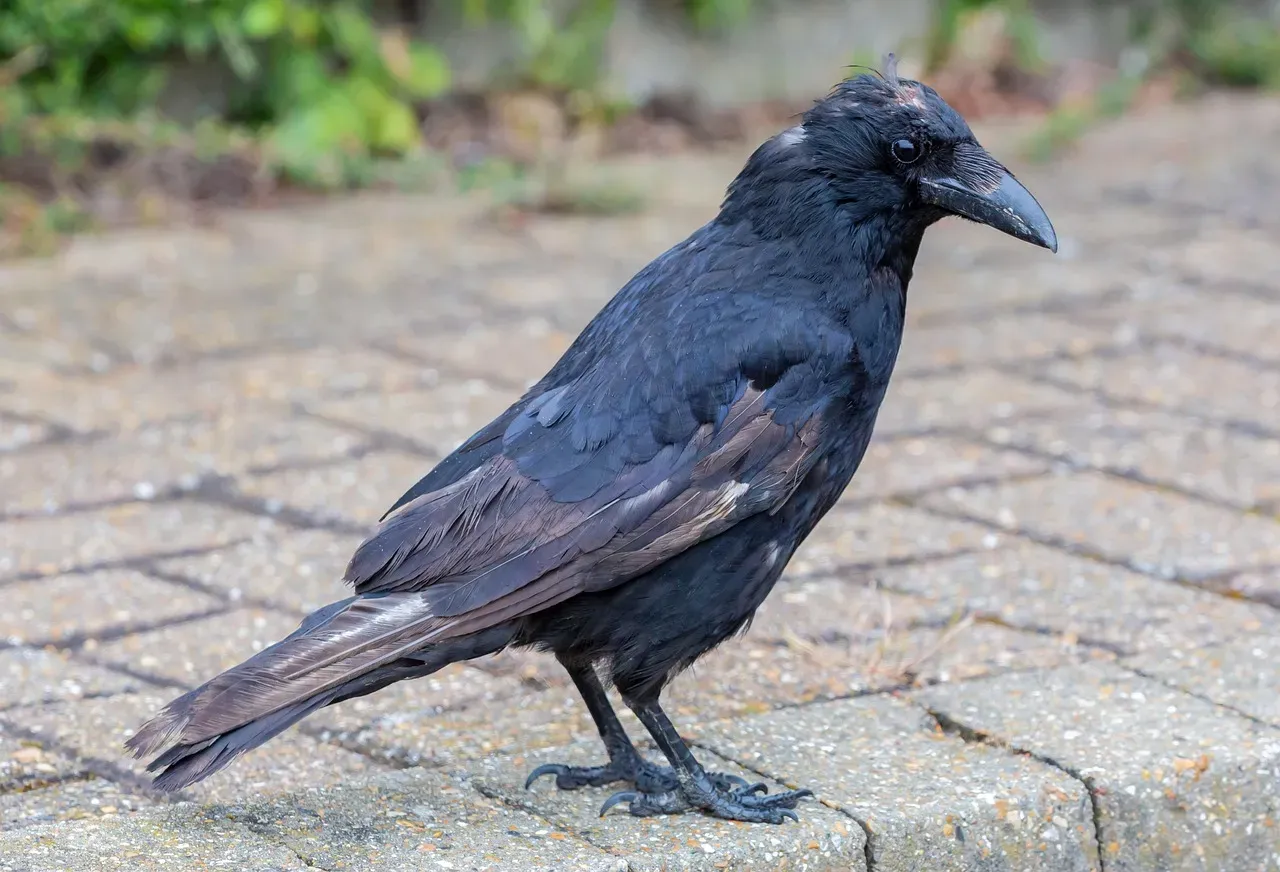
Do crows actually enjoy using tools? Research suggests that, just the same way we enjoy something like solving a crossword, they actually enjoyed simply using a tool. Experiments measured crow “mood” by observing how quickly they approached an ambiguous reward box after different activities.
Crows were in a better mood after using a tool to get a reward versus not using a tool to get the same reward. When researchers controlled for physical effort by making crows fly around the room to collect food pieces, the tool-use condition still resulted in more optimistic behavior. It wasn’t just about working hard; there was something inherently satisfying about the tool use itself.
I think this reveals something profound about intelligence across species. Competent beings seem to derive pleasure from exercising their skills. Crows get satisfaction from doing what they’re good at, what they’ve trained for, what uses their cognitive abilities to the fullest.
You can apparently see it in their body language during experiments. Researchers noted that crows become more alert and engaged during complex problem-solving tasks, flying down to participate immediately rather than hanging back looking bored. They’re not just going through the motions for food; they’re genuinely interested in the challenge.
What does this tell us about our own assumptions? Perhaps intelligence isn’t this rigid hierarchy with humans at the top. Maybe it’s more like a landscape with different peaks, and crows have climbed their own mountain using entirely different routes. They’re operating with a brain structure fundamentally different from ours, yet arriving at comparable solutions through convergent evolution.
The next time you see a crow studying you from a fence post, remember: that bird might be solving problems you’d struggle with. It’s keeping mental maps of hidden food caches, recognizing individual human faces years after encounters, planning multiple behavioral steps ahead, and crafting tools with the precision of a specialist.
Did you expect birds separated from us by over 600 million years of evolution to be capable of such sophisticated thinking? What does it make you wonder about intelligence in other species we’ve overlooked?

- 14 Quiet Signs Your Dog Knows Its Time Is Near and Wants You Close - July 22, 2026
- Why Do Coyotes and Badgers Hunt Together - July 22, 2026
- Has Your Rescue Dog Finally Chosen You? 14 Signs It Sees You as Home. - July 22, 2026