
You’ve probably assumed that dropping your dog off at a boarding facility is a straightforward thing. You fill out a form, pay the fee, and your dog waits happily for you to return. For many breeds, that’s exactly how it goes. For others, the facility never even accepts the booking.
Not every breed is a smooth fit for overnight kennel stays, and that has nothing to do with how lovable or well-trained a dog is. It comes down to biology, temperament, and the real-world limits of what boarding staff can safely manage without specialized equipment or round-the-clock veterinary monitoring. Some dogs carry medical conditions that can become life-threatening in the middle of the night. Others have temperaments that turn a kennel environment into a dangerous situation for staff and neighboring animals alike. Here are 14 breeds that vets and boarding professionals are most likely to hesitate over, or decline outright.
#1: French Bulldog
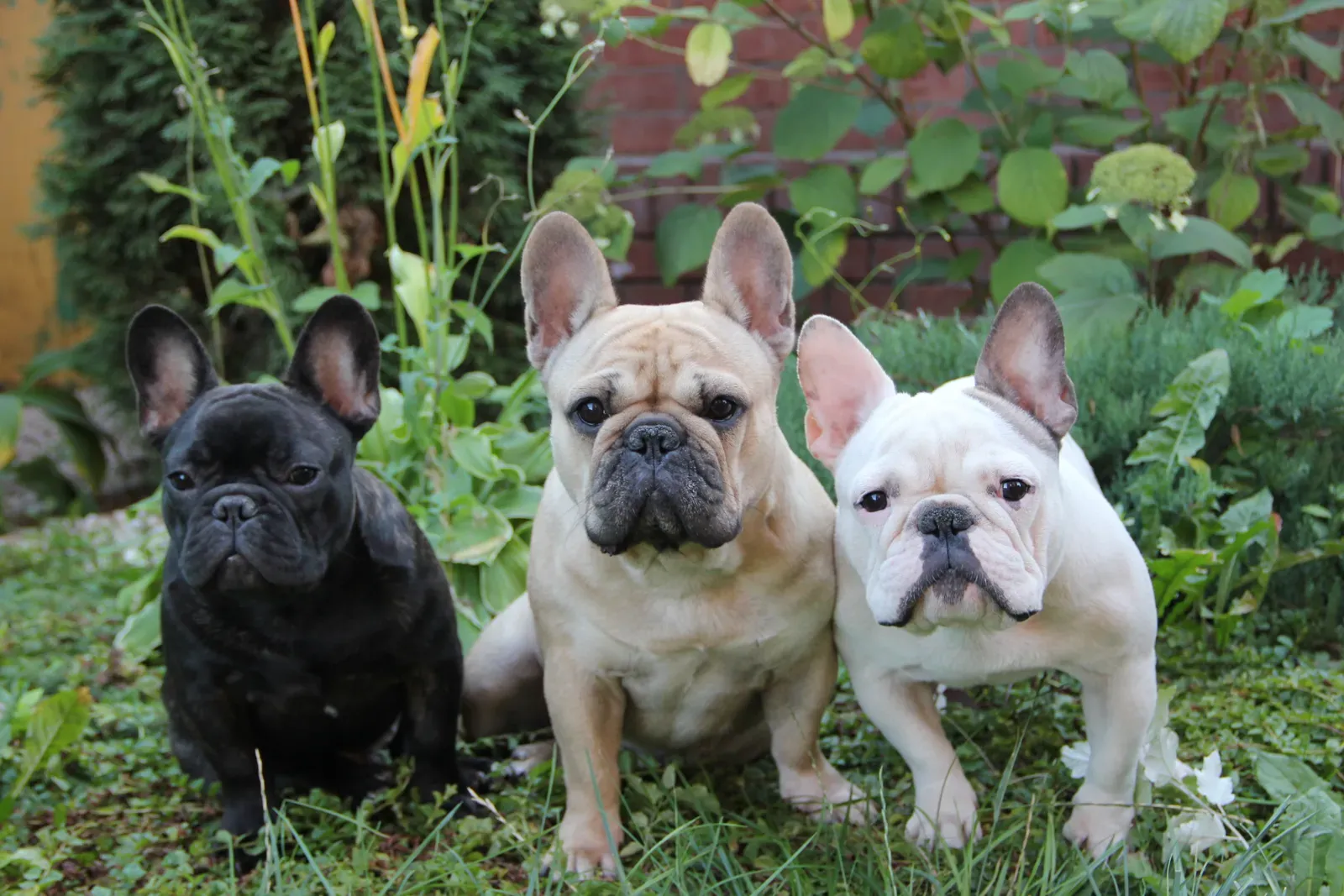
The French Bulldog is one of the most recognizable dogs on the planet, and its popularity keeps growing. French Bulldogs are among the most popular breeds in the U.S., yet they suffer from significant breathing issues, as evidenced by their loud snoring. That charming snore is actually a warning sign.
Due to their head conformation, brachycephalic dogs often have small nostrils, a narrow throat, and narrow airways, which can lead to respiratory issues including airway obstruction. In a boarding environment where temperature and stress levels fluctuate, this is a serious concern. The risk of brachycephalic dogs submitting a claim for any breathing problem was found to be almost three times higher than for non-brachycephalic dogs, and French Bulldogs are more than 17 times more likely to have a claim submitted for brachycephalic obstructive airway syndrome compared to other breeds. Most boarding facilities simply aren’t equipped to monitor this overnight.
#2: English Bulldog
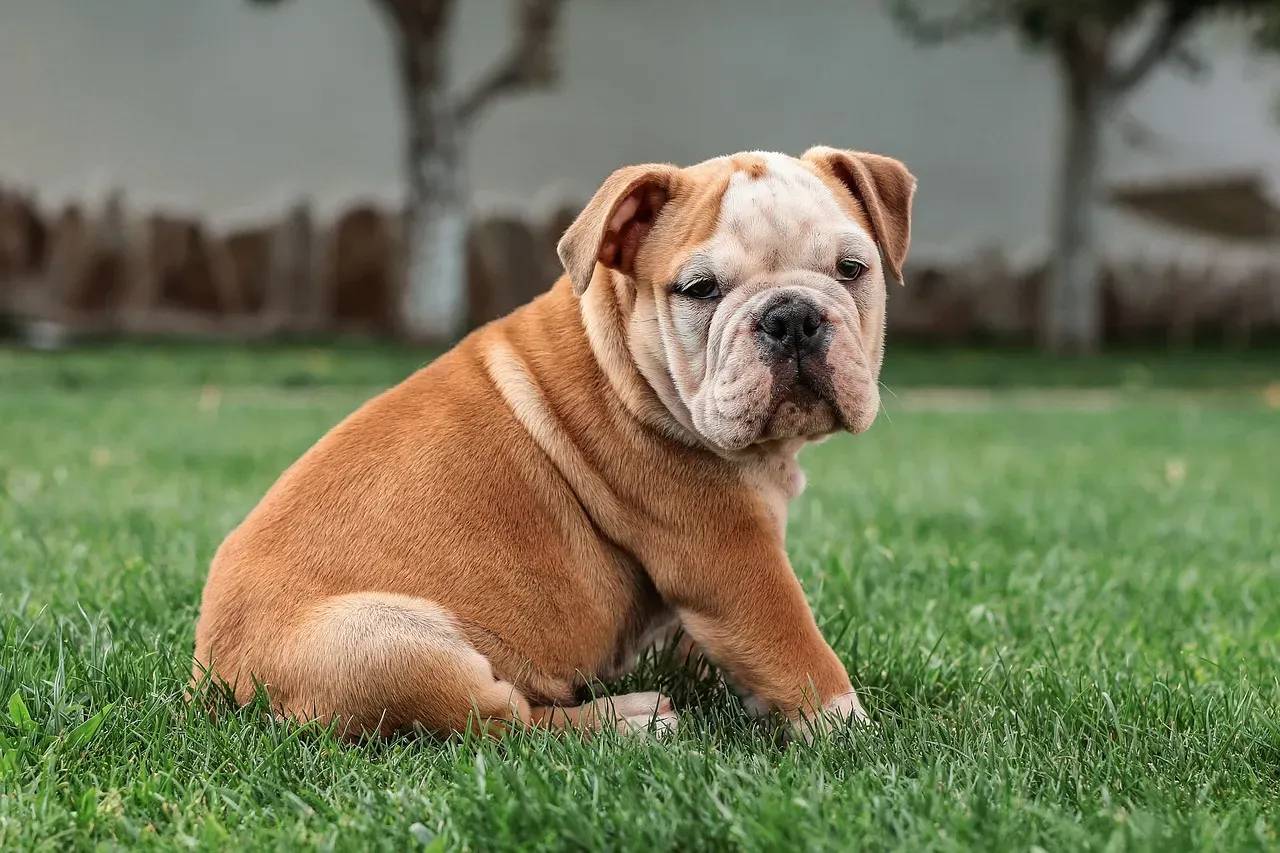
English Bulldogs are unmistakable with their distinctive faces, but the excess skin on their heads can cause visual problems, and their pushed-in nose and undershot jaw with excess skin can lead to labored breathing, especially in hot or humid weather. A warm kennel environment raises the risk considerably.
Bulldogs can also develop entropion, skin disease, aortic or pulmonic stenosis, patella luxation, and tail fold infections, making them one of the most medically complex breeds to oversee without veterinary staff present through the night. Brachycephalic dogs are less able to cool down with panting, so they are more sensitive to overheating during exercise, hot weather, or humid conditions. That inability to self-regulate temperature is one of the clearest reasons boarding facilities are cautious with this breed.
#3: Pug
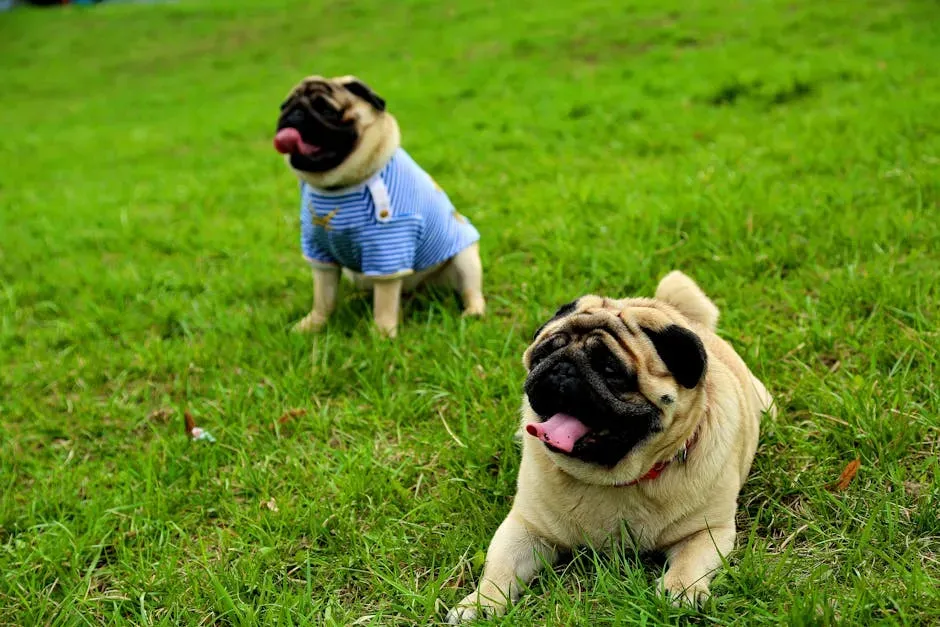
The Pug is a much-loved breed with a playful, affectionate temperament, but these small dogs are susceptible to health issues due to their brachycephalic appearance. Even if their wrinkly, short muzzles add to their cuteness, Pugs are likely to suffer from issues including brachycephalic obstructive airway syndrome and eye bulging. Their life expectancy is below the average for dogs, and they are more prone to obesity than most breeds.
A survey by the Royal Veterinary College found that the majority of short-nosed dog owners did not recognize the signs that their brachycephalic dog was struggling to breathe. Overnight supervision of a Pug requires someone who knows what abnormal breathing actually looks like for this breed. That level of vigilance is difficult to guarantee in a standard kennel setting once the lights go out.
#4: Cavalier King Charles Spaniel

Cavalier King Charles Spaniels are beloved companion dogs, but they face serious health challenges. The most common are mitral valve disease, eye disorders like cataracts and retinal problems, and a lifespan shorter than many small breeds due to genetic risks. Mitral valve disease occurs in Cavaliers roughly 20 times more often than in other breeds. More than half of all Cavaliers develop it by age 5, and most show signs of the disease by age 10.
Chiari-like malformation and syringomyelia are reported to be “very widespread” in the Cavalier King Charles Spaniel breed. This is a combined disorder of the brain and spinal cord, which may cause severe head and neck pain and possible paralysis. Cavalier King Charles Spaniels can enjoy daycare and boarding, but facilities should be informed of their potential vulnerabilities before any overnight stay is arranged.
#5: Chow Chow
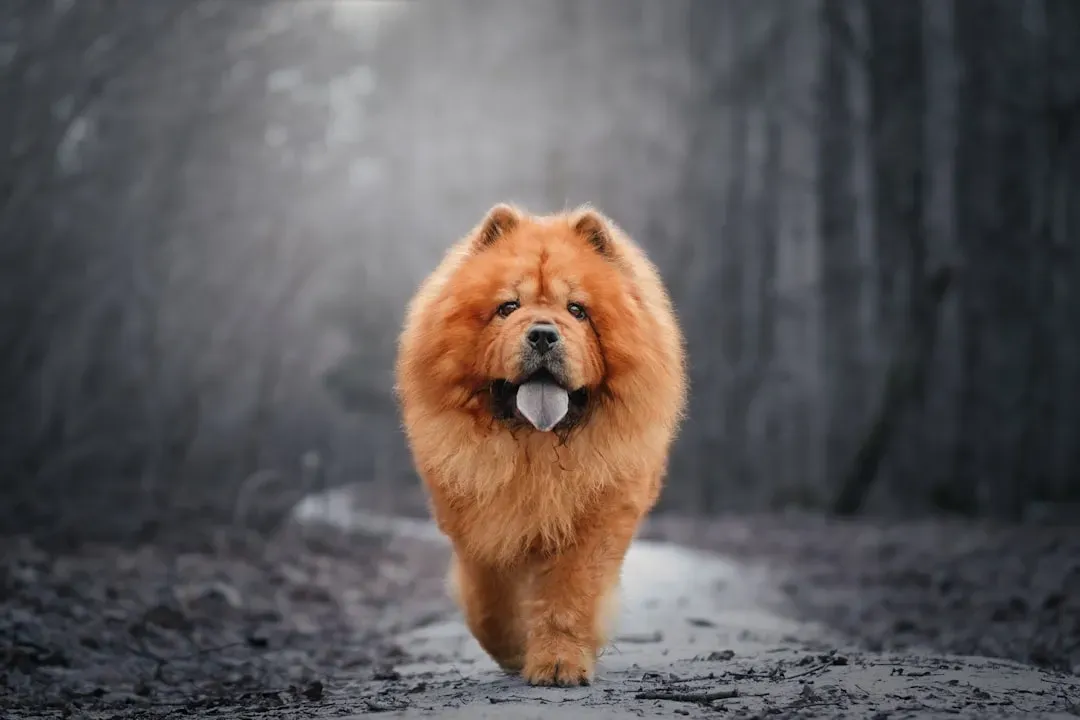
Chow Chows are an ancient breed known for their independence and aloofness, especially around strangers. Originally bred for guarding, this breed has a strong protective instinct, making them cautious around unfamiliar faces. Put that temperament in a noisy kennel surrounded by strangers and other dogs, and the situation can escalate quickly.
Despite their teddy bear appearance, Chow Chows are one of the most naturally aggressive breeds. Originally bred as guard dogs in China, they’re aloof with strangers and can be aggressive toward other dogs. Distant and fiercely independent, the Chow Chow needs attention and proper and regular training. Socialization is extremely important for the Chow Chow because they don’t like strangers and are very protective of their owners. They are known as one of the most aggressive dog breeds, and recorded bites for this breed are higher than many others. Chow Chows also require plenty of exercise or can become unpredictable, aggressive, and dangerous.
#6: Akita
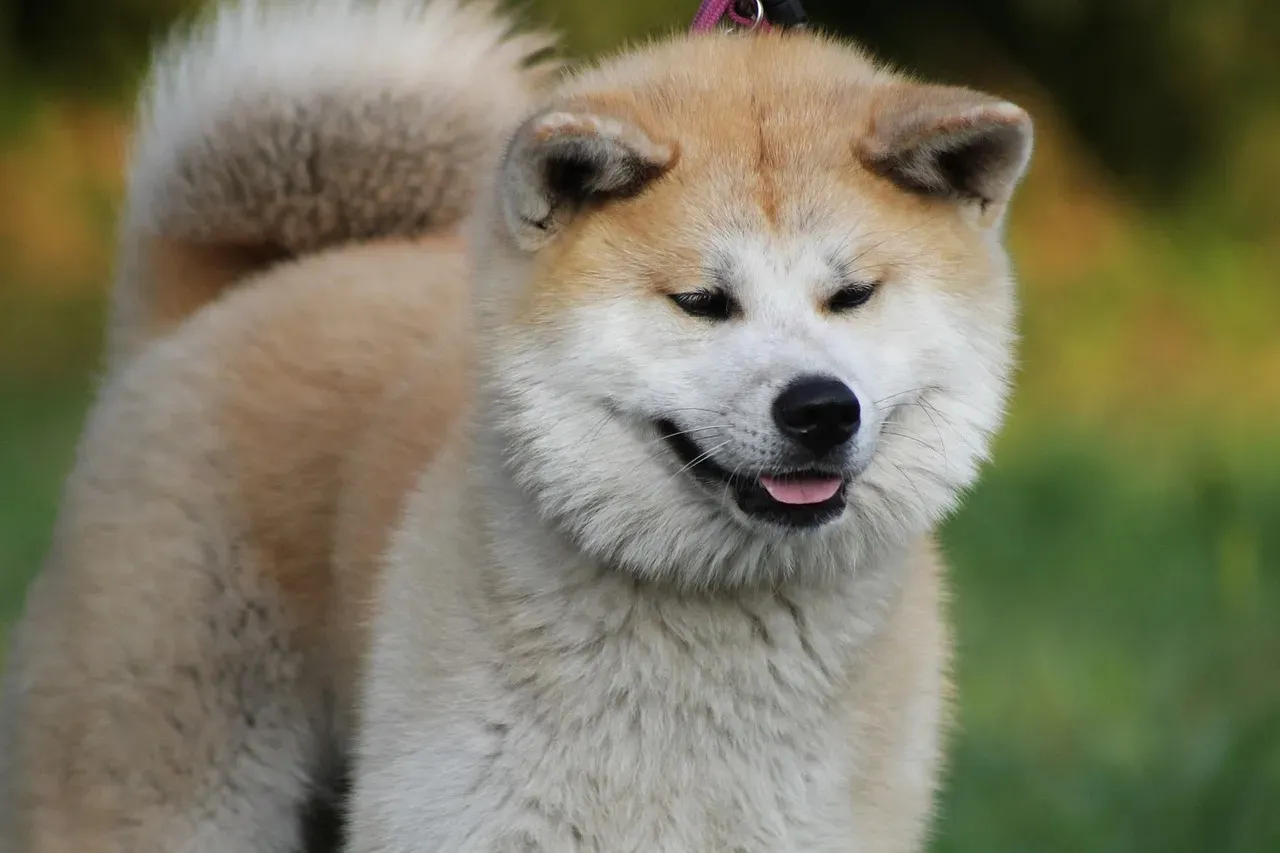
The Akita is a large, strong, independent, and dominant dog. A well-trained Akita should be accepting of non-threatening strangers, but otherwise they treat all strangers in an aggressive manner. A survey on canine behaviour in five ancient breeds found the Akita to be the most aggressive towards other dogs, with nearly three in five Akitas reported to display aggression towards other dogs and animals.
Akitas are dignified and courageous dogs that were bred for guarding royalty and hunting bears in Japan. They are notoriously intolerant of other dogs and often display aggression toward the same sex. This breed is aloof with strangers and will protect its family with zero hesitation. Their bite is powerful and they tend not to give warning growls before striking. Experienced handling is non-negotiable for this powerful and independent breed.
#7: Siberian Husky
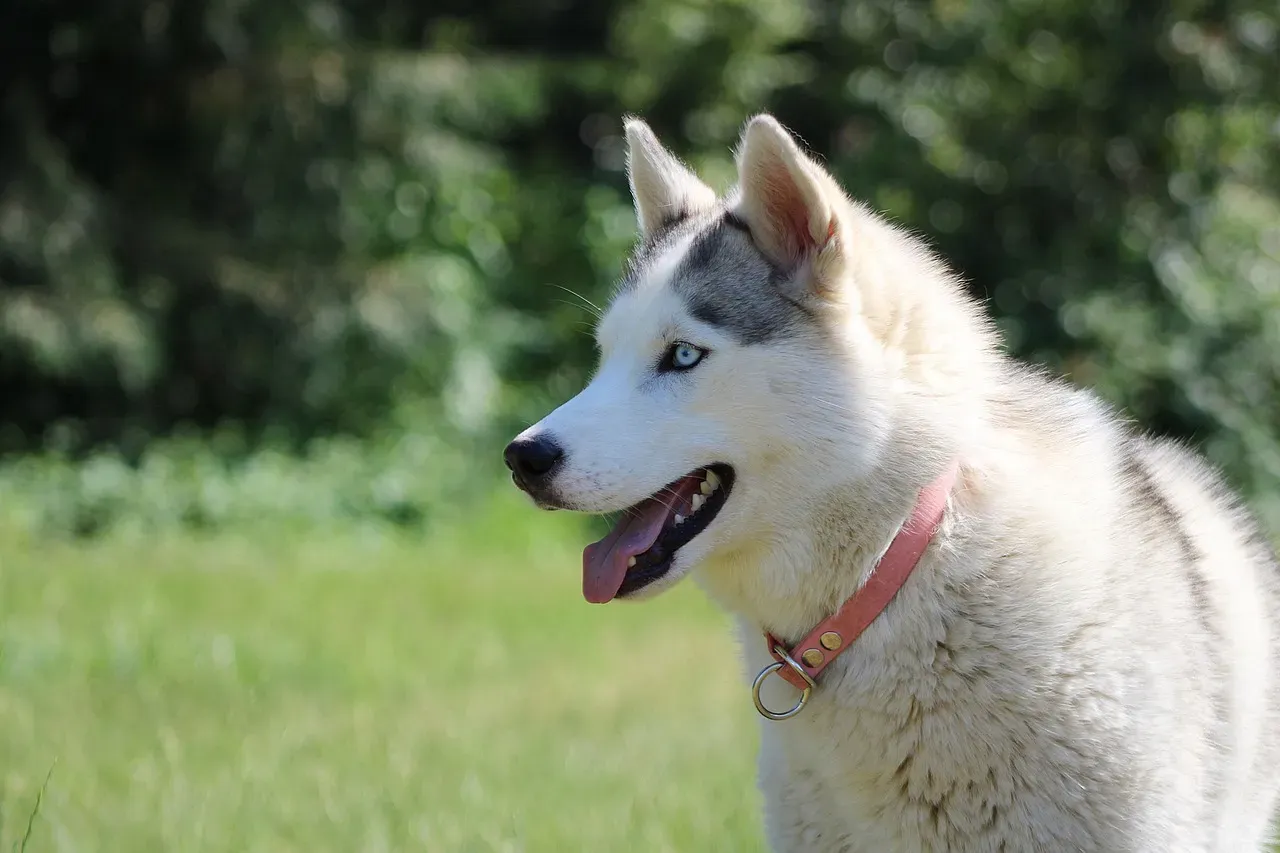
The Siberian Husky has been bred to pull sleds over miles of frozen tundra. If they aren’t kept busy, their excess energy can spill over into aggression. In short, this isn’t the dog for anyone who doesn’t have plenty of time to exercise them and keep them mentally stimulated. A kennel environment, by definition, offers very little of either.
Huskies are high-energy working dogs that retain a very strong predatory drift and prey drive. They are often aggressive toward smaller animals like cats or rabbits due to their hunting heritage. While generally friendly with people, they can be unpredictable and destructive if not exercised vigorously. Their independent nature makes them difficult to train compared to other working breeds. A bored Husky is prone to behavioral issues that can escalate into aggression.
#8: Dachshund

Dachshunds were bred to hunt badgers in tight burrows, which requires a tenacious and aggressive personality. They are known to be snappy with strangers and children who move too quickly. Studies have shown they are among the most likely breeds to display aggression toward both owners and strangers. Their loud bark and willingness to charge make them effective but difficult watchdogs. Owners often underestimate the training required for these small but fierce hunters.
The Dachshund is susceptible to “small dog syndrome,” which basically means that it often tries to make up for its small size with a large attitude. This can lead to a variety of behavioral issues. If socialized at an early age, they can do well with children, but they do not enjoy rough play. In a kennel full of unfamiliar dogs and unpredictable noise, that combination of stubbornness and anxiety becomes a real liability for boarding staff.
#9: Boston Terrier
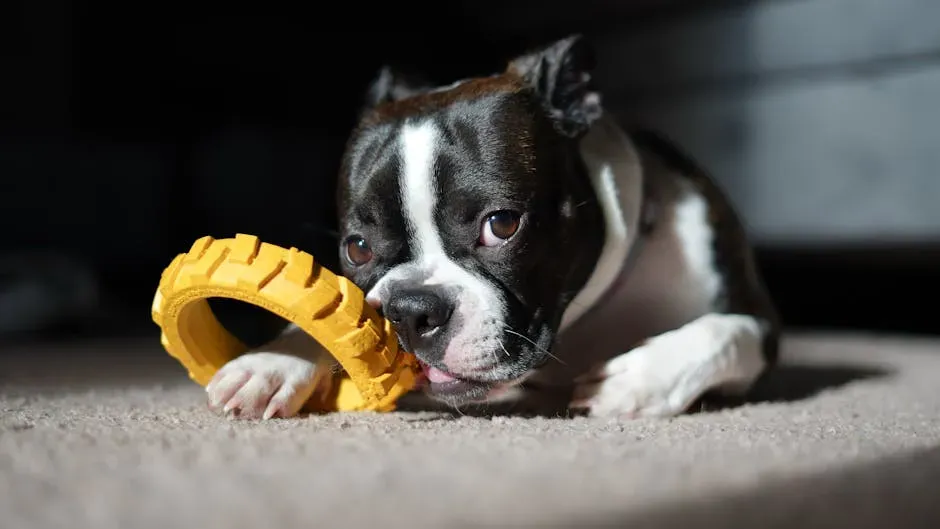
One of the most common risks associated with flat-faced breeds is respiratory distress. This risk is higher for brachycephalic animals, including Cavalier King Charles Spaniels, Bulldogs, Pekingese, Boxers, Pugs, and Boston Terriers. Brachycephalic breeds have a higher risk for having emergent conditions during their lives due to their malformed nasal mechanisms.
Brachycephalic dogs are at increased risk for complications associated with sedation or general anesthesia since recovery may be more difficult due to the narrowed airways. Sedation and anesthesia can increase the risk of regurgitation and may promote tissue swelling, which can further worsen breathing during recovery. Close monitoring of brachycephalic dogs during recovery is an essential aspect of their care. Even without any procedure, the stress of overnight boarding can mimic many of those same physiological pressures for a Boston Terrier.
#10: Great Dane
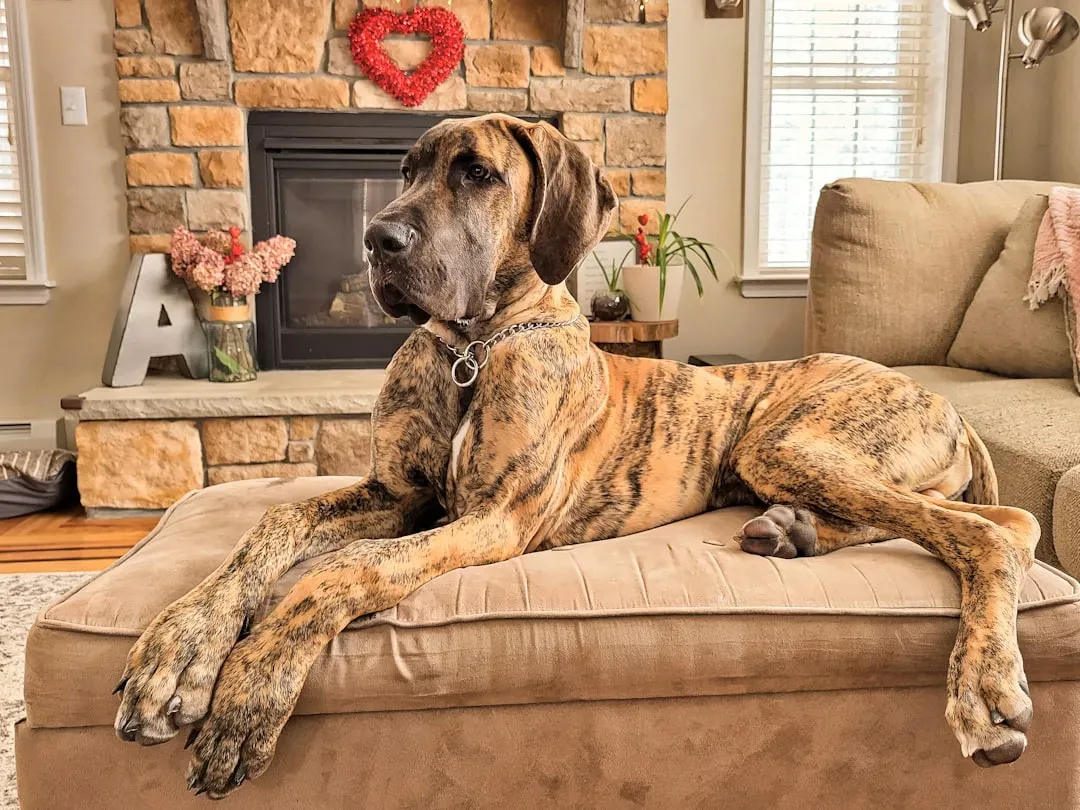
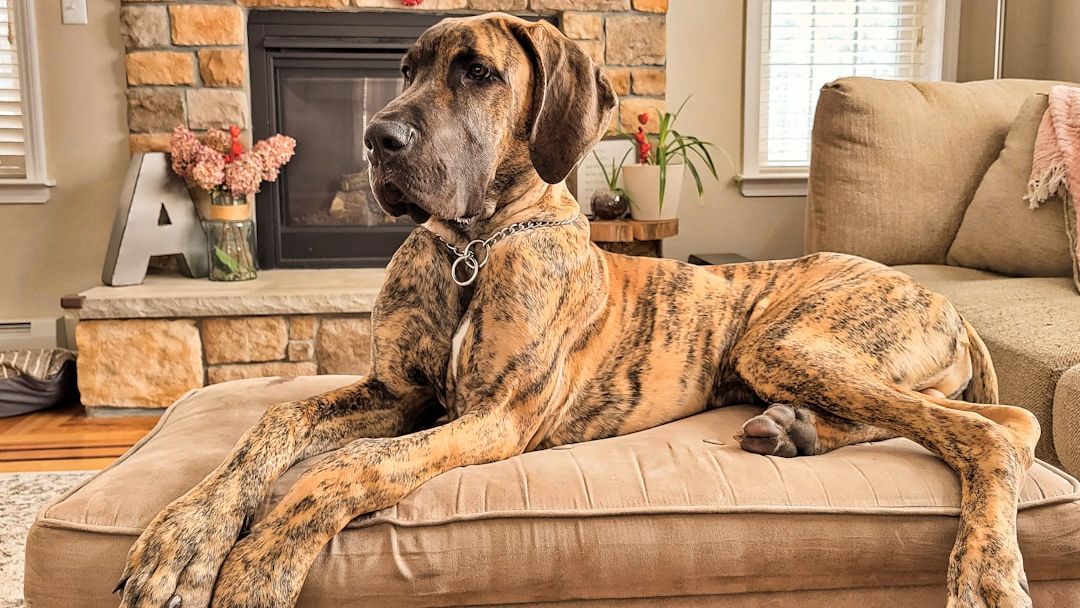
An aggressive Great Dane is nearly impossible for an average human to physically restrain. Standing over 30 inches tall at the shoulder, they command respect and caution. Most owners report that their Great Dane is good-natured, laid-back, and intelligent. However, it is also protective and territorial, two traits that may pose real problems given the dog’s height and weight.
Size alone creates complications in a standard kennel. Most boarding enclosures are not designed for a dog that can weigh over 150 pounds, and the physical strain on staff during handling is considerable. Great Danes were originally bred to hunt wild boar and retain a latent courage and fighting spirit. Fear aggression can occur if these dogs are not socialized properly during their rapid growth phases. An anxious Great Dane in a small space overnight is an unpredictable proposition for any facility.
#11: Cane Corso
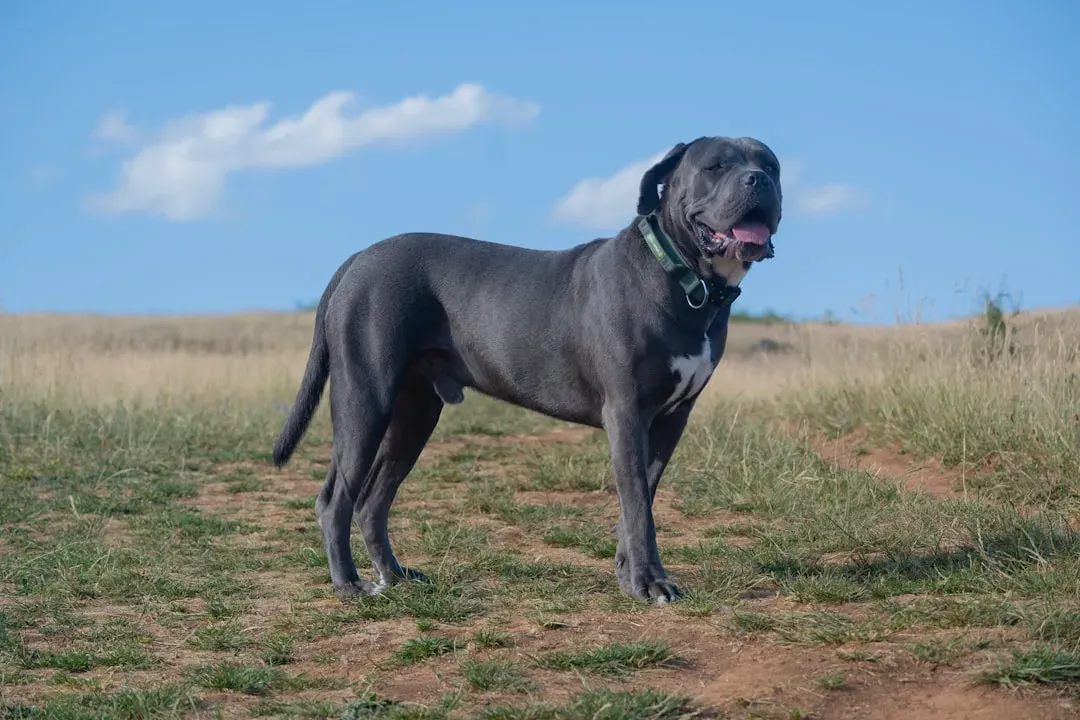
Cane Corsos were developed in Italy to hunt big game and guard property. Strong guarding instincts demand early training. The American Kennel Club highlights that these dogs need consistent training and socialization to prevent undesirable behaviors. While Cane Corsos are typically calm and loyal, they are prone to aggression if not properly trained. Known for their strength and protective instincts, they were originally bred as guard dogs and have a natural tendency to protect their territory and family.
Dog aggression isn’t just about breed. While certain breeds were historically developed for guarding, protection, or fighting, individual temperament varies widely within any breed. Aggression typically stems from a combination of genetics, early socialization, training methods, and life experiences. For the Cane Corso specifically, placing a poorly socialized individual in a kennel populated with other dogs and handled by unfamiliar staff is a scenario many boarding professionals won’t take on.
#12: Boxer
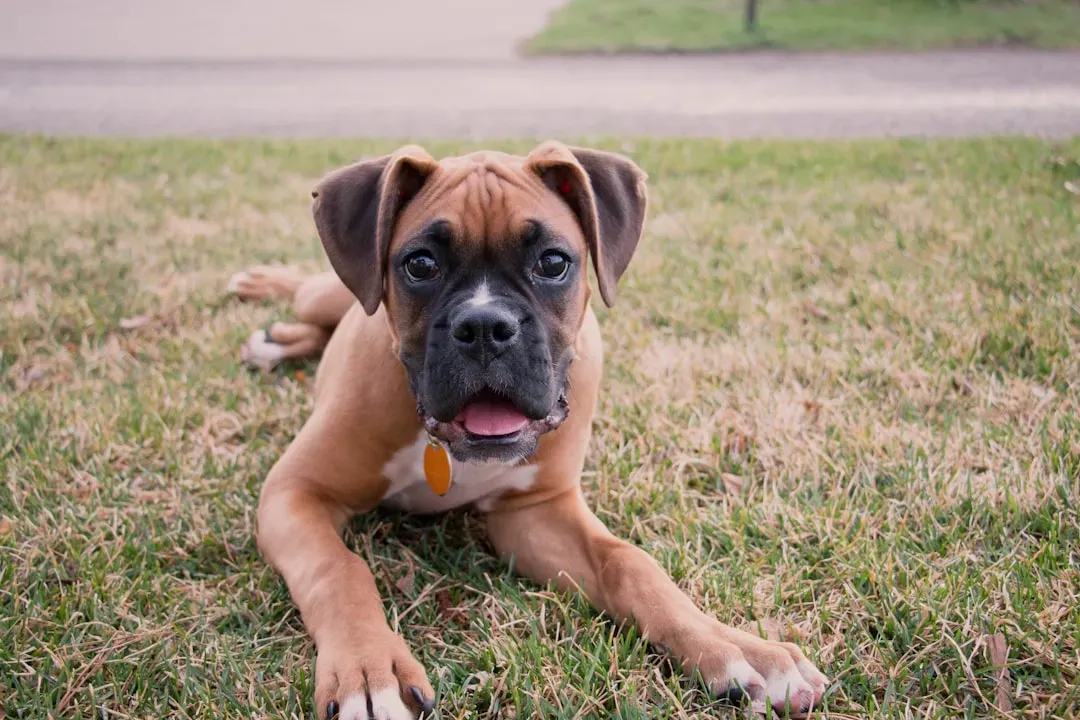
Boxers were originally bred for bull baiting. Rowdy behavior and dog aggression are noted in some lines. Extensive socialization is required. Beyond temperament, the Boxer is also a brachycephalic breed, which stacks two layers of concern on top of each other. Brachycephalic breeds are prone to overheating due to their compromised respiratory systems, making them more susceptible to heatstroke.
One of the more common topics of discussion in pet care is heat exhaustion, or hyperthermia. Aspiration, on the other hand, may not be as familiar, but according to veterinarians, has recently been on the rise. Brachycephalic breeds have a higher risk for having one or both of these emergent conditions during their lives due to their malformed nasal mechanisms. For a boisterous, muscular Boxer who can’t regulate his temperature properly, an overnight stay in a warm, busy kennel is genuinely risky.
#13: Pekingese
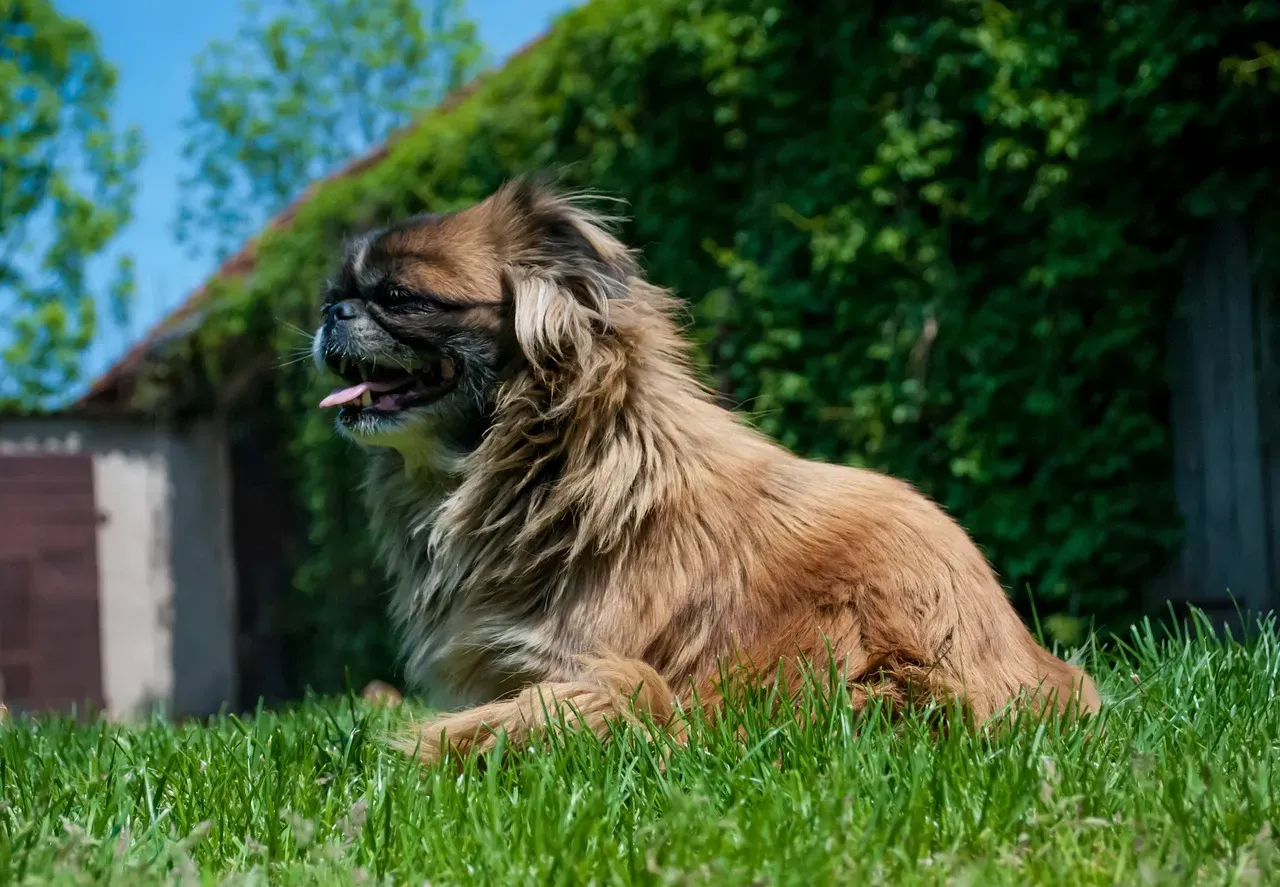
These dogs were bred to be small and portable, but with their tiny size comes a wide range of health issues. They have a flat face, tiny nose, and bulging eyes that make them prone to complications like cataracts and Brachycephalic Obstructive Airway Syndrome. Unfortunately, loud breathing, snoring, snorting, and other respiratory signs are often considered “normal for the breed,” which can lead to delayed diagnosis.
The Pekingese also brings behavioral complexity to the table. Pekingese have high average scores for stranger-directed aggression, owner-directed aggression, and dog-directed aggression. The protruding eyes of brachycephalic dogs were found to cause a higher prevalence of ocular disease than in other breeds, with corneal ulcers being three to four times more frequent in brachycephalic dogs. In a kennel environment where a playful neighboring dog could accidentally make contact with those exposed eyes, the consequences can be severe.
#14: Doberman Pinscher
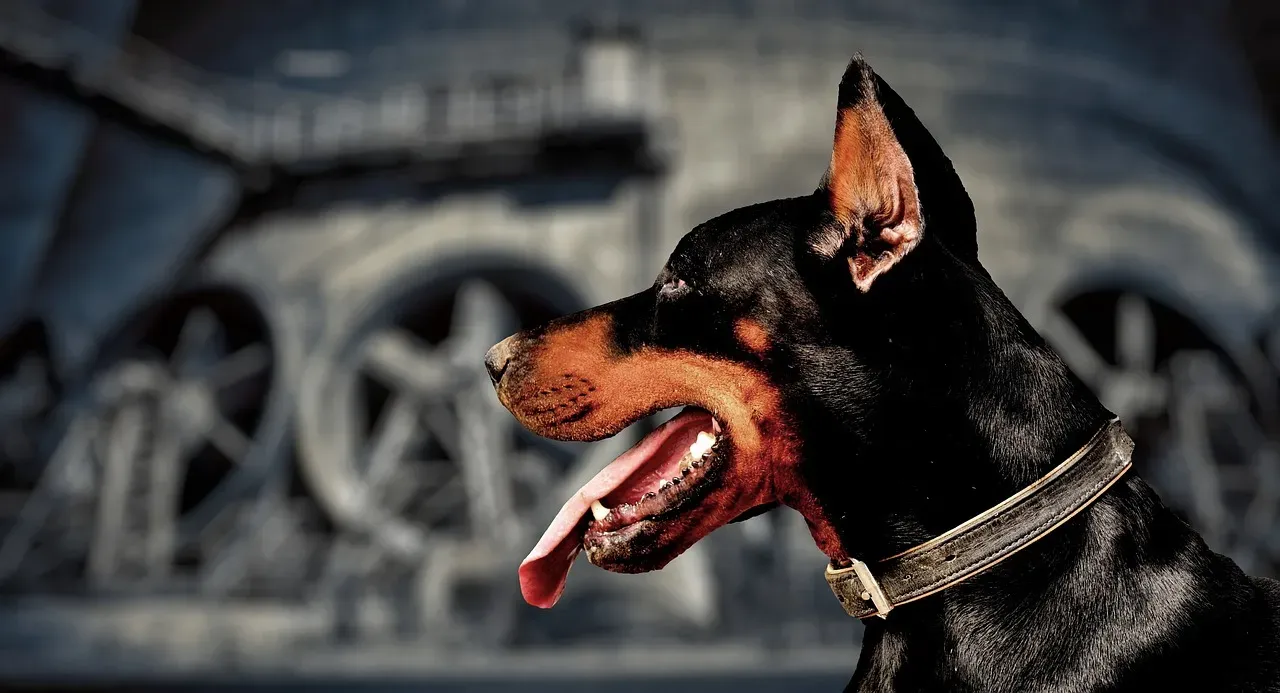
While not all Dobermans are aggressive, their protective instincts can sometimes result in aggressive behavior if not properly trained and socialized. This is why it’s crucial to seek professional guidance and training when bringing a Doberman into your family. The Doberman Pinscher is a loyal, alert breed and one of the best guard dogs. Those very qualities, sharp alertness and a deep instinct to protect, become liabilities in an unfamiliar overnight setting without a familiar handler present.
Fear is a major root cause of aggression. Fearful dogs are considerably more likely to show reactivity to strangers, unfamiliar animals, and sudden environmental changes. They bite defensively from anxiety. A Doberman placed in a strange kennel overnight, surrounded by the sounds and scents of unknown animals, can shift from composed to reactive very quickly. Without round-the-clock professional handling, this is a risk most boarding facilities aren’t willing to absorb.
What to Do If Your Breed Is on This List
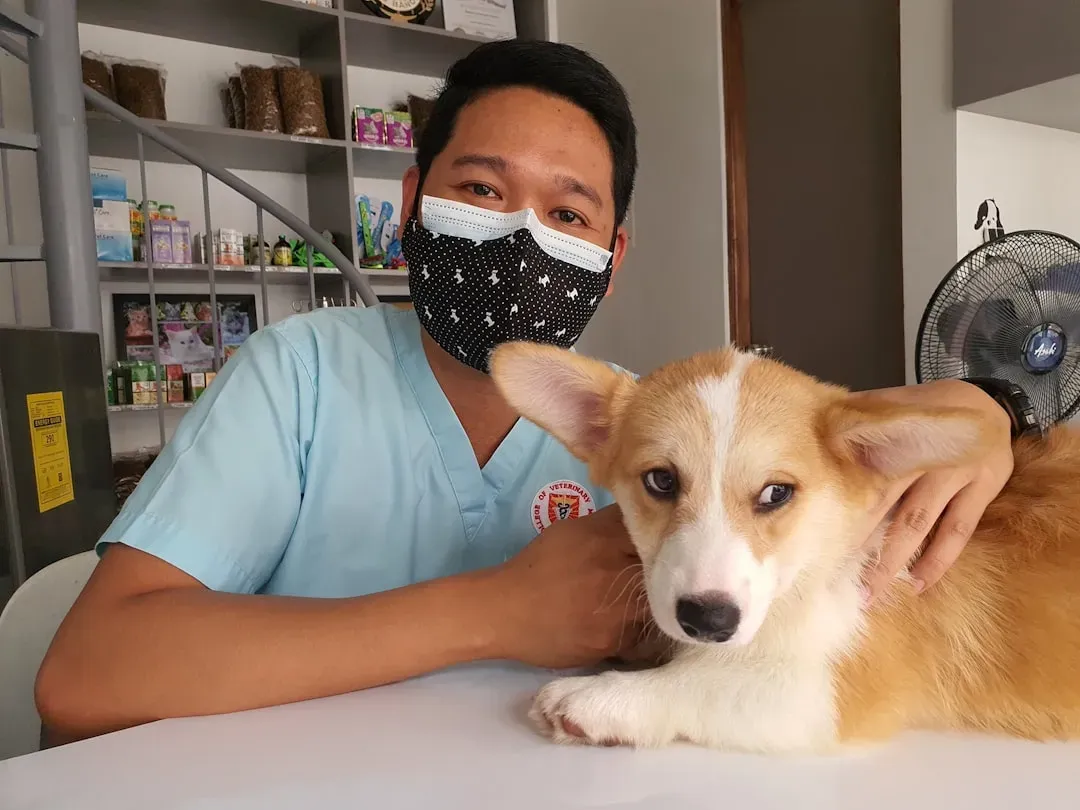
Including veterinary contact information and emergency instructions, exploring medical boarding, or options that include access to vet technicians are all practical alternatives for dogs with complex care requirements. Specialized pet sitters with breed-specific experience are increasingly available and are often the better solution for dogs with medical or behavioral complexity.
The best thing any owner can do is have an honest conversation with their vet well before travel plans are made. Trial visits to the facility can significantly reduce a pet’s stress and flag behaviour issues early. Knowing your dog’s specific needs before a trip, not during one, is what separates a smooth experience from an anxious phone call in the middle of your vacation.
Owning one of these breeds doesn’t mean you’re stuck every time you travel. It means you need a higher standard of care than a standard kennel can provide, and there’s nothing wrong with demanding exactly that.
