
The animal kingdom has never been short of surprises. Every year, researchers armed with tracking technology, camera traps, and decades of field data uncover behaviors that don’t fit neatly into existing frameworks. Some are breathtaking. Others are quietly unsettling.
What makes these behaviors genuinely compelling isn’t just that they’re unusual. It’s that they force science to ask harder questions about cognition, instinct, culture, and the nature of intelligence itself. Several of them have been studied for decades without resolution.
The Haunting Mystery of Mass Whale and Dolphin Strandings
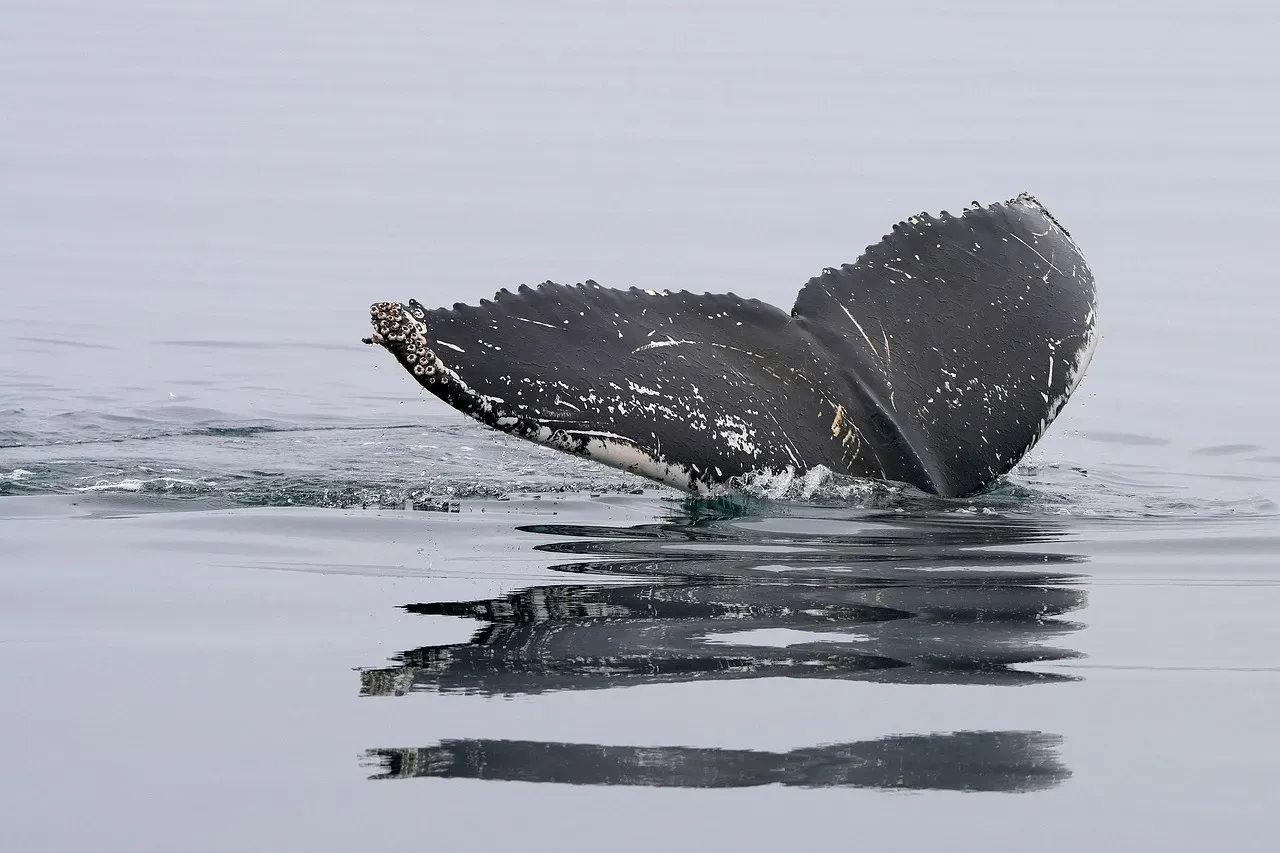
One of the most disturbing and mysterious phenomena in the animal kingdom is the mass stranding of whales and dolphins. Although these intelligent marine mammals navigate vast oceans with precision, they occasionally beach themselves in groups of dozens or even hundreds. The scale can be staggering.
Several explanations have been proposed, including changes in water temperatures, peculiarities of whales’ echolocation in certain surroundings, and geomagnetic disturbances, but none have so far been universally accepted as a definitive reason for the behavior. That absence of consensus, after so many years of study, is telling.
A 2017 study by scientists from Germany’s University of Kiel suggested that large geomagnetic disruptions of Earth’s magnetic field, brought on through solar storms, could be another cause for whale beachings. The authors hypothesize that whales navigate using the Earth’s magnetic field by detecting differences in its strength to find their way. Solar storms can cause anomalies in the field, which may disturb the whales’ ability to navigate, sending them into shallow waters where they get trapped.
Some research has pointed to a “possible social trigger for the stranding,” with strong social cohesion potentially leading entire groups to follow a distressed individual into shallow waters. Two further mass strandings involving long-finned pilot whales occurred in Scotland in 2024 and 2025, highlighting the urgency for further research. Despite everything scientists have learned, the full picture remains elusive.
How Animals Navigate Thousands of Miles Without a Map
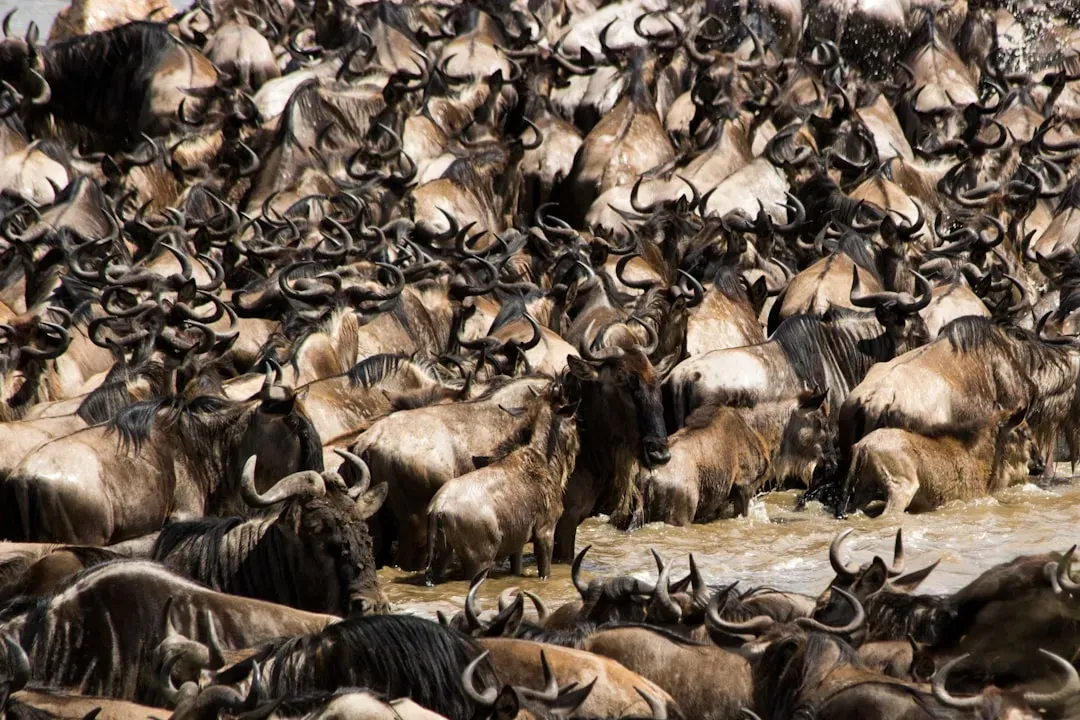
Animals can move thousands of kilometres in the ocean before returning with pinpoint accuracy to specific locations. How animals accomplish this feat continues to puzzle scientists. It is one of biology’s most enduring riddles.
Birds such as the Arctic tern, insects such as the monarch butterfly, and fish such as the salmon regularly migrate thousands of miles to and from their breeding grounds. Monarch butterflies use the Sun as a compass to guide their southwesterly autumn migration from Canada to Mexico. Yet even knowing which tools animals use doesn’t fully explain how they use them with such extraordinary precision.
In 2003, the African dung beetle was shown to navigate using polarization patterns in moonlight, making it the first animal known to use polarized moonlight for orientation. In 2013, it was shown that dung beetles can navigate when only the Milky Way or clusters of bright stars are visible, making them the only insects known to orient themselves by the galaxy. That a beetle could read the night sky is, by any measure, remarkable.
It is this asymmetry in the availability of orientation cues that makes authentic long-distance migrations so appealing for navigation researchers, and the orientation abilities of wide-ranging migrants so fascinatingly mysterious. Satellite tracking has improved our understanding considerably, but the deeper mechanics of how many species sense and integrate these cues still aren’t fully mapped.
Chimpanzees with Cultural Rhythms and Drumming Traditions
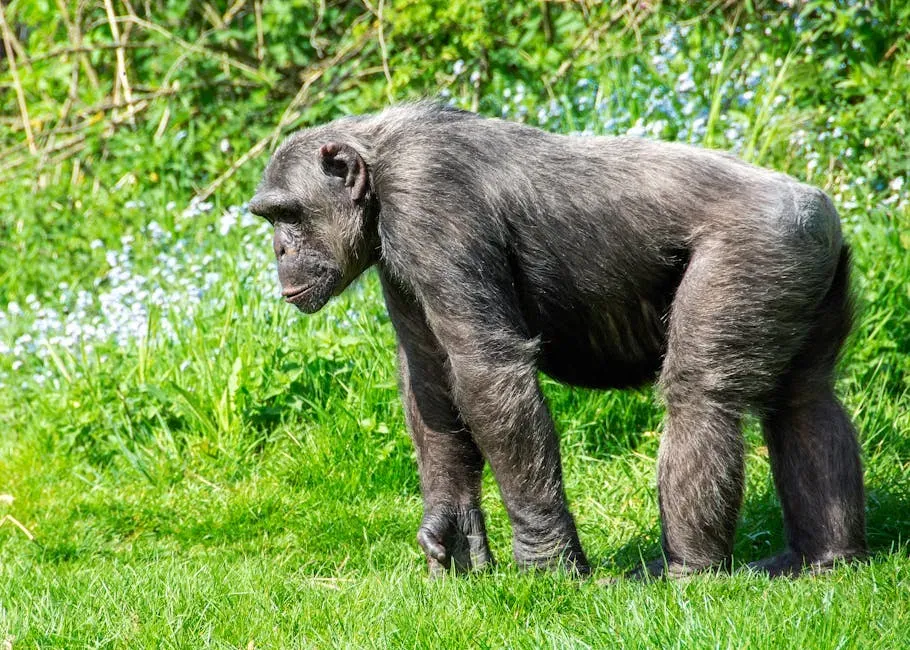
Wild chimpanzees drum on tree roots in specific rhythms to communicate across long distances. These rhythms differ between populations: western chimps thump in evenly spaced beats, while their eastern counterparts take alternating long and short pauses after beats. The difference is consistent, not random.
A 2025 study in Current Biology analyzed more than 370 drumming bouts across 11 wild chimpanzee communities and found that this percussion is rhythmic and varies by subspecies. Western chimpanzees drum with evenly spaced beats, while eastern chimpanzees alternate between shorter and longer intervals. This is the first large-scale confirmation of this behavior in wild, not captive, populations.
A project team gathered 371 drumming episodes across 11 groups; primatologists, rhythm scientists, and acoustics experts then mapped and analyzed the timing and tempo of each session, establishing that the timing was non-random and differed according to location. The suggestion is that the beat is passed down through generations, with different groups maintaining their own traditions.
Together, these discoveries suggest that the roots of rhythm, and perhaps even music, run deep in our evolutionary history. Researchers think these drumming differences are shaped by the different social structures seen between eastern and western groups, and that since rhythm is central to human sociality, dance, and speech, our own social behaviors may have been tied to how we developed rhythm too. The implications for understanding human culture are quietly profound.
The Brainless Problem-Solver: Slime Mold Intelligence

In laboratory experiments, slime mold has recreated the efficient design of Tokyo’s rail system when food sources were placed in patterns mimicking major cities. It can also anticipate regular events based on previously experienced patterns, a form of rudimentary learning that was thought impossible for brainless organisms. What baffles researchers is how an organism without neural networks can exhibit such sophisticated behaviors.
The slime mold Physarum polycephalum, an aneural organism, uses information from previous experiences to adjust its behavior, but the mechanisms by which this is accomplished remain unknown. No brain. No nervous system. Yet it learns, adapts, and optimizes.
The landmark study that spurred much of this research showed Physarum plasmodia spread through a labyrinth maze connecting two food sources, forming a single cell in the shape of the maze. Over time, the plasmodia retracted biomass from dead ends and longer paths through the maze until eventually a single tubule remained, tracing out the single solution.
Some scientists speculate that slime molds may use chemical oscillations throughout their structure to process information in a distributed manner, effectively turning their entire body into a rudimentary computational device. The exact mechanisms enabling these apparent decision-making processes remain largely unexplained, challenging our understanding of what constitutes cognition and raising profound questions about alternative forms of biological intelligence that might exist beyond neural systems.
Wolves, Tools, and Unexpected Problem-Solving
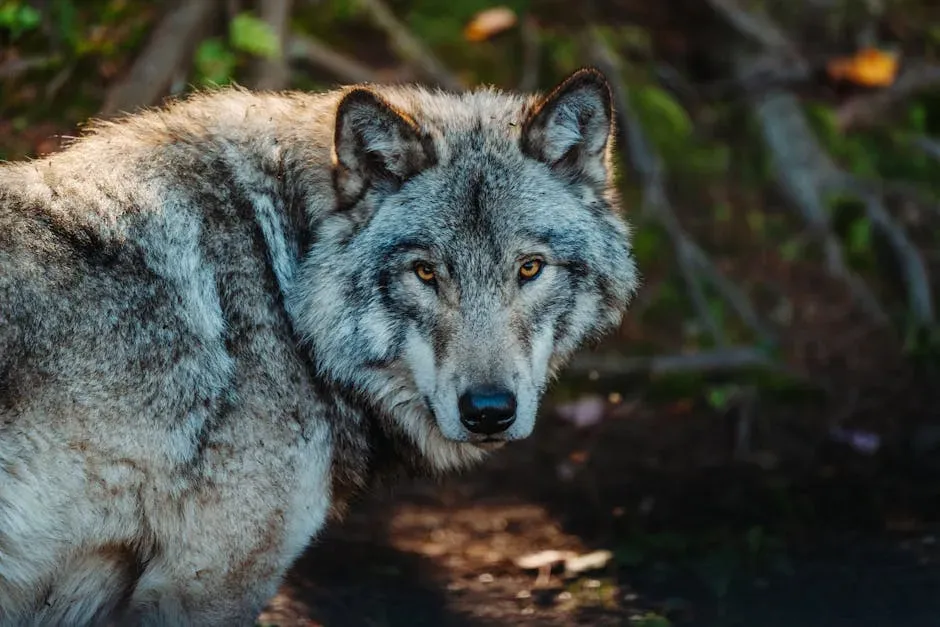
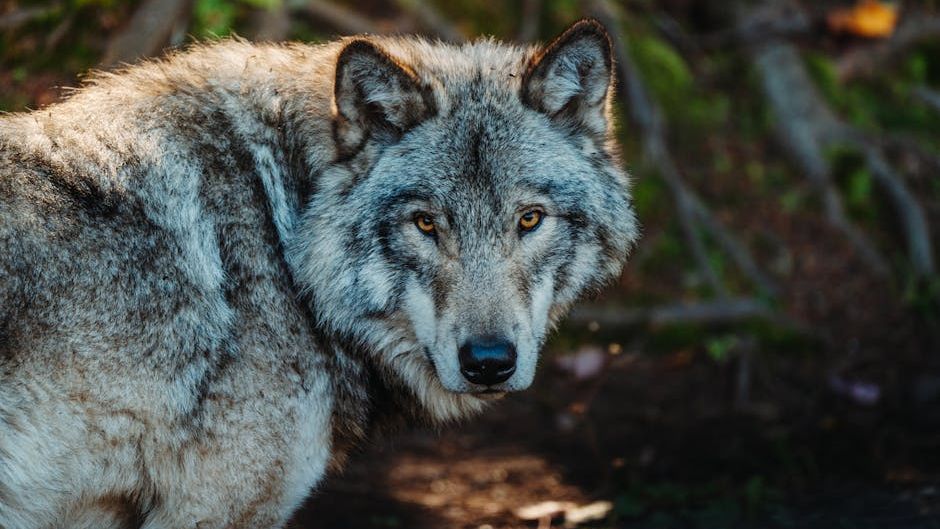
In Canada, Indigenous Haíɫzaqv guardians and collaborating scientists set up a camera trap to see who was damaging traps they’d submerged to capture invasive European green crabs. The video showed a female wolf swimming with a trap’s rope in her mouth, pulling it to ground once ashore, then opening the trap and eating the herring bait inside. These actions suggest the wolf understood there was food inside a hidden, submerged container.
What makes this observation striking isn’t just that the wolf solved the problem. It’s the sequence of steps involved. Swimming out, retrieving the rope, dragging it to shore, then working the mechanism open – each action required an understanding of cause and effect that goes beyond simple trial and error.
Wolf cognition has historically received less research attention than that of other predators. The species involved is considered rare in terms of documented behavior, making observations of this kind especially valuable to researchers. Scientists are now asking whether this behavior was learned independently by this individual, or whether it could be passed to other members of the pack over time.
The growing body of evidence from wolves, bonobos, crows, and other species is steadily dismantling the assumption that complex problem-solving is uniquely human territory. Each new observation adds a piece to a picture that is far more intricate than biology once imagined.
Conclusion: The Science at the Edge of What We Know
The animal kingdom is filled with bizarre behaviors that continue to baffle even the most seasoned scientists. From mysterious mass deaths to inexplicable navigation abilities, these peculiar actions challenge our understanding of animal cognition and natural instincts. While researchers have made significant strides in understanding animal behavior, some phenomena remain tantalizingly unexplained despite decades of study.
That isn’t a failure of science. It’s a reflection of how genuinely complex non-human life turns out to be. The tools are improving, the datasets are growing, and researchers are increasingly willing to look beyond traditional assumptions about what animals can do and why.
The animals that mystify us most are often the ones quietly revealing something we didn’t know about intelligence, culture, and survival. The mystery is part of the science – and that’s worth paying attention to.
