
Most dog owners swear they’d “do anything” for their senior pup. But veterinary hospitals keep seeing the exact same heartbreaking pattern: a tiny, forgettable behavior change gets waved off as “just old age” for months, sometimes years, until the window to actually fix it has quietly closed.
Here’s the part that stings – almost none of these warning signs look dramatic at first. No collapsing, no screaming, no obvious crisis. Just a slower walk to the door, a little more water in the bowl, a nap that lasts a little longer than it used to. By the time it looks serious, it usually already is. Below are the 14 signs vets say get ignored the longest – and what your dog might actually be trying to tell you.
#1 – “Just Slowing Down” When It’s Actually Pain
Owners love to say their old dog is “slowing down,” but that vague little phrase hides a brutal truth: most senior dogs are living with pain nobody has ever treated. Arthritis, spinal issues, and hip problems don’t always show up as a dramatic limp. Often it’s subtler than that – your dog hesitates before jumping on the couch, stops racing to the door when you get home, or quietly drifts to the back on walks instead of leading the way like she always did.
Plenty of people romanticize this as their dog “finally calming down with age.” In reality, the dog is adapting to hurt less, one small avoidance at a time. Watch for stiffness that’s worse right after they wake up, or a struggle to get up off the floor that takes a few extra tries. Modern pain management – meds, joint support, weight loss, even physical therapy – can turn a “tired old dog” back into one who actually wants to play again.
#2 – Drinking More Water Than Usual
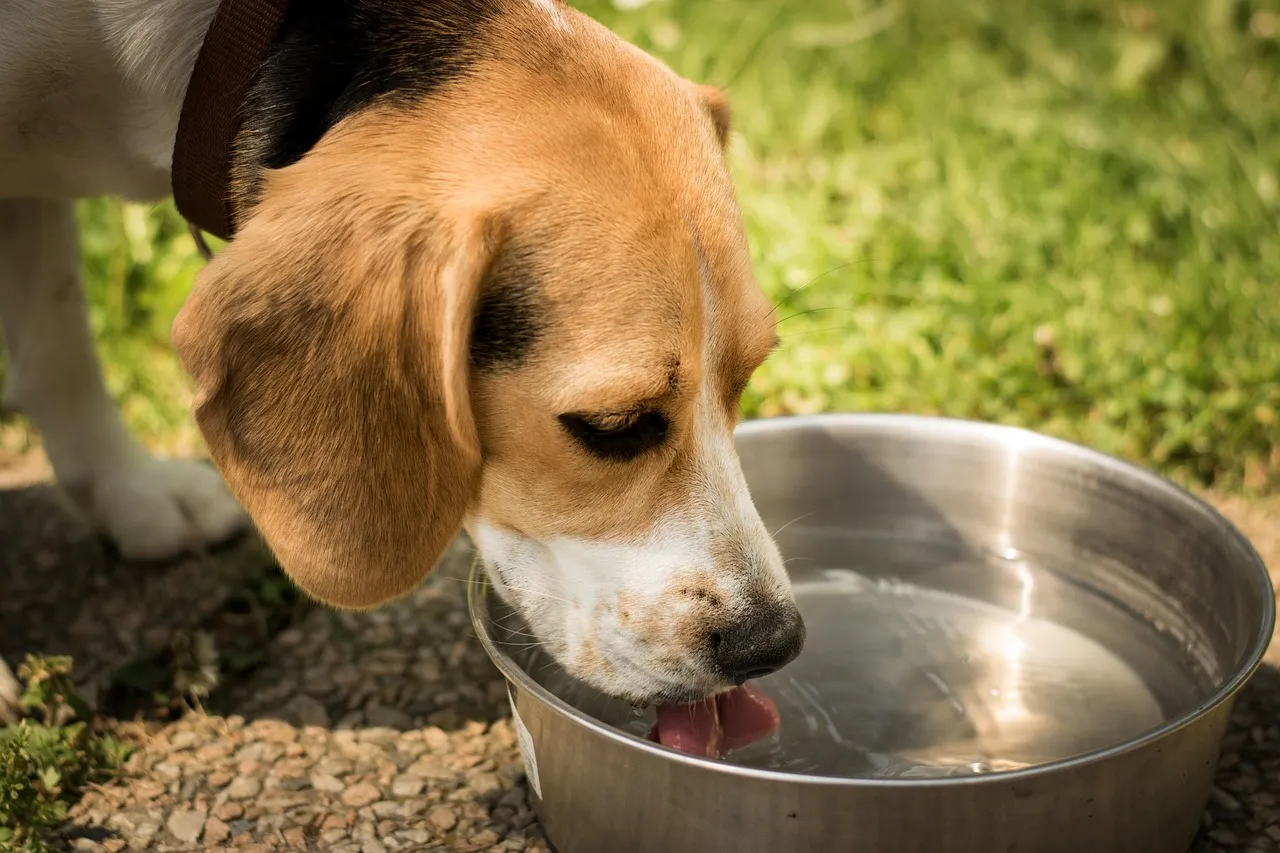
If you’ve been refilling the water bowl more often and quietly blaming the weather, you might be looking right at one of the biggest red flags in senior dogs and dismissing it as nothing. A sudden or gradual jump in drinking – and peeing – is a classic early sign of kidney disease, diabetes, Cushing’s disease, or a urinary tract infection.
It’s sneaky precisely because more water sounds healthy. Owners laugh about their dog being “thirsty today” and move on with their evening. But in a senior dog, patterns matter: accidents in the house from a dog who never used to have any, waking you up at 3 a.m. to go outside, or soaking bigger clumps in a litter box or pee pad than normal. These aren’t lapses in manners. That’s often a kidney, a hormone, or a blood sugar level quietly asking for help – and early bloodwork can catch it while it’s still very manageable.
Fast Facts
- Common culprits behind excess thirst: kidney disease, diabetes, Cushing’s disease, and urinary tract infections
- Watch for new nighttime accidents or unusually large urine clumps in litter or on pads
- Early bloodwork often catches these conditions while treatment options are still simple
#3 – Bad Breath That Isn’t “Just Dog Breath”
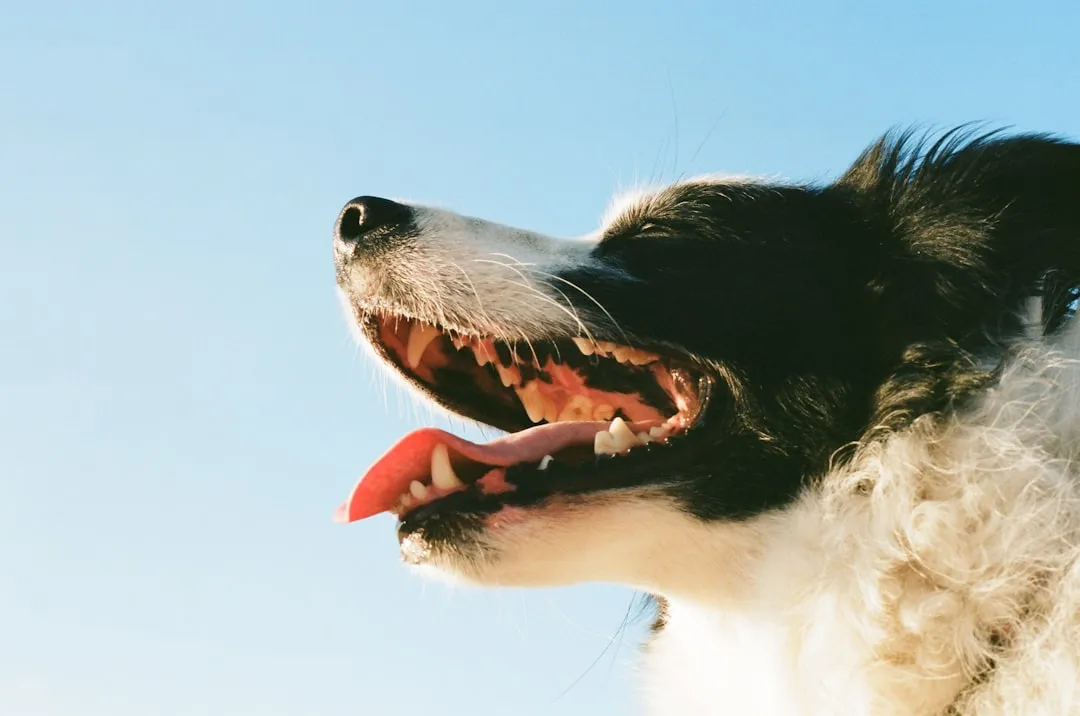
Most people roll their eyes at dog breath and buy another minty treat. But chronic bad breath in an older dog is almost never just dog breath – it’s often a sign of advanced dental disease, painful infection, or even kidney trouble underneath.
Imagine living with several rotting teeth and being expected to eat like nothing’s wrong. That’s essentially what’s happening, and dogs rarely yelp about mouth pain the way we’d expect. Instead they chew only on one side, drop kibble, or lick their lips and paw at their face after eating. The bacteria causing that smell can seed infections into the bloodstream and quietly damage the heart, liver, and kidneys over time. A surprising number of “mysterious senior declines” improve dramatically after a proper dental cleaning – it’s one of the most fixable quality-of-life issues on this entire list.
#4 – Sudden Clinginess or Hiding Away
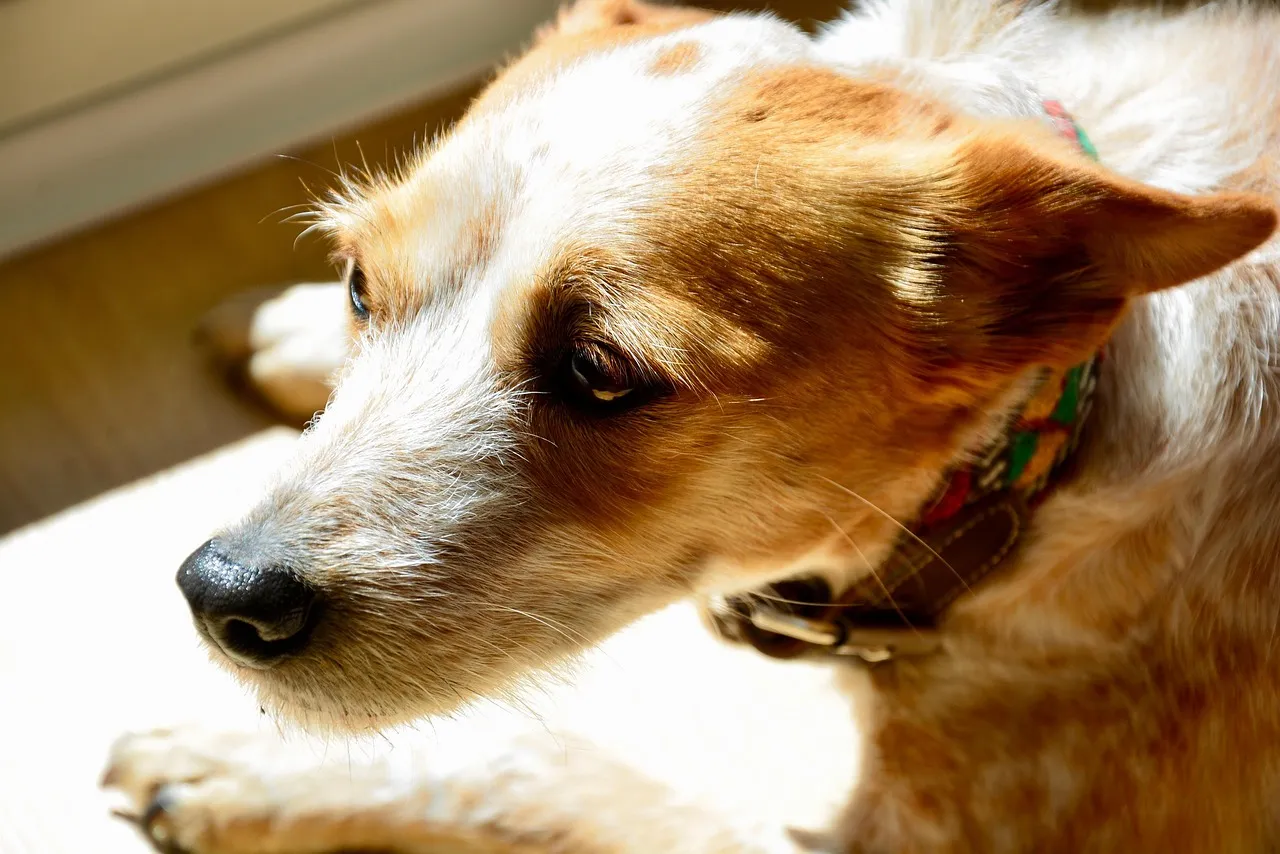
Behavior shifts in old dogs get written off as “quirks,” when in reality personality changes are one of the earliest signs that something is physically wrong. A once-independent dog suddenly glued to your ankles, or a social butterfly now hiding under the bed – that’s not a random mood. Something has changed, and your dog is trying to cope with it.
Watch for shadowing you room to room and whining the second you leave, retreating to closets or corners, or reacting oddly to visitors they used to adore. Pain, cognitive decline, anxiety, and vision or hearing loss can all make a dog feel less safe or more confused in spaces they used to know by heart. We’re quick to slap labels like “stubborn” or “needy” on these changes and slow to book the vet visit that actually explains them.
#5 – Weight Loss You Only Notice in Photos
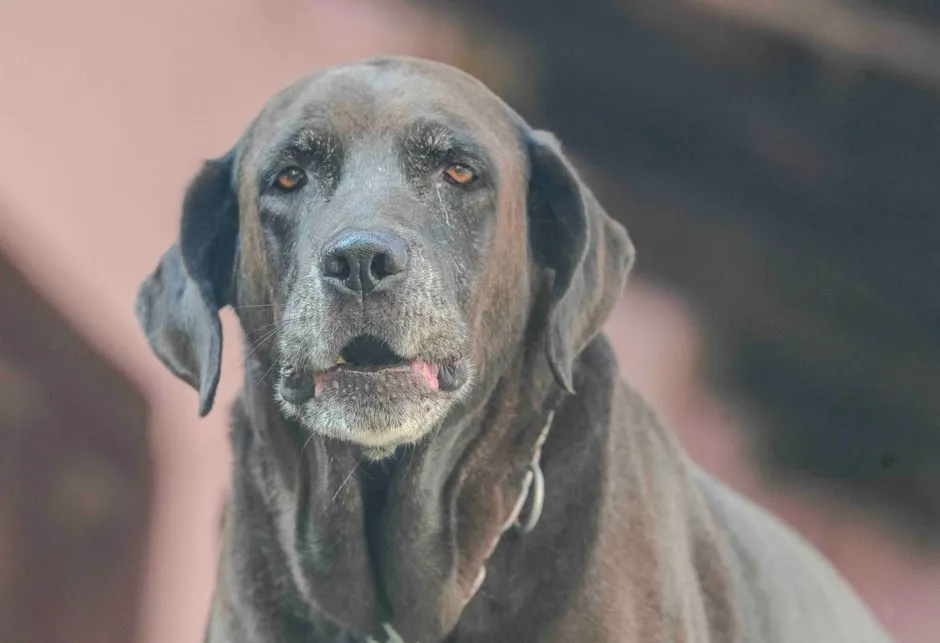
Everyone obsesses over weight gain, but slow, steady weight loss in an older dog is often the more alarming one. Because you see your dog every single day, losing a pound or two at a time slips right under the radar. By the time you can feel the ribs or see a sharper spine, it may have been happening for months already.
Unexplained weight loss can point to cancer, kidney or liver disease, poor nutrient absorption, or unmanaged chronic pain burning through calories your dog can’t spare. “He’s just getting skinny with age” is almost never a harmless explanation. Weigh your dog monthly if you can – even a 5 to 10 percent change in a senior is considered medically significant, and catching it early still leaves real options on the table.
Worth Knowing
- A 5 to 10 percent body weight change in a senior dog is considered medically significant
- Possible causes include cancer, kidney or liver disease, poor nutrient absorption, and chronic pain
- Monthly weigh-ins catch slow, steady loss far faster than judging by eye
#6 – Sudden Weight Gain and That “Cute” Senior Chonk
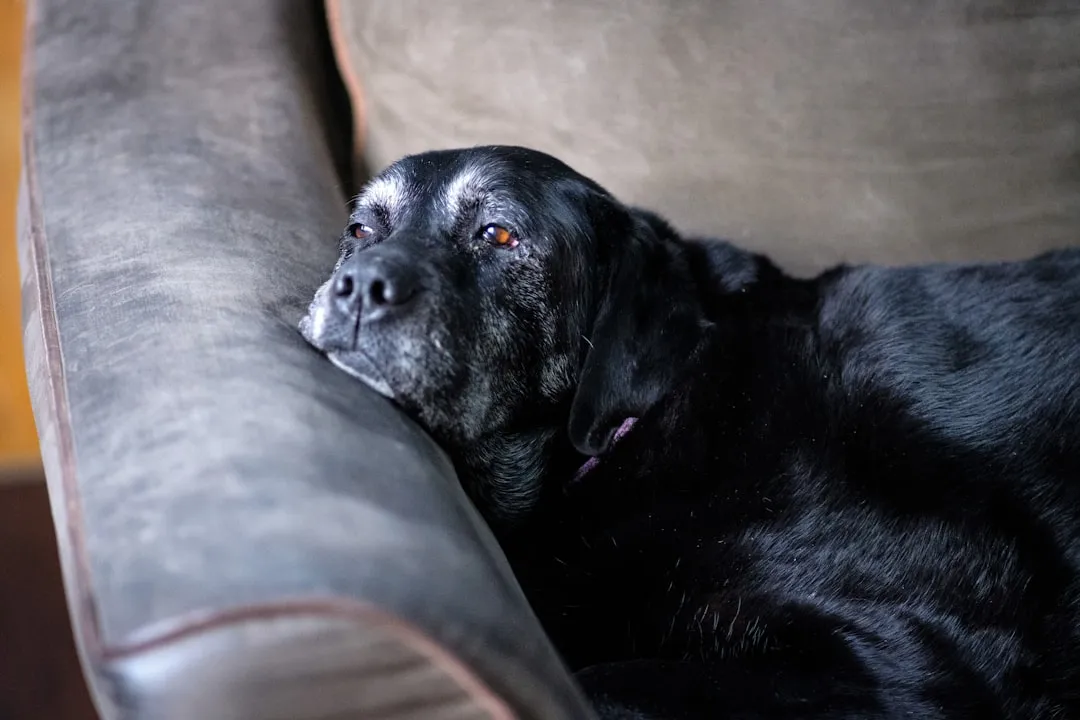
On the flip side, plenty of owners secretly love it when their old dog gets a little chunkier. It looks cute. It feels like proof he’s eating well and enjoying his golden years. The reality check: extra weight is one of the most damaging and most ignored medical problems in senior dogs, and it’s rarely treated with any urgency.
It silently wrecks joints, worsens arthritis, and strains an aging heart – and it often creeps in exactly when a dog’s metabolism is slowing while his exercise is also quietly dropping off. That’s not a personality trait settling in; that’s a health crisis wearing a cute disguise. If your senior has lost his waistline or grown fat pads over the ribs, neck, or tail base, it’s time for a real conversation with your vet about calories and safe movement – before mobility disappears completely.
#7 – Night Pacing, Restlessness, and “Random” Whining
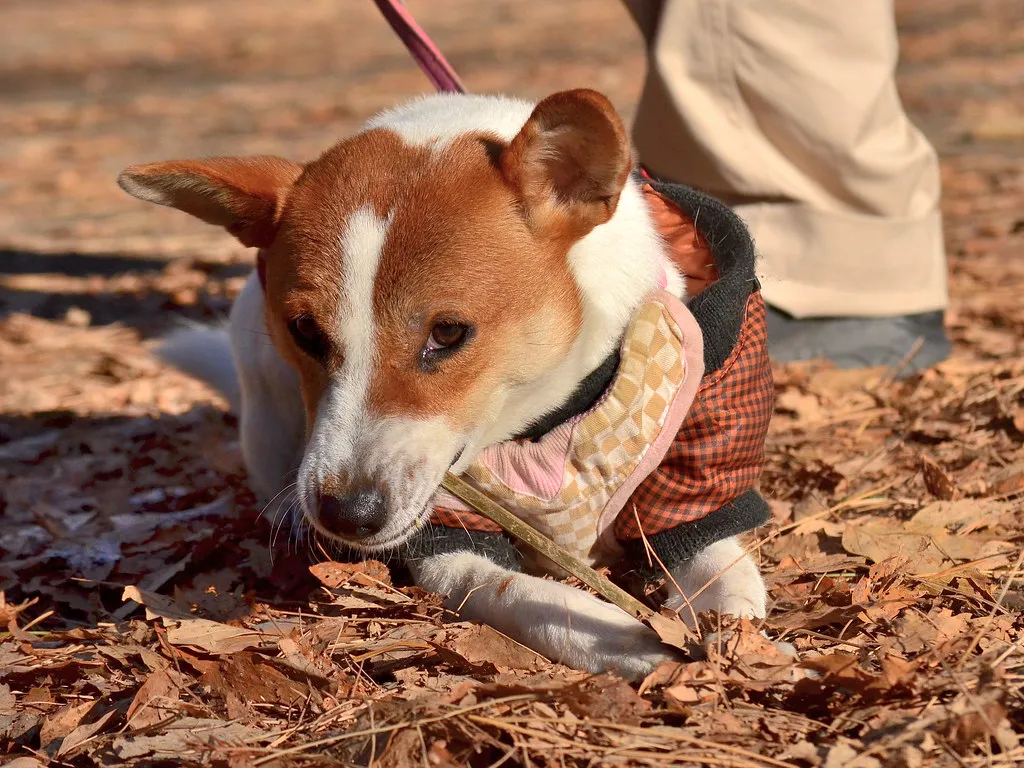
If your older dog is suddenly pacing at night, whining for no clear reason, or seeming restless instead of settling down to sleep, it’s not them being dramatic. Nighttime changes can be an early sign of pain, anxiety, or canine cognitive dysfunction – the canine version of dementia.
Owners often chalk this up to the dog just “being weird,” but watch closely: are they walking in circles, getting stuck behind furniture, or staring blankly at walls in a room they’ve lived in for years? Those are classic cognitive decline signs, and when joint pain flares up worse at night, you end up with a dog who is physically unable to rest. Early intervention – medication, supplements, small routine tweaks – can genuinely improve sleep for the whole household, dog included.
#8 – New Lumps and Bumps You Decide to “Watch”
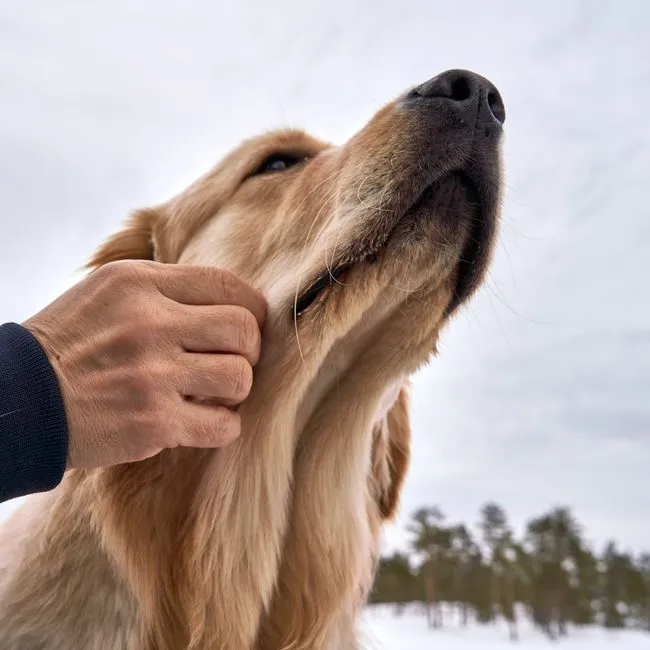
Every long-time dog owner has heard the phrase “it’s probably just a fatty lump.” Sometimes that’s true. The dangerous part is when “we’ll just watch it” quietly turns into six months of ignoring a tumor that was growing the entire time. Senior dogs are simply more prone to cancer, and plenty of cancers start out as small, painless bumps under the skin.
Never shrug off a lump that appears suddenly or grows fast, changes texture or color, starts to ulcerate, or shows up near the mouth, feet, or genitals. A simple fine-needle aspirate – a quick, low-stress needle test – can often tell a vet whether a mass is likely benign or something more aggressive. Waiting “to see what happens” is exactly how a treatable cancer becomes an untreatable one, even though some of the most survivable cancers are caught on what looked like nothing more than a harmless bump.
Quick Compare
- Lower concern: soft, movable lump that’s stayed the same size for months
- Higher concern: fast-growing, firm, or ulcerated lump, especially near the mouth, feet, or genitals
- Either way: a fine-needle aspirate is the quickest way to know for sure
#9 – Changes in Vision or Hearing Brushed Off as “Cute”
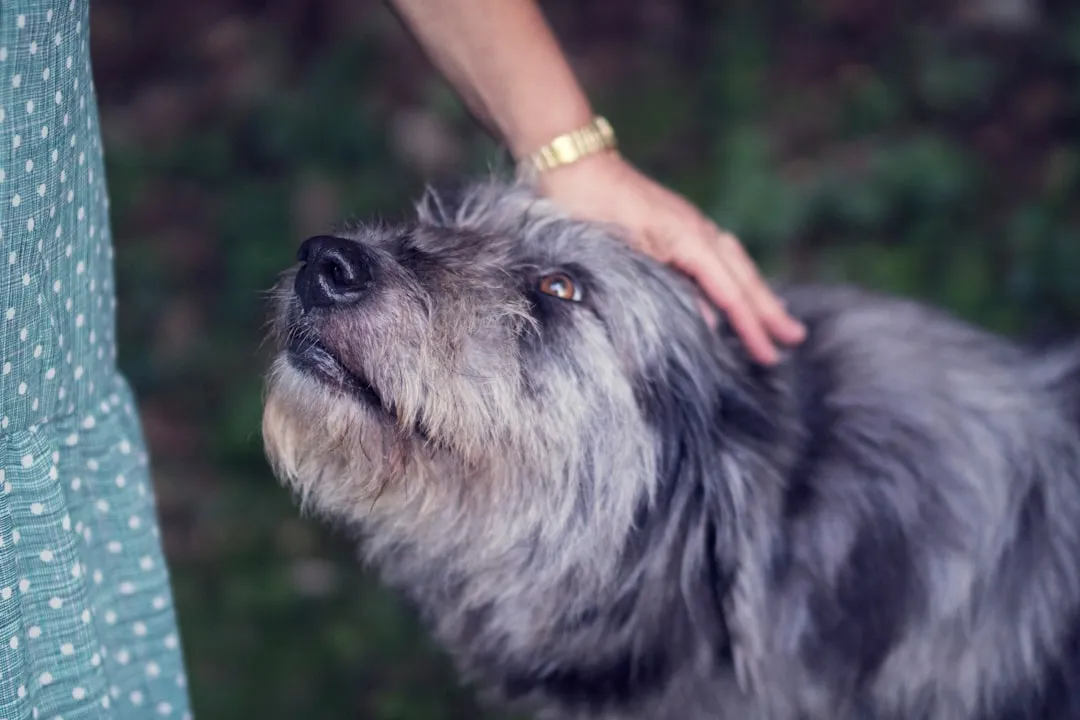
The internet loves a video of an old dog stumbling around, half-blind and half-deaf, set to a funny caption. The harsher reality is that vision and hearing changes are early clues to deeper problems, not just quirky charm. Cataracts, glaucoma, high blood pressure, and neurologic disease can all first show up as subtle clumsiness or a startle when you walk into a room.
Watch for bumping into furniture or door frames, hesitating at stairs or in dim light, or not noticing you until you’re standing right in front of them. Some decline is normal with age – but a rapid change, one eye suddenly looking different, or redness and squinting can be a genuine emergency. Hearing loss also tends to make dogs more anxious and reactive, which gets misread as “grumpy with age” instead of what it actually is: a dog who’s losing one of his main ways of understanding the world.
#10 – “He’s Just Being Picky” With Food
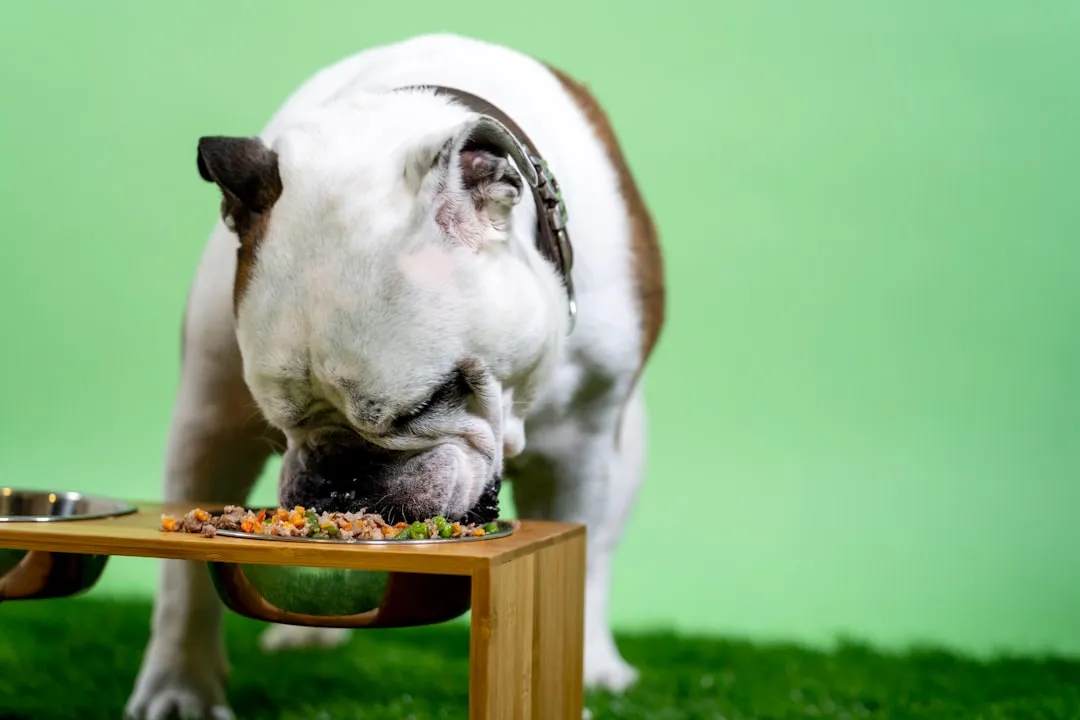
When a senior dog starts turning his nose up at food, people joke about him becoming a “food snob.” In an older dog, sudden pickiness isn’t a personality quirk – it’s a blazing warning light. Dogs are hard-wired to eat. When they stop, something is usually wrong underneath: pain, nausea, dental disease, organ trouble, or worse.
Watch for sniffing the bowl and walking away, only eating when hand-fed or bribed with toppers, or drooling and lip-smacking after meals. Some dogs do get bored with the same kibble – but that’s not the assumption you reach for first in a senior. Cycling through five different dog food brands over three weeks while the real problem goes undiagnosed is a common, costly mistake. Plenty of older dogs get their appetite back completely once the underlying issue is actually treated.
#11 – New House Soiling in a Previously Trained Dog
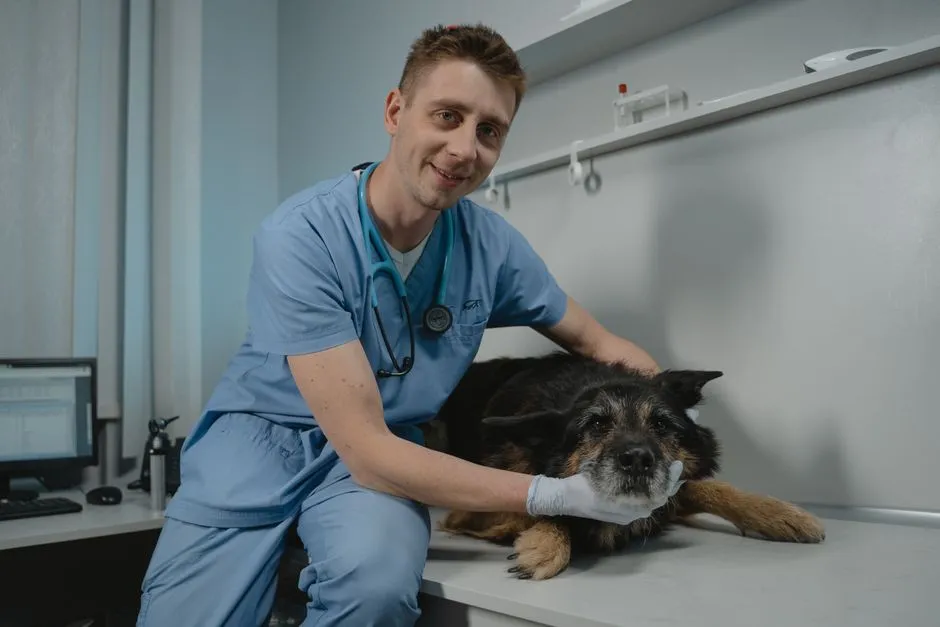
Few things frustrate owners more than a fully house-trained senior suddenly having accidents indoors. Too often the response is frustration, more “training,” or quiet resentment toward a dog who is already struggling. For a previously trained adult or senior dog, new accidents are almost always medical, not behavioral.
Common hidden causes include urinary tract infections, bladder stones, age-related incontinence, arthritis that makes stairs or a cold yard too painful to bother with, and cognitive confusion about where the door even is anymore. Shaming a dog who’s already uncomfortable and disoriented is, bluntly, unfair. Any sudden change in house training in a senior dog should trigger a vet visit, not a lecture – and with the right diagnosis, ramps, and better access, most dogs get their dignity back fast.
#12 – Coughing, Slowing on Walks, or “Getting Winded”
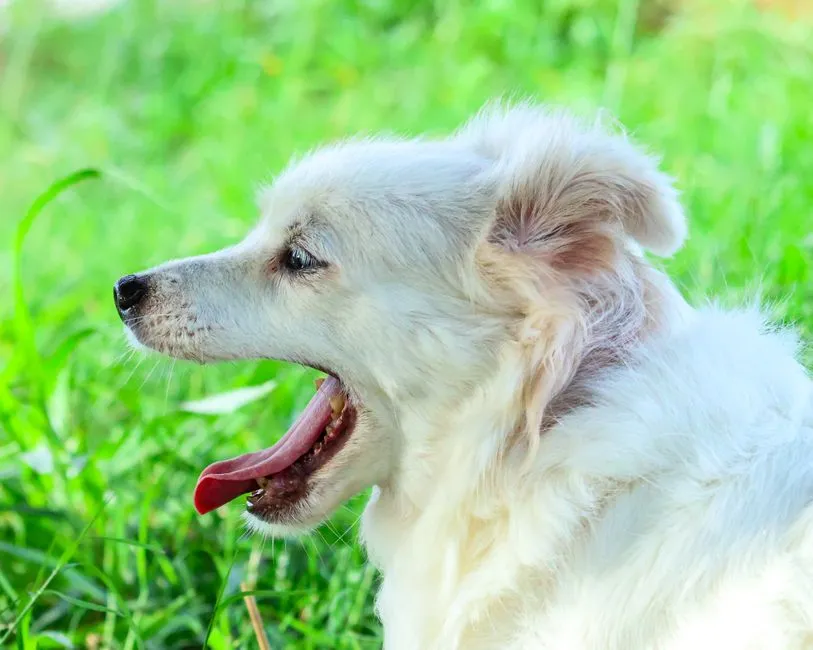
If your older dog coughs occasionally or stops more often on walks, it’s tempting to say, “He’s just not a puppy anymore.” The uncomfortable truth is that exercise intolerance and coughing are major early signs of heart and lung disease – and waiting until a dog is gasping or collapsing is both tragically common and tragically preventable.
Pay attention if your dog coughs at night or after lying down, pants heavily after mild activity, or simply sits down mid-walk and refuses to keep going. These can point to an enlarged heart, fluid buildup, airway disease, or even tumors. Early cardiac medication and lifestyle changes can meaningfully extend both lifespan and comfort. Ignoring this because “he’s old” is a lot like shrugging off chest pain in a grandparent – it’s not aging, it’s a symptom, and it deserves to be treated like one.
At a Glance
- Coughing at night or after lying down can signal early heart disease
- Heavy panting after mild activity may point to fluid buildup or an enlarged heart
- Sitting down mid-walk is a symptom worth treating, not just “getting old”
#13 – Subtle Personality Changes and “Grumpiness”
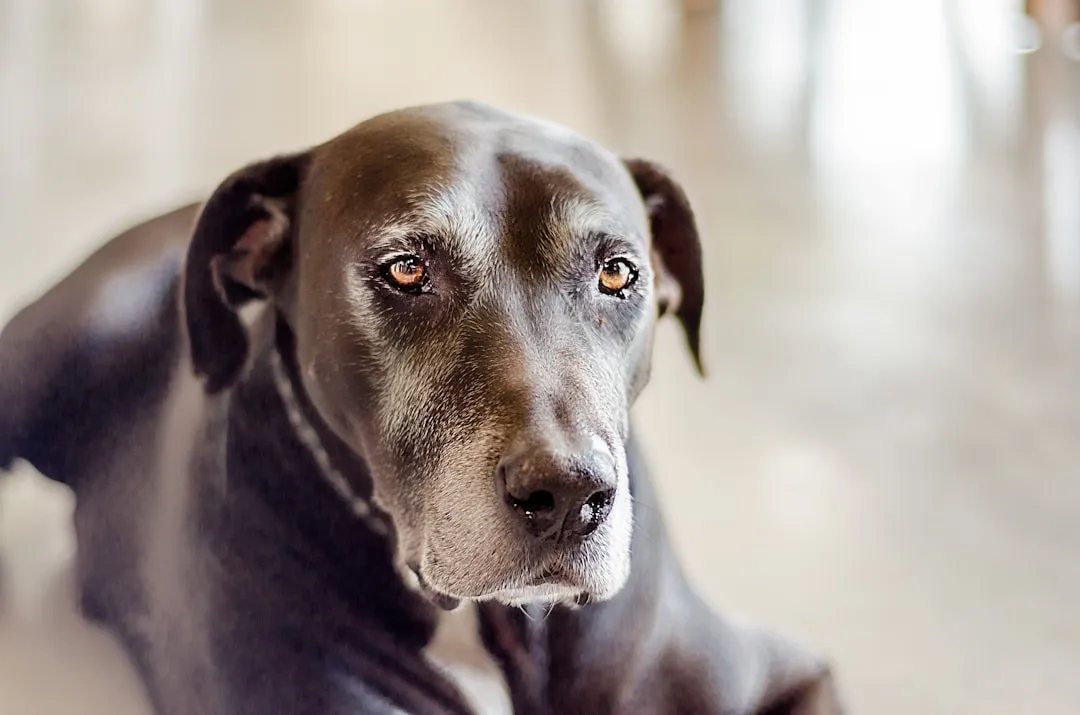
This is the one most people get completely wrong. When a senior dog starts growling at kids, snapping when touched, or acting strangely aloof, the knee-jerk reaction is, “He’s turning mean with age.” In reality, personality changes are almost always pain, fear, or cognitive decline talking. No dog wakes up one morning and decides, at ten years old, to become a jerk for no reason.
Watch for growling when picked up or when another pet gets too close, avoiding being touched in specific spots, or overreacting to normal handling like a collar grab or a brushing session. This can stem from arthritis, dental pain, internal discomfort, sensory loss, or dementia-driven confusion and irritability.
Old dogs don’t get mean; old dogs get hurt or scared.
Common veterinary behaviorist wisdom
Treat the actual cause, and that “bad attitude” very often softens right along with it.
#14 – You Just “Have a Feeling Something’s Off”
This one makes some people roll their eyes, but it might be the most important sign on the entire list. When you live with a dog for years, you become the world’s leading expert on their normal. If you keep catching yourself thinking, “He’s just… different,” that gut feeling is worth more than any random opinion online.
Maybe it’s a new, vague sadness in their eyes. Maybe it’s less excitement at the door, or a posture that looks subtly hunched or guarded in a way you can’t quite name. You dismiss it because you can’t articulate it – or worse, someone talks you out of it. Vets hear it constantly: an owner says, “I know this sounds weird, but he’s just not himself,” and it turns out there’s a real, diagnosable problem underneath. The biggest mistake here isn’t overreacting. It’s staying quiet until the signs become impossible to ignore.
The Bottom Line
Here’s the uncomfortable truth: most “old dog problems” aren’t just age. They’re untreated medical and cognitive issues that we normalize because they creep in slowly, one boring little change at a time. Calling everything “slowing down” is how pain, kidney disease, cancer, dementia, and heart problems quietly steal years from dogs that could have been helped.
None of these signs are dramatic on their own. That’s exactly the problem. A little extra thirst, a little less enthusiasm at the door, a lump you decide to “keep an eye on” – they’re all easy to shrug off individually, right up until they add up to something you can’t undo. If anything on this list sounds like your dog, skip the debate with yourself and just book the vet visit. Old age isn’t a disease. Treating it like one – and ignoring everything else as a result – absolutely is.
