


Orcas, often known as killer whales, are among the most majestic and intelligent creatures in our oceans. These marine mammals captivate enthusiasts and scientists alike with their intriguing behaviors and complex social structures. The following article delves into the mesmerizing world of orcas, revealing 14 captivating facts that highlight their unique characteristics and the roles they play in the marine ecosystem.
Introducing Orcas

Orcas (Orcinus orca) are the largest members of the dolphin family. Despite their moniker “killer whales,” they are not true whales but are indeed dolphins. These apex predators are found in all world oceans, from the Arctic and Antarctic regions to tropical seas. Their distinctive black and white coloring makes them one of the most recognizable marine animals.
The Apex Predator of the Sea
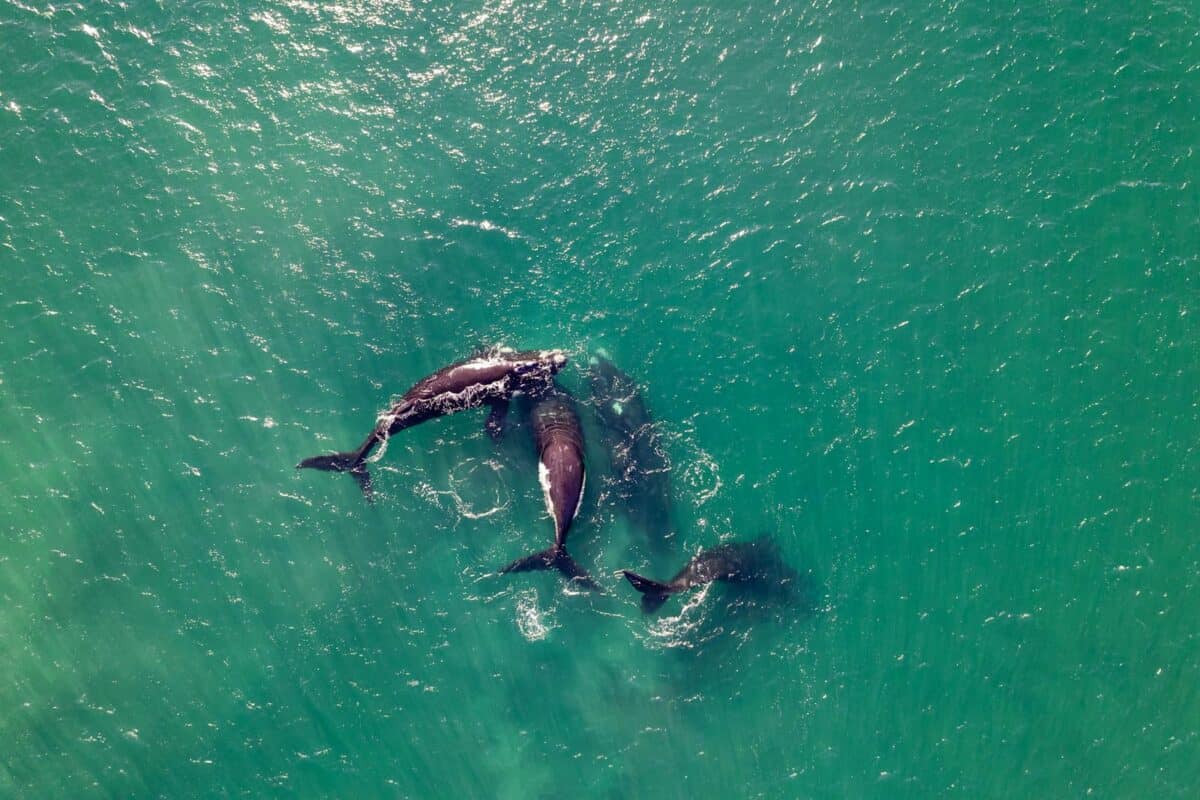
As apex predators, orcas have no natural enemies. They sit at the top of the ocean food chain and have a diverse diet that includes fish, seals, turtles, and even large whales. Their predatory success is due to their intelligence, adaptability, and cooperative hunting techniques, which are often compared to those of wolves on land.
An Emblem of Intelligence

Orcas are renowned for their intelligence, which rivals that of chimpanzees and dolphins. They possess large, complex brains, enabling them to use echolocation for hunting, communicate effectively through various vocalizations, and exhibit problem-solving skills. Some studies suggest that orcas have the capacity for empathy and self-awareness.
Sophisticated Social Structures

Living in complex social structures known as pods, orcas have strong family bonds. These pods consist of matrilines—groups led by a matriarch, often consisting of her sons and daughters and their descendants. Orcas are matriarchal, and calves typically remain with their mothers for life, learning hunting skills and survival tactics.
Unique Communication Skills
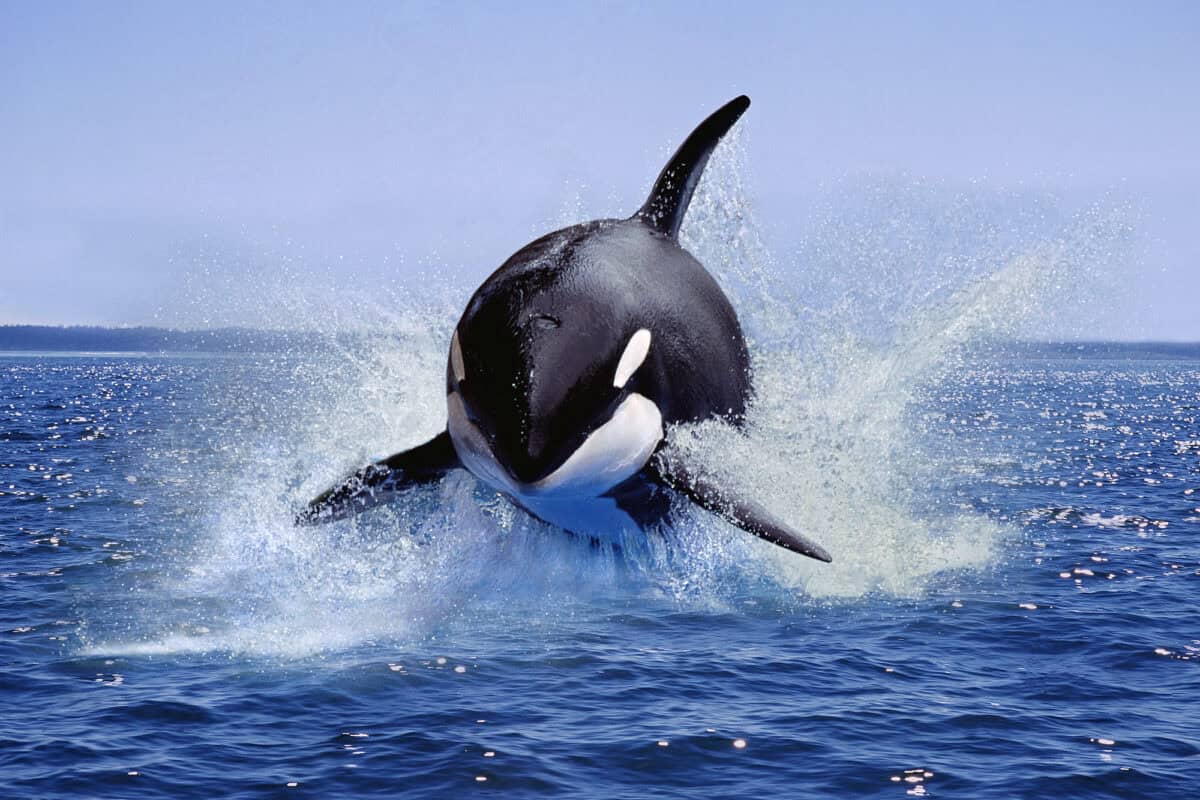
Orcas communicate using a sophisticated system of clicks, whistles, and pulsed calls unique to each pod. This “language” varies significantly between pods, creating dialects much like human languages. Their ability to mimic and even learn new sounds is a testament to their advanced auditory capabilities.
Masterful Hunters
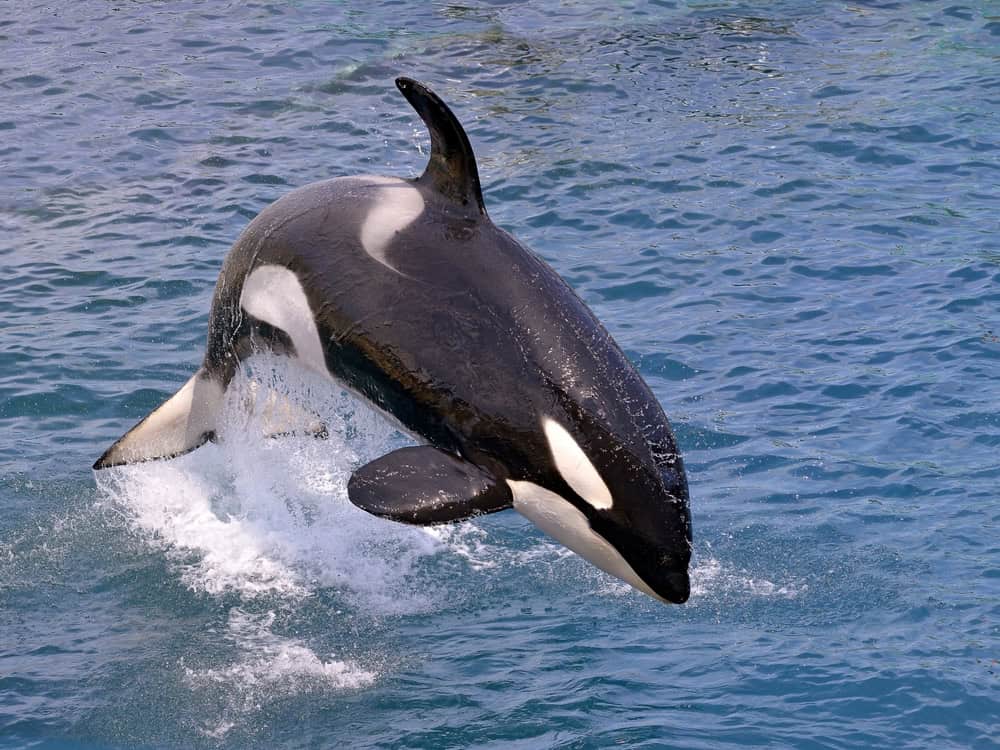
Orcas display an impressive array of hunting techniques tailored to their prey. They work together to create waves to knock seals off ice, corral fish using bubbles, or even beach themselves to capture unsuspecting seals onshore. These methods demonstrate their adaptability and skill in procuring diverse meals.
Adaptations for Survival
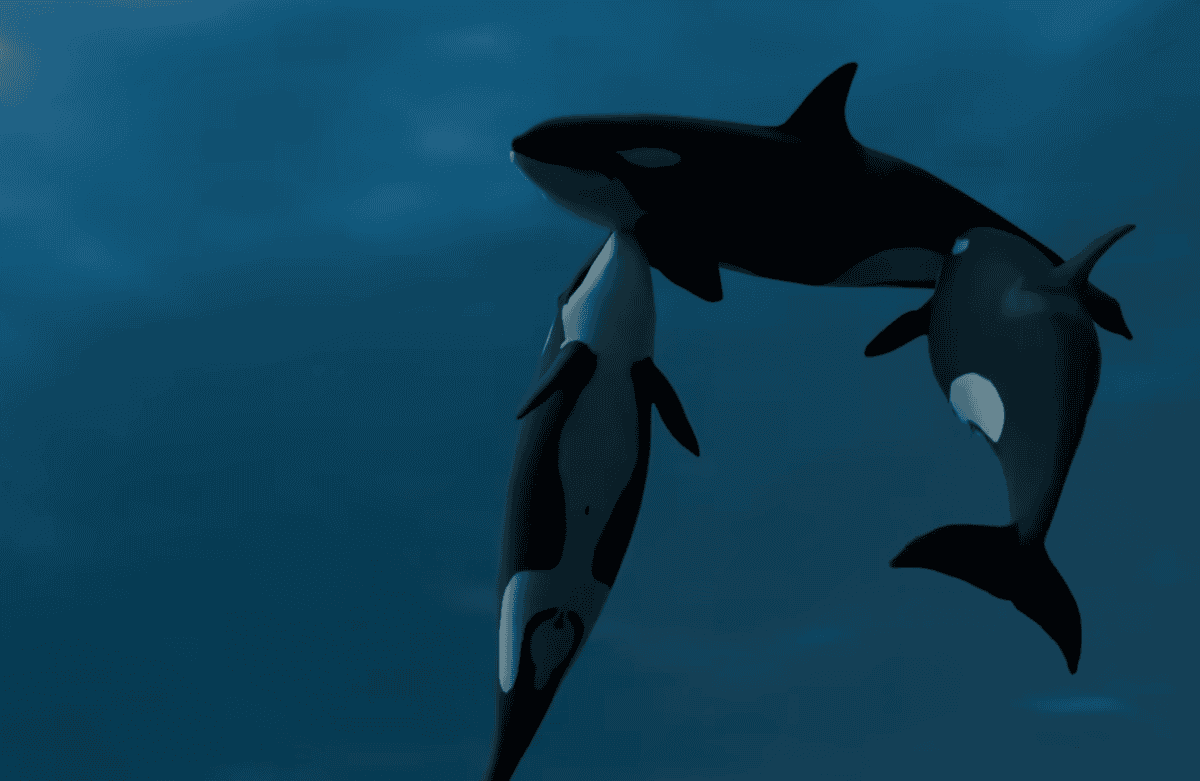
Orcas are built for endurance and stealth in the water. Their streamlined bodies, powerful tails, and dorsal fins aid in propulsion and balance. They can swim at speeds up to 34.5 miles per hour and have a thick layer of blubber to keep warm in cold waters. Their sharp teeth are perfect for gripping slippery prey.
Communication in the Dark

Often hunting in murky or dark waters, orcas rely heavily on echolocation. They emit sound waves that bounce off objects, allowing them to locate prey and navigate their environment with precision. This ability is essential in the pitch-black depths of the ocean, where visibility is nearly nil.
The Role of Orcas in Ecosystems

As apex predators, orcas play a crucial role in maintaining the balance of marine ecosystems. By regulating the populations of prey species, they prevent overgrazing or depletion of resources, which helps sustain the biodiversity of their habitats.
Migration Patterns and Range
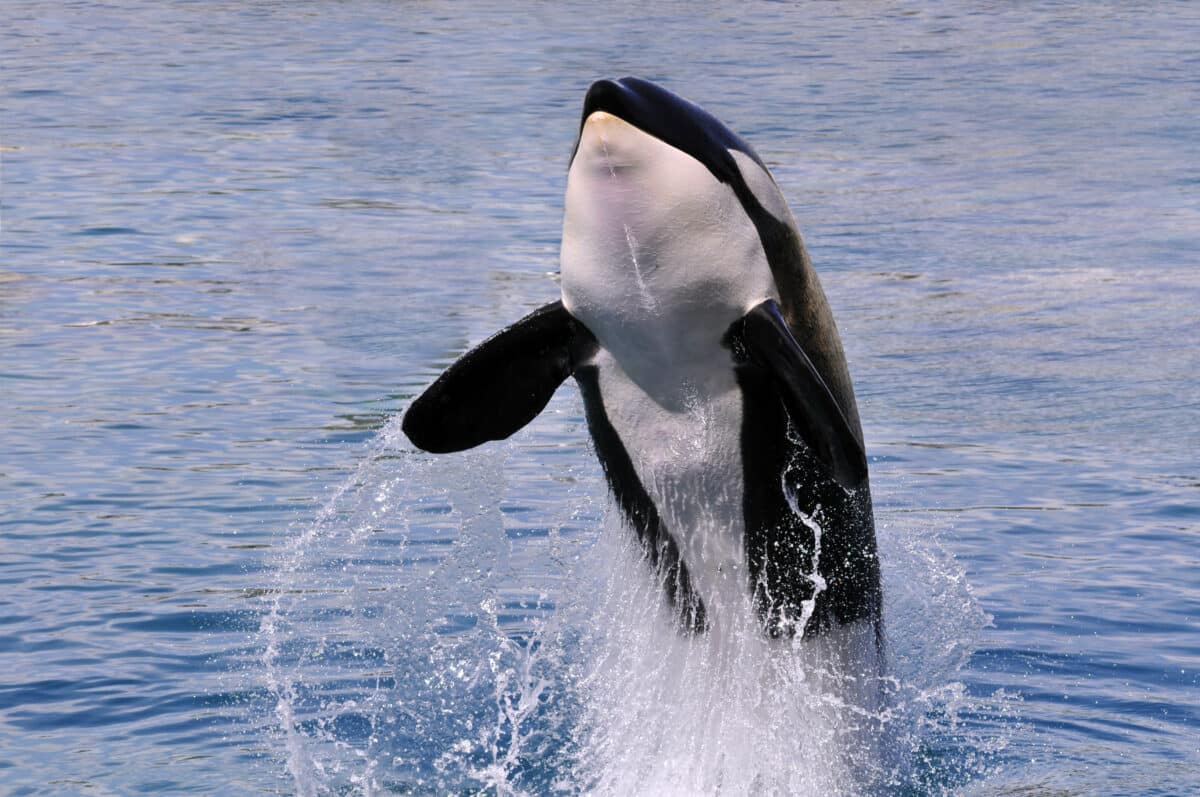
Orcas are highly versatile and adaptable, with different pods exhibiting unique migration patterns. Some remain in specific areas year-round, while others travel vast distances, following prey or seasonal changes. This adaptability allows them to thrive in a variety of marine environments.
Conservation Status and Threats

Despite their widespread distribution, many orca populations face significant threats from climate change, pollution, and industry-related disturbances. Contaminants such as PCBs can accumulate in their blubber, posing health risks. Conservation efforts are critical to ensuring the survival of these magnificent creatures.
Human-Orca Interactions
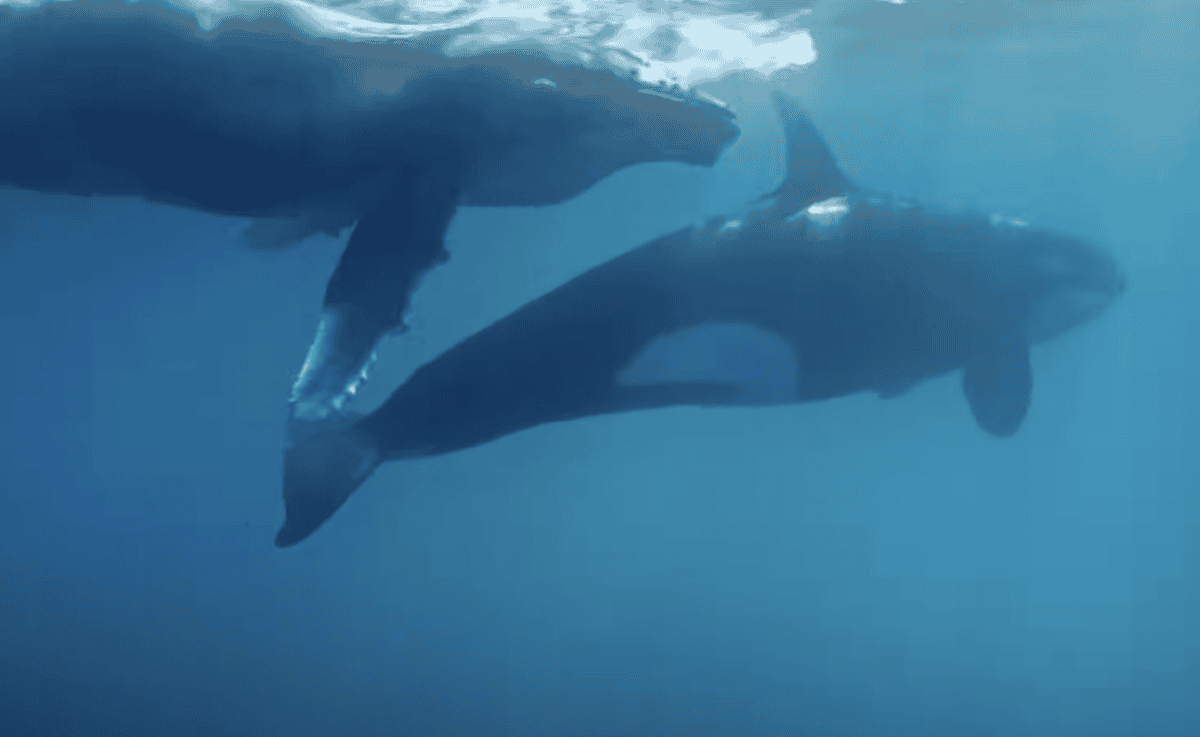
Orcas have fascinated humans for centuries, featured in art, literature, and modern media. Whale watching industries have blossomed around their presence, promoting education and awareness. Efforts to reduce negative human impacts have increased, emphasizing respectful interactions with these intelligent beings.
Orcas in Popular Culture

Orcas have left a significant imprint on popular culture. Featured in films, literature, and television, they are often portrayed as both ruthless predators and majestic symbols of nature’s power. Stories such as “Free Willy” have shaped public perception, fueling admiration and a desire to protect these creatures.
Cultural Significance in Indigenous Communities
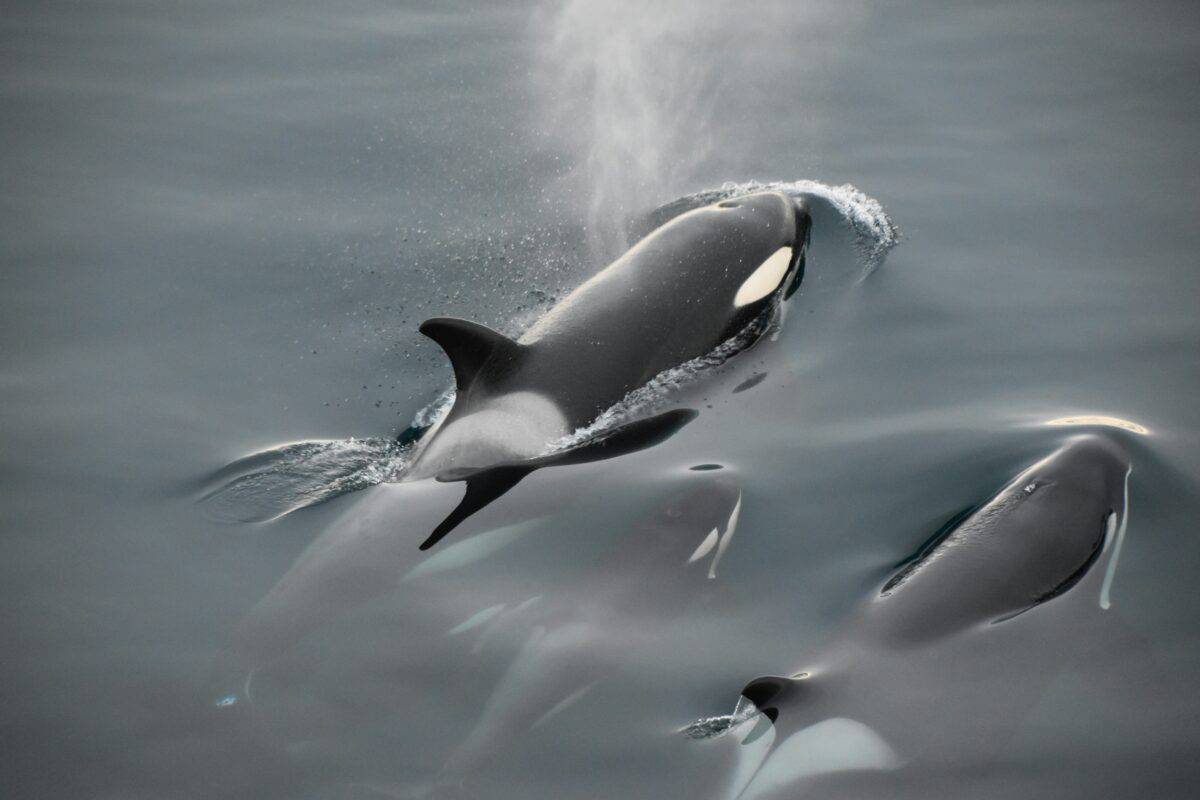
For many Indigenous communities, orcas hold profound cultural and spiritual significance. They are often seen as protectors and are featured prominently in art, folklore, and traditions. Understanding and honoring these connections are vital for acknowledging the orcas’ role in both natural and human histories.
Conclusion:
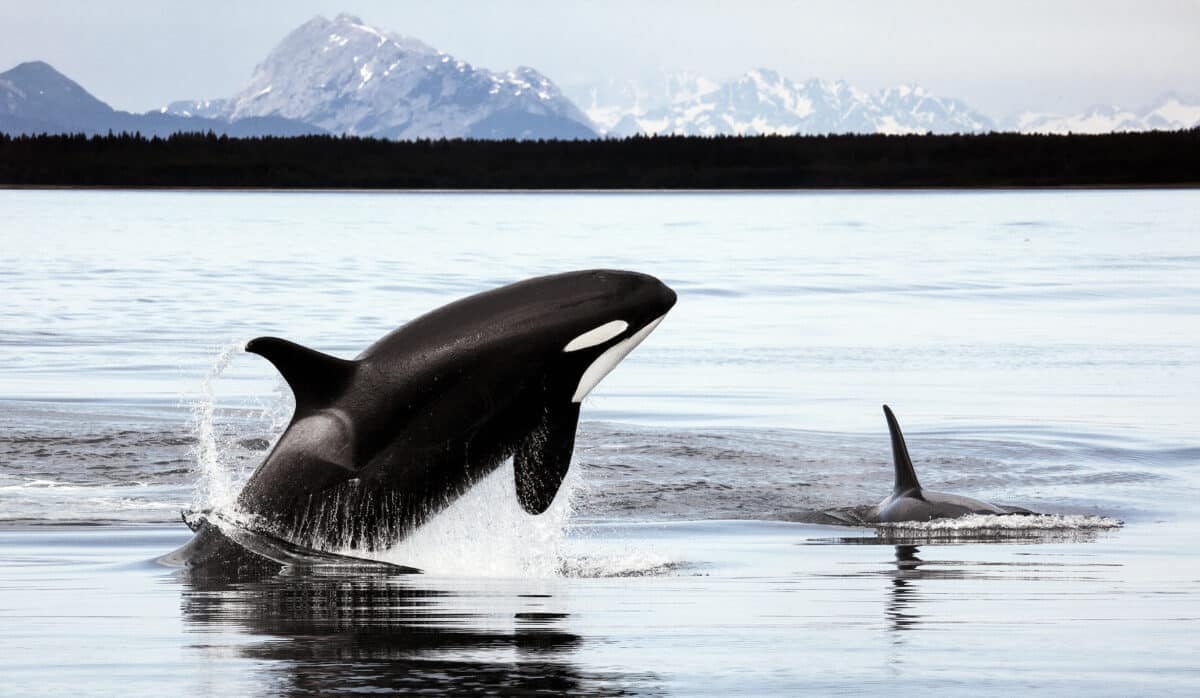
In conclusion, orcas are remarkable creatures that continue to intrigue and inspire people worldwide. Their intelligence, social structures, adaptability, and role as apex predators make them unique among marine life. As we deepen our understanding of these sophisticated animals and address the threats they face, we can ensure their continued presence in our oceans for future generations to marvel at and study.

As a little kid, I fell in love with nature, wildlife, and animals. Living in the USA, South Africa, Italy, China and Germany gave me the opportunity to discover the world's Wildlife. My favorite animals are Mountain Gorillas, Siberian Tigers, and Great White Sharks.
I'm a certified PADI Open Water Diver, went to Everest Base Camp and Trekked Gorillas in Uganda. I hold a Master of Science in Economics and Finance.
Please send any feedback to feedback@animalsaroundtheglobe.com
- 13 Cat Breeds That Get Along with Dogs - July 20, 2026
- The 12 Largest Dog Breeds That Still Love to Cuddle - July 20, 2026
- 12 Pet Habits That Secretly Mean They Love You - July 20, 2026