
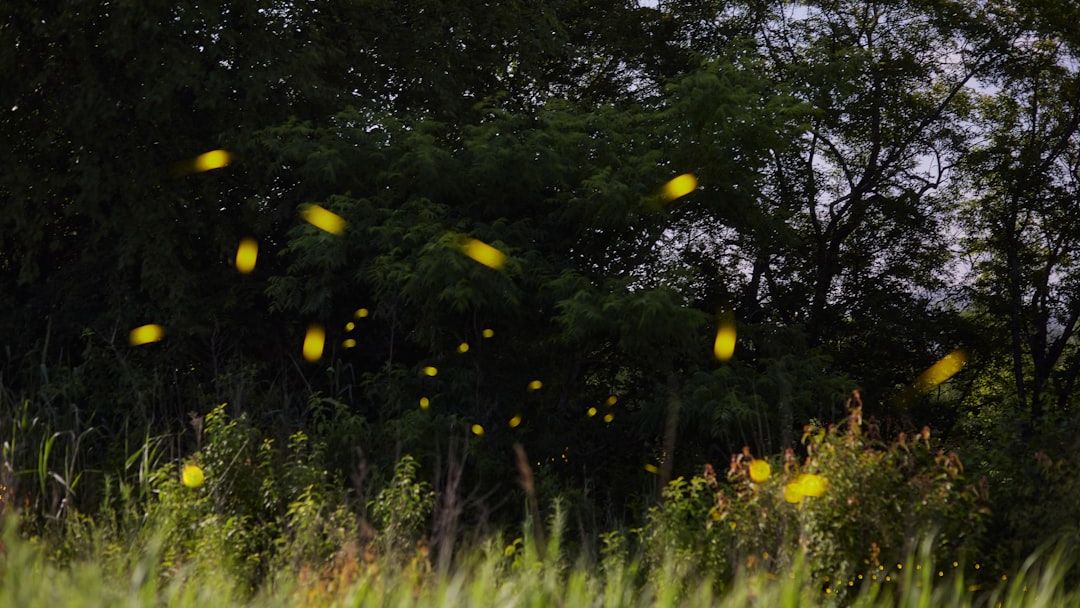
Few things feel as quietly extraordinary as stepping outside on a warm summer evening and watching the darkness fill with tiny, drifting sparks of light. Fireflies have been doing this for an almost incomprehensible span of time, long before humans were around to watch them. They’re familiar enough that nearly everyone has a childhood memory of chasing one, yet strange enough that scientists are still uncovering new details about how and why they glow.
What they’re doing is far more complex than decoration. Their lights carry meaning, encode identity, and have even found their way into medical research. Here are 14 facts that make these small beetles genuinely remarkable.
1. They’re Beetles, Not Flies
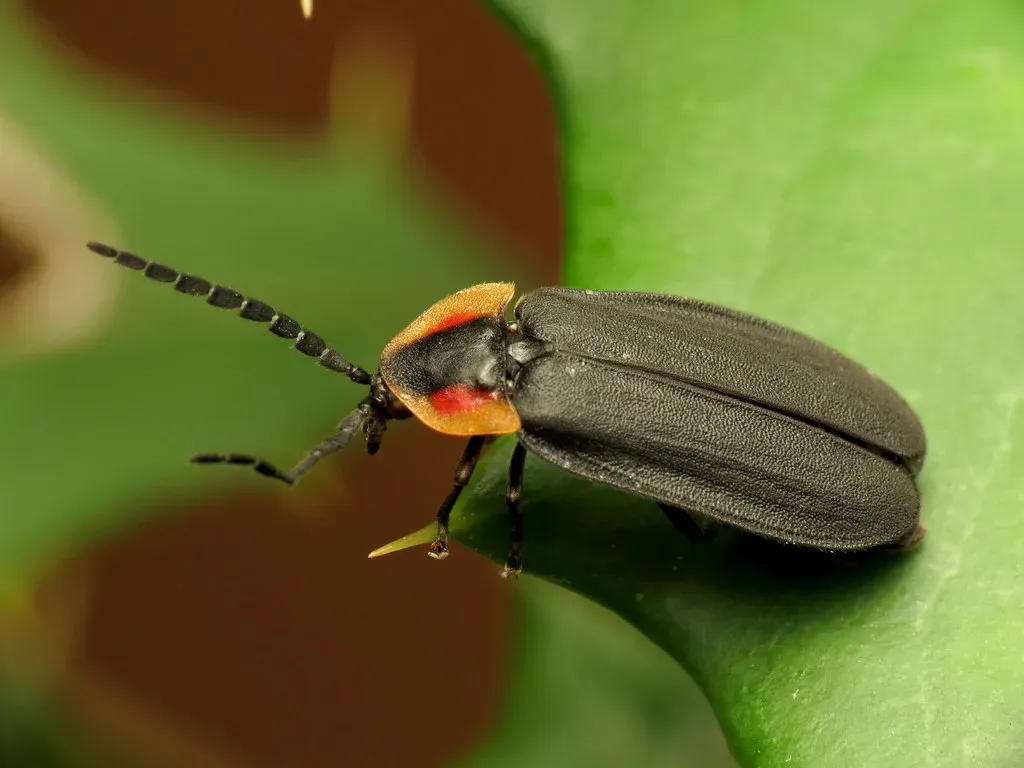
Despite the name, fireflies have nothing to do with flies. The firefly isn’t actually a fly at all but rather a beetle from the family Lampyridae, which in Latin means “shining fire.”
Fireflies belong to the beetle family Lampyridae, which is composed of 10 subfamilies containing around 2,200 recognized species across the world. That’s a lot of variation within a single family.
Fireflies are found in temperate and tropical regions on every continent except Antarctica. From the humid forests of Southeast Asia to the meadows of North America’s east coast, they’ve colonized nearly every warm, moist corner of the world.
2. Their Light Is a Chemical Reaction
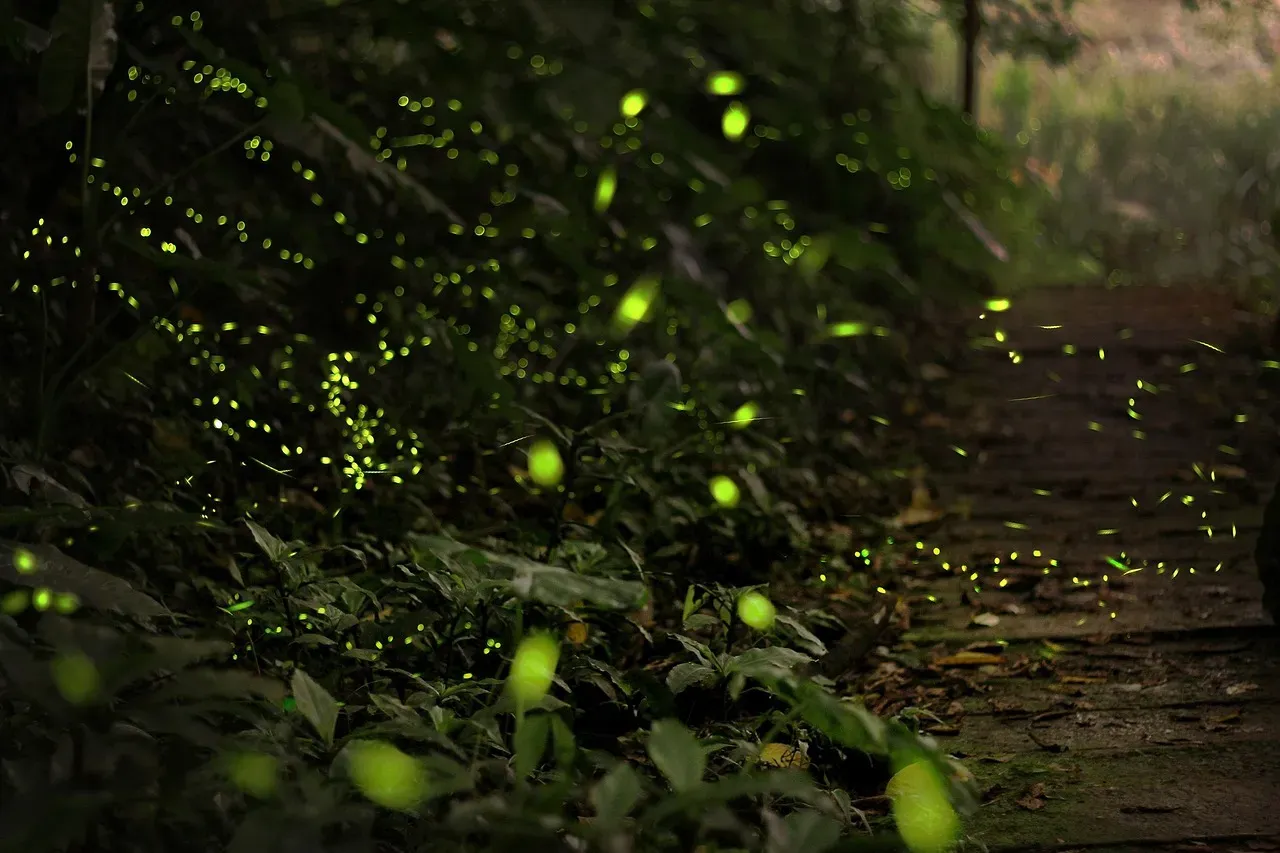
Fireflies light up summer nights using a chemical process known as bioluminescence, the key chemical players of which are the light-emitting compound luciferin and the enzyme luciferase.
Fireflies glow through a chemical reaction inside specialized light-producing organs in their abdomen. A molecule called luciferin combines with oxygen, powered by cellular energy, to produce light with almost no heat. The precision of the process is striking.
Luciferin breaks down in an oxidation reaction with the help of luciferase enzymes. This produces 1,2-dioxetane, an unstable compound that decomposes into carbon dioxide and ketones, which then release energy and lose their excited state by emitting light. Every flash is, at its core, a miniature chemistry experiment.
3. Firefly Light Is Extraordinarily Efficient
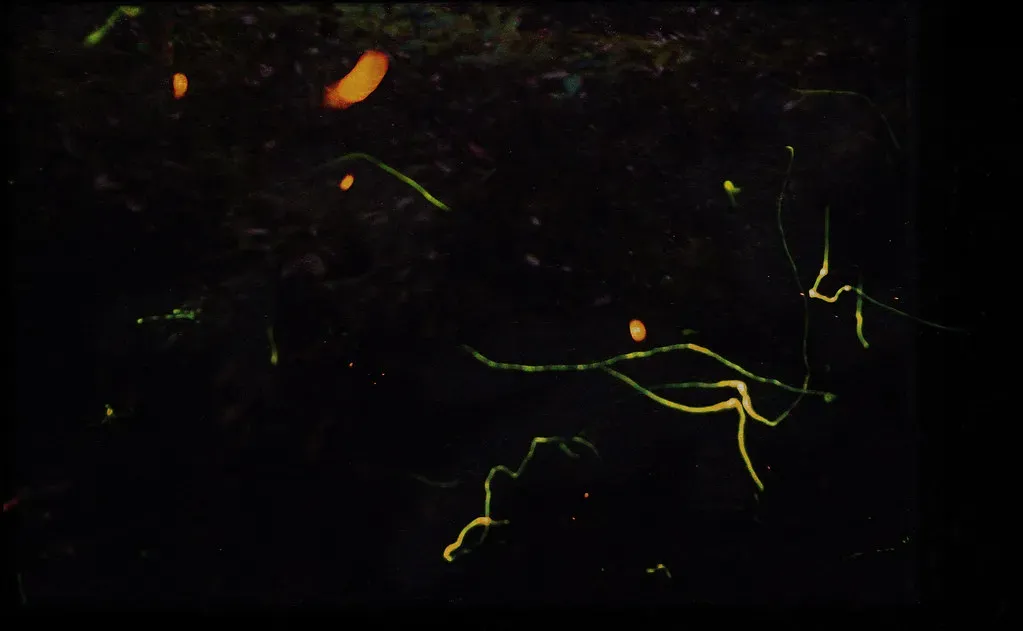
This cold, living light is almost 100 percent efficient, losing only a fraction of its energy to heat. By comparison, a standard incandescent light bulb is less than 10 percent efficient, and an LED ranges between 40 and 50 percent efficient.
The heat produced by a candle is 80,000 times greater than the amount of heat given off by a firefly’s light of the same brightness. That figure alone puts the engineering of modern lighting in perspective.
This extreme efficiency isn’t accidental. Fireflies must be more efficient to save energy. Their adult lives are short, and every flash has to count.
4. Nitric Oxide Controls the Flash Switch
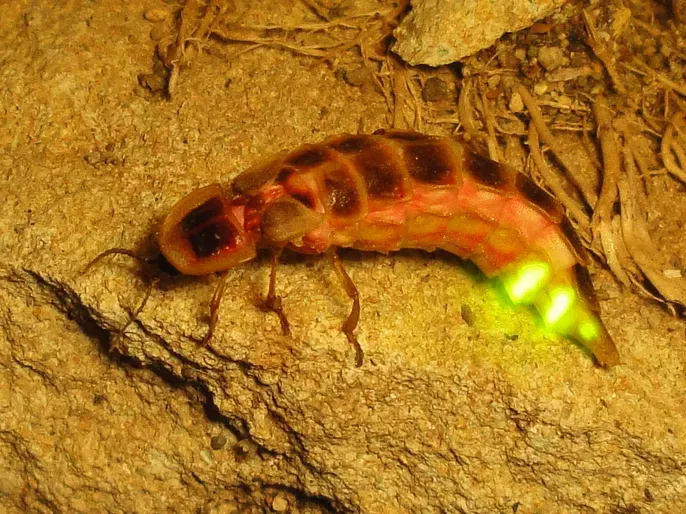
Researchers fairly recently learned that nitric oxide gas plays a critical role in firefly flash control. It’s one of those discoveries that sounds almost too simple to be true.
The presence of nitric oxide, which binds to the mitochondria, allows oxygen to flow into the light organ where it combines with the other chemicals needed to produce the bioluminescent reaction. Because nitric oxide breaks down very quickly, as soon as the chemical is no longer being produced, the oxygen molecules are again trapped by the mitochondria and are not available for the production of light.
This mechanism gives fireflies extraordinary timing control. This system gives fireflies the fine-grained timing they need to produce flashes lasting as short as 30 milliseconds. That’s faster than a human blink.
5. Each Species Has Its Own Flash Pattern
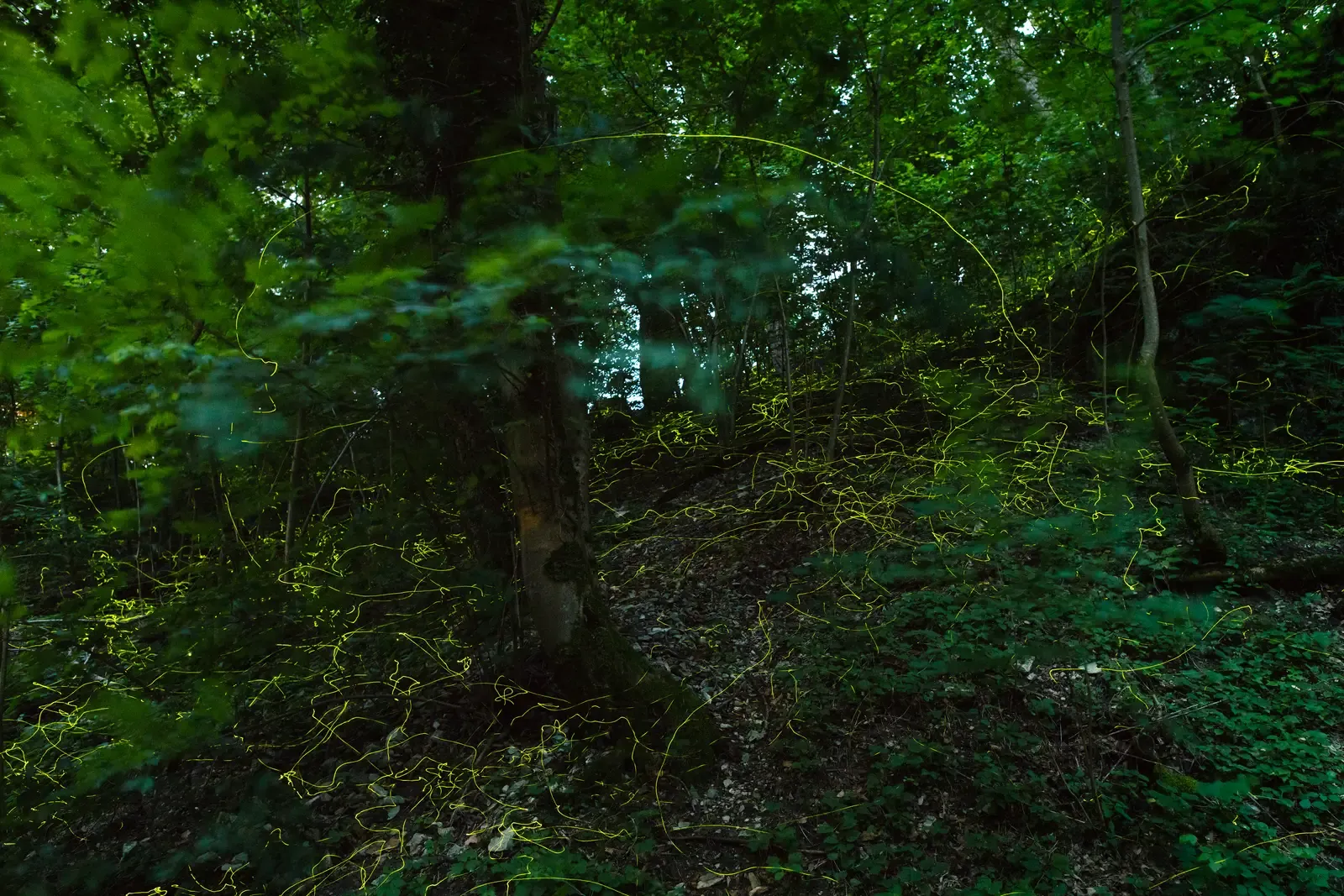
The rhythmic flashing patterns are species-specific signals that help males and females find each other in the dark. The timing and pattern of these flashes are crucial for successful mating, as they allow fireflies to recognize and respond to potential mates.
Each species uses a distinct combination of flash duration, frequency, and rhythm to avoid cross-species mating. It functions like a language that only members of the same species can decode.
Among three species studied in Taiwan, flying males flashed at rates ranging from about 1.2 flashes per second in one species to 4.4 flashes per second in another. Flash durations varied too, from as brief as 0.03 seconds to nearly 0.3 seconds depending on the species. The differences are measurable, consistent, and essential.
6. Females Are the Ones Choosing
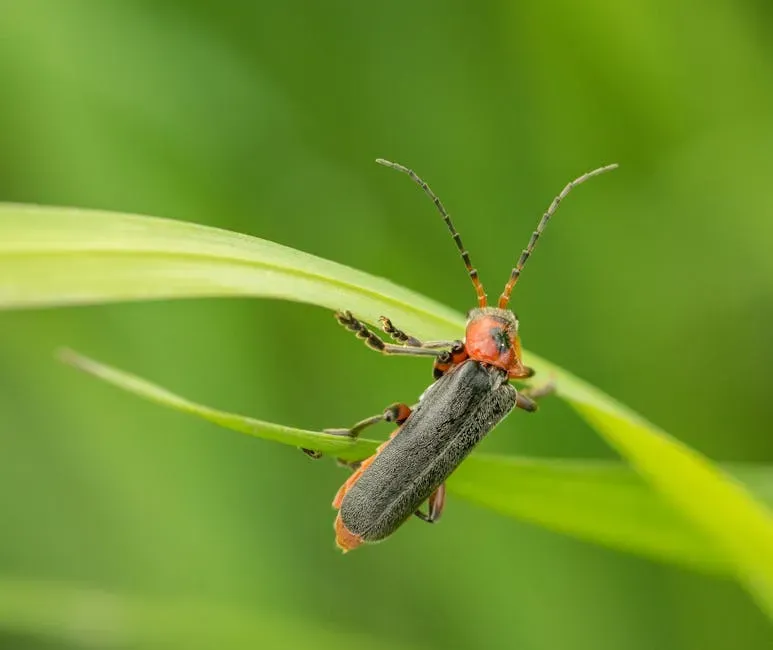
For adult fireflies, the primary purpose of flashing is finding a mate. Males typically fly through the air producing species-specific flash patterns while females perch on vegetation and respond with their own signals.
The courtship exchange is a two-way conversation. A male Photinus pyralis flies at dusk about three feet off the ground and every five seconds or so makes a one-second flash as he flies in the shape of a “J.” The female sits in low vegetation and, if she sees a fellow she likes, she waits two seconds before making a half-second flash of her own.
Intense male-male competition selects for males with larger lanterns that increase signal transmission distance. Selection would also favor males with larger eyes that increase the amount of photons captured in the night and improve the detection distance of the usually faint glows produced by the relatively scarce females. It’s a competitive world out there, even for beetles.
7. Some Fireflies Synchronize Their Flashes
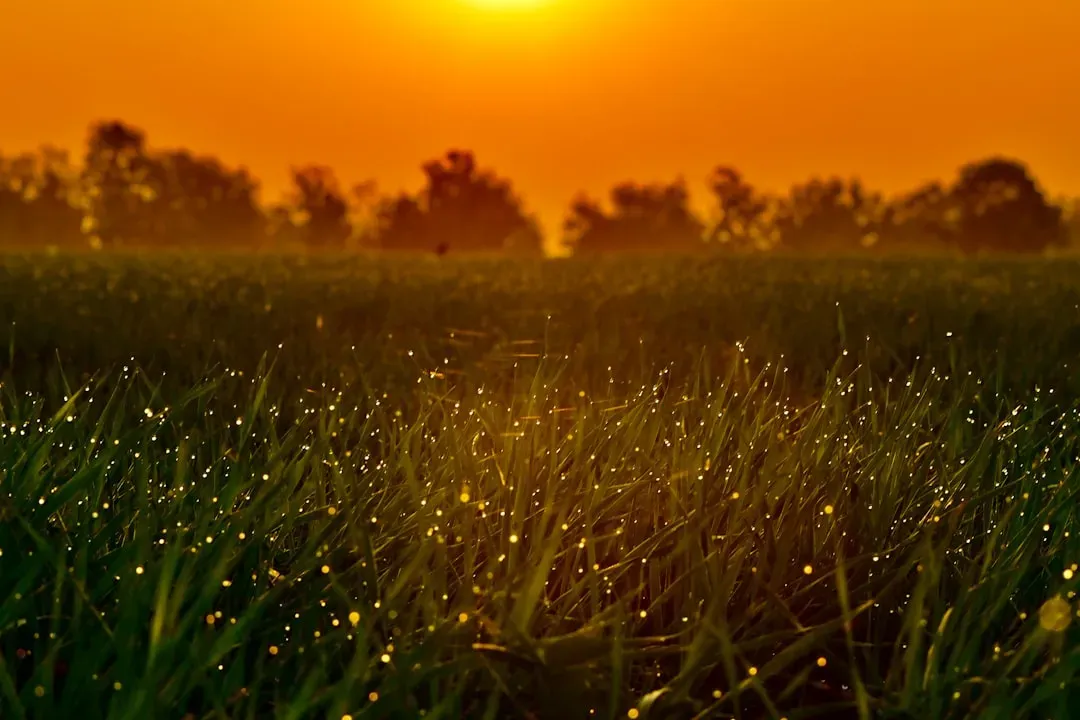
Some species of fireflies, including the Photinus carolinus of the Appalachian Mountains in the eastern US, synchronize their flashes with other fireflies nearby, helping males and females find each other during mating season.
Tropical fireflies routinely synchronize their flashes among large groups, particularly in Southeast Asia. At night along river banks in the Malaysian jungles, fireflies synchronize their light emissions precisely. Entire trees pulsing in unison is not a myth.
The synchronization of Smoky Mountain fireflies follows precise timing, with males typically flashing every six seconds in coordinated waves that ripple through the forest. This timing is so reliable that visitors can set their watches by it, with peak flashing occurring during specific two-week periods each year.
8. The “Femme Fatale” Firefly Is a Real Predator
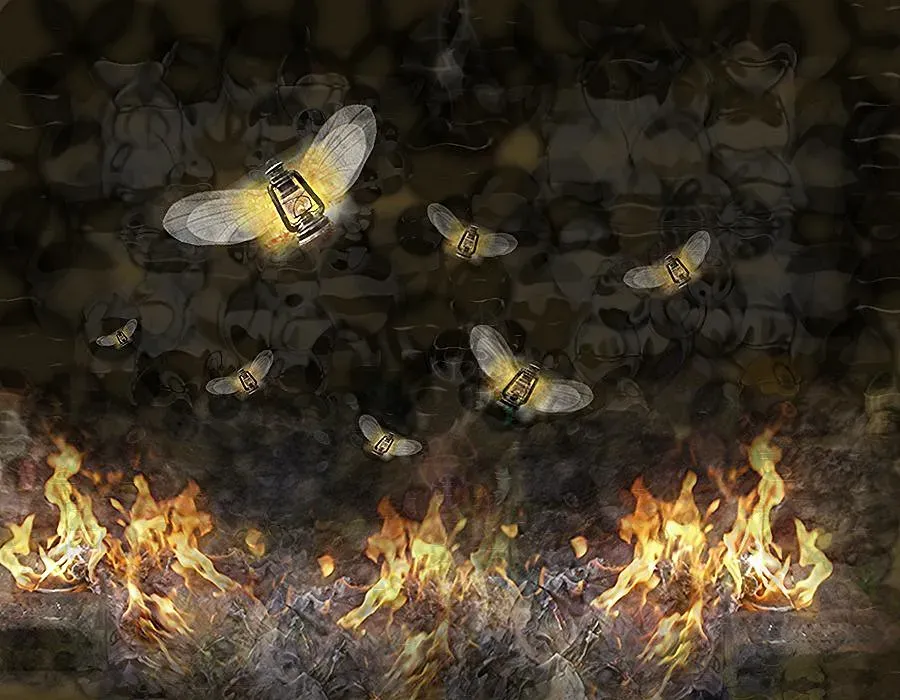
Female Photuris fireflies mimic the flashes of Photinus females, only to eat any males of the rival species that come to mate with them. Once she’s devoured her hapless suitor, the Photuris female transfers the prey’s lucibufagin into her bloodstream, stealing the toxin for herself.
The females of these big, long-legged lightning bugs, once they’ve mated, start mimicking the flashes of female Photinus and then eat the males that respond. These femme fatales go on to use the lucibufagins they acquire from ingesting their prey to protect themselves and their eggs from predators.
It’s a layered strategy: deception, predation, and chemical defense all rolled into a single behavior. The light that draws males in is also a weapon.
9. Their Glow Starts Before They’re Even Born
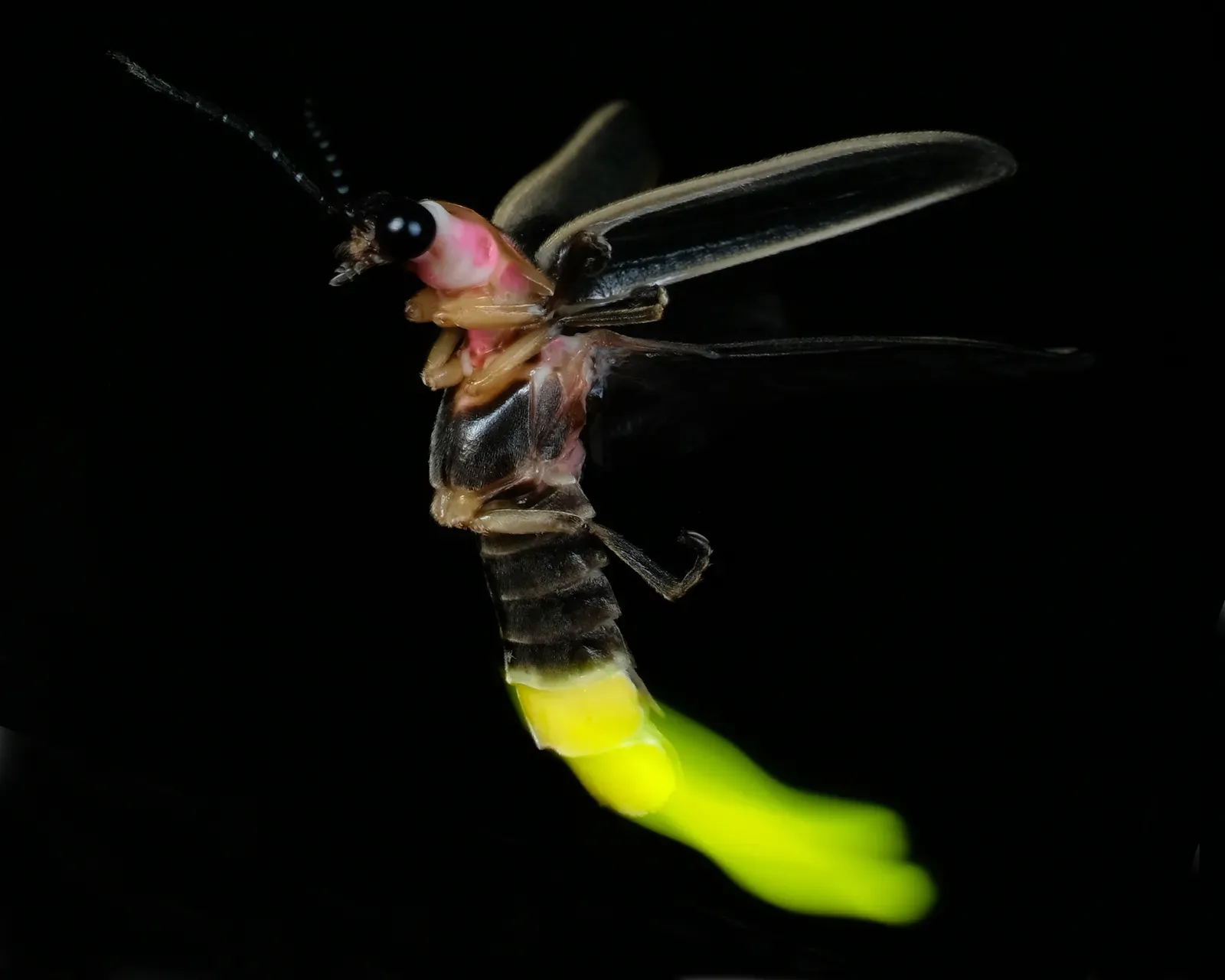
All known firefly species are bioluminescent in the larvae, with a common ancestor arising approximately 100 million years ago. The glow is ancient and deeply embedded in their biology.
Pupae, and even eggs, are able to make light, possibly as a signal to predators that they won’t make good eating, as some of them are poisonous due to chemicals called lucibufagins, which they synthesize from their diet.
Firefly eggs have been observed to flash in response to stimulus such as gentle tapping or vibrations. That a tiny, unhatched egg can produce a defensive flash is one of the stranger details in firefly biology.
10. Adult Fireflies Spend Most of Their Lives Underground
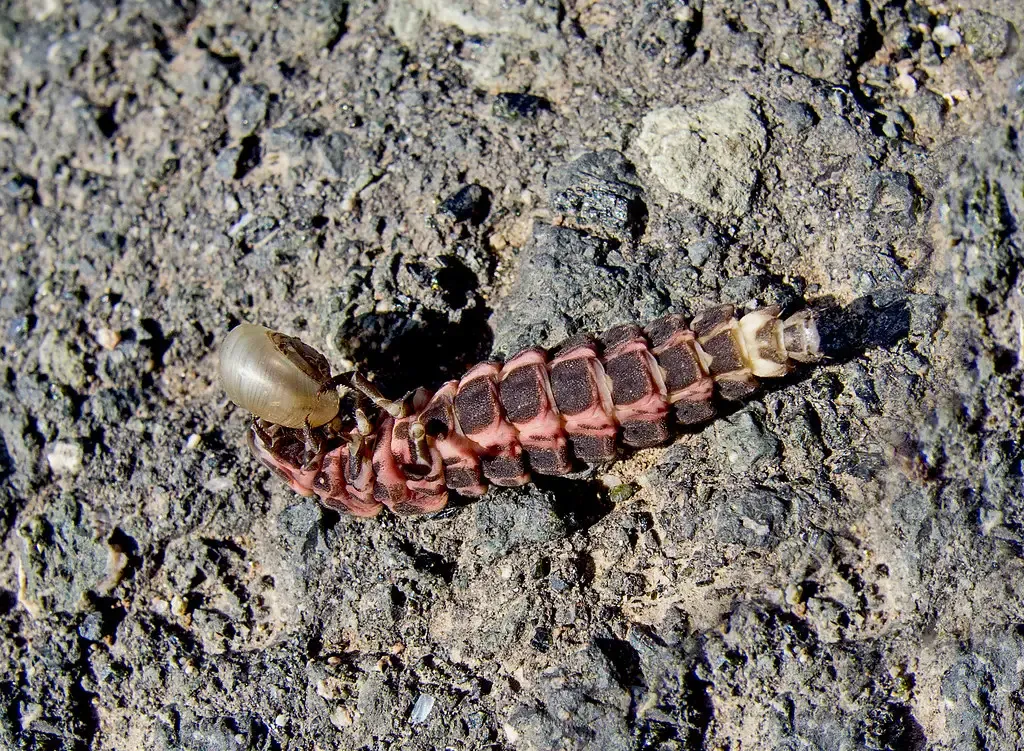
These insects spend most of their lives as larvae preying on earthworms and other animals in the soil or leaf litter, and most adults don’t feed at all. The glowing adult stage is really just the finale of a much longer story.
Fireflies start as eggs in the ground and then quickly grow into larvae, sometimes called glowworms, which can spend up to several years underground. In contrast, an adult firefly’s lifespan is just one to three weeks.
Adults of many species, such as the common glowworm (Lampyris noctiluca), are born only to mate and lay eggs, and they do not feed at all. They emerge, find a partner, and disappear. The brevity is part of what makes a summer evening full of fireflies feel so fleeting.
11. Firefly Larvae Are Surprisingly Fierce Hunters
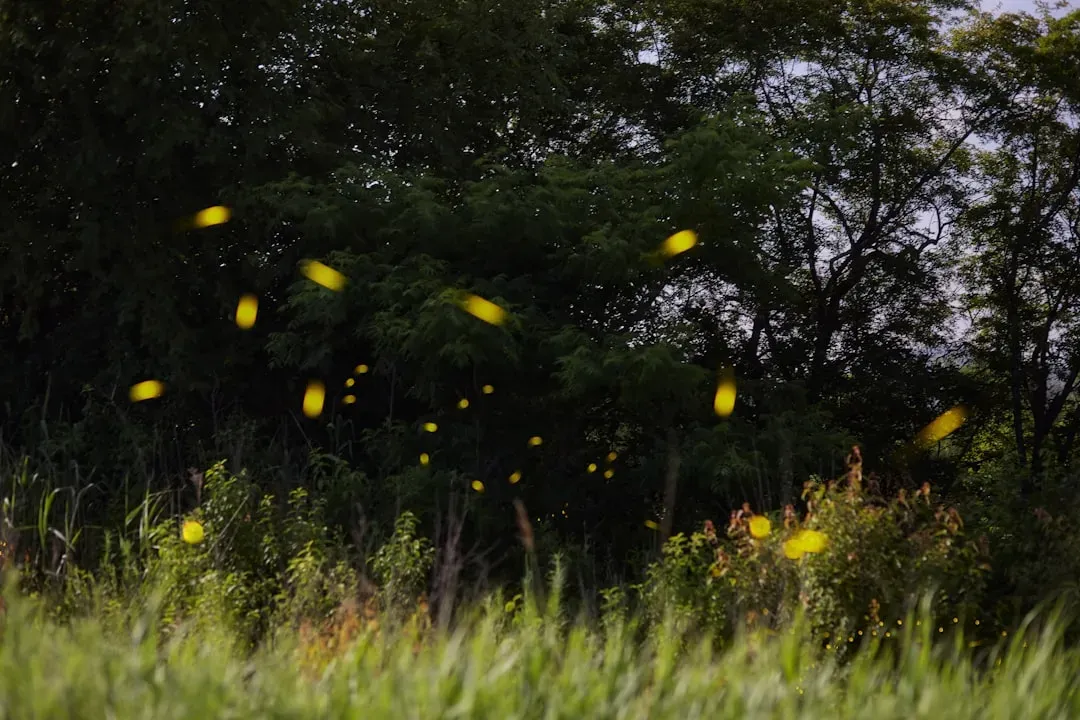
In their larval stage, fireflies are carnivorous. They eat soft-bodied insects that live on or in the ground, like snails, slugs, worms, or other larvae.
Firefly larvae use a clever hunting strategy to capture and consume their prey. When they find a suitable target, they use their sharp mouthparts to bite and inject digestive enzymes or paralytic chemicals into the prey’s body. These chemicals help immobilize the prey and break down its tissues.
Fireflies, as well as their larvae, help to control garden pests like snails, slugs, cutworms, and aphids. They’re one of the more useful garden allies most people never think about.
12. Their Light Colors Vary Across Species
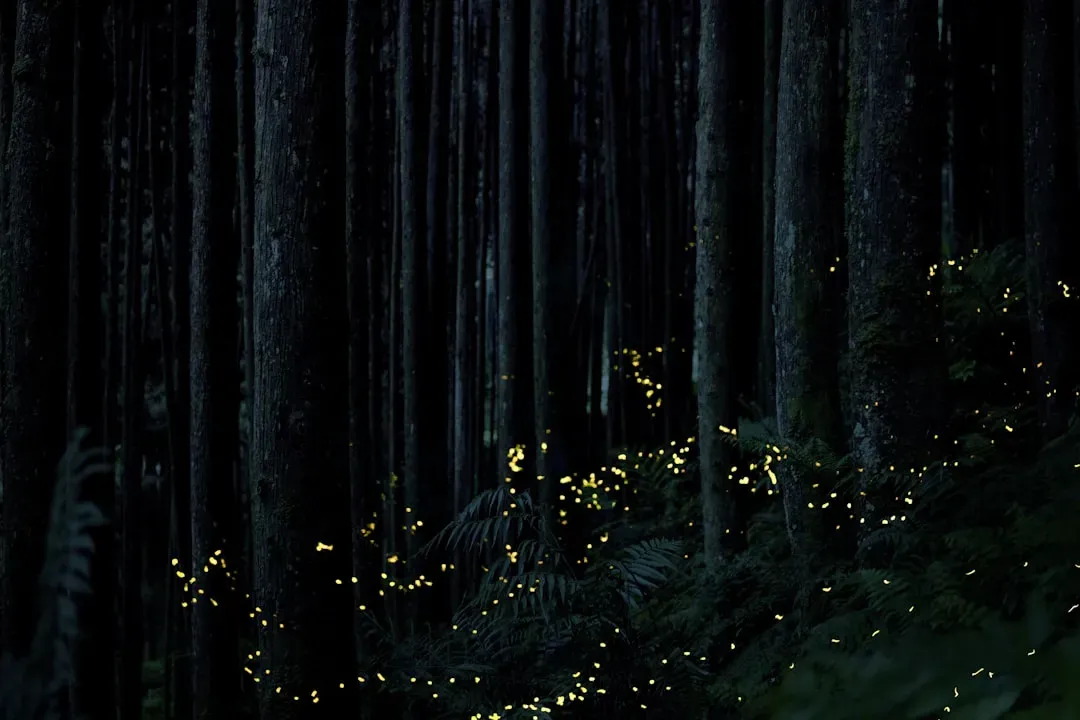
The color of firefly bioluminescence is determined by the structure of luciferase. Firefly luciferase genes have been isolated from more than 30 species, producing light ranging in color from green to orange-yellow.
A lightning bug’s flash can be yellow, green, or even blue. The color isn’t just aesthetic. It’s structural, determined by molecular-level differences in the enzyme itself. The light produced typically falls in the yellow-green range, between 550 and 570 nanometers.
Some species have evolved to match the color range that travels best in their specific environment, whether dense forest or open field. The diversity of colors across species is still an active area of research.
13. Firefly Luciferase Has Transformed Biomedical Research
Firefly luciferase from Photinus pyralis is one of the most widely used reporter proteins in biomedical research. The connection between a summer insect and a hospital laboratory is not obvious, but it’s real.
In diseased cells, the amount of ATP may be abnormal. If the chemicals from fireflies are injected into diseased cells, they can detect changes in cells that can be used to study many diseases, from cancer to muscular dystrophy.
After intravenous injection of luciferin in living mice, luciferase-expressing cells can be tracked noninvasively by using a bioluminescence imager. Unlike fluorescence imaging, there is no endogenous background signal. Studies on living mice demonstrated that the recruitment of luciferase-expressing stem cells to cerebral infarcts can be visualized and assessed in a quantitative manner. The same chemistry that lights up a meadow is helping scientists understand the brain.
14. Light Pollution Is Silencing Their Conversations
Firefly populations are declining globally due to factors such as habitat destruction, pesticide use, and light pollution. Light pollution can disrupt the mating signals of fireflies, leading to decreased reproduction rates.
For fireflies, light pollution interferes with their attempts to signal each other. When background light drowns out their flashes, the whole communication system breaks down. If artificial light masks bioluminescent signals, increases in predation rates and decreases in mate success could cause firefly populations to rapidly decline.
Eighteen species now face extinction in the United States, and many more globally, due to a combination of light pollution, pesticide use, loss of habitat, and other factors. Simple measures like reducing outdoor lighting and preserving moist, wooded habitats can make a genuine difference.
Conclusion: A Small Light Worth Protecting

Fireflies occupy a strange position in the natural world. They’re small, their adult lives are brief, and most of their existence happens underground, out of sight. Yet the few weeks they spend flashing in the dark have inspired folklore across cultures, driven meaningful scientific discoveries, and offered one of nature’s more honest demonstrations of elegant chemistry.
The fact that their light is nearly perfectly efficient, that it encodes species identity, and that it’s now helping researchers image tumors in living animals says something important: complex and useful things often come in inconspicuous forms.
Keeping a summer night quiet and dark enough for fireflies to find each other seems like a small ask. It’s also, it turns out, a meaningful one.
