


America’s diverse freshwater ecosystems are home to an astonishing variety of fish species. From the crystal-clear streams of the Appalachians to the mighty Mississippi River and the pristine lakes of Minnesota, the United States boasts some of the most remarkable freshwater habitats in the world. For fishing enthusiasts, nature lovers, and curious observers alike, identifying the fish that inhabit these waters adds another dimension to appreciating America’s natural heritage. This guide explores 15 freshwater fish species you can encounter across the United States, detailing their distinctive features, habitats, and interesting behaviors.
Largemouth Bass America’s Iconic Gamefish

The Largemouth Bass (Micropterus salmoides) is perhaps America’s most recognizable freshwater fish and a prized catch among anglers nationwide. Distinguished by its large mouth that extends beyond the eye when closed and its olive-green body with a dark horizontal stripe, this predator can reach weights of over 20 pounds. Largemouth bass inhabit warm, vegetated waters in all 48 contiguous states, thriving in lakes, ponds, and slow-moving rivers. They’re ambush predators, hiding among underwater structures before explosively striking at prey. Their remarkable adaptability has led to their introduction worldwide, though their native range covers the eastern and central United States. The species’ popularity has spawned a multi-billion dollar bass fishing industry and numerous conservation efforts to ensure healthy populations.
Rainbow Trout Cold Water Beauties

The Rainbow Trout (Oncorhynchus mykiss) stands as one of North America’s most beautiful freshwater fish. Their distinctive pink-to-red lateral stripe runs down their sides, complemented by a body adorned with black spots. Native to cold-water tributaries of the Pacific Ocean, rainbow trout have been introduced to nearly every state with suitable habitat. These fish thrive in clear, cold streams and lakes with temperatures below 70°F, making them abundant in mountain waterways across the country. Reaching sizes of 4-6 pounds in the wild (though much larger in some environments), rainbow trout are both ecologically significant and recreationally important. They feed primarily on aquatic insects, smaller fish, and crustaceans. Their popularity among anglers has led to extensive stocking programs, making them one of the most widely distributed gamefish in America.
Bluegill The Common Sunfish
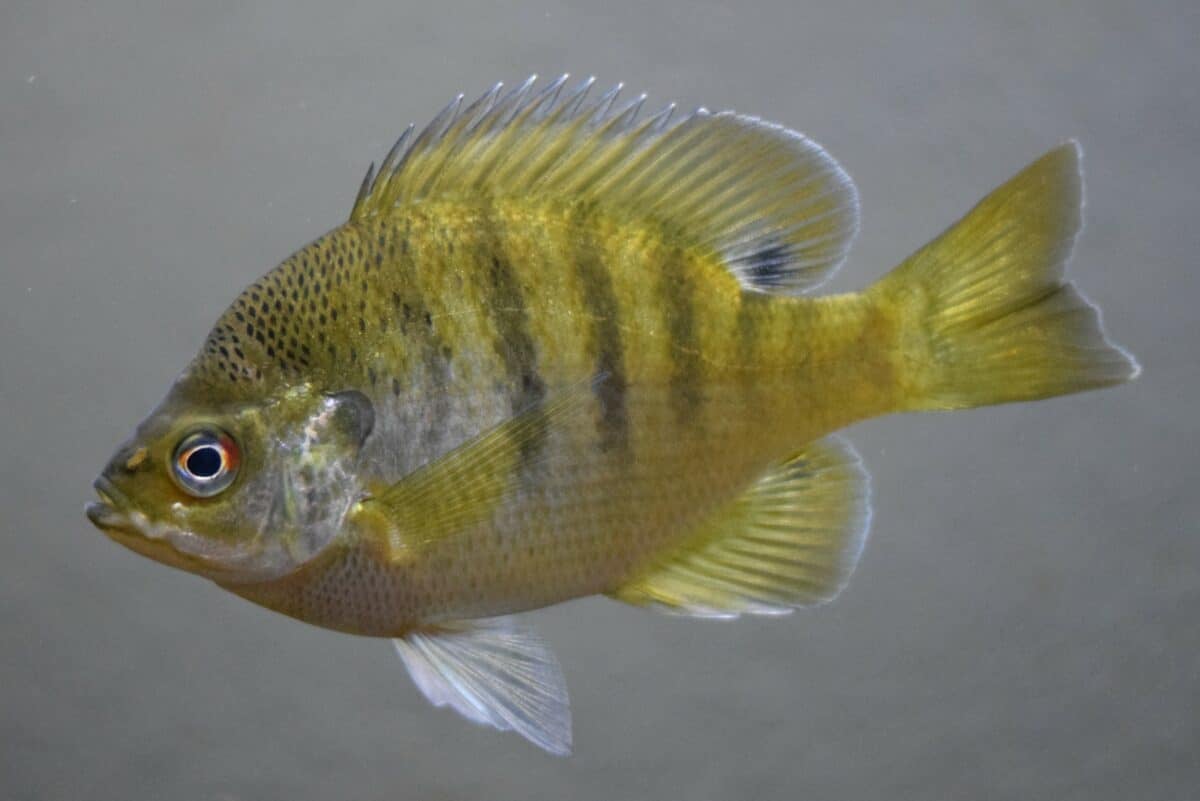
Bluegill (Lepomis macrochirus) are among the most common and recognizable panfish in American waters. These small but spirited fish are characterized by their deep, compressed bodies, small mouths, and the distinctive blue or black “ear flap” on their gill covers. Adult bluegills typically display vertical dark bars on their sides and a yellow to orange belly. Rarely exceeding 12 inches or 2 pounds, these fish nonetheless offer excellent sport on light tackle and delicious table fare. Bluegills inhabit nearly every state, thriving in warm, vegetated areas of lakes, ponds, and slow rivers. They’re social creatures often found in schools, and their nesting colonies—where males create and guard circular depressions in shallow water—are a common sight during spring and summer months. For many Americans, bluegill represent their first fishing experience, earning these humble fish an important place in the nation’s outdoor heritage.
Channel Catfish Whiskered Bottom-Dwellers
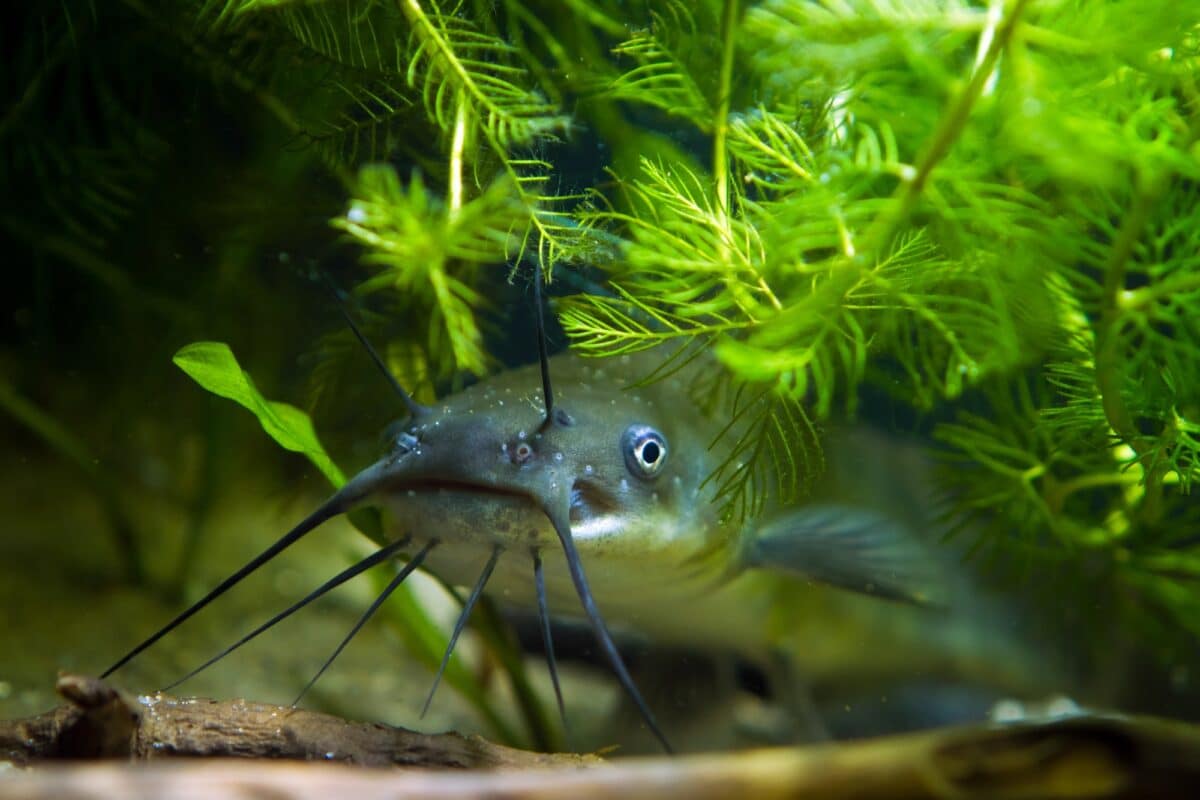
The Channel Catfish (Ictalurus punctatus) is America’s most widespread catfish species, recognizable by its forked tail, spotted body, and prominent whisker-like barbels. These bottom-dwelling fish can be found in almost every major river system and many lakes across the United States. Adaptable and hardy, channel catfish thrive in diverse environments from clear, flowing streams to muddy reservoirs. They typically reach 2-4 pounds in most waters, though specimens exceeding 20 pounds aren’t uncommon in prime habitats. Channel catfish are primarily nocturnal feeders, using their sensitive barbels to locate food in dark or murky conditions. Their diet includes everything from insects and crustaceans to smaller fish and plant matter. These catfish hold immense cultural significance, particularly in the South and Midwest, where catfishing is deeply embedded in regional traditions and “catfish fries” remain popular community events. Additionally, channel catfish support a substantial aquaculture industry, with farm-raised catfish representing one of America’s most consumed seafood products.
Northern Pike Freshwater Predators
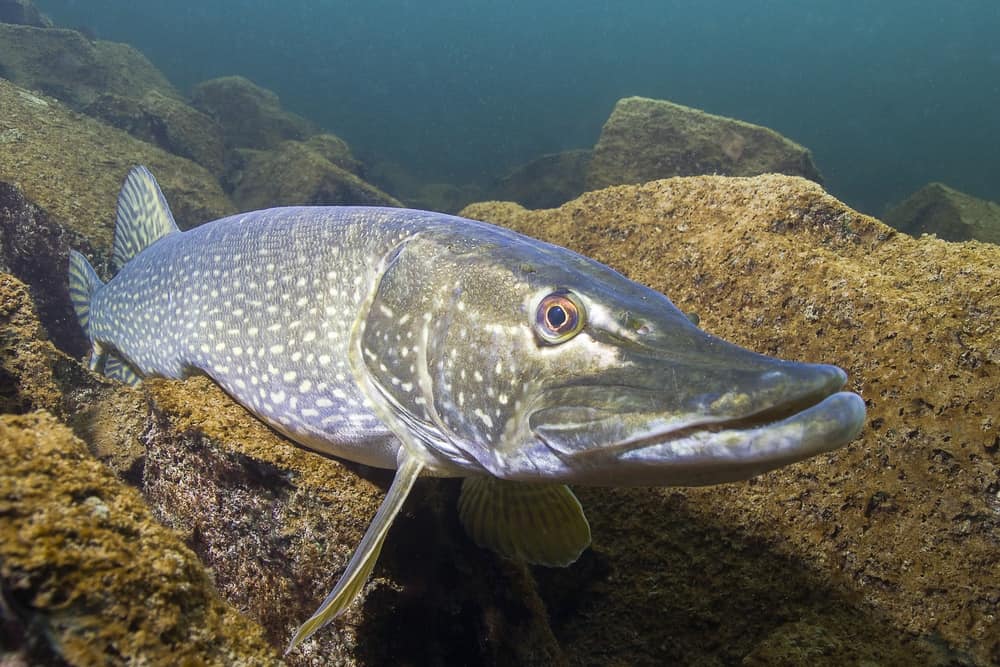
The Northern Pike (Esox lucius) is one of North America’s most formidable freshwater predators, instantly recognizable by its elongated body, duck-bill-shaped snout, and numerous sharp teeth. These ambush hunters can exceed 40 inches and 20 pounds, though much larger specimens are documented. Northern pike inhabit cool lakes and rivers across the northern United States, particularly in Minnesota, Wisconsin, Michigan, and New York. Their bodies display a pattern of light spots on a dark background, providing excellent camouflage among aquatic vegetation where they lie in wait for prey. Pike are known for their explosive strikes and powerful fights when hooked. They’re typically solitary hunters, feeding primarily on fish but occasionally taking small mammals, birds, and amphibians. While prized by some anglers for their sporting qualities and table value, pike can become problematic when introduced to waters outside their native range, potentially disrupting local ecosystems through their voracious predation. The species exhibits remarkable cold tolerance, making them particularly active under ice, where they provide exciting winter fishing opportunities.
Smallmouth Bass The Bronzeback Fighter
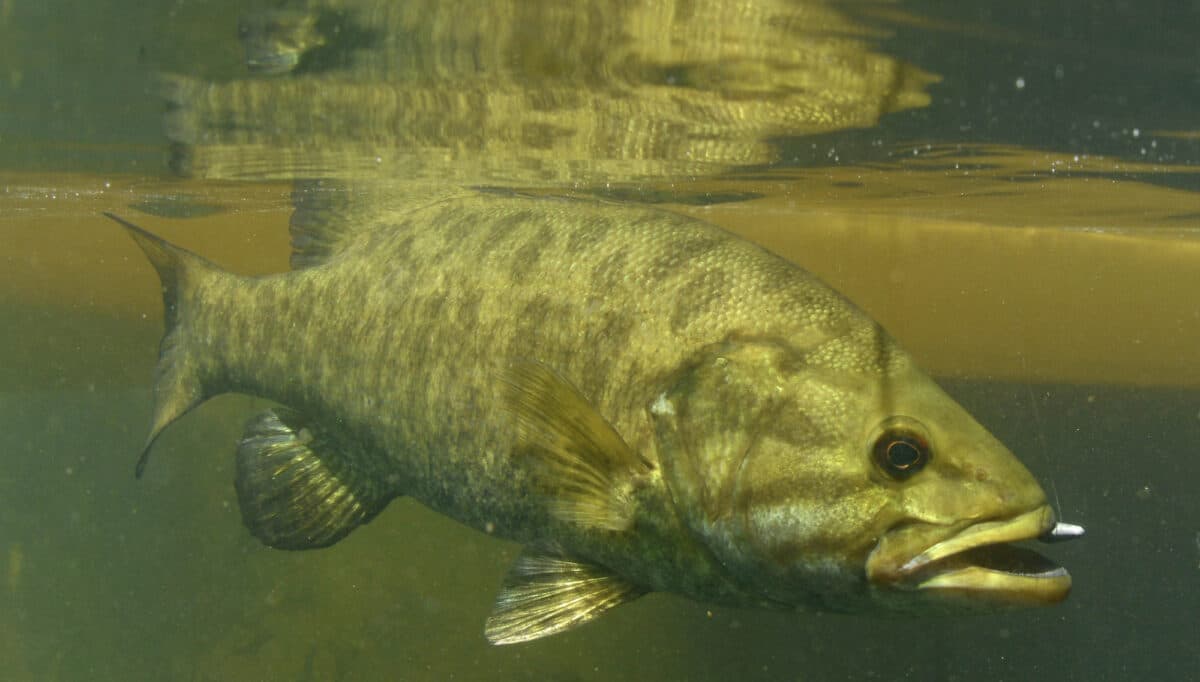
Smallmouth Bass (Micropterus dolomieu), often called “bronzebacks” for their brown-bronze coloration, are renowned among anglers as pound-for-pound one of the hardest fighting freshwater fish in America. Unlike their largemouth cousins, smallmouth bass have a mouth that doesn’t extend beyond the eye and display vertical dark bars rather than a horizontal stripe. They prefer clearer, cooler waters with rocky or gravel bottoms, making them abundant in northern lakes and flowing rivers with suitable habitat. Native to the Great Lakes, St. Lawrence River, and Mississippi River basins, smallmouth have been successfully introduced throughout much of the United States. They typically weigh 2-4 pounds at maturity, though trophy specimens can exceed 8 pounds. Smallmouth bass feed primarily on crayfish, insects, and smaller fish, and are known for their acrobatic fights when hooked, often leaping repeatedly from the water. The species has demonstrated particular sensitivity to water quality, making them important biological indicators of ecosystem health in the watersheds they inhabit.
Walleye Night-Vision Specialists

The Walleye (Sander vitreus) stands as one of North America’s most sought-after freshwater gamefish, prized both for its fighting qualities and unmatched table fare. These fish are easily identified by their olive-gold coloration, white-tipped lower tail lobe, and most distinctively, their large, pearly eyes. These specialized eyes contain a reflective layer called the tapetum lucidum, which enhances their vision in low-light conditions and creates an eerie glow when illuminated at night. Walleye are native to the Great Lakes, Mississippi River Basin, and much of Canada, thriving in deeper, cooler lakes and rivers throughout the northern United States. Adult walleye typically range from 2-8 pounds, though specimens exceeding 10 pounds are caught annually. They’re primarily fish eaters, though they also consume insects and crayfish. Walleye exhibit seasonal movements, often found in deeper water during summer months and moving shallower during spring spawning runs. The species holds immense cultural and economic importance in states like Minnesota, Wisconsin, and Ohio, where walleye fishing drives significant tourism and supports commercial fisheries on larger bodies of water.
Brook Trout America’s Native Char

The Brook Trout (Salvelinus fontinalis) holds a special place in American fishing heritage as the only native trout species to the Eastern United States. Technically a char rather than a true trout, “brookies” are immediately recognizable by their dark olive-green backs with distinctive worm-like markings, orange-red spots with blue halos on their sides, and striking orange fins with black and white borders. These fish inhabit the coldest, cleanest waters in America, primarily mountain streams, spring-fed ponds, and cold lakes throughout the Appalachian range and the upper Midwest. Brook trout rarely exceed 2-3 pounds in most natural settings, though lake-dwelling specimens called “coasters” can grow considerably larger. They’re exceptionally sensitive to environmental changes, making them important indicators of watershed health. Their presence often signals pristine water quality. Brook trout have faced significant challenges from habitat degradation, introduced species competition, and climate change, leading to numerous conservation efforts to protect remaining populations. For many fly anglers, catching native brook trout from remote mountain streams represents a connection to America’s unspoiled natural heritage.
Crappie Popular Panfish
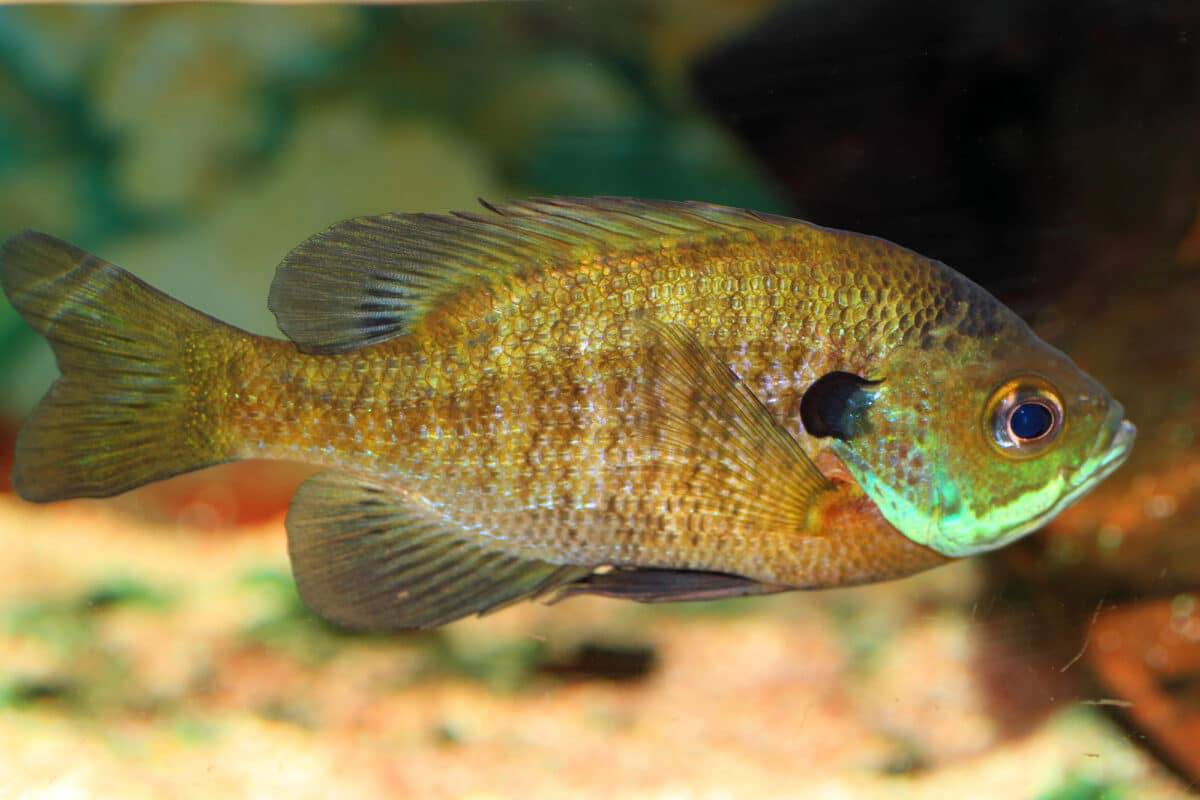
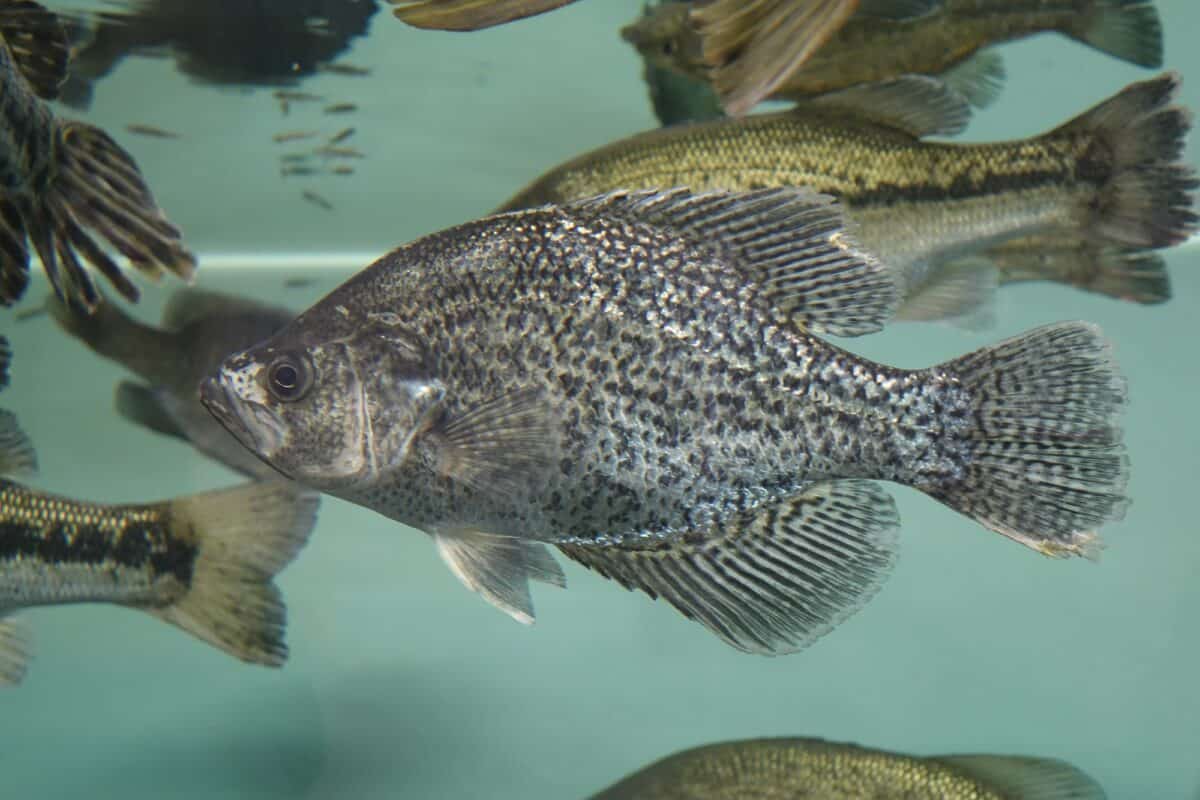
Crappie, comprising both Black Crappie (Pomoxis nigromaculatus) and White Crappie (Pomoxis annularis), are among America’s most popular panfish species. These members of the sunfish family feature laterally compressed, disc-shaped bodies with large dorsal fins and speckled patterns. Black crappie typically display irregular dark mottling on a silver-green background, while white crappie show more distinct vertical bands. Found in lakes, reservoirs, and backwaters throughout most of the eastern two-thirds of the United States, crappie thrive around submerged structure and vegetation. They typically weigh between half a pound to two pounds, though larger “slabs” exceeding three pounds are celebrated catches. Crappie are schooling fish that feed primarily on small fish and invertebrates, often suspending at specific depths related to water temperature and food availability. Their exceptional taste has earned them the nickname “papermouths” due to their tender mouth tissues. Crappie fishing peaks during spring spawning periods when the fish move to shallow areas, creating a seasonal tradition for countless American anglers. In many southern and midwestern states, crappie represent a significant economic resource through recreational fishing and associated tourism.
Muskellunge The Fish of 10,000 Casts
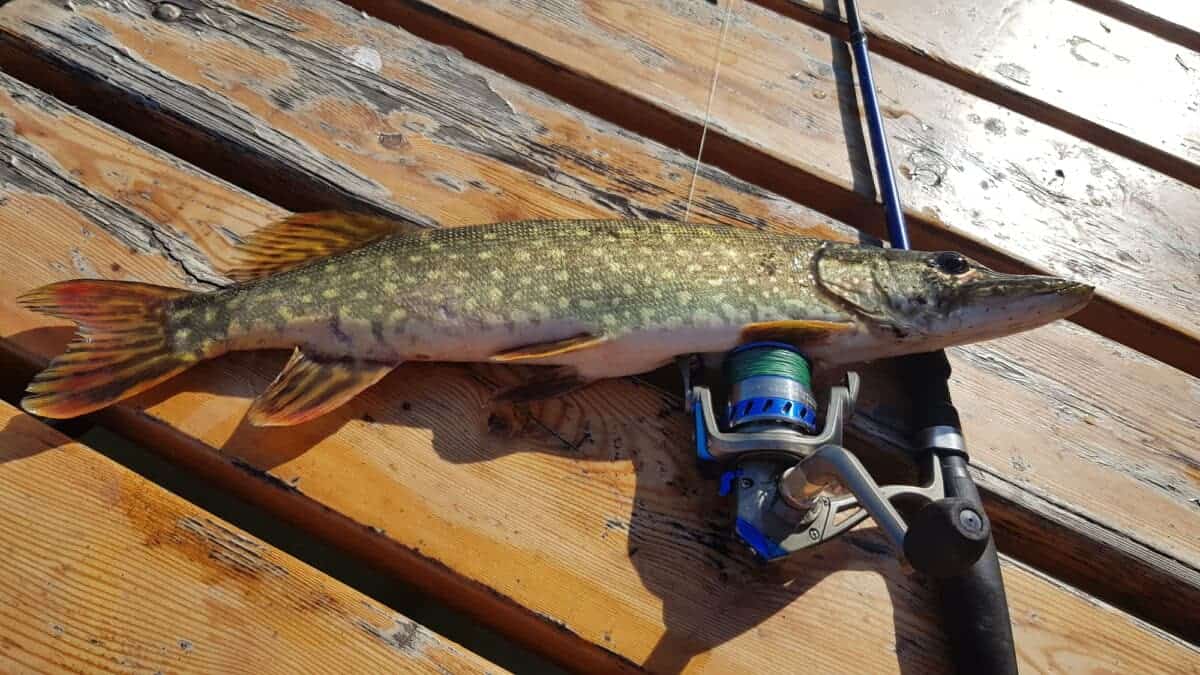
The Muskellunge (Esox masquinongy), commonly known as “muskie,” represents the ultimate trophy for many freshwater anglers, earning the nickname “the fish of 10,000 casts” due to the dedication required to catch one. These apex predators are the largest members of the pike family, capable of exceeding 50 inches and weighing over 50 pounds. Muskies feature an elongated body with a flattened snout, powerful jaws lined with sharp teeth, and a pattern of dark markings on a light background—the opposite patterning of their pike relatives. Their native range centers on the Great Lakes region, upper Mississippi River watershed, and St. Lawrence River drainage, though stocking programs have expanded their presence in suitable waters. Muskies are ambush predators, often associating with structural elements like weedbeds, points, and submerged wood. Their diet consists primarily of fish, though larger specimens occasionally take waterbirds and small mammals. Conservation efforts for muskellunge have intensified in recent decades, with many states implementing strict catch-and-release regulations and size limits to protect these slow-growing, relatively rare predators. For those fortunate enough to encounter one, the muskie’s aggressive strikes and powerful runs create fishing memories that last a lifetime.
Flathead Catfish River Giants

The Flathead Catfish (Pylodictis olivaris) stands as one of America’s largest freshwater sportfish, capable of reaching truly impressive dimensions. These river giants can exceed 100 pounds, with their broad, flattened heads and protruding lower jaws giving them an unmistakable appearance distinct from other catfish species. Their coloration ranges from yellowish-brown to mottled olive and brown, helping them blend perfectly with the river bottoms they inhabit. Native to the Mississippi, Missouri, and Ohio River basins, flatheads prefer large rivers with deep holes, undercut banks, and substantial woody cover. Unlike many catfish that scavenge opportunistically, flatheads are almost exclusively predatory, feeding primarily on live fish, crayfish, and other aquatic creatures. They’re predominantly nocturnal, becoming most active during nighttime hours when they leave their daytime lairs to hunt. The species has been introduced beyond its native range, sometimes with negative ecological consequences as they can significantly impact native fish populations through predation. Targeting trophy flatheads has developed into a specialized pursuit, with dedicated anglers using heavy tackle and live baits during overnight fishing sessions. In many river communities across the central and southern United States, stories of enormous “river cats” are woven into local folklore.
Common Carp Controversial Immigrants
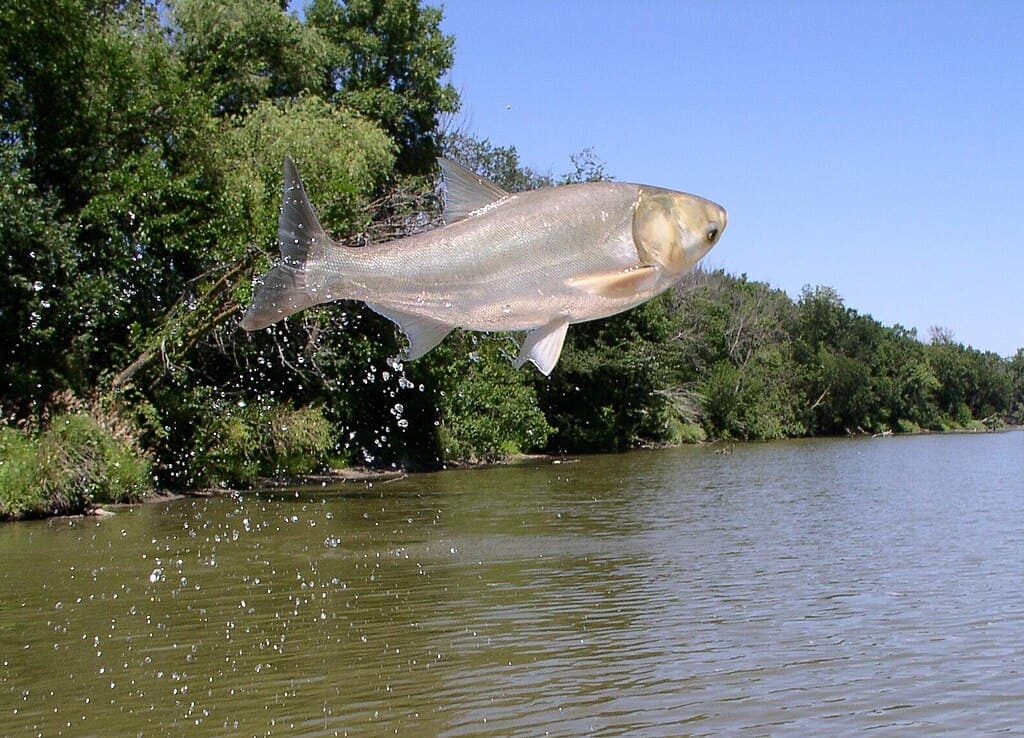
The Common Carp (Cyprinus carpio) represents one of America’s most widespread yet controversial fish species. Originally introduced from Europe in the 1800s as a food fish, these large, bronze-colored members of the minnow family now inhabit virtually every state. Adult common carp are easily identified by their deep bodies, downturned mouths with barbels, and large scales that often display a golden sheen. They typically weigh between 5-15 pounds, though specimens exceeding 30 pounds are not uncommon in productive waters. Carp are exceptionally adaptable, tolerating polluted conditions and low oxygen levels that many native species cannot survive. They’re omnivorous bottom-feeders, using their protrusible mouths to vacuum sediments and sift out food items—a feeding strategy that often increases water turbidity by stirring up bottom materials. This behavior, along with their habit of uprooting aquatic vegetation, has earned them pest status in many watersheds where they’ve altered habitat conditions. Despite their mixed reputation in North America, carp are highly regarded sportfish in Europe and Asia, where specialized “carp angling” techniques have gradually gained popularity among some American anglers as well. Several states now promote carp fishing tournaments as a management tool to reduce populations while creating recreational opportunities.
Yellow Perch Ubiquitous Panfish

The Yellow Perch (Perca flavescens) represents one of North America’s most widely distributed and beloved panfish species. These fish display a distinctive appearance with bright golden-yellow sides marked by 6-9 dark vertical bands, vibrant orange-red lower fins, and a slightly forked tail. Typically measuring 6-10 inches and weighing under a pound, trophy specimens can occasionally reach 2 pounds or more. Yellow perch inhabit lakes, ponds, and slow-moving rivers throughout the northern United States, with particular abundance in the Great Lakes region and Upper Midwest. They’re schooling fish that prefer moderately deep water with some vegetation or structure, often suspending at specific depths determined by water temperature and food availability. Their diet consists primarily of aquatic insects, crustaceans, and smaller fish. Yellow perch hold special significance in northern states like Wisconsin and Minnesota, where “perch fishing” through the ice represents an important winter tradition. Their firm, mild white fillets are widely considered among the finest-tasting freshwater fish, leading to both recreational and commercial harvest in some larger lakes. The species displays cyclical population patterns, with strong year-classes often dominating fisheries for several seasons before being replaced by newer generations.
Freshwater Drum The Thundering Fish
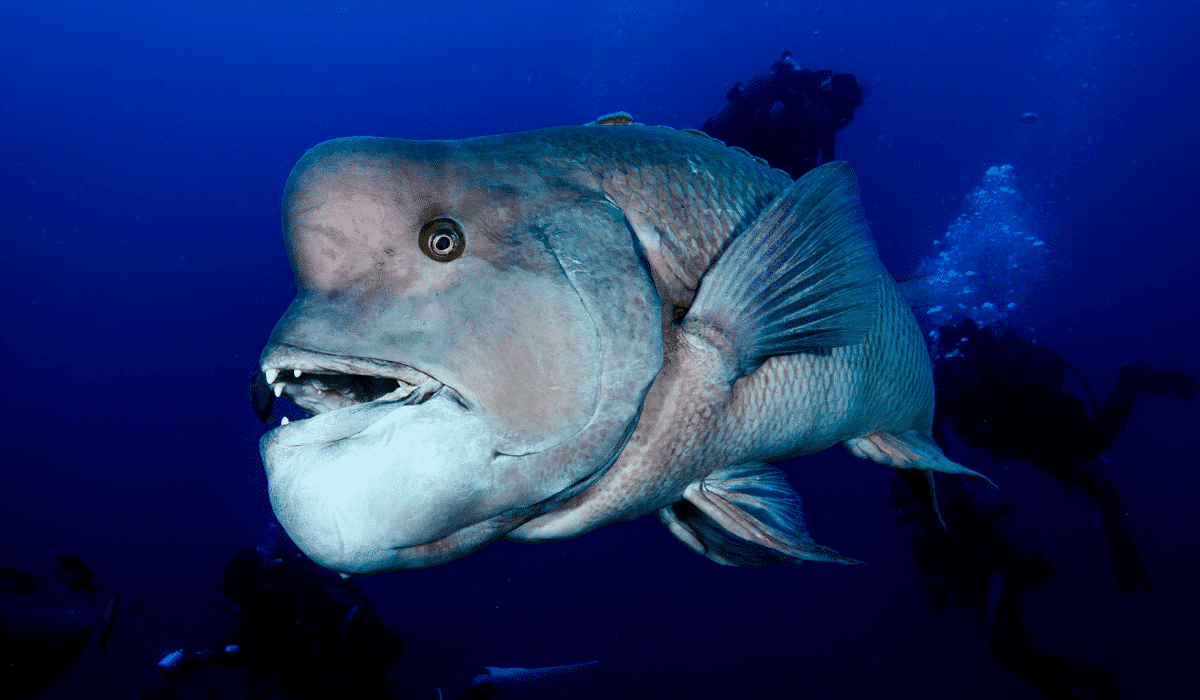
The Freshwater Drum (Aplodinotus grunniens), also known as sheepshead, is among America’s most widespread yet underappreciated native fish species. These silver-gray fish with distinctive humped backs and downward-pointing mouths inhabit a vast range spanning from the Great Lakes to the Gulf of Mexico, including virtually all major river systems between. Their most unusual feature lies in their specialized ear stones (otoliths), which are among the largest and hardest of any freshwater fish—early settlers used these pearly stones as good luck charms. Freshwater drum typically weigh 2-5 pounds, though specimens exceeding 20 pounds are occasionally caught. They derive their name from the distinctive drumming or grunting sounds males produce by contracting muscles against their swim bladder, particularly during spawning season. The resulting sound can sometimes be heard by boaters above the water. Drum are bottom-feeders, using sensitive chin barbels to locate prey including mollusks, crayfish, and aquatic insects.
Conclusion:
America’s freshwater fish represent more than just targets for sport or food—they embody the complexity, resilience, and ecological richness of the nation’s waterways. From the cold, clear mountain streams that shelter native brook trout to the warm southern rivers where flathead catfish grow to massive sizes, each species plays a role in its respective ecosystem. These 15 fish illustrate the vast diversity of form, behavior, and adaptation found in U.S. freshwater habitats. Whether you’re an angler, a nature photographer, or simply someone who appreciates wildlife, learning to identify and understand these fish deepens your connection to the natural world. As environmental challenges mount, from pollution to climate change, recognizing and protecting these remarkable species becomes not just a hobby—but a responsibility.

As a little kid, I fell in love with nature, wildlife, and animals. Living in the USA, South Africa, Italy, China and Germany gave me the opportunity to discover the world's Wildlife. My favorite animals are Mountain Gorillas, Siberian Tigers, and Great White Sharks.
I'm a certified PADI Open Water Diver, went to Everest Base Camp and Trekked Gorillas in Uganda. I hold a Master of Science in Economics and Finance.
Please send any feedback to feedback@animalsaroundtheglobe.com
- Chameleons Change Color for More Than Just Camouflage and Here is Why - June 26, 2026
- 13 Reasons Rescue Dogs Deserve a Second Chance - June 26, 2026
- 12 Creatures That Glow in the Dark and Why It Helps Them Survive - June 26, 2026