
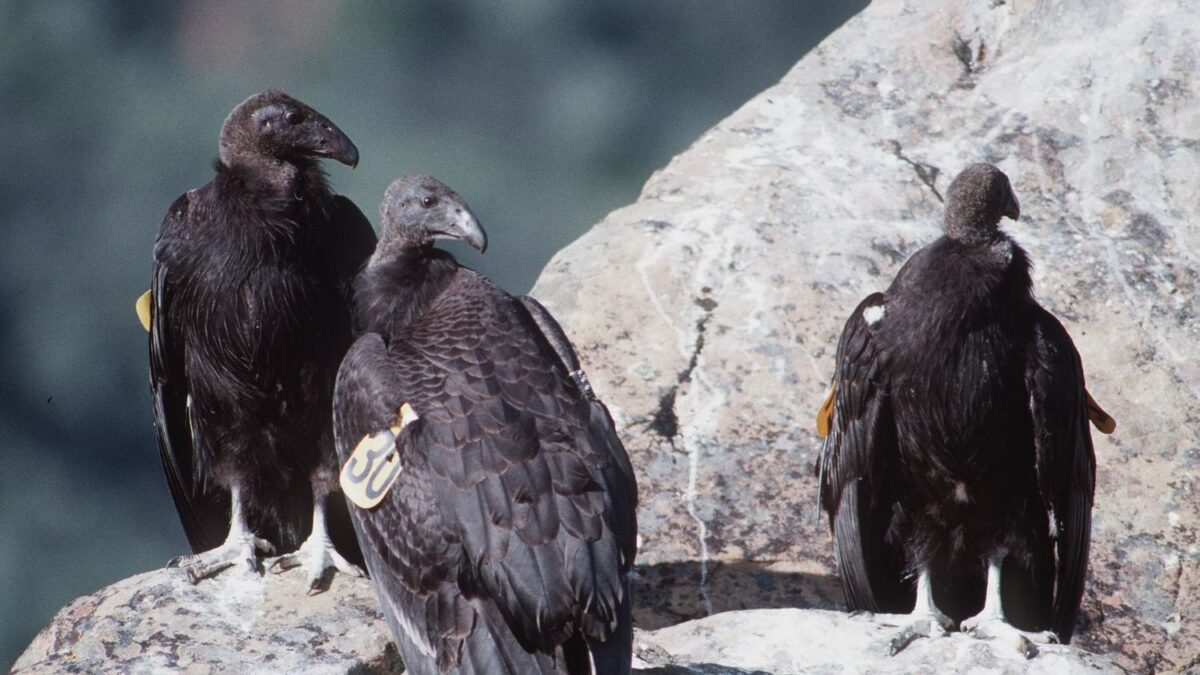
Picture a bird so massive its wingspan could stretch across your living room. Now imagine that bird nearly vanished from Earth forever, down to just 22 individuals clinging to survival. The California condor tells one of conservation’s most dramatic comeback stories, yet few people realize these giants soar over multiple American states today. Where exactly do these magnificent creatures call home in the modern era?
These aren’t your typical backyard birds. Condors represent something extraordinary in American wilderness. Their recovery required decades of effort, millions of dollars, and countless hours from dedicated conservationists who refused to let them fade into extinction. Now they glide through canyon country and coastal mountains once again, though their distribution remains concentrated in specific regions where conditions suit their needs.
California: The Namesake State Leading the Population
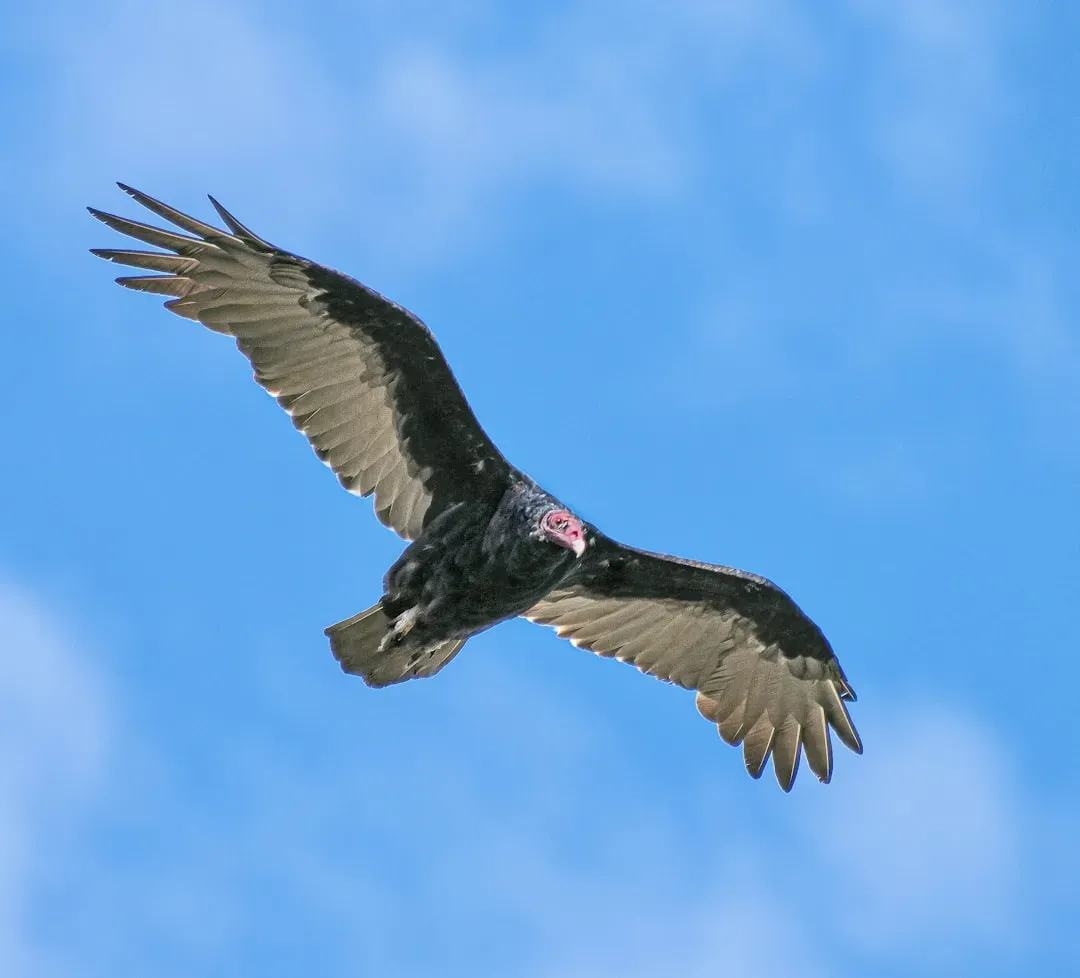
California maintains the largest condor population with 232 birds in the southern and central regions of the state. This makes perfect sense when you consider the species nearly disappeared entirely from these very mountains and coastlines. The recovery began here, and it continues to thrive in locations like Big Sur, Pinnacles National Park and Bitter Creek National Wildlife Refuge.
What’s remarkable is how these birds have adapted back into their historical range. In 2019, California became the first state to require nonlead ammunition when taking any wildlife with a firearm throughout the state. That legislative move transformed condor recovery prospects, addressing the single biggest threat to their survival. You can now spot them soaring along coastal cliffs or riding thermals above inland valleys, their distinctive white wing patches unmistakable against the sky.
Arizona: Desert Canyon Stronghold
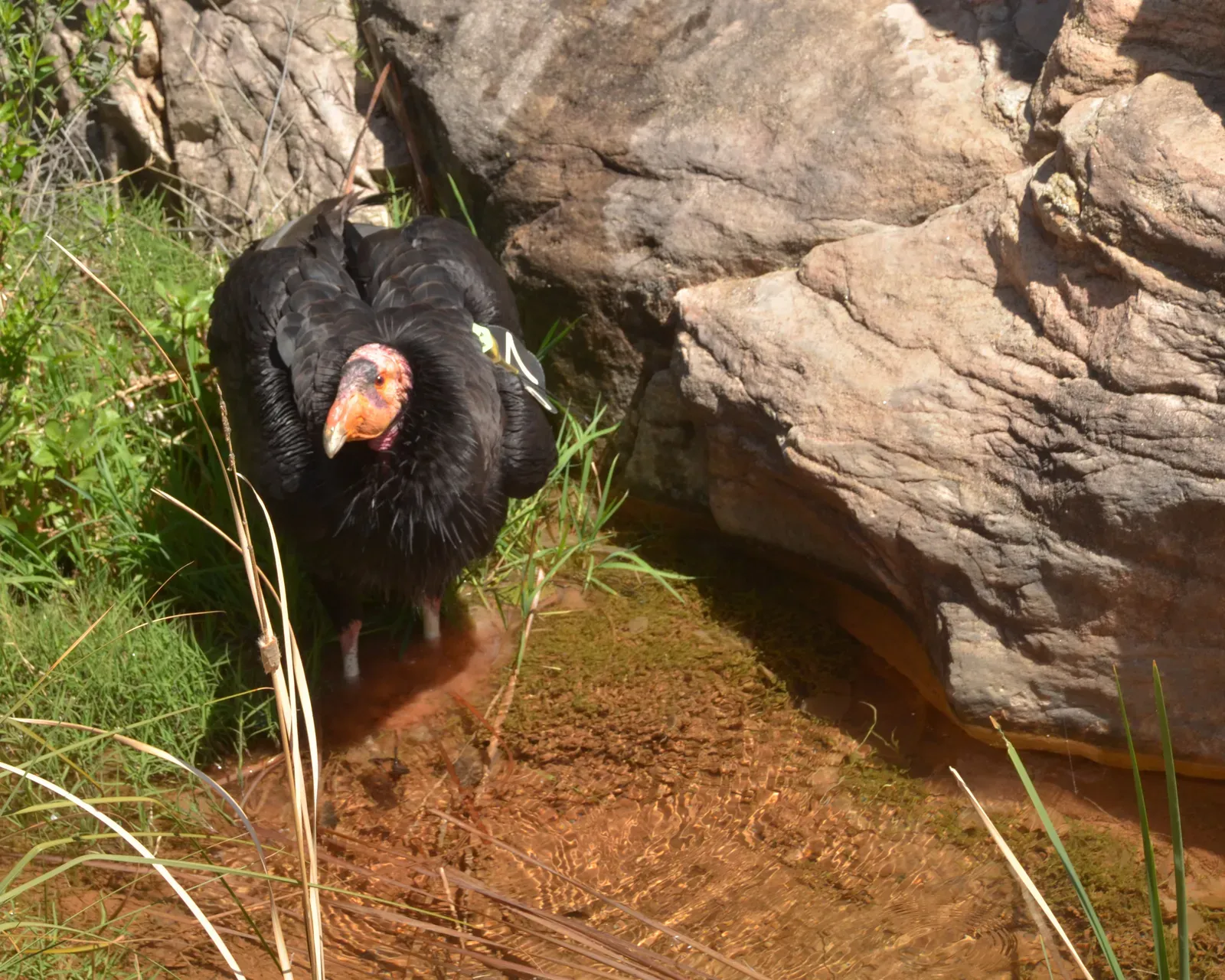
Arizona hosts 82 condors in the wild in the rugged canyon country of northern Arizona as part of the Arizona-Utah population. These birds were first released at Vermilion Cliffs in 1996 near the Grand Canyon, marking a pivotal expansion of recovery efforts beyond California. The release site sits atop spectacular sandstone formations that provide exactly the kind of dramatic cliff faces condors prefer for nesting and roosting.
The state’s commitment goes beyond simply releasing birds. Arizona Game and Fish Department regulates hunting and actively encourages the use of non-lead ammunition, with free distribution of non-lead ammunition to hunters in the condor range. Arizona’s landscape of ponderosa pine forests transitioning to desert scrubland offers abundant food sources, though lead poisoning from spent ammunition in gut piles remains an ongoing challenge that requires constant vigilance.
Utah: Southern Cliffs and Year-Round Residents
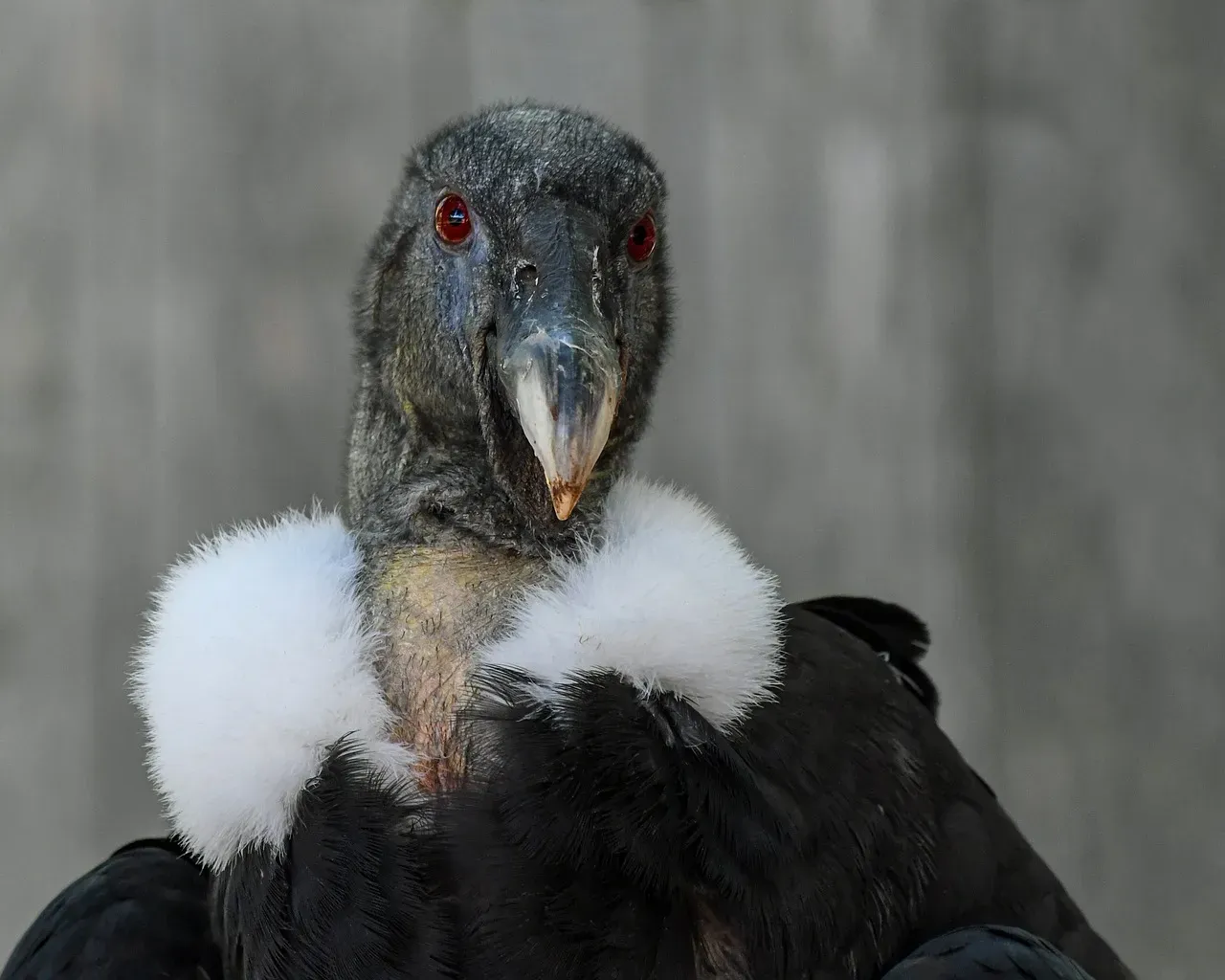
Utah shares its condor population with Arizona, forming an interconnected community that travels freely across state boundaries. The birds found their way to southern Utah on their own, flying back and forth between Utah and Arizona regularly, with nearly 90 birds in the Arizona-Utah population. This natural expansion shows how effectively the species can reclaim historical territory when given the chance.
The first California condor chick produced in Utah by the reintroduced population hatched in Zion National Park in 2014, and in 2019, a condor pair successfully fledged a chick known as condor 1000 or 1K. That milestone represented a turning point, proving these birds could successfully breed in Utah’s distinctive red-rock country. A small population stays in Utah year-round, while other birds commonly visit between May and November. The state implemented voluntary lead-free ammunition programs similar to Arizona’s, recognizing that protecting these birds requires cooperation from the hunting community.
Oregon: The Newest Addition to Condor Territory
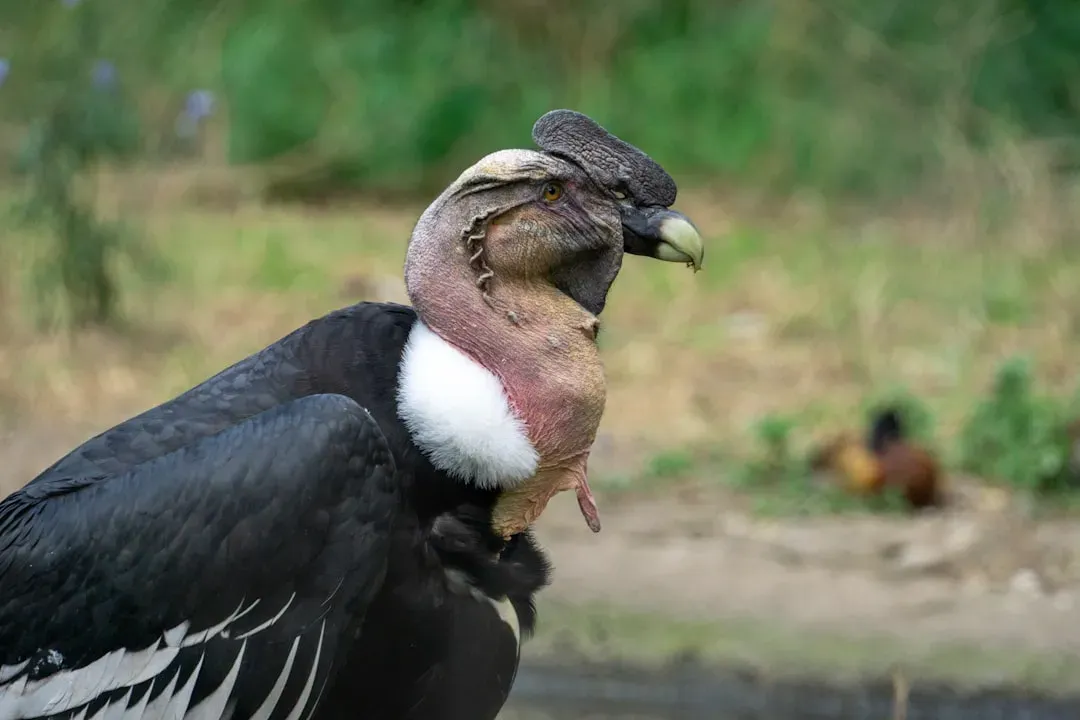
Oregon represents the cutting edge of condor expansion efforts. The Pacific Northwest Flock was newly established as a wild flock in 2022, making this the most recent state to join condor recovery. This northern expansion pushes the species back toward parts of its historical range where condors once soared centuries ago.
Oregon has adopted a voluntary approach to reducing lead available to scavengers by signing on to the North American non-lead partnership. The state’s diverse habitats, from coastal forests to inland valleys, provide promising territory for continued expansion. Though numbers remain small compared to California or Arizona, every condor in Oregon represents progress toward the ultimate goal of establishing multiple self-sustaining populations across the species’ former range. The establishment of this northern population creates geographic separation that’s crucial for long-term genetic health and disaster resilience.
Baja California: International Conservation Efforts
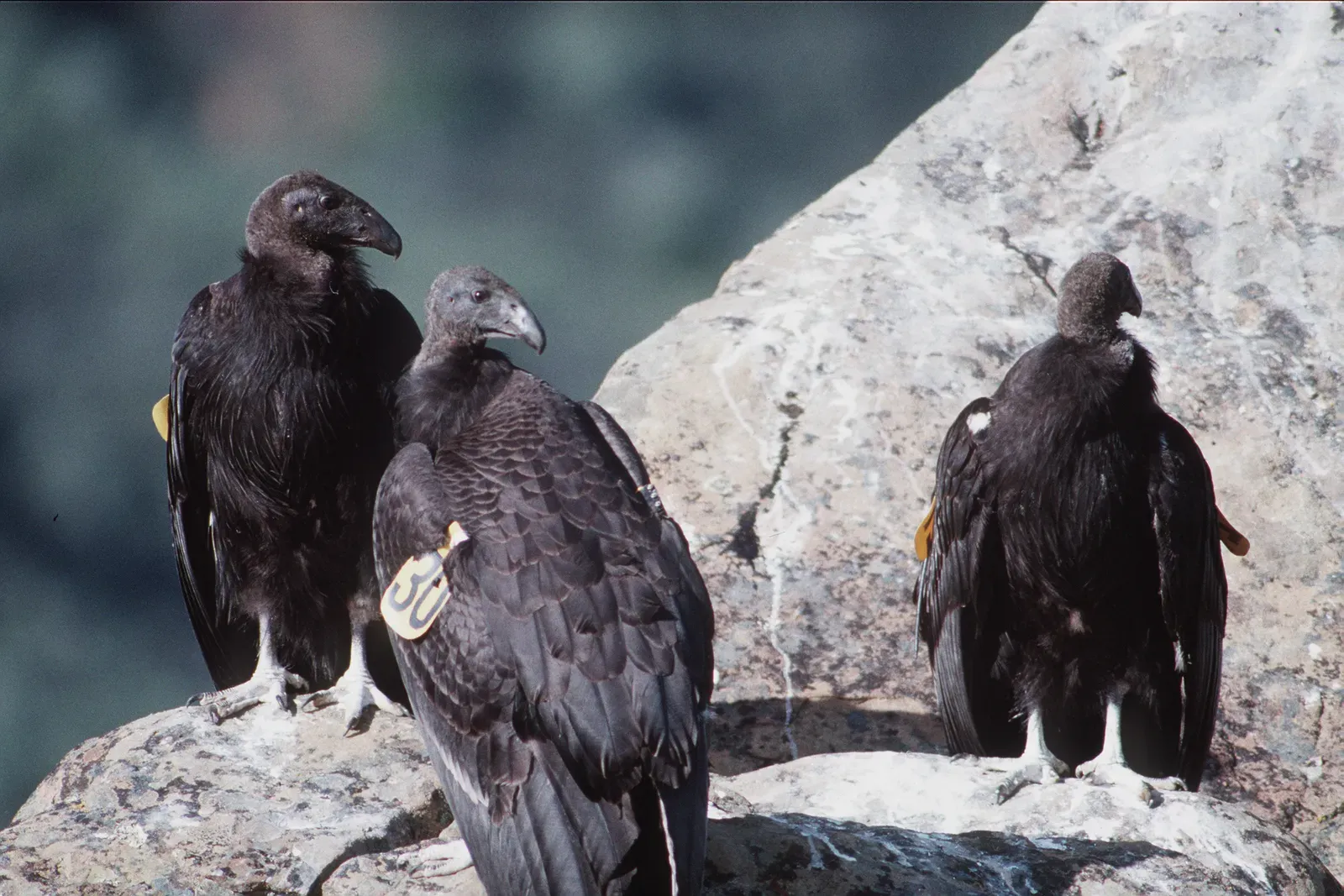
While Baja California belongs to Mexico rather than the United States, the cross-border nature of condor conservation makes it worth acknowledging. The Baja population contains 48 condors, representing an important southern anchor for the species. Reintroductions in Baja California, Mexico began in 2003, extending condor range beyond U.S. borders.
The international cooperation required for this population demonstrates how conservation transcends political boundaries. Birds don’t recognize borders, and condors certainly travel vast distances in their daily foraging flights. This southern population creates genetic and geographic diversity that strengthens the entire recovery program. Mexican conservation partners work alongside U.S. agencies, sharing expertise and resources to ensure these magnificent birds have room to thrive throughout their historical range.
The Future: Expanding Territories and Ongoing Challenges
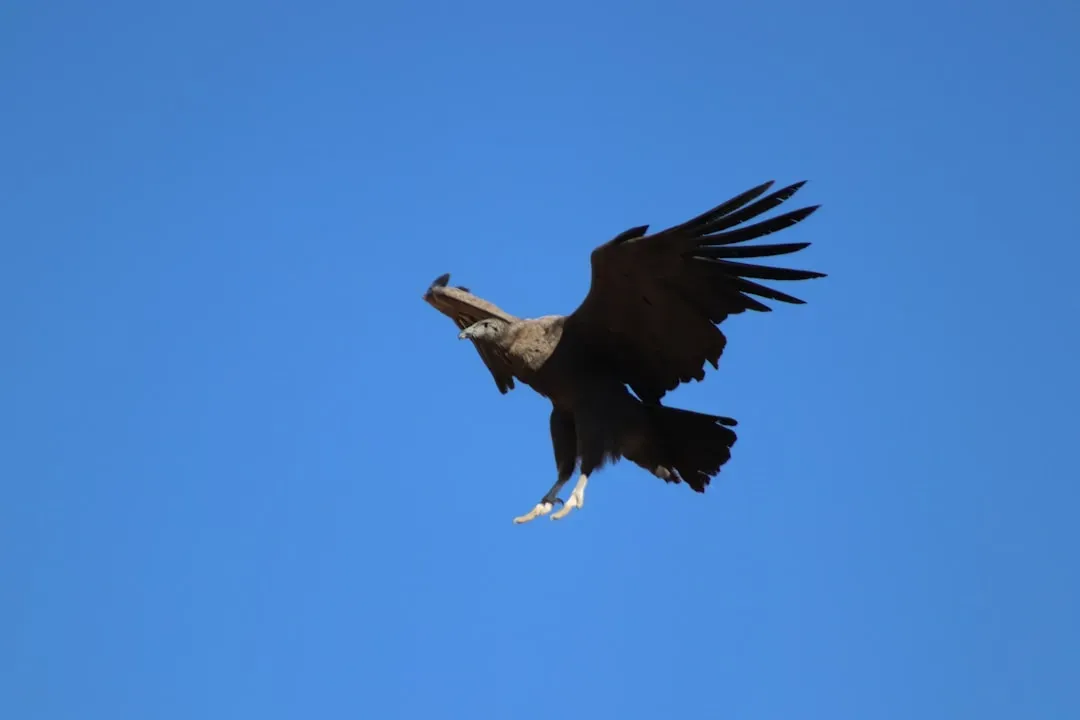
By December 31, 2023, the world population reached 561 individuals, with a 2024 report listing 569 condors. These numbers represent an astounding recovery from the brink of extinction, yet the species remains critically endangered. Last season, 87% of trapped condors tested positive for lead exposure, highlighting how persistent threats remain even as populations grow.
The distribution across multiple states provides insurance against catastrophic events that could wipe out a single population. Each state brings unique landscapes, challenges, and conservation approaches to the table. California’s mandatory lead-free ammunition laws differ from the voluntary programs in Arizona, Utah, and Oregon, yet all contribute to the same goal. As condor numbers slowly increase, biologists watch carefully for signs these populations might expand into additional states, potentially reclaiming more of the vast territory their ancestors once commanded.
Conclusion
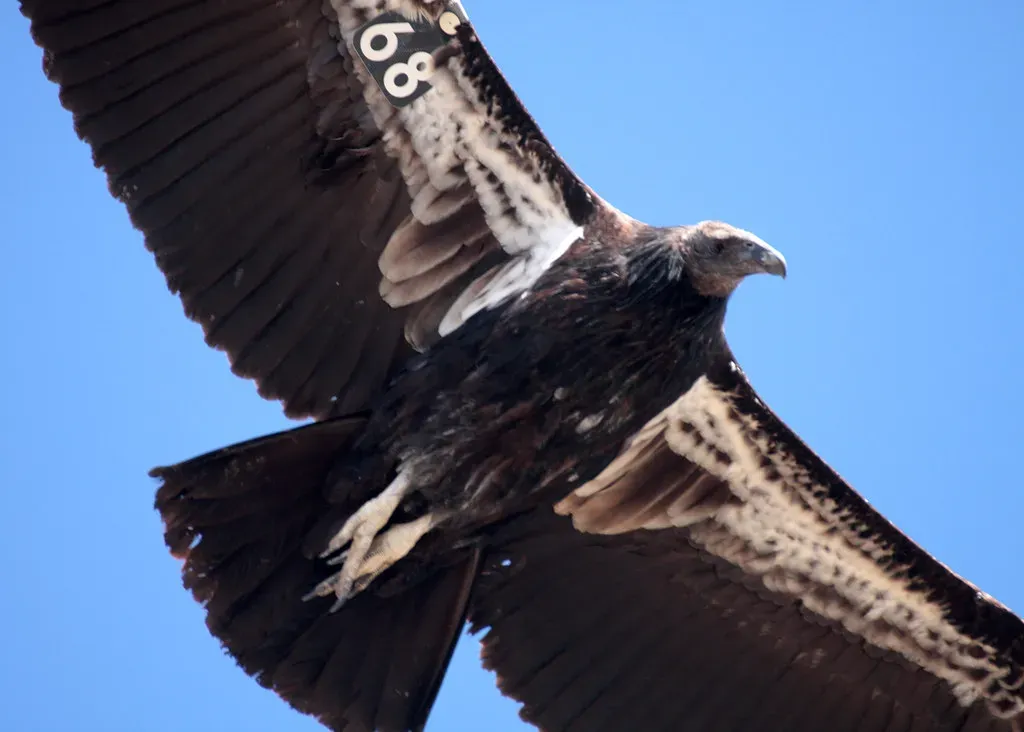
California leads with the largest population, followed by the interconnected Arizona-Utah community that demonstrates how condors recognize no borders when good habitat exists. Oregon’s newly established flock represents hope for continued expansion northward. Together, these states host one of conservation’s greatest success stories, though the work remains far from finished.
Lead poisoning continues threatening recovery efforts despite ammunition programs and education campaigns. Every condor hatched in the wild, every successful nesting season, every young bird that survives to breeding age matters enormously. These states provide the stage where this ongoing drama plays out, their cliffs and canyons serving as home to birds that once seemed destined only for museum displays. What do you think it would be like to witness one of these giants soaring overhead?
