

The purchase price is the number dealers want you to remember. It looks reasonable, sometimes even generous, and it fits neatly into the spreadsheet you built before making the call. What doesn’t fit in that spreadsheet is the farrier who charges double because your breed’s hooves are a specialty job, or the emergency colic call at 2 a.m., or the monthly supplement bill that quietly becomes larger than your car payment. Experienced horse owners know this. First-time buyers of certain breeds find out the hard way.
The fourteen breeds below aren’t bad horses. Several of them are breathtaking. But each one carries a financial reality that almost never comes up during the sales conversation, and the gap between “what I paid” and “what this horse has actually cost me” can run into the tens of thousands. If you’re considering any of these breeds, or you already own one and want to understand what’s coming, keep reading. Some of what’s ahead will surprise you even if you’ve been around horses your whole life.
#14 – Gypsy Vanner: That Gorgeous Feathering Comes With a Hidden Tax
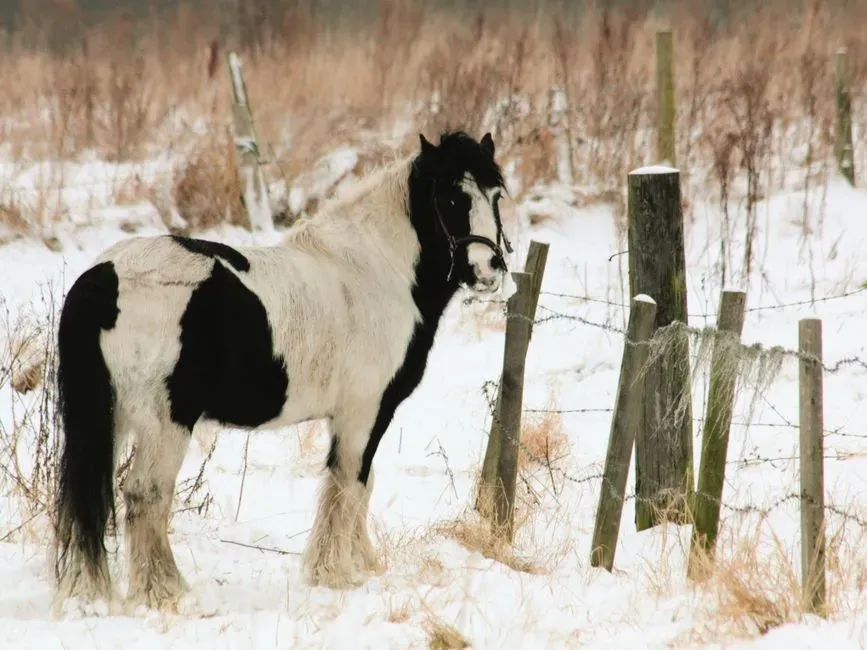
The Gypsy Vanner stops people in their tracks at every show and every trail head, and dealers know it. What the photos don’t show is what lives underneath all that dramatic feathering: a breeding ground for mud fever, chronic skin infections, and a condition called chronic progressive lymphedema that can quietly worsen for years before owners even realize what they’re dealing with. Daily leg wrapping, specialized shampoos, and meticulous drying routines aren’t optional for these horses – they’re the price of keeping that stunning look from turning into a veterinary emergency.
Beyond the skin and coat demands, Vanners carry dense bone structure and substantial body weight that accelerates hoof wear and puts extra stress on farrier schedules. Expect more frequent visits and higher bills than you’d see with a lighter riding horse. Their size also means hay consumption climbs well above average, and the lymphatic issues that affect a meaningful portion of the breed require ongoing veterinary monitoring and targeted supplementation. For a horse that many buyers treat as a picturesque trail companion, the annual care bill tends to land like a genuine shock.
Fast Facts
- CPL is incurable: Chronic progressive lymphedema has no permanent treatment – management must continue for the horse’s entire life to slow progression and prevent secondary infections.
- Hidden under the hair: Early CPL signs are frequently invisible beneath heavy feathering, meaning the disease can advance significantly before an owner even notices.
- Multiple genetic risks: Common Gypsy Vanner health concerns also include PSSM1, foal immunodeficiency syndrome (FIS), multiple congenital ocular anomalies (MCOA), and equine metabolic syndrome.
- Weight range: Mature Gypsy Vanners typically weigh 1,000–1,700 lbs, with males reaching the heavier end – significantly more than a standard riding horse.
- Grooming is not optional: Owners often need to braid manes, use mud knots on tails, and perform daily feather checks just to stay ahead of skin and infection issues.
#13 – Friesian: The Breed That Looks Invincible and Isn’t
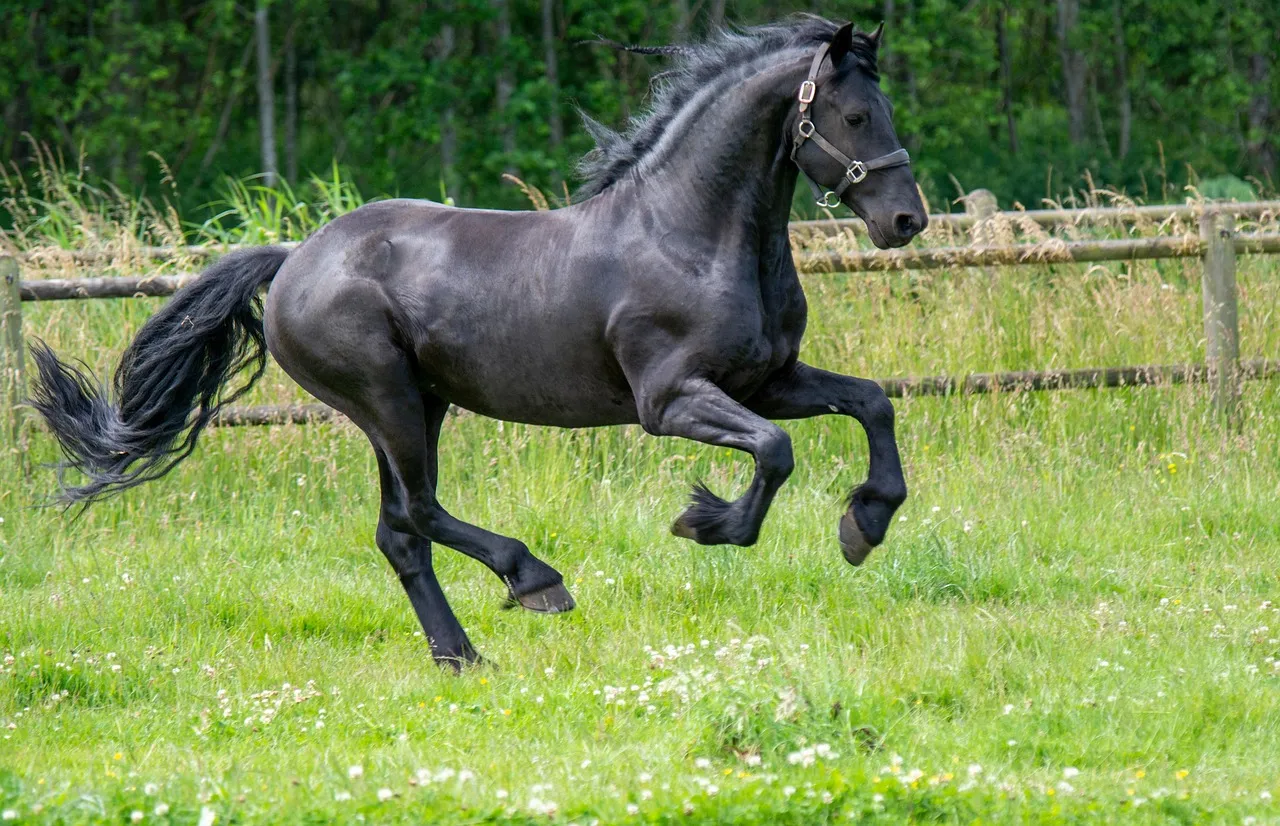
Few horses command a room the way a Friesian does. That sweeping black mane, the high-stepping trot, the almost theatrical presence – it all sells itself. What dealers rarely volunteer is that the Friesian breed carries elevated risk for several serious health conditions, including PSSM (a muscle storage disorder that causes painful episodes and requires lifelong dietary management), aortic rupture, and megaesophagus. These aren’t rare edge cases that will definitely skip your horse. They’re documented breed-specific vulnerabilities that every prospective buyer deserves to hear about before signing anything.
The feathering creates the same moisture-trapping, infection-inviting problems found in other heavily feathered breeds, requiring professional clipping and medicated treatments multiple times per year. Cardiac evaluations, when a problem is suspected, are expensive and emotionally jarring. Many owners describe the experience of owning a Friesian as deeply rewarding – and also quietly relentless in its financial demands. The horse that looked like a one-time splurge becomes a recurring commitment in ways no sales listing ever reflects.
Worth Knowing
- Aortic rupture risk: In Friesians, aortic rupture typically occurs at the aortic arch and is believed to be linked to a connective tissue disorder – there is no treatment, making a cardiac pre-purchase exam essential.
- Hydrocephalus is heritable: Friesians can genetically inherit hydrocephalus; a genetic test exists to identify horses carrying the mutation before purchase or breeding.
- Shorter average lifespan: The Friesian’s average lifespan is estimated at 16–20 years – shorter than most breeds – largely due to breed-specific genetic health vulnerabilities.
- Annual upkeep costs: Experienced Friesian owners routinely budget $5,000–$15,000 per year in ongoing care costs, not including unexpected emergencies.
- Population bottleneck matters: A severe founder effect in 1913 is the direct genetic root of many modern Friesian health risks – context every buyer should understand.
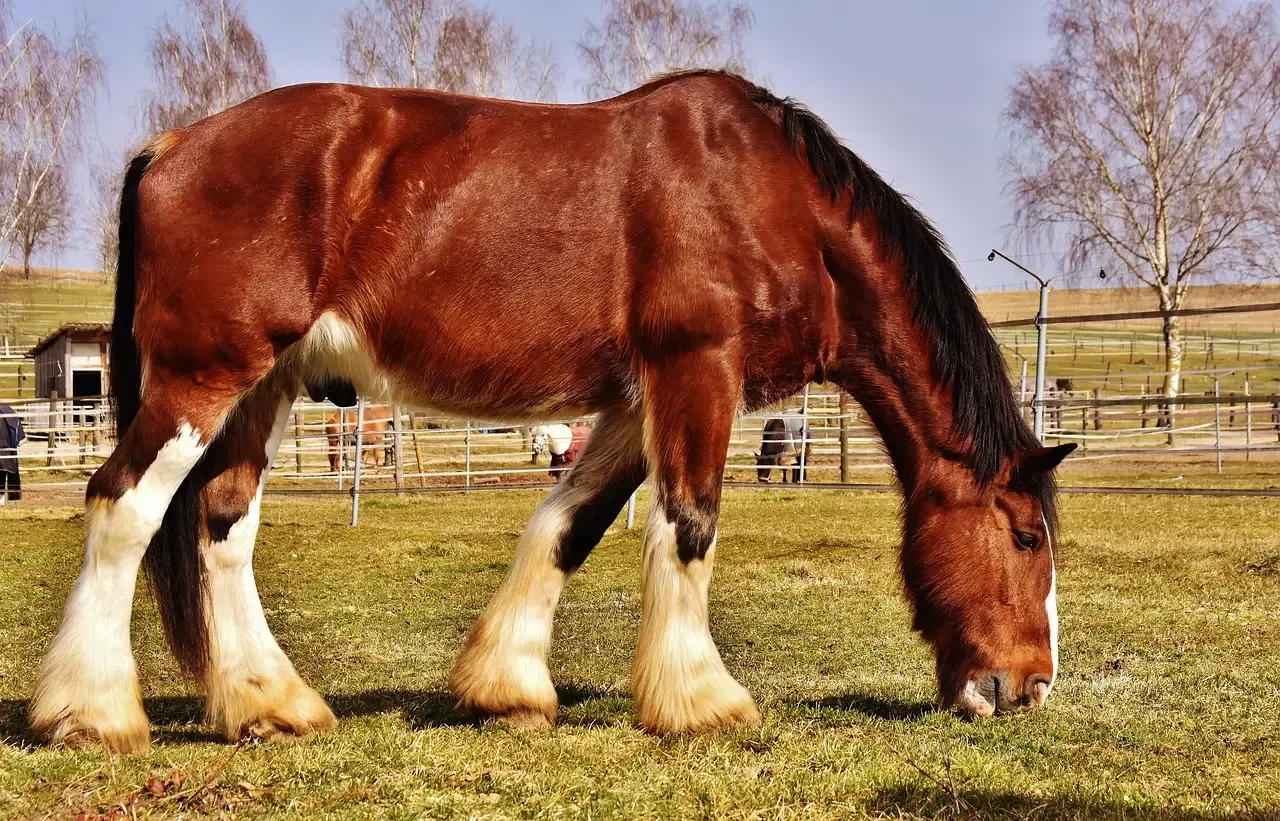
#12 – Clydesdale: Feed Bills That Would Shock a Cattle Rancher
The gentle giant reputation is entirely earned. Clydesdales are famously kind, famously willing, and famously expensive to keep in a way that doesn’t announce itself until you’ve owned one for six months. A mature Clydesdale can consume 25 to 50 pounds of quality hay daily just to maintain baseline condition, plus up to 30 gallons of water every single day – and that’s before you factor in grain, supplements, and the mineral balance that large-bodied horses need to stay metabolically sound. The feed bill alone can run two to three times what you’d spend on a mid-sized riding horse.
Then comes the farrier. Clydesdale hooves aren’t a standard job, and farriers with genuine draft experience charge accordingly – when you can find one. Their massive hooves need trimming or shoeing on a reliable schedule, and the joint stress that comes with carrying that much body weight means chiropractic care and joint injections often become routine rather than occasional. Most buyers also discover that their existing trailer, tack, and shelter aren’t built for a horse this size, which triggers a round of equipment upgrades that adds thousands more before the first year is out.
At a Glance: The Clydesdale Feed Reality
- Daily hay: 25–50 lbs of quality forage per day for a mature horse in moderate work
- Daily water: Up to 30 gallons – roughly twice what a standard riding horse requires
- Daily grain: 2–15 lbs of feed on top of hay, depending on workload and age
- Typical weight: 1,600–2,200 lbs, standing 16.2–18 hands – nearly double the average riding horse
- Annual upkeep estimate: Up to $12,000/year or more for regular care alone, before any veterinary emergencies
#11 – Shire: When “Low Maintenance” Is the Biggest Lie in the Barn
Shires are magnificent animals that project a kind of quiet, unmovable power. They’re also one of the most underestimated financial commitments in the horse world, partly because their calm temperament leads buyers to assume they’re uncomplicated keepers. They are not. Forage demands rival or exceed those of Clydesdales, fencing needs to be reinforced to contain their strength and weight, and some Shire bloodlines carry elevated rates of chronic progressive lymphedema – a condition that causes progressive swelling and tissue changes in the lower legs and requires lifelong management once it appears.
Routine veterinary checks for Shires have a way of expanding in scope because of the breed’s predisposition to certain metabolic conditions, including issues related to insulin regulation and weight management. What starts as a standard annual wellness visit can branch into bloodwork, dietary consultations, and prescription feeds that no one mentioned at the time of sale. The Shire that was described as hardy and easy becomes a horse with a very specific and demanding care protocol – one that experienced owners adapt to, but that blindsides anyone who wasn’t warned.
#10 – Percheron: The “Hardy Draft” That Still Has Expensive Habits
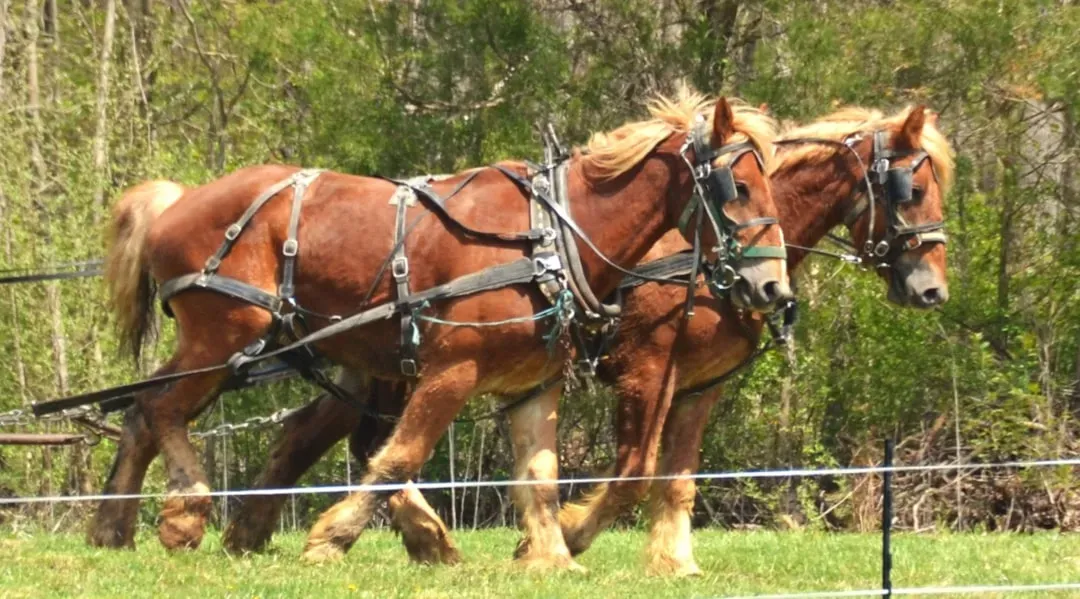
Percherons get marketed as the practical, no-nonsense draft horse – strong, adaptable, and less fussy than some of their feathered cousins. There’s truth in that. There’s also a feed bill that reflects the caloric demands of an animal that can top 2,000 pounds, pasture wear that accelerates dramatically when a Percheron is in regular rotation, and hoof care costs that climb with the weight those feet are carrying. “Hardy” doesn’t mean cheap to maintain; it means the horse will tolerate its care requirements stoically while the invoices add up.
Some Percheron bloodlines carry predispositions to tying-up syndrome – a painful muscle condition triggered by diet or workload imbalances – that requires specialized nutritional management and careful exercise protocols. Custom shoeing often becomes necessary earlier than owners anticipate, and joint supplementation tends to follow within a few years of regular work. The Percheron that looked like a sensible, budget-friendly alternative to more glamorous breeds has a way of reaching similar annual care costs through a slightly different route.
#9 – Belgian Draft: Calm Temperament, Massive Overhead
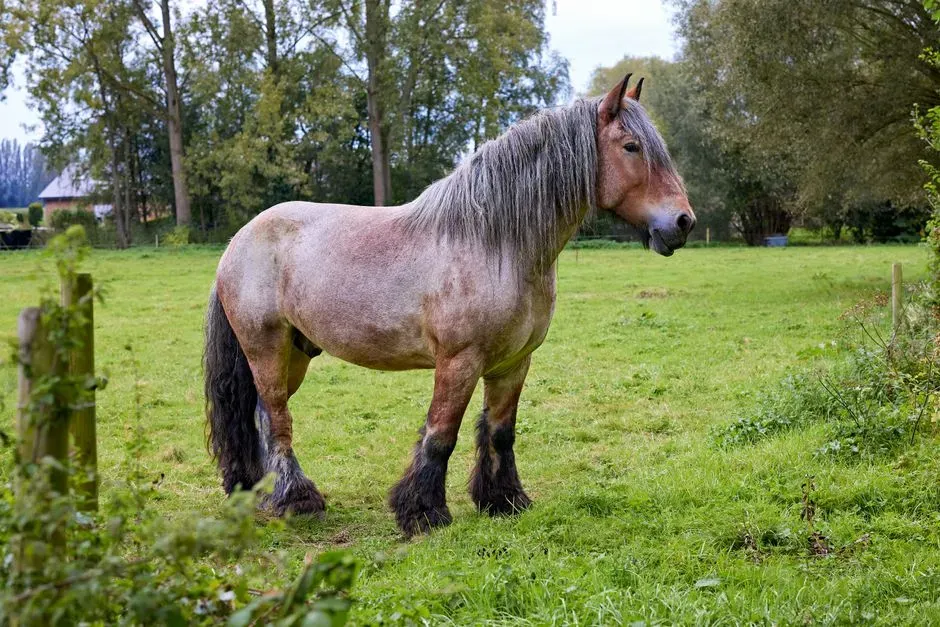
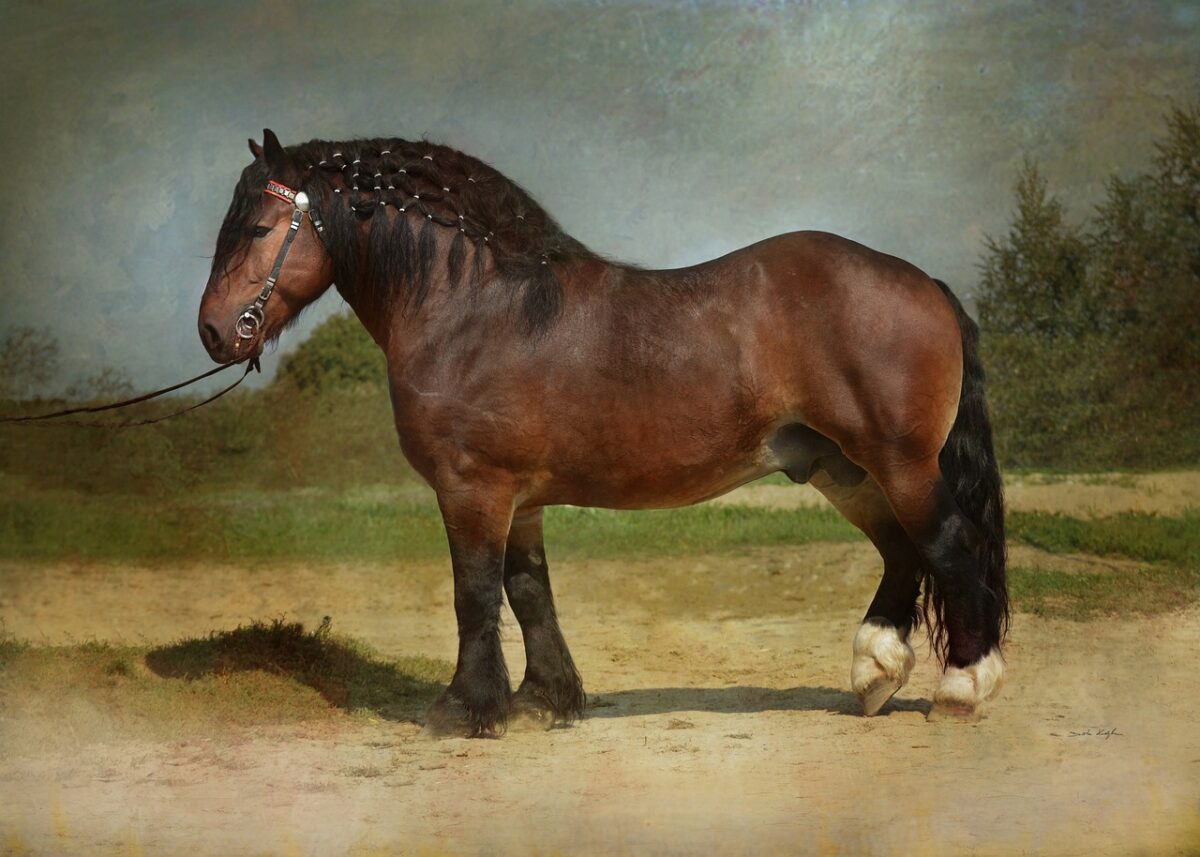
The Belgian Draft’s reputation for calm, cooperative temperament makes it one of the most popular entry points into draft horse ownership. That temperament is real and genuinely wonderful. What’s also real is a frame that routinely exceeds 1,800 pounds and generates farrier invoices every six to eight weeks that bear little resemblance to what lighter horse owners pay. The skin folds and feathering that give Belgians their distinctive look require diligent daily cleaning – skip a few days in wet weather and you’re looking at a fungal or bacterial infection that sidelines the horse for weeks.
Back and hock issues tend to surface earlier in Belgians than in smaller breeds, particularly in horses used for regular work or driven hard in younger years. Once those issues appear, physiotherapy, corrective shoeing, and targeted injection protocols become part of the routine. Long-term Belgian owners don’t regret their horses – most are fiercely attached to them – but they’re consistently candid about the fact that nobody told them how fast the costs would compound. The calm horse in the sales stall has expensive needs that don’t show up until you’ve signed the papers and driven home.
Quick Compare: Draft Breed CPL Risk & Key Cost Drivers
- Belgian Draft: CPL confirmed; research shows very high rates in some Belgian populations; also prone to PSSM and hock issues
- Clydesdale: CPL confirmed; feathering hides early signs; plus metabolic syndrome risk and specialist farrier costs
- Shire: CPL confirmed; insulin regulation concerns add another layer of ongoing veterinary management
- Percheron: CPL documented; tying-up syndrome risk adds specialized feed and exercise protocol costs
- All four breeds: Require 40+ lbs of forage daily, specialist farrier care, reinforced facilities, and regular metabolic monitoring
#8 – Thoroughbred: Speed Costs More After the Race Is Over
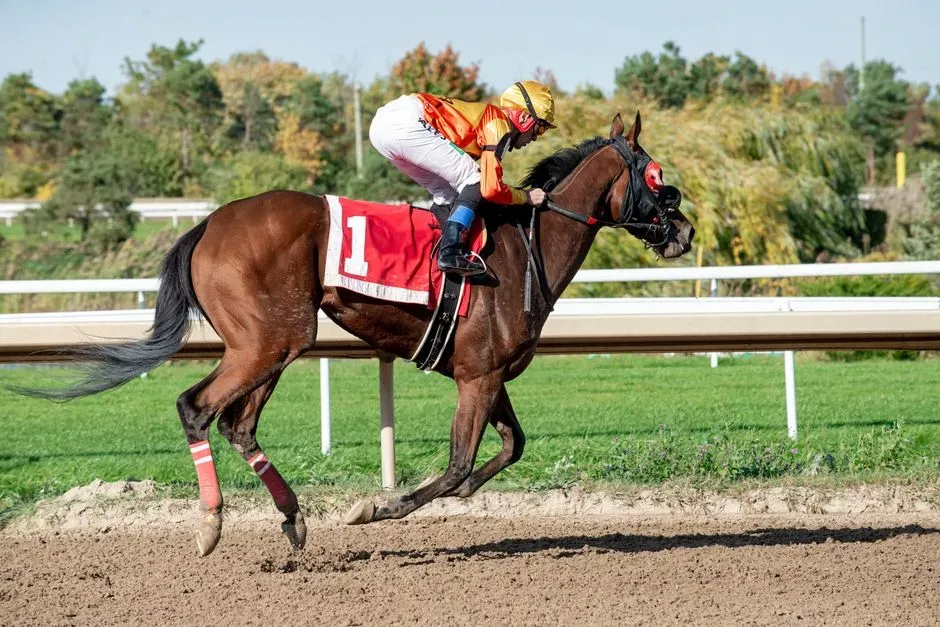
Off-track Thoroughbreds have become enormously popular, and for good reasons – they’re athletic, sensitive, often deeply bonded to their handlers, and available at prices that make them accessible to a wide range of buyers. What those prices don’t reflect is the physical history that comes with a racing career. Microfractures, joint wear, soft tissue stress, and undisclosed injuries are common findings once a new owner starts doing proper veterinary workups. These aren’t always dramatic problems. They’re often subtle enough to pass through a basic pre-purchase exam and only reveal themselves months into regular work.
The lean build that makes Thoroughbreds look elegant can mask significant digestive sensitivity, and gastric ulcers are extraordinarily common in the breed. Studies have found gastric ulceration in 80–100% of Thoroughbred racehorses within just 2 to 3 months of entering race training, and ulcer rates of 70% or higher have been documented even in retired broodmares. Managing ulcers means prescription medications, dietary adjustments, and ongoing monitoring that adds meaningful cost to every month of ownership. Add professional training for a high-strung ex-racehorse learning a new job, and the monthly expenses for a horse that cost a few thousand dollars at adoption can quickly rival those of a much pricier warmblood. Dealers at the track don’t volunteer any of this.
#7 – Arabian: Sensitive in Every Direction That Costs Money
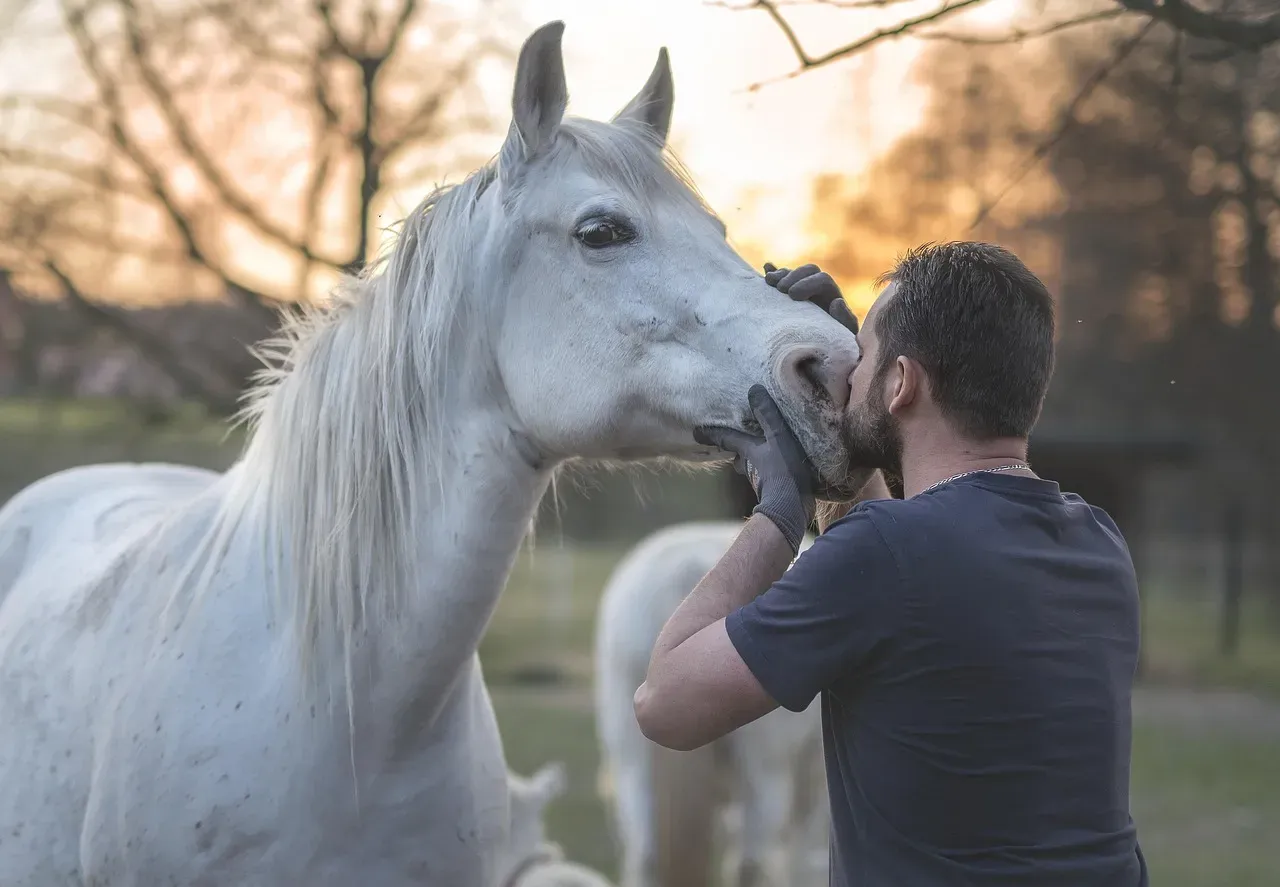
Arabians inspire genuine devotion. Their endurance, their intelligence, their almost uncanny ability to mirror human emotion – these qualities create bonds that owners describe as unlike anything else in the horse world. They also come with a nervous system that runs hot, skin that reacts to almost everything, and a metabolism that fluctuates in ways that keep feed management perpetually interesting. Allergies – environmental, dietary, and contact-based – are significantly more common in Arabians than in many other breeds, and diagnosing them properly takes time, testing, and money.
Some Arabian bloodlines carry elevated rates of SCID (severe combined immunodeficiency) and cerebellar abiotrophy – genetic conditions serious enough that responsible buyers should insist on testing before purchase or breeding. Behavioral sensitivities mean that professional training often becomes a recurring rather than one-time expense, and premium feeds and targeted supplementation become standard practice for owners who want their horse performing and looking its best. The Arabian that was described as an “easy keeper” has a way of revealing, over time, that easy is a relative term with a real price attached.
#6 – Akhal-Teke: The Rarest Horse With the Most Unforgiving Care Demands

The Akhal-Teke’s metallic coat is one of the most visually striking things in the natural world – a genuine golden shimmer that photos barely capture. Buyers drawn to that beauty sometimes don’t realize they’re also acquiring one of the most metabolically sensitive breeds in existence. The same thin skin that gives them that luminous quality offers almost no protection against harsh weather, insect pressure, or minor injuries. Wounds that would be inconsequential on a heavier-coated breed can escalate quickly on an Akhal-Teke without prompt and careful intervention.
Their unique digestive system requires a specialized feeding approach that differs significantly from standard equine nutrition protocols – high protein, lower bulk, very different from what most barn setups are designed to provide. Finding a farrier or veterinarian with genuine Akhal-Teke experience can be genuinely difficult outside of specific geographic areas, which means owners sometimes pay premium rates just to access knowledgeable care. The rarity that makes these horses fascinating creates a practical scarcity problem that shows up on every invoice. Long-term owners learn to love the breed’s quirks. The learning curve is expensive.
#5 – Andalusian: Regal Presence, Relentless Upkeep
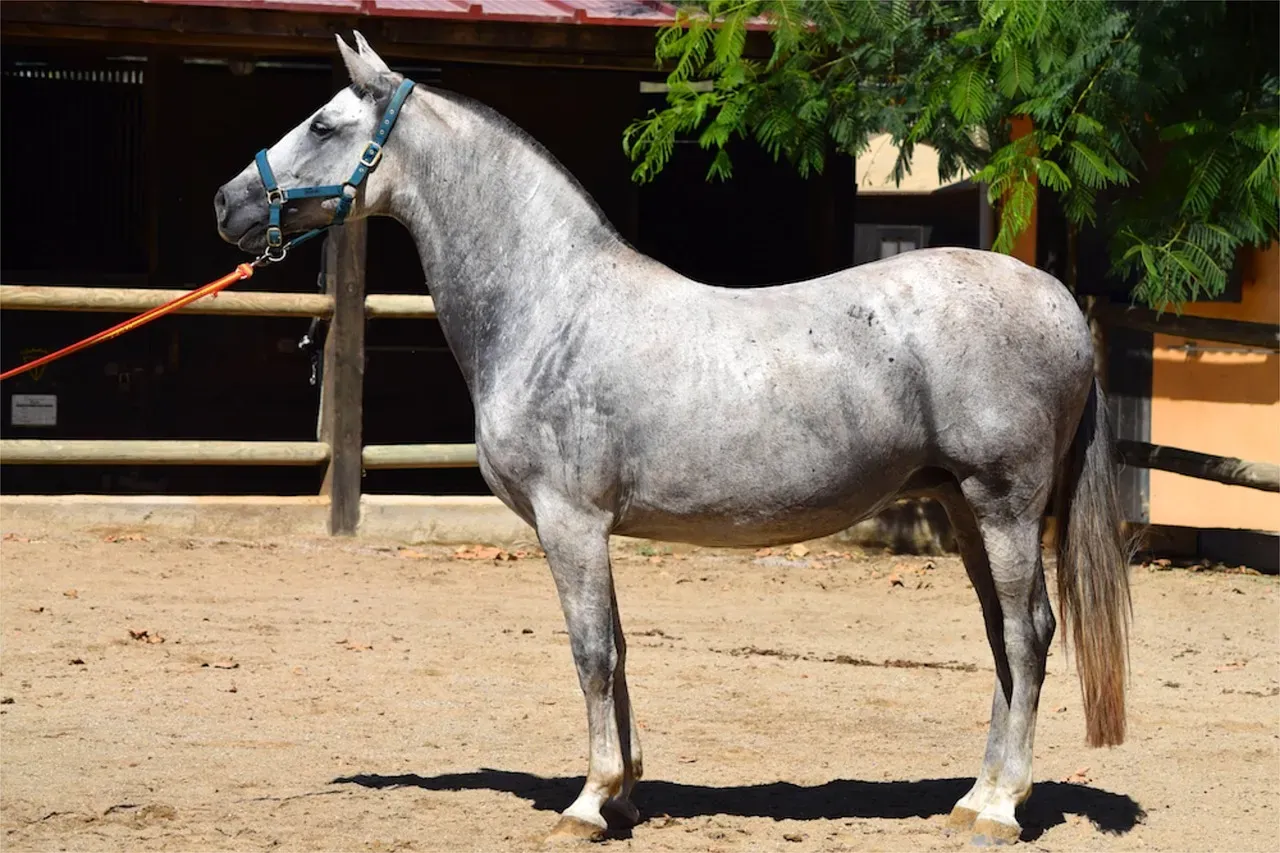
The Andalusian carries centuries of history in its movement, and that presence is genuinely intoxicating in person. Thick, flowing manes and tails that photograph like something from a fantasy film require serious, consistent maintenance to prevent the kind of matting that turns into hours of careful detangling or, in bad cases, drastic cuts. This isn’t vanity grooming – neglected coats on Andalusians become skin problems, and skin problems become veterinary problems. The breed’s defining aesthetic requires real labor to maintain properly.
Certain Andalusian bloodlines carry risks for conditions including laminitis-related metabolic issues, and the powerful, collected movement that makes these horses exceptional also demands more consistent conditioning work than many buyers expect. Riders who assume the horse will maintain its own fitness through light use often end up dealing with soundness issues that stem from inadequate conditioning. Professional training for Andalusian-specific movement – if you’re pursuing classical work – is a recurring budget line that doesn’t appear in any sales conversation until you’re already committed. The horse earns every dollar of admiration. It also costs them.
#4 – Lipizzaner: Classical Elegance With Classical Expenses

Lipizzaners carry the weight of centuries of classical horsemanship tradition, and ownership of one comes with a set of expectations – about training, about presentation, about care – that reflect that heritage in very concrete financial terms. Their baroque build requires careful weight management to protect joints that are already under pressure from the collected, high-engagement movements the breed is known for. Specialized farrier work isn’t optional; the mechanics of how a Lipizzaner moves demand a farrier who understands baroque conformation and is willing to engage with it seriously.
The signature white coat – which Lipizzaners develop gradually, often not reaching full white until their teens – requires more supplement support and grooming investment than most buyers account for. Some bloodlines show sensitivities to certain feed ingredients and environmental conditions that require tailored veterinary oversight. Training for high-level classical movements carries its own substantial cost, and finding qualified instruction can mean traveling or paying premium rates for coaches with the right background. Lipizzaner ownership is a commitment to a tradition. That tradition has a very specific invoice.
#3 – Dutch Warmblood: The Sport Horse That Bills Like a Professional Athlete
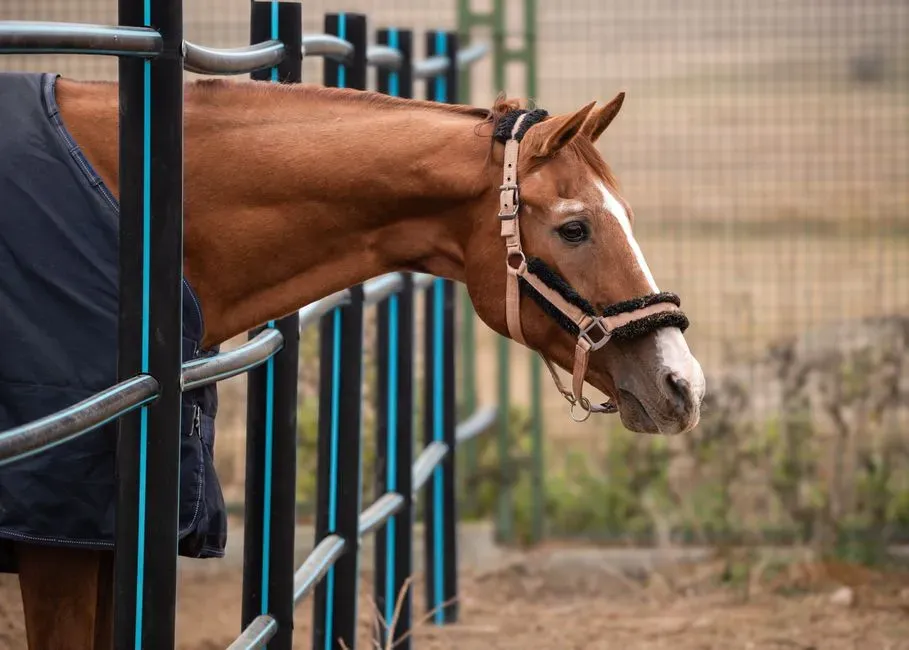
Dutch Warmbloods dominate upper-level sport horse competition for a reason – their athletic capacity is extraordinary. That same athletic capacity comes with a body that operates closer to its physiological limits than most horses, which means veterinary monitoring isn’t a precaution, it’s a requirement. Tendon and ligament stress accumulates in horses doing intensive dressage or jumping work, and diagnostic imaging, targeted therapy, and rehabilitation costs can emerge within the first few years of serious competition. The horse that placed beautifully at its last event may be quietly accumulating wear that only shows up in an MRI.
High-performance bloodlines carry a well-documented predisposition to OCD (osteochondrosis dissecans) lesions – a developmental joint condition that may require surgery and extended recovery. One study found radiographic evidence of OCD in 44.3% of clinically sound Dutch Warmblood horses presented for pre-purchase examination, and a separate study of 811 yearlings found developmental orthopedic disease signs in 70% of animals. Feed, farrier, and training costs at competition level are simply higher across the board than for pleasure horses, and insurance – the real kind, not the minimum – becomes a genuine necessity rather than an optional add-on. Buyers who focus exclusively on purchase price and projected competition success often experience a reckoning in years two and three that no dealer prepared them for.
Why It Stands Out: Dutch Warmblood OCD by the Numbers
- 44.3% of clinically sound Dutch Warmbloods showed radiographic evidence of OCD on pre-purchase exam in one major study
- 70% of 811 Dutch Warmblood yearlings had signs of developmental orthopedic disease in at least one joint on X-ray
- OCD treatment typically requires arthroscopic surgery to remove detached cartilage, followed by an extended recovery period
- Post-surgery risk: Even after OCD surgery, horses remain more prone to arthritis and joint deterioration over time
- Genetic component confirmed: The KWPN studbook now uses DNA testing to score OCD risk in breeding horses – but that doesn’t eliminate the risk in horses already born
#2 – Hanoverian: Premium Bloodlines With Premium Ongoing Bills
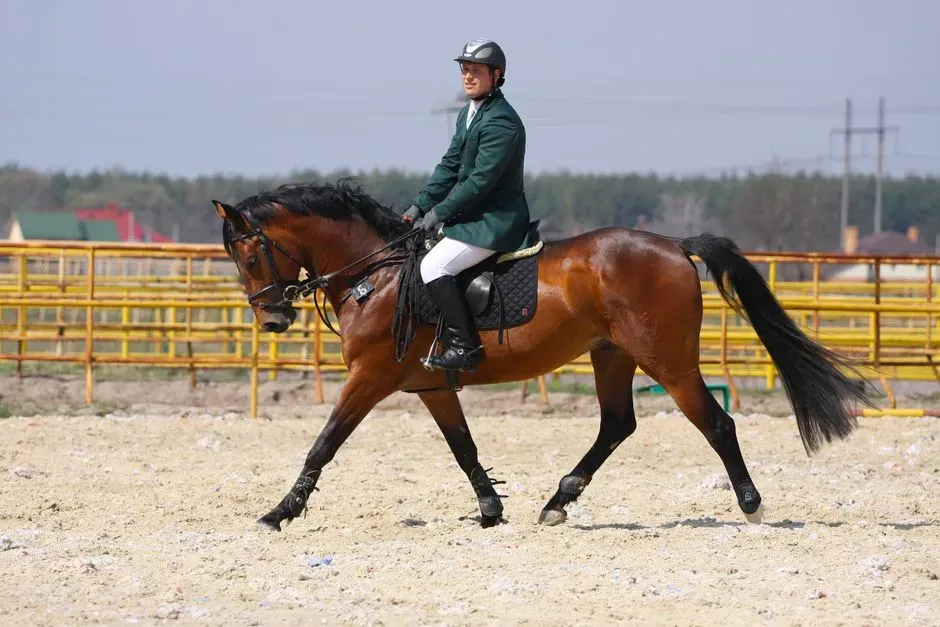
Hanoverians are bred to perform, and they do – in the dressage ring, over fences, in the sport horse rankings that matter to serious competitors. That breeding comes at a cost that doesn’t stop at the purchase price. Size, athletic drive, and the high-demand work these horses are built for combine to create a care budget that starts higher than average and climbs with competitive intensity. Feed, quality farrier work, and professional training are non-negotiable from day one. These aren’t horses that tolerate corners being cut in their management.
Certain Hanoverian lines carry elevated risks for specific soundness concerns – including joint issues that benefit from early identification and proactive management. Experienced Hanoverian owners consistently describe insurance and routine diagnostic work as essential rather than optional, and the gap between what a dealer presents as the horse’s potential and what it actually costs to realize that potential is one of the more reliable financial surprises in the sport horse world. The horse is worth it to the people who are built for that level of commitment. Just make sure you know which one you are before you buy.
#1 – Friesian Sport Horse Cross: Two Breeds Worth of Hidden Costs in One Horse
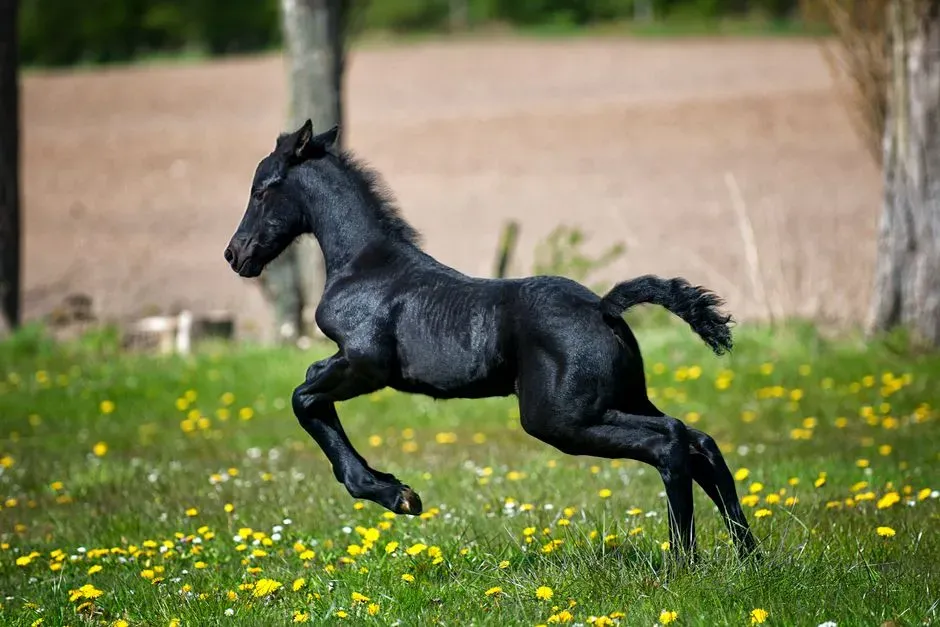
The Friesian Sport Horse cross sells a compelling promise: the drama and presence of the Friesian combined with the athletic versatility of a sport horse. For certain riders, the result genuinely delivers. But in terms of long-term financial exposure, these crosses can be the most unpredictable animals on this entire list. They frequently inherit the feathering, the skin vulnerabilities, and the documented health predispositions of the Friesian parent alongside the joint demands and training intensity of the sport horse side. You’re not averaging the two parents’ care costs. You’re sometimes stacking them.
Genetic testing and specialized management protocols become non-negotiable for responsible owners of these crosses, and finding veterinary and farrier professionals familiar enough with both breed backgrounds to manage them well adds another layer of cost and logistics. Long-term owners report that in some cases, these crosses generate higher annual veterinary and farrier bills than purebred Friesians – the opposite of what most buyers expect from a “mixed” horse. The flashy cross in the dealer photos is genuinely beautiful. Just go in knowing that beauty has a very detailed invoice attached, and nobody at the sale will hand it to you voluntarily.
At a Glance: The “Stacked Costs” Problem in Friesian Sport Horse Crosses
- Friesian side risks: CPL-prone feathering and skin issues, PSSM, megaesophagus risk, cardiac predispositions requiring screening
- Sport horse side risks: OCD joint lesions, tendon and ligament wear, training intensity demands, and potential Warmblood Fragile Foal Syndrome (WFFS)
- The combination effect: These risks don’t cancel each other out – in many crosses, both sets of vulnerabilities are present simultaneously
- Specialist access: Finding vets and farriers knowledgeable about both Friesian and warmblood needs in one horse adds cost and logistics complexity
- Insurance is non-negotiable: The unpredictability of cross inheritance makes comprehensive equine insurance a financial must, not a luxury
The Bottom Line
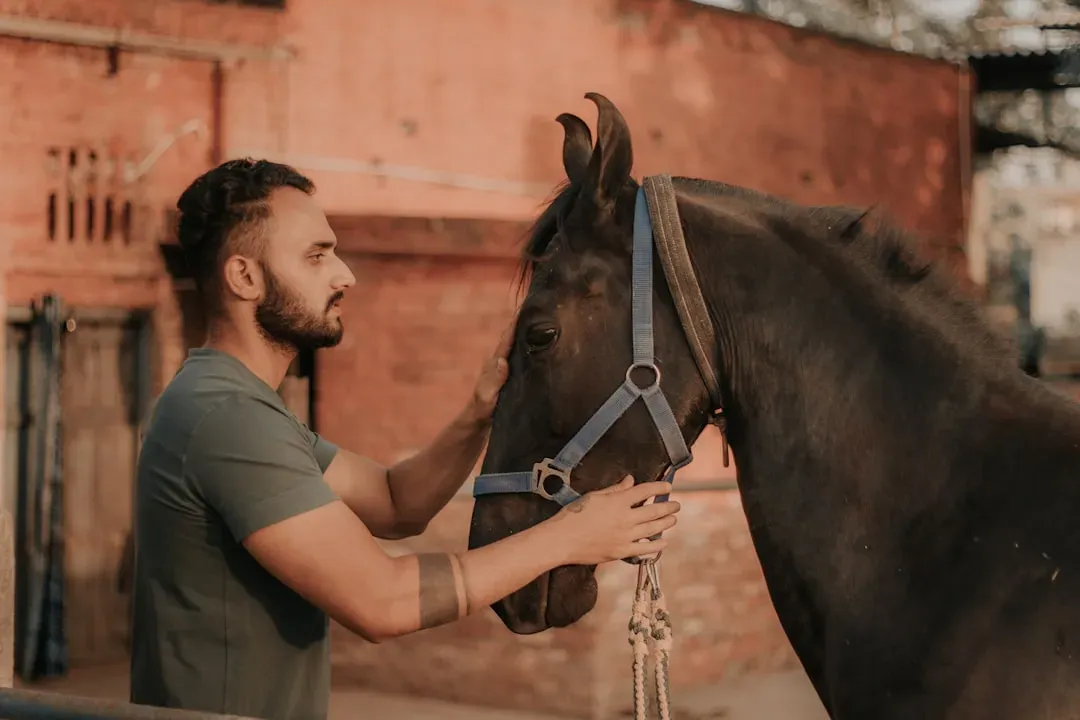
Here’s the honest opinion that most people in the horse industry won’t say loudly: the breeds on this list aren’t the problem. Lack of honest disclosure is. Dealers who let buyers fall in love with a coat or a movement without mentioning the chronic lymphedema, the ulcer history, the genetic cardiac risks, or the triple-sized feed bill are setting those buyers up for financial strain and, worse, for horses that end up undersupported because the owners ran out of budget they didn’t know they’d need. That’s not good for anyone – least of all the horse.
Every breed on this list has devoted, experienced owners who wouldn’t trade their animals for anything. They’ve also learned, mostly through expensive trial and error, exactly what that devotion costs per year. If you’re drawn to any of these breeds, the right move isn’t to walk away – it’s to go in with a complete picture. Ask the hard questions. Demand a thorough pre-purchase exam. Talk to long-term owners, not just dealers. The horse of your life might absolutely be a Friesian or a Thoroughbred or a Gypsy Vanner. Just make sure you’re buying the whole horse, not just the version that fits in a sales listing.

- 10 Mind Blowing Facts About The Great White Shark - July 26, 2026
- Elephants Communicate With Each Other Using Sounds We Cannot Hear - July 26, 2026
- 10 Surprising Foods That Are Actually Good For Your Dog’s Health - July 26, 2026