
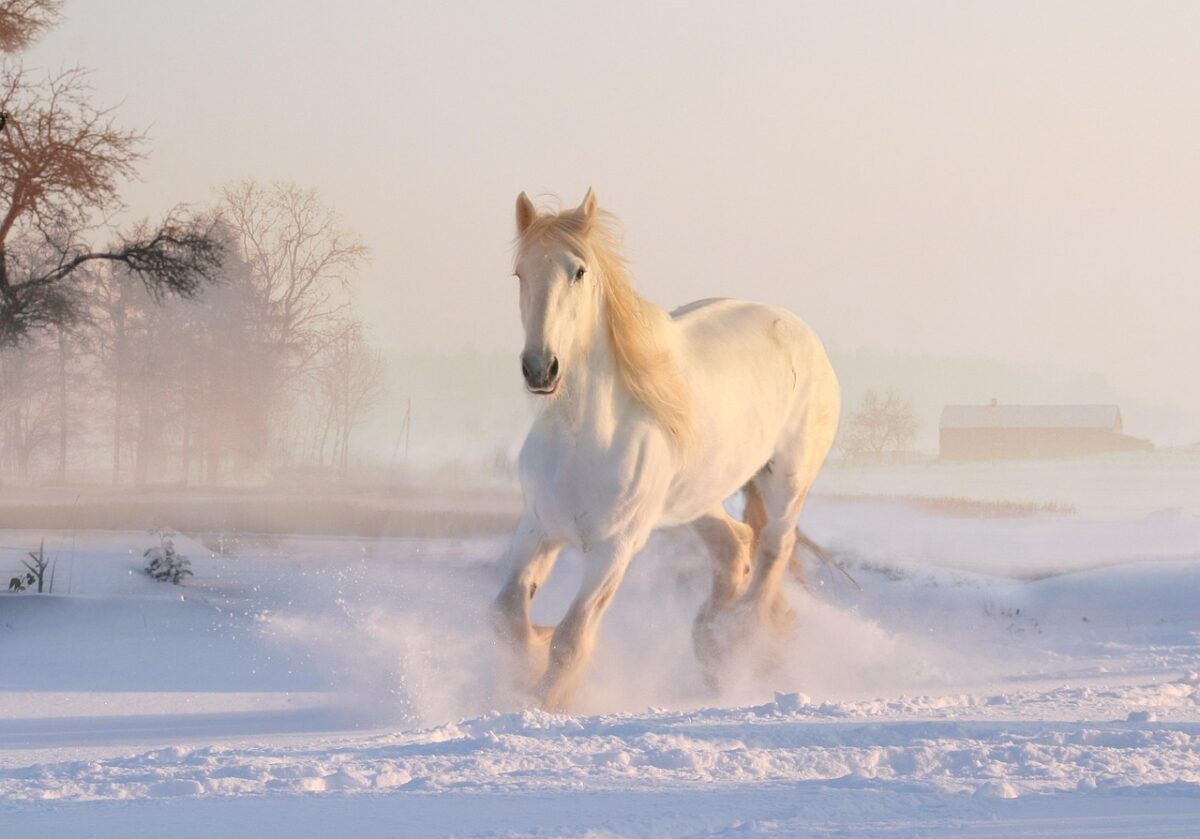
Ever thought you were the biggest baby when it comes to winter weather? Think again. While some horse breeds literally laugh in the face of blizzards, others would rather hide under a pile of heated blankets than step one hoof outside when temperatures drop. It’s pretty amazing how different these magnificent creatures can be – some galloping through snow drifts while others are already shivering at the first autumn breeze. Let’s dive into the world of horses that absolutely despise cold weather and would probably move to Florida if they could book their own flights.
#14 Arabian Horses – Desert Royalty Gone Soft
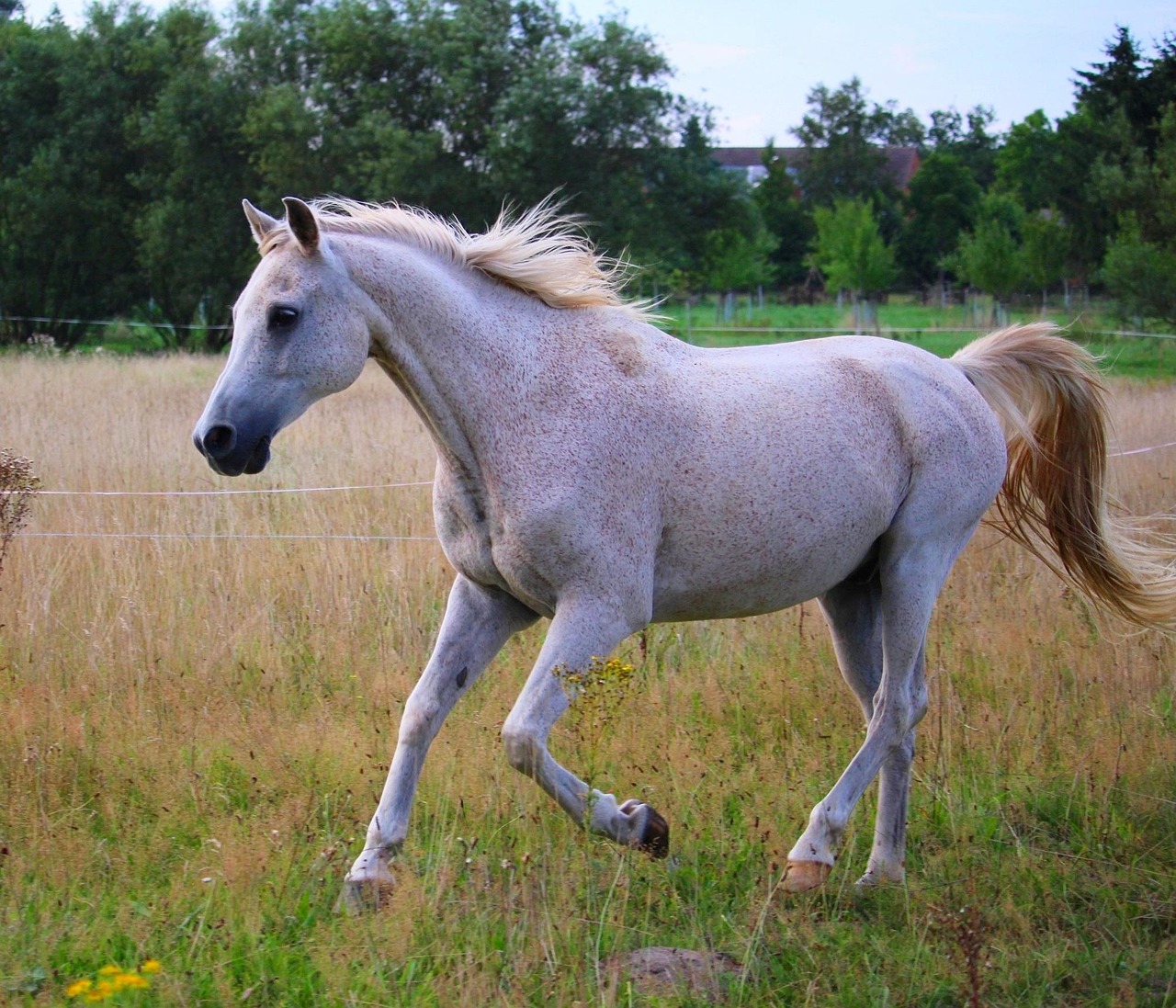
Arabian horses are among the most cold-sensitive breeds, with their thin skin and desert origins making them particularly vulnerable to low temperatures. These stunning horses were literally bred in the scorching heat of the Middle East, where winter means maybe wearing a light sweater. When you take a creature designed for sand dunes and blazing sun and plop them into a snowy climate, you’re basically asking a lifeguard to work in Antarctica.
Some Arabians typically need extra protection when temperatures drop below 20 degrees Fahrenheit, but that doesn’t mean they’re happy about it. Desert-bred horses like Arabians don’t always grow heavy, protective winter coats, so their owners usually keep them inside barns during winter and keep blankets on them. These horses are basically the drama queens of the horse world when it comes to cold weather.
#13 Thoroughbred Horses – Racing Away From Winter
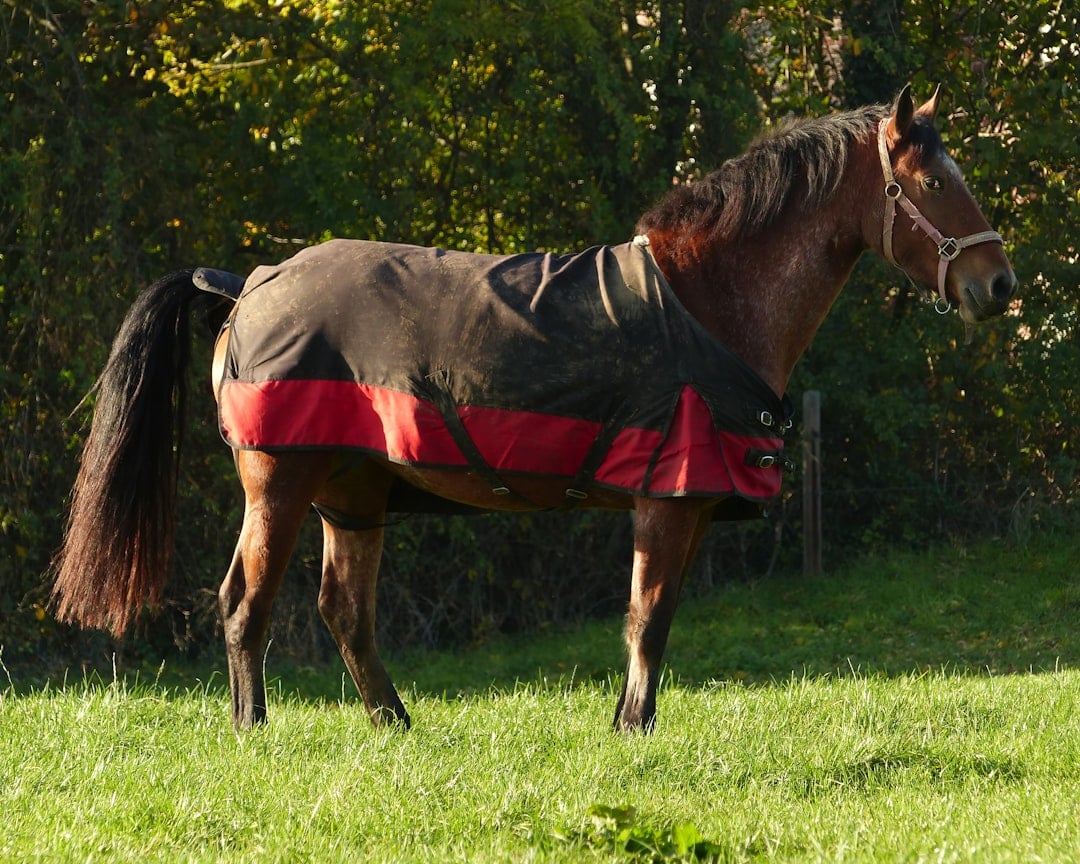
Thoroughbreds are among the horse breeds most impacted by cold weather due to their thin skin and little body fat. These sleek speed demons were built for racing, not for trudging through snowbanks like furry tanks. Their lean, athletic bodies that make them perfect for the track also make them terrible at staying warm when Jack Frost comes knocking.
Hot-blooded horses like Thoroughbreds have fine hair and often need blankets in cold seasons if they don’t grow a thick winter coat. You’ll often see these horses bundled up like they’re heading to the North Pole, even when it’s just a mild autumn evening. They’re basically the supermodels of the horse world – gorgeous but high maintenance when the temperature drops.
#12 Standardbred Horses – Trotting Toward Warmer Weather
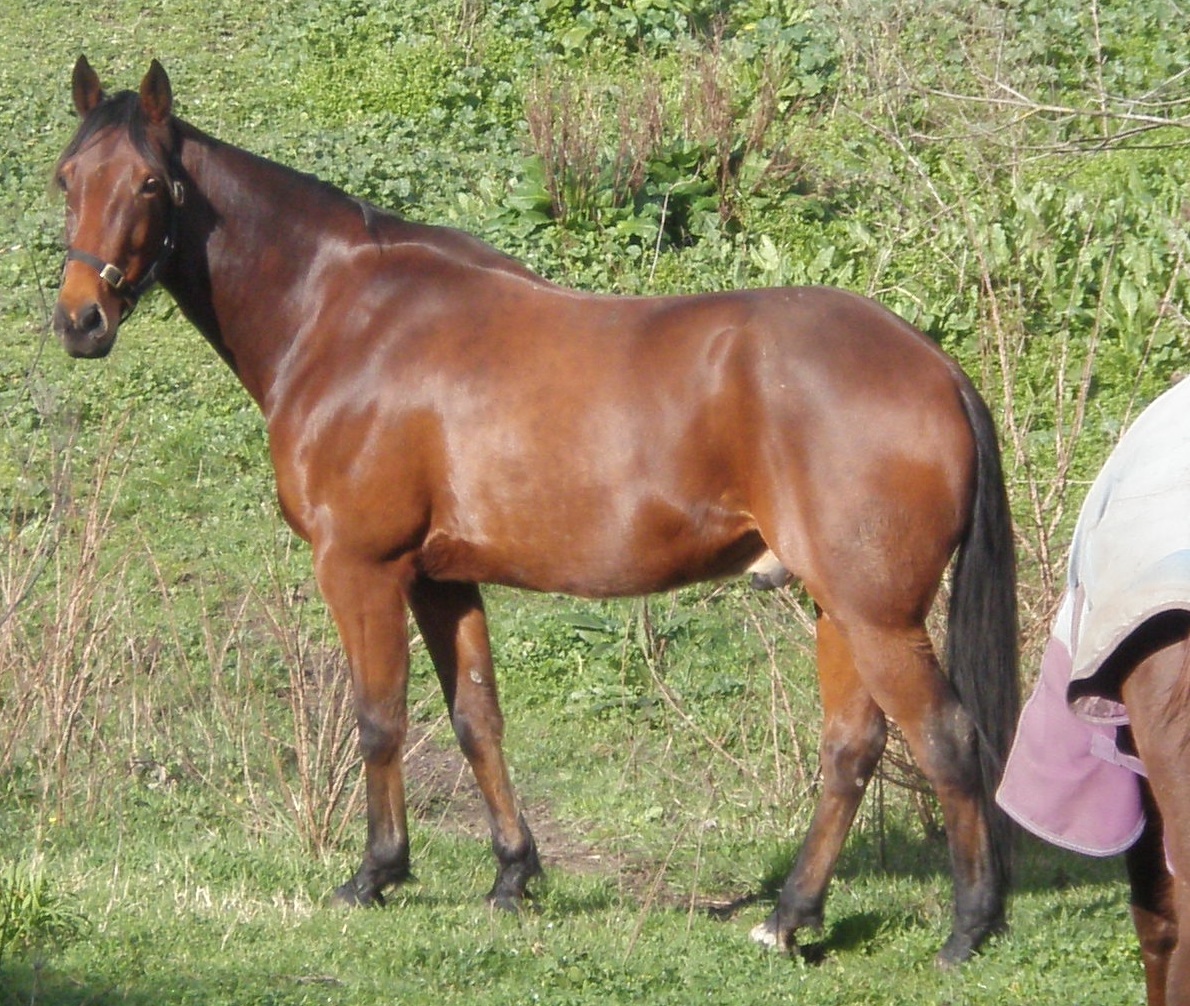
Like their Thoroughbred cousins, Standardbreds share similar cold sensitivity issues due to their racing heritage and lean builds. These harness racing champions were bred for speed and endurance on the track, not for battling winter weather. Their fine coats and athletic physiques make them perfect for racing but terrible for surviving harsh winters without significant human help.
These intelligent horses need constant mental stimulation and athletic outlets, and prolonged stall confinement during cold weather can lead to boredom and undesirable behaviors. When winter forces them indoors more often, they become restless and cranky – kind of like humans who hate being cooped up during cold snaps.
#11 Akhal-Teke Horses – Golden Beauties With Winter Blues
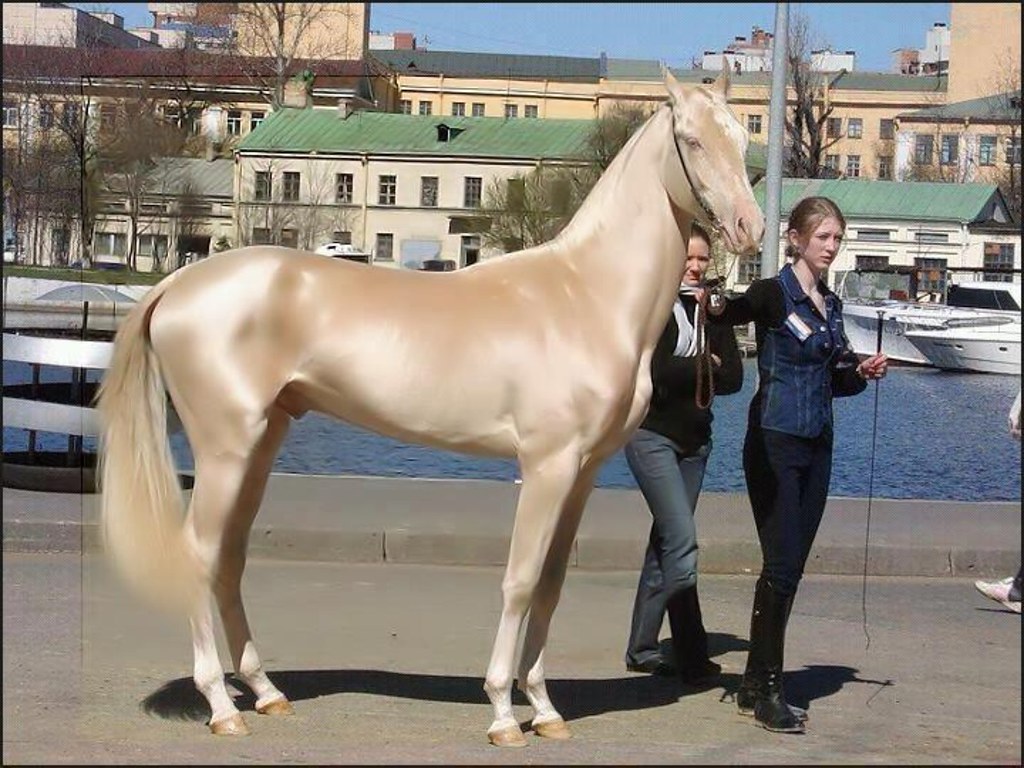
These absolutely stunning horses from Turkmenistan are like living, breathing pieces of gold jewelry – and about as practical in cold weather. The Akhal-Teke is native to modern-day Turkmenistan, with close genetic relationships to Arabians and Caspian horses, suggesting their ancestors originated in the Middle East. This desert heritage means they’re about as prepared for winter as a cactus.
Their incredibly fine, almost metallic-looking coats are breathtaking to behold but provide about as much insulation as tissue paper. These horses are so refined and delicate that they make other hot-blooded breeds look like winter warriors. They’re definitely the type to complain about a slight breeze, let alone actual cold weather.
#10 Barb Horses – North African Natives Missing Home
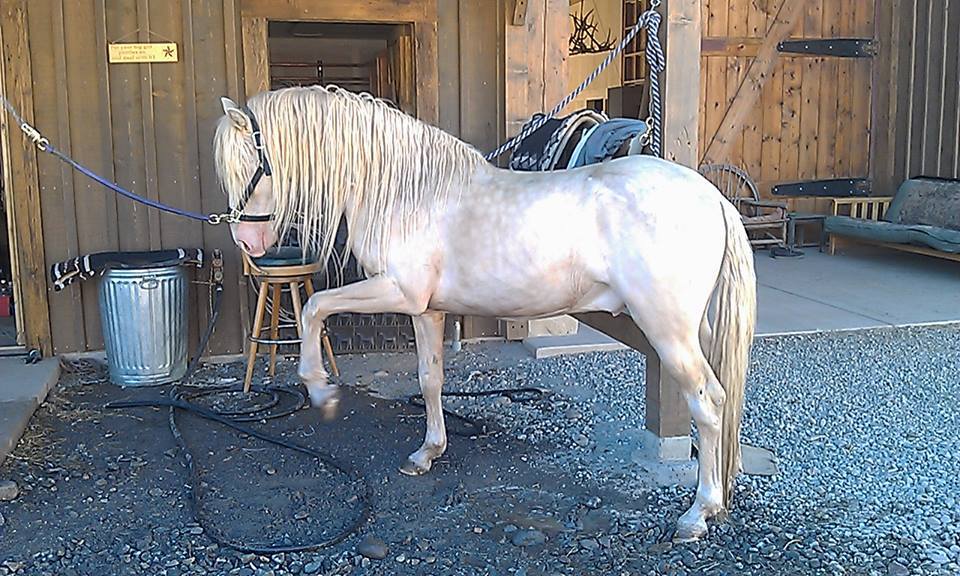
Barb horses are classified as hot-blooded breeds along with Arabians and Thoroughbreds, sharing their Mediterranean and North African origins. These horses hail from the warm, dry climates of Morocco, Algeria, and Tunisia, where “cold” means maybe putting on a light jacket. When winter hits, these horses probably spend their time dreaming of warm sand dunes and endless sunshine.
Their lean builds and fine coats make them about as winter-ready as flip-flops in a snowstorm. Like other hot-blooded breeds, they require extra care, heated barns, and plenty of blankets to stay comfortable when temperatures drop below their comfort zone.
#9 Saddlebred Horses – High-Stepping Into Heated Barns
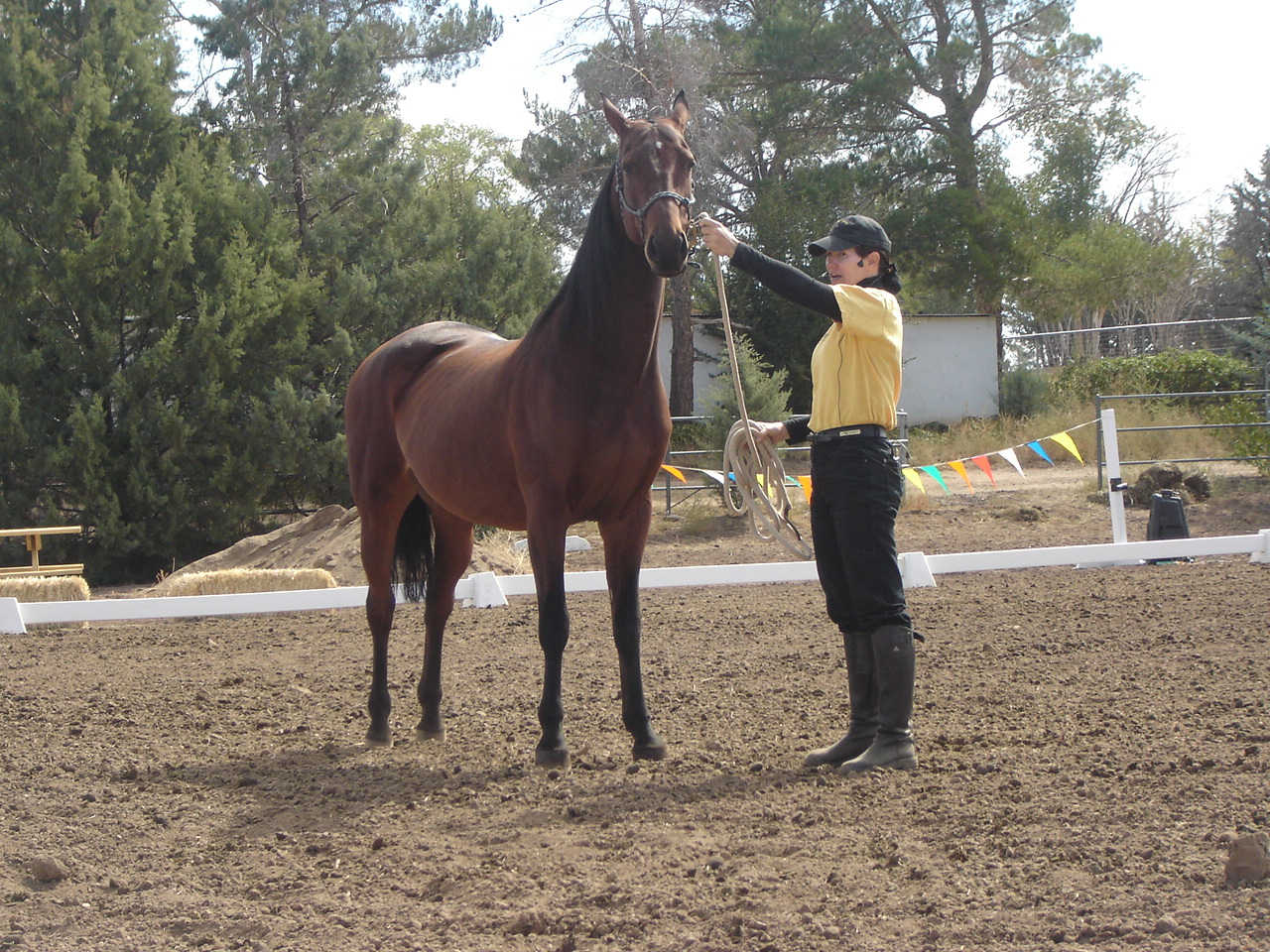
American Saddlebreds are the show ponies of the horse world – literally. These elegant, high-stepping beauties were bred for looks and performance, not for surviving harsh winters. Their fine coats and refined builds make them more suited to heated indoor arenas than frozen outdoor paddocks. When winter arrives, they’re probably the first ones at the barn door demanding their heated stalls.
When one American Saddlebred mare reached about eighteen years old, her owner decided to buy her a couple of blankets, just in case. These horses age into even bigger cold weather wimps, requiring extra protection as they get older and their ability to regulate body temperature decreases.
#8 Friesian Horses – Ironically Cold in Their Homeland
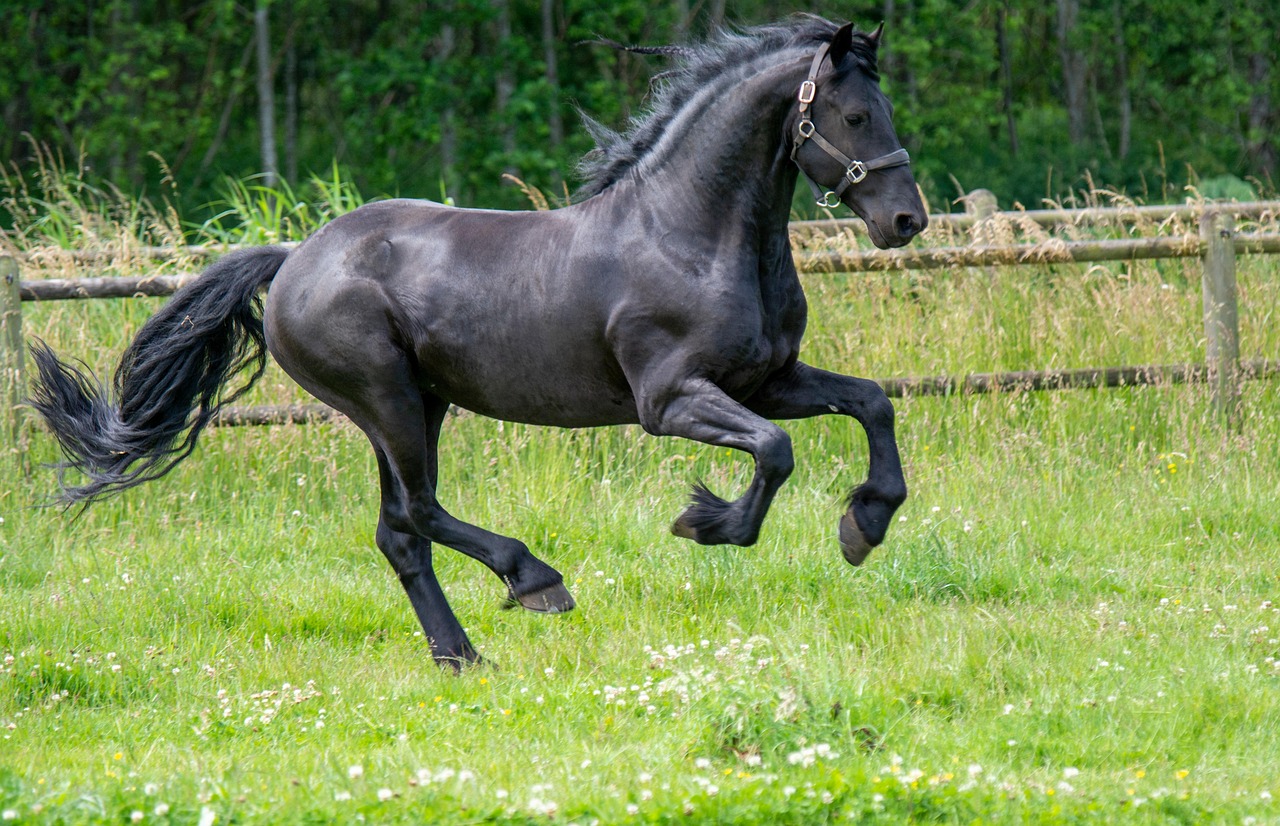
Here’s where things get weird – some breeds are more affected by hot weather, such as those with thick coats like Friesians, but this can actually make them surprisingly sensitive to cold wet weather. These gorgeous black horses from the Netherlands have thick, flowing manes and feathered legs that look like they should handle cold just fine. But their thick coats can actually work against them in cold, wet conditions.
When their beautiful thick hair gets soaked through, it loses its insulating properties and actually makes them colder than horses with shorter, more weather-resistant coats. It’s like wearing a wet wool sweater – miserable and counterproductive.
#7 Tennessee Walking Horses – Smooth Gaits, Rough Winters
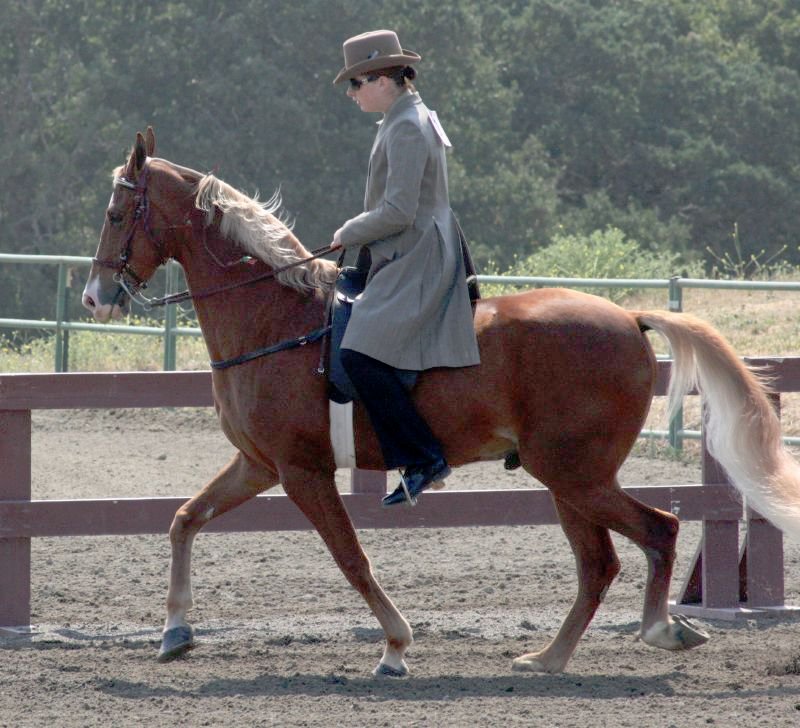
The Tennessee Walking Horse is a gaited breed with primarily hot-blooded characteristics, but this doesn’t necessarily make them winter warriors. These smooth-gaited southern beauties were developed in the warmer climates of Tennessee and surrounding states, where winters are relatively mild compared to northern regions.
Their refined builds and southern heritage make them less than enthusiastic about serious cold weather. They’re more likely to be found huddling in their stalls than prancing around in snow, despite their reputation for smooth, comfortable gaits.
#6 Quarter Horses – America’s Favorite Fair-Weather Friends
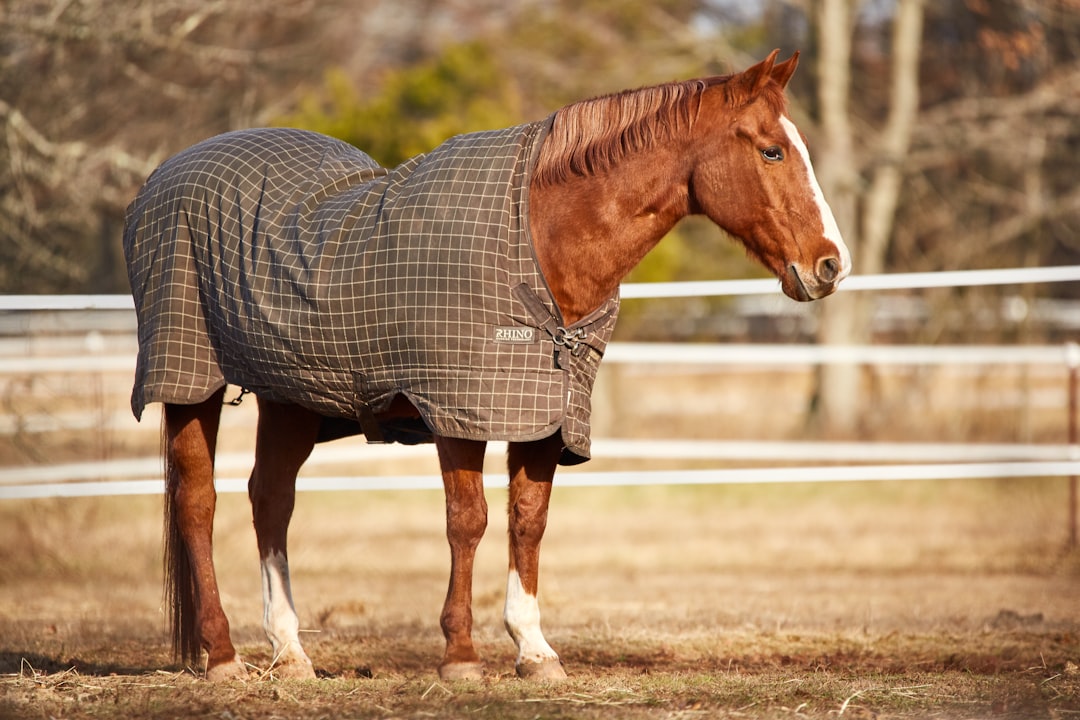
Quarter Horses are stock horses that can vary in their cold tolerance, but many individual horses within this breed can be surprisingly cold-sensitive. While some Quarter Horses handle cold just fine, others seem to have inherited more of their hot-blooded sensitivity to temperature drops.
Their stocky builds might suggest they’d be tough winter horses, but many Quarter Horse owners find themselves reaching for blankets and heated water buckets when temperatures plummet. It really depends on the individual horse and their specific breeding lines.
#5 Paint Horses – Pretty But Particular About Temperature
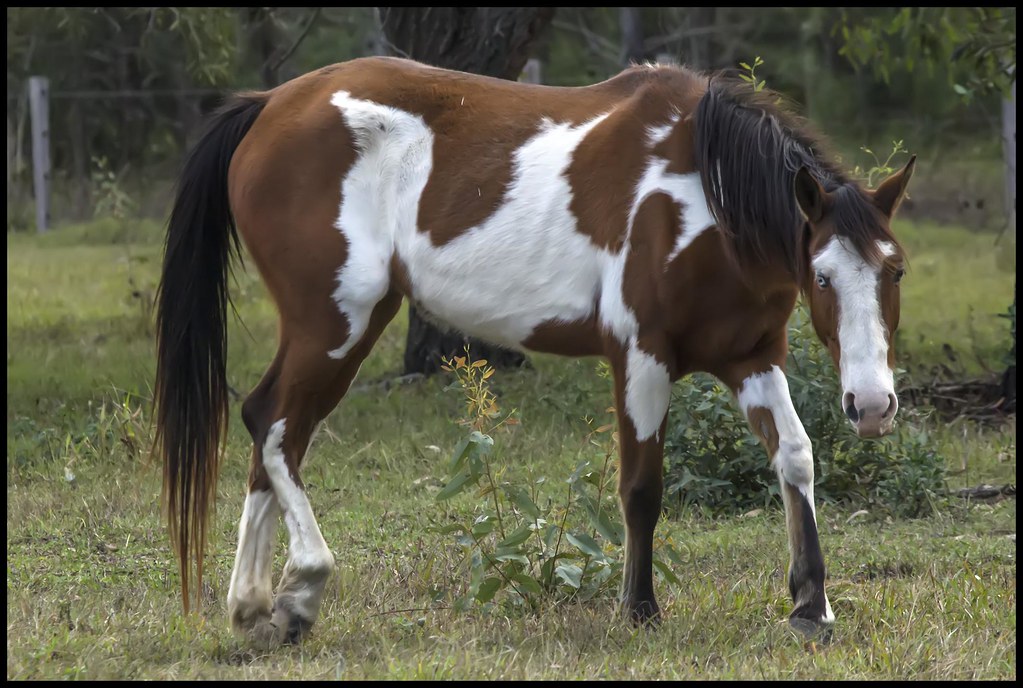
Paint Horses share much of their genetics with Quarter Horses, which means they also vary in their cold tolerance that can go either way with cold tolerance. Their beautiful spotted coats might look hardy, but looks can be deceiving when it comes to weather resistance. Many Paint owners discover their horses are surprisingly fussy about cold weather.
Like their Quarter Horse relatives, individual Paints can vary widely in their cold tolerance. Some handle winter like champs, while others act like they’re melting at the first sign of frost. It’s really a roll of the dice with these colorful characters.
#4 Morgan Horses – Vermont’s Surprisingly Sensitive Natives
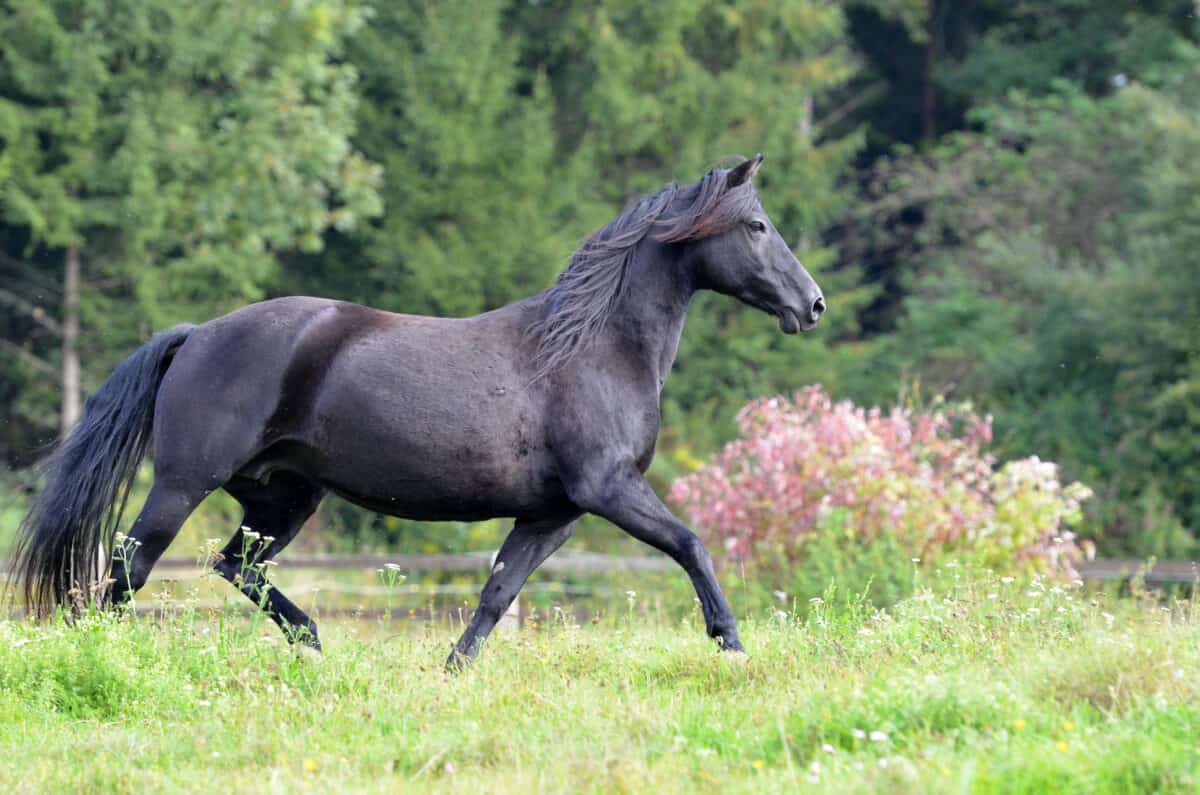
You’d think a breed that originated in Vermont would laugh at cold weather, but Morgan horses can be surprisingly sensitive to temperature drops. While historically hardy, modern breeding has sometimes produced Morgans that are more refined and less cold-tolerant than their ancestors who worked New England farms.
These compact, elegant horses often require more winter care than you might expect from their New England heritage. Many Morgan owners find themselves providing extra blankets and shelter to keep their horses comfortable during harsh winters.
#3 Paso Fino Horses – Latin Heat, Northern Freeze
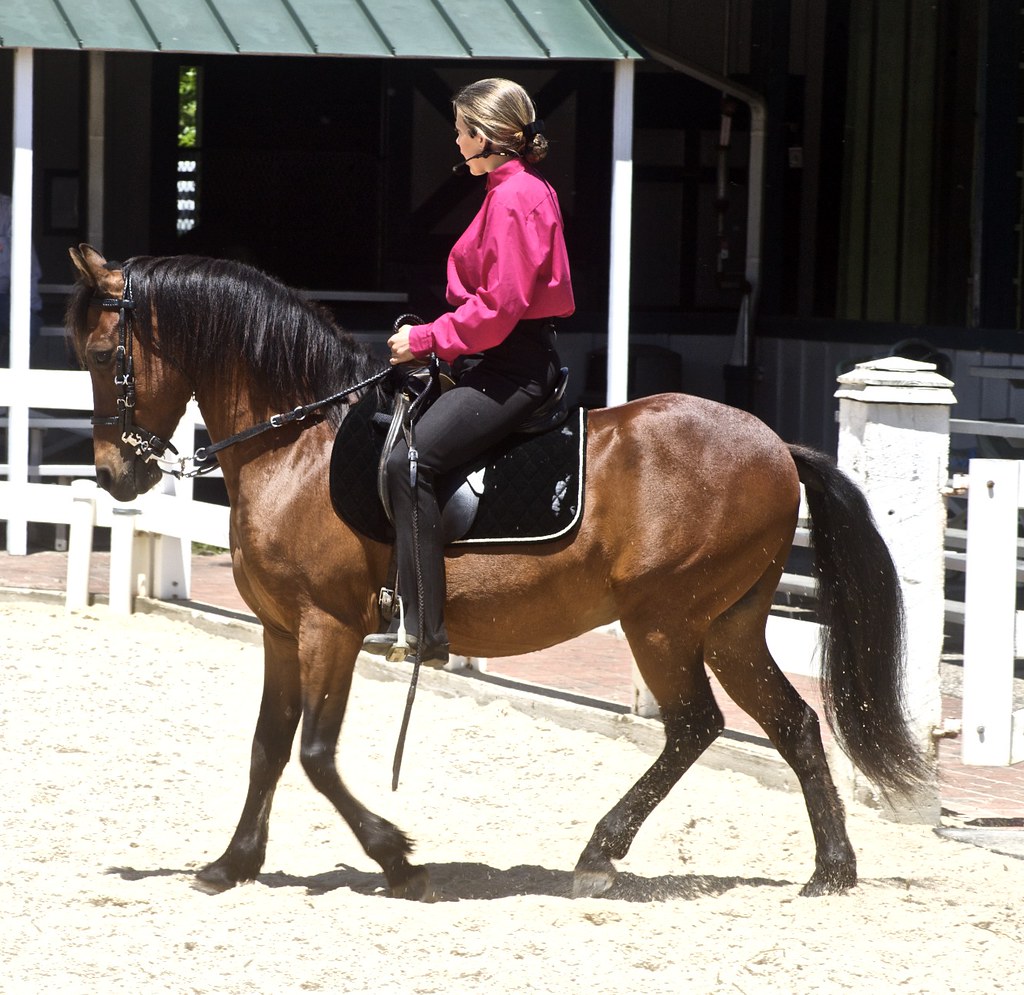
These smooth-gaited horses from Latin America are about as prepared for winter as someone showing up to a ski resort in shorts and sandals. Paso Finos were developed in the warm, tropical climates of Puerto Rico, Colombia, and other Latin American countries where snow is basically a foreign concept.
Their fine coats and tropical heritage make them extremely cold-sensitive. These horses probably spend winter months plotting their escape to somewhere with palm trees and year-round temperatures in the 80s. They’re definitely not built for anything resembling actual winter weather.
#2 Warmblood Sport Horses – Athletes Who Prefer Indoor Arenas
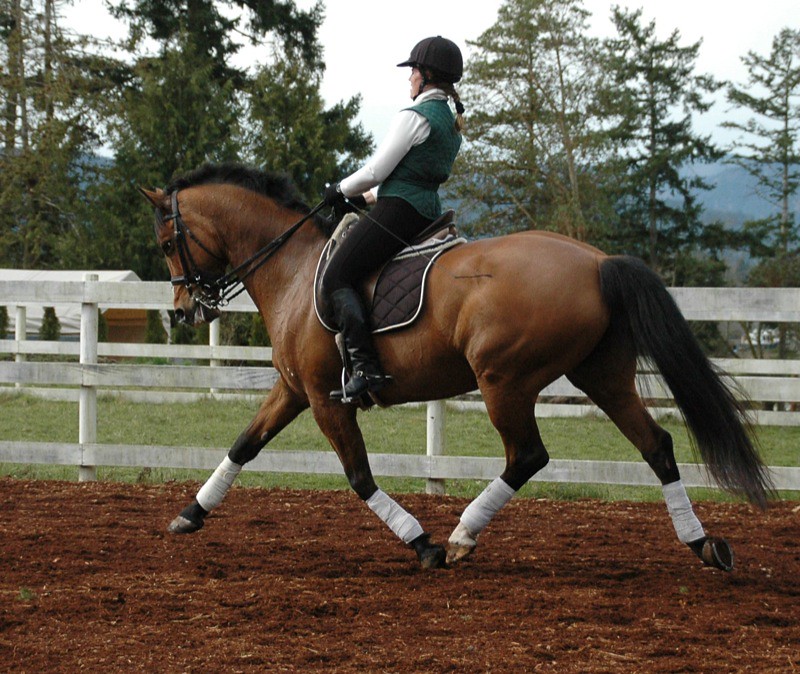
Dutch Warmblood, Hanoverian, Holsteiner, and Trakhener horses are usually calmer than Thoroughbreds, but have the ability to move more athletically than the heavier draft breeds. However, many modern warmblood sport horses have been bred more for athletic ability than weather hardiness. These expensive athletes often live pampered lives in heated barns with regular blanketing schedules.
Warmbloods offer the best of both worlds – discipline and athleticism – making them ideal for riders seeking a reliable and capable equestrian partner. But this breeding for performance sometimes comes at the cost of natural hardiness, leaving many warmblood owners with horses that need significant winter care.
#1 Miniature Horses – Tiny Bodies, Big Heating Bills
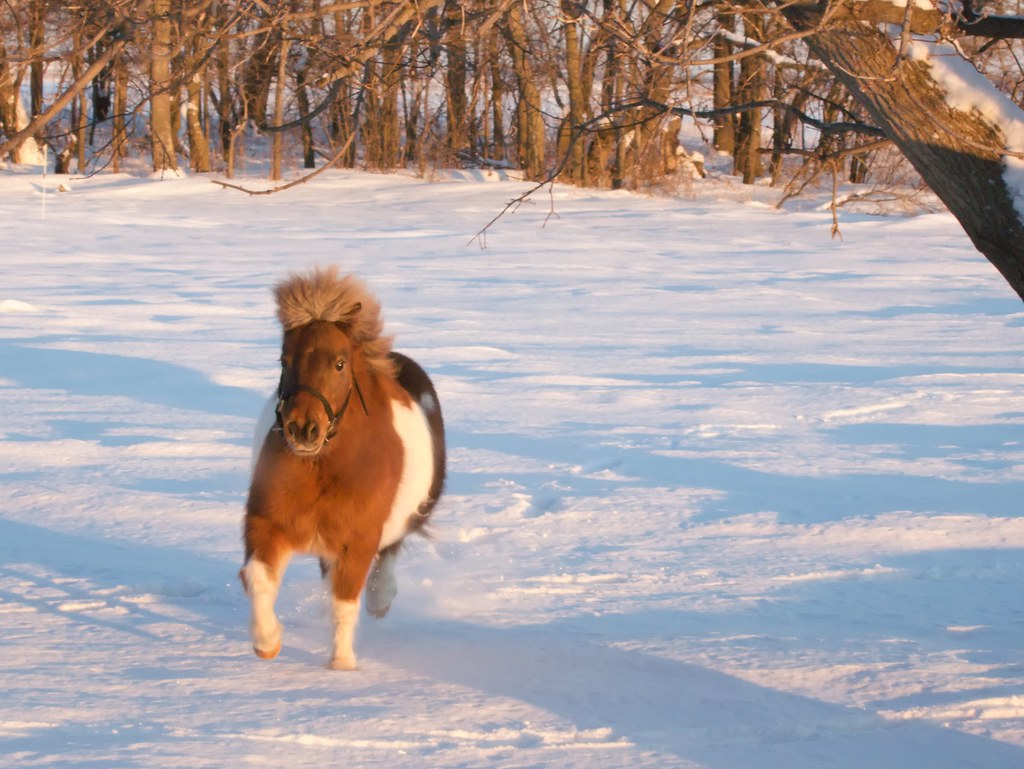
While not exactly a distinct breed, miniature horses deserve special mention for their impressive ability to hate cold weather. Their tiny bodies have a huge surface area to volume ratio, which means they lose heat faster than a leaky radiator. These pint-sized equines often need more winter care per pound than their full-sized relatives.
Foals, older horses, pregnant mares and horses with a history of respiratory diseases are usually most vulnerable in cold weather. Miniature horses often fall into similar vulnerability categories due to their size and proportions. They’re basically the Chihuahuas of the horse world when it comes to cold sensitivity.
Conclusion
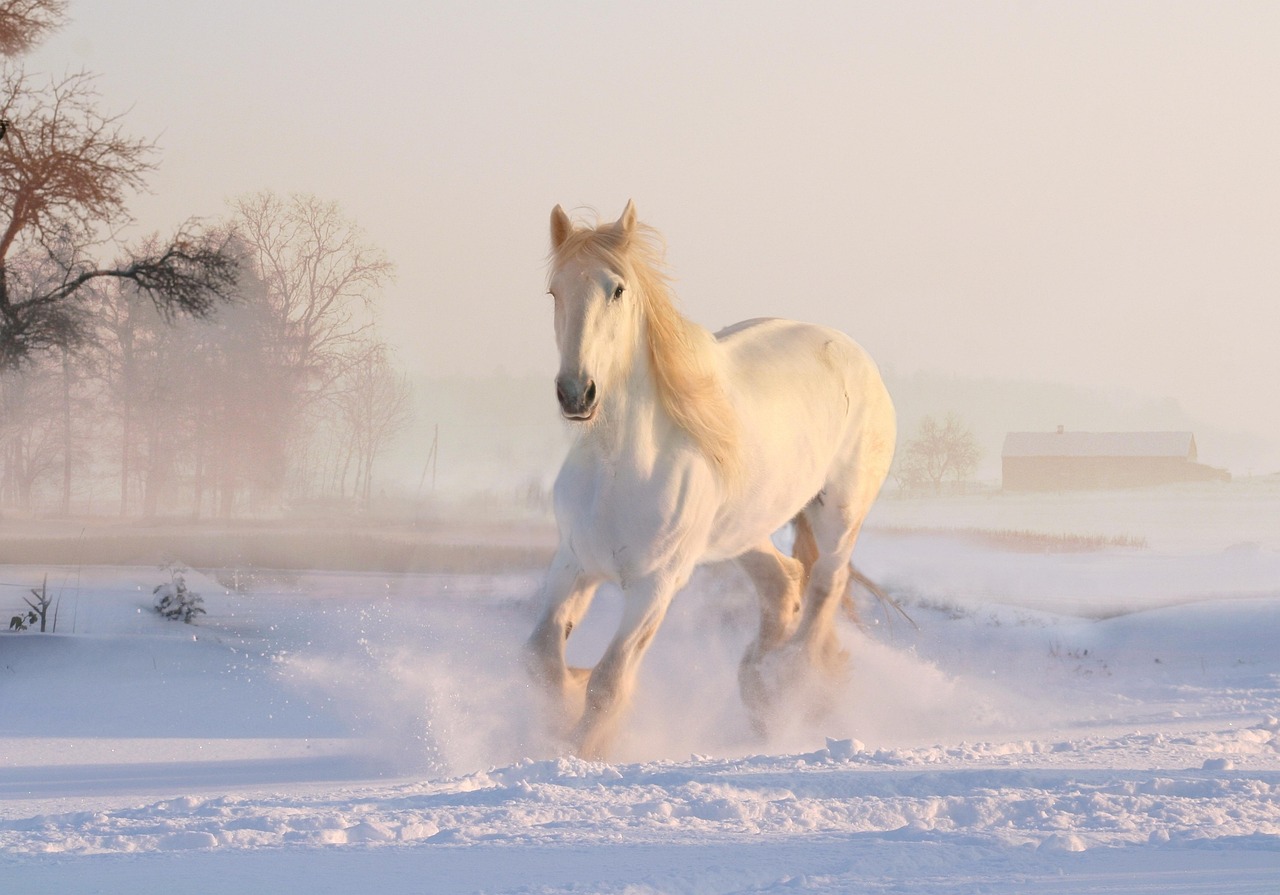
Looking at all these cold-hating horse breeds, it’s pretty clear that not all horses are created equal when it comes to weather tolerance. From desert-bred Arabians to pampered sport horses, plenty of these magnificent creatures would choose a heated barn over a snowy pasture any day of the week. How a horse responds to winter weather may have more to do with individual makeup than breed or body type, as even a fat Arabian with muscles and a thick coat might handle winter better than an old, clipped Icelandic Horse with poor body condition.
The next time you’re shivering in your winter coat, just remember – at least you can go inside and crank up the heat whenever you want. These horses are stuck with whatever shelter and care their humans provide. So maybe we’re not such winter wimps after all, or maybe we just have better heating systems than most horses do.

- Can Snakes Give Birth Without Mating? - July 15, 2026
- The Hidden Desert Beneath a U.S. Forest—A Strange Natural Twist - July 15, 2026
- Rare Shark Sighting Alarms Scientists Near Baja California - July 15, 2026