

High in the clouds, where oxygen is scarce and temperatures plummet to deadly lows, extraordinary animals have made their homes in Earth’s most formidable mountain environments. From the snow-capped peaks of the Himalayas to the rugged slopes of the Andes, these remarkable creatures have evolved astonishing adaptations that allow them to not just survive but thrive in conditions that would quickly prove fatal to most species. Their evolutionary journey represents one of nature’s most impressive demonstrations of resilience and adaptability, showcasing biological innovations that continue to fascinate scientists and nature enthusiasts alike. This article explores the remarkable physiological, behavioral, and morphological adaptations that mountain animals have developed to overcome the extreme challenges of high-altitude living.
The Extreme Challenges of Mountain Environments

Mountain environments present some of the most challenging living conditions on Earth. At high elevations, oxygen levels can drop to less than 50% of what’s available at sea level, creating a perpetual state of hypoxia. Temperatures fluctuate dramatically, often plummeting below freezing at night even after relatively warm days. Ultraviolet radiation exposure increases with altitude, potentially causing severe damage to unprotected tissues. Food resources are typically scarce and seasonal, while steep, unstable terrain creates constant physical hazards. Precipitation patterns are often extreme and unpredictable, bringing sudden snowstorms or deluges that can drastically alter the landscape within hours. These combined stressors create an environment where only the most specialized organisms can establish permanent residence.
Respiratory Adaptations for Thin Air

High-altitude animals have evolved remarkable respiratory adaptations to cope with oxygen scarcity. The Tibetan antelope (Pantholops hodgsonii) possesses enlarged lungs and hearts that can process more air with each breath. Snow leopards (Panthera uncia) have wider nasal cavities and larger chest volumes than their lowland relatives, allowing them to take in more oxygen with each inhalation. Perhaps most impressive are the bar-headed geese (Anser indicus), which migrate over the Himalayas at altitudes exceeding 29,000 feet. These birds possess hemoglobin with a special molecular structure that binds oxygen more efficiently than that of lowland birds. Their lung capillaries are also more densely packed, creating greater surface area for gas exchange. These adaptations allow mountain dwellers to extract maximum oxygen from air that would leave most species gasping for breath.
Blood Adaptations for Oxygen Transport
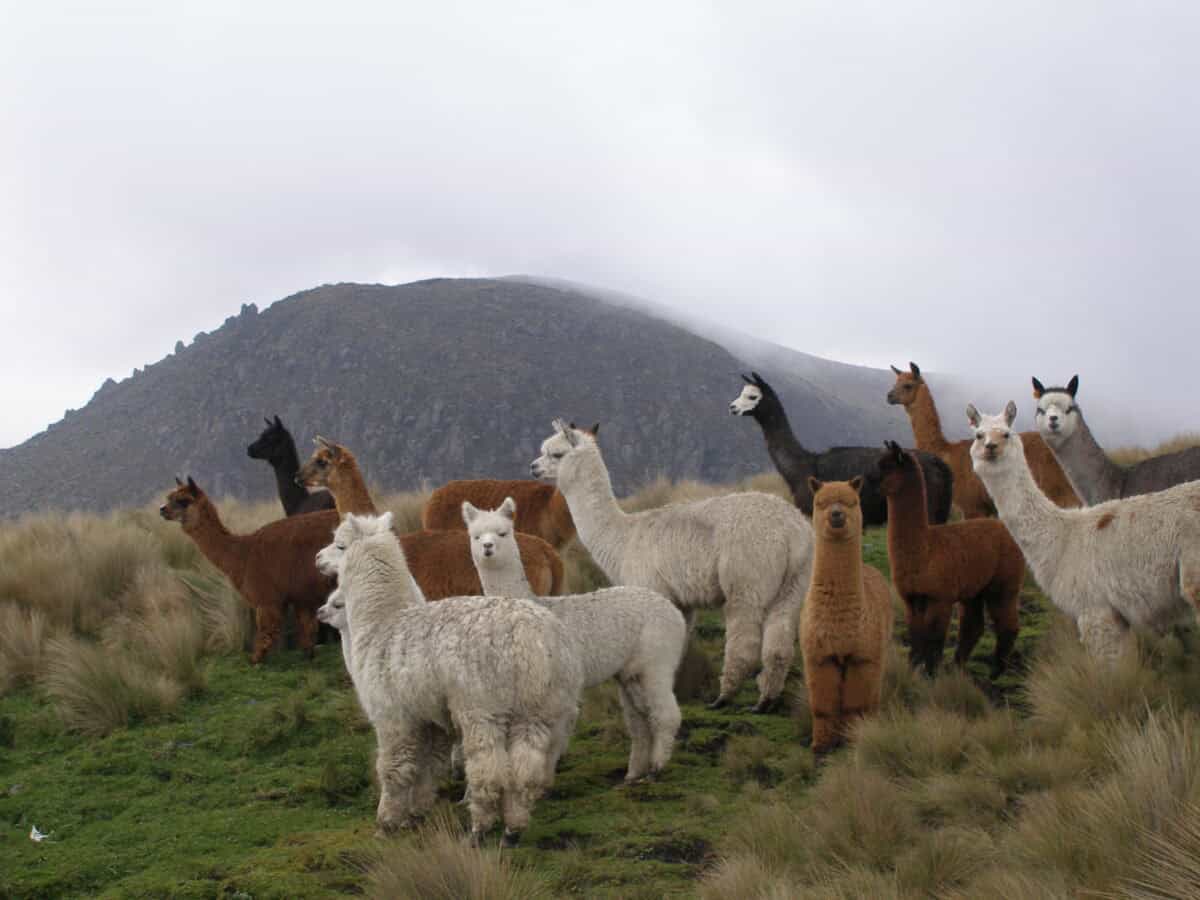
The blood of high-altitude animals has evolved specialized characteristics to maximize oxygen transport. The Andean mountain camelids—llamas, alpacas, and vicuñas—possess elliptical red blood cells (unlike the circular cells found in most mammals) that can continue flowing efficiently even when oxygen levels would cause other animals’ blood to thicken dangerously. The Tibetan yak (Bos grunniens) maintains higher hemoglobin concentrations than lowland cattle, allowing each red blood cell to carry more oxygen. Perhaps most remarkable is the plateau pika (Ochotona curzoniae), which has evolved hemoglobin that changes its structure at different oxygen concentrations, becoming increasingly efficient at binding oxygen as levels decrease. These hematological adaptations represent sophisticated evolutionary solutions to the fundamental challenge of transporting adequate oxygen throughout the body in hypoxic conditions.
Thermal Regulation in Extreme Temperatures

Mountain-dwelling animals face dramatic temperature fluctuations, often ranging from scorching sun exposure to sub-freezing conditions within a single day. The Himalayan marmot (Marmota himalayana) copes with this challenge through a combination of thick fur and hibernation, spending up to eight months of the year in a torpid state that reduces its metabolic requirements by up to 90%. Mountain goats (Oreamnos americanus) possess a dual-layer coat with hollow outer guard hairs that provide exceptional insulation while shedding water effectively. The Andean condor (Vultur gryphus) uses its massive wingspan to soar on thermal updrafts, minimizing energy expenditure while avoiding temperature extremes on the ground. Perhaps most impressive is the Alpine ibex (Capra ibex), which can reduce blood flow to its extremities during extreme cold, maintaining critical core temperature while allowing peripheral tissues to cool substantially without damage. These diverse thermoregulatory strategies demonstrate the multiple evolutionary pathways that have emerged to address the same fundamental challenge.
Specialized Foot Adaptations for Treacherous Terrain

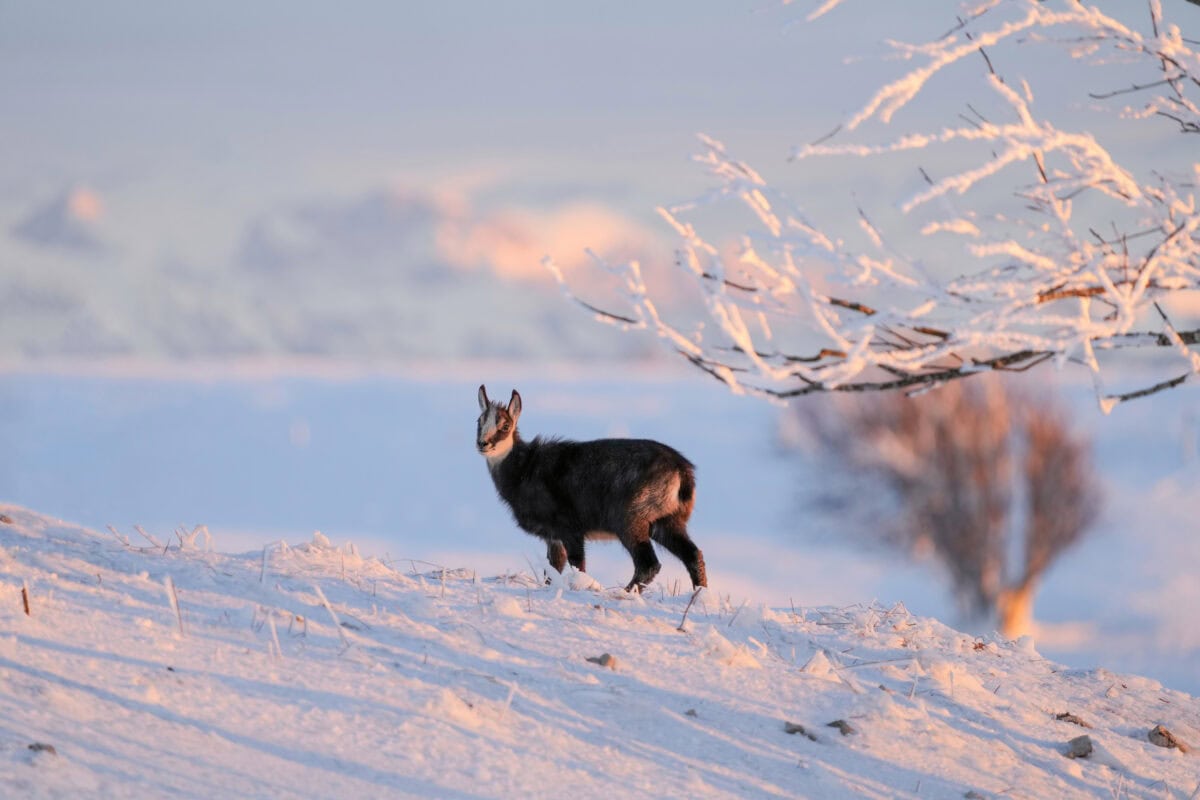
Navigating steep, rocky, and often icy mountain terrain requires specialized locomotory adaptations. The snow leopard’s oversized paws function like natural snowshoes, distributing weight across soft snow while providing crucial traction. Their feet are also lined with fur, providing additional insulation against the cold. Mountain goats possess remarkable hooves with rubber-like pads surrounded by sharp, hard edges that can grip the smallest rock ledges—allowing them to navigate near-vertical cliff faces with astonishing agility. The Himalayan tahr (Hemitragus jemlahicus) has developed flexible, split hooves that can spread for stability or contract to fit into narrow crevices. The Alpine chamois (Rupicapra rupicapra) possesses special glands between its toes that secrete an oily substance, preventing its hooves from becoming brittle in the dry mountain air while also providing better grip on wet surfaces. These foot adaptations represent critical evolutionary innovations that have opened up otherwise inaccessible high-altitude niches to these specialized species.
Dietary Adaptations in Resource-Scarce Environments
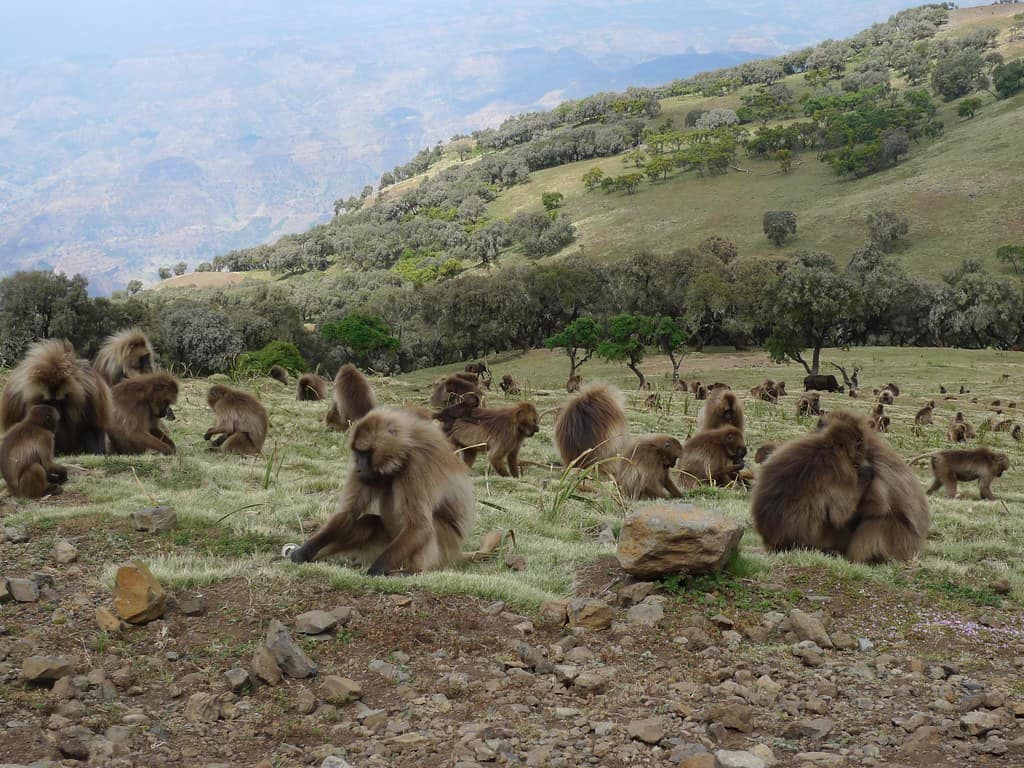
The limited and seasonal food resources of mountain environments have driven the evolution of specialized dietary adaptations. The Himalayan pika (Ochotona roylei) harvests vegetation during the brief growing season and creates “hay piles” that are carefully dried and stored for winter consumption. The bearded vulture (Gypaetus barbatus) has evolved the unique ability to derive 90% of its nutrition from bone marrow, specializing in dropping large bones onto rocks from height to access this concentrated nutrient source unavailable to other scavengers. The gelada baboon (Theropithecus gelada) of the Ethiopian Highlands has specialized incisors and a unique thumb-to-finger grip that allows it to efficiently harvest tiny grass blades and seeds that would provide insufficient nutrition for most primates. Perhaps most remarkable is the Andean viscacha (Lagidium viscacia), which has evolved specialized digestive enzymes that can detoxify the highly poisonous plants that grow in its high-altitude habitat, converting what would be deadly to most mammals into a viable food source. These dietary specializations allow mountain species to extract maximum nutrition from seemingly inhospitable environments.
Visual Adaptations for Intense UV Radiation
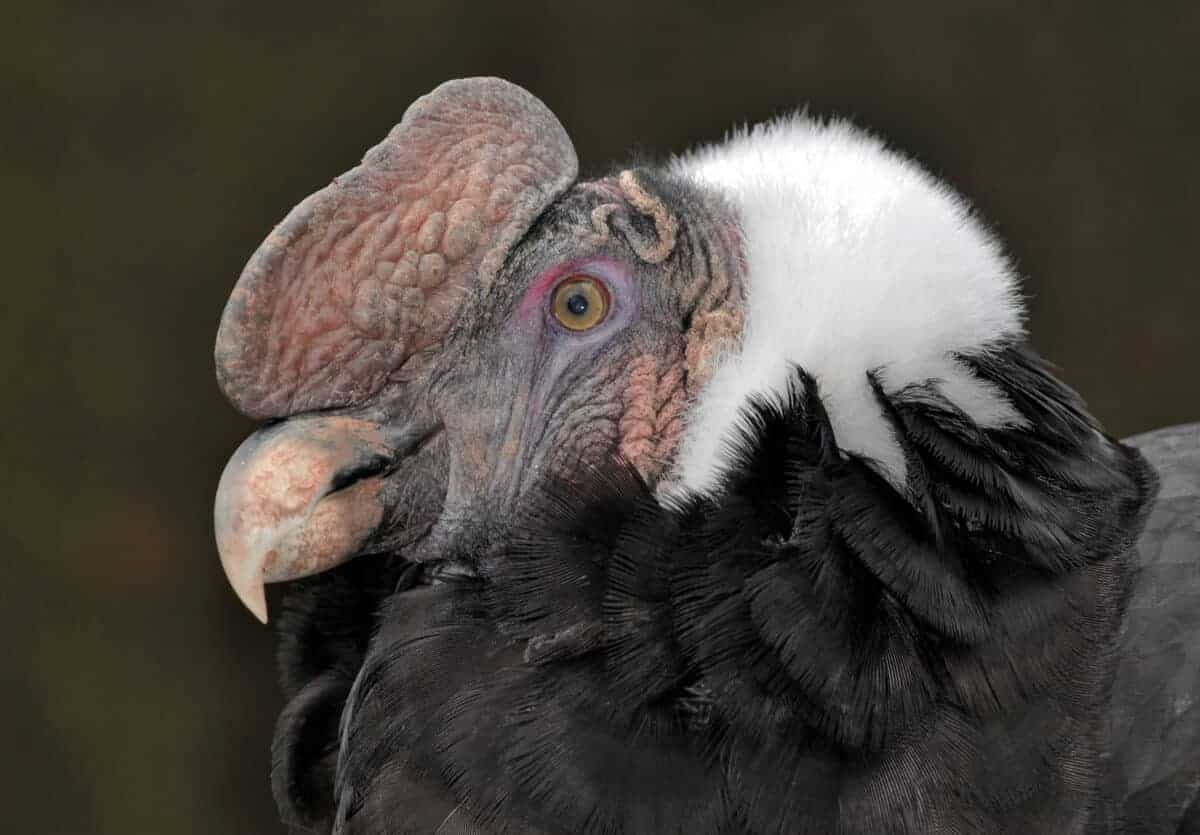
At high altitudes, ultraviolet radiation can be up to 40% more intense than at sea level, creating serious risks for unprotected eyes and skin. Mountain-dwelling animals have evolved remarkable visual adaptations to address this challenge. The snow leopard possesses specialized eye cells that filter harmful UV rays while enhancing vision in low-light conditions. The Himalayan tahr has developed distinctly darker eye surroundings that absorb excess UV radiation, preventing snow blindness. The Andean condor’s eyes contain high concentrations of protective pigments that function like natural sunglasses, filtering harmful wavelengths while maintaining visual acuity for spotting carrion from great distances. Perhaps most sophisticated are the eyes of the Alpine chamois, which can adjust their pupil shape from circular to rectangular depending on light conditions, providing optimal light management across vastly different illumination scenarios. These visual adaptations protect these animals from radiation damage while optimizing their vision for the specific challenges of mountain environments.
Behavioral Strategies for Seasonal Extremes
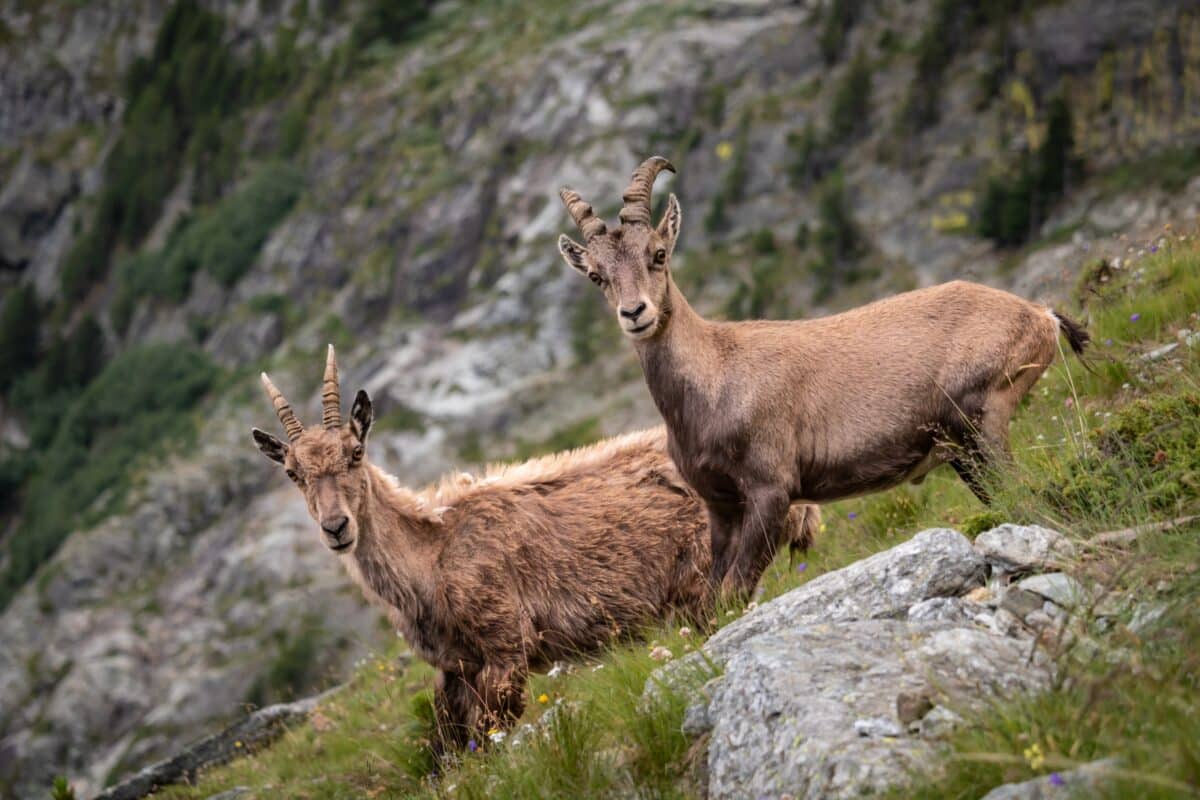
Beyond physiological adaptations, mountain animals have developed complex behavioral strategies to cope with seasonal extremes. The Alpine ibex engages in altitudinal migration, moving to higher elevations in summer to access fresh vegetation and descending to lower, more sheltered areas during harsh winters. Himalayan tahrs form larger groups during winter months, huddling together for warmth during extreme cold spells. The mountain-dwelling Clark’s nutcracker (Nucifraga columbiana) caches up to 100,000 seeds in over 2,500 locations during autumn, creating food reserves it can retrieve throughout winter using its extraordinary spatial memory. The golden eagle (Aquila chrysaetos) adjusts its hunting territory seasonally, following prey availability across different elevation zones. Perhaps most impressive is the synchronized breeding of many mountain ungulates, whose young are born precisely when spring vegetation emerges, maximizing nutrition during critical developmental periods. These behavioral adaptations demonstrate the sophisticated cognitive and social capacities that complement physiological specializations in mountain survival strategies.
Reproductive Adaptations to Brief Favorable Seasons
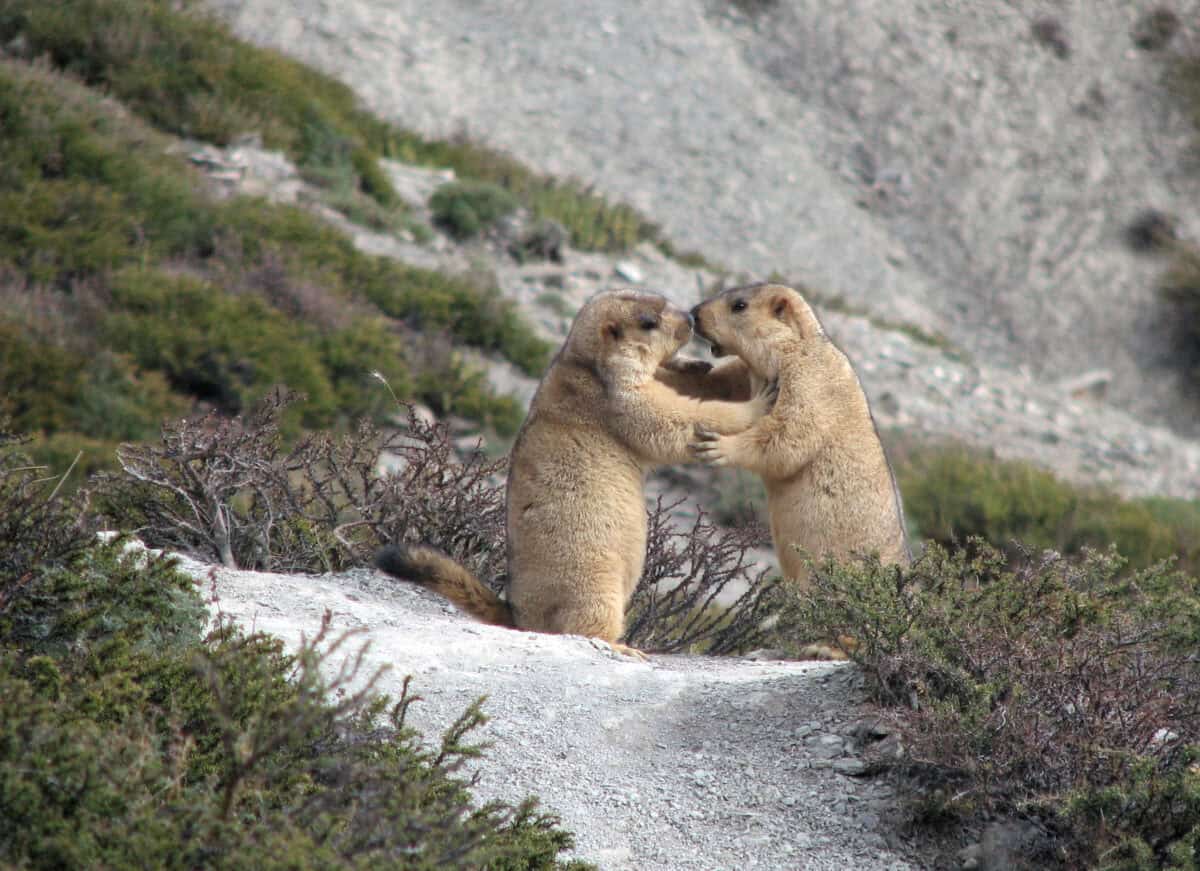
The brief favorable seasons at high altitudes have driven the evolution of specialized reproductive strategies. The Himalayan marmot compresses its entire reproductive cycle—mating, gestation, birth, and juvenile development—into the brief 3-4 month summer window when resources are available. The snow leopard has evolved the ability to delay implantation of fertilized eggs, allowing mating to occur when adults are in peak condition but timing births to coincide with spring prey abundance. Alpine birds like the white-winged snowfinch (Montifringilla nivalis) can produce multiple clutches in rapid succession during favorable conditions but can also completely skip breeding during harsh years without compromising their long-term reproductive success. The plateau pika has perhaps the most accelerated reproductive timeline, with females able to become pregnant again within 24 hours of giving birth and offspring reaching sexual maturity in just 4 weeks. These reproductive adaptations maximize reproductive output during optimal conditions while conserving resources during unfavorable periods.
Genetic Adaptations Revealed Through Modern Research
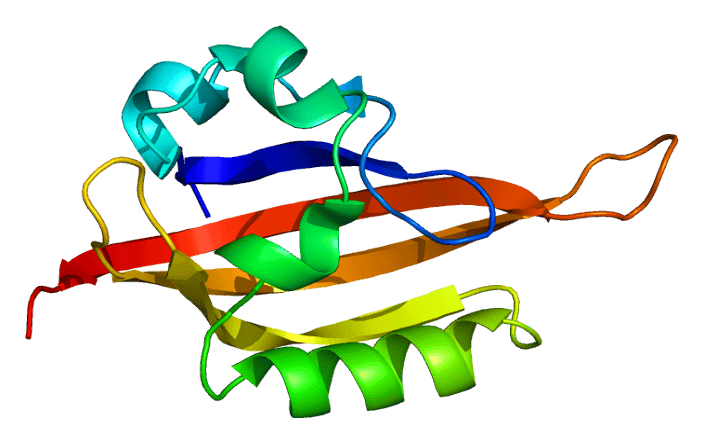
Recent genomic research has begun uncovering the genetic foundations of high-altitude adaptations. Studies of Tibetan humans, yaks, and Tibetan mastiffs have identified mutations in the EPAS1 gene (also called HIF2α) that alter oxygen-sensing pathways, preventing the overproduction of red blood cells that leads to mountain sickness in non-adapted mammals. Research on Andean camelids has revealed modifications to the hemoglobin gene that increase oxygen-binding efficiency without increasing blood viscosity. The plateau zokor (Eospalax baileyi), a subterranean rodent living at elevations up to 4,500 meters, shows unique mutations in genes controlling energy metabolism that allow its cells to function efficiently despite oxygen limitations. Perhaps most fascinating is evidence that some of these genetic adaptations were acquired through interbreeding with ancient hominid species in the case of Tibetan humans, and through similar interspecies genetic exchange in some mountain animals, demonstrating how hybridization can accelerate adaptation to extreme environments. These genetic insights provide a deeper understanding of the molecular mechanisms underlying the remarkable adaptations observed in mountain fauna.
Conservation Challenges for Mountain Species
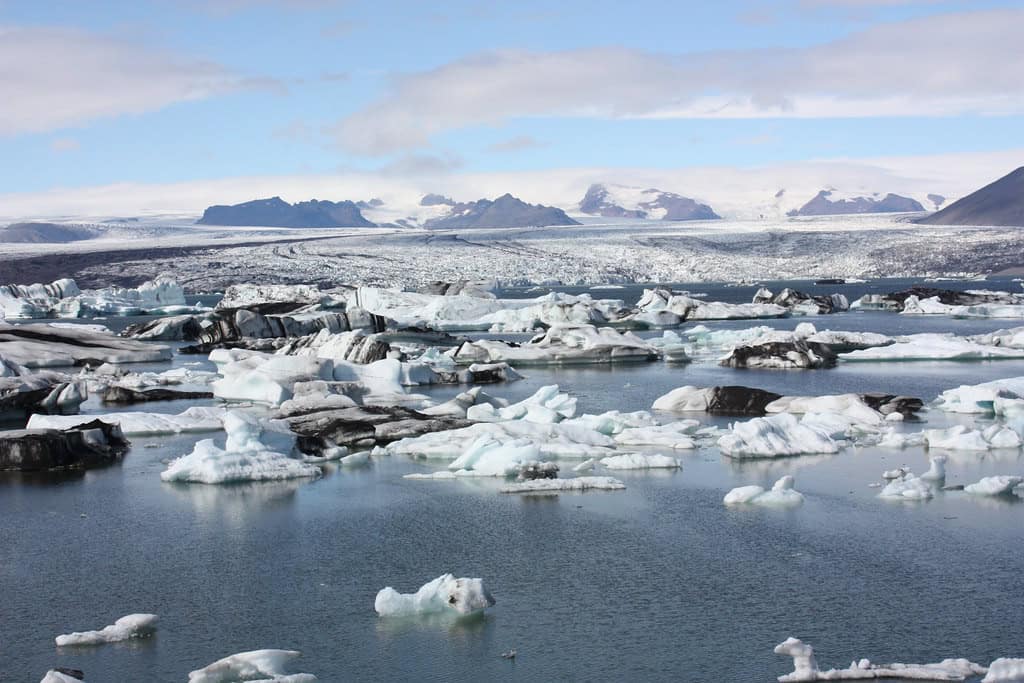
Despite their remarkable adaptations, mountain species face significant conservation challenges. Climate change is causing particularly rapid temperature increases at high elevations, with the Himalayan region warming at rates up to three times the global average. This forces species to move to higher elevations, eventually running out of suitable habitat at mountain tops—a phenomenon scientists call the “escalator to extinction.” Habitat fragmentation from development, mining, and tourism infrastructure blocks crucial migration routes and isolates populations. The snow leopard population has declined by more than 20% in the past two decades, with fewer than 4,000 mature individuals remaining in the wild. Poaching continues to threaten many mountain species, with the Alpine ibex having been hunted to near extinction before conservation efforts intervened. Climate change is also altering precipitation patterns, causing more rain instead of snow in many mountain regions, which disrupts hibernation patterns and causes avalanches that destroy habitat. These conservation challenges require coordinated international efforts, as mountain ecosystems often cross multiple national boundaries.
Learning from Mountain Adaptations: Biomimicry and Medical Applications

The remarkable adaptations of mountain animals have inspired numerous biomimicry applications and medical advances. Studies of yak hemoglobin have led to the development of artificial oxygen carriers for use in emergency medicine. The adhesive properties of mountain goat hooves have inspired new high-grip footwear designs for mountaineers and rescue workers. Research into how mountain-dwelling hibernators prevent muscle atrophy during months of inactivity has yielded insights relevant to treating bedridden patients and potentially even for long-duration space travel. The thermoregulatory strategies of high-altitude mammals have informed the design of new insulating materials that maintain effectiveness in extreme conditions. Perhaps most promising are studies of how high-altitude animals prevent tissue damage during hypoxia, which have applications for treating stroke, heart attack, and other conditions involving oxygen deprivation in human tissues. These practical applications demonstrate how understanding mountain adaptations contributes not just to biological knowledge but also to tangible advances in human technology and medicine.
The diverse adaptations of mountain-dwelling animals represent some of nature’s most impressive evolutionary engineering solutions. From the molecular level of specialized hemoglobin variants to the behavioral complexity of seasonal migration patterns, these adaptations demonstrate the remarkable plasticity of life in responding to extreme environmental challenges. As we face increasing environmental uncertainty due to climate change, the study of how these species have adapted to harsh conditions takes on new significance, potentially offering lessons in resilience that extend beyond biology into conservation policy and sustainable development practices. Perhaps most importantly, the extraordinary abilities of mountain fauna remind us of nature’s capacity for innovation when faced with seemingly insurmountable challenges—a testament to the power of evolutionary processes and the remarkable diversity of solutions that can emerge when life is tested at its environmental limits.

- Top Places to See Beavers at Work in the Wild - July 19, 2026
- Cuddling for Warmth: How Meerkats Stay Cozy - July 18, 2026
- This U.S. Lake Is Mysteriously Disappearing—Here’s What Scientists Say - July 18, 2026