

Most gardeners start with a single red feeder and high hopes. Some seasons that works fine. Other seasons, nothing visits, the nectar turns cloudy, and the garden feels strangely empty. The difference between those two outcomes is rarely luck.
Experienced hummingbird gardeners have quietly accumulated a set of hard-won habits that rarely make it into beginner guides. Some of these truths run counter to popular advice. Others feel almost embarrassingly simple once you know them. What follows is a clear-eyed look at what actually moves the needle.
1. Insects Matter More Than Anyone Admits
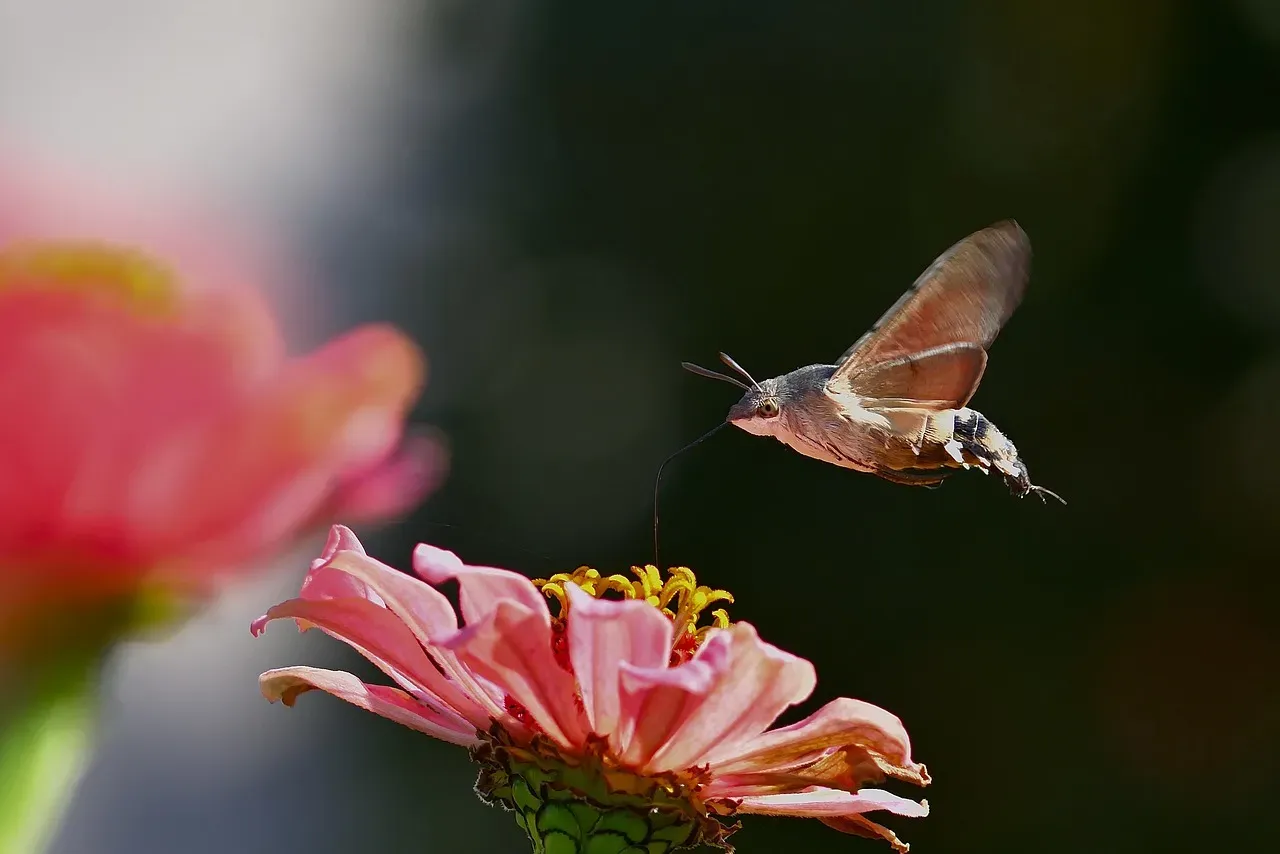
The single most overlooked fact about hummingbirds is what they’re actually eating most of the time. According to researcher Doug Tallamy, nectar only makes up roughly one fifth of what hummingbirds eat, with insects comprising the remaining large majority. That’s a proportion most gardeners never consider when planning their space.
Although nectar is a great energy source, it lacks many important nutrients, especially amino acids. Hummingbirds therefore derive virtually all of their protein from insects, and spiders are an important item in their diet. A garden that’s too clean and too tidy is quietly working against you.
Maintaining the landscape a bit messier, planting a healthy balance of natives and wildflowers, and letting some garden spaces go wild encourages insects to stay. Keeping your landscape pesticide-free supports insect populations and keeps hummingbirds healthy.
2. Native Plants Outperform Exotic Ones Every Time
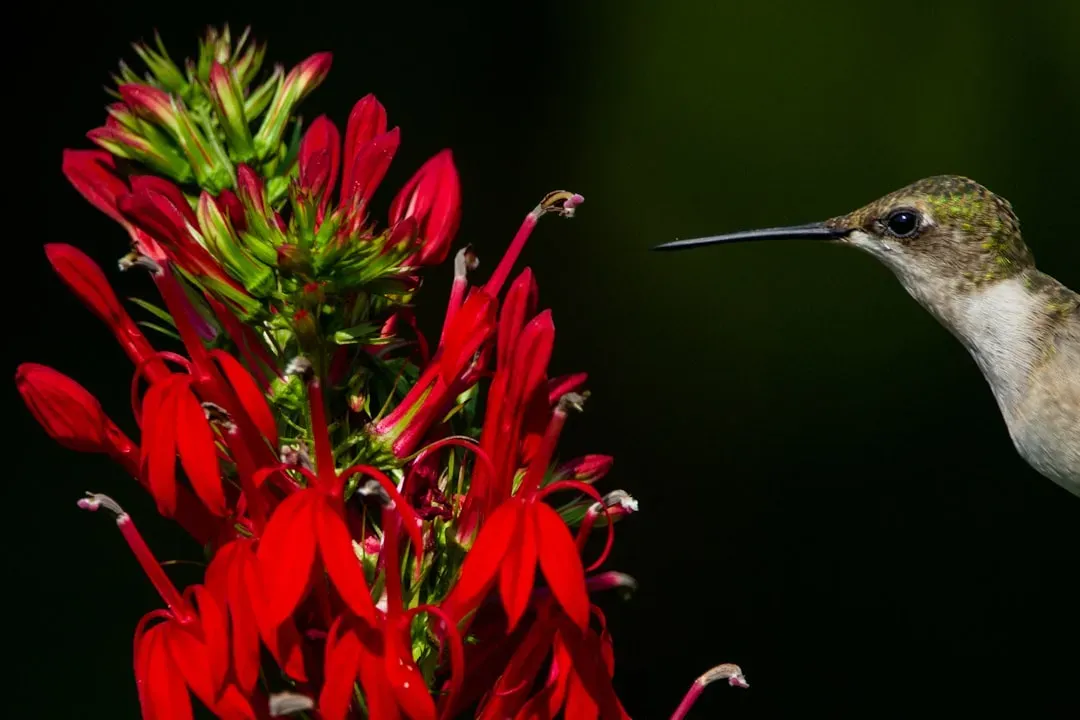
Selecting native plants for your garden and learning which plants hummingbirds feed on in natural areas near your home is genuinely worth the research. Native hummingbird plants and local hummingbird species have a long association in which plants serve as a reliable nectar source at the same time each year.
Many gardeners go wrong by focusing on exotic flowers when native plants are actually more effective. Research has detailed that native plants support a greater concentration of insects and spiders available as prey for hummingbirds than alien ornamentals do.
Planting native, nectar-rich flowers such as bee balm, coral honeysuckle, and cardinal flower is the most effective way to support hummingbird populations. These plants have essentially co-evolved with local hummingbirds over centuries.
3. The Red Dye in Commercial Nectar Is Pointless
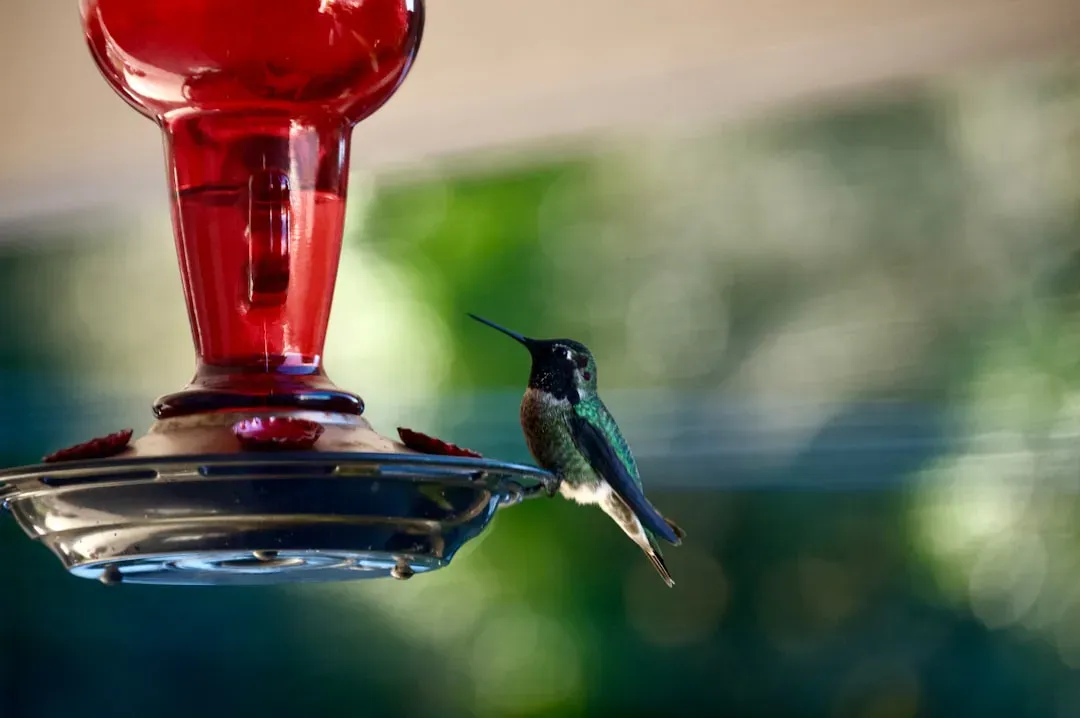
Pre-mixed nectar from the store looks appealing sitting on a garden center shelf. In practice, it offers no advantage over plain homemade sugar water. Never add red dye to nectar. The red feeder itself is sufficient to attract hummingbirds; dye provides no benefit and may be harmful.
There’s no need to buy pre-packaged nectar mixes. In fact, it’s not good for hummingbirds to consume these, with their preservatives and artificial red coloring. Homemade is always the better choice here.
The best homemade nectar recipe uses four parts water to one part plain white sugar, with no honey or artificial sweeteners. It takes about two minutes to make and the birds genuinely prefer it.
4. Layered Planting Changes Everything
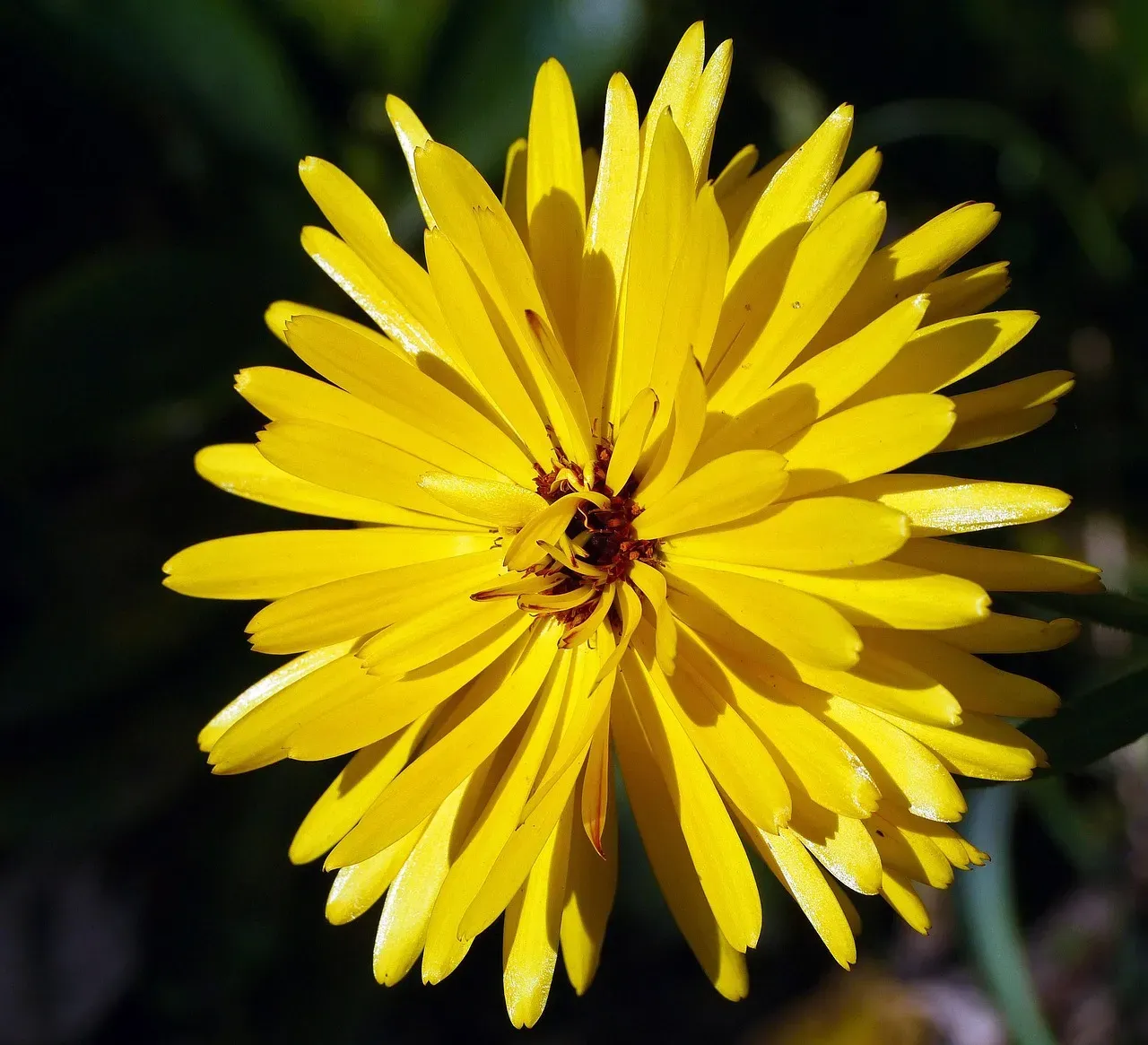
Hummingbirds move through a garden the way we move through a house. Some spaces are for feeding, some are for resting, and some are transitional. When you include plants at various heights, you naturally create these zones.
Tall shrubs and trees give hummingbirds places to survey the garden, preen, and rest. Mid-sized perennials supply consistent nectar right at feeding height. Low-growing plants cover the ground and support short hover-feeding sessions.
You can successfully design an outdoor area that’s inviting to both birds and humans by varying canopy heights and mimicking the vertical structure of a woodland habitat. Begin with low-growing native ground covers including perennials of different heights and bloom times, then continue with a diversity of shrubs and vines, and add understory and canopy trees of varying heights.
5. Bloom Succession Is the Real Secret to Keeping Them
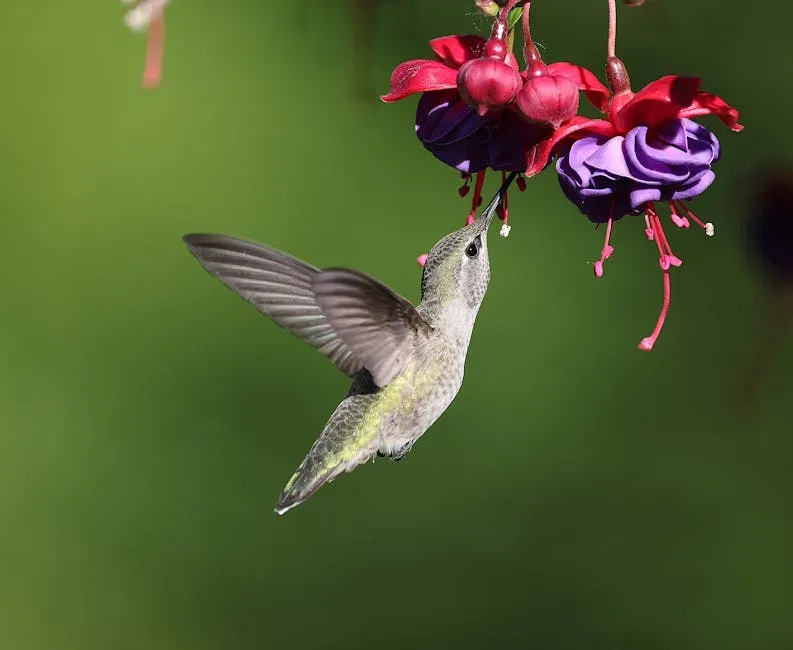
A garden that flowers for three weeks in June then goes quiet is not a garden hummingbirds will return to reliably. If hummingbirds find a good nectar source, they’ll keep coming back to check it. A garden that offers new flowers every few weeks is like a reliable café on their daily route.
Making sure you select flowers that bloom at different times gives you continuous flowers for the hummingbirds to get nectar throughout the season. Think of it as scheduling, not just planting.
Planting a garden that blooms throughout the warm season ensures that you’re providing food from their arrival until their fall migration. Early risers like columbine, mid-season workhorses like salvia, and late bloomers like red yucca each play a distinct role.
6. Multiple Feeders Solves the Territorial Problem
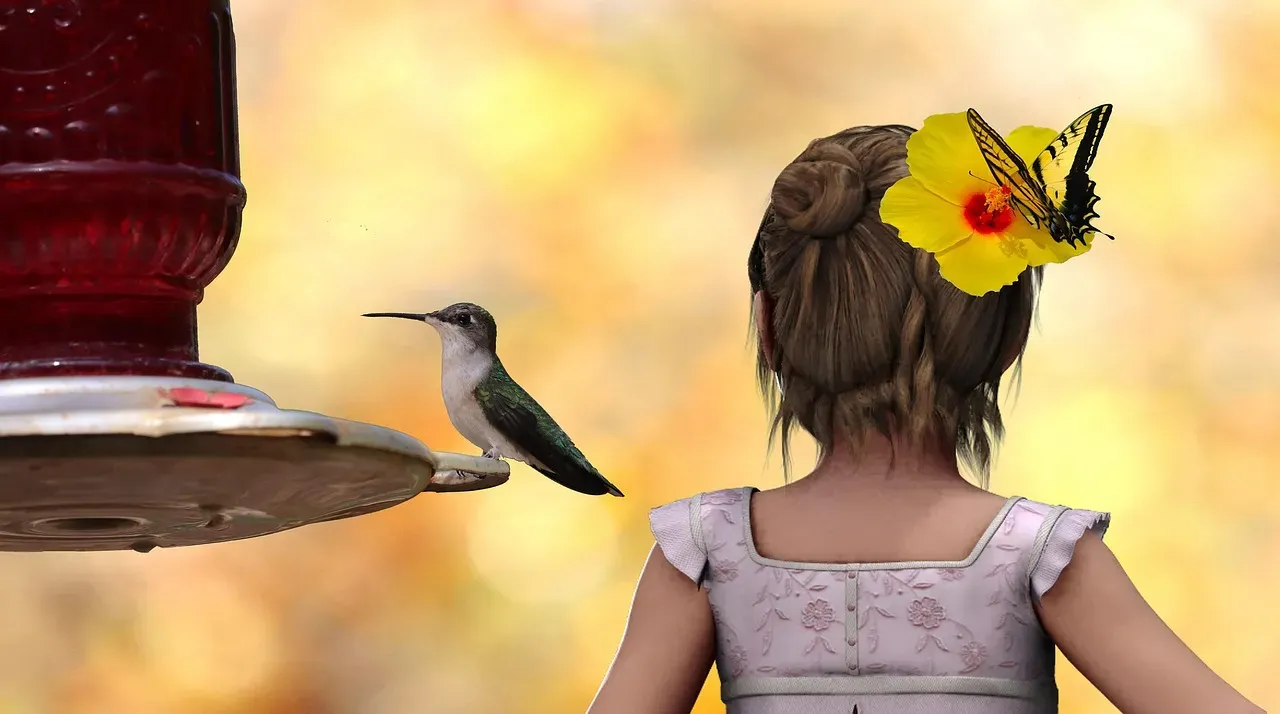
One of the most common frustrations in hummingbird gardening is watching a single bird bully every other visitor away from the feeder. This tendency, particularly near feeders, can provoke violent arguments between them. The need to safeguard essential food supplies, particularly during migration or mating seasons, is what essentially motivates their territorial behavior.
Setting up two or three feeders spaced around your yard accounts for the fact that hummingbirds can be territorial and may chase others away from their feeder. This gives more birds a chance to feed and reduces aggressive behavior, ultimately attracting more hummingbirds to your space.
Spreading multiple feeders at least fifteen feet apart disrupts territorial sight lines and reduces competition. Opting for small, single-port feeders instead of large multi-port designs also helps invite fewer feathered feuds.
7. Hummingbirds Have Extraordinary Memory
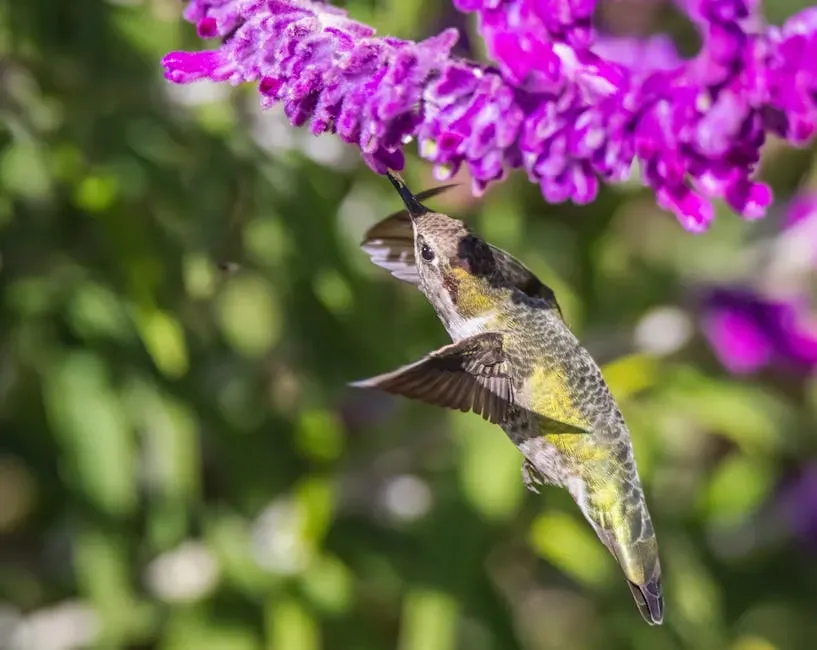
This is the one fact that genuinely shifts how you think about gardening for these birds. While many of us struggle to remember what we ate last week, hummingbirds can recall massive amounts of information about their food sources. They can remember the locations of flowers they have visited, the nectar quality, the nectar content of each individual flower, and even the nectar refilling rate. This helps them avoid revisiting empty flowers and wasting a trip.
This amazing memory is in part due to their very large hippocampus, the part of the brain that deals with memory. When compared as a percentage of their brain volume, a hummingbird’s hippocampus is two to five times larger than many other songbirds.
Practical implication: once hummingbirds discover your property, the same individuals are likely to return each year at about the same time. They are remarkable creatures of habit. Consistency in your garden rewards you with loyalty.
8. Feeder Placement in Shade Preserves Nectar
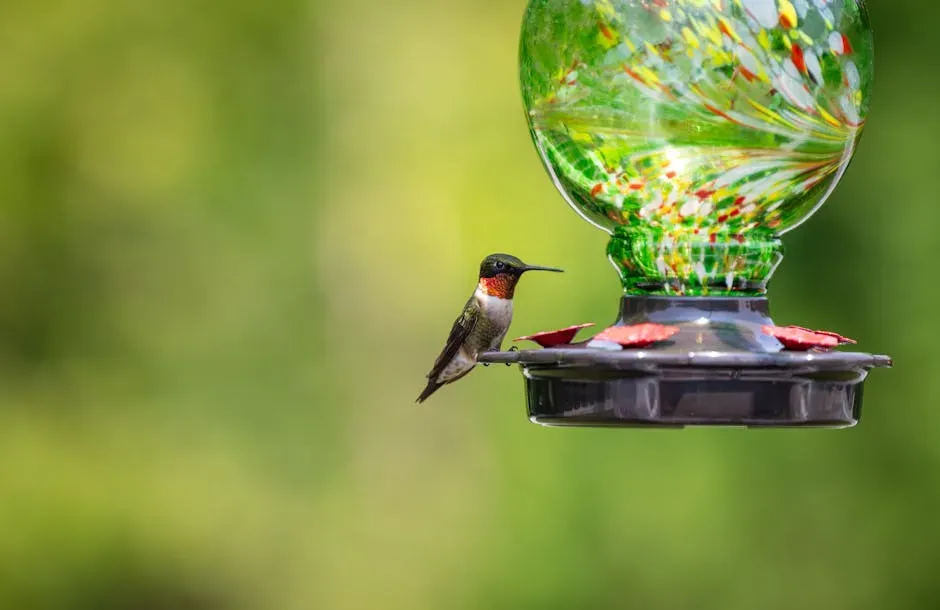
Where you hang a feeder matters more than most people realize, and it has nothing to do with aesthetics. Areas with dappled shade are good locations for feeders. Nectar ferments and spoils faster in full sun or hot temperatures and becomes cloudy or milky in color. Hummingbirds are very susceptible to infections, so keeping feeders clean and inspected frequently is important.
Nectar should be changed every two to three days in warm weather, and every five to seven days in cooler conditions. Fermented nectar can cause lethal fungal infections. This is a point that’s easy to underestimate.
It’s important to clean your hummingbird feeder every three days, and if you live in a warm climate, you might need to clean it more often to prevent mold from developing, which can be fatal to these little birds. Thoroughly wash and rinse the feeder with hot, soapy water between feedings.
9. Spider Webs Are a Resource Worth Protecting
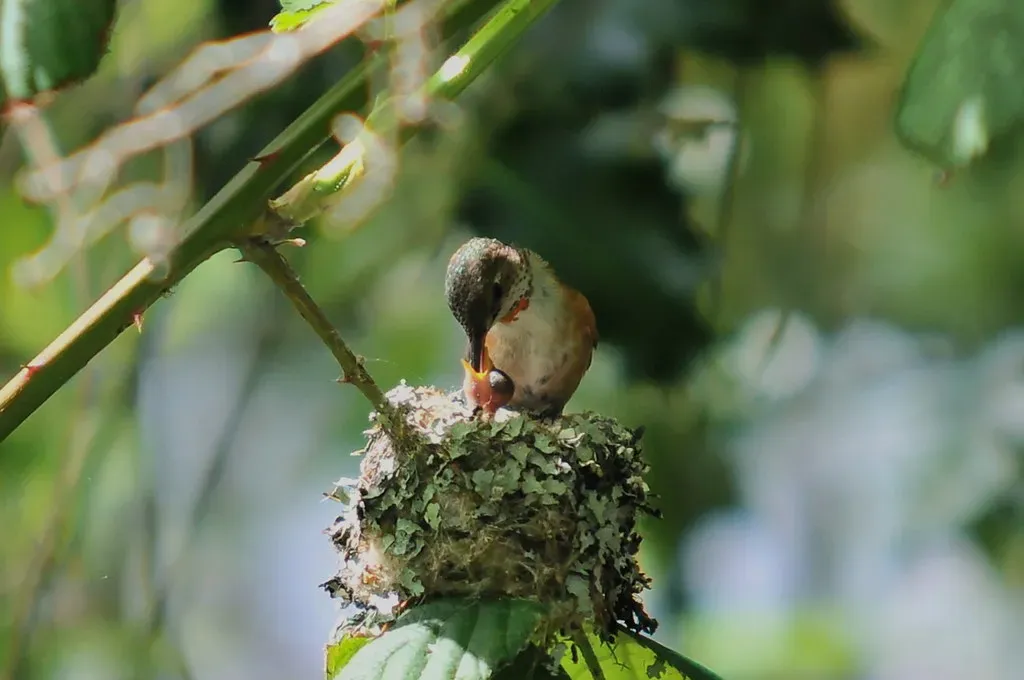
Most gardeners see a spider web and immediately reach for something to knock it down. Experienced hummingbird gardeners have learned to leave them alone. Hummingbirds build their nests on branches of dense shrubs or trees in places humans will rarely notice them. Nests may be as tiny as half of a chicken’s egg or ping-pong ball, made from moss, lichens, and other small fibers and plant materials held together with the strong, sticky filaments of a spider’s web.
When it comes to hummingbirds, leaving spider webs alone is important since they are one of the most important elements in building their nests. The web helps hold the branches in the nest together. Hummingbirds also like to steal insects that get trapped in the web.
Since hummingbirds use lichen to camouflage their small nests, they can be very hard to see. Always use caution when doing any pruning in springtime to ensure you don’t cut down a branch holding a hummingbird nest.
10. Pesticides Are the Fastest Way to Lose Hummingbirds
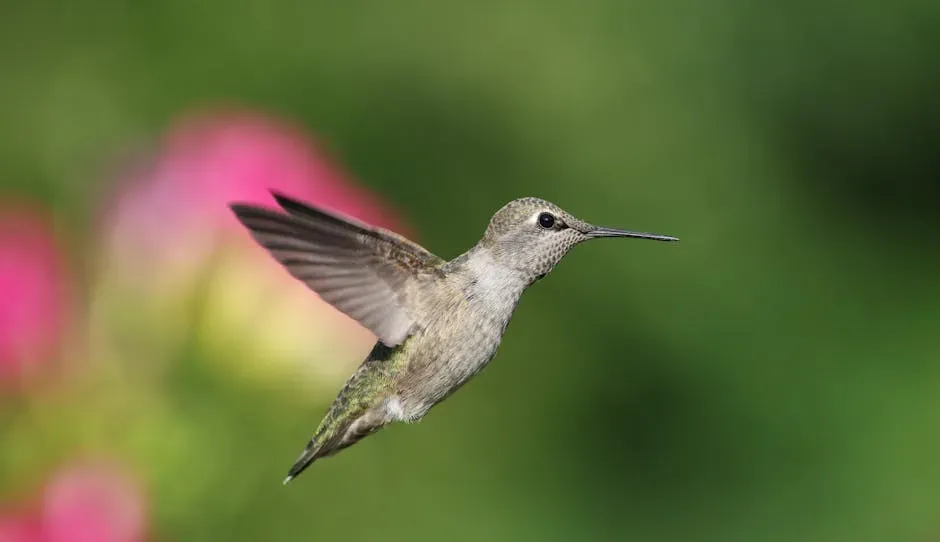
A pesticide-free garden isn’t just a feel-good principle. For hummingbirds it’s a survival matter. Hummingbirds can ingest poisons when they eat insects, and systemic herbicides can also be found in flower nectar. The contamination chain is direct and fast.
These chemicals kill every bug, beneficial or not, and also disrupt the natural balance of the ecosystem of your own garden oasis. Lose the insects and you lose the hummingbirds, regardless of how many feeders you put out.
For hummingbirds and other pollinators, residual pesticides can also wind up on nectar-producing plants that they visit. Leaving the insecticides on the store shelf is always the right call.
11. Timing Your Feeders to Migration Makes a Real Difference
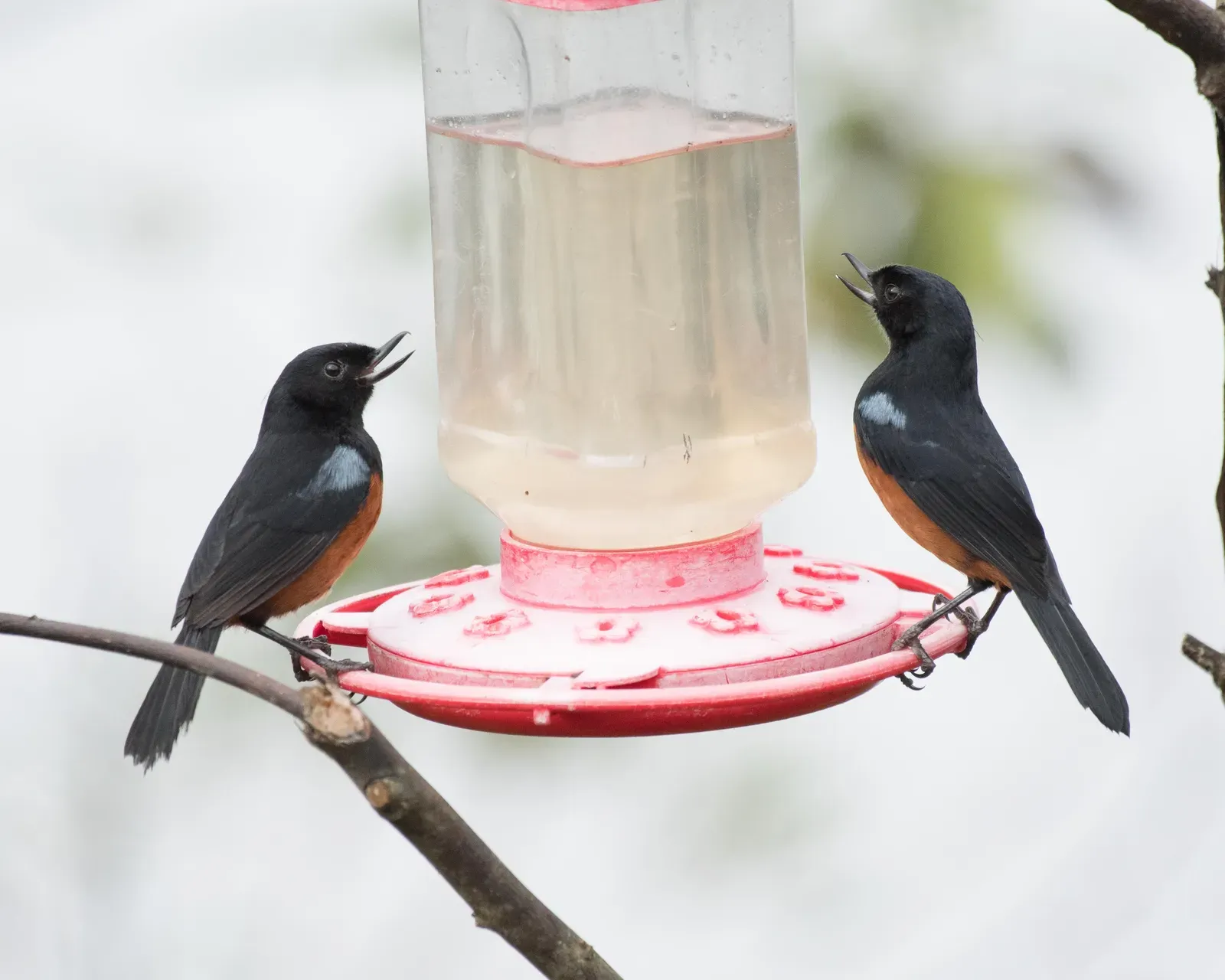
The question of when to put up feeders trips up gardeners every year. Going too late means missing the first wave of arrivals who are hungry from a long journey. Putting out your hummingbird feeder about two weeks before hummingbirds typically arrive in your area is good practice. Hummingbirds migrate based on daylight and natural food sources, not backyard feeders.
Hummingbirds are migratory, so when they arrive in your area depends on your location. In the southern United States, you might spot them as early as February, while northern regions typically see hummingbirds arrive in April or May.
Importantly, keep feeders up until two to three weeks after you see your last hummingbird of the season. Late migrants and stragglers depend on these food sources for their long journey south. In most areas, this means keeping feeders active until mid to late October. Hummingbirds leave based on instinct and daylight changes, not food availability.
12. Perches Are a Surprisingly Important Addition
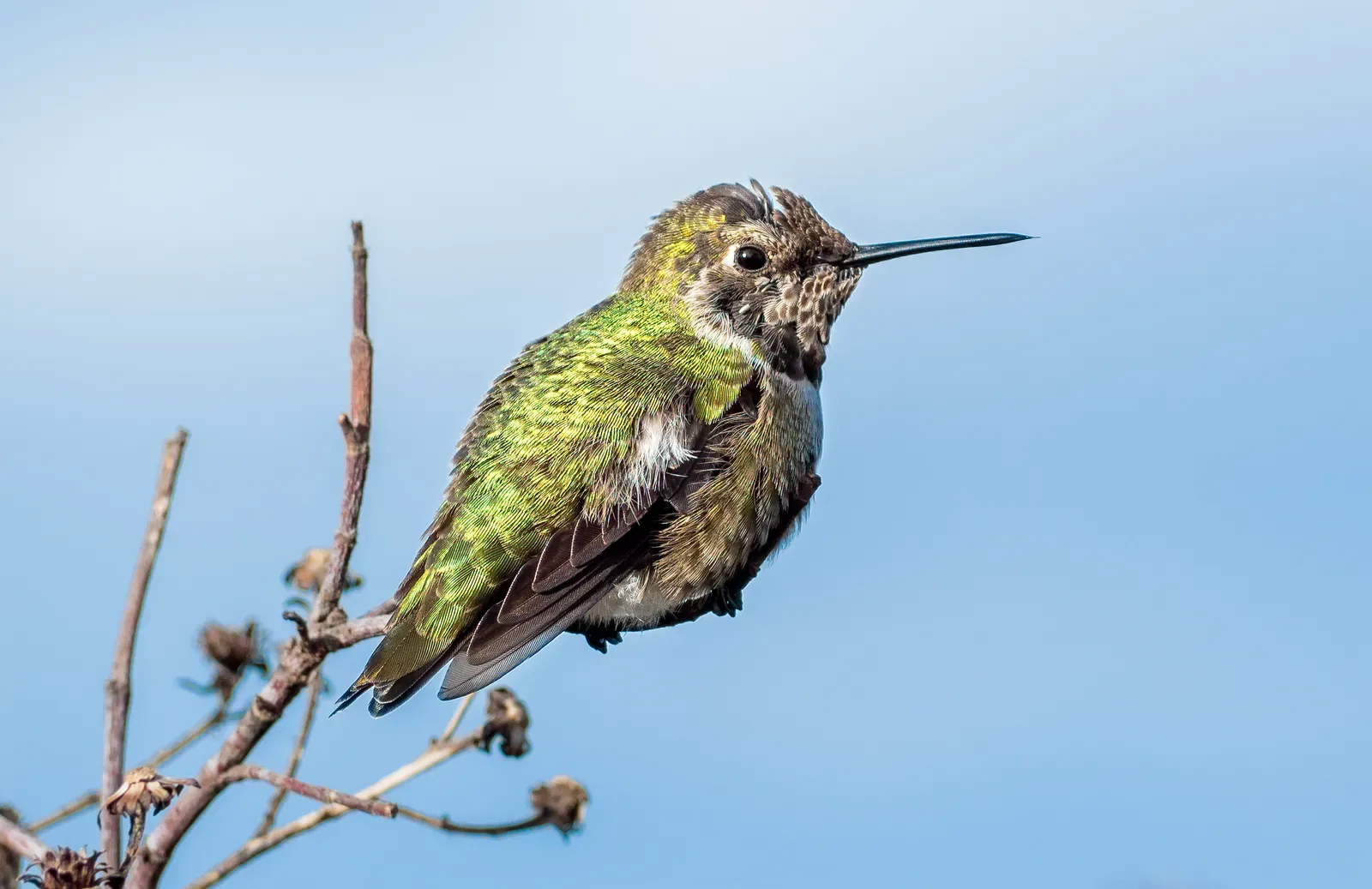
Most gardeners think of hummingbirds as birds that never sit still. In reality, they rest more than you’d expect, and where they rest shapes how long they stay in your garden. Although we may rarely notice hummingbirds at rest, they frequently perch on stems, twigs, and various lines and wires where they can watch for insects. If you have a string of fairy lights on your deck or patio, you may find hummingbirds perching on the wires.
Installing a small snag or perch for hummingbirds by sinking a sturdy tree branch vertically into the ground near your garden or a hummingbird feeder gives hummingbirds a place to rest while foraging and provides a space for male hummingbirds to survey their territory.
Hummingbirds prefer to perch in open areas where they can quickly take off again to rejoin the hunt for food. Positioning perches near feeders and flowers but with open space around them gives you a genuine advantage.
13. Water Misting Attracts Them in Ways Bird Baths Don’t
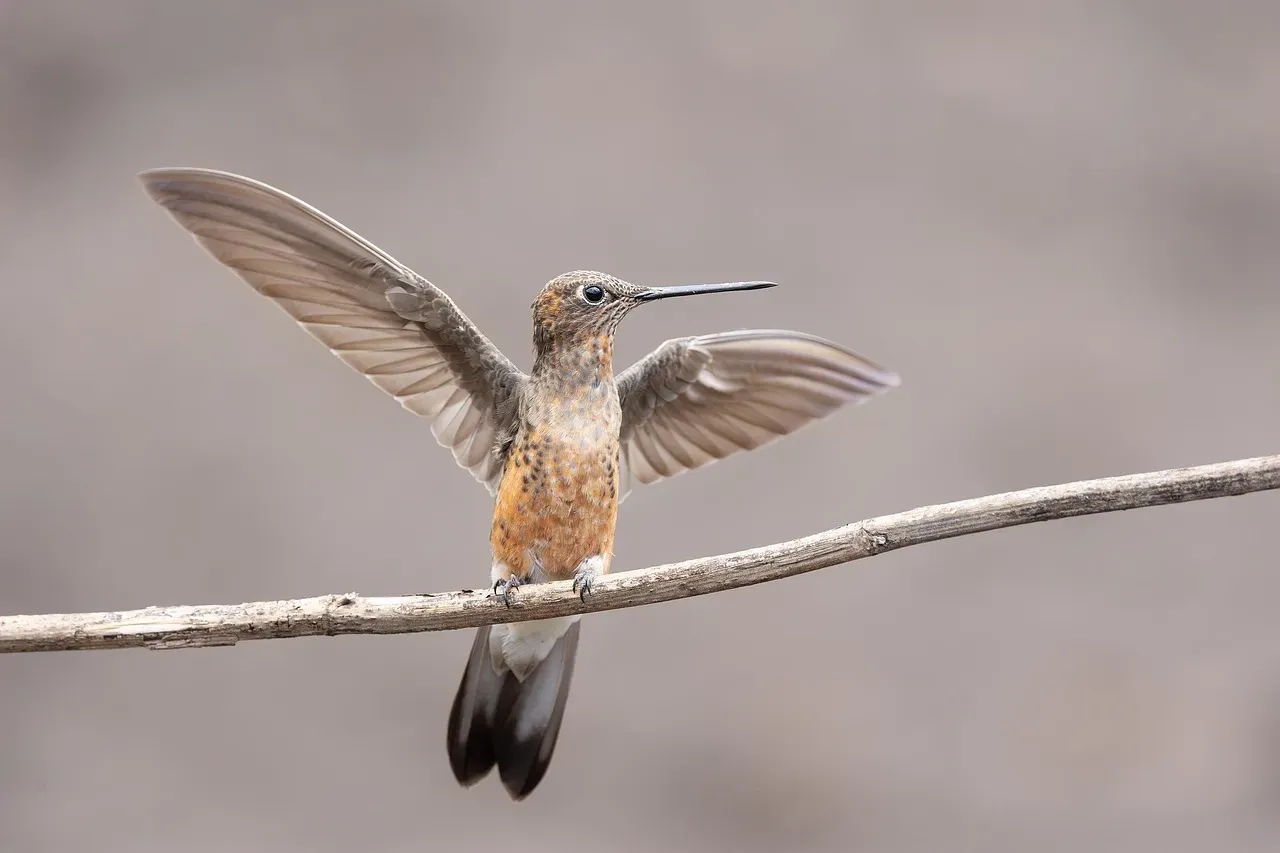
Hummingbirds need water too, but a standard deep bird bath isn’t particularly useful to them. Hummingbirds love fine spray. This is the detail most gardeners miss entirely when thinking about water features.
Providing an enticing and safe water source is important not so much for drinking, but because hummingbirds definitely need water for bathing to help remove sticky nectar residue from their feathers. Because your regular bird bath is likely too deep for tiny hummingbirds, adding a fountain, mister, dripper, or sprinkler to your bird bath is a much better solution.
A fine mist set up near flowering plants does double duty. It refreshes visiting birds and keeps the surrounding plants healthier at the same time. It’s a low-effort addition that consistently draws more activity.
14. Patience Outlasts Every Other Strategy
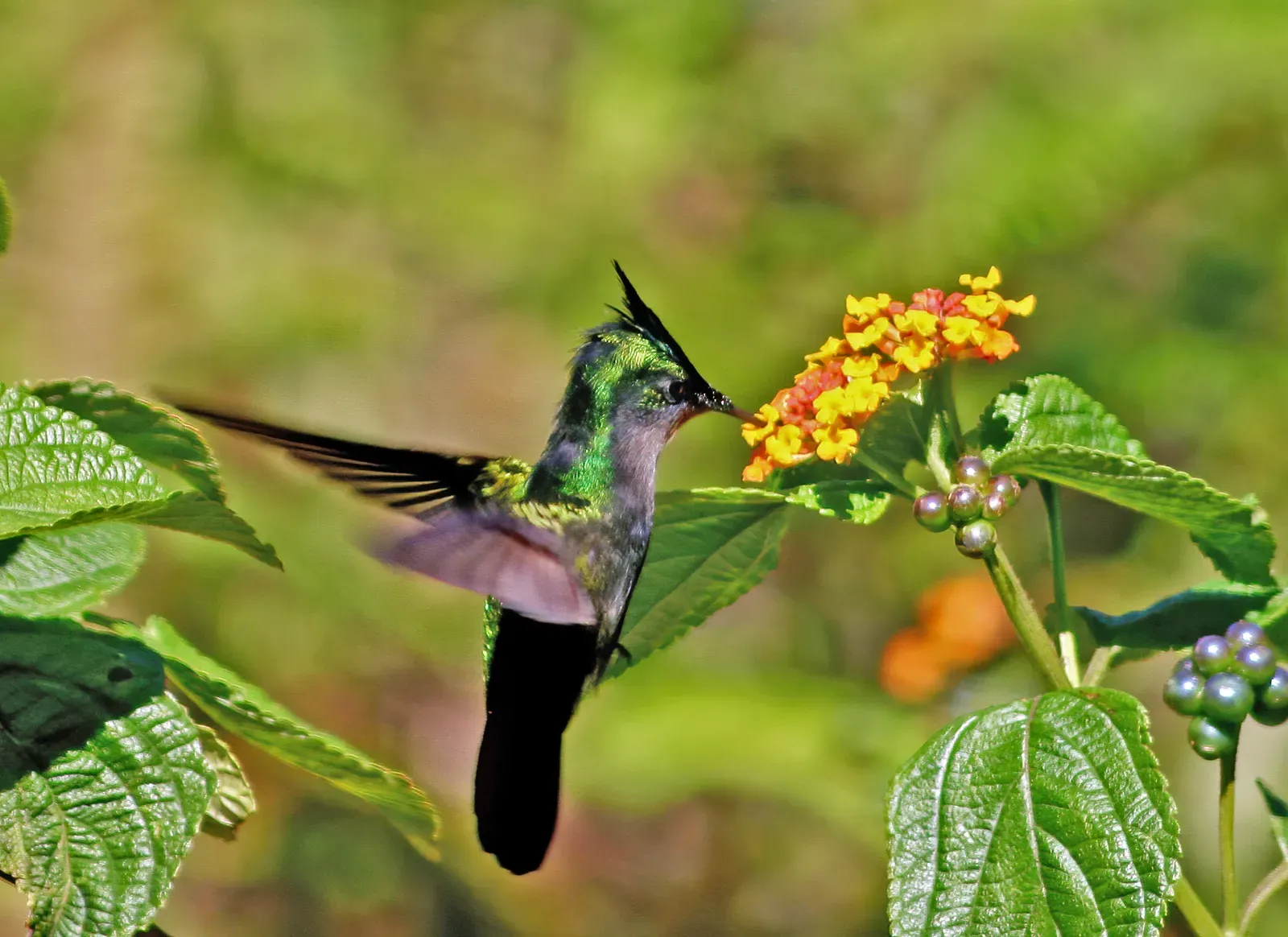
New gardeners sometimes set everything up correctly and then give up after two quiet weeks. That’s usually the point right before things start working. Be persistent. Hummingbirds may appear minutes after you set out inviting plants, but sometimes it takes several weeks before they chance on your garden. Even with luscious red flowers as bait, pure chance may keep your feeder a secret until the first migrant discovers it. Once hummingbirds do start visiting your garden, they are likely to continue throughout the season and will usually return the following year.
The number of hummingbirds that frequent your yard is closely linked to the abundance of food, water, nesting sites, and perches. Addressing all four together creates cumulative momentum rather than isolated results.
Hummingbirds are creatures of routine. They visit the same feeders at roughly the same times each day. Once you’re on their mental map, staying consistent is all it really takes.
Conclusion
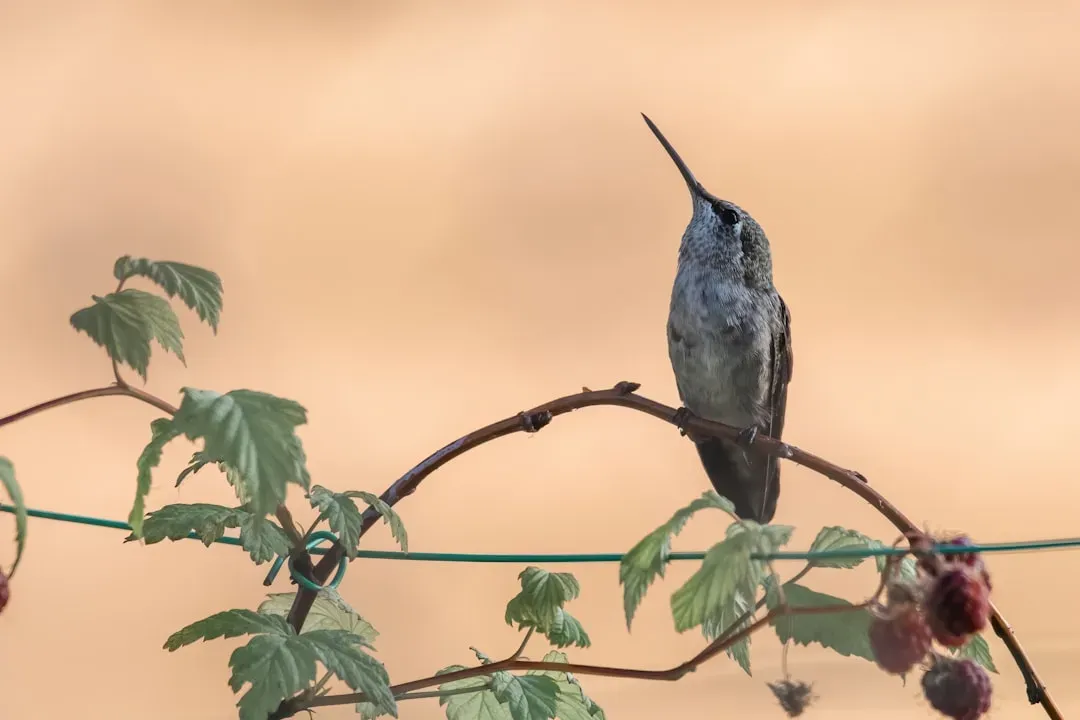
What ties all fourteen of these insights together is a shift in perspective. The gardeners who see the most hummingbird activity aren’t necessarily the ones with the fanciest feeders or the largest budgets. They’re the ones who think like hummingbirds: food variety, layered habitat, clean water, safe perches, and an environment where insects can actually thrive.
The most useful thing you can do today is probably the least glamorous: put down the pesticide, leave a spider web alone, or plant one native perennial where you’d otherwise put an ornamental. Small decisions, made consistently, build the kind of garden these birds trust enough to return to year after year.
That kind of trust, earned slowly over a few seasons, is genuinely its own reward.
