

When we think of animal parenting, we might picture a mother bird feeding her chicks or a lioness protecting her cubs. But the animal kingdom is full of surprising parenting arrangements that defy our expectations. From male seahorses giving birth to frogs that swallow their eggs and give birth through their mouths, nature has evolved some truly remarkable strategies for raising offspring. These unconventional approaches to parenting highlight the incredible diversity of life on our planet and remind us that there’s no single “right way” to be a parent in the wild. In this article, we’ll explore 17 extraordinary animal parenting styles that break all the rules we thought we knew about how animals raise their young.
14. Male Seahorses The Pregnant Fathers
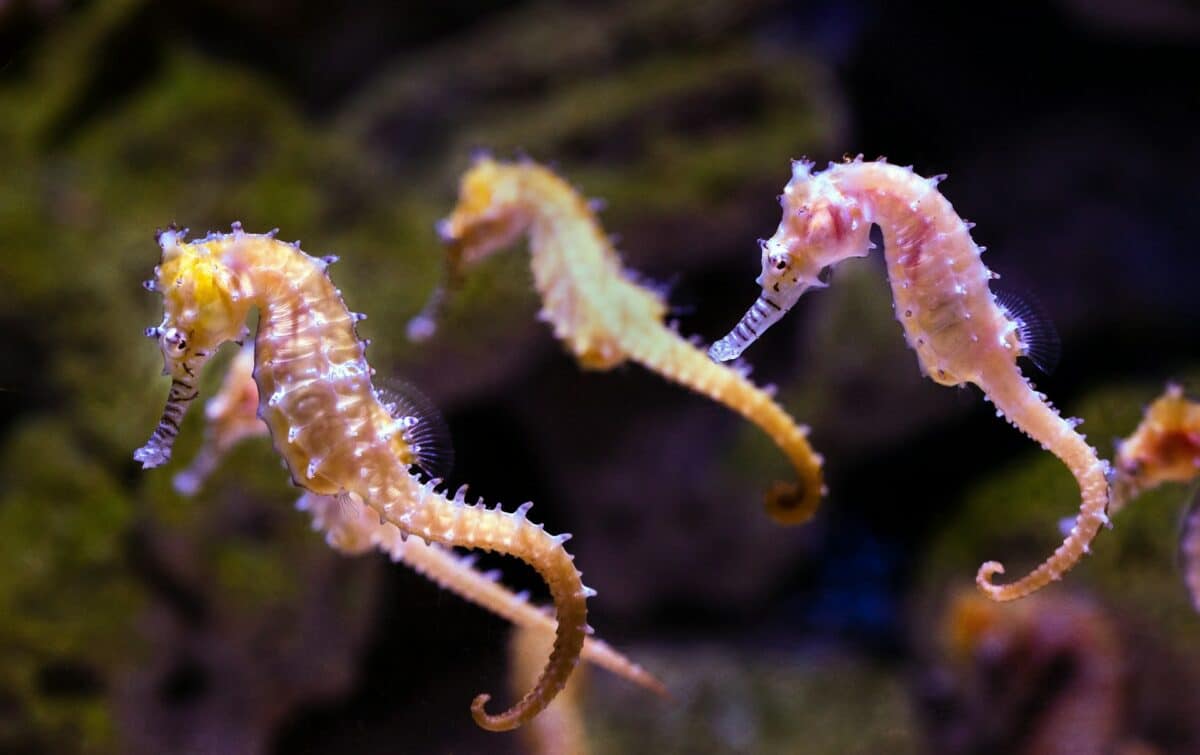
In perhaps one of nature’s most striking role reversals, male seahorses – not females – carry and give birth to the young. The female seahorse deposits her eggs into the male’s specialized brood pouch, where he fertilizes them internally. For the next 2-4 weeks, the male provides oxygen and nutrition to the developing embryos through a placenta-like structure. When the time comes, the male experiences contractions and actively pushes out fully-formed baby seahorses in a process that can last for hours. During this remarkable birth, a single male can release anywhere from 5 to over 1,000 tiny seahorses, depending on the species. This extraordinary reversal of reproductive roles is almost unique in the animal kingdom and makes seahorses a fascinating example of how diverse parenting strategies can be.
13. Emperor Penguins The Ultimate Endurance Fathers

Emperor penguins demonstrate extraordinary paternal dedication in one of Earth’s harshest environments. After the female lays a single egg, she transfers it to her mate’s feet where he will incubate it under a warm fold of skin. The mother then journeys up to 50 miles to the ocean to feed, leaving the father to endure Antarctica’s brutal winter conditions – including temperatures dropping to -40°F and winds exceeding 100 mph – while balancing the precious egg on his feet. For approximately 65-75 days, the male emperor penguin stands in the same position, unable to feed, losing nearly half his body weight while protecting his offspring. The males huddle together for warmth in rotating formations that ensure each penguin gets a turn in the warmer interior positions. This remarkable display of paternal sacrifice is crucial for the species’ survival in one of the world’s most inhospitable environments.
12. Surinam Toads Babies Emerging from Back Pockets
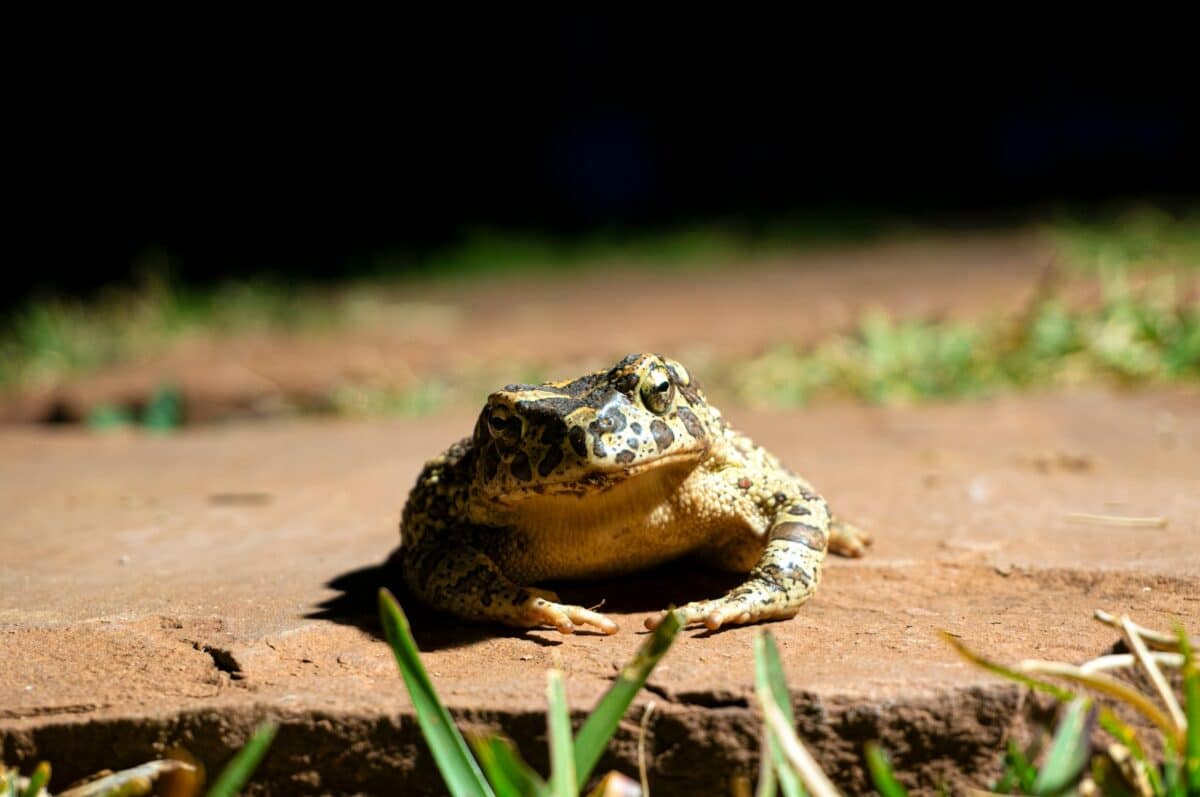
The Surinam toad (Pipa pipa) has developed one of the most visually striking reproductive strategies in the animal kingdom. During mating, the male helps attach the female’s eggs to her back. The female’s skin then grows over the eggs, creating individual pockets or chambers for each developing embryo. For the next 3-4 months, the babies develop within these skin pouches, completing their metamorphosis from tadpoles to fully-formed toadlets inside their mother’s back. When development is complete, the young toads emerge one by one, pushing through the membrane of their skin pockets in a scene reminiscent of science fiction. This remarkable adaptation protects the vulnerable eggs and tadpoles from predators during their development, giving them a better chance of survival when they finally emerge as miniature versions of their parents, bypassing the free-swimming tadpole stage entirely.
11. Darwin’s Frogs Vocal Sac Nurseries
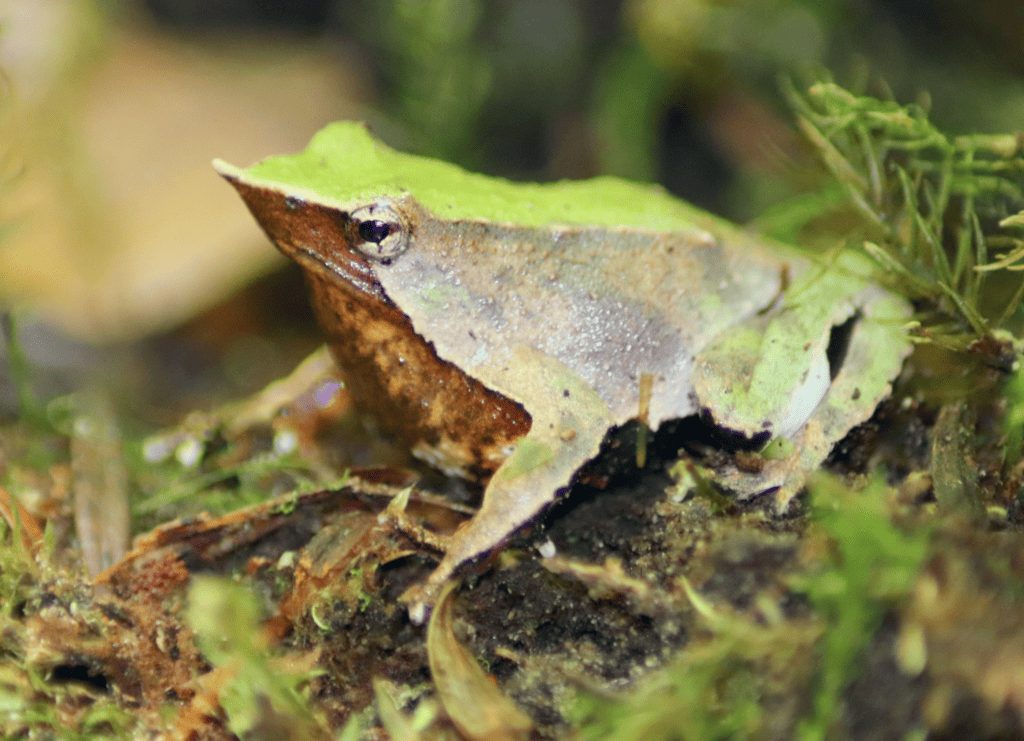
Darwin’s frogs, native to the forests of Chile and Argentina, display one of the most unusual parenting methods in the amphibian world. After the female lays her eggs, the male frog stands guard until they begin to develop. When he notices movement in the eggs, he performs an extraordinary act – he scoops up the eggs with his tongue and stores them in his vocal sac, which is typically used for croaking. Inside this makeshift nursery, the eggs develop into tadpoles and then into froglets over a period of 6-7 weeks. During this time, the male’s vocal sac expands significantly to accommodate his growing brood, and he cannot feed normally. When development is complete, the father opens his mouth wide and the fully-formed froglets hop out. Sadly, Darwin’s frogs are critically endangered, with one species (Rhinoderma rufum) possibly extinct, making this unique parenting behavior at risk of disappearing forever.
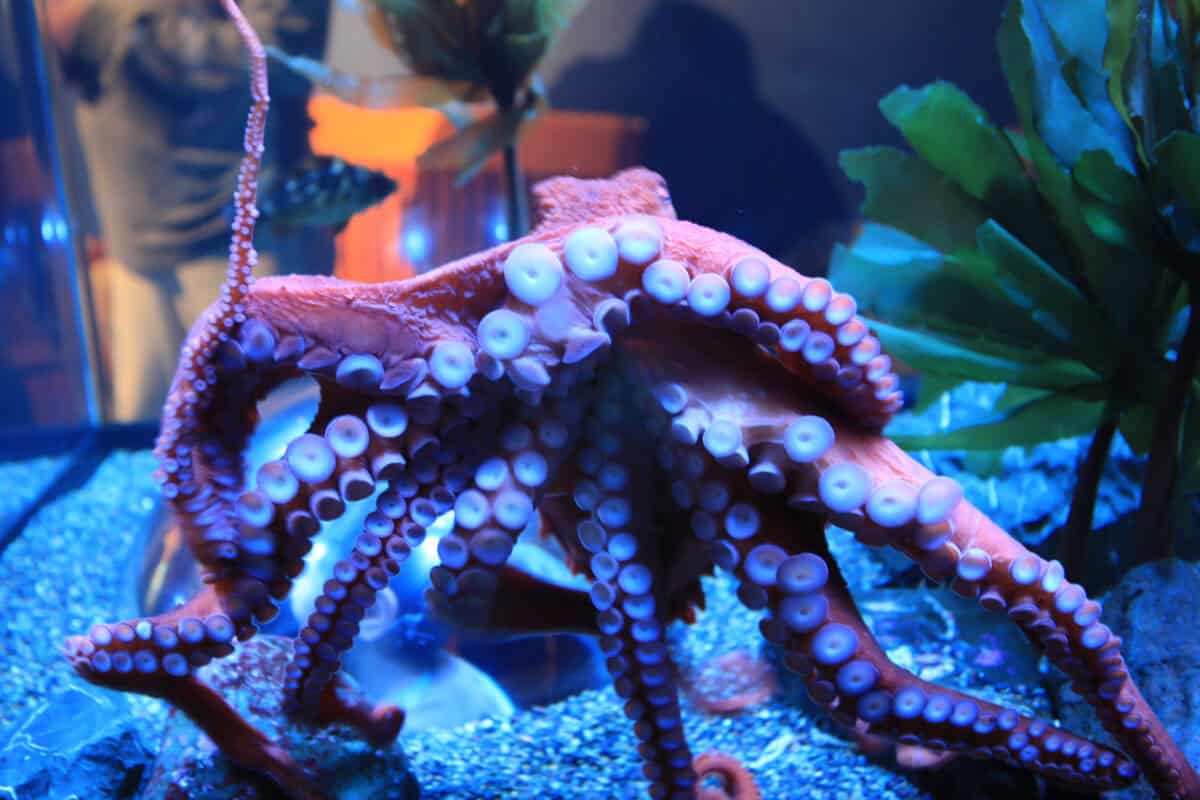
10. Giant Pacific Octopus The Ultimate Maternal Sacrifice

The Giant Pacific Octopus demonstrates perhaps the most extreme form of maternal dedication in the invertebrate world. After mating, the female retreats to a den where she lays between 20,000 to 100,000 eggs, which she meticulously hangs from the ceiling of her cave in long strands. For the next 5-7 months, she remains with her eggs, never leaving to feed. The devoted mother continuously blows water over the egg chains to ensure they receive oxygen and remain free of algae and other harmful growths. She vigorously defends them against potential predators, often at great risk to herself. As her energy reserves deplete, her body begins to break down, yet she continues her vigilant care. When the eggs finally hatch, the mother, now severely emaciated, dies soon after – her life cycle complete with this final act of parental sacrifice. This remarkable demonstration of maternal care ensures that her offspring have the best possible start in life, even though she won’t live to see them mature.
9. Marsupial Frogs Pocket-Bearing Mothers

Marsupial frogs, found in South and Central America, have evolved a specialized form of parental care that mirrors mammals in surprising ways. Female marsupial frogs possess a dorsal pouch or “marsupium” on their backs, similar in concept to the pouches of kangaroos and other marsupial mammals. After external fertilization, the female uses her hands to place the eggs into this specialized skin pocket, where they remain protected during development. The pouch provides moisture, protection from predators, and possibly nutritional support for the developing young. Different species of marsupial frogs demonstrate variations of this strategy – some release tadpoles into water when they’re partially developed, while others keep their offspring in the pouch until they emerge as fully formed froglets, having completely bypassed the free-swimming tadpole stage. This remarkable convergent evolution with marsupial mammals demonstrates how similar parental care solutions can develop independently in vastly different animal groups facing similar environmental challenges.
8. Marmosets Cooperative Family Caregivers

Marmosets, small New World monkeys native to South America, have developed an exceptional cooperative family care system that involves multiple generations and family members. What makes marmoset parenting particularly unusual is that females typically give birth to twins, which collectively weigh about 25% of the mother’s body weight – an enormous burden that would be impossible for her to manage alone. To address this challenge, marmoset families operate as cooperative breeding units where fathers, siblings, and other family members play essential roles in infant care. The father carries the infants most of the time, only passing them to the mother for nursing. Older siblings learn parenting skills by helping with younger ones, carrying them and sharing food. Interestingly, non-reproductive females in the group may even produce milk to help feed the infants. This communal approach to child-rearing not only ensures the survival of the demanding twins but also serves as a training ground for younger members to learn parenting skills before having offspring of their own.
7. Tasmanian Devils The Pouch Overcrowders
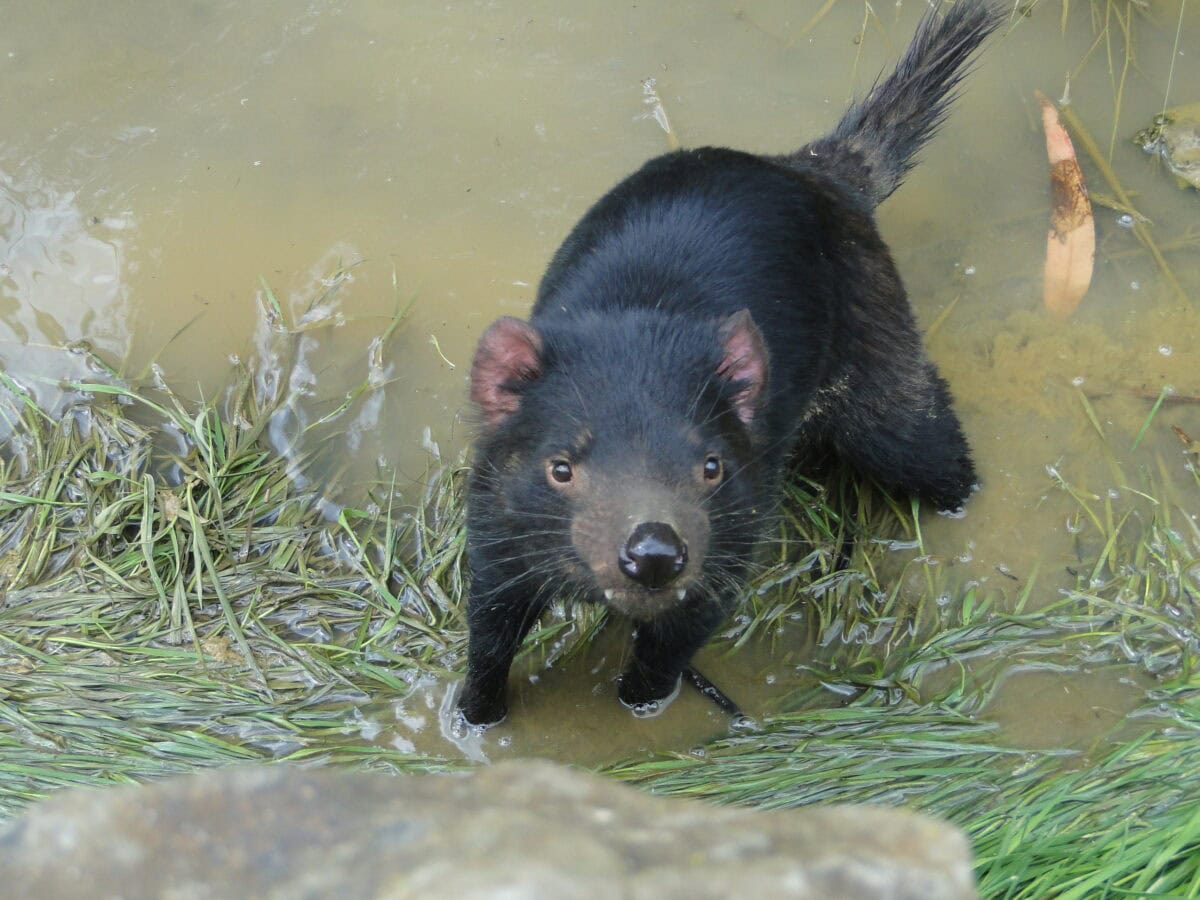
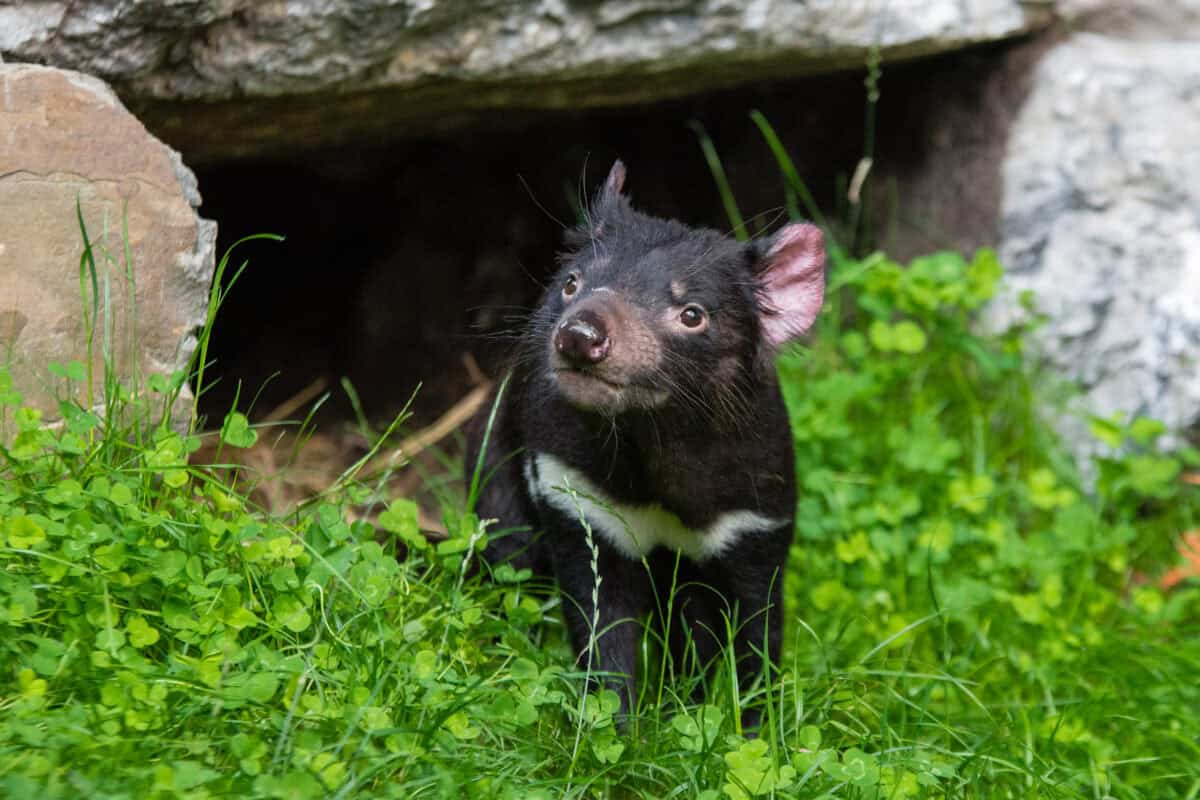
Tasmanian devils employ a reproductive strategy that combines intense competition with maternal resourcefulness. The female devil gives birth to as many as 50 tiny, underdeveloped young after just a three-week gestation period. These newborns, each no larger than a grain of rice, must then undertake a dangerous journey across their mother’s fur to reach her pouch. The catch? The mother devil has only four teats in her pouch, meaning only the first four joeys to arrive and attach themselves will survive. This brutal selection process ensures that only the strongest and most determined offspring receive maternal resources. The successful joeys remain attached to the teats for about 100 days, after which they begin to venture outside the pouch while continuing to nurse. The mother then carries them either in her pouch or later on her back until they’re fully independent at about 8-9 months of age. This unusual combination of extreme overproduction of young followed by severe selection represents a unique approach to ensuring offspring quality in a challenging environment.
6. Alligators Gentle Giants with Their Young

Alligators present a striking contrast between their fearsome reputation and their surprisingly tender parenting behavior. Female alligators build large mound nests using vegetation, which creates heat through decomposition – a natural incubator for their 20-50 eggs. During the 65-day incubation period, the mother remains nearby, vigilantly guarding the nest against predators like raccoons and wild pigs. When hatching time approaches, the mother responds to the chirping sounds made by her babies still inside their eggs. In a display of remarkable gentleness, this powerful predator carefully uncovers the nest and delicately picks up the eggs in her mouth, rolling them gently until they crack. She then helps the hatchlings – each just 6-8 inches long – emerge by carefully cracking the eggs open with her teeth and tongue. After birth, the mother carries her babies to water in her mouth, and will continue to protect them for up to two years. During this time, the young alligators stay together in a “pod,” responding to their mother’s calls and benefiting from her protection against predators, including male alligators who might see them as prey.
5. Strawberry Poison Dart Frogs Piggyback Tadpole Taxis

Strawberry poison dart frogs demonstrate remarkable parental dedication through a complex multi-stage care system. After the female lays her eggs on a leaf in the rainforest, the male keeps them moist and guards them for 10-12 days until they hatch into tadpoles. Then begins an extraordinary phase of care: the female returns and allows each tadpole to wriggle onto her back, where they stick to a special mucus she secretes. She then carries up to six tadpoles individually to separate water-filled bromeliad plants high in the rainforest canopy. Each tadpole gets its own tiny pool, which protects them from predators but presents a new challenge – food scarcity. The solution is equally remarkable: the mother returns to each tadpole every few days for up to six weeks, laying unfertilized “feeding eggs” in each bromeliad pool. These nutritious eggs serve as the tadpoles’ exclusive food source until they metamorphose into froglets. This extraordinary level of individual attention and ongoing care is extremely rare among amphibians and represents one of the most complex parenting systems in the frog world.
4. Crocodiles The Gentle-Mouthed Mothers
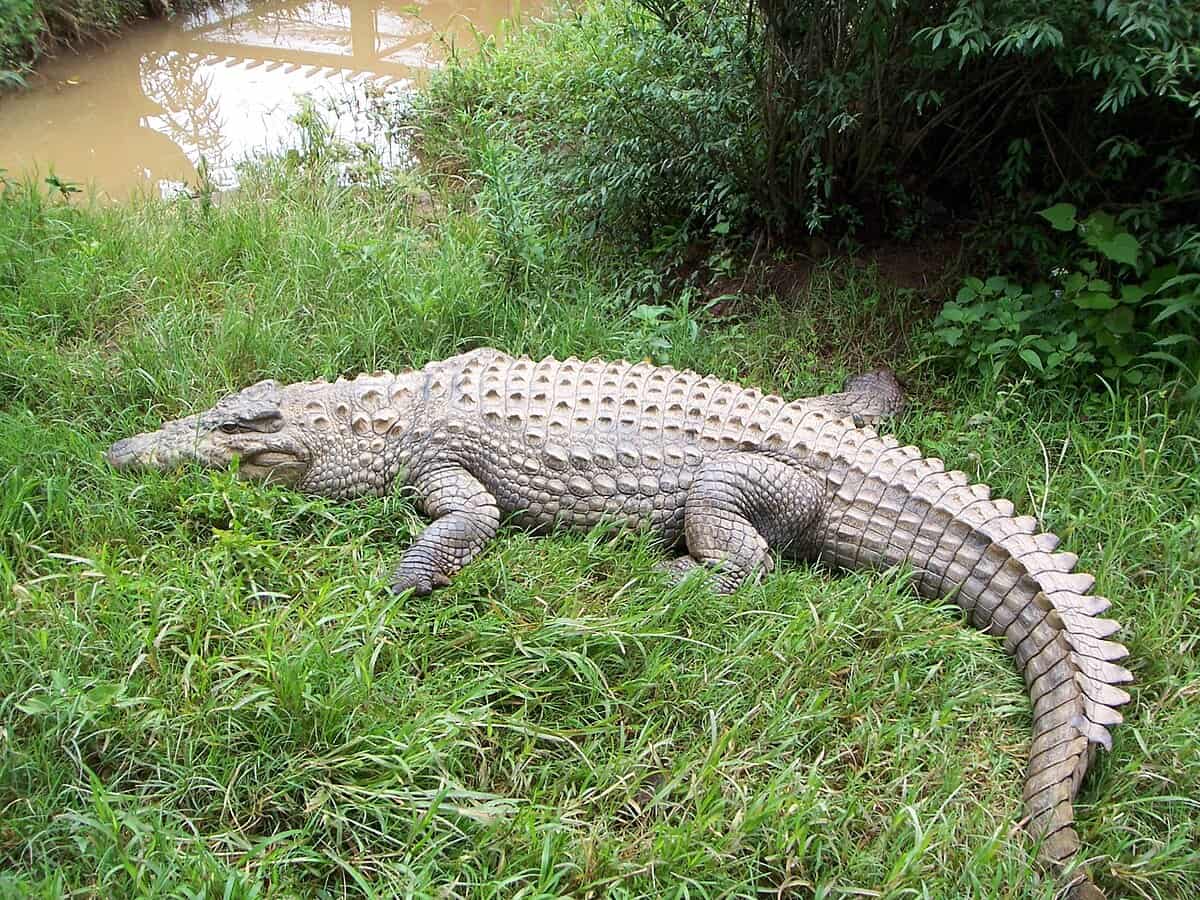
Crocodiles, despite their reputation as fearsome predators with the strongest bite force in the animal kingdom, display surprisingly delicate and attentive parental care. Female crocodiles dig nests along riverbanks where they lay 20-60 eggs, then guard these nests vigilantly for the 80-90 day incubation period. When hatching begins, the mother crocodile responds to the distinctive calls made by her babies while still inside their eggs. Using the same jaws that can crush turtle shells and mammal bones with a force of up to 3,700 pounds per square inch, she gently uncovers the nest and delicately picks up her hatchlings or eggs in her mouth. She uses her tongue and teeth with extraordinary precision to help free the babies from their eggs without harming them. The mother then carries her hatchlings—each only about 8-10 inches long—to the water in small groups using her mouth, which serves as a safe transport vehicle. She continues to protect her young for up to two years, responding to their distress calls and even allowing the hatchlings to ride on her head and back to avoid predators. This remarkable contrast between the crocodile’s capacity for lethal force and the gentle precision used in handling their fragile offspring makes their parenting style particularly noteworthy.
3. Cichlid Fish Mouth Brooders Extraordinaire
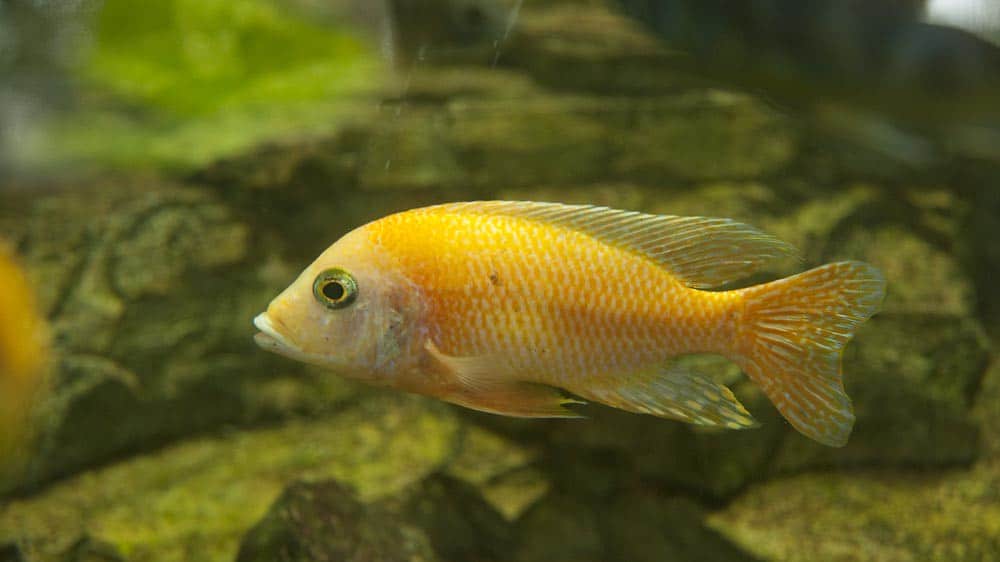
Certain species of cichlid fish, particularly those in the African Great Lakes, have evolved a remarkable parenting technique called “mouth brooding” that takes oral protection to extraordinary lengths. After the female lays her eggs, she immediately scoops them into her mouth before the male fertilizes them – a precise choreography where the male’s sperm is taken in along with the eggs, allowing fertilization to occur safely inside her mouth. For the next 2-4 weeks, the female carries up to 80 developing eggs and then hatched fry in her mouth cavity. During this entire period, she cannot eat and must survive on stored body fat. The mother continuously circulates fresh water through her mouth to provide oxygen to her developing young. When threatened, young fry that have begun to venture out will rapidly swim back into their mother’s mouth for protection – a behavior triggered by specific signals or movements from the mother. Some species even allow their free-swimming young to return to the safety of their mother’s mouth at night or during danger for weeks after their initial release. This extraordinary level of parental protection comes at significant cost to the mother, who may lose up to half her body weight during the brooding period, demonstrating the remarkable sacrifices some fish make for their offspring.
2. Caecilians Maternal Skin Feeding
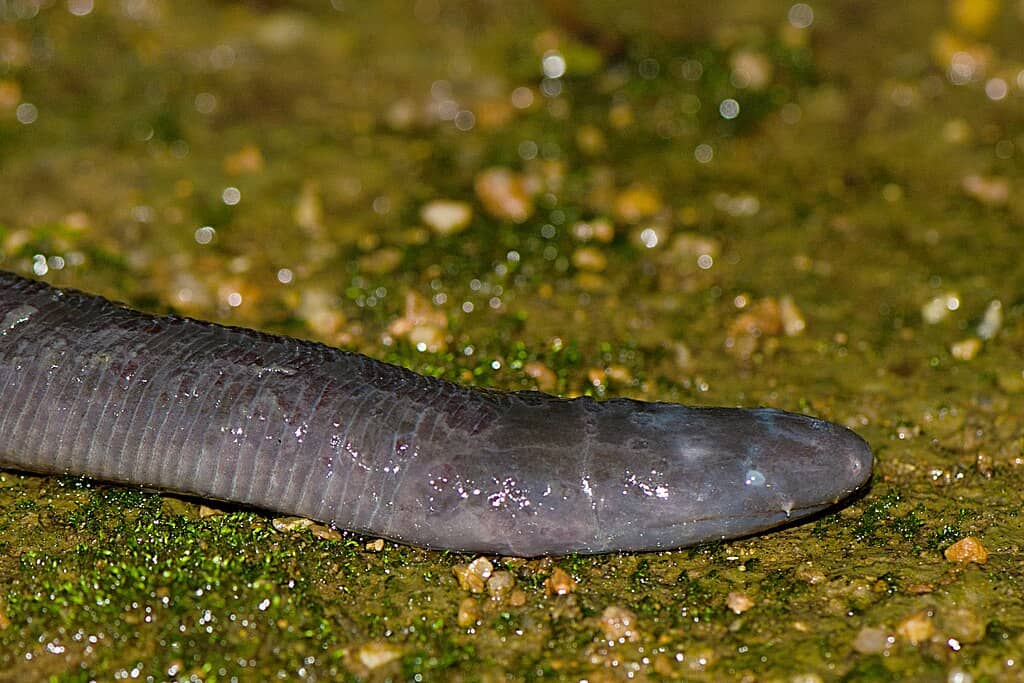
Caecilians, a group of limbless amphibians that resemble large earthworms or snakes, have evolved perhaps one of the most remarkable and sacrificial feeding strategies in the animal kingdom. In certain species like the Kenyan caecilian (Boulengerula taitanus), the female grows a specialized outer layer of skin that is rich in fats and proteins specifically for her offspring to consume. After laying her eggs in a burrow and guarding them until they hatch, the mother’s skin transforms, becoming pale and swollen with nutrients. The young caecilians then use their specialized teeth to scrape off and eat this nutritious outer layer of their mother’s skin, in a process called maternal dermatophagy or “skin feeding.” The mother remains still during this feeding, which can remove up to 14% of her body weight, and the skin regenerates between feeding sessions. This extraordinary parental sacrifice continues for weeks or months until the young are developed enough to hunt on their own. This unique feeding strategy allows caecilians to provide substantial parental care in their underground habitat where finding appropriate food for tiny offspring would otherwise be extremely challenging.
1. Hornbills The Walled-In Mothers
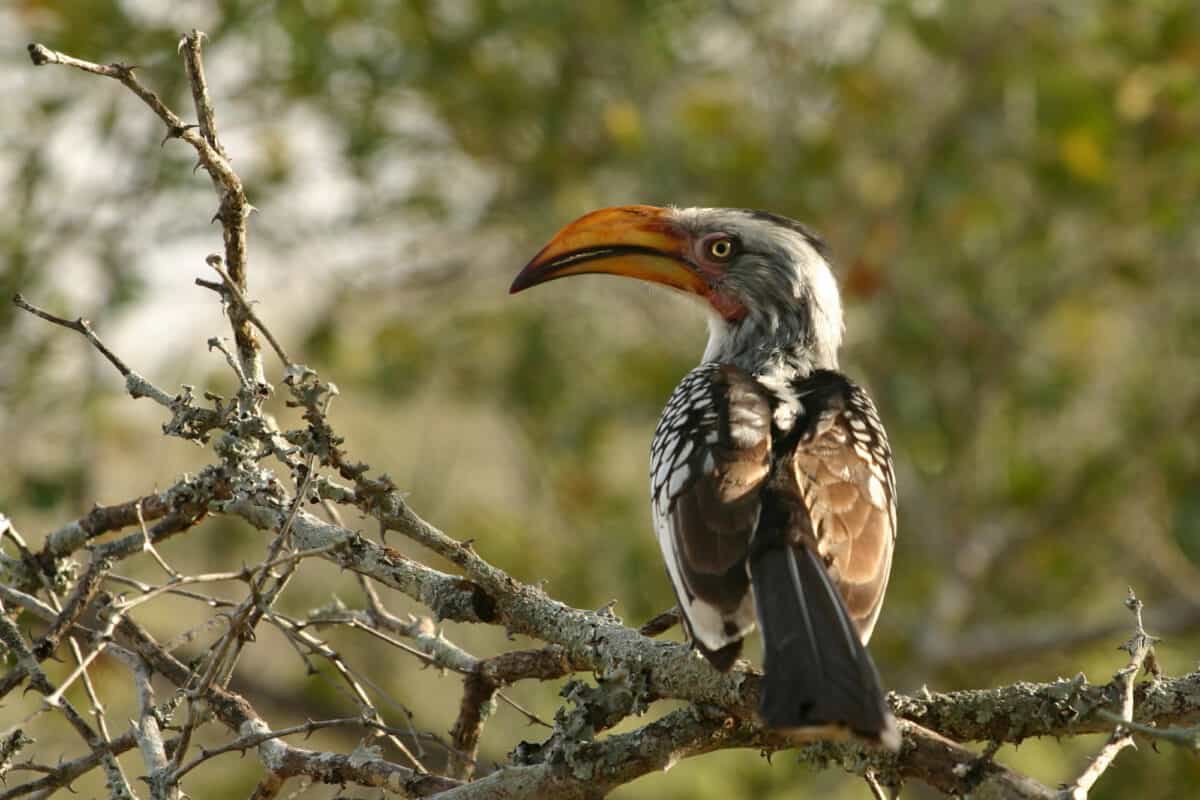
Hornbills have developed one of the most extreme nesting strategies in the bird world, involving a remarkable period of maternal self-imprisonment. When ready to lay eggs, the female hornbill enters a tree cavity, and together with the male, begins to seal the entrance with mud, droppings, and food items, leaving only a narrow slit. Once the female is securely sealed inside, she lays her eggs and molts all her flight feathers simultaneously, rendering her completely vulnerable and dependent on her mate. For the next 3-5 months, the male becomes her lifeline, making 15-30 food deliveries daily through the small opening. He brings not just food but also mud to help maintain the seal against predators. Inside her secure but confined space, the female incubates the eggs and raises the chicks through their early development. When the chicks are partially grown, the female breaks out of the sealed nest, rebuilds the wall, and joins the male in feeding their offspring through the slit. This extraordinary strategy provides exceptional protection from predators but requires absolute trust between the pair, as the female’s life and their offspring depend entirely on the male’s dedication during her confinement.
Conclusion:
As we’ve seen through these 17 remarkable examples, parenting in the natural world is anything but predictable. From male seahorses giving birth to frogs that carry babies in their vocal sacs, and from fish that brood young in their mouths to birds that wall themselves in with their chicks, nature has crafted an astonishing variety of strategies to ensure offspring survival. These parenting styles challenge our assumptions about gender roles, maternal sacrifice, and what it means to protect and nurture young. What unites all these vastly different species—from amphibians to mammals, insects to reptiles—is a shared instinct to give their young the best possible start in life, even when it comes at great personal cost. Whether it’s the alligator’s gentle jaws or the octopus’s ultimate sacrifice, these animals prove that care and dedication come in many unexpected forms. In the end, these incredible parenting adaptations not only reveal the creativity of evolution but also remind us that love, sacrifice, and devotion aren’t uniquely human traits—they are woven deeply into the fabric of life on Earth.

As a little kid, I fell in love with nature, wildlife, and animals. Living in the USA, South Africa, Italy, China and Germany gave me the opportunity to discover the world's Wildlife. My favorite animals are Mountain Gorillas, Siberian Tigers, and Great White Sharks.
I'm a certified PADI Open Water Diver, went to Everest Base Camp and Trekked Gorillas in Uganda. I hold a Master of Science in Economics and Finance.
Please send any feedback to feedback@animalsaroundtheglobe.com
- 13 Cat Breeds That Get Along with Dogs - July 20, 2026
- The 12 Largest Dog Breeds That Still Love to Cuddle - July 20, 2026
- 12 Pet Habits That Secretly Mean They Love You - July 20, 2026