


Venturing into bear country can be an exhilarating wilderness experience, but it comes with significant responsibilities. Bears are magnificent creatures deserving respect and space, yet every year, preventable encounters lead to dangerous situations for both humans and bears. Understanding proper behavior in bear habitat isn’t just about personal safety—it’s about conservation and coexistence. This article outlines the fourteen most common mistakes campers make in bear territory and provides expert guidance on how to avoid them. Whether you’re a seasoned backcountry enthusiast or planning your first trip to bear country, these insights will help ensure your adventure remains memorable for all the right reasons.
Improper Food Storage
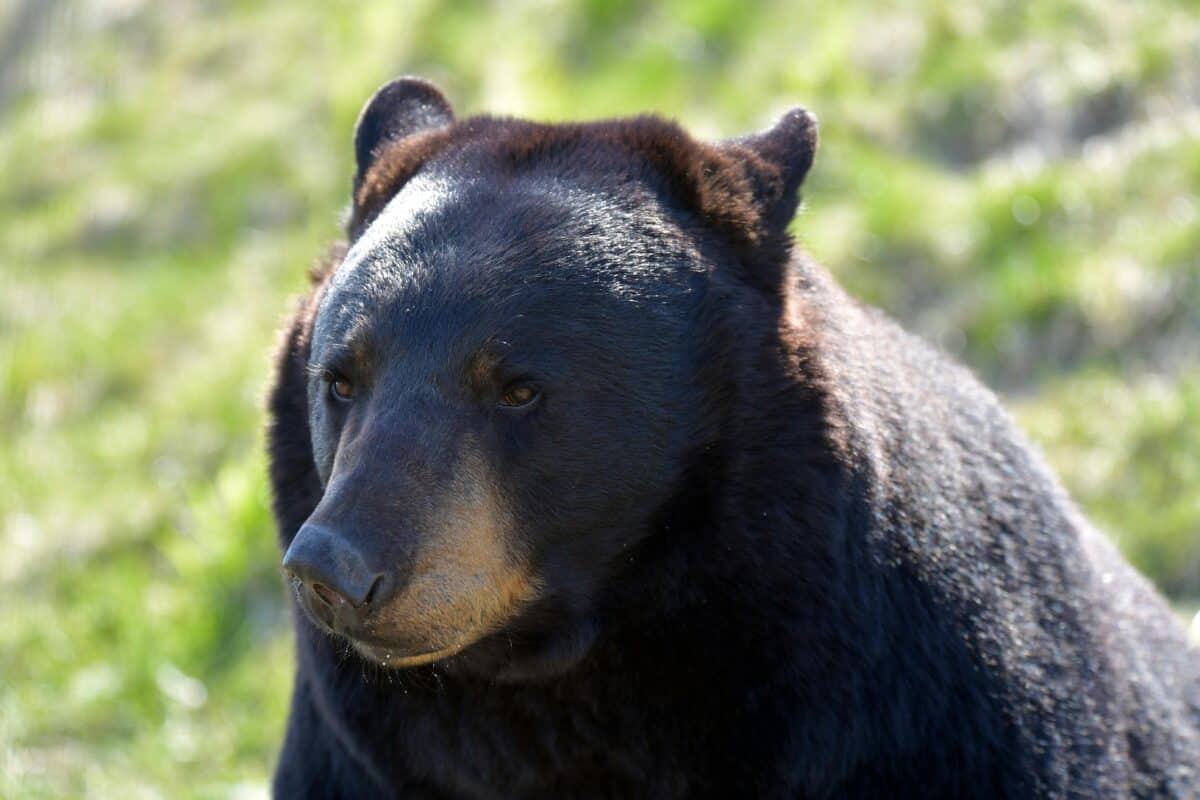
Perhaps the most critical mistake campers make is failing to store food properly. Bears possess an extraordinary sense of smell—approximately seven times more powerful than a bloodhound’s and 2,100 times stronger than a human’s. They can detect food odors from miles away. When campers leave food in tents, backpacks, or coolers outside secure storage, they’re essentially sending an irresistible invitation to bears. According to National Park Service data, improper food storage is involved in over 70% of problematic bear encounters. The correct approach involves using bear-resistant food containers, bear bags hung properly (at least 10 feet high and 4 feet from any tree trunk), or designated food lockers provided at many established campgrounds. Remember that “food” includes all edibles, beverages, scented items, toiletries, cookware, trash, and even clothes worn while cooking.
Cooking Too Close to Sleeping Areas

Creating a “triangle” configuration with separate areas for sleeping, cooking, and food storage represents best practice in bear country, yet many campers cook meals right beside their tents. This fundamental error saturates sleeping areas with food odors, potentially attracting bears directly to where you’ll be most vulnerable. Wildlife biologists recommend establishing a triangle with at least 100 yards between each point—sleeping area, cooking area, and food storage area. Always cook downwind from your tent, and never wear cooking clothes into your sleeping bag. In established campgrounds where space is limited, follow posted guidelines, which typically require cooking only in designated areas away from tent sites. This separation principle remains one of the most effective preventative measures against nighttime bear encounters.
Leaving Scented Items in Tents

A surprisingly common misconception is that only food attracts bears, when in reality, any scented item can pique their curiosity. Campers frequently bring toiletries, chapstick, sunscreen, medications, candy, gum, and even scented tissues into their tents. Bears don’t distinguish between food smells and other intriguing scents—they investigate anything unusual. Bear management specialists report numerous incidents where bears have torn through tents to investigate toothpaste, deodorant, or menthol cough drops. The safety protocol is clear: all scented items, regardless of whether they’re edible, should be stored with your food using proper bear-resistant methods. This includes items you might not immediately consider, such as insect repellent, medications, and even some synthetic clothing materials that retain food or manufacturing odors.
Improper Waste Disposal

Improper handling of trash and human waste represents another critical mistake in bear habitat. Food packaging, wrappers, and even apple cores or orange peels should never be buried, burned, or left behind. Bears readily dig up buried trash, and partially burned food waste in campfires emits strong odors that attract wildlife. According to bear behavior researchers, bears can remember food sources for years and will return to locations where they’ve previously found rewards. For trash, use designated bear-resistant containers or apply the same hanging techniques used for food storage. Human waste should be properly buried at least 200 feet from any water source, trail, or campsite, or packed out in appropriate containers depending on local regulations. In high-use areas, utilizing established facilities becomes particularly important for preventing habituation of bears to human presence.
Not Making Enough Noise on Trails

Silent hiking might seem respectful of nature, but in bear country, it significantly increases the chances of surprising a bear—among the most dangerous scenarios possible. Bears typically avoid humans when given adequate warning of our approach. Surprising a bear, particularly one with cubs, can trigger defensive behavior. Studies have documented that most defensive attacks occur when bears are startled at close range. Talking, singing, or using bear bells while hiking alerts bears to human presence, giving them time to move away without confrontation. In dense vegetation, around noisy streams, or when traveling into the wind, increasing your volume becomes especially important as bears may not otherwise detect you until you’re dangerously close. Group hiking also naturally creates more noise and presents a more intimidating presence that bears typically choose to avoid.
Approaching Bears for Photos

In our social media era, the temptation to capture the perfect wildlife photo has led to increasingly dangerous behavior around bears. Wildlife managers across North America report growing problems with visitors deliberately approaching bears to capture images or videos. This behavior is not only extremely dangerous to humans but harmful to bears as well. When bears become habituated to human presence, they lose their natural wariness, leading to increased conflicts and often resulting in the euthanization of “problem bears.” National Park regulations typically require staying at least 100 yards (football field length) from bears. Even this distance can be inadequate in open terrain or with particularly active bears. Proper wildlife photography requires long telephoto lenses and respect for an animal’s space and behavior. No photograph is worth risking injury or contributing to the habituation that frequently leads to a bear’s death.
Misunderstanding Bear Behavior and Species Differences

Many campers enter bear country without understanding fundamental differences between black bears and grizzlies, or basic bear behavior patterns. This knowledge gap can lead to dangerous reactions during encounters. For instance, playing dead is appropriate during a defensive attack by a grizzly bear but potentially dangerous during a predatory attack by either species or during most black bear encounters. Black bears are typically more timid but can be predatory in rare circumstances. Grizzlies are generally more aggressive in defending food sources and cubs. Mistaking normal bear behavior for aggression also creates problems—bears often stand on hind legs not to threaten but to better identify what they’re seeing and smelling. Bears may “bluff charge” then stop or veer away as a warning. Understanding these behavioral nuances through proper research before entering bear country allows for appropriate, calm responses that can de-escalate potential conflicts.
Inadequate Bear Spray Knowledge

Carrying bear spray has become standard recommendation for bear country travel, yet many campers either don’t carry it or don’t know how to use it effectively. Studies from the Interagency Grizzly Bear Committee show bear spray is 98% effective in preventing injury during bear encounters when used properly. Common mistakes include keeping spray inaccessible (buried in backpacks), not checking expiration dates, not practicing removing the safety and deploying the spray, or misunderstanding effective deployment range (typically 12-30 feet depending on the product). Proper usage involves removing the safety, aiming slightly downward, and creating a cloud between you and the approaching bear—not spraying directly at the animal’s face. The capsaicin cloud creates a deterrent barrier affecting the bear’s sensitive respiratory system and eyes, usually causing it to retreat. Every member of a hiking party should carry their own spray and be thoroughly familiar with its operation before entering bear habitat.
Poor Campsite Selection

Choosing an inappropriate campsite in bear country can substantially increase risk. Many campers fail to recognize and avoid natural travel corridors, feeding areas, or territories that bears frequently use. High-risk locations include berry patches in summer and fall, streams during salmon runs, areas with abundant fresh bear sign (tracks, scat, marked trees), dense vegetation with limited visibility, and game trails. Research by wildlife biologists indicates bears often use drainage bottoms, saddles between mountains, and forest edges as travel routes. Ideal campsites offer good visibility, multiple escape routes, and are away from both natural food sources and areas with evident bear activity. In national parks and designated wilderness areas, camping in established sites or following ranger recommendations provides additional safety, as these locations are typically selected and monitored with wildlife patterns in mind.
Ignoring Warning Signs

Bears communicate their presence and discomfort through various signs that too many campers either miss or deliberately ignore. Fresh bear tracks, scat, claw marks on trees, torn-up logs, digging sites, and hair on tree trunks all indicate active bear presence. More immediate warning signs during an encounter include woofing sounds, teeth clacking, swatting the ground, head swaying, ears laid back, and bluff charges. These behaviors indicate a stressed bear attempting to communicate discomfort before resorting to physical contact. Wildlife research demonstrates that bears rarely attack without first displaying some warning behaviors, though these escalations can occur rapidly. Recognizing and respecting these communications by backing away slowly, speaking calmly, and avoiding direct eye contact (perceived as threatening) can prevent a bear’s defensive response from escalating to an attack. When other campers or rangers report bear activity in an area, taking these warnings seriously and modifying plans accordingly represents prudent risk management.
Traveling Alone or at Dawn/Dusk

Solo hiking in bear country significantly increases risk, as does traveling during bears’ most active feeding periods at dawn and dusk. Statistical analysis of bear attacks shows that people traveling alone are disproportionately involved in serious incidents. Groups of three or more rarely experience predatory attacks, likely because larger groups make more noise and present a more intimidating presence. When bears are most actively feeding, typically in the hours around sunrise and sunset, the probability of surprise encounters increases substantially. During these crepuscular periods, bears often focus intensely on foraging and may be less aware of their surroundings. Adjusting hiking schedules to mid-day when bears are typically less active and always traveling with companions represents a simple yet effective risk reduction strategy that many campers overlook in planning their wilderness itineraries.
Allowing Dogs to Run Off-Leash

Bringing dogs into bear country creates additional responsibilities many campers don’t fully appreciate. Unleashed dogs may chase, bark at, or otherwise provoke bears, then run back to their owners with an angry bear in pursuit. This scenario has preceded numerous bear attacks. Research published in the International Journal of Environmental Studies documented that unleashed dogs were involved in over 50% of black bear attacks in certain regions. Even well-trained dogs may revert to instinctual behaviors when encountering large predators. Park regulations in most bear habitat areas require dogs to remain leashed at all times, with some places prohibiting dogs entirely. If bringing a dog into bear country, keeping it leashed, under control, and quiet becomes essential for everyone’s safety. Additionally, dog food should be stored with the same precautions as human food, and dogs should never be left tied up at campsites unattended.
Overreliance on Weapons Instead of Prevention

Some campers place excessive faith in firearms as protection against bears while neglecting basic preventative measures. This mindset frequently leads to complacency about food storage, campsite selection, and noise-making on trails. Research on firearm use during bear encounters shows mixed results at best, with many instances of wounded bears becoming more dangerous and humans being injured despite carrying weapons. Ballistic studies show that even powerful firearms require precise shot placement under highly stressful conditions to stop a charging bear effectively. Bear spray, in contrast, creates a large deterrent cloud requiring less accuracy during deployment. Bear management experts consistently emphasize that prevention through proper food management, avoidance, and understanding bear behavior proves far more effective than reliance on lethal force. In many national parks, firearms are either prohibited or strictly regulated, making alternative safety strategies essential regardless of personal preferences.
Essential Lessons for Safe Bear Country Camping

Camping in bear country offers unparalleled opportunities to experience some of North America’s most pristine wilderness areas, but this privilege requires education, preparation, and respect for wild animals in their natural habitat. The preventative approach—properly storing food and scented items, making noise on trails, selecting appropriate campsites, and understanding bear behavior—provides the foundation for safe coexistence. Bear encounters, while understandably concerning, remain statistically rare when proper precautions are followed consistently. Remember that problem bears are almost always created by human errors, and unfortunately, bears typically pay the ultimate price for human mistakes. By avoiding these fourteen common errors, outdoor enthusiasts can significantly reduce risks while contributing to conservation efforts that allow these magnificent animals to thrive in their natural environments. Your wilderness experience should leave nothing but footprints and take nothing but photographs and memories—ensuring both you and the bears remain safe.
Conclusion

Camping in bear country demands more than just a love of the outdoors—it requires knowledge, vigilance, and a deep respect for the wildlife that calls these landscapes home. By avoiding the fourteen common mistakes outlined above, you not only protect yourself but also help preserve the natural behaviors and habitats of bears. Every responsible choice you make—from securing your food to understanding bear behavior—contributes to safer, more sustainable wilderness experiences for everyone. Prepare well, stay alert, and let your time in bear country be both thrilling and safe.

As a little kid, I fell in love with nature, wildlife, and animals. Living in the USA, South Africa, Italy, China and Germany gave me the opportunity to discover the world's Wildlife. My favorite animals are Mountain Gorillas, Siberian Tigers, and Great White Sharks.
I'm a certified PADI Open Water Diver, went to Everest Base Camp and Trekked Gorillas in Uganda. I hold a Master of Science in Economics and Finance.
Please send any feedback to feedback@animalsaroundtheglobe.com
- Top 9 US States Where Wolves Are Making a Comeback - July 20, 2026
- 15 Animals That Can See UV Light - July 20, 2026
- 10 Most Thrilling Places to Spot Whales in the U.S. - July 20, 2026