


Floods have an uncanny ability to reshape the land, carving out new paths and altering ecosystems. In the United States, several floods have left indelible marks on the landscape, forever changing the areas they touched. These natural disasters are not only tales of destruction but also stories of resilience, adaptation, and the power of nature. Here, we delve into 14 of the most dramatic floods that have reshaped the U.S. landscape.
The Great Mississippi Flood of 1927

The Great Mississippi Flood of 1927 stands as one of the most catastrophic natural disasters in U.S. history. Extending over several states, this flood submerged 27,000 square miles, displacing hundreds of thousands of people from their homes. The floodwaters were so vast that they created temporary lakes and islands, dramatically altering the topography of the region. The devastation prompted significant changes in flood control policies, including the construction of new levees and floodways. This flood highlighted the vulnerability of human settlements to nature’s fury and led to new approaches in managing river systems. The resilience of the affected communities is a testament to the human spirit’s ability to rebuild and adapt in the face of adversity.
The Johnstown Flood of 1889

The Johnstown Flood of 1889 was a tragedy of epic proportions that swept through the Conemaugh Valley in Pennsylvania. When the South Fork Dam failed, a wall of water raced down the valley at incredible speed, obliterating everything in its path. Over 2,200 people lost their lives, making it one of the deadliest floods in U.S. history. The flood’s aftermath saw the landscape littered with debris, altering the natural course of rivers and streams. This disaster led to changes in dam safety regulations, emphasizing the importance of infrastructure maintenance. The story of Johnstown is a somber reminder of the delicate balance between human constructions and natural forces.
The 1936 Pittsburgh Flood

In March 1936, Pittsburgh was engulfed by a flood that would leave a lasting mark on the city. Torrential rains combined with melting snow caused the rivers to swell, inundating the city with water up to 46 feet. This flood disrupted daily life, shutting down industries and forcing residents to evacuate. The economic impact was significant, with millions of dollars in damages incurred. It was a wake-up call, leading to the development of better flood control measures and infrastructure improvements. The flood of 1936 is a poignant example of how urban areas can be vulnerable to natural disasters and the need for proactive planning.
The Rapid City Flood of 1972

The Rapid City Flood of 1972 was a sudden and devastating event that struck South Dakota with little warning. A torrential downpour overwhelmed a dam, releasing a massive surge of water into Rapid City. The flood claimed 238 lives and caused extensive damage to homes, businesses, and landscapes. In its wake, the city reevaluated its floodplain management and implemented new safety measures to protect against future disasters. The Rapid City Flood is a stark reminder of the unpredictability of weather patterns and the importance of preparedness. The community’s response and recovery efforts showcase the strength and unity of a city in crisis.
The Midwest Floods of 1993

The Midwest Floods of 1993 were a prolonged and extensive series of floods that affected several states along the Mississippi and Missouri rivers. Heavy rainfall over an extended period led to rivers breaching their banks, causing widespread flooding. The disaster inundated over 20 million acres of farmland, leading to significant agricultural losses. The floods reshaped the landscape, creating new channels and altering the course of rivers. This event prompted a reevaluation of flood management strategies and highlighted the importance of sustainable land use planning. The resilience and determination of the affected communities were instrumental in the recovery process, showcasing the power of human spirit in the face of adversity.
The Red River Flood of 1997

In 1997, the Red River of the North swelled to unprecedented levels, causing widespread flooding in parts of North Dakota, Minnesota, and Canada. The floodwaters reached heights not seen in over a century, inundating homes and businesses. The city of Grand Forks was particularly hard hit, with much of the downtown area submerged. The disaster led to a concerted effort to improve flood defenses, including the construction of levees and floodwalls. The Red River Flood of 1997 is a testament to the power of nature and the importance of community resilience in recovery and rebuilding efforts.
The Colorado Floods of 2013

In September 2013, Colorado experienced a series of devastating floods that affected numerous communities. A combination of heavy rainfall and saturated ground led to widespread flooding, causing extensive damage to infrastructure and homes. Roads were washed away, and entire neighborhoods were cut off from the outside world. The floods reshaped the landscape, altering river courses and leaving scars on the land. In the aftermath, efforts focused on rebuilding and improving flood resilience, emphasizing the need for sustainable development practices. The Colorado Floods of 2013 serve as a reminder of the changing climate and the need for adaptive strategies to cope with natural disasters.
The Great Flood of 1993

The Great Flood of 1993 was a monumental event that affected the Midwest United States, particularly the Mississippi and Missouri River basins. Excessive rainfall over several months led to rivers overflowing their banks, resulting in widespread flooding. The floodwaters inundated millions of acres of farmland, causing significant economic losses and altering the landscape. In response, efforts were made to improve flood management and infrastructure, including the construction of levees and floodwalls. The Great Flood of 1993 is a powerful reminder of the need for proactive planning and resilience in the face of natural disasters.
The Central Texas Floods of 1921
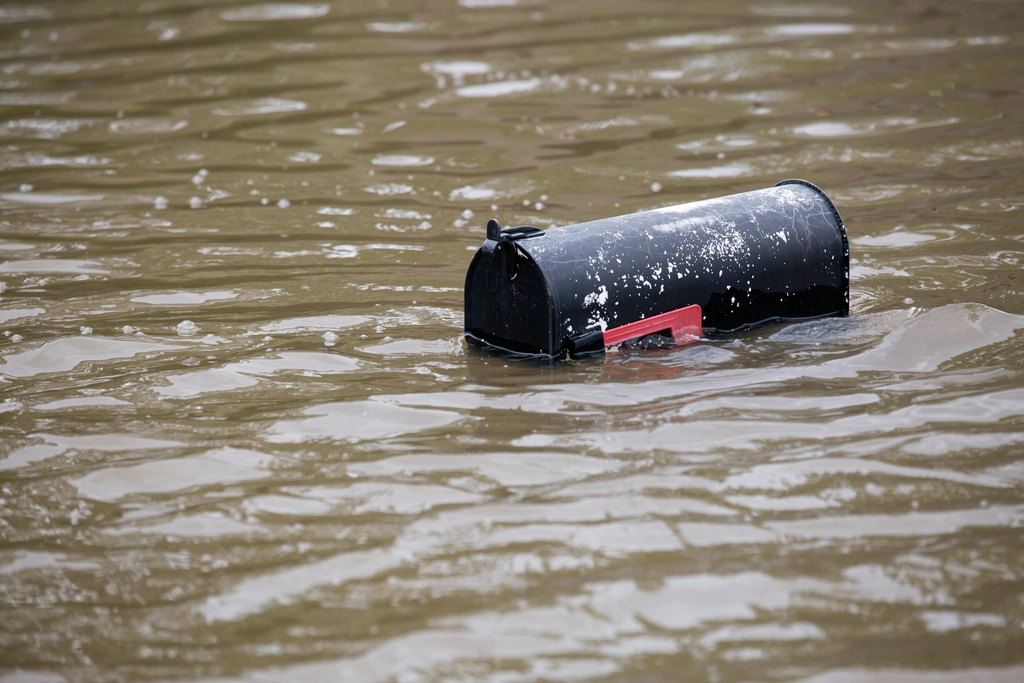
The Central Texas Floods of 1921 were a devastating series of floods that struck the region, causing widespread destruction. Torrential rains overwhelmed rivers and streams, leading to catastrophic flooding in cities like San Antonio and Austin. The floods washed away homes, bridges, and roads, altering the landscape and leaving communities in disarray. In the aftermath, efforts were made to improve flood control measures and infrastructure, emphasizing the importance of preparedness. The Central Texas Floods of 1921 highlight the vulnerability of regions to natural disasters and the need for proactive planning to mitigate their impact.
The Nashville Flood of 2010

In May 2010, Nashville experienced a devastating flood that would leave a lasting impact on the city. Record-breaking rainfall led to the Cumberland River overflowing its banks, inundating homes, businesses, and landmarks. The flood caused significant economic losses, with damages estimated in the billions of dollars. In response, efforts were made to improve flood management and resilience, including the construction of floodwalls and levees. The Nashville Flood of 2010 is a testament to the power of nature and the importance of community resilience in recovery and rebuilding efforts.
The Hurricane Katrina Flood of 2005

Hurricane Katrina in 2005 brought one of the most destructive floods in U.S. history. When the storm surge breached the levees in New Orleans, it submerged large parts of the city under water. The floodwaters remained for weeks, causing catastrophic damage to homes, businesses, and infrastructure. The disaster highlighted the vulnerabilities in the city’s flood defenses and prompted significant changes in flood management and infrastructure improvements. The Hurricane Katrina flood is a sobering reminder of the power of natural disasters and the importance of preparedness and resilience in the face of adversity.
The Great Flood of 1862

In 1862, California experienced a flood of biblical proportions that transformed the landscape. Weeks of heavy rain and melting snow caused rivers to overflow, creating an inland sea in the Central Valley. The floodwaters inundated towns, farms, and infrastructure, leaving a lasting mark on the region. The Great Flood of 1862 prompted changes in flood management and infrastructure, emphasizing the importance of preparedness and resilience. This event serves as a reminder of the power of nature and the need for adaptive strategies to cope with natural disasters.
The South Dakota Flood of 1997

In 1997, South Dakota faced a devastating flood that caused widespread destruction. Heavy rainfall and melting snow overwhelmed rivers and streams, leading to catastrophic flooding in communities across the state. The floodwaters damaged homes, infrastructure, and farmland, leaving a lasting impact on the landscape. In the aftermath, efforts were made to improve flood management and resilience, emphasizing the importance of preparedness and adaptive strategies. The South Dakota Flood of 1997 is a powerful reminder of the vulnerability of regions to natural disasters and the need for proactive planning to mitigate their impact.
The St. Louis Flood of 1993
In 1993, St. Louis experienced a flood of historic proportions that would leave a lasting impact on the city. Excessive rainfall over several months led to the Mississippi and Missouri rivers overflowing their banks, inundating homes, businesses, and infrastructure. The flood caused significant economic losses and altered the landscape, prompting changes in flood management and infrastructure improvements. The St. Louis Flood of 1993 is a testament to the power of nature and the importance of community resilience in recovery and rebuilding efforts.
Conclusion

Each of these floods has left a distinctive mark on the U.S. landscape, serving as a reminder of the power and unpredictability of nature. They highlight the importance of preparedness, resilience, and adaptive strategies in the face of natural disasters. As we move forward, these lessons remain crucial in shaping how we interact with and adapt to our ever-changing environment.

As a little kid, I fell in love with nature, wildlife, and animals. Living in the USA, South Africa, Italy, China and Germany gave me the opportunity to discover the world's Wildlife. My favorite animals are Mountain Gorillas, Siberian Tigers, and Great White Sharks.
I'm a certified PADI Open Water Diver, went to Everest Base Camp and Trekked Gorillas in Uganda. I hold a Master of Science in Economics and Finance.
Please send any feedback to feedback@animalsaroundtheglobe.com
- 10 Loudest Animals on Land - July 21, 2026
- 13 Animals With Extra Limbs or Heads - July 21, 2026
- 15 Most Adorable Animals of North America - July 21, 2026