

The United States has a rich history of wildlife conservation, with numerous species having been saved from the brink of extinction. After decades of habitat destruction, overhunting, and pollution nearly wiped out many iconic American animals, dedicated conservation efforts have helped several native species rebound significantly. These success stories represent the positive impact of environmental legislation, scientific management, and public awareness on preserving our natural heritage. Let’s explore fourteen remarkable native animals that are making impressive comebacks across America’s diverse landscapes.
14. American Bison From Near Extinction to Symbol of Recovery

Once numbering in the tens of millions across North America, American bison were hunted to near extinction in the late 1800s, with fewer than 1,000 individuals remaining by 1890. Through concerted conservation efforts, including protected herds in Yellowstone National Park and tribal lands, bison populations have rebounded to approximately 500,000 today. While most are managed as livestock, around 30,000 bison now roam conservation herds. The American Bison’s comeback represents one of the earliest and most iconic wildlife recovery efforts in U.S. history, though challenges remain in restoring them to more of their historic range and ensuring genetic diversity in wild populations. In 2016, the bison was designated as the national mammal of the United States, cementing its status as a symbol of conservation success.
13. Bald Eagle America’s National Bird Soars Again

The bald eagle, America’s national symbol, experienced a devastating decline due to hunting, habitat loss, and most significantly, the widespread use of DDT pesticides, which caused eggshell thinning and reproductive failure. By 1963, only 417 nesting pairs remained in the lower 48 states. Following the ban of DDT in 1972 and protection under the Endangered Species Act, bald eagle populations experienced a remarkable recovery. By 2007, they were removed from the endangered species list, with populations increasing to approximately 9,700 breeding pairs by 2006 and continuing to grow. Today, bald eagles can be spotted in every continental state, with particularly strong populations in the Pacific Northwest, Great Lakes region, and along major waterways. This magnificent raptor’s recovery stands as one of America’s greatest conservation triumphs.
12. Gray Wolf Return of the Apex Predator
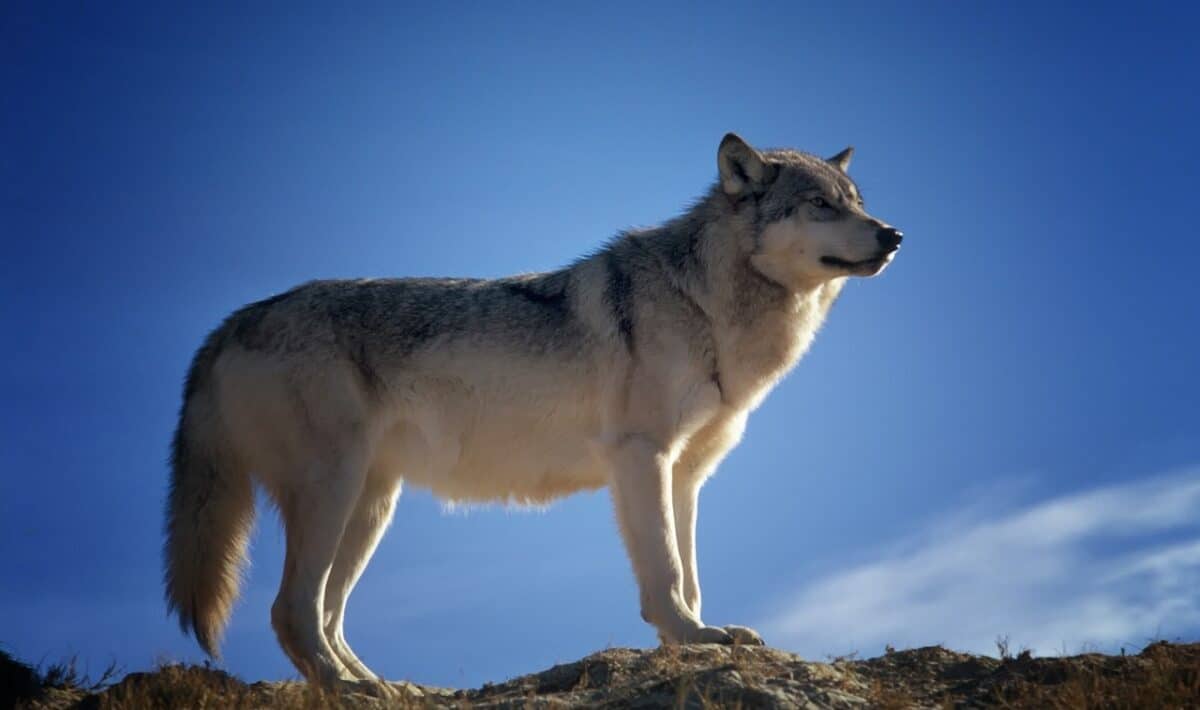
Gray wolves once roamed most of North America before being systematically exterminated from nearly all of the lower 48 states by the early 20th century. Their recovery began with protection under the Endangered Species Act in 1974 and accelerated after their successful reintroduction to Yellowstone National Park and central Idaho in 1995-1996. From a low of just a few hundred wolves in Minnesota and Michigan, populations have expanded to over 6,000 individuals across several western and Great Lakes states. The ecological benefits of their return have been profound, creating trophic cascades that have restored ecosystem balance. Despite ongoing controversies surrounding wolf management and periodic changes to their protected status, the gray wolf’s gradual return demonstrates how apex predators can recover when given sufficient protection and public acceptance.
11. California Condor Saving North America’s Largest Bird

The California condor represents one of the most intensive species recovery efforts ever undertaken. With a wingspan stretching nearly 10 feet, these magnificent vultures declined catastrophically due to lead poisoning, habitat loss, and poaching. By 1982, only 22 condors remained in the wild, prompting conservationists to capture all remaining birds for a captive breeding program. The breeding program succeeded beyond expectations, and reintroductions began in 1992. Today, there are over 500 California condors, with more than half flying free in California, Arizona, Utah, and Baja California, Mexico. Though still listed as critically endangered, the steady population growth demonstrates how dedicated conservation can rescue a species from the very brink of extinction. Ongoing challenges include continued lead exposure from ammunition in scavenged carcasses, but innovative education programs and regulations are helping address these threats.
10. American Alligator From Endangered to Abundant

The American alligator represents one of the most complete recovery stories among U.S. endangered species. These ancient reptiles were hunted extensively for their valuable hides, pushing them to the edge of extinction by the 1950s. Protected under the precursor to the Endangered Species Act in 1967, alligators experienced a remarkably swift comeback. By 1987, they were declared fully recovered and removed from the endangered species list. Today, over 5 million alligators inhabit their range across the southeastern United States, with particularly robust populations in Florida and Louisiana. The success was so complete that carefully regulated hunting and farming of alligators is now permitted, providing economic incentives for habitat conservation. The alligator’s recovery demonstrates how quickly some species can rebound when direct threats are removed and habitat is preserved.
9. Sea Otter Restoring Coastal Ecosystems

Sea otters, with their charismatic behavior and dense, luxurious fur, were hunted to near extinction during the maritime fur trade of the 18th and 19th centuries. From a population of 150,000-300,000 before commercial exploitation, they were reduced to roughly 2,000 animals worldwide by 1911. Protected by the International Fur Seal Treaty and later the Endangered Species Act, sea otters have made a significant, though incomplete, recovery. Today, approximately 3,000 southern sea otters inhabit California’s central coast, up from just 50 individuals in 1938. Their ecological importance as keystone species cannot be overstated—by controlling sea urchin populations, they allow kelp forests to flourish, creating habitat for countless marine species. Though still absent from much of their historic range, their recovering populations demonstrate the positive cascading effects that a single species can have on entire coastal ecosystems.
8. Peregrine Falcon The Fastest Recovery

The peregrine falcon, capable of diving at speeds exceeding 200 mph, faced a precipitous decline due to DDT contamination similar to the bald eagle. By 1970, the eastern U.S. breeding population had been completely wiped out, and only 324 known nesting pairs remained in North America. Following DDT’s ban and extensive captive breeding efforts spearheaded by The Peregrine Fund, peregrines made an astonishing comeback. Removed from the endangered species list in 1999, North America now hosts an estimated 3,000+ breeding pairs. Perhaps most remarkably, these birds have adapted to urban environments, nesting on skyscrapers and bridges in major cities across the country. The peregrine’s recovery represents one of the fastest endangered species success stories and highlights the resilience of nature when given appropriate protection and assistance.
7. Grizzly Bear The Great Bear’s Gradual Return
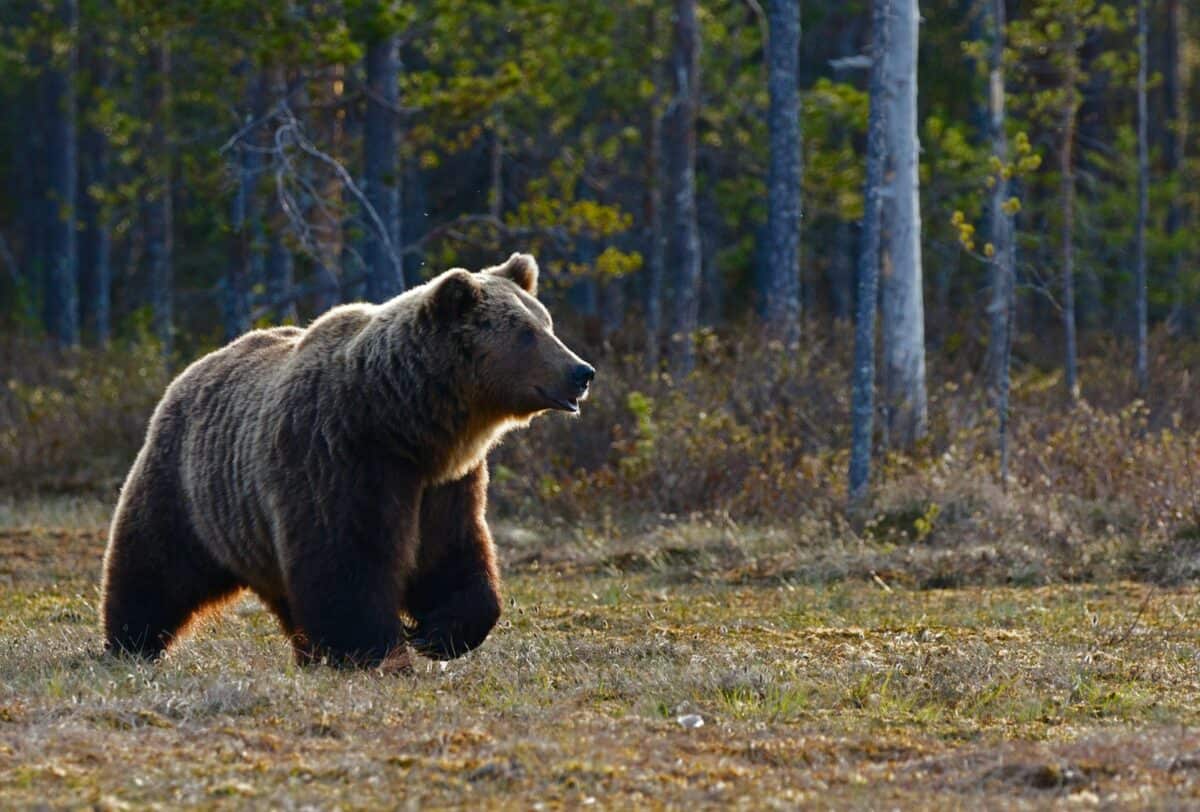
Grizzly bears once roamed across much of western North America, with an estimated 50,000 bears inhabiting the western United States before European settlement. By the 1970s, hunting, habitat destruction, and persecution had reduced their numbers to fewer than 1,000 bears in the lower 48 states, confined to less than 2% of their historic range. Protected under the Endangered Species Act in 1975, grizzlies have slowly reclaimed territory, particularly in the Greater Yellowstone Ecosystem, where populations have increased from about 136 bears in 1975 to approximately 700 today. Similar growth has occurred in the Northern Continental Divide Ecosystem in Montana. While recovery remains incomplete and controversial, with ongoing debates about delisting, the grizzly’s comeback in core protected areas demonstrates how large carnivores can recover when given adequate space and protection from human persecution.
6. Green Sea Turtle Ancient Mariners on the Rebound

Green sea turtles, which have navigated Earth’s oceans for over 100 million years, faced devastating population declines due to egg harvest, hunting, fisheries bycatch, and habitat destruction. Listed under the Endangered Species Act in 1978, these massive marine reptiles have shown remarkable recovery in U.S. waters, particularly in Florida and Hawaii. At Florida’s Archie Carr National Wildlife Refuge, nest counts have increased from approximately 62 in 1979 to over 39,000 in 2019—a 630-fold increase. Similarly dramatic recoveries have been documented in Hawaii. This success stems from comprehensive protection of nesting beaches, reduced harvesting of adults and eggs, use of turtle excluder devices in fishing nets, and innovative conservation programs. While global populations remain threatened, the green sea turtle’s U.S. recovery offers hope for these ancient mariners and demonstrates the effectiveness of long-term, multi-faceted conservation approaches.
5. American Crocodile Thriving in Southern Florida

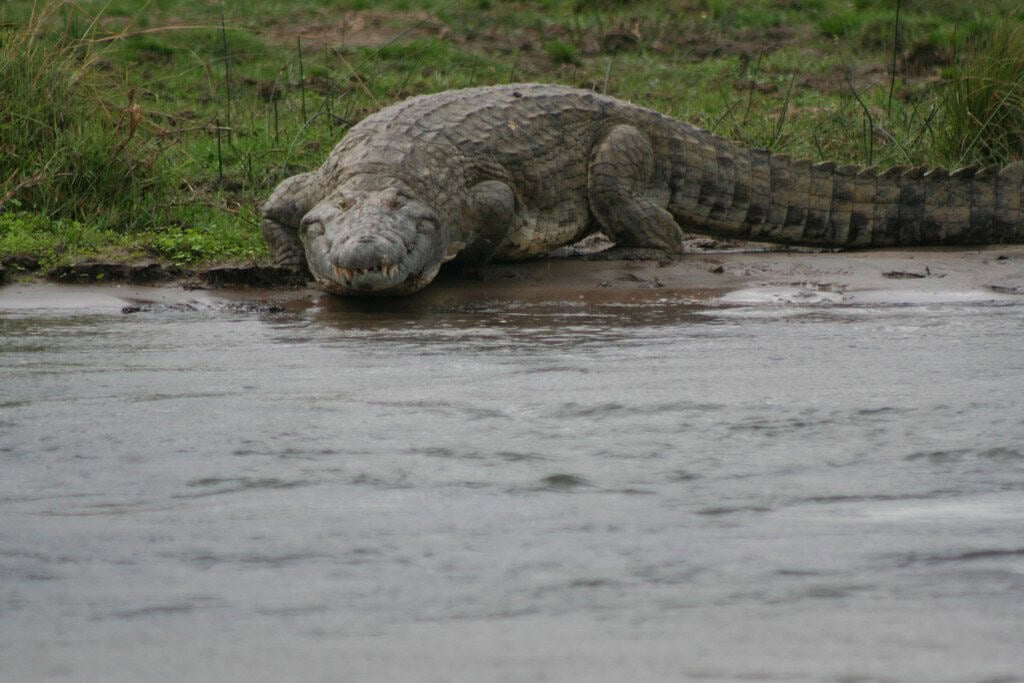
The American crocodile, often overshadowed by its more numerous alligator cousin, experienced severe declines due to hunting and habitat loss throughout much of the 20th century. By the 1970s, only 200-300 remained in the United States, limited to the southern tip of Florida. Following protection under the Endangered Species Act in 1975 and successful habitat conservation efforts, the U.S. population has rebounded to approximately 2,000 individuals. In a conservation twist, the cooling canals at Turkey Point Nuclear Generating Station near Miami have become an unexpected haven for these reptiles, highlighting how even industrial facilities can contribute to wildlife recovery when properly managed. The species was downlisted from endangered to threatened in 2007, reflecting its improving status. Though still occupying only a fraction of its historic U.S. range, the American crocodile’s recovery in Florida represents a significant conservation achievement for this ancient reptile.
4. Whooping Crane Intensive Care for America’s Tallest Bird
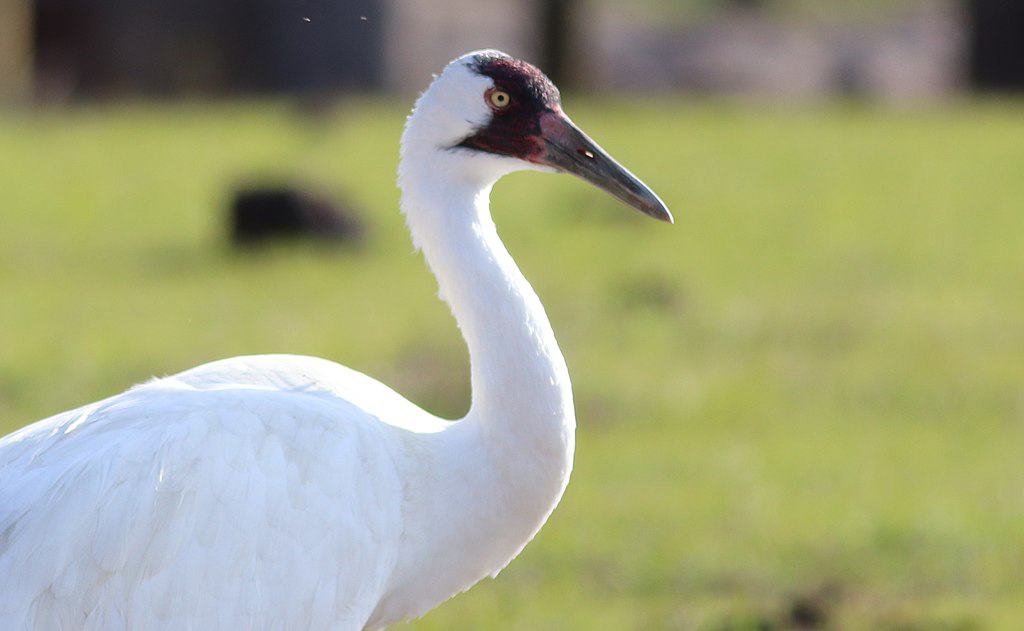
The whooping crane’s recovery represents one of the most intensive and innovative wildlife conservation efforts in history. Standing five feet tall with a seven-foot wingspan, these majestic white birds declined to just 15 individuals worldwide by 1941 due to hunting and wetland drainage. Today, thanks to extraordinary conservation measures, there are over 800 whooping cranes, including approximately 500 in the wild. Recovery strategies have included captive breeding, creation of multiple wild populations, and the remarkable use of ultralight aircraft to teach captive-raised birds their ancestral migration routes. The Aransas-Wood Buffalo population, which migrates between Texas and Canada, has grown from 15 to about 500 birds. Though still endangered, the whooping crane’s ongoing recovery demonstrates how dedicated conservation can save even the most imperiled species when science, innovation, and persistence are applied.
3. Black-footed Ferret Back from the “Extinct” List

The black-footed ferret’s recovery is among the most remarkable in conservation history, as the species was actually declared extinct twice before making its comeback. These slender predators, specialized to hunt prairie dogs, were decimated by widespread prairie dog eradication programs and sylvatic plague. By 1979, they were believed extinct until a small colony was discovered in Wyoming in 1981. When disease threatened this last population, the remaining 18 ferrets were captured for an emergency captive breeding program. From these final 18 animals, over 8,000 kits have been born in captivity, with regular reintroductions since 1991 establishing wild populations across the Great Plains and Rocky Mountain states. Today, approximately
1,000 black-footed ferrets live in the wild across 30 reintroduction sites. Though still endangered and facing ongoing threats from habitat loss and disease, their recovery from functional extinction represents a testament to the power of captive breeding and reintroduction programs.
2. Southern Sea Lion Rebounding Along the California Coast

The California sea lion, with its distinctive barking calls and playful behavior, has made a remarkable recovery along the Pacific Coast. Heavily hunted for their oil, hides, and to reduce competition with fisheries, these marine mammals were reduced to just a few thousand individuals by the early 20th century. Protection under the Marine Mammal Protection Act of 1972 allowed their numbers to surge dramatically. Today, the U.S. population exceeds 257,000 individuals, approaching their likely historic abundance. Their recovery has been so successful that they’ve become familiar sights at coastal tourist destinations like San Francisco’s Pier 39 and California’s Channel Islands National Park, where they haul out in large, vocal colonies. While their increasing numbers have created new management challenges, including conflicts with fisheries and concerns about salmon predation, the California sea lion’s rebound represents a major conservation success story for marine mammals in U.S. waters.
1. Louisiana Black Bear The Real Teddy’s Bear

The Louisiana black bear, famously linked to President Theodore Roosevelt in the origin of the teddy bear, faced near-extinction due to overhunting and massive habitat loss in the bottomland hardwood forests of the Lower Mississippi River Valley. By the 1950s, fewer than 100 bears remained in fragmented habitat patches. Listed as threatened under the Endangered Species Act in 1992, the subspecies benefited from intensive conservation efforts, including habitat restoration, reintroduction programs, and stringent protection. By 2016, populations had increased to approximately 800 bears across Louisiana, Mississippi, and east Texas, leading to the subspecies’ removal from the endangered species list. Recovery strategies included the restoration of over 600,000 acres of forest habitat and the establishment of wildlife corridors connecting isolated populations. The Louisiana black bear’s comeback demonstrates how regional conservation efforts focusing on both species protection and landscape-scale habitat restoration can bring a beloved American icon back from the brink.
Conservation Success Lessons from America’s Wildlife Comeback Stories

The remarkable recoveries of these fourteen native species offer powerful evidence that coordinated conservation efforts can reverse even the most dire wildlife declines. These success stories share common elements: legal protection through legislation like the Endangered Species Act, science-based management approaches, habitat protection and restoration, and strong public support. They also demonstrate nature’s resilience when given adequate protection and time to recover. Despite these successes, many challenges remain, including ongoing habitat fragmentation, climate change impacts, and emerging diseases. As we celebrate these conservation victories, they remind us of our responsibility to maintain vigilance and continue supporting wildlife conservation efforts across America’s diverse ecosystems. These recovering species serve as living proof that extinction is not inevitable when human determination aligns with nature’s remarkable capacity for renewal.

As a little kid, I fell in love with nature, wildlife, and animals. Living in the USA, South Africa, Italy, China and Germany gave me the opportunity to discover the world's Wildlife. My favorite animals are Mountain Gorillas, Siberian Tigers, and Great White Sharks.
I'm a certified PADI Open Water Diver, went to Everest Base Camp and Trekked Gorillas in Uganda. I hold a Master of Science in Economics and Finance.
Please send any feedback to feedback@animalsaroundtheglobe.com
- 13 Cat Breeds That Get Along with Dogs - July 20, 2026
- The 12 Largest Dog Breeds That Still Love to Cuddle - July 20, 2026
- 12 Pet Habits That Secretly Mean They Love You - July 20, 2026