
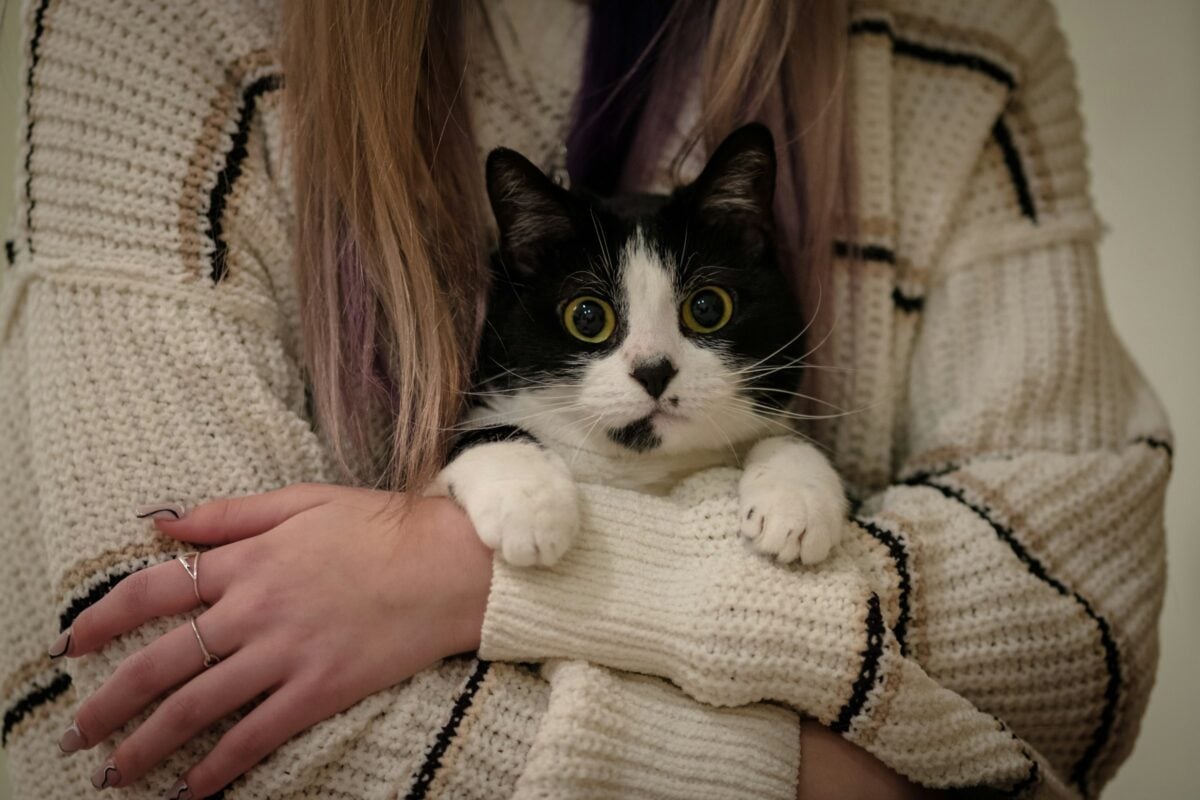
Everyone in the room swears the family cat is “aloof,” “moody,” or just plain rude. Then you notice something strange: the cat has an entire private language it only uses with one specific person, and nobody else even sees it happening.
That’s not your imagination, and it’s not favoritism the way people assume. It’s a decoding problem. Cats are running a constant stream of precise, deliberate signals, and most humans are reading them through the wrong lens entirely. Once you know what’s actually being said, you’ll never look at a “weird” cat behavior the same way again.
#1 – The Slow Blink That Looks Like Sleepy Boredom
🔥 Would you like to save this?
We'll email this post to you, so you can come back to it later!
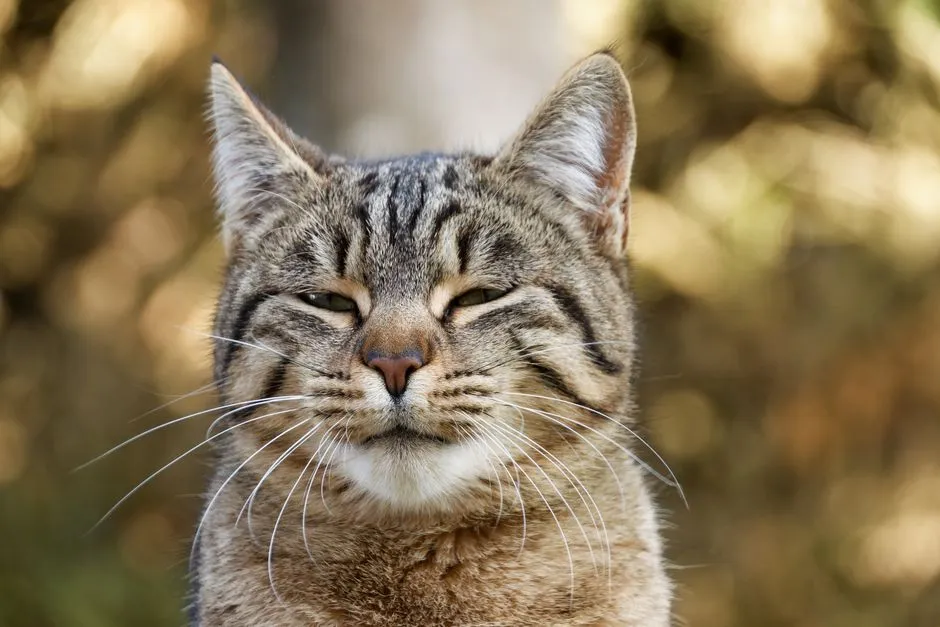
Most people watch a cat slow-blink at someone and assume the cat is tired or zoning out. In reality, that heavy-lidded blink is one of the clearest trust signals a cat can send, and it’s usually aimed at exactly one person in the room.
Holding direct eye contact can feel threatening in cat language, but softening the eyes and letting them close slowly is the opposite. It’s the feline equivalent of saying, “I feel safe enough to be vulnerable in front of you.” People who insist “this cat hates everyone” almost always overlook the one human who reliably gets that dreamy, half-closed look. That’s not boredom. That’s a love note written in eyelids.
Fast Facts
- Researchers at the University of Sussex and Portsmouth found cats blink more often when their owner blinks first.
- Cats in that same research approached people more readily after a slow-blink exchange.
- Direct, unbroken eye contact can register as a threat display in cat body language.
- A relaxed slow blink usually pairs with a soft, unfocused gaze and loose whiskers.
#2 – The Headbutt Everyone Writes Off as “Him Being Pushy”
🔥 Would you like to save this?
We'll email this post to you, so you can come back to it later!
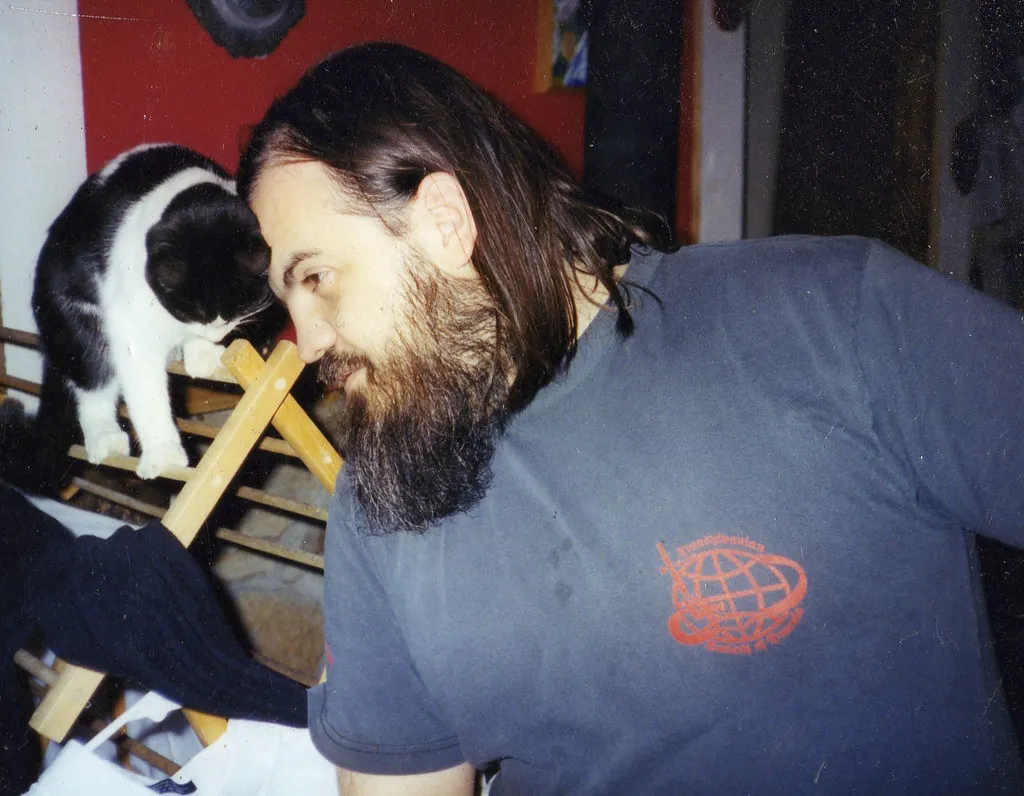
When a cat walks straight up to one specific person and bonks their head, face, or glasses, outsiders usually laugh it off as clingy or a little annoying. In cat terms, it’s the exact opposite: this is scent-sharing, one of the most intimate social gestures a cat has in its entire repertoire.
The forehead and cheeks are loaded with scent glands, and pressing them against you is a cat literally marking you as part of its inner circle. Cats don’t hand this out to everyone equally; they reserve it for chosen humans, and the harder the bump, the more excited the greeting. To a bystander it looks like “he only uses her as a scratching post.” To the cat, it’s a private message: you are mine, and I am yours.
#3 – The Back Turn That Looks Like Rude Disinterest
🔥 Would you like to save this?
We'll email this post to you, so you can come back to it later!
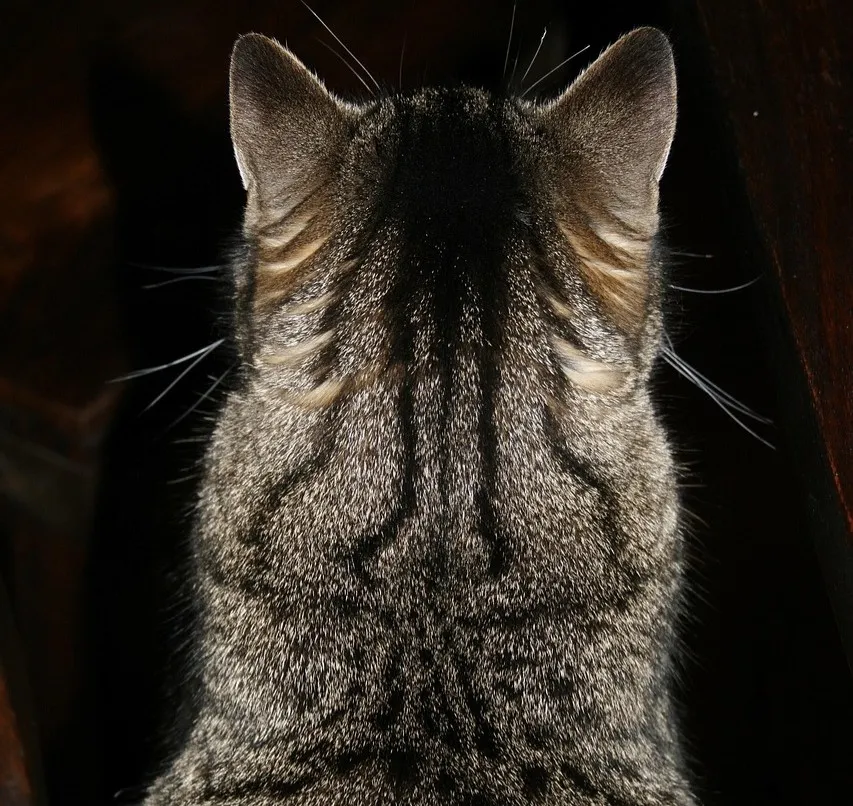
A cat turns its back on everyone else, then deliberately plants its butt facing one specific person. Almost every human on earth reads that as rejection, or worse, outright rudeness.
Cat logic runs the opposite direction. Showing you their back is a trust move, not an insult, because predators never expose their most vulnerable angle to something they consider dangerous. You’ll see it on the couch, where the cat lies facing away but stays within arm’s reach of “their” person, or in bed, curled with their back pressed to your stomach. Outsiders think “he barely tolerates her.” What’s actually happening is that the cat has decided this person is safe enough to switch off the threat radar completely, and that kind of exposure is reserved for the very few humans it genuinely trusts.
#4 – The Zoomies Everyone Assumes Are Just Random Hyper Moments
🔥 Would you like to save this?
We'll email this post to you, so you can come back to it later!
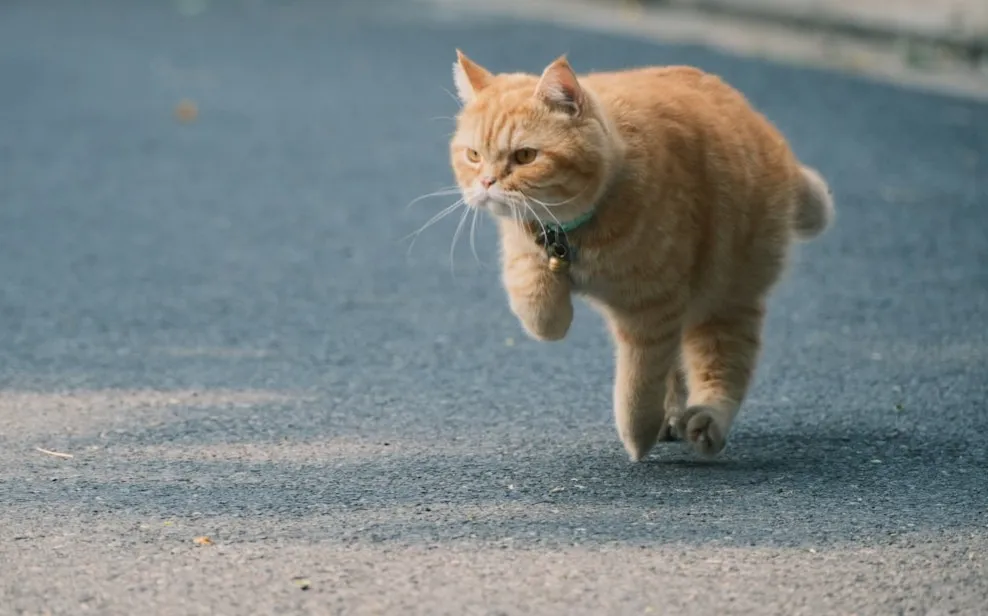
A cat suddenly bolts around the room, chases something invisible, then sprints directly at one person, and most people chalk it up to “crazy cat time.” But zoomies aren’t chaos for chaos’s sake. They’re a stress and energy release, and where the sprint ends matters a lot more than people realize.
Cats often finish their high-speed lap either near or directly on their chosen human. Watch closely and you’ll notice a pattern: they land on the same couch cushion every time, or they dart away and always circle back to rub against the same pair of legs. That person is the cat’s emotional landing pad. The zoomies are the storm, and that human is the lightning rod. If a cat chooses your lap as the endpoint of the madness, you’re not the victim of the chaos. You’re the anchor holding it together.
#5 – The Selective Hearing Everyone Calls “Stubborn”
🔥 Would you like to save this?
We'll email this post to you, so you can come back to it later!
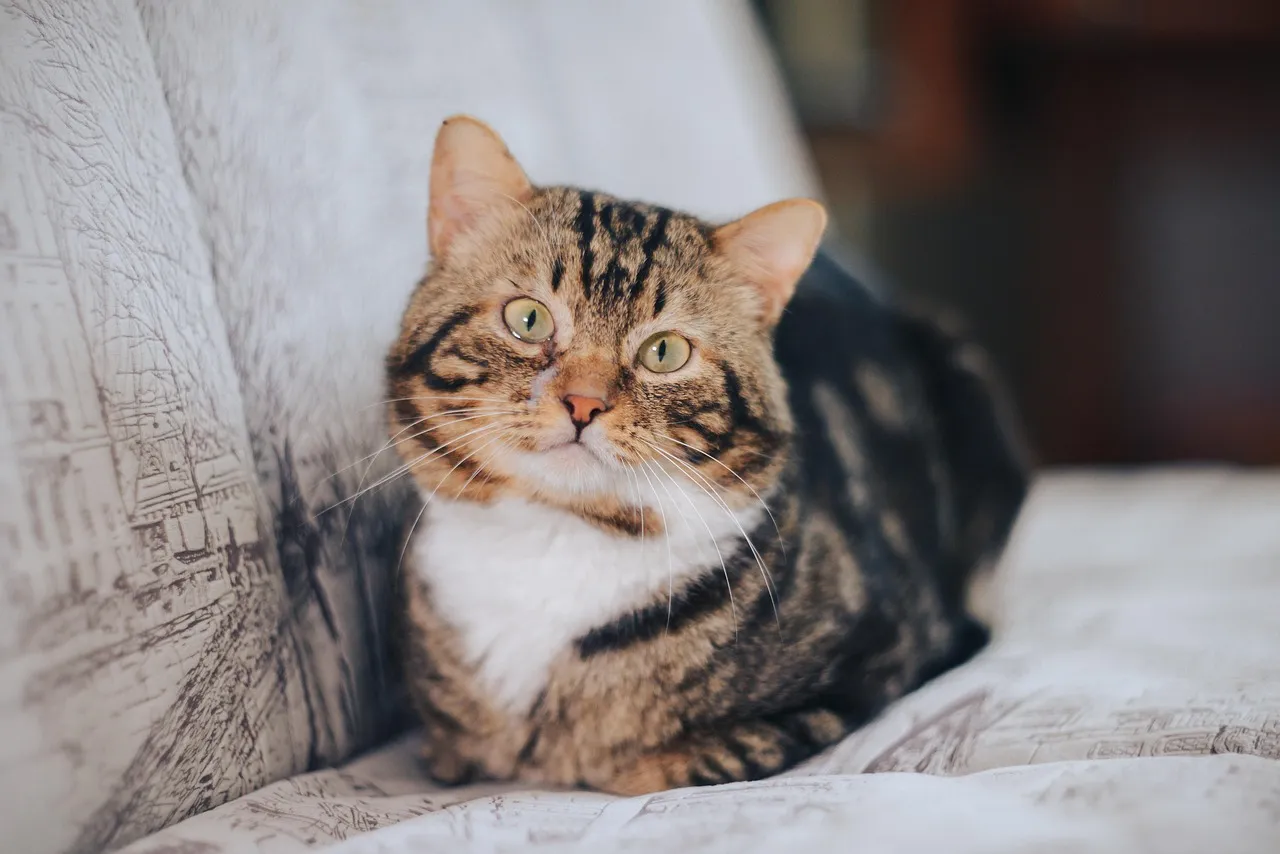
Someone calls the cat ten times. Nothing happens. Then a second person quietly says the cat’s name once, and the cat materializes like it teleported. Most people conclude, “He listens to her because she spoils him,” or worse, “He’s just stubborn.”
What’s really happening is a mix of voice recognition, association, and risk calculation. Cats are extremely sensitive to the tone and pattern of a specific voice, plus the past consequences of obeying it, whether that meant gentle handling or something unpleasant like nail trims. Over time they build a running tally: this voice equals good things, that voice might mean trouble. So the cat “ignoring” someone isn’t random defiance; it’s a calculated decision. The person a cat consistently responds to is usually the safest choice, not the softest one, and that’s a private signal of trust, not manipulation.
Worth Knowing
- Cats can hear frequencies up to roughly 64,000 Hz, far beyond human range, making them highly tuned to subtle vocal cues.
- Research out of the University of Tokyo found cats can distinguish their owner’s voice from a stranger’s, even without an obvious reaction.
- A cat’s response is often just an ear flick or head turn rather than a dramatic move, which is easy for humans to miss.
- Calm, consistent vocal interactions build the trust that makes a cat respond faster to one specific person.
#6 – The “Jealous” Cat That Wedges Between You and One Person
🔥 Would you like to save this?
We'll email this post to you, so you can come back to it later!
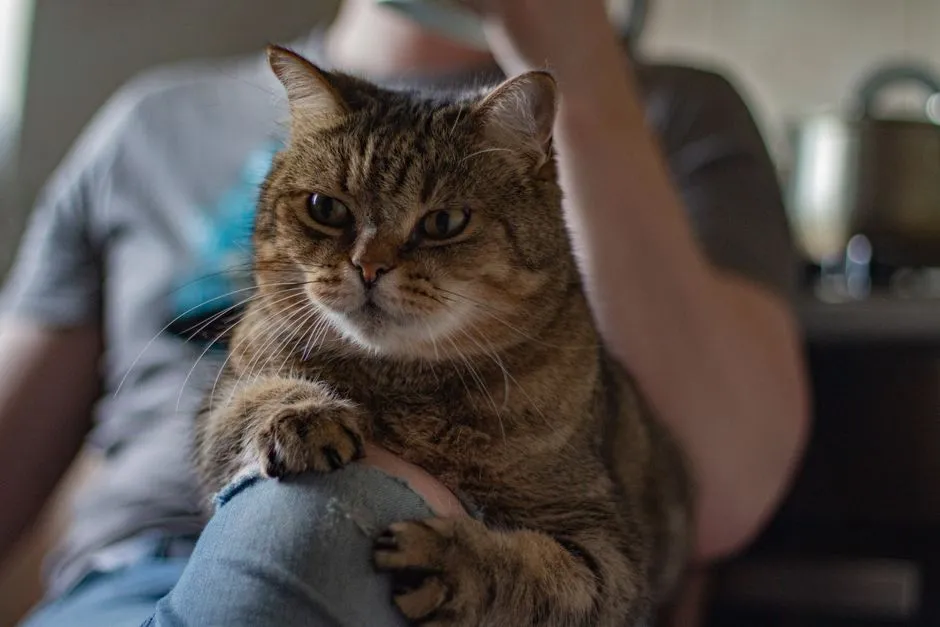
A cat watches one specific human hugging or sitting close to someone else, then suddenly shoves itself into the middle. To most onlookers, that screams classic jealousy or attention-seeking.
The real explanation is more layered. Cats are wired to notice sudden changes in proximity and scent around their primary attachment figure, so wedging in might be an attempt to re-mark you with their scent after an unfamiliar one intruded, or simply to interrupt body language they don’t fully understand. This shows up most when that one person is emotional, crying, laughing hard, or arguing. The cat isn’t thinking “I’m jealous of that guy.” It’s thinking, “something feels off with my human, and I’m going to reset the scene.” What looks like spite is actually a loyalty signal fired off the moment the social atmosphere feels unstable.
#7 – The Dead Mouse Everyone Thinks Is a Disgusting Insult
🔥 Would you like to save this?
We'll email this post to you, so you can come back to it later!
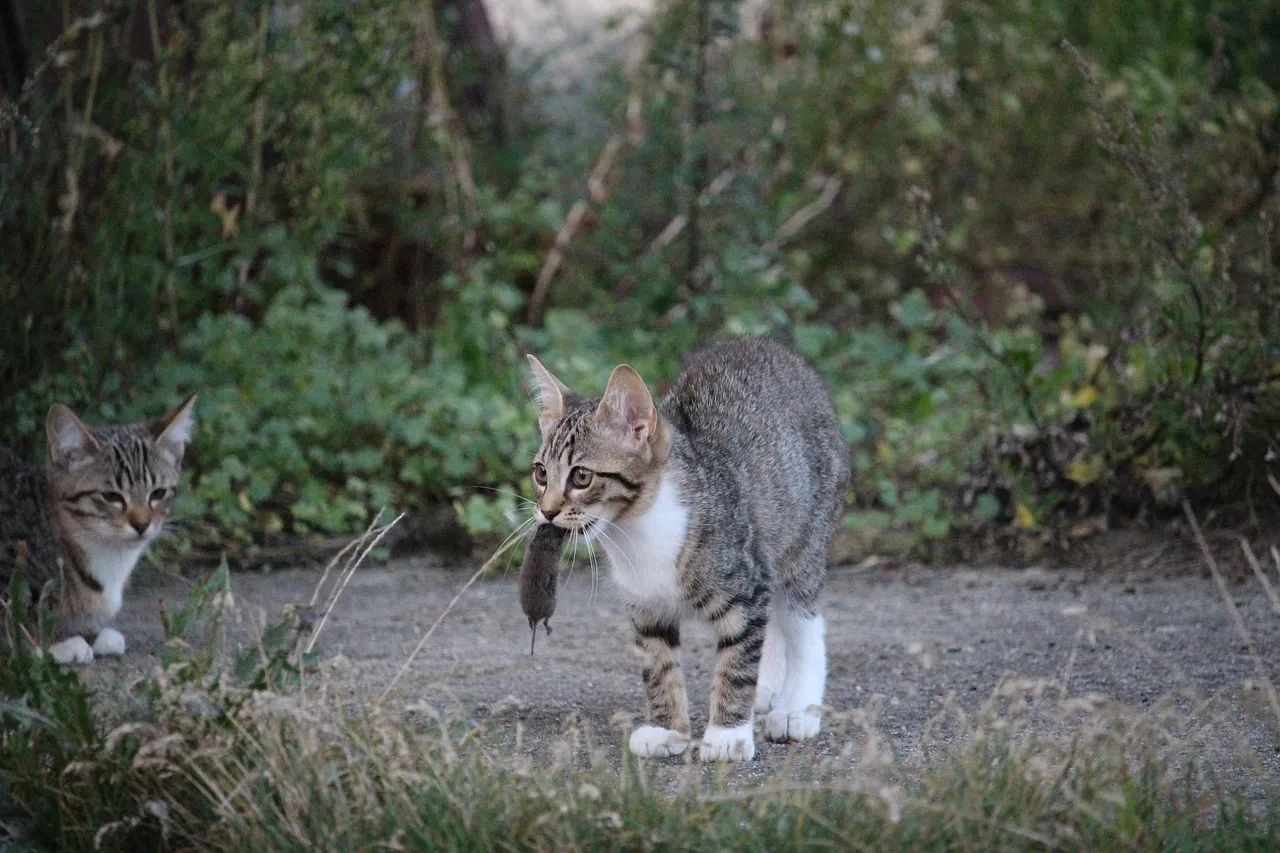
A cat drops a dead mouse or bug in front of one person, and the whole room erupts with “he’s punishing you!” or “he’s trying to teach you to hunt!” The science doesn’t actually back up the teaching theory the way people assume it does.
What we do know is that cats tend to bring prey to a safe, central spot, and they choose the human they associate with safety and shared resources. They’re unlikely to deliver a gift to someone they actively fear, and they usually pick the person whose scent dominates the home base. It’s likely a blend of resource-sharing and “I feel safe enough here to lower my guard completely.” So when the same person keeps getting the grim deliveries, it isn’t an insult and it isn’t random. Outsiders see horror. The cat is writing a love letter in the only vocabulary it has.
#8 – The Kneading That Looks Like a Mindless Habit
🔥 Would you like to save this?
We'll email this post to you, so you can come back to it later!
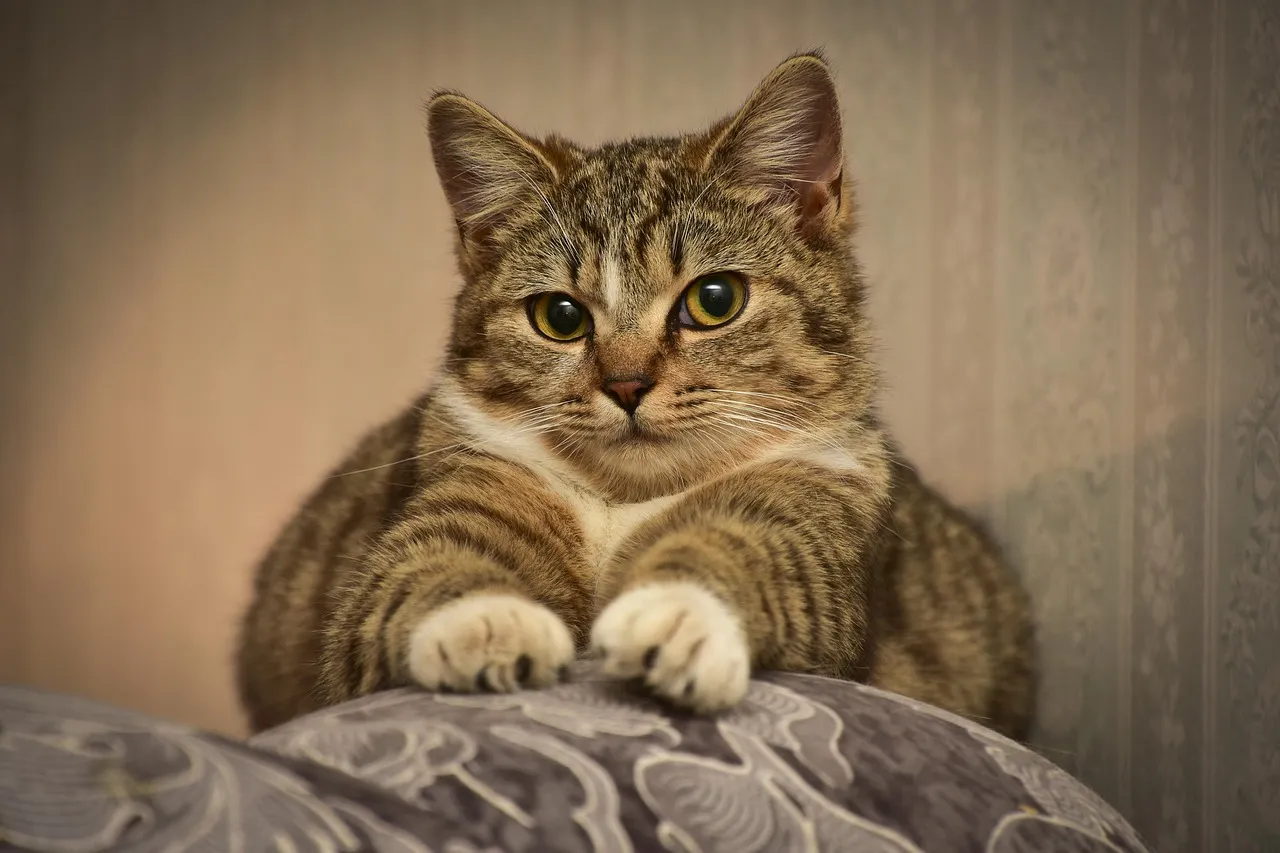
Most people assume kneading, or “making biscuits,” is just a leftover kitten reflex with no real meaning. That’s partly true, but who a cat chooses to knead on says everything.
Cats knead on warm, soft, emotionally safe surfaces, so when they climb onto only one person’s lap and start that rhythmic pushing, claws and all, they’re acting out something deeply rooted in comfort-seeking. Notice whether they always pick the same person even when other laps are available, and whether they purr and close their eyes while doing it. That’s not random. It’s a regression to kitten behavior that only surfaces when a cat feels completely secure. Yes, the claws hurt, and no, they aren’t trying to stab you. They’re associating your body with the safety of their first caregiver, a comparison they don’t extend to just anyone in the room.
#9 – The Long, Silent Stare Everyone Dismisses as “Weird Cat Stuff”
🔥 Would you like to save this?
We'll email this post to you, so you can come back to it later!
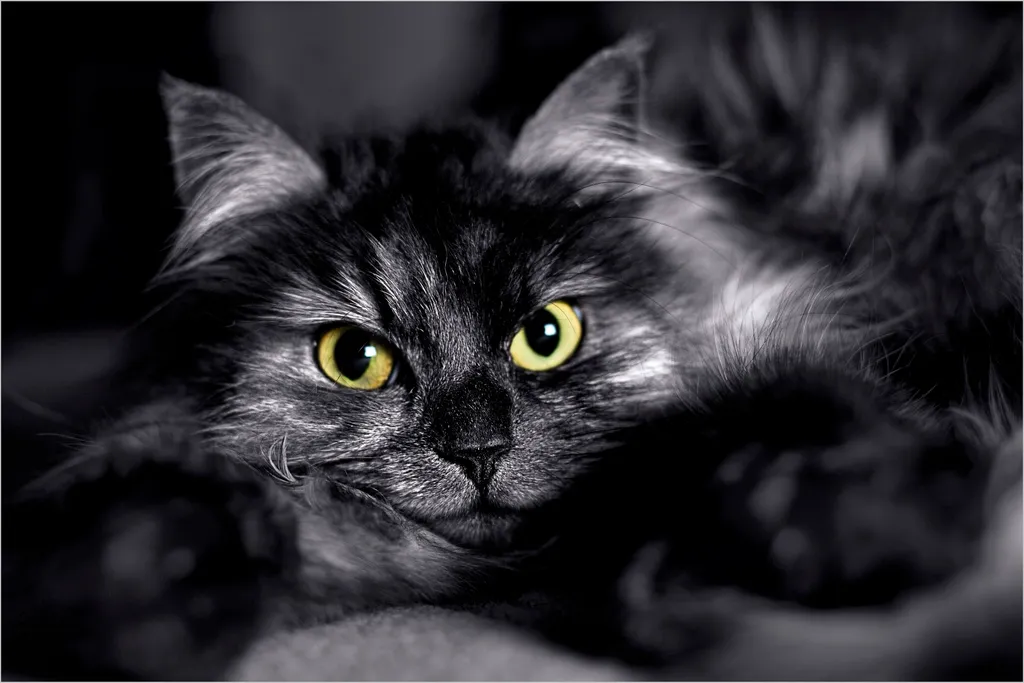
The cat jumps onto a shelf, faces the room, and locks eyes on one person for a solid minute. Everyone jokes about it plotting something sinister.
Sustained eye contact can be threatening between unfamiliar cats, but when a familiar cat calmly focuses on one human, it’s monitoring, not menacing. Check the details: ears neutral or slightly forward instead of pinned back, body loose, tail still or gently swishing. In that posture, the cat isn’t preparing to attack; it’s reading micro-signals, changes in your voice, posture, or emotional tone. Some cats fixate on whoever moves the least, others on whoever is most emotionally volatile. It’s a quiet, constant check-in: what’s my main human doing, and is everything still okay? The stare feels creepy because we’re not used to being observed that directly, but for the cat, it’s a private channel of vigilance.
At a Glance
- Relaxed signals: ears neutral or forward, tail loose or gently swishing, weight settled rather than tense.
- Warning signals: ears flattened sideways or back, tail thumping hard, pupils fully dilated.
- A slow blink mixed into a stare usually points to monitoring, not aggression.
- A fixed stare paired with a stiff, low body and a still tail is the combination worth watching closely.
#10 – The Room Full of People a Cat “Hates,” Except One
🔥 Would you like to save this?
We'll email this post to you, so you can come back to it later!
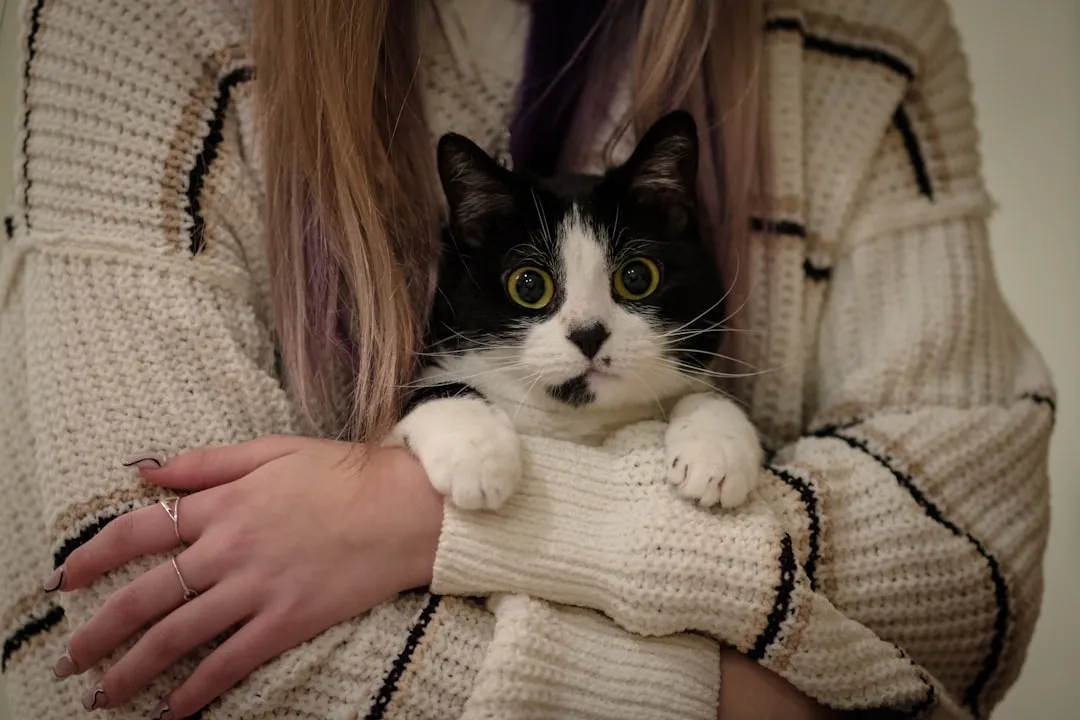
You’ve seen it happen: a party, a house full of cat lovers all trying to coax the cat over, and the cat vanishes, only to quietly reappear beside the one person who never chased it in the first place.
Most guests write that off as “cats just like people who ignore them,” which is lazy shorthand for something much more precise. The cat is running a fast threat-and-predictability assessment and choosing the lowest-risk human in the room. People making direct eye contact and reaching out get avoided; the quiet, still person who doesn’t force interaction gets approached. Over time, cats map this pattern onto specific individuals in the household, and the person who doesn’t over-handle them, who reads body language, who backs off the second a tail flicks, becomes the default safe harbor during any chaotic social event. The cat isn’t a snob. It’s a risk analyst, and that person has the best track record.
#11 – The Sleeping Spot Everyone Writes Off as Coincidence
🔥 Would you like to save this?
We'll email this post to you, so you can come back to it later!
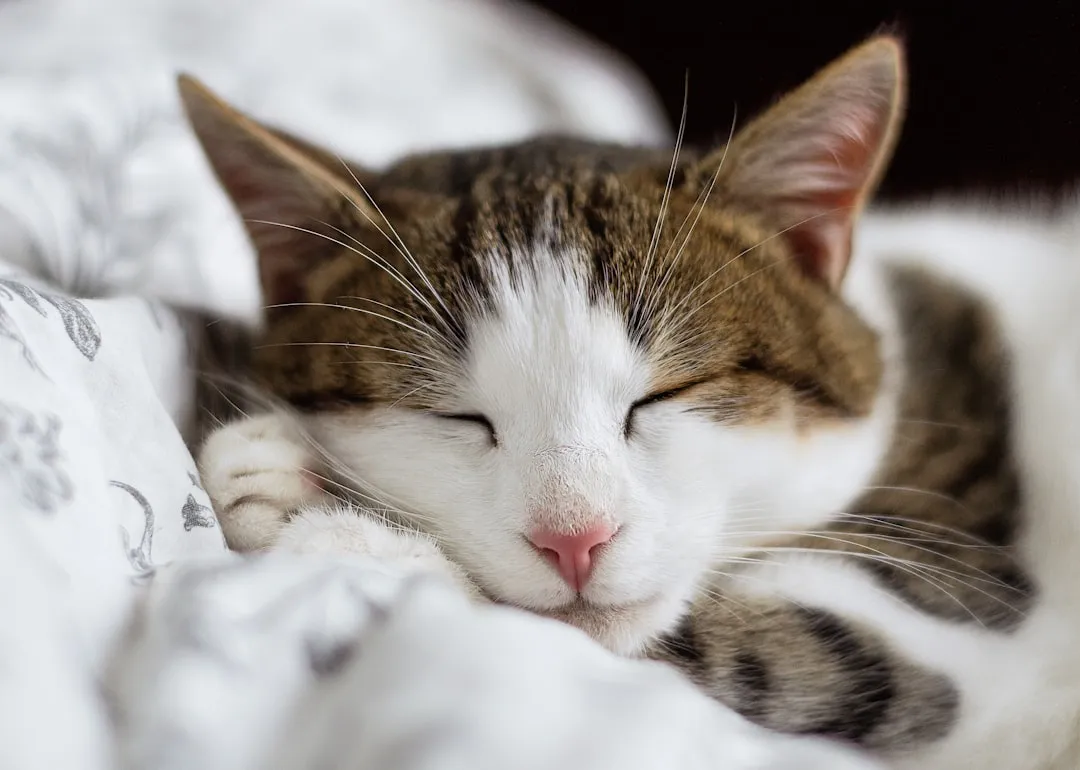
Where a cat chooses to sleep is one of the most data-rich signals it sends, and almost everyone misses it completely. If the cat repeatedly sleeps on one person’s pillow, clothes, or side of the bed, that’s not just about warmth.
It’s a scent merger and a vulnerability choice. Cats sleep most deeply near people they feel safest with, because deep sleep is when they’re most defenseless. Watch for a consistent preference for one person’s chair, hoodie, or laundry pile, or for the cat choosing that person’s side of the bed even when they’re not home. A sunbeam or a soft blanket matters, sure, but when those variables are equal and the cat still picks the same human-scented spot, the message is clear: you are my safety zone. That’s why some cats trail one person from room to room just to nap nearby, quietly anchoring their rest cycle to that human’s presence.
#12 – The Gentle Paw Tap Everyone Shrugs Off as “Cute”
🔥 Would you like to save this?
We'll email this post to you, so you can come back to it later!
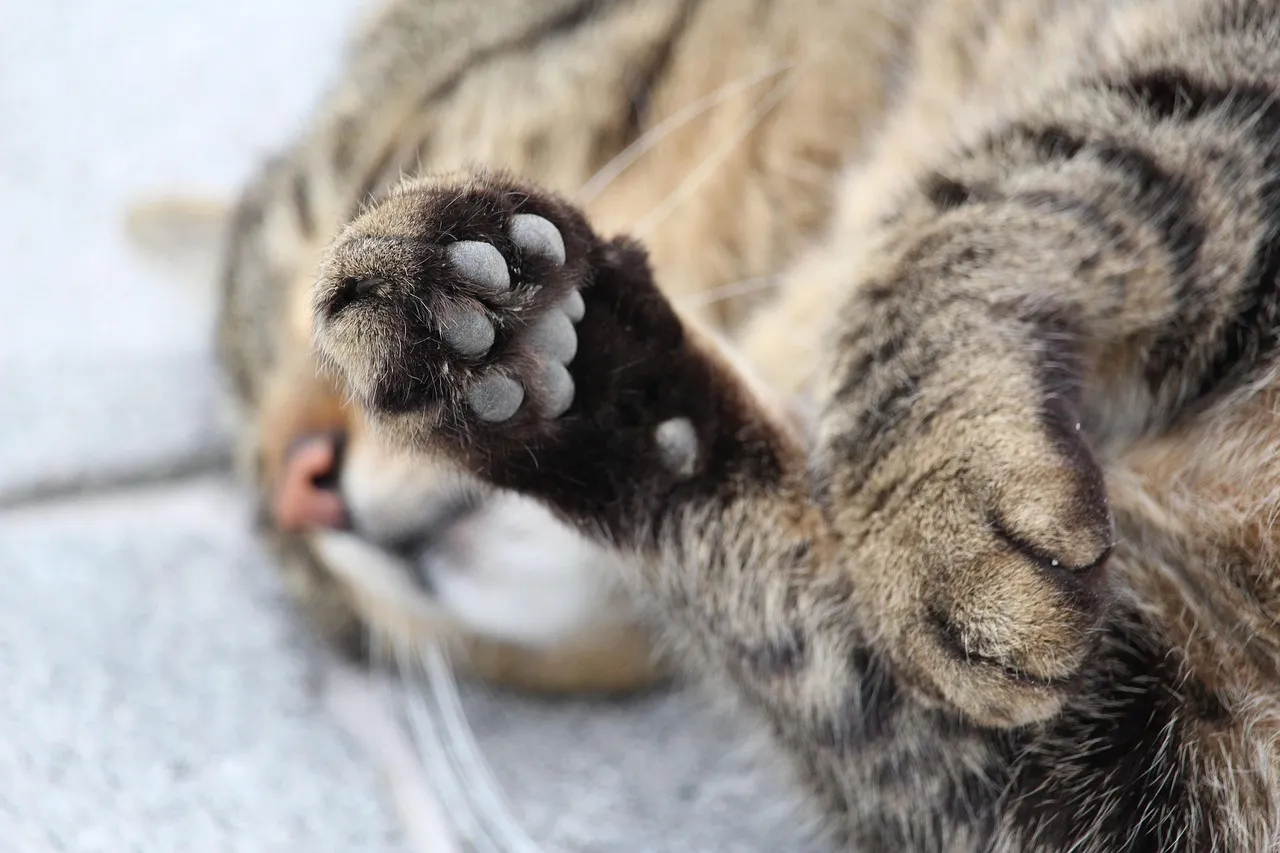
A cat could meow, yowl, or scratch at the door to get attention. Instead, it walks up to one specific person and taps them gently with a paw, on the arm, the phone, or the face. Most people just call it an adorable quirk and move on.
That soft tap is actually a highly targeted communication strategy, reserved for humans a cat expects a subtle, safe response from. It’s low-risk, no claws, just light contact, and it assumes the human will notice and react without overreacting. Cats don’t waste delicate gestures on people who routinely ignore or mishandle them. The paw tap is a refined, learned tool: you respond well when I ask quietly, so I’ll keep using this with you. Other people in the house might only ever get loud meows or total avoidance. If you’re getting tapped with a velvet paw, you’ve been sorted into the cat’s high-trust, fine-tuned communication category.
#13 – The Licking and Grooming Everyone Mislabels as “Weird”
🔥 Would you like to save this?
We'll email this post to you, so you can come back to it later!
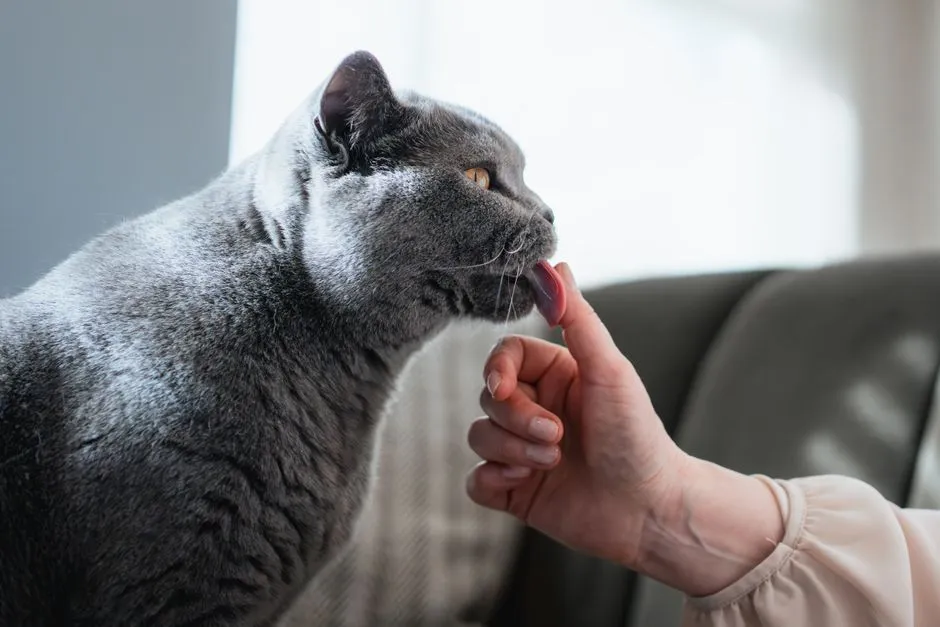
Some cats occasionally lick one person’s hair, beard, arm, or eyebrows. Most people either find it strange or assume it’s just leftover salt on the skin. There is a taste component, sure, but socially, this behavior is a much bigger deal than people give it credit for.
Cats only perform allogrooming, or mutual grooming, with individuals they consider part of their in-group, usually family or bonded companions. They tend to focus on the head and face, classic zones for social grooming among cats, and they do it during quiet, relaxed moments for both parties. This isn’t casual. It’s the cat treating you like another cat in its colony, reinforcing the bond through shared scent and care. Very few cats will groom a human they don’t feel deeply safe with, so outsiders laughing it off as “he’s tasting you” are missing the real message entirely: you’re mine, and we are us.
#14 – The Sudden Love Bite Everyone Reads as Betrayal
🔥 Would you like to save this?
We'll email this post to you, so you can come back to it later!
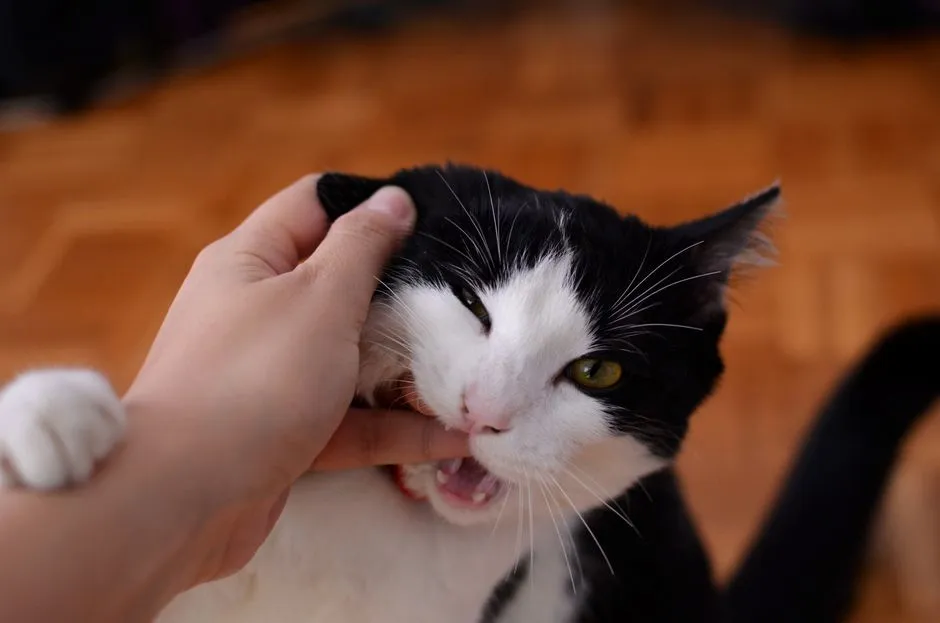
This is the signal that quietly wrecks the most cat-human relationships. The cat is purring, relaxed, curled on one person’s lap and being petted, and then out of nowhere it delivers a quick bite and leaps away. Everyone in the room gasps, “he turned on you!”
In reality, overstimulation bites are a complicated but honest form of communication, and cats reserve them, paradoxically, for the people they trust the most. Petting builds nervous system stimulation, and some cats have a hard limit they can’t override. They usually give subtle warnings first, a tail twitch, rippling skin, ears shifting, that most humans completely miss. With their safest human, they feel secure enough to say “stop” with a light bite instead of full-on aggression. Here’s the twist: many cats only show this pattern with the person they’re closest to, because that’s who pets them the longest and touches the most sensitive spots. The bite isn’t betrayal. It’s a boundary, delivered to the one human the cat trusts enough to expect will actually learn the rule.
Quick Compare
- Early warning signs: tail flicking, skin rippling along the back, ears rotating slightly.
- Escalating signs: pupils widening, body stiffening, purring pausing mid-pet.
- Overstimulation bite: a quick, controlled nip followed by an immediate retreat.
- True aggression: sustained defensive posture, hissing, or prolonged contact.
The Bottom Line
🔥 Would you like to save this?
We'll email this post to you, so you can come back to it later!
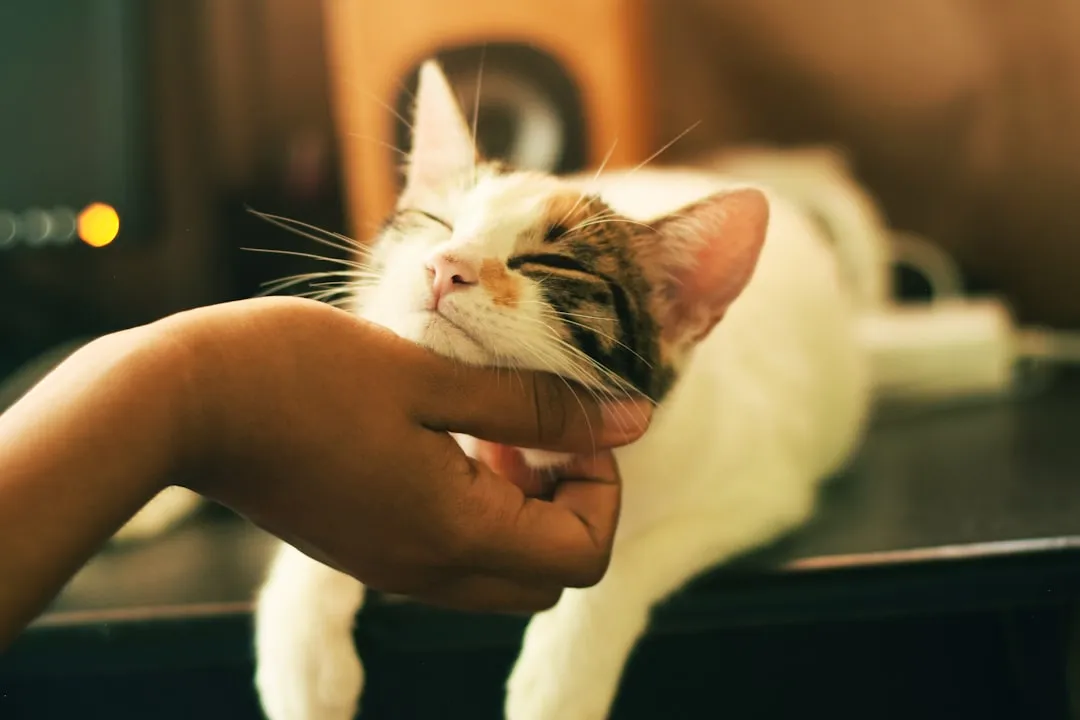
Zoom out across all fourteen and a pattern jumps out immediately: cats aren’t mysterious, we’re just terrible translators. Slow blinks, back turns, headbutts, zoomies, grooming, even those infamous love bites aren’t random mood swings or personality flaws. They’re precise, private signals, and most of them are aimed at one chosen person the cat trusts more than anyone else in the room.
Here’s my honestly unpopular opinion after digging through all of this: the “aloof cat” stereotype is one of the laziest myths in pet ownership, and we keep repeating it because admitting the truth is more uncomfortable. The truth is that cats communicate constantly, specifically, and generously, with the one person who’s actually paying attention. We wanted a small dog that meows, and instead we got a completely different species with its own language, and then blamed the cat when we couldn’t be bothered to learn it. So which of these fourteen has your cat been running on you this whole time, and did you ever spot it before now?

- 23 Warm Corners an Elderly Cat Keeps Returning To All Winter - October 29, 2026
- 16 Behaviours Showing a Cat Considers a House Permanent Now - October 29, 2026
- 15 Wildlife Programmes a Lifetime Pass Holder Over 62 Can Join Free - October 29, 2026