

As our beloved canine companions enter their twilight years, they often exhibit subtle changes that can be easy to overlook. Recognizing these quiet signs is crucial for providing the care and comfort they need during this tender phase of life.
Seeking Solitude in Unusual Places
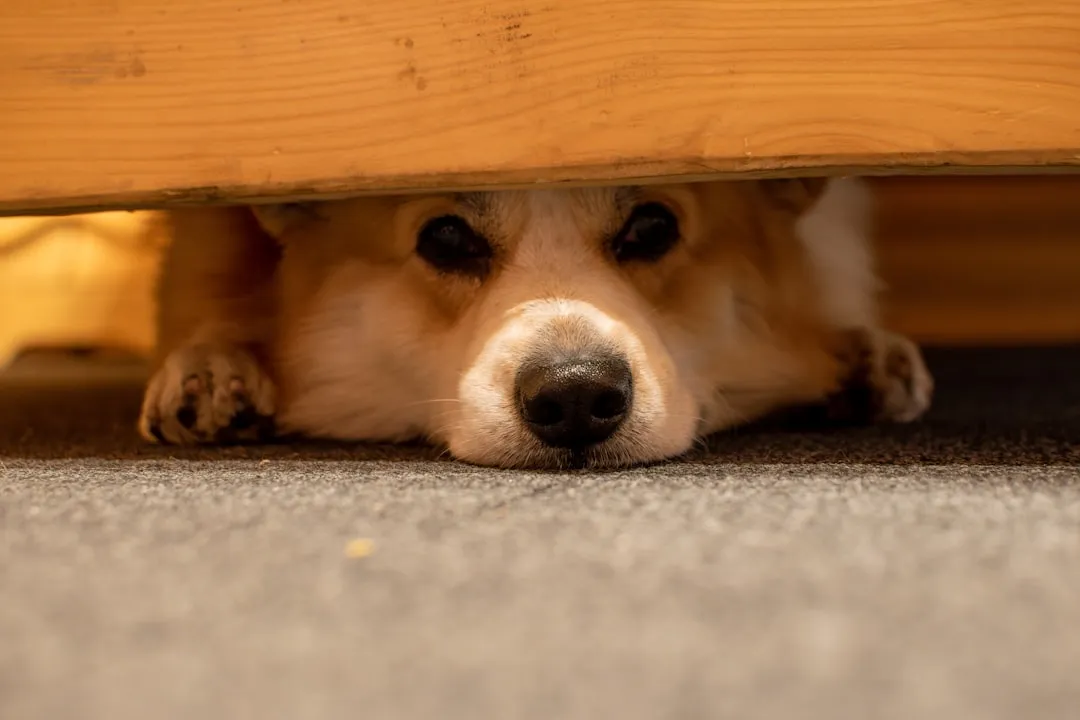
It’s not uncommon for aging dogs to retreat to secluded spots they’ve never favored before – under the bed, behind furniture, or in distant corners of the house. This behavior may indicate a desire for peace and quiet, or it could be a response to discomfort or anxiety.
Such changes often go unnoticed until they become habitual. Monitoring these new hiding places can offer insights into your dog’s well-being and help you make necessary adjustments to their environment.
Subtle Changes in Appetite

A senior dog might start leaving food in their bowl or show less enthusiasm for treats they once adored. This gradual decrease in appetite can be a sign of dental issues, digestive discomfort, or other underlying health concerns.
While occasional pickiness isn’t alarming, a consistent pattern warrants a veterinary check-up to rule out serious conditions and ensure your dog maintains proper nutrition.
Increased Daytime Sleeping
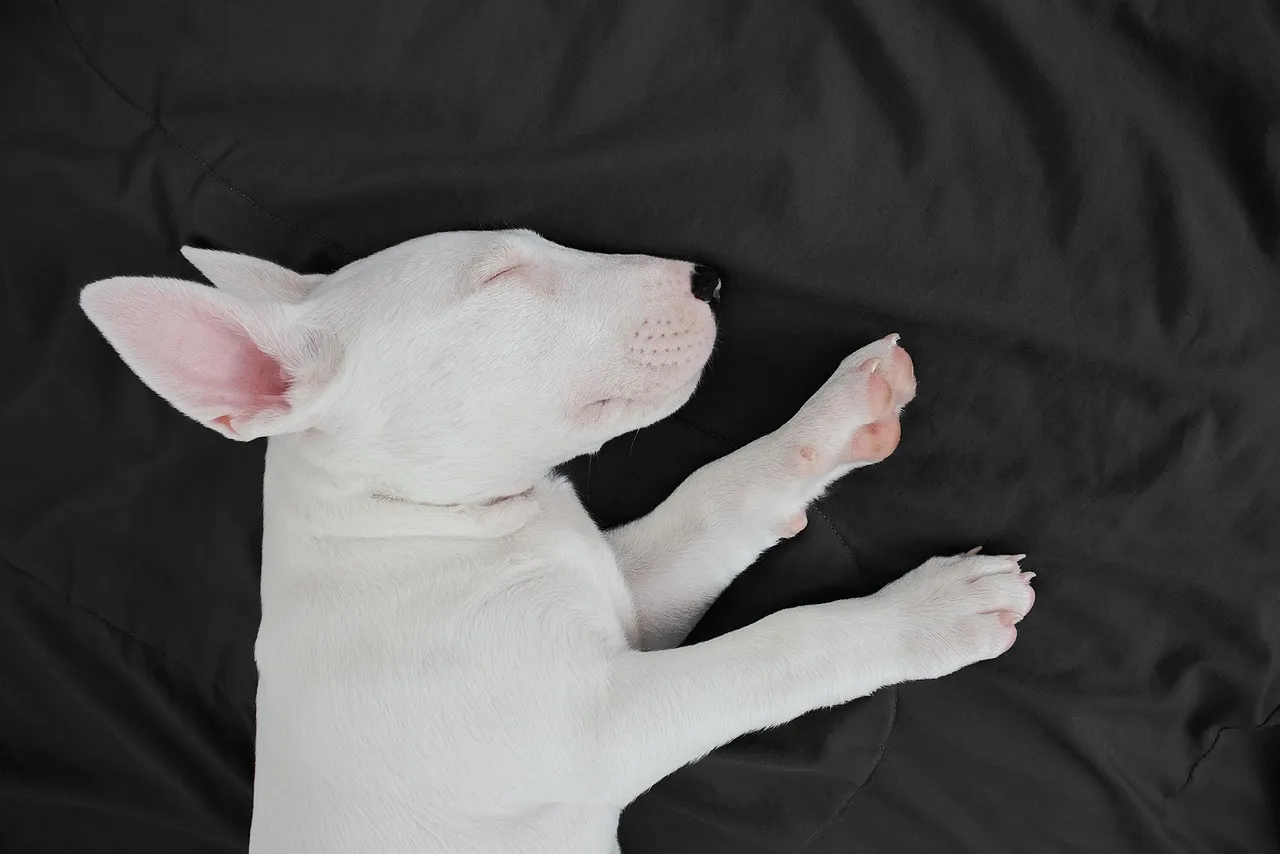
Older dogs often sleep more during the day, sometimes up to 18-20 hours. This increase in rest can be a normal part of aging, but when paired with nighttime restlessness, it may indicate discomfort or cognitive changes.
Observing your dog’s sleep patterns and discussing any significant changes with your veterinarian can help address potential issues early on.
Nighttime Restlessness

A once sound sleeper may begin pacing, whining, or appearing disoriented during the night. This restlessness can be linked to cognitive dysfunction or physical discomfort that becomes more pronounced in the quiet of the night.
Creating a calming nighttime routine and consulting with your vet can help manage these disturbances, ensuring better rest for both your dog and yourself.
Decreased Interest in Play
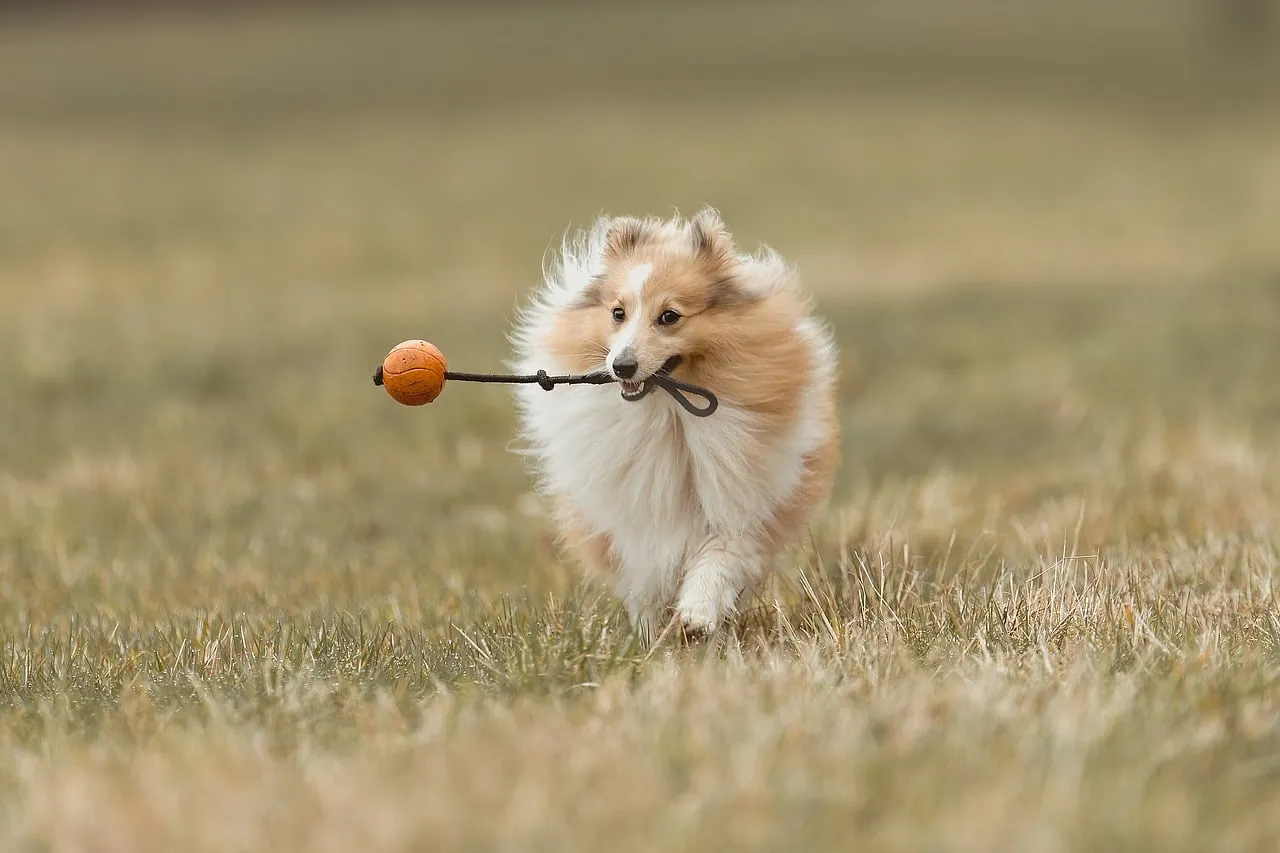
Your senior dog might show less enthusiasm for games or toys they once loved. This decline in playfulness can be due to reduced energy levels, joint pain, or a waning interest stemming from cognitive changes.
Introducing gentle, low-impact activities can help keep your dog engaged without causing strain, promoting both physical and mental health.
Increased Irritability
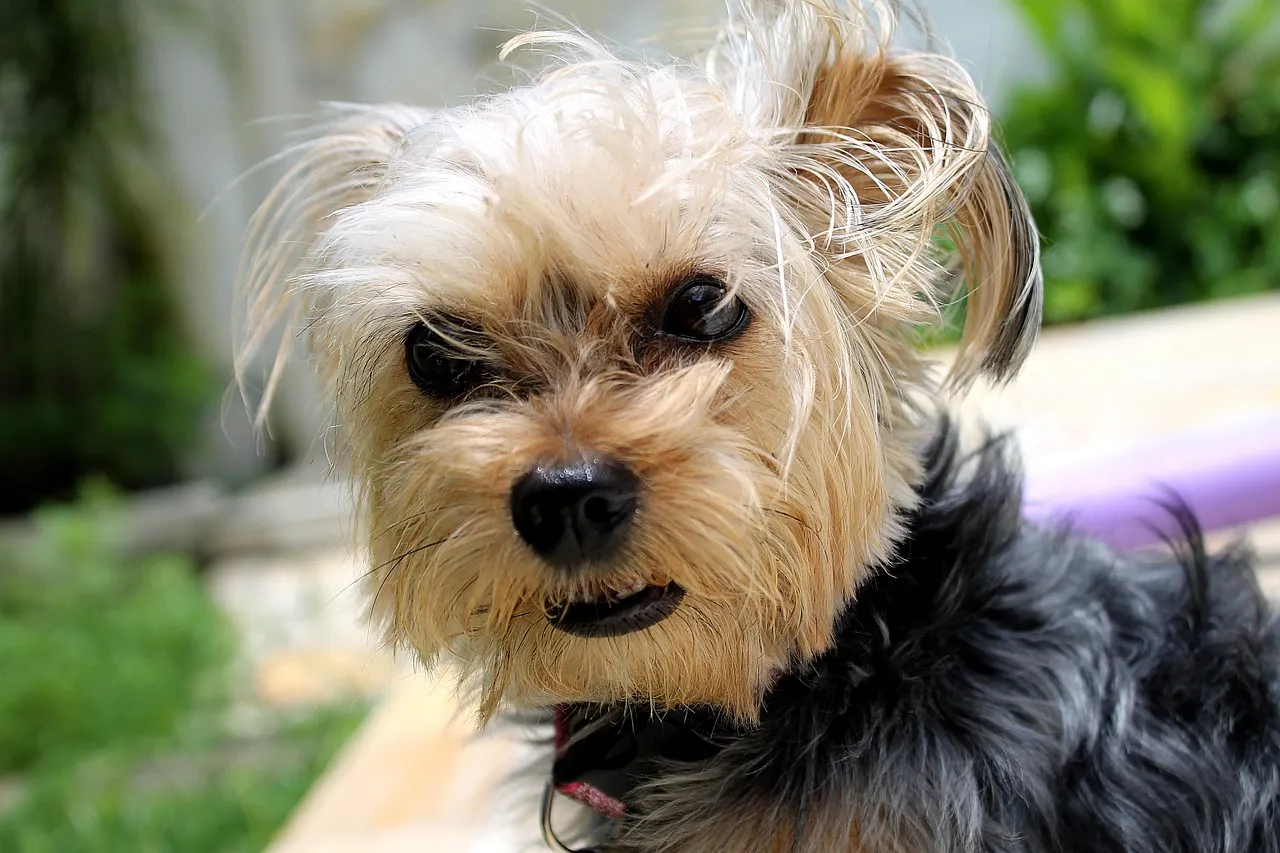
A normally gentle dog may become more irritable or snap in situations they previously tolerated. This change can be a response to pain, sensory decline, or confusion.
Understanding and accommodating your dog’s new sensitivities can prevent stress and maintain a harmonious household.
Changes in Social Behavior
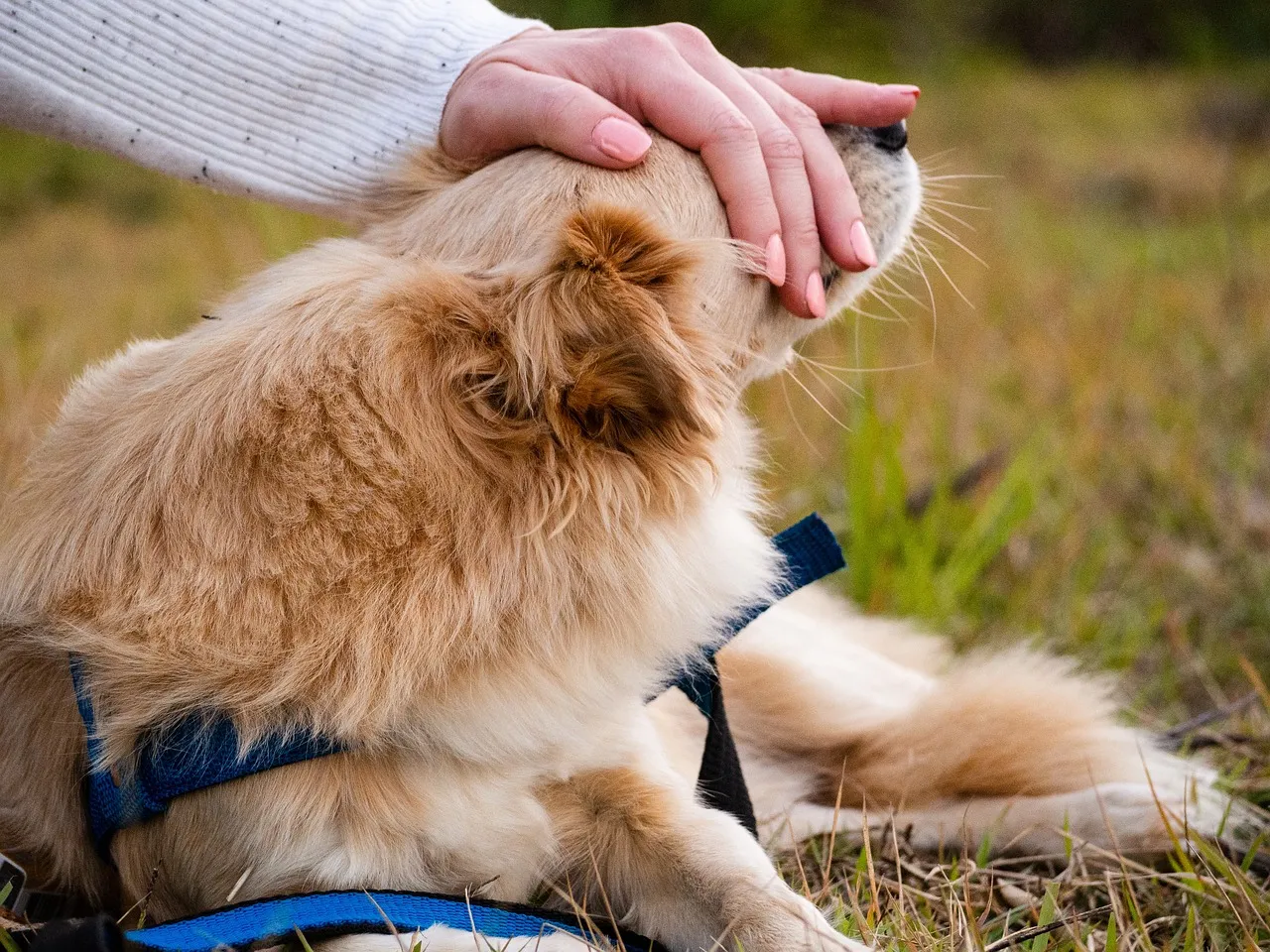
Some senior dogs may seek more affection, while others might withdraw from social interactions. These shifts can be influenced by health issues, sensory decline, or cognitive changes.
Paying attention to these behaviors allows you to adjust your interactions to meet your dog’s evolving needs, ensuring they feel loved and secure.
House Soiling Incidents
A previously house-trained dog may start having accidents indoors. This can result from medical conditions like urinary tract infections, mobility issues, or cognitive decline.
Consulting with your veterinarian can help identify the cause and implement strategies to manage or resolve the issue.
Altered Grooming Habits
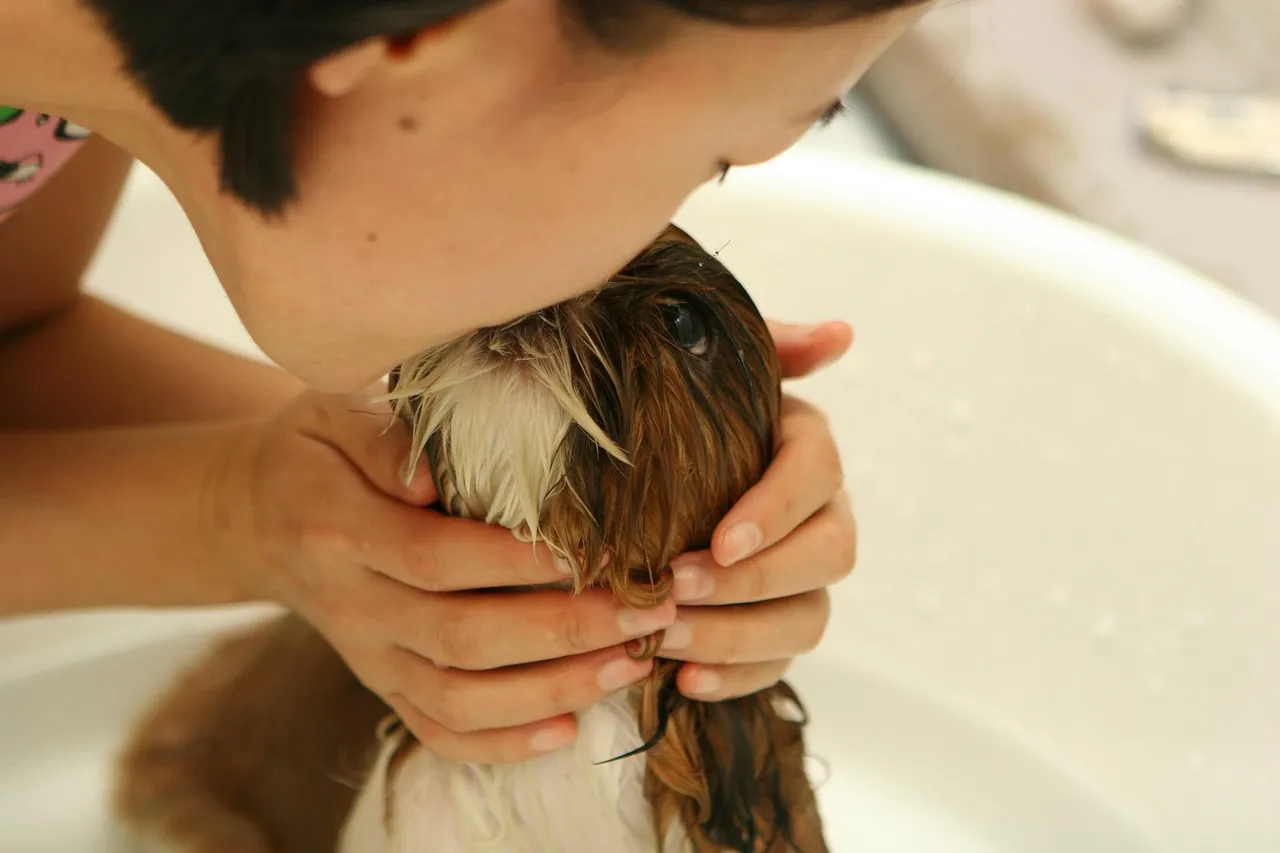
Senior dogs might neglect their grooming routines, leading to a dull coat or matting. This change can be due to arthritis making self-grooming painful or cognitive decline reducing their awareness.
Regular gentle grooming sessions can help maintain their coat health and provide an opportunity to check for any new lumps, bumps, or skin issues.
Increased Vocalization

An uptick in barking, whining, or howling, especially at night, can be a sign of discomfort, anxiety, or cognitive dysfunction. This vocalization may be their way of expressing confusion or seeking attention.
Addressing the underlying cause with your veterinarian can help reduce these behaviors and improve your dog’s comfort.
Disorientation or Confusion

Your dog may appear lost in familiar settings, get stuck in corners, or have difficulty finding their way. These signs are often associated with cognitive decline and can be distressing for both the dog and owner.
Providing a consistent routine and avoiding major changes in their environment can help reduce confusion and anxiety.
Reluctance to Climb Stairs or Jump
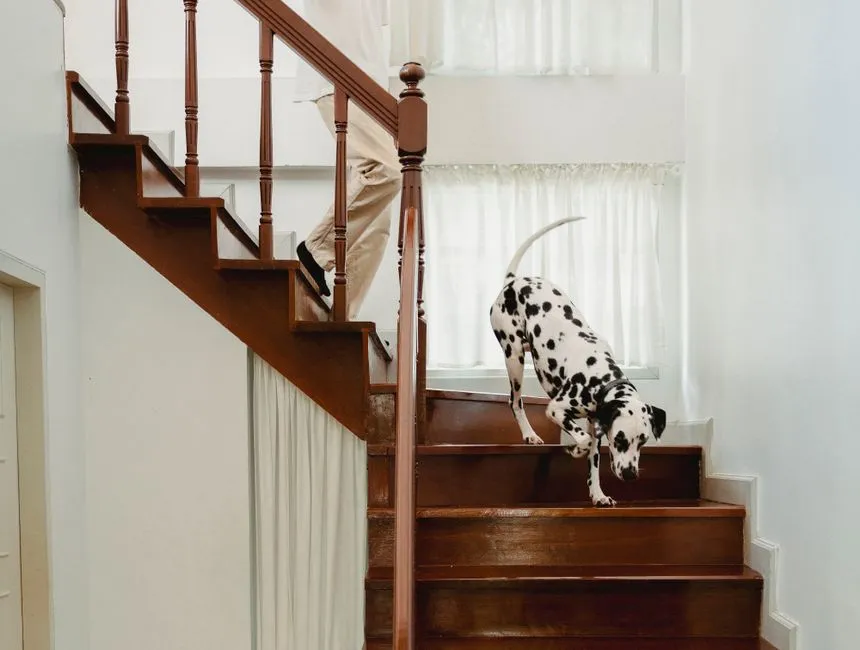
A senior dog may hesitate or refuse to climb stairs or jump onto furniture. This reluctance is often due to joint pain or muscle weakness associated with aging.
Incorporating ramps or steps and providing supportive bedding can make their environment more accessible and comfortable.
Loss of Interest in Food

Beyond pickiness, a significant decrease in appetite can indicate serious health issues. Weight loss and muscle wasting are concerning signs that require prompt veterinary attention.
Early intervention can address underlying problems and help maintain your dog’s health and quality of life.
Increased Clinginess or Separation Anxiety
Some senior dogs may become more attached and anxious when separated from their owners. This behavior can stem from sensory decline, cognitive changes, or a need for reassurance.
Providing comfort and maintaining a consistent routine can help alleviate anxiety and provide a sense of security.
Recognizing these quiet changes in your senior dog allows you to provide the compassionate care they deserve in their final months. By staying attuned to their needs and consulting with your veterinarian, you can ensure their golden years are filled with comfort and love. After all, isn’t that what they’ve given us all along?
