
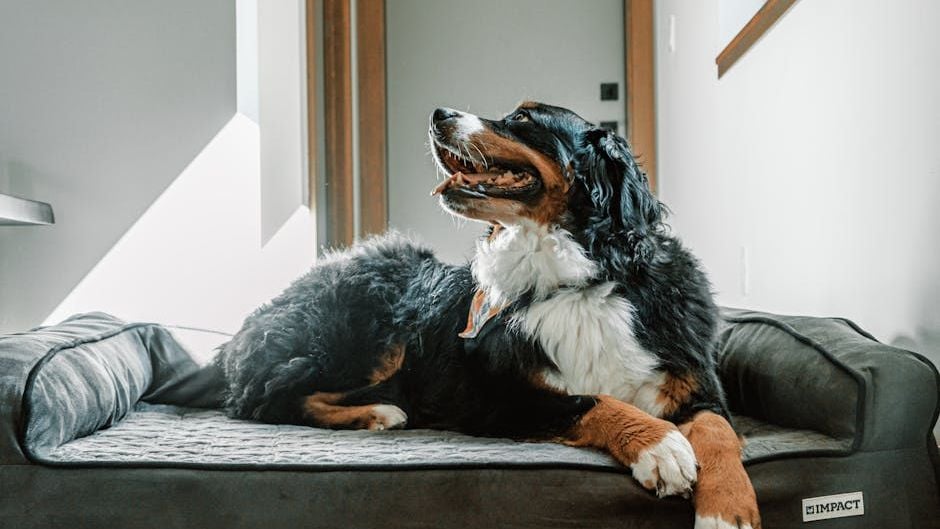
Service dogs occupy a category entirely their own. They’re not just well-trained pets. They’re working partners whose presence can mean the difference between independence and confinement for the people who rely on them. From guiding the visually impaired through a busy intersection to sensing a diabetic episode before symptoms appear, these animals perform tasks that most people wouldn’t even know to ask for.
Service dogs are a distinct type of working dog, different from emotional support animals and therapy dogs. While those animals also provide important support, service dogs are trained specifically to meet the needs of individuals with disabilities. What makes a great service dog isn’t just breed alone. The best service dogs are smart and have temperaments that make them easy to train. They must be reliable, calm under pressure, and not easily distracted. Breeds with long histories of these traits and purposely bred to maintain them tend to make the best candidates.
Here’s a closer look at twelve remarkable breeds and what sets each one apart.
1. Labrador Retriever: The Gold Standard
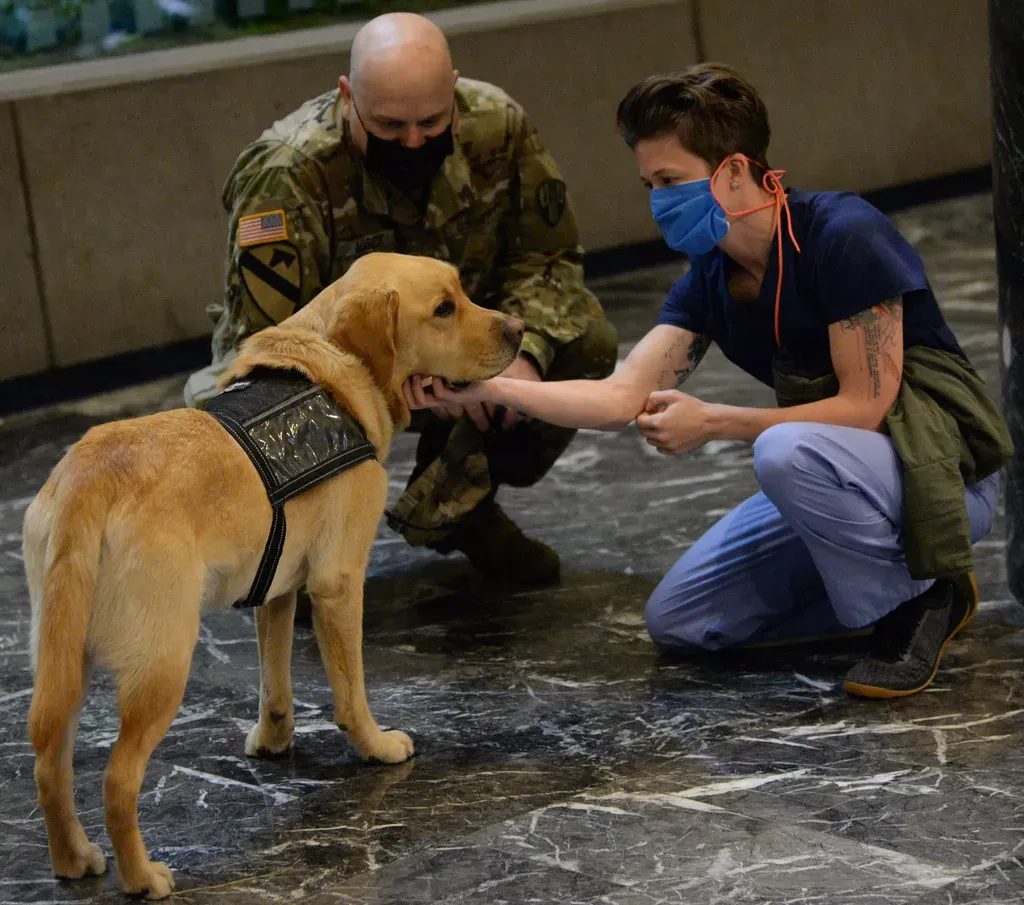
When most people picture a service dog, they picture a Labrador. There’s a reason for that. Labrador Retrievers stand as the quintessential service dog breed, renowned for their exceptional temperament, intelligence, and unwavering dedication to supporting individuals with diverse disabilities.
Labradors consistently exhibit temperaments that complement the unique needs of many adults and children with disabilities. Their outgoing, eager-to-please, observant, and highly affectionate personalities make them adept at providing comfort and joy to their human partners. This is especially true for individuals managing symptoms of PTSD or autism.
Labradors excel as guide dogs, hearing dogs, and mobility support animals. Their strong build and gentle nature make them a dependable choice for people with various physical or neurological needs. A short, low-maintenance coat is a bonus too. Labrador Retrievers also benefit from a short-haired coat that is water-repellant, allowing them to quickly wick away water and mud. A Labrador’s ability to dry and clean themselves more easily means less maintenance for the person they’re serving, often a person with physical disabilities.
2. Golden Retriever: The Gentle Heart
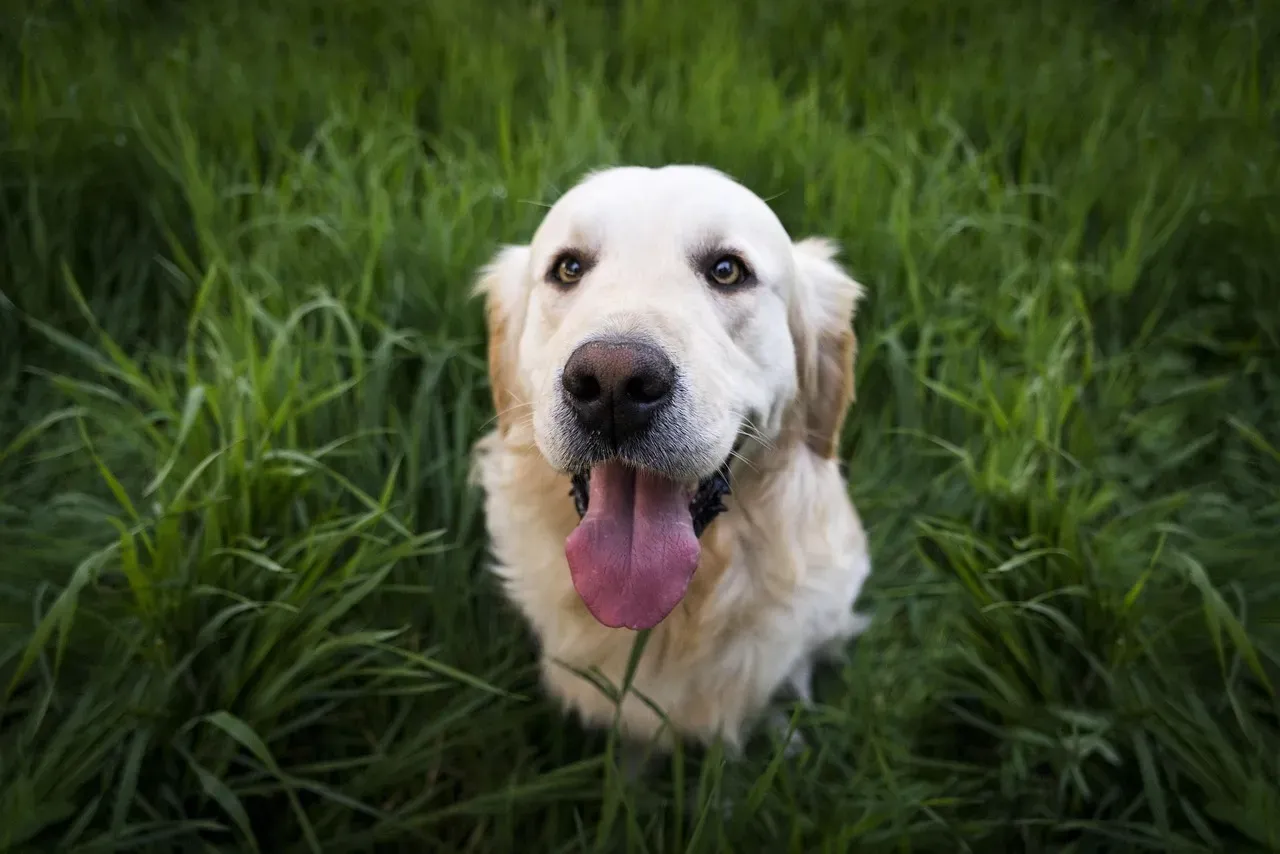
Golden Retrievers are one of the most popular service dog breeds because their size, temperament, and intelligence are the perfect combination for the role. They have a warmth that’s almost impossible to replicate in other breeds.
They naturally love to follow their owners around, making it easier to train them for roles that require them to be near their recipient for long periods of time. Their friendly demeanors also help them remain calm in different social settings and adapt to new environments, people, and animals. They are dependable and focused, no matter what distractions are around them.
Golden Retrievers excel in diverse support contexts, from providing mobility assistance to offering critical emotional support for individuals with psychiatric conditions. Their soft mouth, originally bred for retrieving game without damage, translates into a remarkable ability to handle delicate tasks with extraordinary precision.
3. German Shepherd: The Disciplined Protector
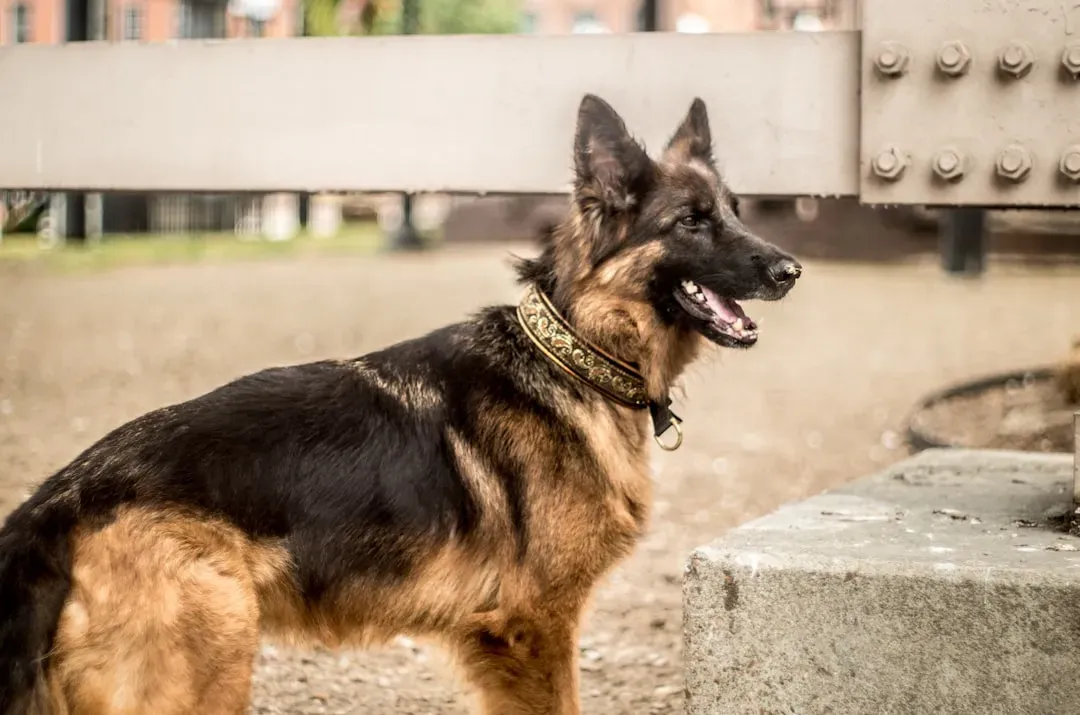
The first guide dogs in the 1920s were German Shepherd Dogs, and this breed remains a popular choice for service work today. Intelligent, fearless, and extremely loyal, German Shepherds can learn a wide range of tasks and assist with a variety of disabilities.
Many have enough size and strength to help mobility-impaired owners get around, they are attentive enough to notice when their person is feeling anxious, and this breed boasts a powerful sense of smell, which makes them well-suited for monitoring blood sugar levels.
These dogs thrive in structured environments and are frequently trained to support individuals with mobility impairments or those experiencing severe anxiety. Their loyalty and protective instincts make them an excellent choice for service dogs and assistance animals. Few breeds match their ability to read a situation quickly and respond with precision.
4. Standard Poodle: The Underestimated Genius
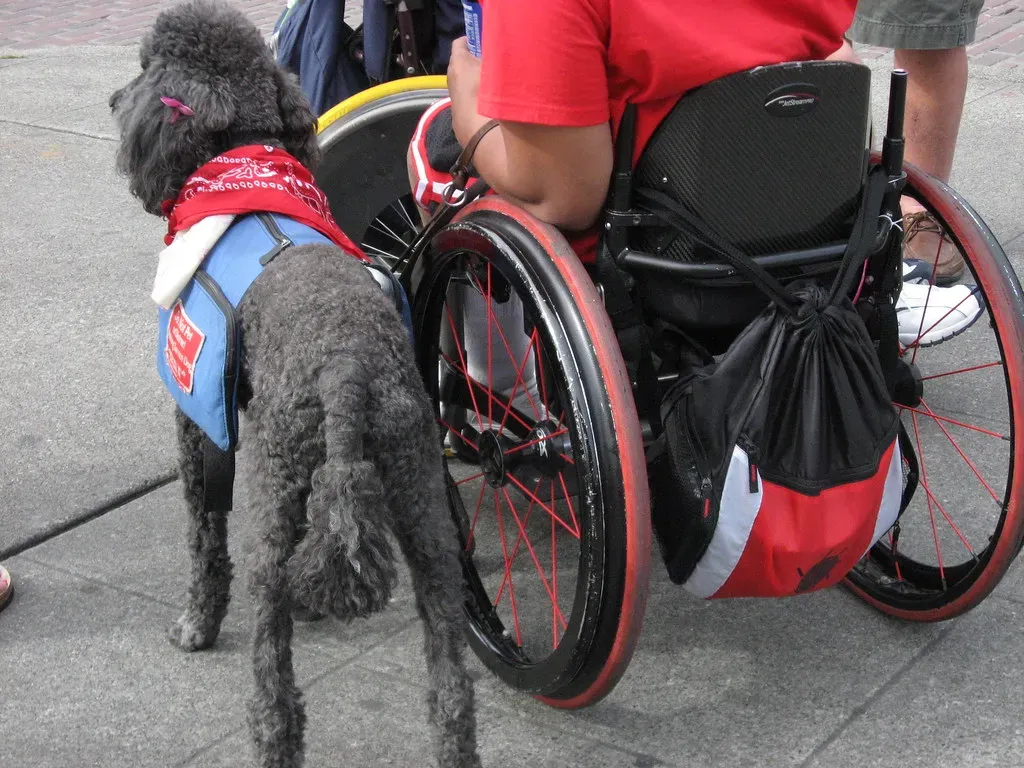
Standard Poodles might not be the first breed that comes to mind for service work, but they’re among the most intelligent and trainable breeds available. Their low-shedding coats also make them a practical option for people with allergic reactions. They’re often used as hearing dogs or guide dogs and are quick to adapt to different environments.
Poodles are highly adaptable, a crucial skill for service dogs. They can adjust quickly to changes in schedules, the weather, and their environment, including loud noises and strangers. This makes them an excellent breed for helping a recipient navigate through ever-changing public spaces.
Poodles are also sensitive to their owner’s feelings, making them great for emotional support and psychiatric service work. They adapt well to new environments and can handle the hustle and bustle of public spaces with grace. The breed’s reputation for being decorative does it no favors, but scratch the surface and you’ll find one of the most capable working dogs alive.
5. Border Collie: The Brilliant Problem-Solver
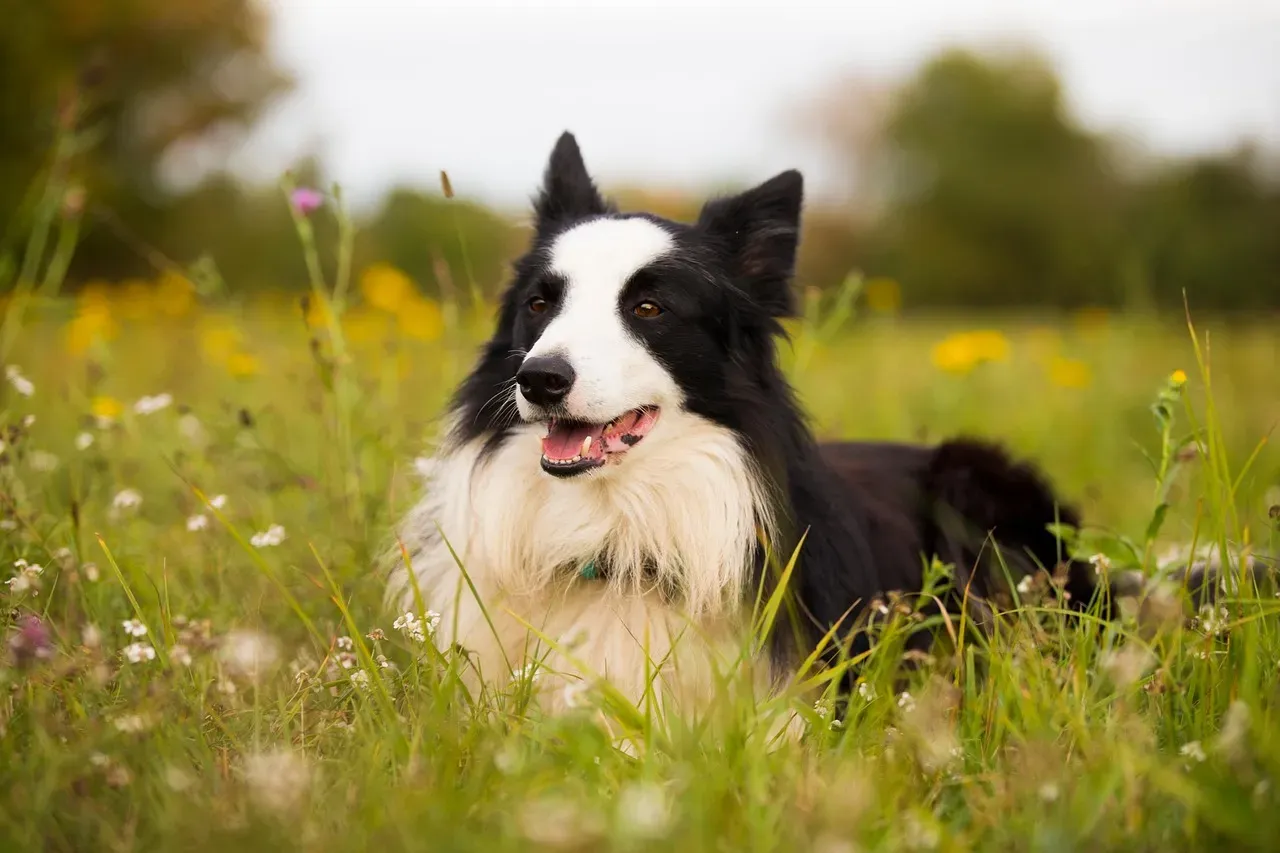
Border Collies are often considered the smartest breed in the world, so it shouldn’t be surprising that they make excellent service dogs. Their ability to absorb and apply new information is genuinely remarkable.
Their ability to learn complex commands quickly makes them an option for advanced service dog training programs. These working dogs do best when they have a clear purpose. If properly trained and mentally stimulated, they can assist with psychiatric service dog tasks, such as alerting to panic attacks or interrupting repetitive behaviors.
One thing worth noting is that this breed demands a lot. Border Collies are a high-energy breed and can become mischievous if under-stimulated, so handlers need to ensure there are plenty of opportunities for exercise and mental engagement. When properly matched with the right person, though, there’s arguably no more attentive partner in the field.
6. Great Dane: The Gentle Giant at Work
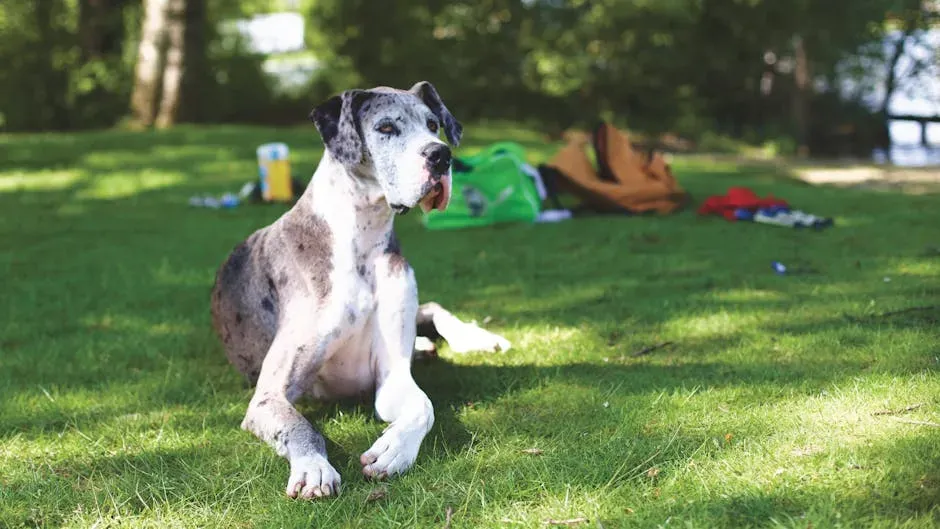
Great Danes are gentle giants that provide both emotional and physical support. Their sheer size allows them to assist people with mobility issues, acting as balance and brace support animals. Despite their size, Great Danes are known for their calm temperament and affectionate personalities.
They are also great service animals for people who need emotional support, given their calm and reassuring demeanor. Great Danes who have been trained for service work remain focused on their person at all times.
Great Danes may seem like an unlikely choice for service dog roles, but it makes sense when you look more closely. Service dogs must be friendly, of a good size to support with mobility issues, and intelligent – all qualities Great Danes possess. Their sheer physical presence can also offer a sense of security to handlers with anxiety or PTSD, something a smaller dog simply can’t provide.
7. Belgian Malinois: The High-Drive Specialist
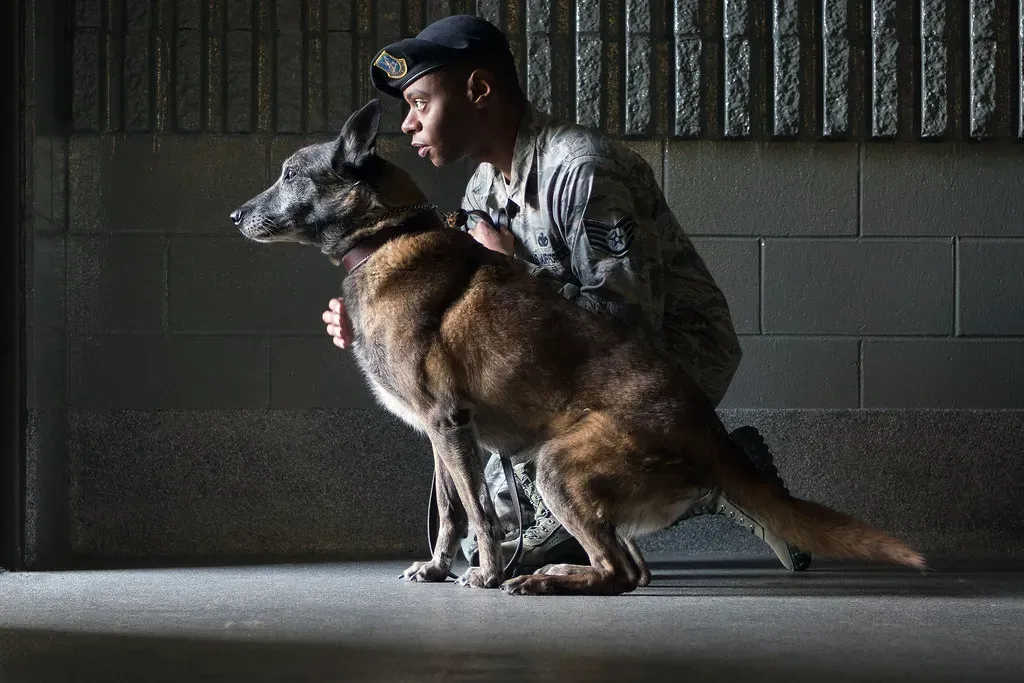
The Belgian Malinois is a highly intelligent and trainable breed known for its strong work ethic and loyalty. These qualities make them excellent candidates for service roles such as mobility assistance or psychiatric support, where their focus and responsiveness can provide crucial aid.
The Belgian Malinois excels not only in herding, but also in protection and law enforcement, drug and detection work, search and rescue, tracking, obedience, and therapy assistance to disabled, ill, or elderly people. Their capabilities are genuinely wide-ranging.
That said, this breed isn’t for everyone. Belgian Malinois require routine, clarity, and positive reinforcement to remain stable and reliable in public environments. The ideal handler for a Belgian Malinois is someone who leads an active lifestyle and can offer the physical and mental stimulation the breed requires. In the right hands, they’re extraordinary. Without that match, the arrangement can become difficult for both dog and handler.
8. Collie: The Intuitive Sentinel
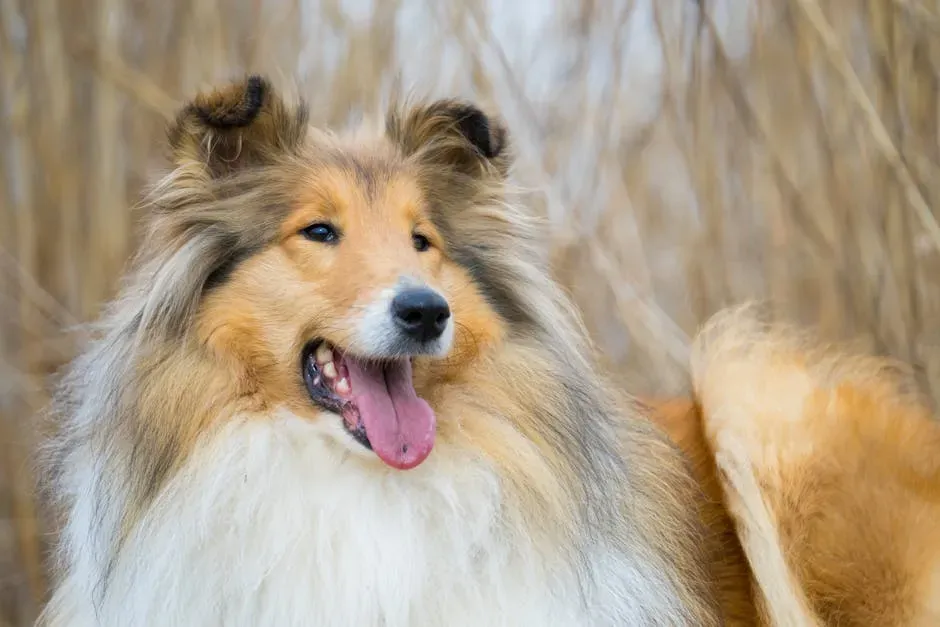
Collies possess many of the traits that make them suitable for service dog work. This smart breed is often trained to sense impending seizures, making them an excellent choice as epileptic service dogs.
Collies are highly intelligent, easy to train, eager to please their owners, and friendly. All of these traits make them great candidates for service dog training. They also tend to excel at detecting seizures in advance as well as anxiety attacks or PTSD flashbacks.
Collies get along great with children. They also have a calm and cheerful demeanor that makes them good at assisting those with PTSD and other psychiatric disorders. Their attunement to human emotion is striking, almost as if they’re quietly monitoring the emotional temperature of a room at all times.
9. Boxer: The Loyal, Gentle Companion
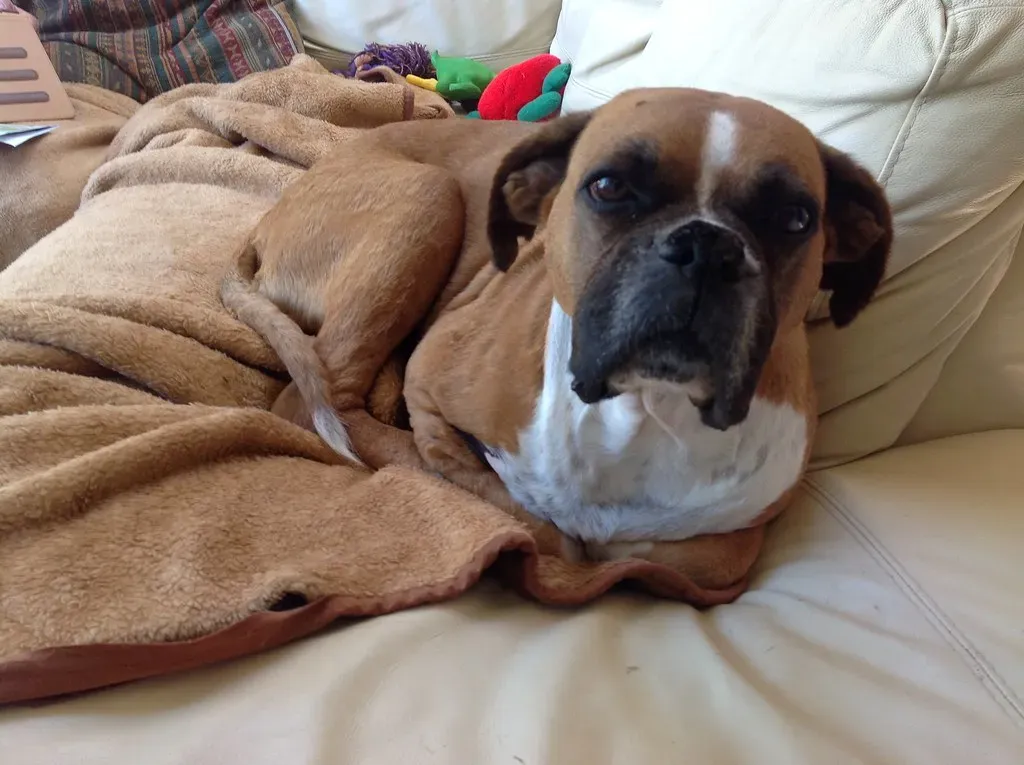
Boxers are a loveable, friendly breed that are also extremely intelligent. They make excellent emotional support animals, therapy dogs, and service animals. They are a good size, intelligent, and have very friendly personalities.
Boxers excel in diverse service contexts, from mobility support to psychiatric assistance, demonstrating remarkable adaptability across challenging environments. Unlike many service dog breeds, Boxers possess a unique combination of strength and gentleness. Their muscular physique allows them to provide robust physical support, while their soft temperament ensures they can navigate complex social interactions with grace and sensitivity.
Most Boxers are comfortable in large and small groups and can be taught to navigate through a crowd. With the intelligence to learn many tasks, especially those associated with psychiatric service work, Boxers are a good choice for many individuals. Their friendly and patient nature means they’re unlikely to become frustrated, and they can easily remain calm and stable in public.
10. Bernese Mountain Dog: The Steady Supporter
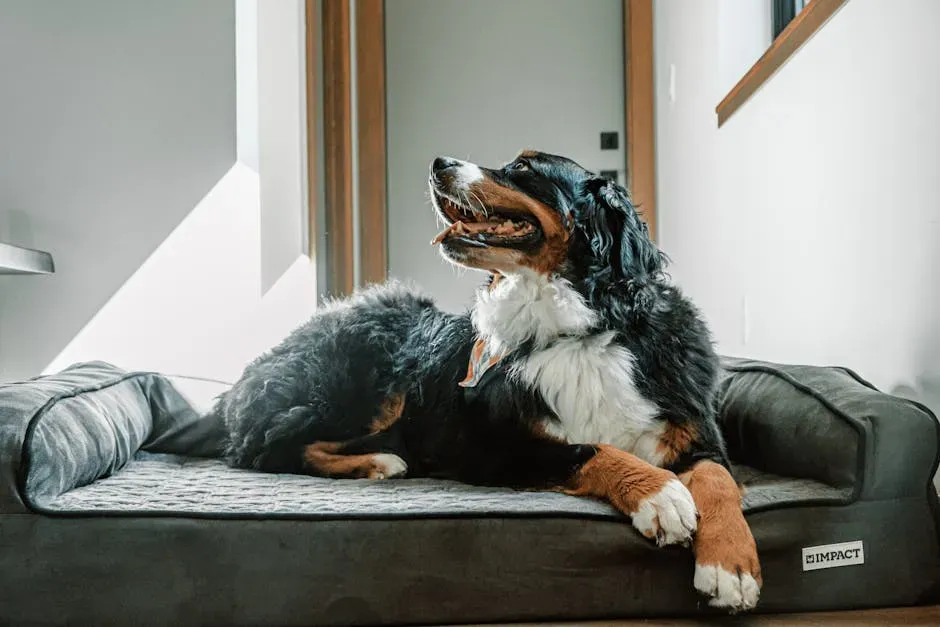
Big, powerful, and built for hard work, the Bernese Mountain Dog is also strikingly beautiful and blessed with a sweet, affectionate nature. Berners are generally placid but are always up for a romp with the owner, whom they live to please.
Bernese Mountain Dogs are highly trainable, intelligent, gentle, and friendly. They are also large enough to handle the weight that can come with bracing or mobility assistance. They have been trained to support their owner’s weight to prevent a fall, pull a wheelchair, retrieve medication, open and close doors, and get help.
They can also be trained for medical alert tasks, detecting seizures, low blood sugar, or other medical conditions before they escalate. As psychiatric support dogs, they offer grounding and comfort during panic attacks. As retrieval assistants, they can pick up dropped items, carry objects, or bring medication. Few breeds manage to be so capable and so calming at the same time.
11. Australian Shepherd: The Active Partner
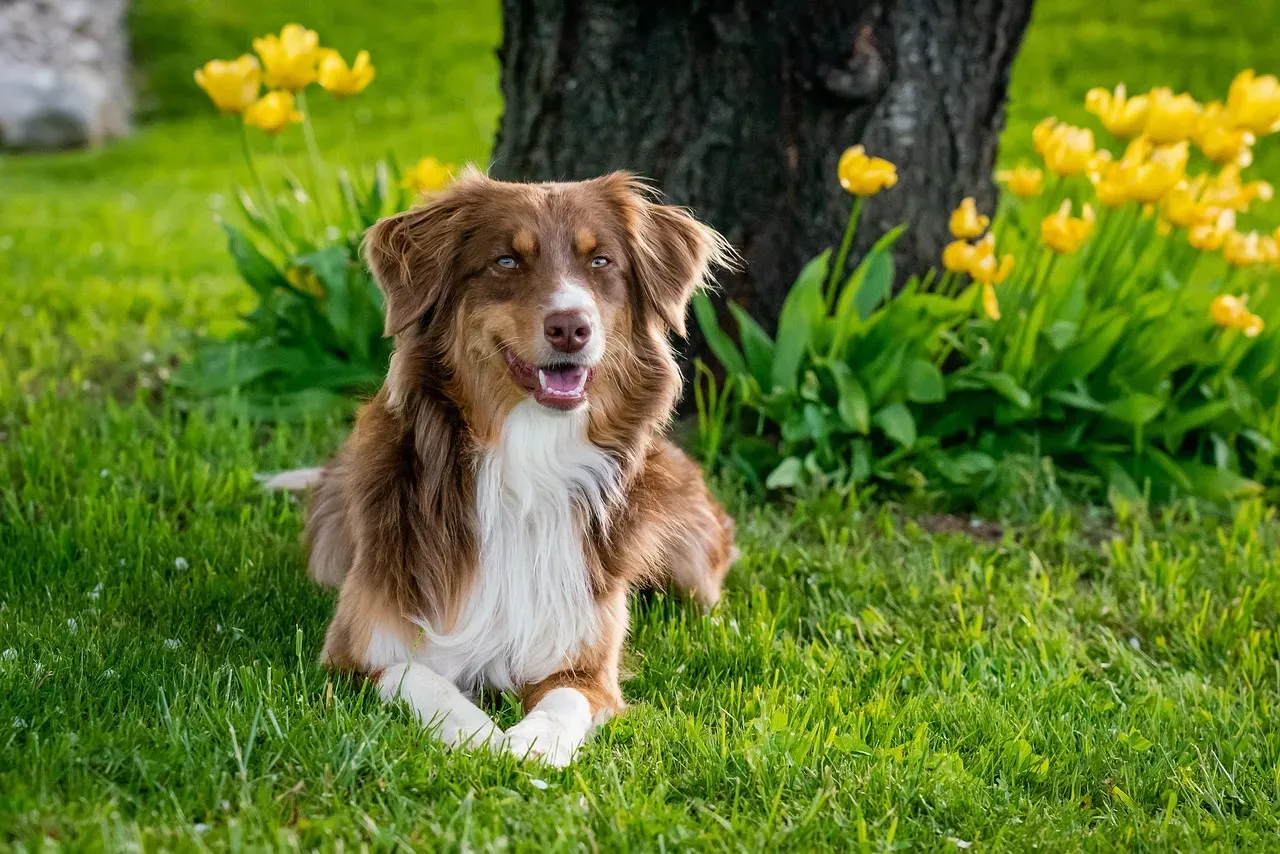
Australian Shepherds are ideal for people with active lifestyles who need a service dog capable of performing complex tasks. They are highly trainable and often serve as service dogs for those with disabilities requiring assistance in various environments.
Australian Shepherds are bursting with energy and intelligence, making them excellent service dogs for people who lead active lives. Aussies are natural problem-solvers, always eager to figure out new challenges. They’re highly responsive to commands and can learn a wide variety of tasks, from retrieving dropped items to providing balance support. Their loyal, affectionate nature helps form a strong bond with their handler.
Australian Shepherds are also incredibly observant, often noticing things before their owner does. With their cheerful attitude and quick reflexes, Aussies turn service work into a fun partnership. They thrive when they have purpose, and service work gives them exactly that.
12. Pomeranian: Small Dog, Big Ability
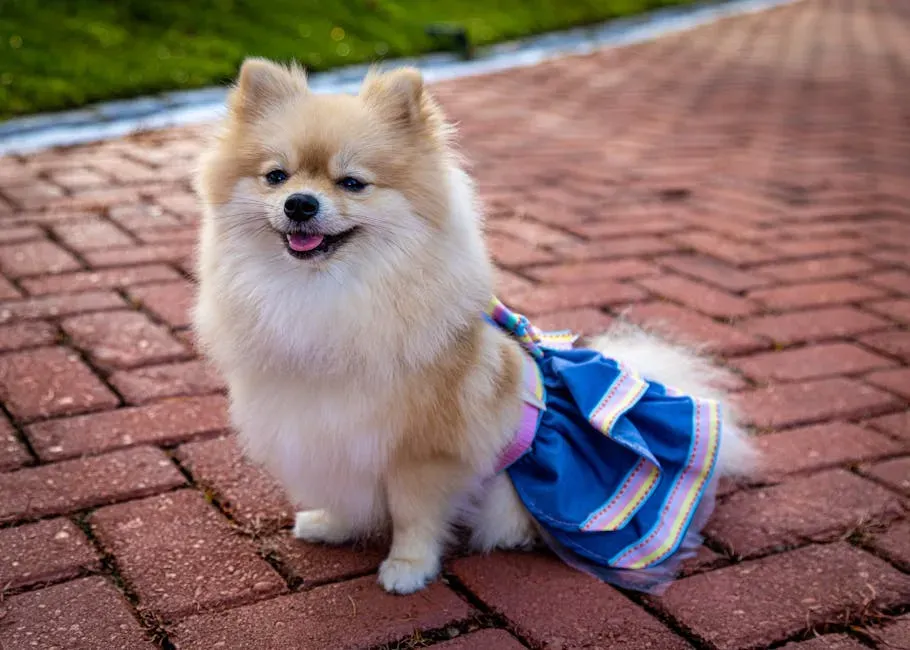
It might seem surprising to see a Pomeranian on this list, but size doesn’t define a service dog’s value. Small dogs are great for psychiatric service dog roles and service dogs for people with mental health conditions. Pomeranians are very smart, spunky, loving, and receptive to training. As service dogs, they are very receptive to human emotions and make one of the best small service dog breeds, especially as psychiatric service dogs.
When serving as a medical alert dog, Pomeranians have been trained to alert their owner or others to an upcoming seizure, asthma attack, heart issue, or drop in blood sugar. They are also a great fit for working as a hearing alert dog. Poms can be trained to alert their owner when there is a noise they can’t hear, such as a knock on the door, a ringing phone, or an alarm.
Intelligent and alert, Pomeranians also make excellent service dogs for the hearing-impaired and those with mental disabilities. Their tiny size makes them portable and easy to take into spaces where large dogs might have a harder time. In settings like hospitals, small offices, or crowded transit, that portability becomes a genuine advantage.
What All Great Service Dogs Share
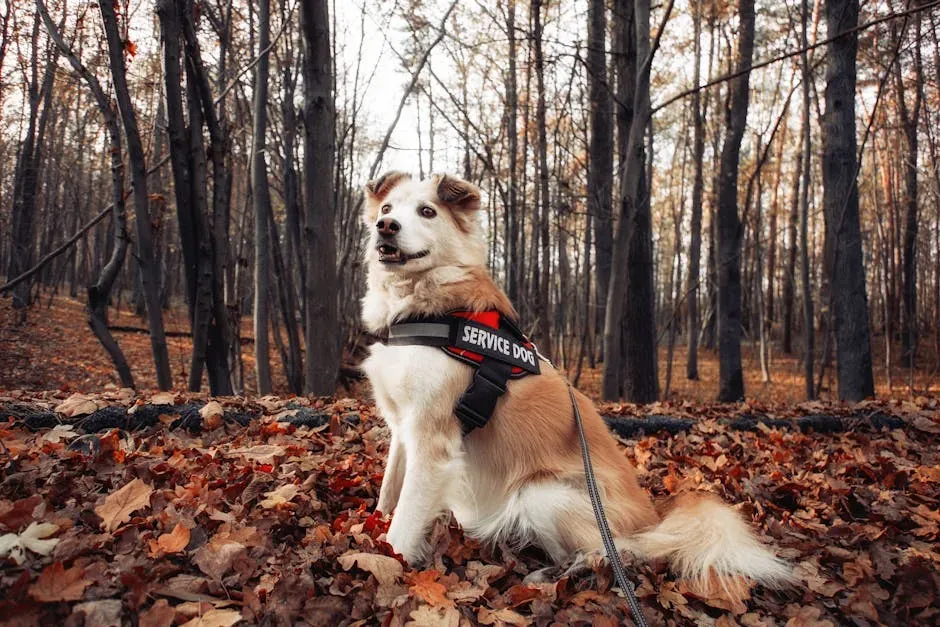
Across all twelve of these breeds, a few core traits keep showing up. The best service dogs share several key traits that help them excel in demanding roles. A calm temperament, strong trainability, loyalty, and attentiveness to human emotions are some of the most important factors.
Service dogs must remain focused, attentive, and responsive to their owners’ needs. They must also be unruffled by crowds of people, traffic, loud noises, or other animals. That combination is rarer than it sounds. Plenty of smart dogs lack the composure. Plenty of calm dogs lack the drive.
The truth is that while not all individual dogs make good service animals, any dog has the potential to be a great service dog, so long as they are even-tempered, calm, and have a strong work drive. Mixed breed dogs can make absolutely fantastic service dogs, so long as they have a compatible disposition. Breed is a helpful starting point, but it’s never the whole story.
What remains clear is that these animals do something quietly profound. They show up every day, in airports and grocery stores, in hospital rooms and living rooms, doing work that most people never see or fully understand. The right breed, matched to the right person and trained with real care, doesn’t just help someone manage daily life. It gives them their life back.

- 12 Architectural Wonders From The Ancient World That Inspire Us Today - July 18, 2026
- 6 Beautiful Ancient Cities That Time Forgot (But Shouldn’t) - July 18, 2026
- 6 Common Animal Behaviors That Are Often Misunderstood by Humans - July 18, 2026