
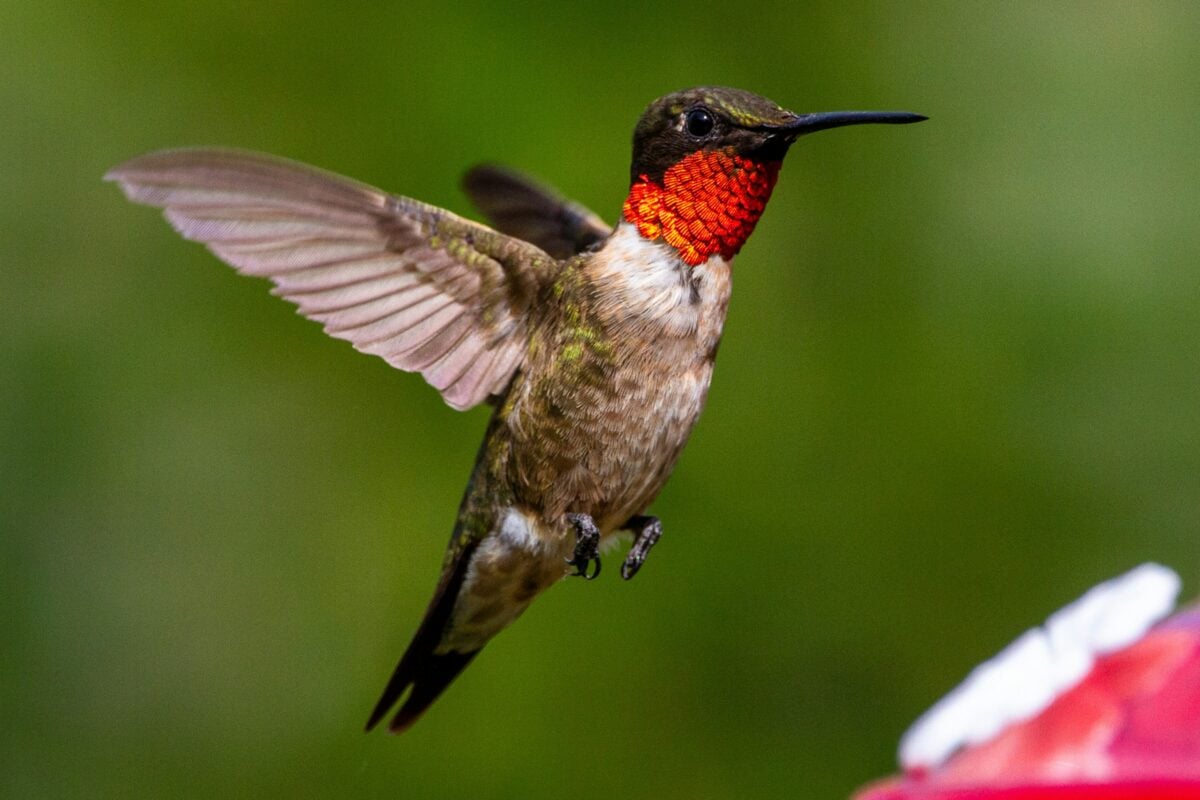
One week your feeder looks like a tiny airport at rush hour. The next, it’s dead silent, and you’re left wondering if you did something wrong. Most people assume hummingbirds just “ghost” their yard overnight when fall rolls around – but that’s almost never what actually happens.
These birds broadcast their exit for weeks before they leave, through behavior so subtle most backyard watchers write it off as random. Some of these signals are so counterintuitive that people mistake them for sickness, bad luck, or a feeder gone wrong – when it’s really just biology on a countdown clock. Once you know what to look for, you can practically circle their last day on the calendar.
#1 – They Start Guarding Feeders Like Tiny Maniacs
🔥 Would you like to save this?
We'll email this post to you, so you can come back to it later!
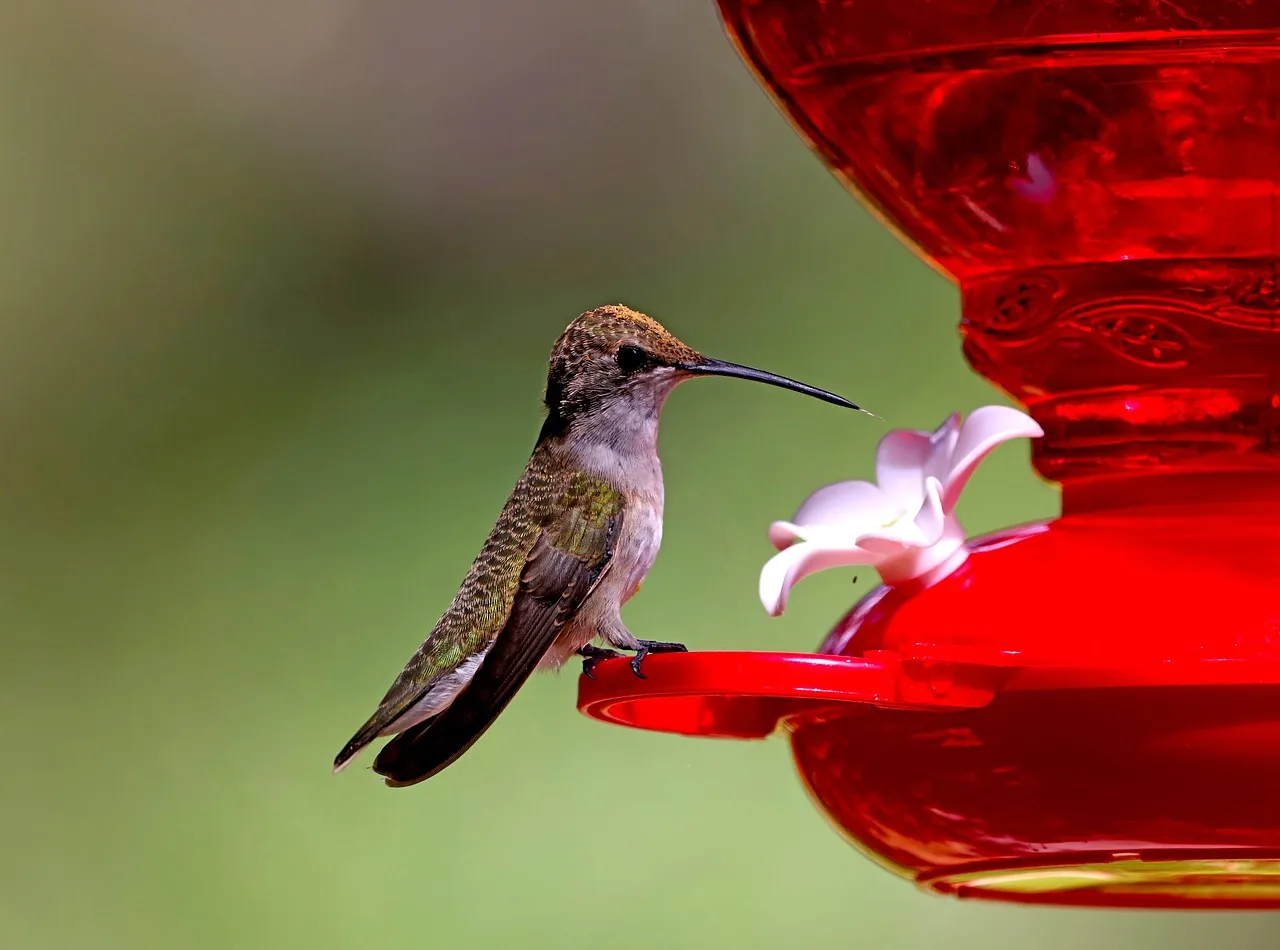
The first real signal isn’t fewer hummingbirds showing up – it’s more aggression around the ones that are still there. As migration approaches, males and sometimes females turn into full-time bouncers, chasing off not just other hummingbirds but bees, butterflies, and anything else that dares get near “their” nectar.
This isn’t random bad behavior. Their metabolism runs so hot that a small energy advantage today could mean the difference between surviving a multi-hundred-mile flight or not. You’ll notice sharper chases, louder chips and squeaks, and high-speed divebombs right in front of your face – a last-minute energy arms race dressed up as chaos.
#2 – They Suddenly Pack On “Baby Fat” (On Purpose)
🔥 Would you like to save this?
We'll email this post to you, so you can come back to it later!
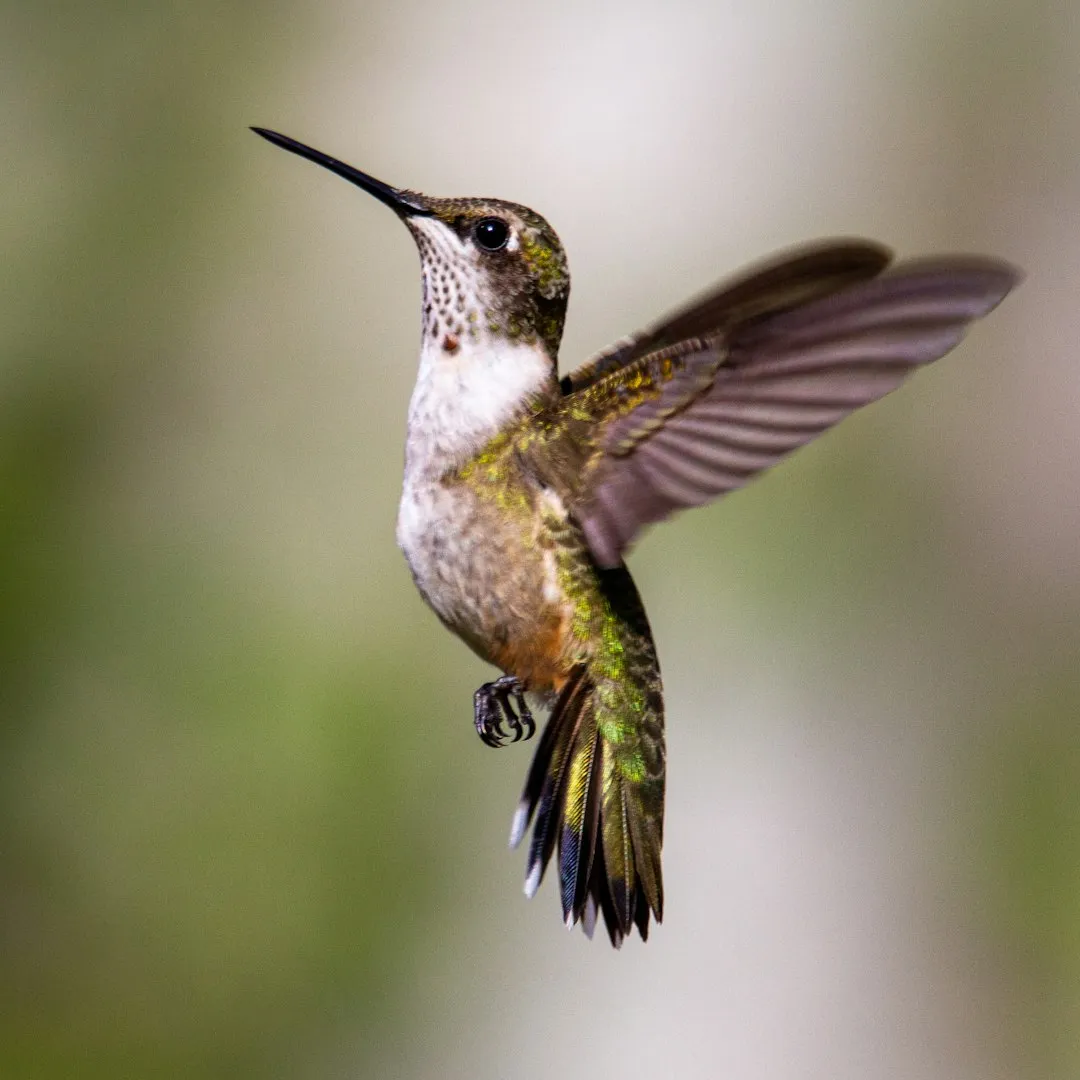
If you spot a hummingbird that looks a little chunky, don’t laugh – you’re watching a critical migration signal. Right before they leave, many hummingbirds nearly double their body weight, sometimes going from about 3 grams to 5 or 6 grams in a matter of days.
For a creature that hovers on the edge of starvation every single night, that’s a massive, intentional change. It looks like they’re just hogging the feeder, but really they’re converting liquid sugar into usable fat as fast as their tiny bodies allow – fuel for nonstop flights over forests, mountains, and in some species even the Gulf of Mexico. People often panic when a bird looks “puffed up” and assume illness, but in late summer, it’s usually the opposite of bad news.
Fast Facts
- Some hummingbirds nearly double their weight, going from about 3.25 grams to 6 grams before crossing the Gulf of Mexico.
- A single migration can become a nonstop flight of up to 500 miles over a period of 18 to 22 hours.
- That’s roughly a full night and part of a day spent flying without food, water, or rest.
#3 – They Shift From Flowers to Feeders (Then Back Again)
🔥 Would you like to save this?
We'll email this post to you, so you can come back to it later!
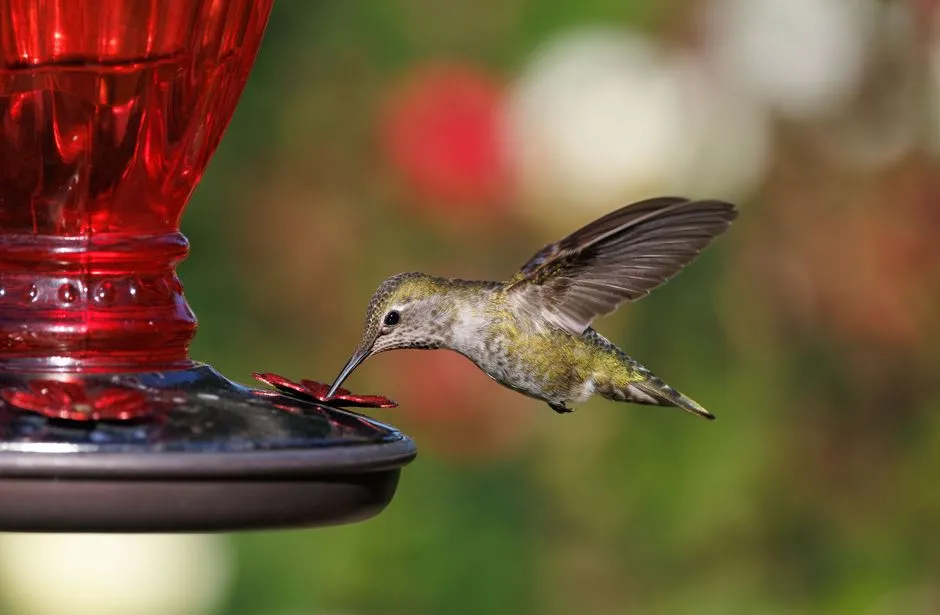
Most people think feeders are a hummingbird’s main food source. They’re not – flowers and tiny insects are the real staple diet. But as migration nears, something sneaky happens: their foraging strategy flips.
For a few weeks, they may choose your feeder over the flowers they’ve visited all summer, because a clean 4:1 sugar-water mix is a far more efficient fuel source than unpredictable wild nectar. Then, right before departure, some birds flip back to flowers and natural sap wells, especially at dawn and dusk. That last-minute return to wild food often means they’re scouting real resources along the route and quietly weaning off your yard.
#4 – Their Daily Schedule Quietly Flips
🔥 Would you like to save this?
We'll email this post to you, so you can come back to it later!
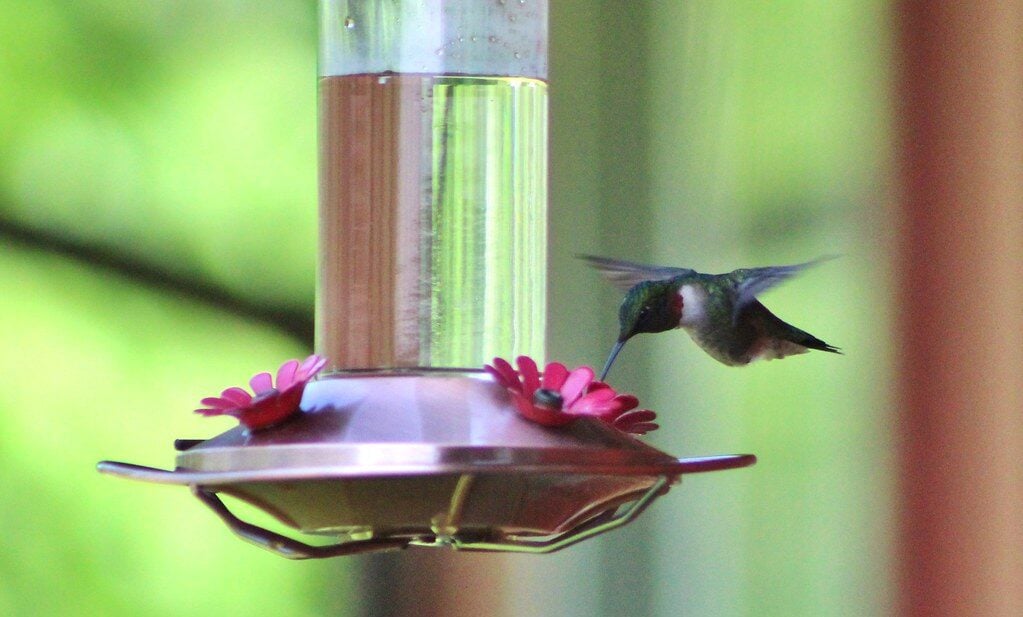
Most people barely register when hummingbirds come and go throughout the day. But serious observers notice a repeatable pattern before they disappear: feeding times bunch up at the bookends of the day instead of spreading out randomly.
Morning feeding refills them after a long, energy-draining night. Evening feeding is about maximizing stored fat before another night alone – and eventually, before a long migratory flight. As departure nears, hummer “rush hour” can feel almost scheduled: same birds, same perches, same minutes on the clock, day after day. Some experts believe this rigid timing is the bird’s internal clock syncing with shrinking daylight, one of the biggest migration triggers there is.
#5 – They Use Your Yard Differently (Perches Suddenly Matter)
🔥 Would you like to save this?
We'll email this post to you, so you can come back to it later!
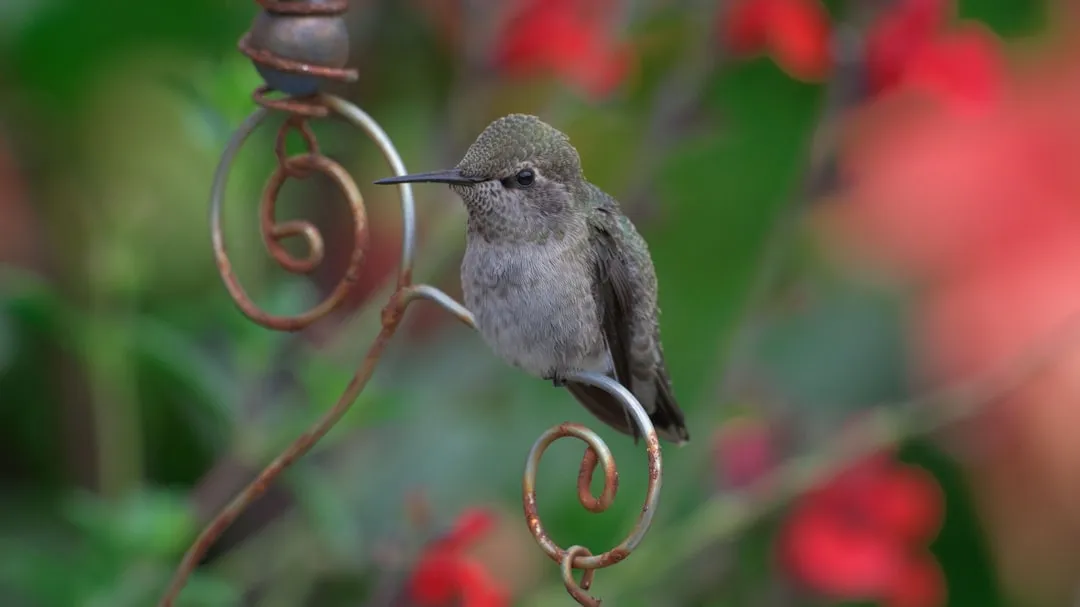
If you only watch the feeder, you’ll miss one of the strongest signals of all: hummingbirds start treating your whole yard like a gas station with assigned parking. Late in the season, specific “favorite” perches and lookout branches get used over and over.
This isn’t laziness, it’s conservation – perching burns a fraction of the energy that hovering does. As departure approaches, birds get more strategic: short flights from a favored perch to the feeder, then straight back. You might also spot them choosing higher or more concealed spots, watching for predators and rivals without wasting fuel. If you start recognizing “that same little guy on the tomato cage every afternoon,” you’re not imagining it.
#6 – You Hear Them Before You See Them (Then… Silence)
🔥 Would you like to save this?
We'll email this post to you, so you can come back to it later!
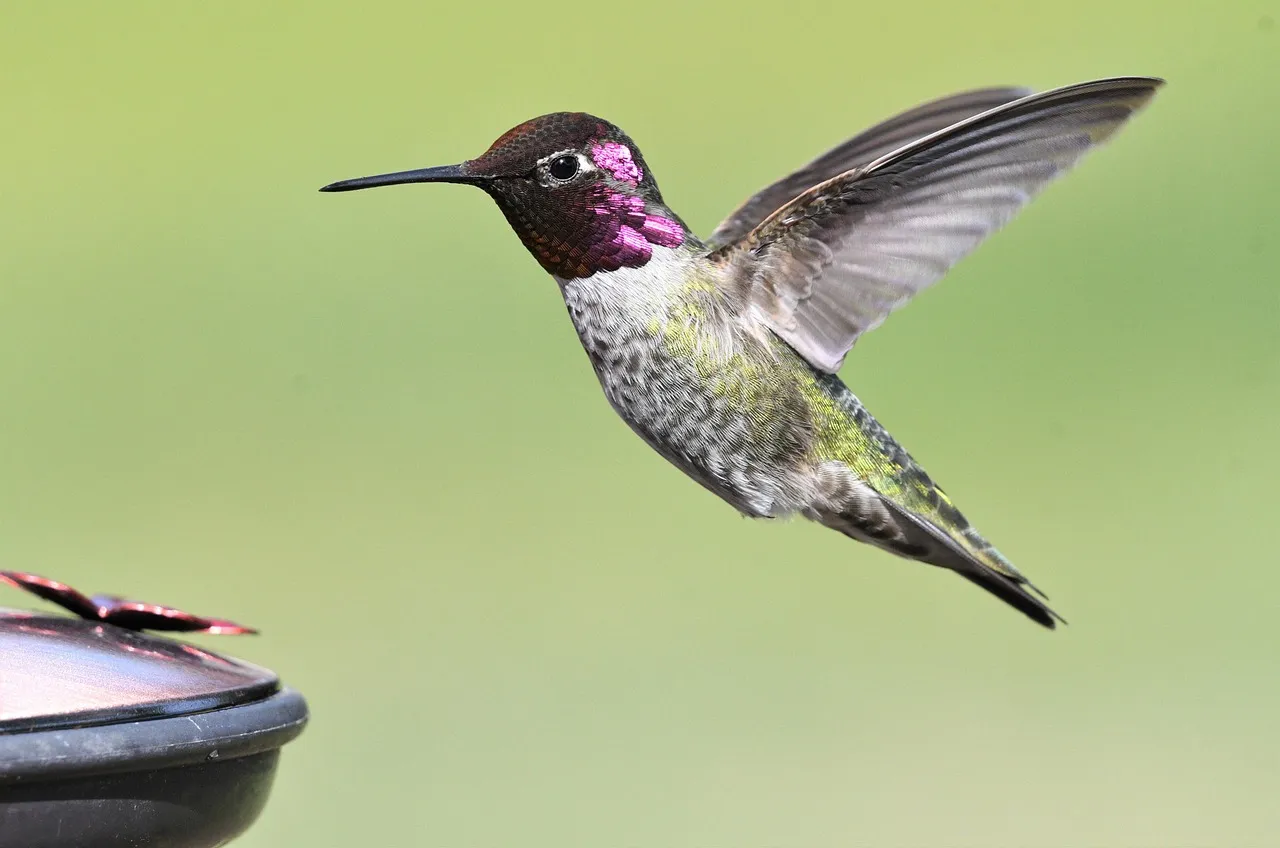
Most people assume hummingbirds are silent except for their wings. Not true. Right before they move on, many species get noticeably more vocal, especially in early morning – sharper chip calls, repeated squeaks, and scolding sounds aimed at anyone who gets too close to the feeder.
That burst of noise serves two purposes:
- Defending territory and announcing “this feeder is taken.”
- Sorting out dominance and access with nearby hummingbirds.
Then, almost as fast as it ramps up, the soundscape dies. An abrupt drop in chatter – while you know birds are still around – often means the hierarchy has stabilized and departures have quietly begun. People assume the silence means everyone already left, but a few stragglers are often still passing through; they’re just not talking as much anymore.
#7 – Juveniles Suddenly Dominate the Feeder
🔥 Would you like to save this?
We'll email this post to you, so you can come back to it later!
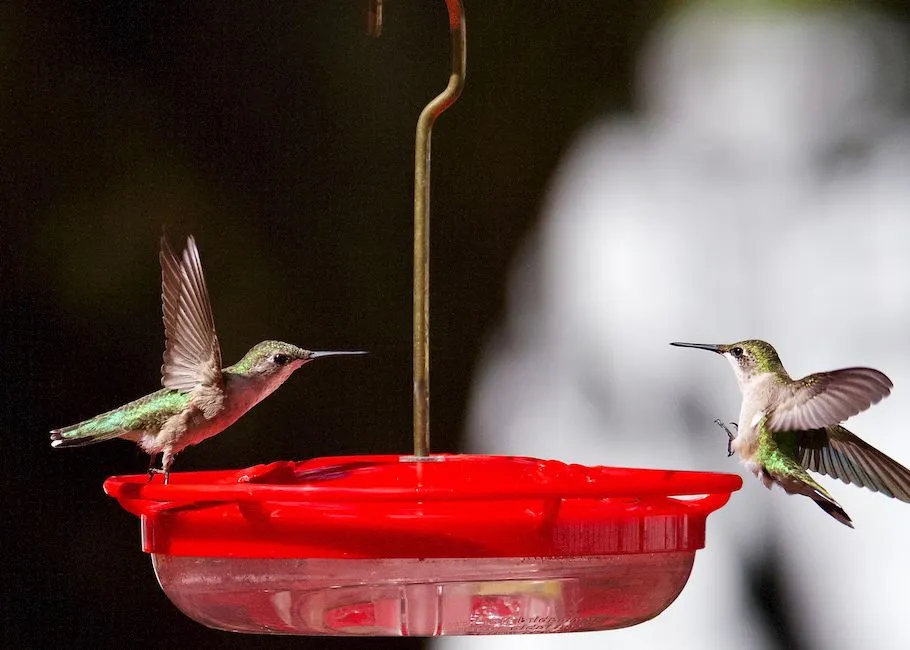
Here’s a signal almost no casual watcher recognizes: late in the season, the crowd at your feeder shifts from adults to juveniles. Young hummingbirds are duller, with less vivid throat coloring and more streaking, so they can look like females even when they’re males that haven’t fully colored up yet.
Adults, especially males, are usually the first to abandon breeding territory and head south, with females following once nesting duties wind down. Juveniles are often the last ones still figuring things out, refueling before a journey they’ve never made before, guided by nothing but instinct. So when your feeder crowd starts looking more “plain,” you’re watching the last wave of rookies top off before takeoff.
Quick Compare
- Adult males: First to bail on breeding territory, running on hard-wired urgency.
- Adult females: Follow once nesting duties wrap up, often days to weeks later.
- Juveniles: make their first southbound journey alone, guided by instinct, celestial cues, and the Earth’s magnetic field – no parent, no map, no do-overs.
#8 – They Ignore “Perfect” Weather and Follow the Calendar Instead
🔥 Would you like to save this?
We'll email this post to you, so you can come back to it later!
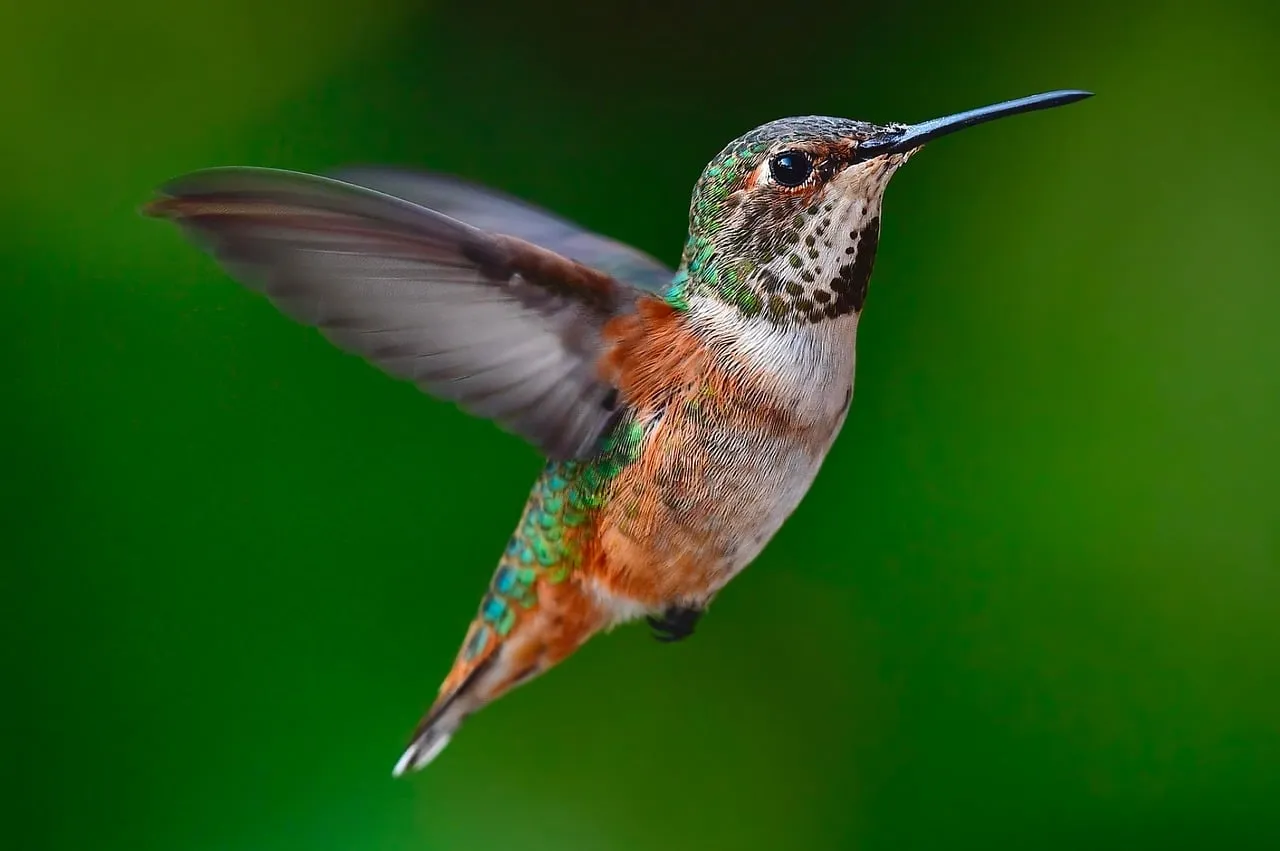
Plenty of people swear hummingbirds leave “because a cold front is coming” or “once the first frost hits.” It sounds logical, but it’s mostly wrong. Hummingbirds are triggered far more by shrinking daylight than by any random warm or cool spell.
That’s why birds can start vanishing even during a gorgeous, still-hot week. Their internal clock reads shrinking daylight like a calendar, sending hormonal signals that say it’s time to go – sometimes while flowers are still blooming and nights are mild. This is why serious birders track departures by date, not by the thermometer. If your hummers thin out during perfect late-summer weather, they’re not confused. You are.
#9 – They Vanish From Some Yards but Not the Whole Area
🔥 Would you like to save this?
We'll email this post to you, so you can come back to it later!
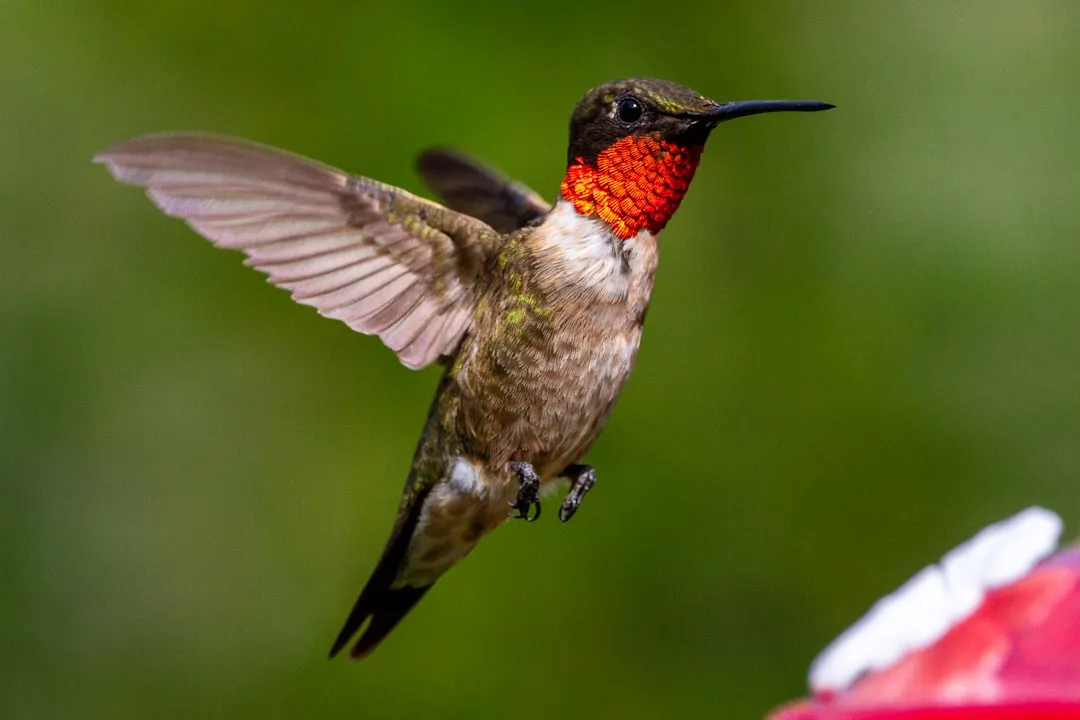
Here’s a pattern that sparks endless arguments in Facebook bird groups: your hummingbirds disappear, but your neighbor swears theirs are still loaded. It feels personal, like you did something wrong. In reality, birds are simply consolidating in the richest micro-habitats as migration nears.
If nearby yards offer any of the following, your yard may just get downgraded:
- More late-blooming flowers.
- Cleaner, more consistently filled feeders.
- Better shelter from wind and predators.
Hummingbirds are ruthless optimizers running on a biological clock, and they owe you no loyalty no matter how many bags of sugar you burned through in July. If your yard goes quiet while regional reports still show birds around, it doesn’t mean they haven’t left yet – it means you’re no longer a top-tier refueling stop.
#10 – They Start Flying Higher and Faster Over Your Yard
🔥 Would you like to save this?
We'll email this post to you, so you can come back to it later!
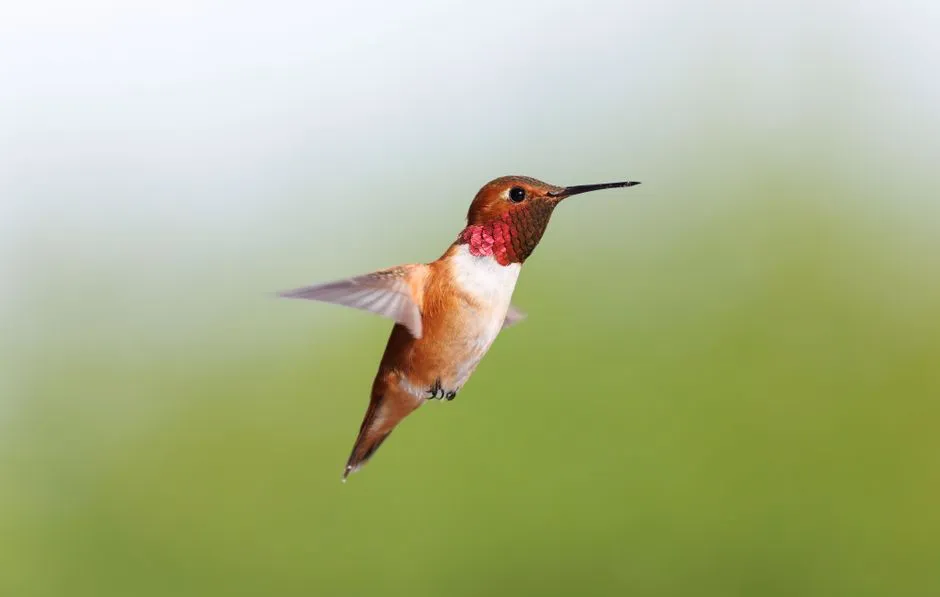
Late in the season, watch the sky above the feeder, not just the feeder itself. You’ll sometimes catch hummingbirds zipping high overhead instead of stopping, tracing what look like purposeful, straight-line routes. That’s a real shift – your yard has stopped being a destination and become just a landmark on a travel corridor.
These fast, high flights often belong to birds already in migratory mode, not your familiar residents. Migrating hummingbirds cruise at surprising altitudes and speeds, favoring direct, efficient paths over casual hovering. When they do drop down, it’s for targeted refueling, not play. If your early and late visitors start looking like strangers that blast in, tank up, and vanish, you’re watching the tail end of the passage.
At a Glance
- Migrating Ruby-throated Hummingbirds maintain a steady pace, flying at speeds of up to 25 miles per hour once airborne.
- Some western species, like the Rufous Hummingbird, travel even farther, completing a round-trip of more than 3,000 miles between Mexico and Alaska.
- That kind of speed and distance only makes sense with a direct, purposeful flight path – exactly what you’re seeing overhead.
#11 – They Test New Nectar Sources Like They’re Scouting
🔥 Would you like to save this?
We'll email this post to you, so you can come back to it later!
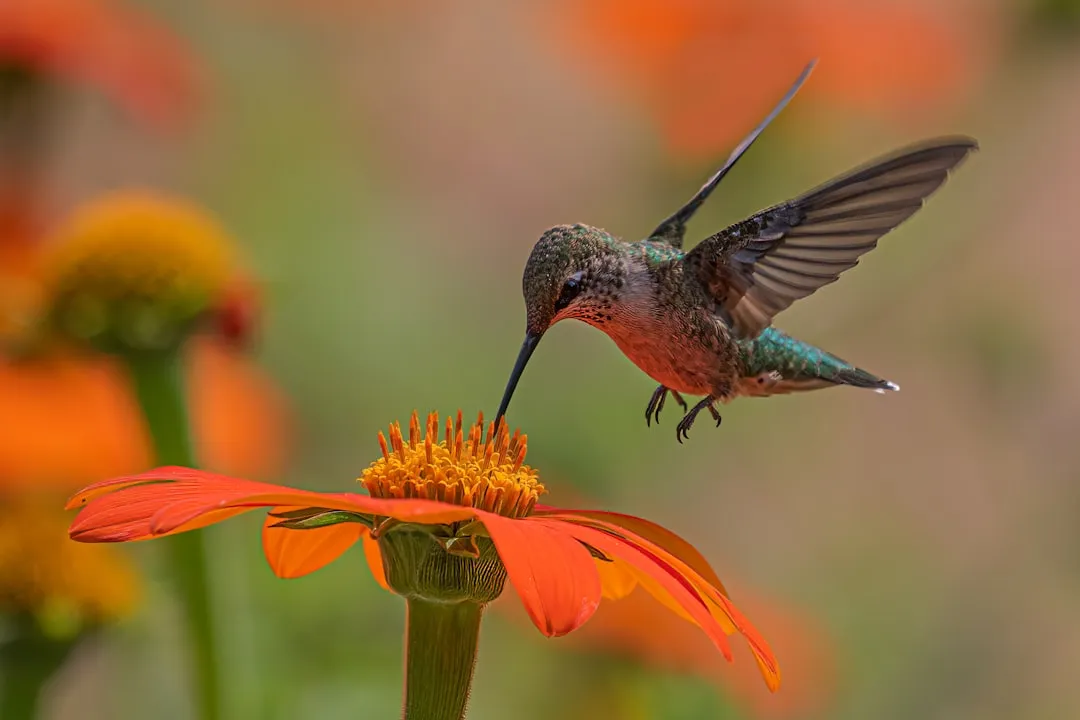
Another under-appreciated signal is restless sampling. Late-season hummingbirds may suddenly show interest in things they ignored all summer:
- Flowers they never visited before.
- Sap wells drilled by woodpeckers.
- Insects clustered around porch lights or spider webs.
It looks random, but it’s likely practice for life away from your easy sugar bar. Hummers rely on wild food and opportunistic protein during migration, especially where feeders are scarce, so that sudden curiosity about a leaky tree wound or a late-blooming salvia patch is survival training. They’re mapping energy stops and refining a search pattern they’ll use over hundreds or thousands of miles. When your locals start acting like scouts instead of set-in-their-ways regulars, you’re deep into the pre-departure phase.
#12 – The “Last Drinker of the Day” Shows Up Like Clockwork
🔥 Would you like to save this?
We'll email this post to you, so you can come back to it later!
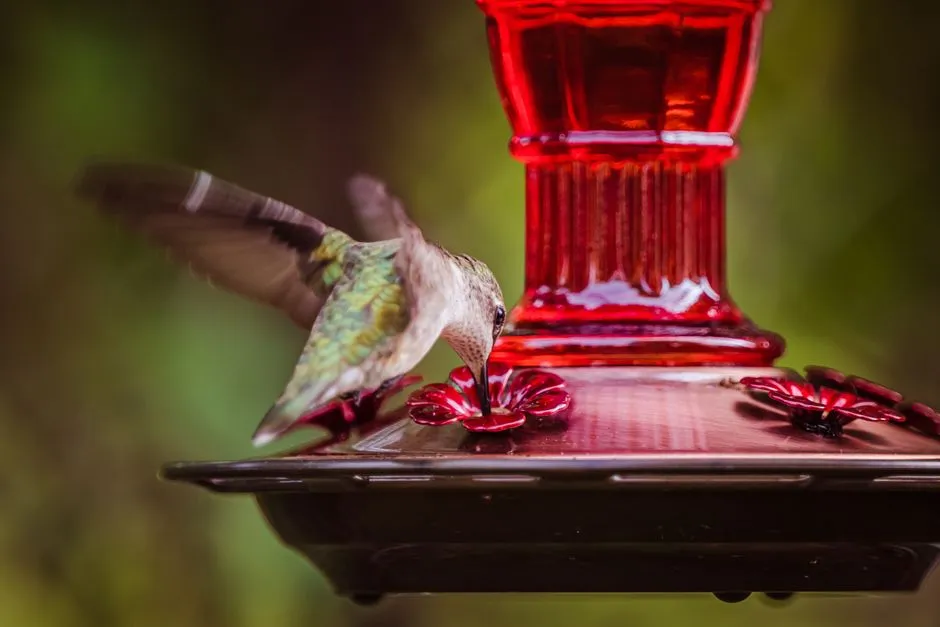
If you really want to spot the final countdown, watch at dusk. Many yards have a “last drink” hummingbird that shows up at almost the exact same time every night, right before it’s too dark to see, feeding longer and more intensely than usual, almost reluctant to leave.
That’s not sentiment, it’s physiology. Hummingbirds burn so much energy that they drop into a nightly state called torpor, lowering body temperature and metabolism just to survive until morning, and that last feeding is about stuffing in enough fuel to get through the metabolic cliff. In the final days before migration, that closer can become eerily punctual. Then one evening, it simply doesn’t show – and that absence is one of the clearest on-the-ground signs the season has truly turned.
Worth Knowing
- Body temperature can drop nearly 50 degrees lower than their usual body temperature of about 103 F during nightly torpor.
- Metabolism slows by as much as 95 percent, along with heart rate and breathing.
- Some researchers call it a nightly “mini-hibernation” – a survival trick, not a symptom of illness.
#13 – Your “Regulars” Disappear, But New Strangers Replace Them Briefly
🔥 Would you like to save this?
We'll email this post to you, so you can come back to it later!
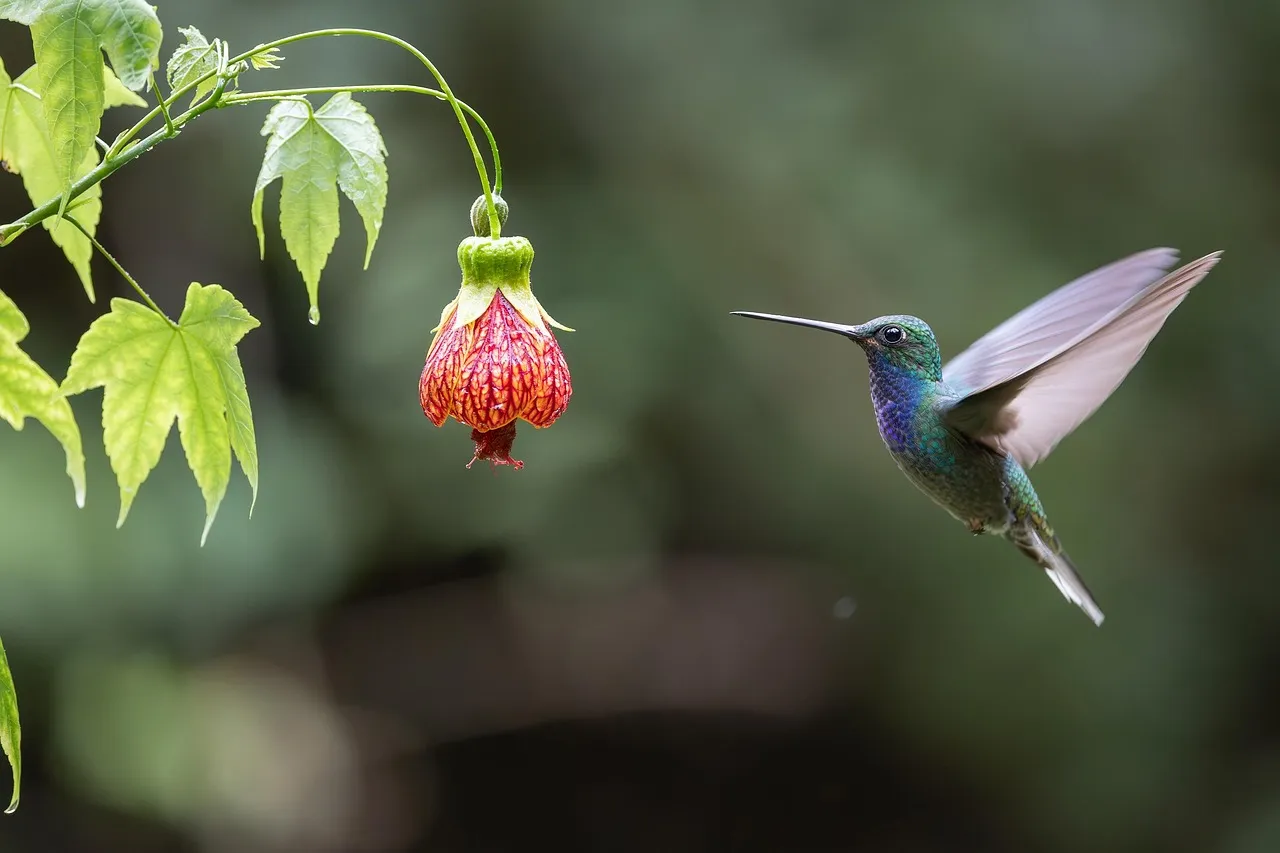
One of the most confusing signals disguises itself as no change at all: the swap from resident birds to migrants just passing through. Your brain thinks you’re watching the same two or three hummingbirds all week. In reality, you might be cycling through dozens.
Watch for the tells:
- Do markings, throat patches, or tail patterns look subtly different?
- Are birds less territorial, acting like drive-through customers instead of locals?
- Do they ignore familiar perches and carve out their own flight paths?
These are clues your backyard regulars are already gone and you’re now hosting travelers from farther north using your feeder as a pit stop. Migration doesn’t mean every hummingbird leaves at once – it’s more like waves rolling down a continent. When traffic feels strangely inconsistent, busy one day and dead quiet the next, with birds that seem unfamiliar, you’re in the final transit phase, not the stable summer one.
#14 – The “Fake Disappearance” Happens Weeks Before the Real One
🔥 Would you like to save this?
We'll email this post to you, so you can come back to it later!
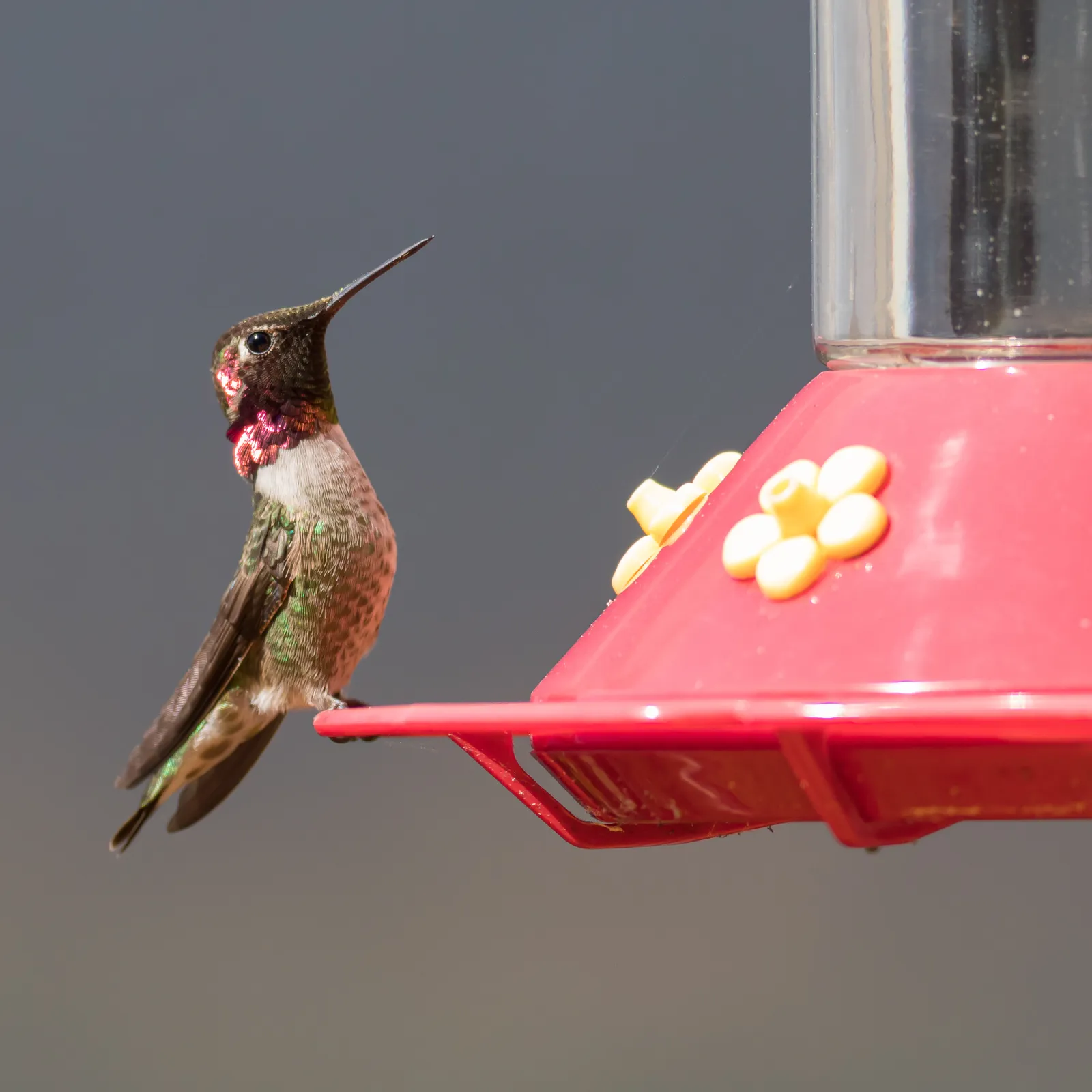
Here’s the signal that fools almost everyone: a sudden drop in activity that isn’t actually the end. For a few days, maybe even a week, your feeder goes from buzzing to nearly empty. People rip down feeders, convinced the birds are gone for good. Then, out of nowhere, a fresh wave shows up.
What happened is simple – your local breeders left, but the long-distance migrants from farther north hadn’t arrived yet. That quiet gap is a transition zone between outgoing and incoming populations, and it’s the single most misleading signal of the whole season. Yanking your feeder during this lull removes a critical refueling point for birds still on the way. The real last bird is usually weeks after that first scary silence, once both your locals and the pass-through travelers have finally moved on – almost always later than people think.
The Bottom Line
🔥 Would you like to save this?
We'll email this post to you, so you can come back to it later!
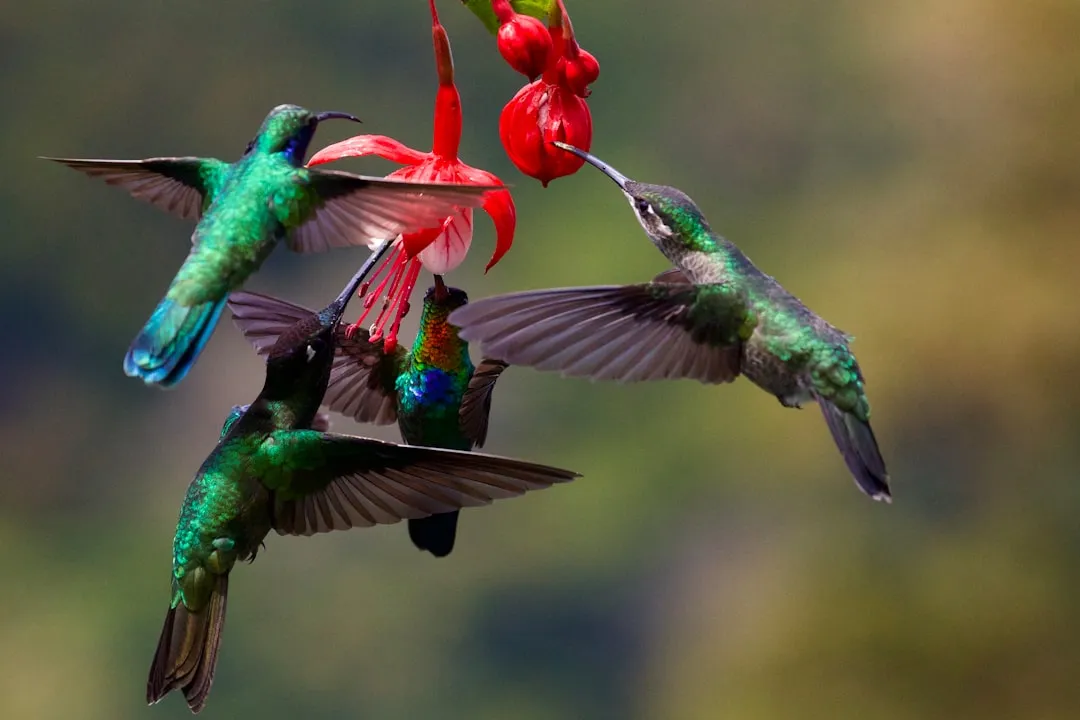
Hummingbirds don’t vanish overnight. They telegraph their exit in a dozen small, readable ways – weight gain, schedule shifts, territory wars, juvenile takeovers, eerie quiet, and that deceptive mid-season lull that fools almost everyone into pulling their feeders too soon.
Here’s the uncomfortable opinion: people obsess over cute close-up photos and ignore the science happening six feet from their kitchen window. Leaving clean feeders up a little longer, planting something that blooms late, and actually noticing who’s showing up and when does more for these birds than any viral hummingbird video ever will. Did we nail the signals you’ve seen in your own yard, or do your birds break every rule on this list? Say so in the comments.

- 23 Warm Corners an Elderly Cat Keeps Returning To All Winter - October 29, 2026
- 16 Behaviours Showing a Cat Considers a House Permanent Now - October 29, 2026
- 15 Wildlife Programmes a Lifetime Pass Holder Over 62 Can Join Free - October 29, 2026