
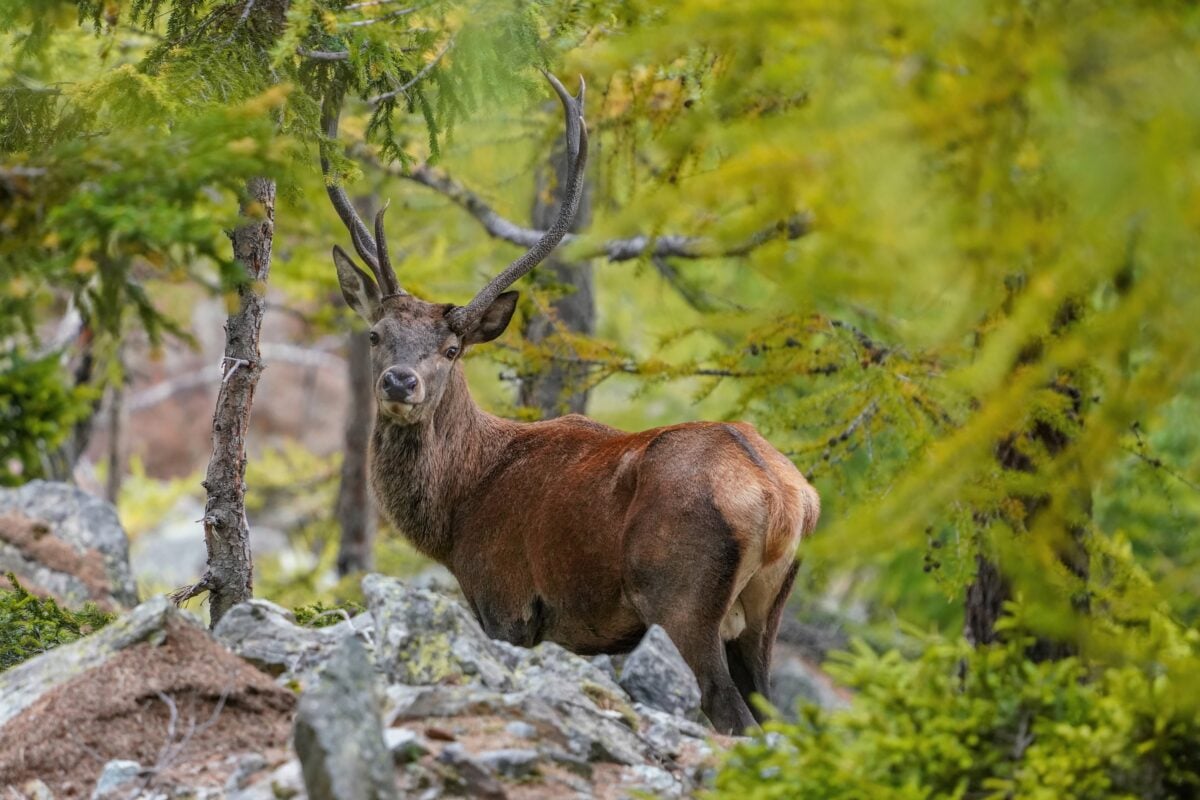
A doe stares straight at you from thirty feet away, doesn’t flinch, and keeps chewing calmly. Ten feet farther back, a total stranger takes one step off the porch and the entire herd explodes into the treeline like a shotgun went off. Same distance. Same species. Completely different reaction.
Wildlife biologists say this isn’t luck, imprinting, or a Disney moment. Wild deer run a constant background calculation on every human they meet, and over weeks or years, one specific person can quietly slide into the “safe” column while everyone else stays flagged as a threat. That shift never announces itself loudly. It shows up in dozens of small, easy-to-miss tells scattered across body language, group behavior, and even how the herd redraws its own map around your house. Here are the 14 signals that tell you a wild deer has decided you, specifically, are the exception.
#14 – They Stop Fleeing at the Standard “Flight Distance”
🔥 Would you like to save this?
We'll email this post to you, so you can come back to it later!
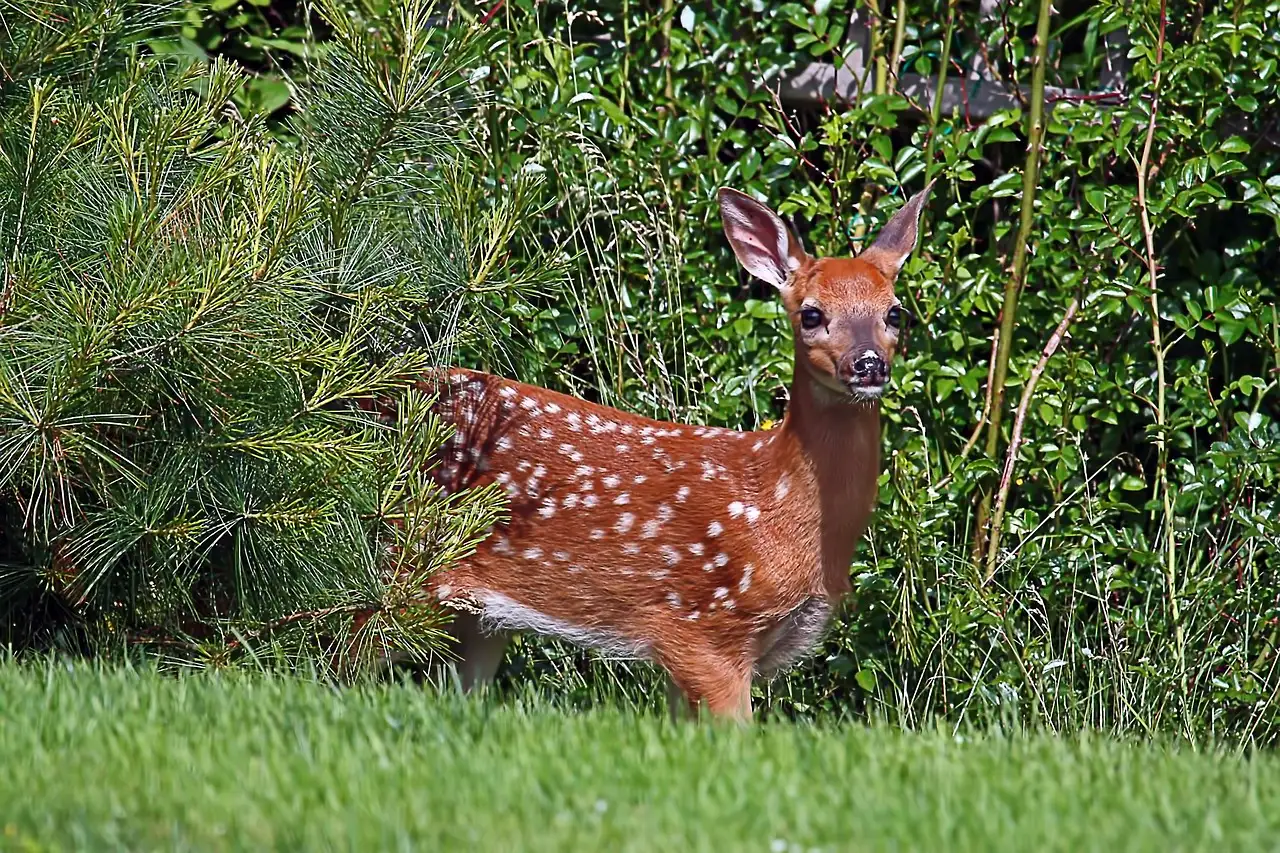
Here’s the first big tell: a deer that used to bolt at 60–100 feet now just watches you. Wild deer have a species-typical flight distance, the range at which they decide, “Nope, I’m out.” For pressured or hunted deer, that buffer can stretch past 100 yards.
When they repeatedly see one specific person who never chases, yells, or raises anything that looks like a weapon, that distance starts shrinking. The same animal that once vanished the second your door opened may now hold its ground, just pivoting its ears toward you. You’ll often catch it first as a half-flee: they step back, don’t fully bound off, then drift back the moment you stop moving. When a truly wild deer lets that distance shrink week after week, it has quietly white-listed you in its mental file.
Fast Facts
- Flight distance for pressured white-tailed deer can exceed 100 yards
- Suburban deer often shrink that buffer to under 30 feet with one trusted person
- Repeated neutral encounters, not a single event, drive the shrinkage
- A half-flee, stepping back without fully bounding off, is often the earliest visible sign of trust building
#13 – Their Ears Stop “Radar Scanning” and Relax
🔥 Would you like to save this?
We'll email this post to you, so you can come back to it later!
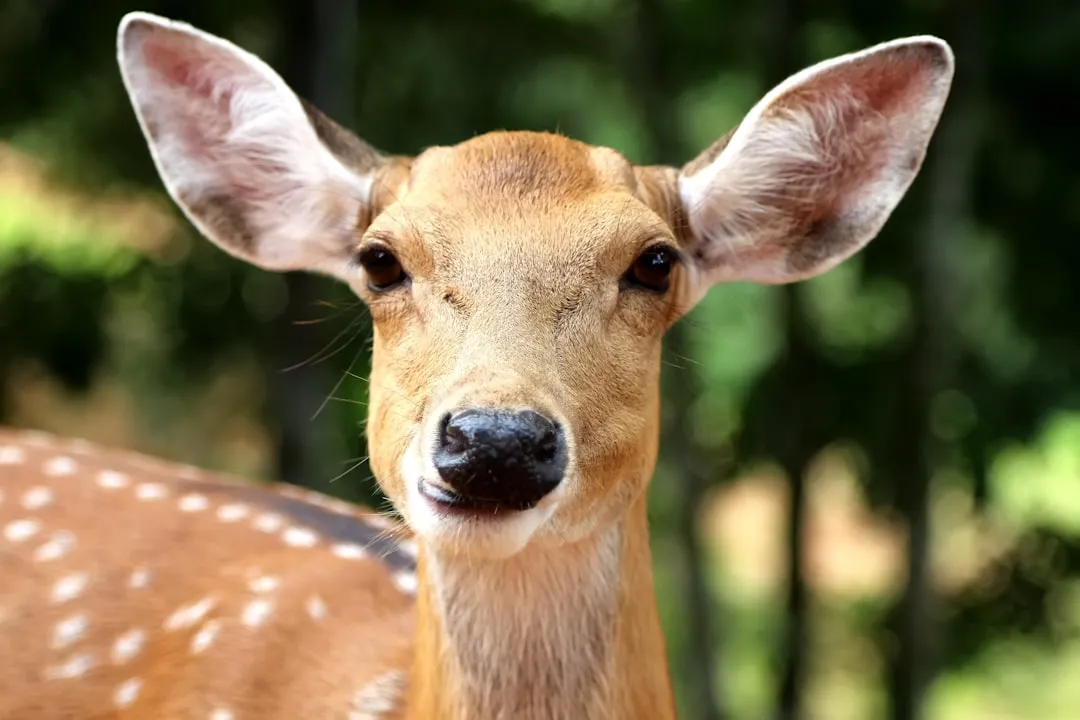
A deer that trusts you stops acting like a living satellite dish every second you’re around. In alert mode, a deer’s ears swivel constantly, sampling sound in every direction. When you first show up, they usually pin both ears straight at you, then flick them to check trees, dogs, and roads. That’s classic “I’m not sure about you yet” behavior.
Over time, if you’re predictable, same voice, same slow movements, no chasing, something changes. Those ears relax. One might half-aim at you while the other casually monitors the woods, and the deer keeps eating, only briefly locking both ears on you if you do something new. That’s a nervous animal’s version of, “You’re background noise now,” and it’s one of the clearest non-verbal signals that you’ve been downgraded from threat to mostly harmless.
#12 – Their Tail Stays Down Even When You Move
🔥 Would you like to save this?
We'll email this post to you, so you can come back to it later!
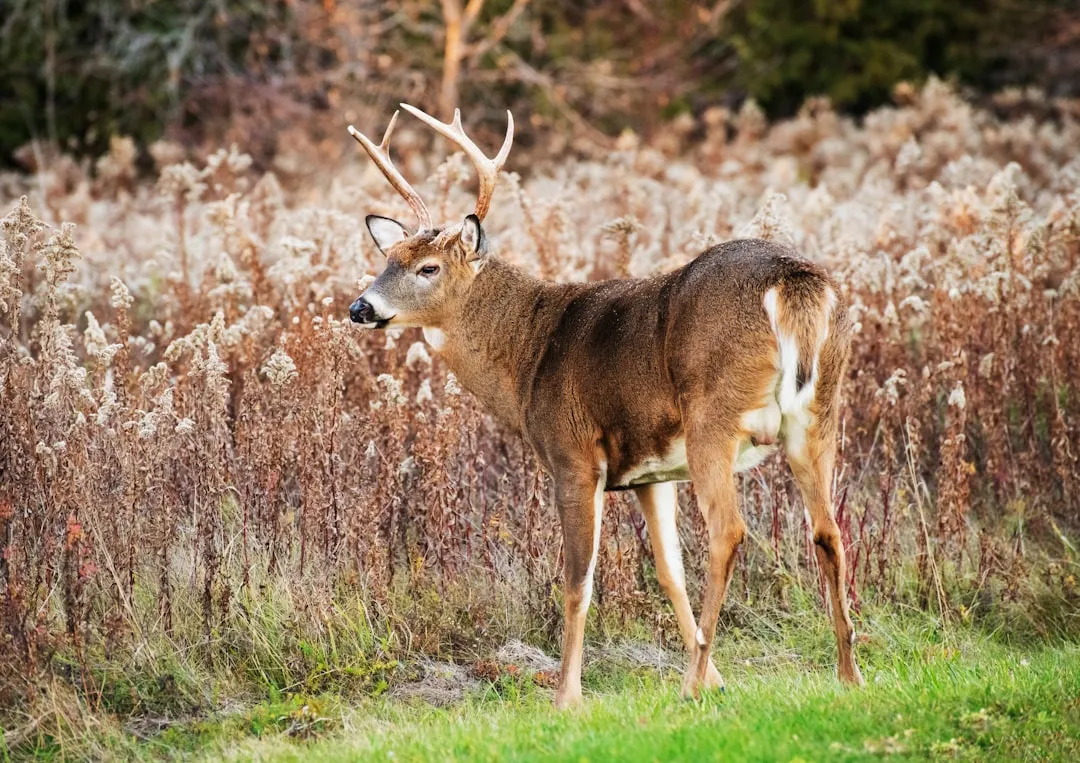
The tail is basically a deer’s panic meter, and a low reading means they’ve accepted you. A high, flared white tail is a giant billboard screaming “danger, everybody run,” and healthy wild deer don’t flash that flag lightly. When they’ve learned one person isn’t dangerous, the tail behavior changes fast. You might see a brief twitch when you step outside, but it stays low and flat over the rump, sometimes barely moving at all while you shuffle around in plain sight.
This matters beyond the individual animal, because the tail is social currency. A raised tail can trigger a chain reaction through the entire herd. If one deer can move comfortably around you with its tail down, it’s silently telling the others, “Stand down, this one’s okay,” and over time even nervous newcomers copy that response, using the calm deer as a living threat detector.
#11 – They Resume Feeding Shockingly Fast After Spotting You
🔥 Would you like to save this?
We'll email this post to you, so you can come back to it later!
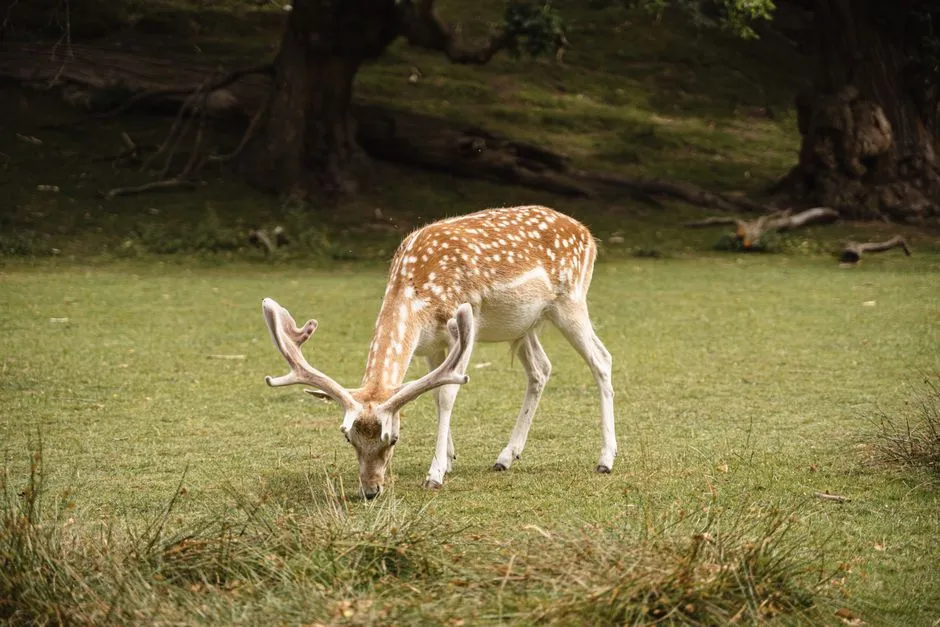
Nervous deer pretend they’re “just eating,” but real trust shows in how fast they get back to it. When you appear, most wild deer run through a ritual: freeze, stare, head high, ears locked. The signal isn’t whether they look at you, they should. It’s how long they stay frozen. A deer that’s learned to tolerate you checks you, then dives right back into whatever it was doing, often within seconds.
Watch for two details: they feed with their head down for longer stretches, lifting less often to re-check you, and they’ll choose to feed closer to you than to nearby cover like a brush line. Prey animals don’t waste relaxed time around anything they aren’t at least somewhat confident about. If they keep dropping their guard around you, they’ve decided you’re a predictable, low-risk part of the scenery.
#10 – Their Trails Bend Closer to Your House
🔥 Would you like to save this?
We'll email this post to you, so you can come back to it later!
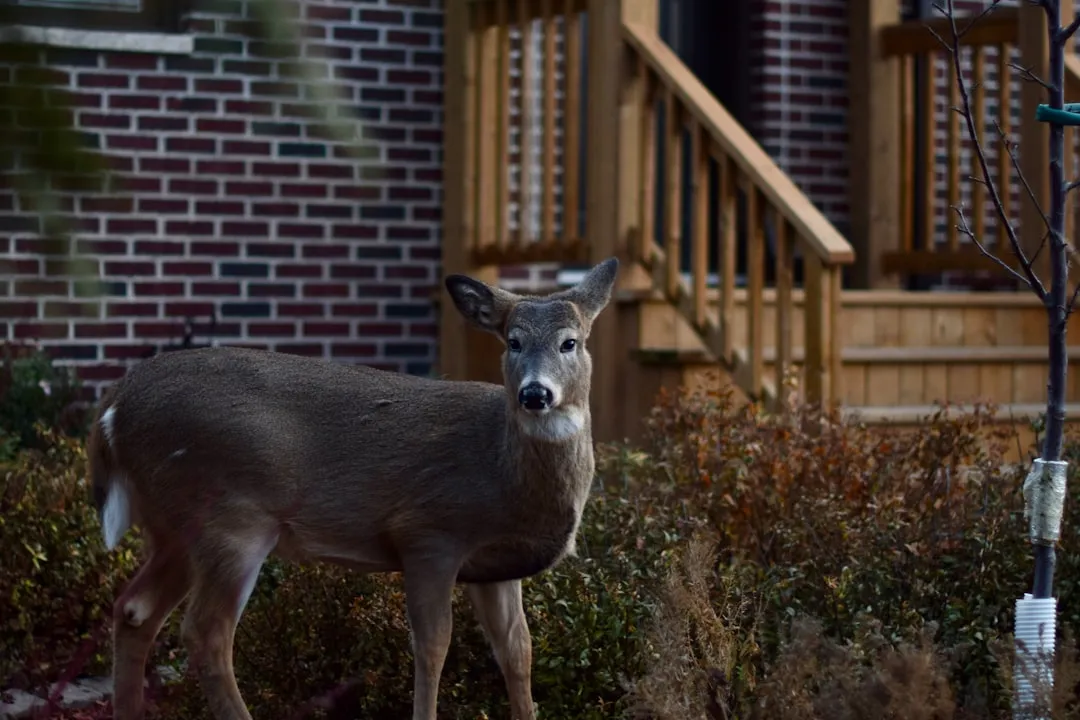
When deer literally redraw their map so it runs closer to where you stand, something real has shifted. Deer are creatures of habit, following worn trails between bedding, feeding, and water, and they’ll normally skirt buildings and human scent with wide buffers. But if they keep encountering the same harmless person, those trails start drifting inward. Instead of cutting behind your back fence, they cross the middle of your yard, sometimes threading a path right between your porch and your car.
Look for fresh tracks or droppings closer to doors, sheds, or your usual sitting spot, and notice if the herd starts pausing in open areas near you instead of sprinting through. Biologists call this habituation: reduced reaction to a repeated, neutral stimulus. You’re no longer “off-limits space,” you’re just part of the landscape, and that’s a calculation they don’t make for just anybody.
#9 – They Choose to Bed Down Within Sight of You
🔥 Would you like to save this?
We'll email this post to you, so you can come back to it later!
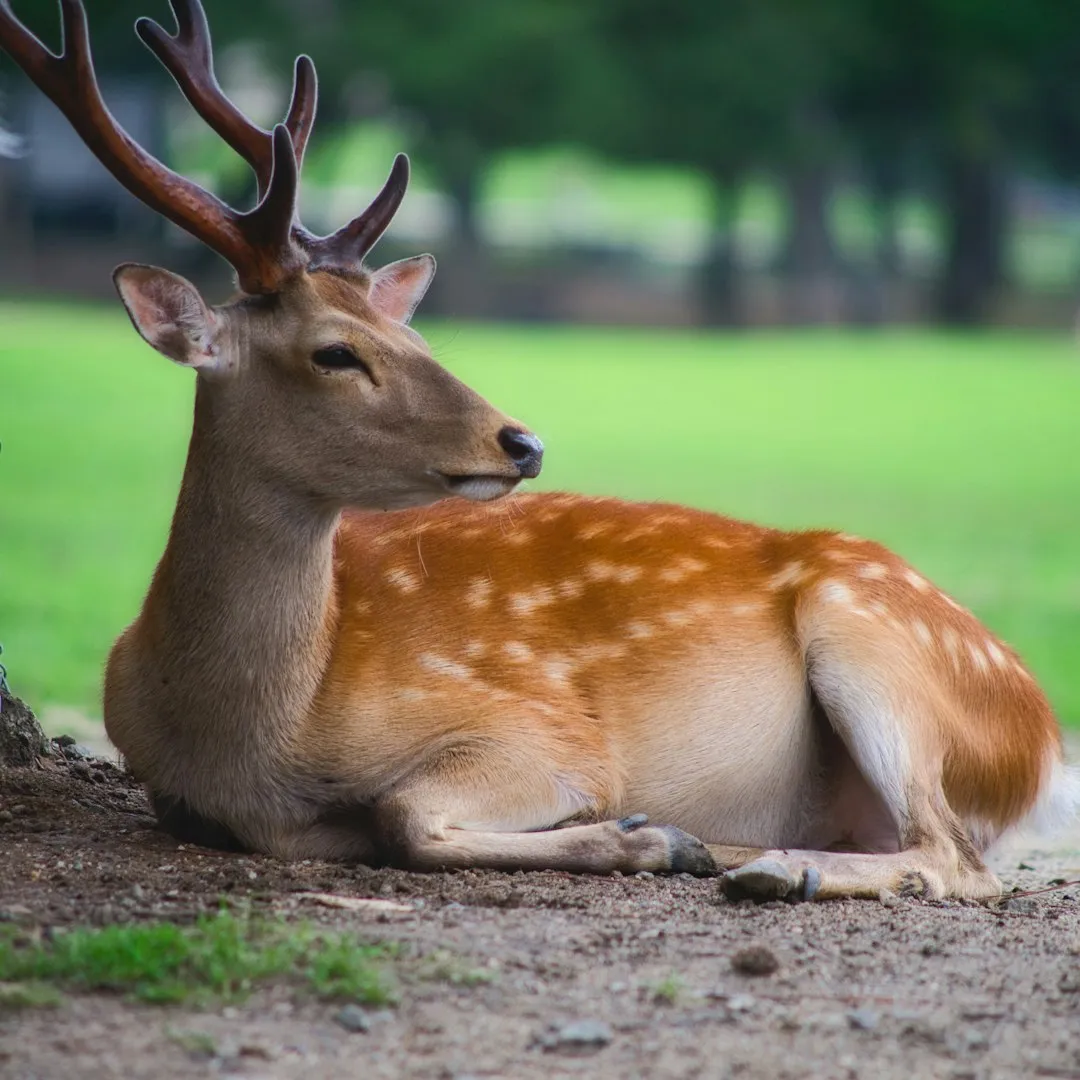
A truly wild deer choosing to lie down where it can see you is a serious compliment. Bedding is when deer are most vulnerable; they drop their body to the ground, compress their escape options, and lean entirely on early warning. Normally they pick spots with multiple exits, good wind, and zero human presence. When one person has proven non-threatening again and again, some deer will quietly bed down within visible range of that person’s regular spot, a porch chair, workshop, or garden.
Notice how deliberate it looks. They’ll often circle once, sniff the ground, then fold their legs slowly instead of collapsing in a rush, and their head may rest lower on the shoulders while their eyes blink slowly. They’re not oblivious, they still angle their body to spring up fast if needed. But spending their “off-duty” hours next to a known human is a massive trust signal in the deer world.
#8 – Fawns Hide Near You, and Mothers Allow It
🔥 Would you like to save this?
We'll email this post to you, so you can come back to it later!
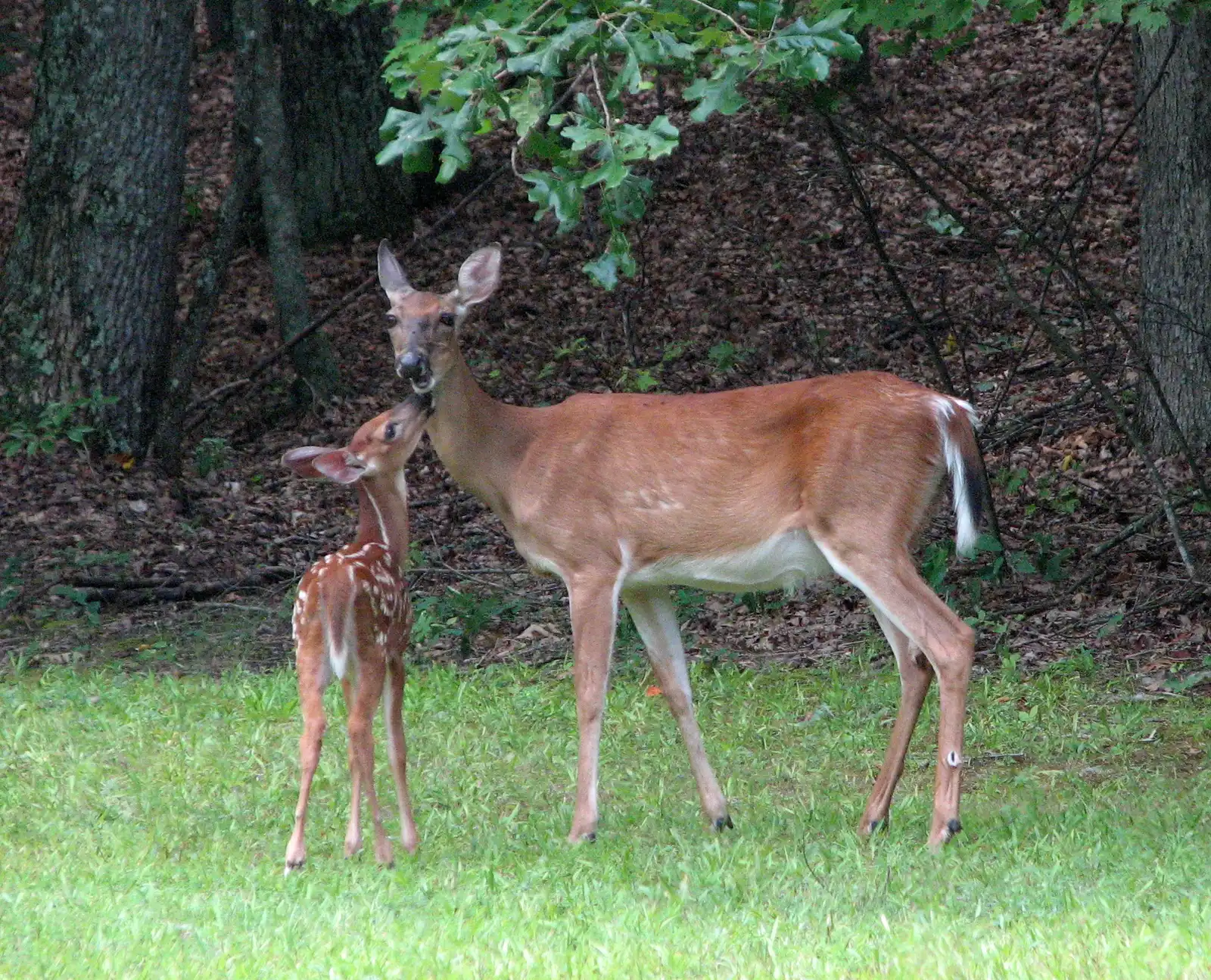
If a doe parks her fawn where you routinely walk, she’s made a calculated decision about you. Mother deer don’t hover over fawns constantly; instead they stash them in what they consider safe zones and feed sporadically nearby. When a doe repeatedly stashes her fawn near your shed, deck, or flower beds, places that smell like you, she’s making a bold judgment: predators avoid people, and this particular human has never caused harm.
The real test comes when you step outside and the doe doesn’t rush between you and the fawn, or when the fawn barely flinches at your voice, lifting its head but not bolting. This isn’t Disney bonding, it’s applied survival math. To a savvy doe, a quiet, predictable human can actually function like a shield against coyotes or loose dogs, and some wildlife experts believe suburban does are now actively working certain humans into their predator-avoidance strategy.
#7 – They Track Your Voice, Not Your Shape
🔥 Would you like to save this?
We'll email this post to you, so you can come back to it later!
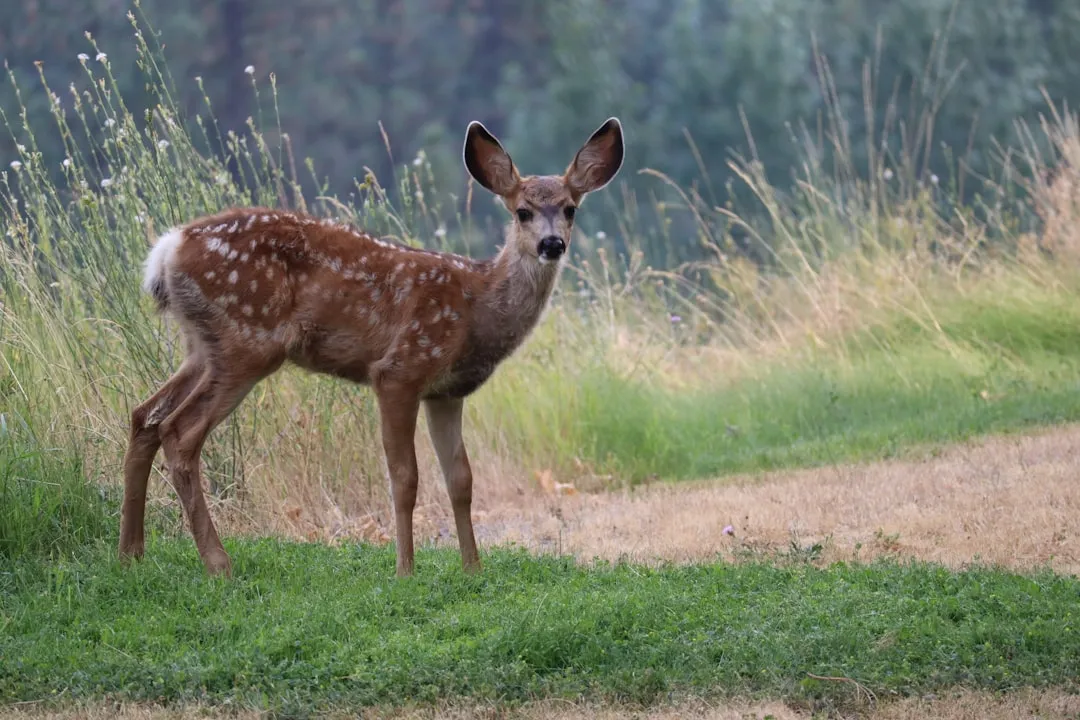
A deer that has learned to tolerate you reacts more to how you sound than how you look. Early on, deer are terrified of any upright figure. Over months they build an audio file on you: cadence, pitch, common phrases, even your cough. Step out in a different hat or jacket and they barely react, but the second you speak, every head locks onto you and then relaxes once they place the sound.
Watch what happens when someone else walks out wearing similar clothing, the herd instantly tenses or pulls back. But when you talk on the phone or call a pet, they flick an ear toward you and keep eating. That’s individual recognition. Studies show many ungulates can distinguish specific humans by voice, the same way you’d recognize a friend on the phone. When a herd is filtering you at that level of detail, you’ve become “that harmless one” in their database.
Worth Knowing
- Many ungulates can distinguish individual human voices from unfamiliar ones
- Clothing changes rarely reset trust once voice recognition is established
- A stranger’s voice, even from a familiar-looking silhouette, still triggers alertness
- Voice recognition typically builds over repeated months, not days
#6 – They Let You Break the “Eye Contact Rule” Without Spooking
🔥 Would you like to save this?
We'll email this post to you, so you can come back to it later!
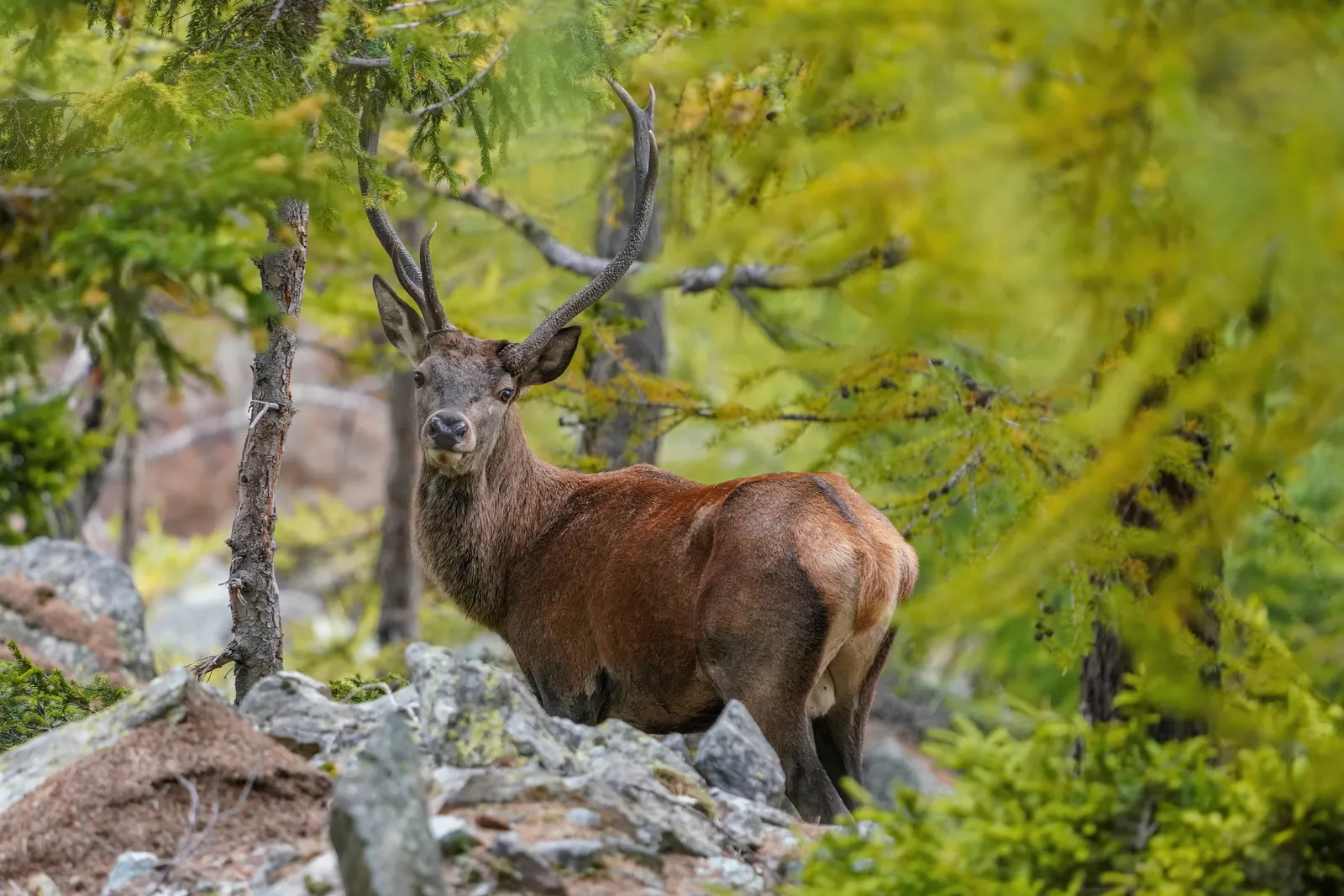
Most prey animals hate being stared at, but some deer eventually tolerate it from one person. In the wild, a fixed, direct gaze often precedes a chase, and even domestic animals read it as pressure. Nervous deer respond by bolting, circling, or swinging their body to put mass between your eyes and their vitals. But once they’ve learned a particular person never follows a stare with a rush, the reaction softens dramatically.
You can hold a longer look, even raise binoculars or a camera, and they just flick an ear or keep chewing. They still notice, you can catch the moment their muscles tense slightly, but instead of fleeing they exhale, relax their shoulders, and return to baseline. Even deer that trust you have a limit; push too close or too fast and you’ll reset months of progress.
#5 – They Use You as a Moving Safety Buffer
🔥 Would you like to save this?
We'll email this post to you, so you can come back to it later!
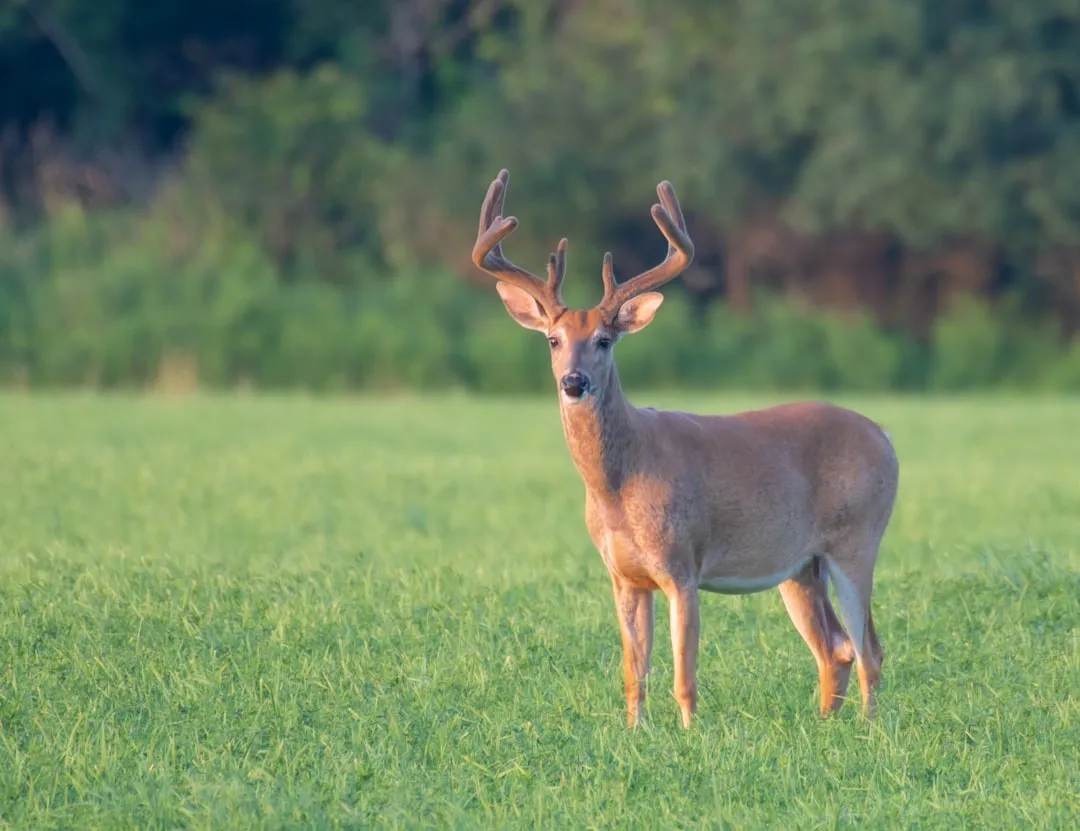
When deer start hiding behind you from worse dangers, the relationship has leveled up. It sounds like a cartoon, but field observers document it: a herd wary of dogs, coyotes, or loud neighbors will quietly reposition so that you end up between them and the perceived threat. They might edge closer to your side of the yard when a dog barks on the far side, or cluster near your parked car when ATVs show up on the opposite boundary.
This isn’t affection, it’s math. They’re choosing the lowest-risk zone in real time, and they’ve classified you as non-aggressive and predictable under stress. Prey species don’t gamble with their escape routes lightly; using a human as a shield means they believe your presence makes that side of the landscape expensive for predators. It’s flattering, but it’s also a reminder that your reactions are actively teaching them how safe humans are.
#4 – They Approach on Their Own, Without Food Bribery
🔥 Would you like to save this?
We'll email this post to you, so you can come back to it later!
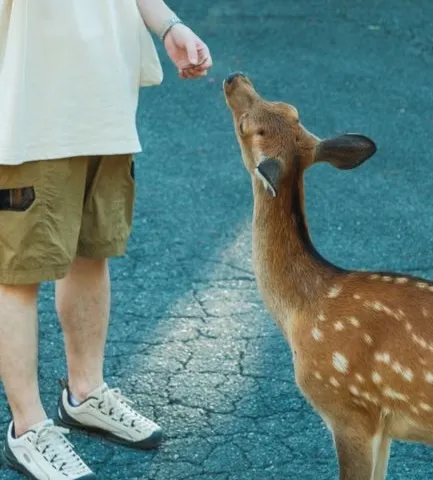
A deer that closes the gap without a food bucket in sight is making a much clearer statement. Corn or apples can drag almost any deer closer, but that’s trade, not trust. The real signal is when you’re just sitting, working in the yard, or walking a familiar path, and one specific deer shortens the distance on its own, even with no obvious reward on the ground. It may angle slightly toward you on each pass, standing a bit nearer every few days.
Watch for the moment they pause to sniff the air, then step into your scent cone anyway, standing close enough to clearly see your hands and face. Most wildlife agencies strongly discourage hand-feeding wild deer for safety and disease reasons, so the deeper sign of tolerance is voluntary proximity without a payoff. The deer isn’t there for snacks; your presence simply no longer equals danger in its cost-benefit math.
Quick Compare
- Food-lured deer: approaches only when bait is visible, retreats once it’s gone
- Trust-based deer: approaches with no food present, lingers afterward
- Food-lured deer: reacts the same to any stranger holding food
- Trust-based deer: stays calm specifically around one recognized person
#3 – The Herd Copies One Individual’s Calm Around You
🔥 Would you like to save this?
We'll email this post to you, so you can come back to it later!
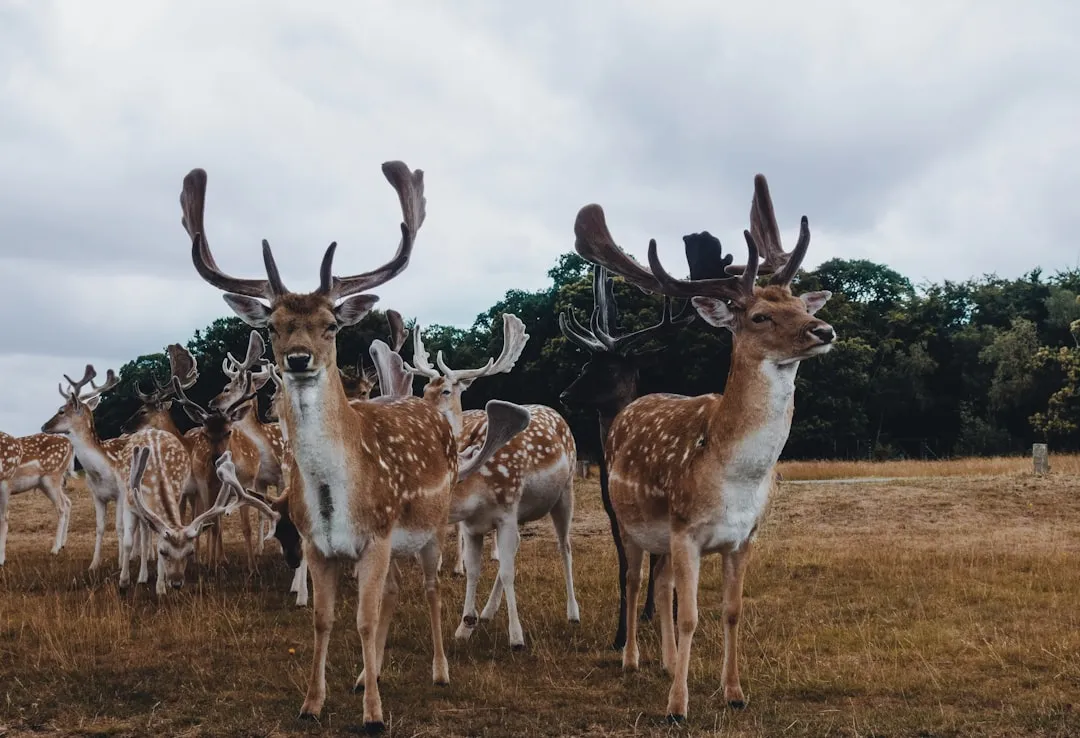
When one relaxed deer becomes the group’s “influencer,” you’re watching social learning happen in real time. Deer aren’t solitary decision-makers; they watch each other constantly, especially younger animals copying mature does. If one doe routinely stays calm around you, the rest of the herd starts reading her instead of reading you directly.
You’ll notice a clear hierarchy. If she flicks her tail and trots off, they follow instantly. If she keeps chewing when you show up, the younger ones freeze at first, then mirror her relaxed posture within a season. Fawns that once bounded off at your voice eventually watch mom and stay put, and new deer joining the group skip the full-panic phase entirely because the herd’s template is already calm. In some suburban populations, “this yard is okay” literally becomes a learned tradition passed between generations – which is exactly why one broken trust can undo years of it.
#2 – They Return on a Schedule That Follows You, Not Just the Food
🔥 Would you like to save this?
We'll email this post to you, so you can come back to it later!
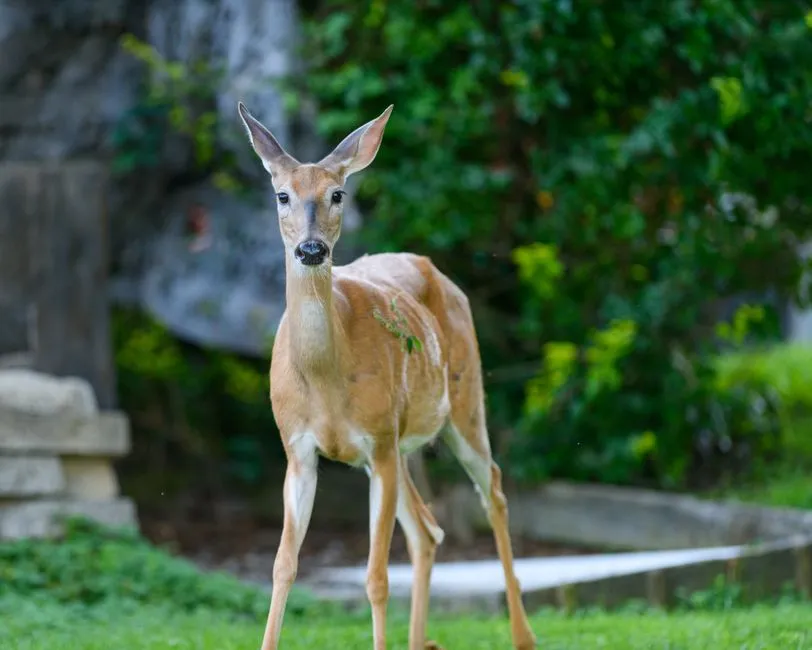
When deer plan their visits around your routine, you’ve become part of their daily calendar. Most people assume deer only pattern food, light, and weather, but in heavily human landscapes, they also pattern us. If they’ve learned one person is safe, the same individuals may start appearing right after you get home from work, when you usually step onto the porch with coffee, or during your typical gardening hour.
On days you’re running late, they may linger just out of sight, then move in the moment they hear your car door. Trail-cam timestamps or fresh tracks clustering around your regular outdoor hours are the giveaway, along with the herd arriving almost like clockwork whenever you sit in a certain chair. To a deer, a safe, routine human is as dependable as sunrise, and easier to read than most predators. Stacking their movements around your habits isn’t coincidence; it’s confirmation you’re a known quantity.
#1 – They Treat You Completely Differently From Every Other Human
🔥 Would you like to save this?
We'll email this post to you, so you can come back to it later!
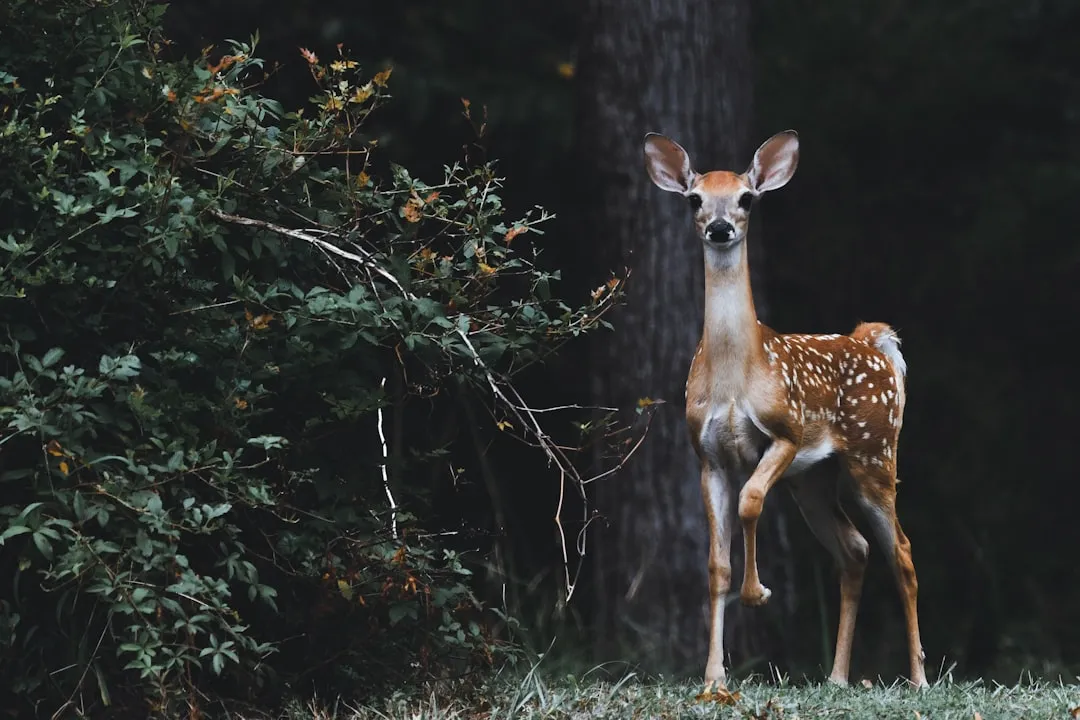
The strongest signal of all is contrast: they act one way around you, and a completely different way around everyone else. This is where the fairy tale ends and the science gets real. If a deer has truly learned to tolerate one particular person, that contrast becomes obvious the second a stranger shows up.
You walk out and heads lift, then drop, tails stay down, feeding resumes. A visitor steps out moments later at the exact same distance, and the same deer stiffen, step back, or bolt outright. Clothing color doesn’t matter here; the person does. They may angle their body closer to you while watching the stranger, staying calm at your movements but flinching at the visitor’s smallest gesture. Researchers have documented similar individual recognition in corvids, primates, and farm animals, and deer clearly belong on that list. At that point it’s not “deer like humans,” it’s “these wild deer have a specific opinion about you” – and that asymmetry is the clearest proof of learned, individual tolerance you’ll ever see in the wild.
At a Glance
- Same distance, same posture, different reaction depending on who’s watching
- Tails and ears stay relaxed for the trusted person, tense for strangers
- Individual human recognition has also been documented in corvids, primates, and farm animals
- Asymmetric behavior is the strongest evidence of learned, individual tolerance
The Bottom Line
🔥 Would you like to save this?
We'll email this post to you, so you can come back to it later!
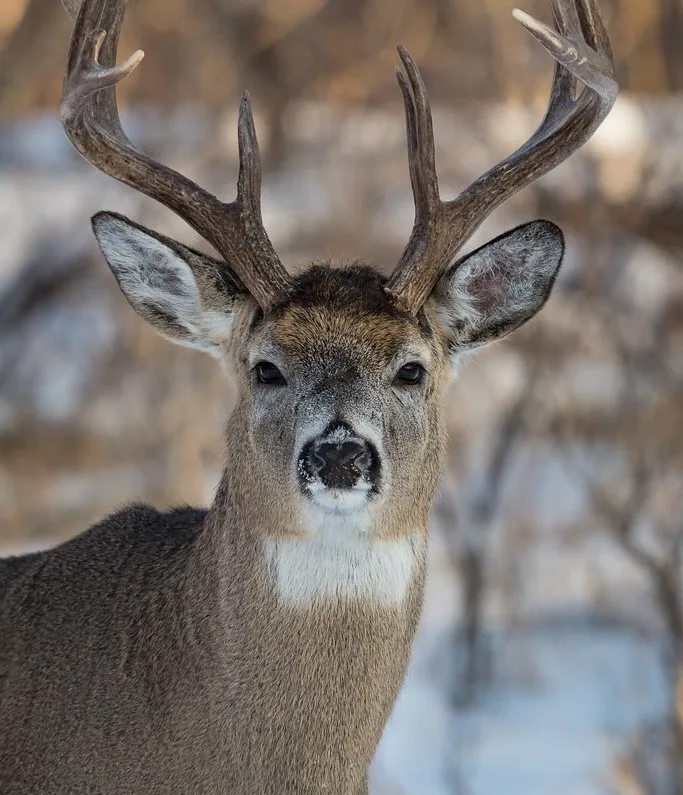
Wild deer don’t fall in love with humans; they run a nonstop calculation of risk versus reward, and very occasionally, one specific person earns a long-term discount. When tails stay down, ears relax, bedding sites creep closer, and the herd starts using you as moving cover against real threats, you’re watching hard evidence of individual recognition, not a cute misunderstanding.
Here’s the part most people don’t want to hear: many wildlife professionals argue that getting wild deer this comfortable around you can actually be more dangerous for the deer than for you. It can blunt their natural caution around less trustworthy humans, and that caution is often the only thing standing between them and a bad ending. So if you’re seeing these signals, enjoy the privilege, it’s rare and it’s earned. Just ask yourself honestly whether you’re quietly helping that deer survive, or training it to drop its guard for the wrong person next.

- 23 Warm Corners an Elderly Cat Keeps Returning To All Winter - October 29, 2026
- 16 Behaviours Showing a Cat Considers a House Permanent Now - October 29, 2026
- 15 Wildlife Programmes a Lifetime Pass Holder Over 62 Can Join Free - October 29, 2026