
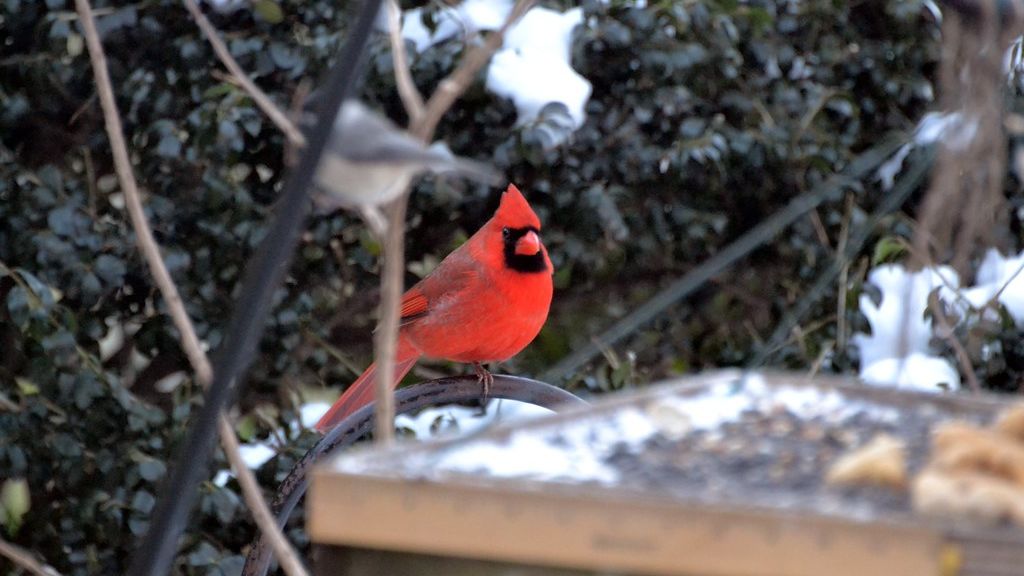
Cardinals don’t migrate. That’s the part most people miss. When that flash of red disappears from your yard, the bird didn’t fly south for the winter – it moved to your neighbor’s yard instead. Something you’re doing, or not doing, quietly told it to leave. And the maddening part? Most of those things look completely harmless.
Experienced backyard birders who’ve spent years tracking feeder activity have pieced together a list of yard habits that push cardinals away – and almost none of them are obvious. Some will genuinely surprise you. A few might make you rethink your entire setup. Here are the 14 most common culprits, ranked from notable to the one that birders say explains more disappearances than anything else.
#14 – Tube Feeders That Force Awkward, Uncomfortable Perching
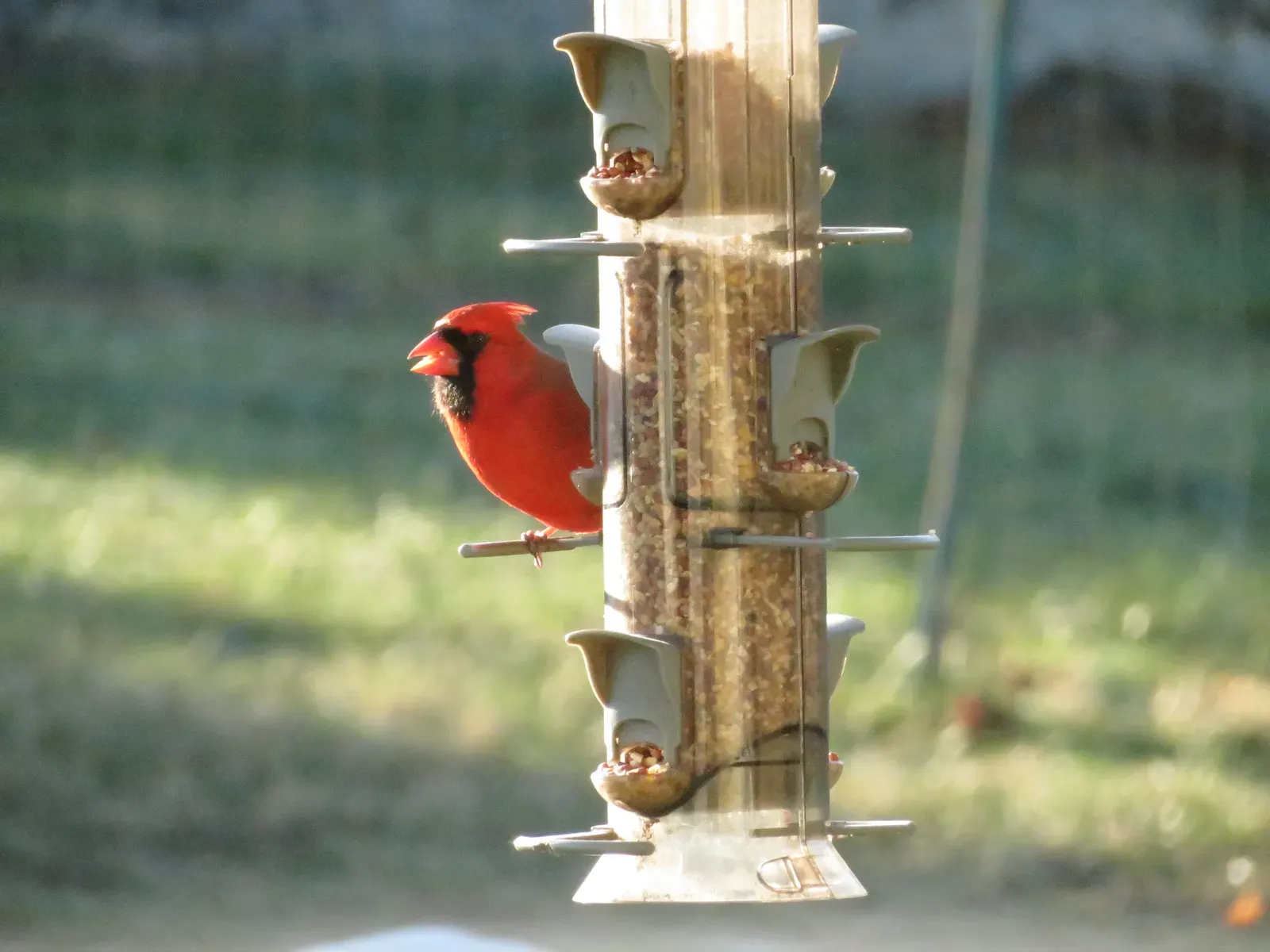
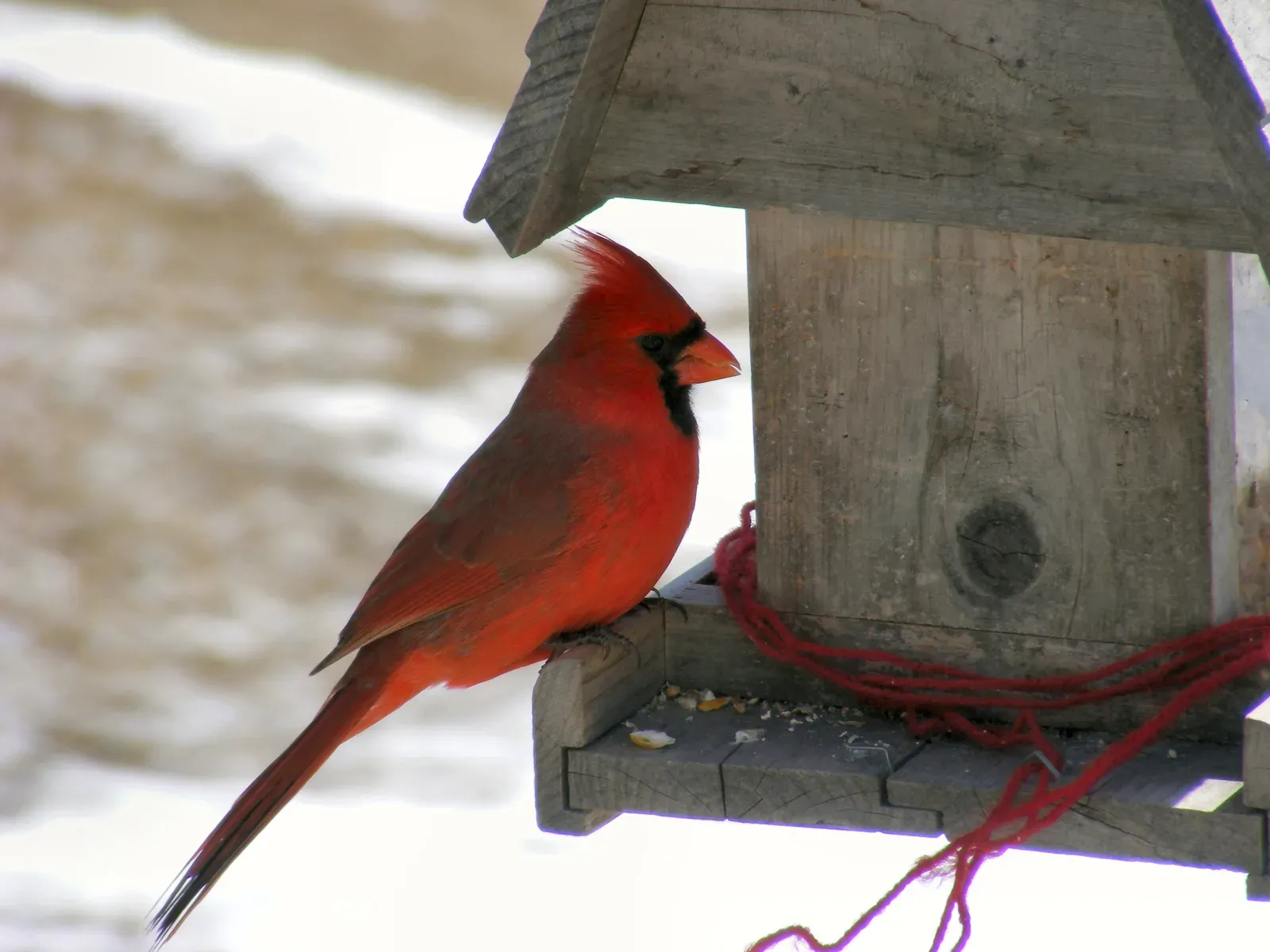
Cardinals are bigger, broader birds than most people picture. When they land on a narrow tube feeder, they’re forced into an awkward sideways crouch that leaves them unable to face forward and scan for predators. It’s not just uncomfortable – it feels genuinely dangerous to them. Many birders have watched a cardinal land once, struggle to grip the perch, and never return to that feeder again.
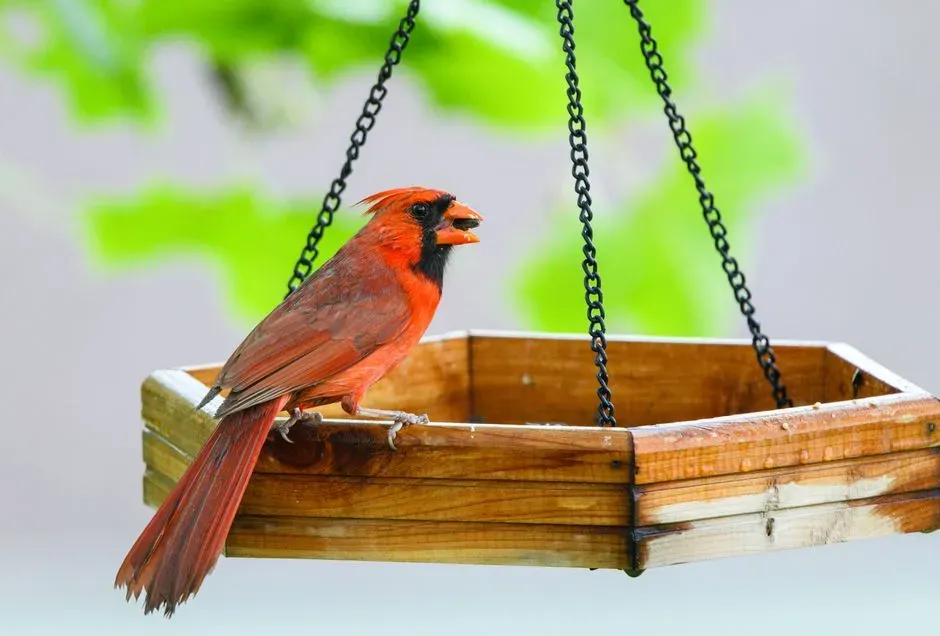
Platform feeders and tray-style setups give them the flat, stable surface their body type actually needs. The difference in return visits can be dramatic – sometimes within just a few days of swapping out the feeder style. Cardinals are creatures of habit, but they’ll form new habits fast when a setup finally feels right.
At a Glance: What Cardinals Need in a Feeder
- Body size: Cardinals weigh roughly 1.5 oz – on the heavy side for feeder birds, so stability matters
- Best feeder types: Platform, hopper, tray, or large-perch tube feeders
- Must-have: Wide, sturdy perch with open sightlines – no cramped ports
- Avoid: Small tube feeders with short, narrow perches that force sideways posture
- Bonus: Cardinals are also attracted to bright red feeder accents
#13 – Feeders Stuck in the Middle of Bare, Open Lawn
A feeder sitting alone in the middle of an open yard looks perfectly placed to a human. To a cardinal, it looks like a trap. These birds are edge dwellers – they want cover within a short, fast flight so they can retreat the moment a hawk or cat appears. An isolated feeder with no nearby shrubs forces them to choose between food and survival. Most of the time, they choose survival and keep moving.
Birders who’ve relocated feeders closer to tree lines or dense shrubs often see cardinals reappear within a week. You don’t need a full woodland backdrop – even a single thick shrub placed ten or fifteen feet away gives them enough confidence to commit. The feeder’s content matters far less than whether the location feels survivable.
#12 – Routine Lawn Chemicals That Contaminate Seeds and Water

Most homeowners who treat their lawns never think twice about how those chemicals interact with visiting birds. But cardinals forage on the ground and sample widely – picking up herbicide and insecticide residue on seeds, grass, and puddles. They can detect off tastes and associate the sickness that follows with your yard specifically. Once that connection is made, it’s hard to undo.
The detail that catches people off guard is how little chemical exposure it takes. Even a targeted spot treatment near a feeder can be enough. Birders who’ve switched to organic lawn care or simply created a chemical-free buffer zone around feeding areas frequently report a return of birds they assumed were gone for good. Cardinals have long memories for bad experiences.
#11 – Neglected Feeders Turning Seed Rancid and Dangerous
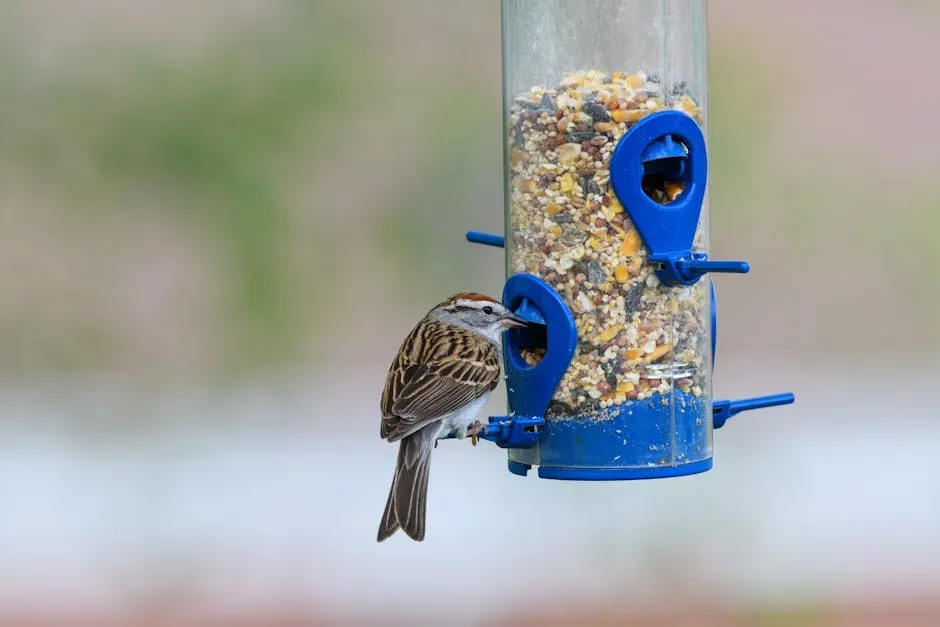
Seed left sitting in a feeder through heat and humidity doesn’t just go stale – it develops mold and bacteria that can genuinely sicken birds. Cardinals are attentive enough to notice when food smells or tastes wrong, and they’ll avoid returning to a feeder that once made them feel unwell. Most homeowners keep refilling without cleaning, never making the connection between the grimy feeder and the disappearing birds.
Experienced birders treat feeder cleaning as non-negotiable – a scrub with a mild bleach solution every couple of weeks, more often in summer. A single moldy batch can be enough to condition a cardinal pair to skip your yard entirely and redirect to a cleaner setup nearby. Consistency here separates the yards that cardinals call home from the ones they merely pass through.
#10 – Unmarked Windows Triggering Dangerous Territorial Loops
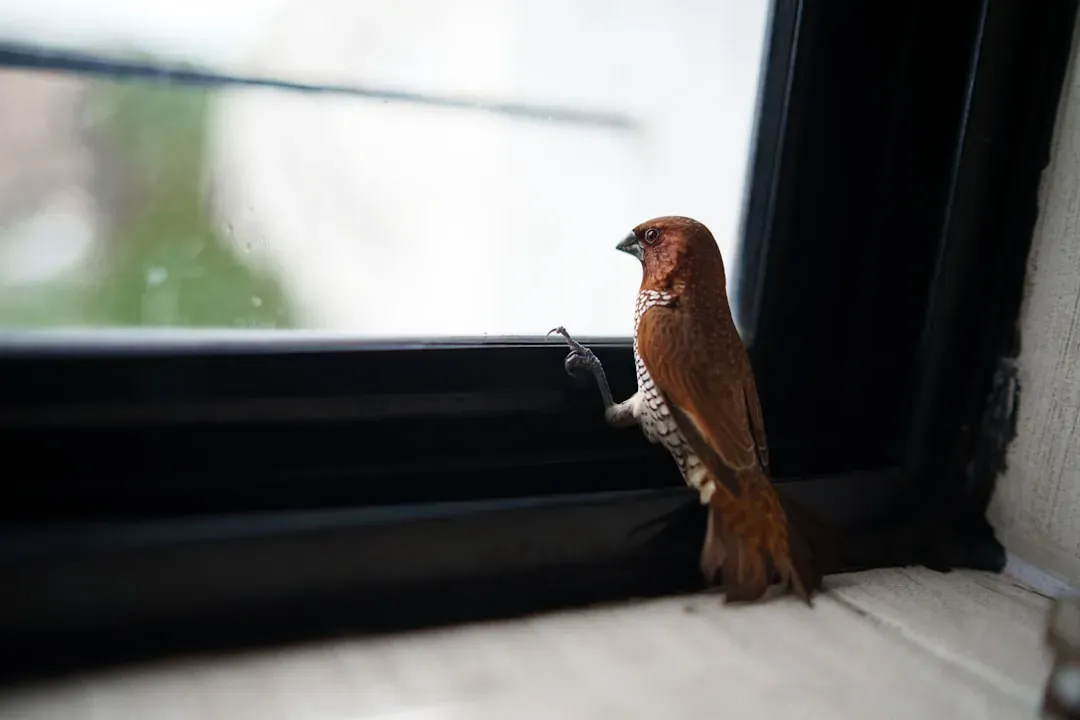
A male cardinal sees the reflection in a clean window and does exactly what instinct demands: he attacks the rival. He’ll do it repeatedly, sometimes for hours, sometimes for weeks. The stress accumulates, collisions cause real injury, and eventually the bird either gets hurt badly enough to disappear or simply learns to avoid the whole area. The tragedy is that the threat he’s fighting isn’t real – but the damage is.
Simple window decals or screens placed on the outside of the glass break the reflection enough to stop the behavior. It takes minutes to apply and makes a significant difference. What’s easy to miss is that once the territorial male stops visiting, the female and juveniles typically follow his lead and vanish with him. One window, addressed early, can preserve an entire family group.
Worth Knowing: The Window Reflection Loop
- Cardinals cannot recognise their own reflection – only primates, dolphins, and elephants are known to have that ability
- Window attacks peak in spring and early summer during breeding season, but male cardinals can keep it up year-round
- Repeated strikes cause beak damage, feather wear, and energy exhaustion – even when no fatal collision occurs
- Quick fix: Apply external decals, frosted film, or close blinds during peak morning activity hours
#9 – No Water Source Anywhere in the Yard
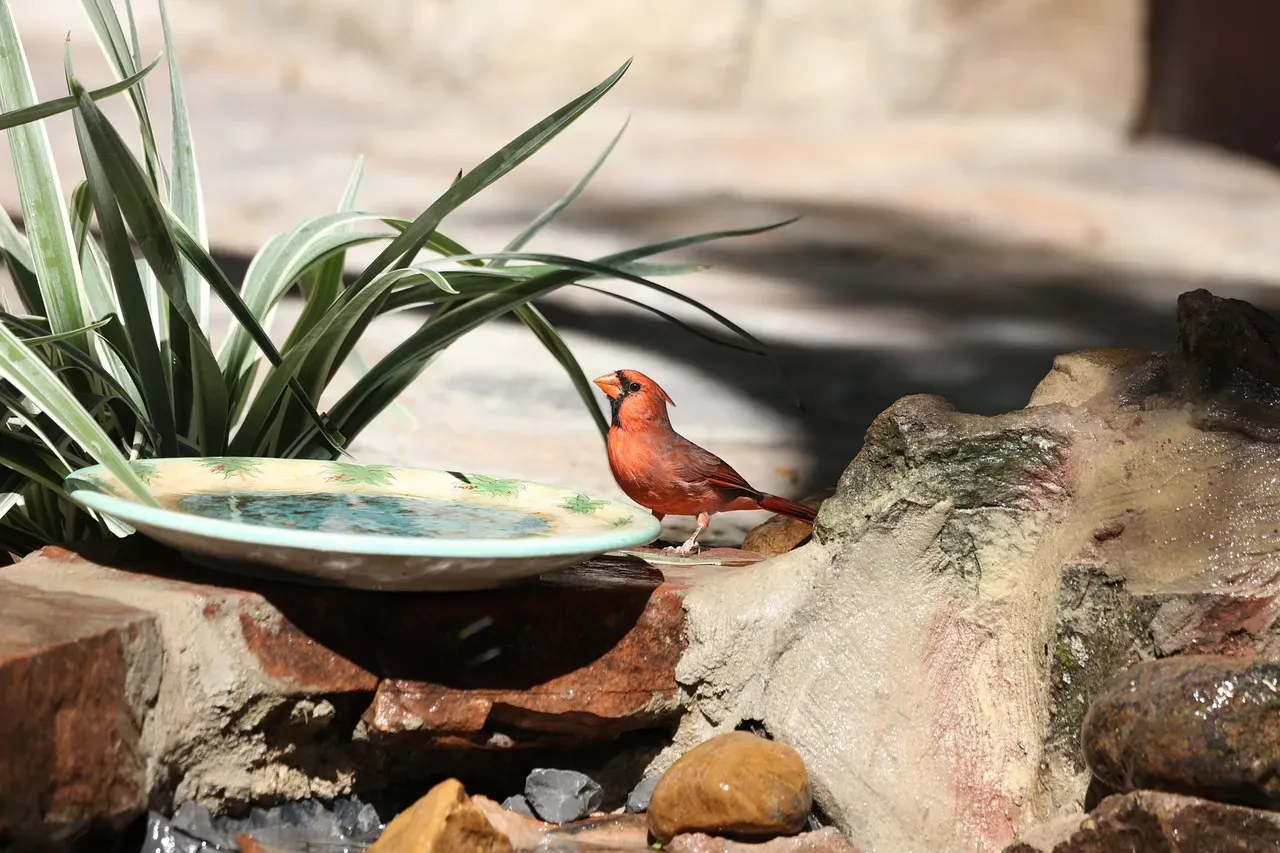
Seed selection gets almost all the attention, but experienced birders consistently say water matters more. Cardinals need to drink and bathe regularly, and a yard that offers food but no water is an incomplete habitat. They’ll use it when nothing better is available, but they’ll commit to a yard that offers both. During dry spells and winter freezes, a reliable water source becomes even more critical.
Water is the single most underrated element of any bird-friendly yard. The feeders get all the glory, but a clean birdbath does more work.
Common observation among experienced backyard birders
A basic shallow birdbath positioned near cover is enough to make a real difference. Heated models that prevent freezing in winter turn a seasonal attraction into a year-round one. Birders who’ve added water to established feeding setups frequently describe it as the change that finally made cardinals stay instead of just visit.
#8 – Letting Aggressive Bully Species Take Over the Feeder
Grackles, European starlings, and blue jays don’t just eat more – they intimidate. Cardinals will wait in nearby shrubs and watch as larger, more aggressive birds dominate the feeder for extended periods. Sometimes they get a chance to dart in. Often, they don’t. When the harassment becomes constant, the math changes: the food isn’t worth the stress, and they relocate somewhere quieter.
The practical fix that birders swear by is safflower seed. Grackles and starlings largely ignore it, while cardinals eat it readily. Switching to a safflower-heavy blend doesn’t eliminate every bully species, but it shifts the balance noticeably. Cardinals that were waiting on the sidelines start getting reliable access, and that reliability is what keeps them coming back.
Quick Compare: Seed Types and Who They Attract
- Black oil sunflower: Cardinals love it – but so do most other species, including bully birds
- Safflower: Cardinal favorite; grackles and starlings generally ignore it; squirrels tend to skip it too
- Cracked corn: Cardinals will eat it; also popular with ground-feeding bully species
- Generic wild bird mix (millet/milo): Mostly ignored by cardinals; fills feeders with sparrows and juncos instead
- Shelled peanuts: A strong secondary option cardinals enjoy alongside sunflower and safflower
#7 – Obsessively Tidy Yards That Strip Away Natural Structure
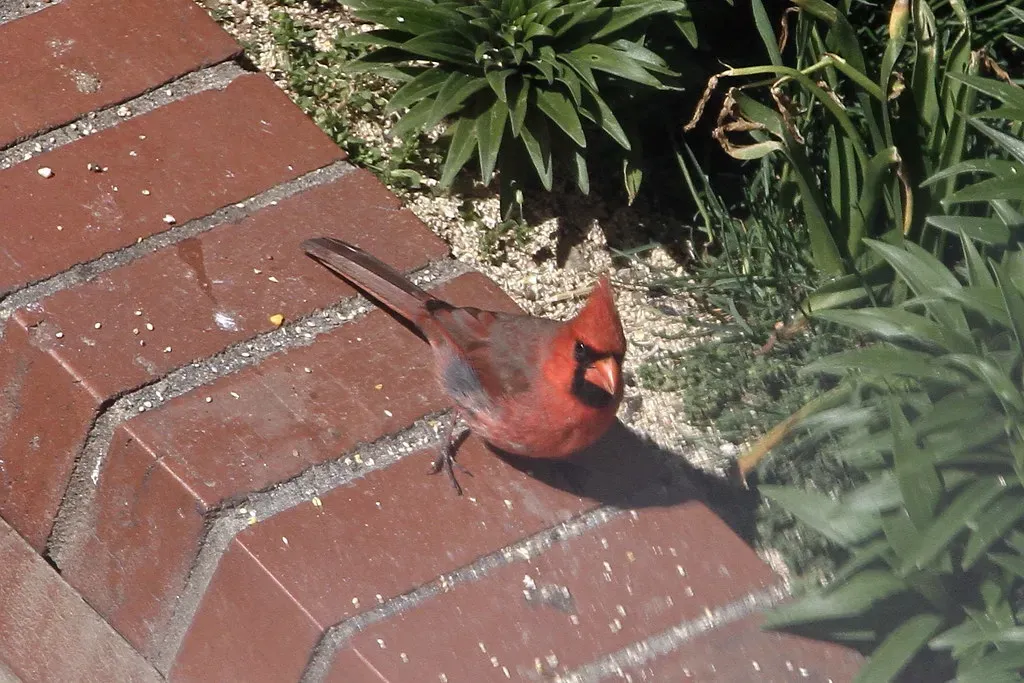
The yard that wins the neighborhood tidiness competition is often the one cardinals quietly abandon. Every raked leaf pile, every pruned-back shrub, every cleared brush pile removes another piece of the structure these birds depend on for shelter, nesting material, and quick hiding spots. Cardinals thrive at habitat edges – messy, layered, unpredictable places where vegetation gives them options. A manicured lawn offers almost none of that.
Most people never make the connection between their spring cleanup routine and the missing cardinals that follow. The birds don’t leave in protest – they simply drift toward neighboring properties that still have the thickets and dense plantings they prefer. Leaving a section of the yard deliberately unmowed, keeping brush piles in a back corner, or letting native plants go to seed can quietly transform a sterile yard back into a place cardinals want to raise a family.
#6 – Stocking Seed Mixes Cardinals Mostly Ignore
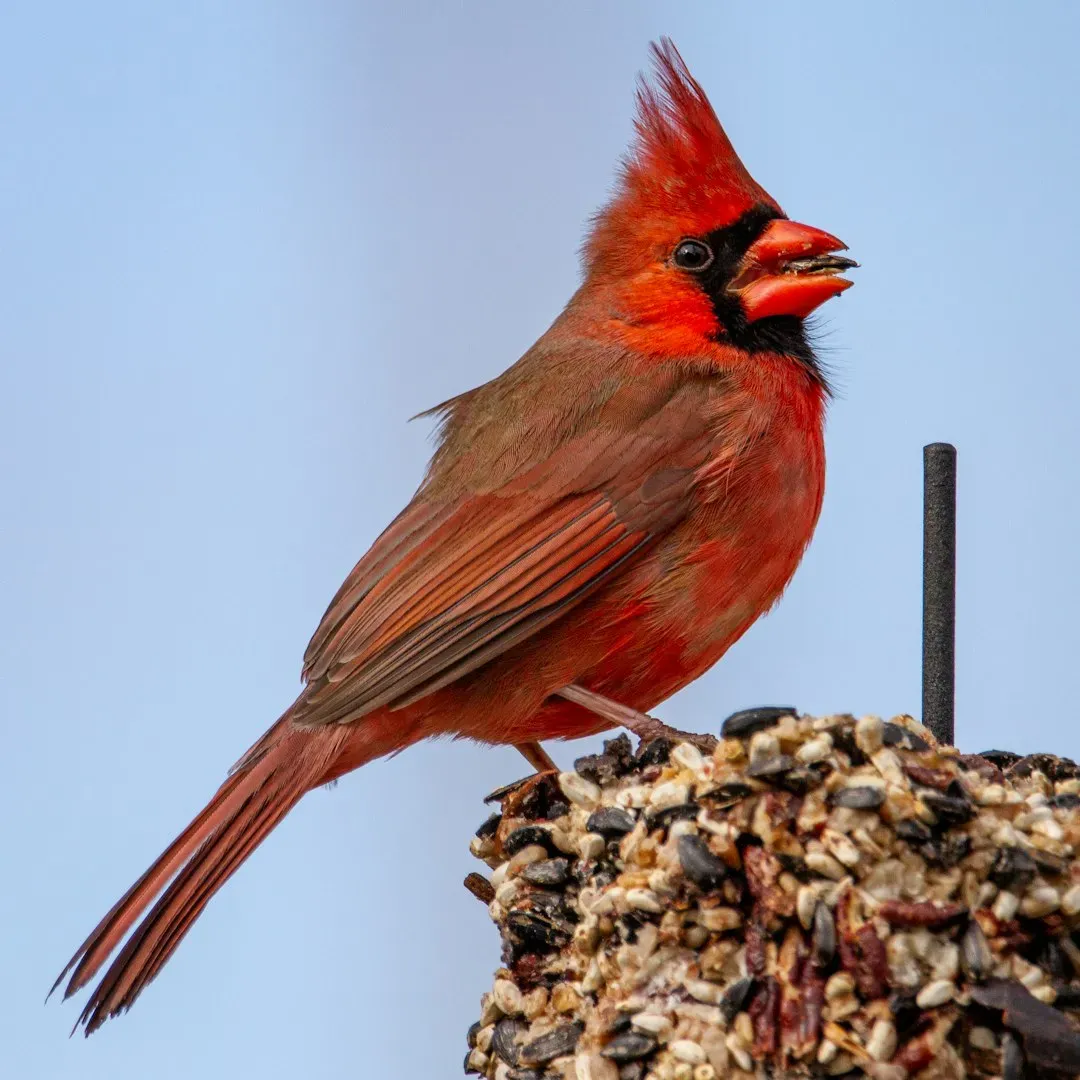
Walk into any garden center and you’ll find cheerful bags of “wild bird mix” packed with millet, milo, and a dozen other small seeds that look impressive but do almost nothing for cardinals. Cardinals strongly prefer black oil sunflower seeds and safflower, and they’ll sample a tray of the wrong mix, find it underwhelming, and move on quickly. The feeder looks full and active with house sparrows and juncos, so most homeowners never realize the birds they actually wanted gave up on it.
The fix is straightforward but requires commitment: switch to black oil sunflower or safflower and skip the cheap filler blends. It’s often less expensive in the long run because you’re not buying seeds that forty other species scatter on the ground anyway. Cardinals that had written off your feeder will re-evaluate surprisingly fast once the right food appears. They’re opportunistic enough to keep checking back periodically – give them a reason to stay.
#5 – Placing Feeders Where Human Activity Never Stops
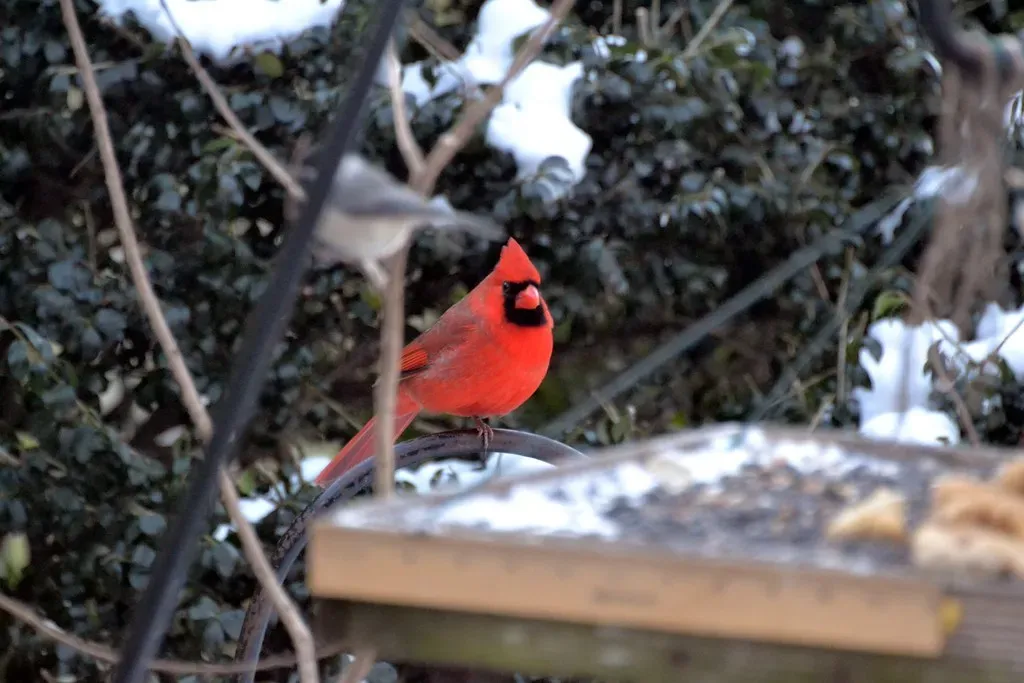
Cardinals are not fearless. They’re cautious, deliberate birds that prefer to approach on their own schedule rather than squeeze feeding in around human activity. A feeder mounted next to a frequently used back door, a busy patio, or a kids’ play area puts them in a constant state of alert. They might visit at the edges of dawn and dusk when the yard goes quiet, but consistent daytime traffic pushes them toward calmer properties nearby.
Moving a feeder even twenty or thirty feet into a quieter corner of the yard – away from foot traffic and sudden noise – can produce a noticeable shift in visit frequency. Birders who pay attention to timing know cardinals are most active in the early morning and near dusk, and they guard those windows carefully. Reducing disturbances during those hours, even just keeping the back door closed for a while, makes a measurable difference in how comfortable the birds feel committing to your yard.
#4 – No Dense Shrubs Offering Real Nesting Potential
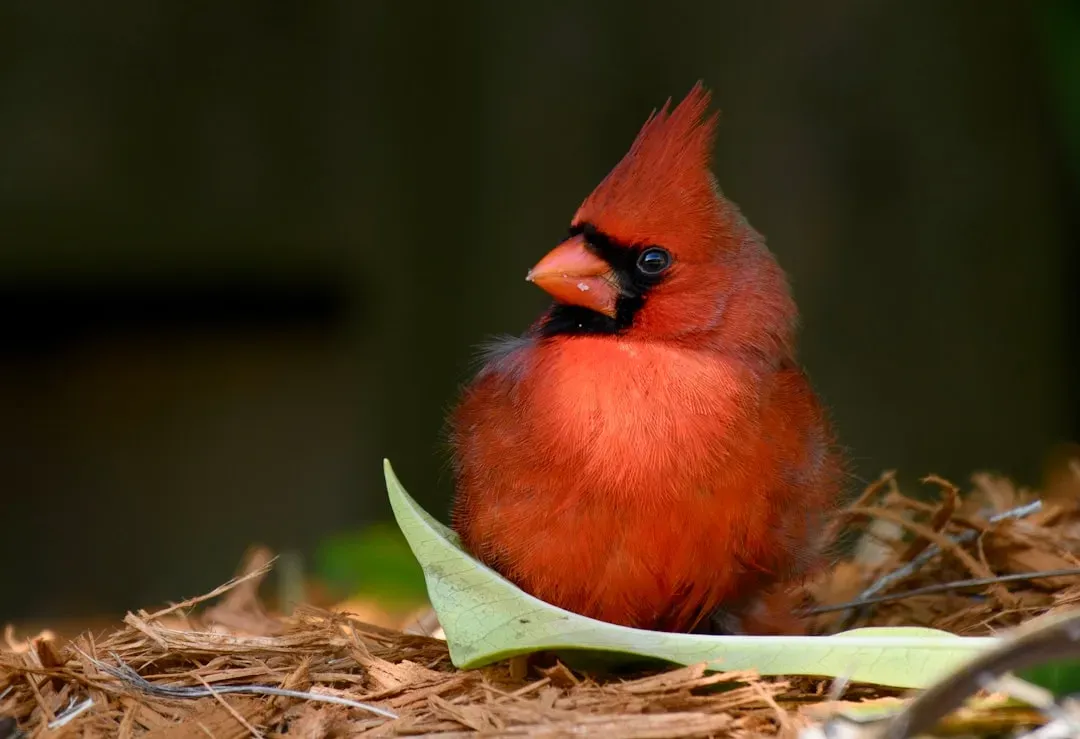
There’s a difference between a yard a cardinal passes through and a yard it chooses to live in. The deciding factor is almost always nesting cover. Cardinals build cup nests in dense, tangled shrubs – thorny ones are especially favored because they add a layer of natural predator defense. Without that vegetation, even a perfectly stocked feeder with clean water only ever makes your yard a drive-through, not a destination.
The payoff for planting or preserving thick shrubs is real and lasting. Nesting pairs have strong site fidelity – they come back to the same yard season after season if conditions stay right. That means once you earn a nesting pair, you’re not starting over every spring. Dense native shrubs do double duty: they provide nesting structure and produce berries that supplement the feeder. One good planting choice can change your yard’s entire relationship with local cardinals.
Fast Facts: Best Shrubs for Cardinal Nesting
- Hawthorn: Thorny branches physically deter predators – one of the top cardinal nesting choices
- Viburnum: Dense foliage, reliable berries, works as both nest site and food source
- Elderberry: Fast-growing, cardinal-approved for nesting and late-summer fruit
- Spicebush: Native, high-fat berries ripen July–October; excellent nest cover
- Dogwood: V-shaped branch forks cradle cup nests naturally at 3–6 feet
- Tip: Cardinals typically nest 3 to 10 feet off the ground in dense foliage – never in birdhouses
#3 – Free-Roaming Outdoor Cats Hunting at Prime Feeding Times
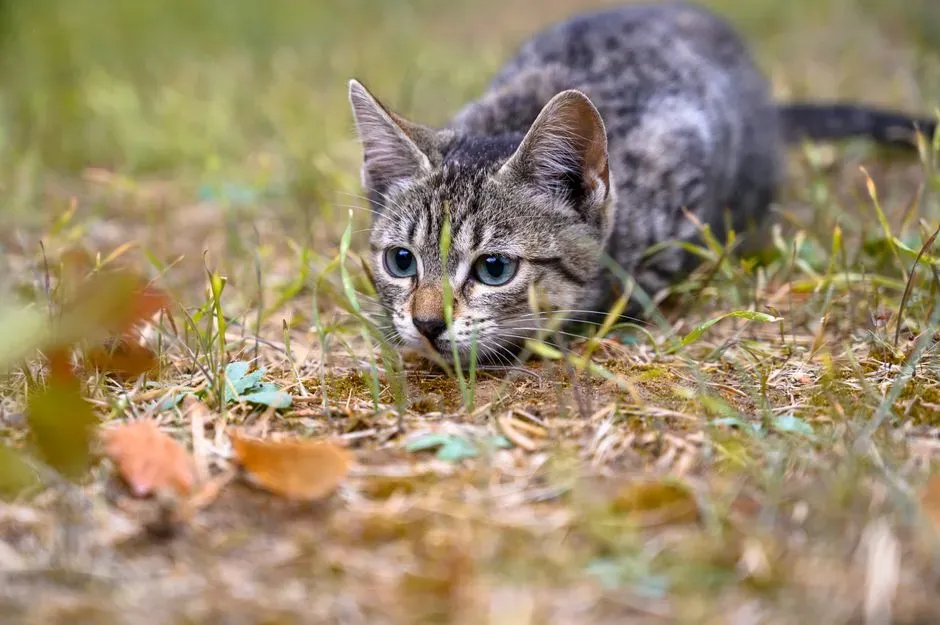
Cardinals feed most actively at dawn and dusk – the same low-light windows when cats are at their most effective as hunters. Even a well-fed, seemingly lazy outdoor cat operates on instinct during those hours. It doesn’t need to make a kill every time to cause damage. The mere presence of a cat crouched near a feeder is enough to make cardinals reassess the entire territory. One close encounter can be enough to shift a pair to a safer yard nearby.
Many experienced birders argue – and the evidence strongly supports – that free-roaming cats explain more cardinal disappearances in suburban settings than any feeder issue, any chemical, any window reflection. The birds aren’t being difficult or picky. They’re making a rational survival decision. Keeping cats indoors, especially during morning and evening hours, or using motion-activated deterrents near feeding areas, removes the threat and often brings cardinals back from properties they’d seemingly abandoned for good.
Why It Stands Out: The Outdoor Cat Problem by the Numbers
- Outdoor cats kill an estimated 1.3 to 4 billion birds in the U.S. every single year
- The American Bird Conservancy estimates the toll at approximately 2.4 billion birds annually – making cats the leading direct, human-caused source of bird mortality in the U.S.
- Roughly 40–70% of owned household cats spend at least some time roaming outdoors
- The average outdoor-access house cat kills around 2 animals per week
- Even a well-fed cat hunts by instinct – a full food bowl does not reduce predatory behavior
#2 – Misreading Seasonal Food Surges as Abandonment
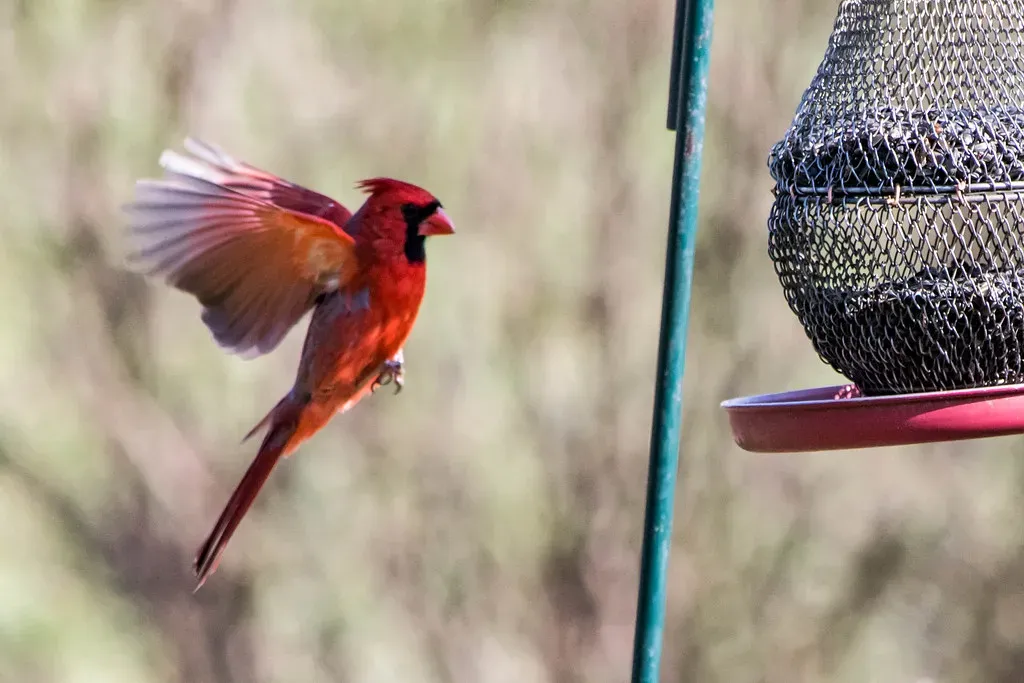
Late summer through early fall, something predictable happens that confuses homeowners every single year: the cardinals disappear from the feeders. Natural seed production peaks, insects are abundant, and wild berries ripen across the neighborhood. Cardinals are opportunistic, and when the landscape is essentially one giant buffet, they have little reason to visit a feeder. Most people assume the birds have left for good and stop maintaining their setup – which guarantees the birds won’t return when natural sources run thin.
The birders who keep cardinals year after year understand that these gaps are temporary and predictable. They keep feeders clean and stocked through the quiet periods, knowing that when autumn deepens and natural food grows scarce, the birds will circle back to the reliable sources they remember. Patience through the seasonal lulls is what separates the yards that see cardinals through February from the ones that only see them when conditions are already perfect.
#1 – Car Mirrors and Reflective Surfaces Hiding in Plain Sight
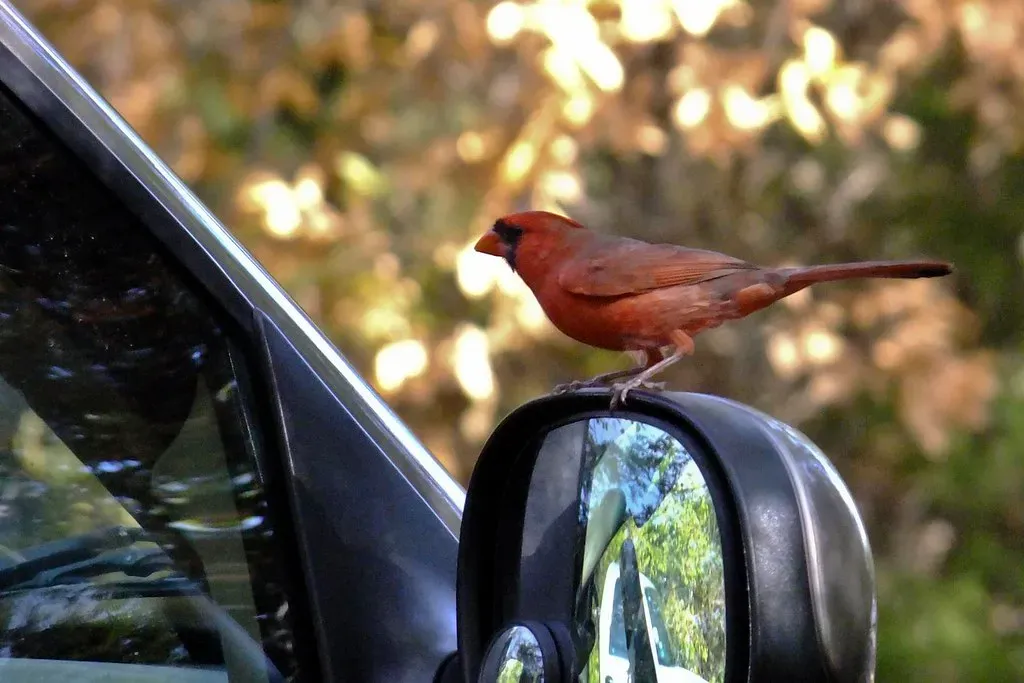
The single most overlooked trigger on this entire list isn’t the feeder, the chemicals, or even the cats. It’s a car side mirror. Male cardinals in breeding condition are intensely territorial, and a reflective car mirror parked in a driveway or near a yard triggers the same attack response as a window – except it’s smaller, lower, and easier to miss entirely. A cardinal can spend enormous energy fighting his own reflection in a mirror every morning, accumulating stress and injury until he abandons the whole area.
Birders who’ve debugged persistent cardinal disappearances often describe this as the final piece that pulled everything together – the small, invisible stressor they almost didn’t check. Draping a cloth or bag over side mirrors when a car sits parked for extended periods stops the behavior immediately. What makes this the number one item on this list isn’t just how effective the fix is – it’s how completely invisible the problem is to most homeowners until someone tells them exactly where to look. Sometimes restoring a yard full of cardinals comes down to covering one mirror.
The Honest Truth About Why Cardinals Leave
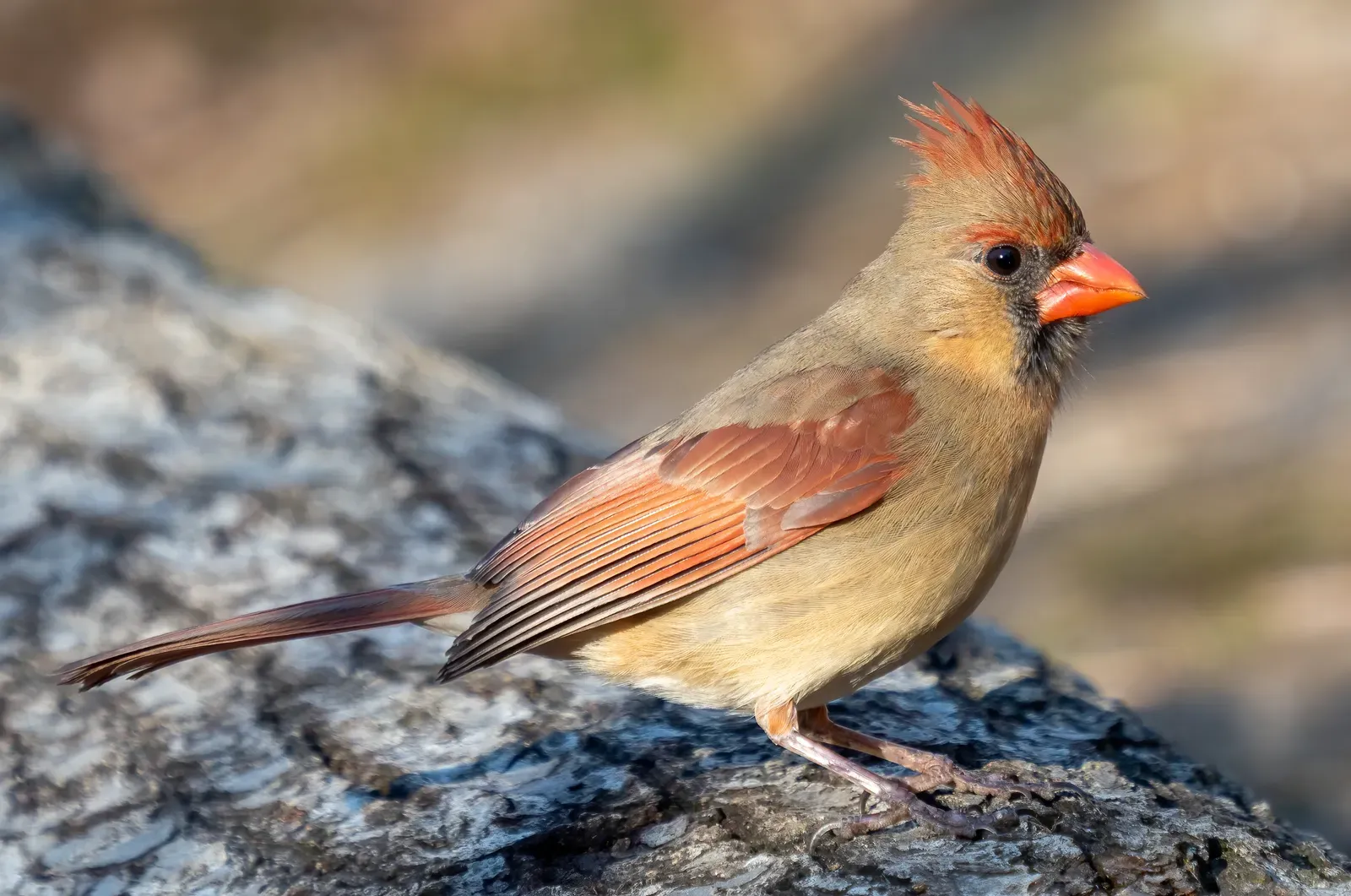
Here’s the opinion worth stating plainly: cardinals don’t leave because they’re fickle or because your yard isn’t good enough. They leave because the habitat stopped working for them, and they have no way to tell you why. Every single factor on this list is fixable – most of them quickly, most of them cheaply. But the fixing only happens when homeowners stop assuming the birds moved on for mysterious reasons and start looking honestly at what the yard is actually offering.
The yards that hold cardinals year-round aren’t magical. They have clean feeders, the right seed, water, cover, and an absence of the stressors that make a territory feel dangerous. You don’t need to address all fourteen things at once. Start with the two or three that match your setup most closely and watch what changes. The cardinals in your neighborhood already know your yard exists – they just need a reason to choose it over the one next door.

- 10 Remarkable Facts About the African Cheetah: The Lightning of the Grasslands - July 29, 2026
- 10 Most Heroic Horses in History - July 29, 2026
- Why You Should Never Play Dead When Attacked by a Black Bear - July 29, 2026