


Tigers, the largest of the big cats, are solitary animals that establish and defend vast territories in their native habitats across Asia. For these apex predators, effective territorial marking is essential for survival, mating success, and maintaining their dominance in the ecosystem. Unlike human boundaries marked by fences or walls, tigers use a sophisticated system of scent markings and physical scratches to communicate ownership of their domain. These territorial signals serve as powerful “no trespassing” signs to other tigers while simultaneously advertising their presence to potential mates. This complex communication system has evolved over thousands of years, allowing tigers to claim and defend territories spanning up to 100 square kilometers in some regions without constant physical confrontation.
The Importance of Territory for Tigers

For tigers, territory represents far more than just a place to live—it’s a critical resource that provides access to prey, water, shelter, and potential mates. Male tigers typically maintain larger territories that may overlap with several female territories, allowing them breeding opportunities while ensuring adequate hunting grounds. A well-established territory with abundant resources directly influences a tiger’s survival and reproductive success.
Tigers are fiercely protective of these domains, as territorial disputes can lead to serious injuries or even death. By effectively marking their boundaries, tigers reduce the need for dangerous physical confrontations while still communicating their claim to the area. These invisible boundaries help maintain the social structure within tiger populations and allow individuals to conserve energy for hunting rather than constant territorial defense. For endangered tiger populations, establishing and maintaining viable territories has become increasingly challenging as human encroachment fragments their habitat.
The Biology Behind Tiger Scent Marking

Tigers possess specialized scent glands located throughout their bodies that produce chemical signals loaded with biological information. The most important scent-producing areas include facial glands, anal glands, and glands between their paw pads. When a tiger deposits these scents, it creates a chemical calling card that can communicate its sex, reproductive status, age, health condition, and even individual identity to other tigers who encounter the marking.
The chemical composition of these scents contains pheromones—specialized hormonal compounds that trigger specific responses in other tigers. Scientists have identified several unique compounds in tiger markings, including 2-acetyl-1-pyrroline, which gives tiger urine its characteristic smell. Tigers’ exceptional sense of smell, estimated to be up to 25 times more sensitive than humans’, allows them to detect these chemical messages from great distances and extract detailed information about the tiger who left them. This sophisticated olfactory communication system works even when tigers are far apart, creating an invisible network of territorial boundaries throughout their habitat.
Urine Spraying: The Primary Scent Marker

Urine spraying stands as the most recognized and frequently used method of territory marking among tigers. Unlike regular urination, spraying is a deliberate marking behavior where the tiger backs up to a vertical surface, raises its tail, and forcefully projects a stream of urine backward. This specialized behavior allows tigers to place their scent at nose height for other tigers, maximizing the likelihood that their message will be detected. A single tiger may spray hundreds of locations throughout its territory, creating a comprehensive network of scent posts.
The chemical composition of spray-marked urine differs from regular urine, containing higher concentrations of specific lipids and proteins that enhance its longevity and information content. Males typically spray more frequently than females, especially during breeding seasons or when establishing new territories. These marks can remain detectable to other tigers for up to two months in favorable conditions, though tigers will regularly refresh important boundary markers. The distinctive musky odor of tiger spray contains compounds unique to each individual, effectively creating a scent signature that identifies the territory holder to any trespassing tigers.
Strategic Locations for Scent Marking

Tigers don’t mark their territories randomly but instead choose strategic locations that maximize the effectiveness of their scent signals. Primary marking sites typically include trail intersections, prominent trees, rocks, or other conspicuous landscape features that serve as natural crossroads where other tigers are likely to pass. These communication hubs become frequent targets for refreshed markings, with some particularly important locations receiving new scent deposits every few days.
Boundary areas where territories meet receive especially intensive marking, creating chemical buffer zones that help prevent accidental encounters between territorial tigers. Tigers also prioritize marking near critical resources like water sources, prime hunting grounds, or areas with abundant prey. Research using GPS tracking collars has revealed that tigers often make deliberate marking patrols along territory boundaries, systematically refreshing their scent posts even when not actively hunting in those areas. This strategic approach to scent placement demonstrates the sophisticated spatial awareness and communication skills these solitary predators possess.
Tree Scratching as Visual and Scent Markers

Beyond chemical signals, tigers create powerful visual territorial markers by scratching trees. This behavior serves multiple purposes in territorial communication. When a tiger scratches a tree, it creates vertical gouges in the bark, typically at heights between 1.5 to 2 meters—a visual marker perfectly positioned at eye level for other tigers. These scratches can remain visible for years, creating lasting territorial declarations that persist long after scent markers have faded.
The scratching process itself deposits scent from specialized glands located between the tiger’s paw pads, combining visual and olfactory signals at a single location. The height and depth of scratches can indicate the size and strength of the tiger that made them, providing additional information to potential rivals. Tigers often select prominent trees near territorial boundaries or alongside frequently used travel routes for scratching. Researchers studying these scratch patterns have found that male tigers tend to create deeper, more aggressive scratches compared to females, particularly during mating seasons or when new males are attempting to establish dominance in an area.
Fecal Deposits as Territory Markers
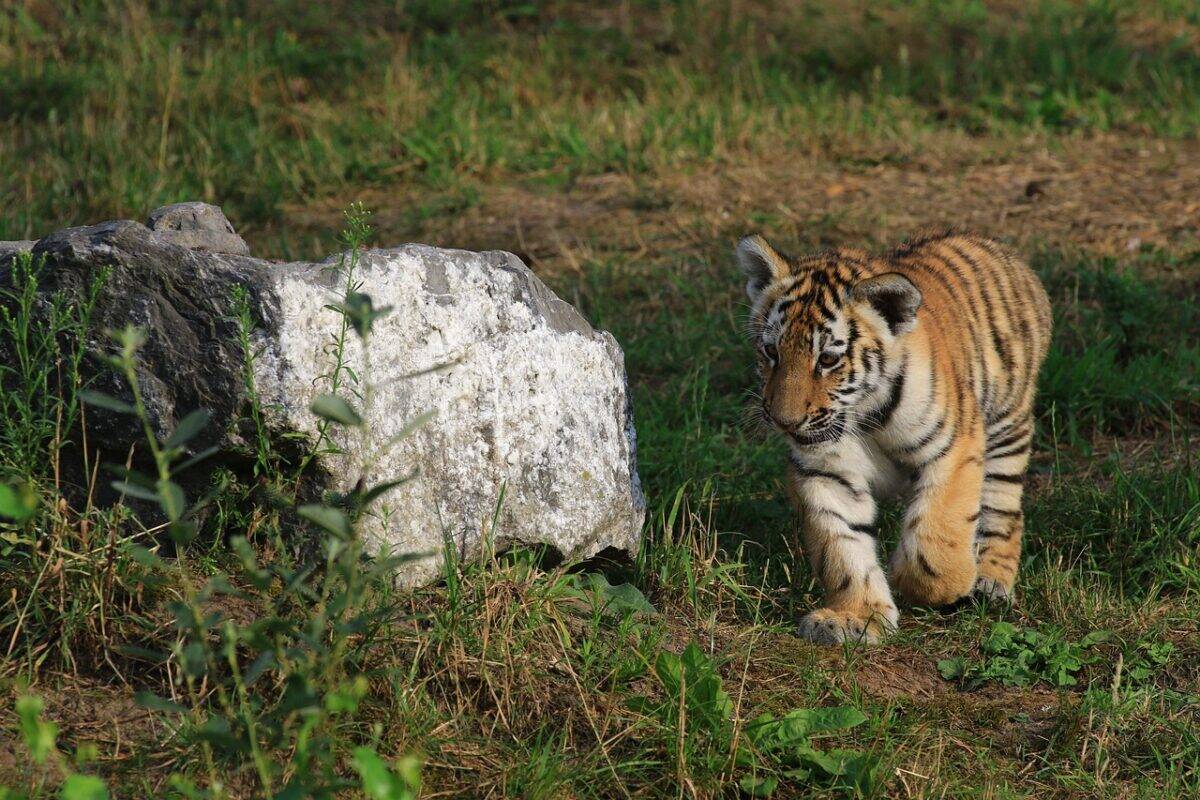
While less discussed than urine spraying, strategic placement of feces serves as another important component of a tiger’s territorial marking system. Unlike many smaller cat species that bury their waste, tigers deliberately leave their feces uncovered in prominent locations along territorial boundaries and frequently used paths. These deposits contain scent gland secretions from the anal glands that add specialized chemical messages beyond what’s found in the fecal matter itself.
Tigers sometimes create designated “latrine areas” where they repeatedly deposit feces, creating potent marking stations that serve as unmistakable boundary declarations. The size, composition, and freshness of these deposits provide information about the tiger’s size, diet, and how recently it patrolled that area. Researchers tracking tiger movements have observed that they often inspect the fecal deposits of other tigers with great interest, suggesting these markers provide valuable social information. In areas where multiple tigers’ territories converge, these latrine sites can become important information exchange points in their communication network.
Facial Rubbing Behavior

Facial rubbing represents one of the most concentrated forms of scent marking in a tiger’s territorial arsenal. Tigers possess specialized scent glands on their faces, particularly around their cheeks, chin, and forehead. When a tiger rubs its face against objects like trees, rocks, or even human-made structures within its territory, it deposits a highly individualized scent cocktail from these facial glands. This behavior is especially common at key territorial junctions or near important resources.
The scent deposited through facial rubbing contains a complex mixture of chemical compounds that communicate detailed information about the tiger’s identity and status. Tigers appear to use facial rubbing selectively, often targeting the same objects repeatedly to create scent posts of particular importance. Interestingly, captive tigers display increased facial rubbing when introduced to new environments or when experiencing social stress, suggesting this marking behavior serves both territorial and emotional regulation functions. Research indicates that these facial secretions may persist longer than urine in some environmental conditions, providing a more durable marker at critical locations.
Seasonal Variations in Marking Behavior

Tiger territorial marking isn’t constant throughout the year but fluctuates with seasonal changes, reproductive cycles, and environmental conditions. During breeding seasons, both male and female tigers dramatically increase their marking behaviors, with males particularly intensifying their urine spraying and tree scratching. This heightened marking serves not only to warn off competitors but also to advertise reproductive availability to potential mates across wide geographic areas.
Environmental factors also influence marking patterns, with tigers typically reducing marking during monsoon seasons when heavy rains quickly dilute or wash away scent deposits. Studies of wild tigers have revealed that territory holders increase marking frequency when they detect unfamiliar tiger scents within their domain, suggesting these behaviors are dynamically adjusted based on perceived territorial threats. Female tigers with cubs show distinct marking patterns, often concentrating their signals around den sites while reducing boundary marking to avoid attracting male tigers that might pose a threat to their offspring. These seasonal and situational variations demonstrate the sophisticated and adaptable nature of tiger territorial communication.
How Cubs Learn Territorial Marking

Territorial marking behaviors aren’t innate but must be learned and refined as cubs mature. Young tigers begin observing their mothers’ marking behaviors from an early age, often showing curiosity about scent posts long before they begin marking themselves. Around 6-7 months of age, cubs start practicing rudimentary marking behaviors, though these early attempts lack the purposeful placement and chemical complexity of adult markings.
As cubs approach independence at 18-24 months, their marking behaviors become more sophisticated and deliberate. This developmental period coincides with the challenging transition when young tigers must establish their own territories, often in less optimal areas adjacent to their mother’s domain. Young males typically disperse farther than females and face the greatest challenges in establishing viable territories, resulting in more aggressive and frequent marking behaviors during this critical life stage. The successful establishment of a territory represents a pivotal achievement in a young tiger’s life, signaling their transition to full adult status within the tiger society. Research tracking dispersing young tigers has shown that those who successfully establish and maintain well-marked territories have significantly higher survival rates than those who fail to secure a domain.
Territorial Disputes and Marking Responses

When territorial boundaries are contested, tigers engage in fascinating scent-based dialogues before physical confrontations occur. Upon detecting an intruder’s marks within its territory, a resident tiger typically responds with intensified marking, often directly overmarking the intruder’s scent deposits. This chemical overwriting serves as a clear message of dominance and ownership. GPS tracking studies have revealed that resident tigers will make extraordinary patrolling efforts following a detected intrusion, sometimes covering the entire territory perimeter within 24-48 hours.
If the intruder persists despite these warning signals, the frequency and intensity of marking continues to escalate on both sides, creating a chemical arms race that may eventually lead to direct confrontation. Dominant tigers typically leave their marks higher on trees and objects than subordinate individuals, creating a visual hierarchy in the marking landscape. Researchers studying these interactions have documented cases where territorial disputes were resolved entirely through this escalating marking dialogue, without the tigers ever making physical contact. This sophisticated system helps minimize potentially deadly physical conflicts while still establishing clear territorial boundaries. However, when resources are scarce or breeding opportunities are at stake, these marking confrontations can escalate to physical fights that may result in serious injuries or death.
Conservation Implications of Territorial Marking
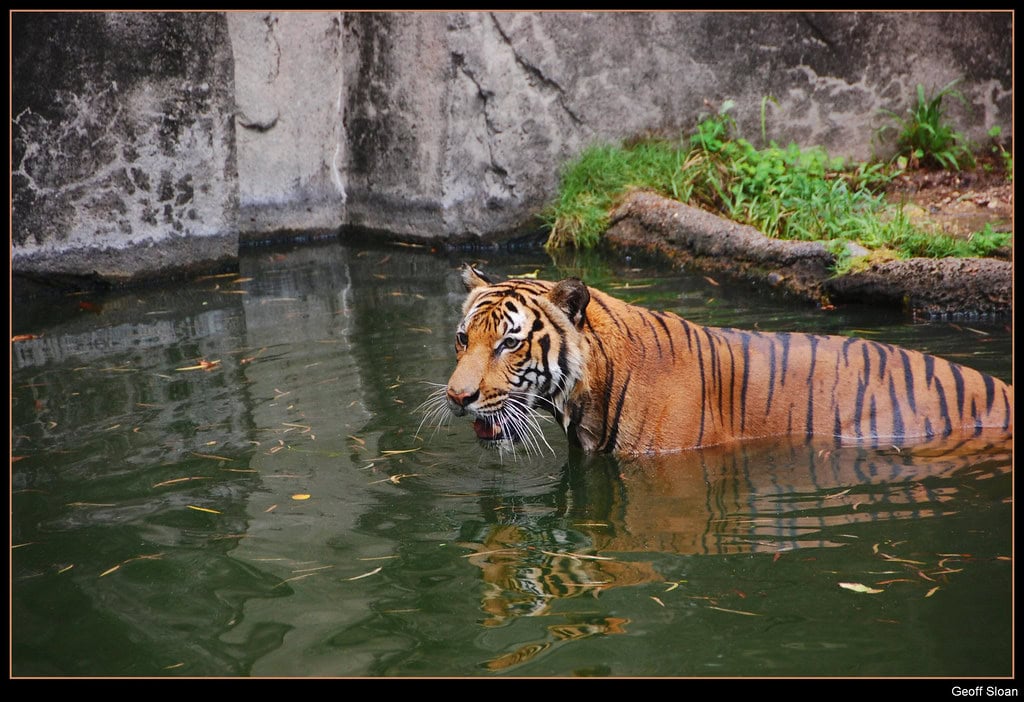
Understanding tiger territorial marking has become an essential tool in conservation efforts for this endangered species. Wildlife researchers now use knowledge of marking behaviors to conduct more accurate population surveys, identifying individual tigers through their marking patterns and territory sizes. Conservation areas too small to accommodate natural tiger territories often experience increased conflict and lower reproductive success, highlighting the importance of preserving adequately sized habitats.
Conservation scientists have also developed synthetic tiger scent markers that can be strategically deployed to influence tiger movements, helping to reduce human-wildlife conflict by deterring tigers from entering villages or agricultural areas. In reintroduction programs, understanding how tigers establish and maintain territories has proven crucial for successful releases of captive-bred individuals. By protecting key marking sites and natural travel corridors between territories, conservationists can enhance the viability of tiger populations even in fragmented landscapes. The sophisticated territorial behaviors of tigers underscore why large, connected protected areas are essential for the long-term survival of these magnificent predators in the wild.
Conclusion: The Invisible Boundaries That Shape Tiger Society

The territorial marking systems of tigers represent one of nature’s most sophisticated communication networks, creating invisible but powerful boundaries across vast landscapes. Through the strategic deployment of scents, scratches, and other markers, tigers maintain a complex social order while minimizing dangerous physical confrontations. This chemical and visual language allows these solitary predators to negotiate space, resources, and reproductive opportunities across their range.
As humans continue to encroach on tiger habitats worldwide, understanding and respecting these invisible boundaries becomes increasingly critical for conservation success. The elaborate territorial marking behaviors observed in tigers highlight the incredible intelligence and social complexity of these endangered cats, challenging simplistic views of them as merely instinct-driven predators.
For tigers fighting for survival in an increasingly fragmented world, the ability to effectively establish and defend territories remains fundamental to their continued existence. By studying and protecting the environmental conditions that allow for natural territorial behaviors, we can help ensure these magnificent cats maintain their rightful place as the ultimate symbols of wild power and freedom in the forests of Asia.
The next time you visit a zoo and detect the distinctive musky scent of a tiger exhibit, remember you’re experiencing just one element of an ancient and sophisticated communication system that has helped these striped predators survive for millennia—a system now under threat as tiger populations decline and their territories shrink around the world.

From exploring the marine wonders in the Azores and witnessing the vast savannas of Kenya, to delving deep into the rich biodiversity of South Africa and traversing iconic landscapes in Australia and the US like Yellowstone, Chris's experiences are vast.
With a penchant for diving alongside sharks, the ocean holds a special place in his heart.
Through his academic insights, he champions wildlife conservation, striving with 'Animals Around The Globe' to cultivate a profound connection between humans and animals, enhancing our mutual appreciation.
Connect with him at Feedback@animalsaroundtheglobe.com.
- How Tigers Mark Their Territory Using Scent and Scratches - July 29, 2026
- The Deadly Volcano That Erased a Town Is Now Active Again - July 29, 2026
- 12 Deep Sea Animals With Terrifying Adaptations - July 29, 2026
Leave a comment
You must be logged in to post a comment.