
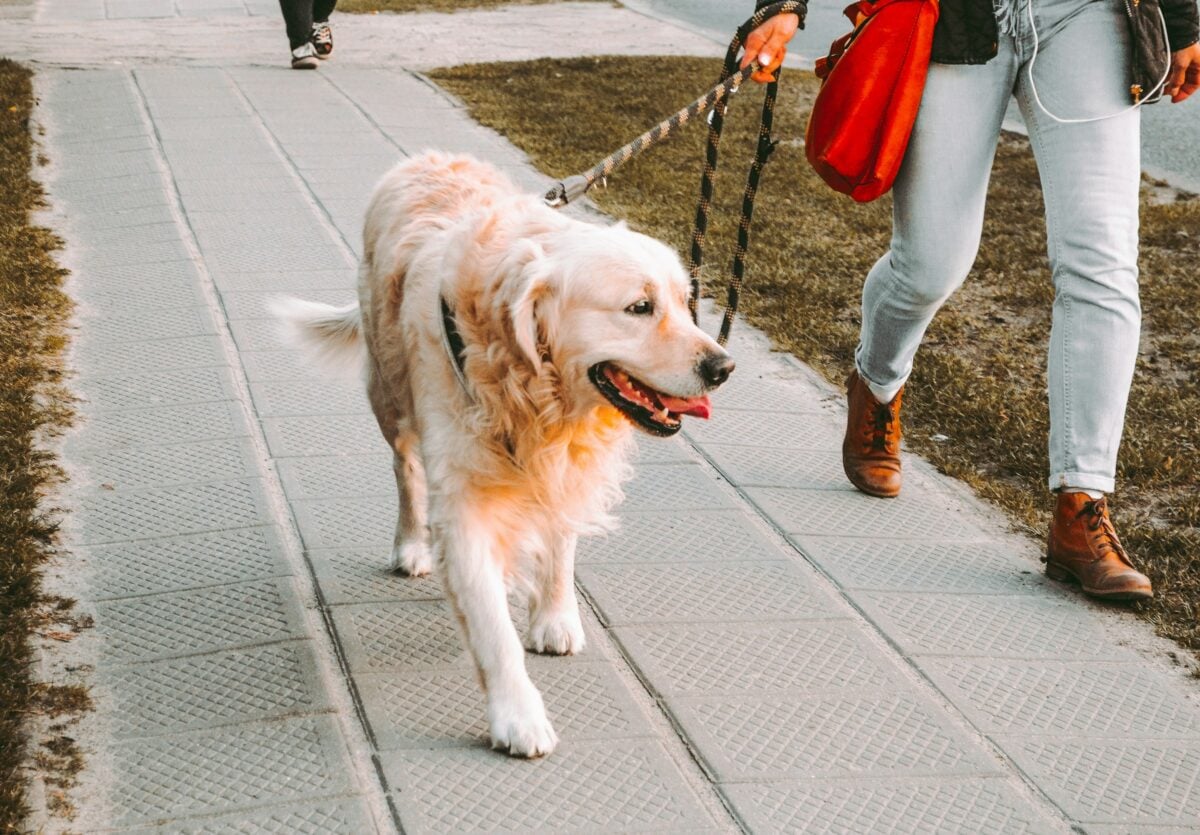
Most people assume the person who knows a senior dog best is the vet. It’s not even close.
The person who actually catches trouble first is the one walking that dog 30 to 60 minutes a day, several days a week, in real weather, on real pavement, watching how the dog moves when nobody’s performing for a camera or a stranger in a white coat. Dog walkers notice gait changes, breathing changes, bathroom habits, and mood shifts in a way a rushed fifteen-minute vet appointment never will. Many have flagged arthritis, vision loss, even early cognitive decline weeks before a single symptom showed up at home.
So what exactly are they clocking that you’re missing? Some of it is physical. Some of it is behavioral. And at least one of the signs on this list has nothing to do with age at all – it’s the thing owners misread most often, and it starts with something as small as a five-minute delay on a walk that used to take twenty.
#1 – The Pace Change Happens Before the Limp Ever Does
🔥 Would you like to save this?
We'll email this post to you, so you can come back to it later!
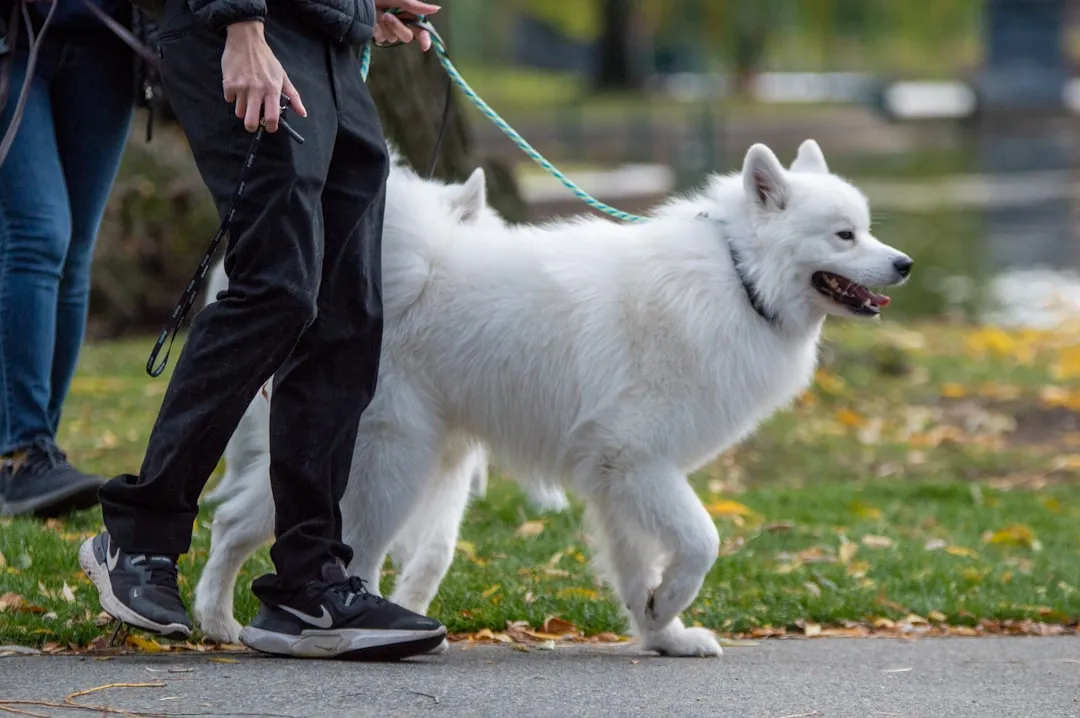
Long before a dog starts visibly limping, walkers notice the rhythm of the walk itself shift. A dog that used to set the pace suddenly falls half a step behind. It happens slowly enough that an owner living with the dog every single day often misses it completely.
Walkers who run the same route week after week build an almost muscle-memory sense of timing. A five-minute slowdown on a loop that used to take twenty minutes is impossible to ignore. What gets dismissed as “just getting older” is frequently early joint inflammation or muscle loss – shorter self-chosen routes, extra sniff breaks that are really rest breaks, hesitation at the door where there used to be instant excitement.
#2 – Stiffness Has Its Own Weather Forecast
🔥 Would you like to save this?
We'll email this post to you, so you can come back to it later!
Experienced walkers quietly track something most owners never think to: how a dog’s stiffness correlates with temperature and humidity, not just age. A senior dog that moves fine on a warm afternoon but struggles to stand after a cold, damp morning walk is showing a classic sign of joint sensitivity.
This detail is genuinely useful in a vet’s office. A walker who can say “she’s fine by 2pm but stiff every morning under 45 degrees” hands over more diagnostic value than a vague “she seems slower lately.” Some walkers start texting owners these patterns unprompted, simply because they’ve watched it predict an arthritis diagnosis before any formal testing confirmed it.
Fast Facts
- Veterinary estimates suggest arthritis affects a large majority of dogs over age 8, often silently at first.
- Cold, damp conditions can reduce blood flow to joints, intensifying stiffness overnight.
- Morning stiffness that eases by midday is a textbook early arthritis pattern, not simple old age.
- Catching it early often means joint supplements or medication instead of more invasive treatment later.
#3 – Vision Loss Shows Up as Hesitation, Not Collisions
🔥 Would you like to save this?
We'll email this post to you, so you can come back to it later!
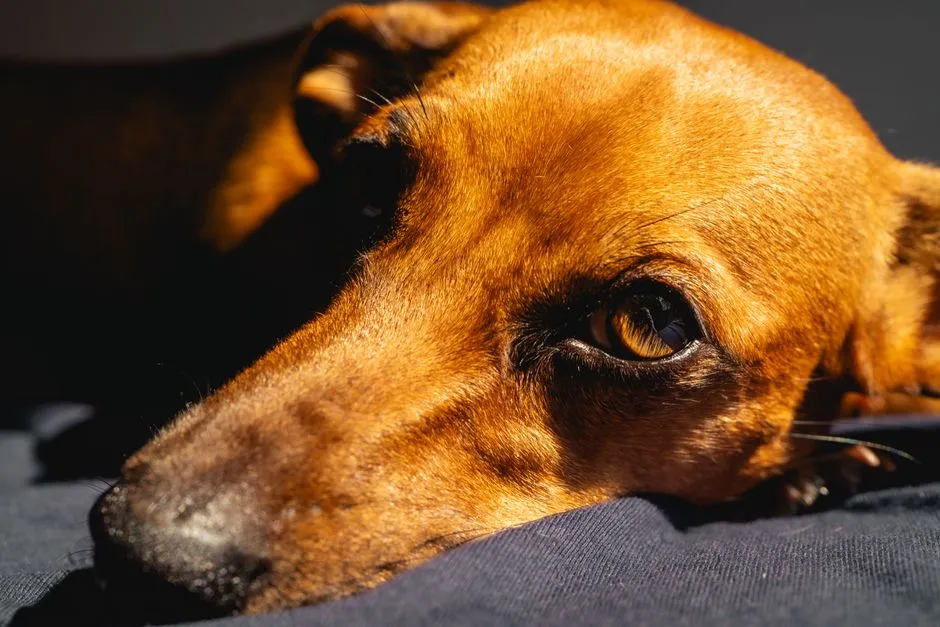
Contrary to popular belief, most dogs losing their eyesight don’t dramatically crash into furniture. The real tell is hesitation – a pause before stepping off a curb, a slower approach to stairs, a refusal to walk into a shadowed area they used to trot through without thinking twice.
Dogs are remarkably good at compensating for vision loss using scent and memory, which is exactly why owners miss it at home – the dog still “knows” the house. Outside, on unfamiliar terrain or in changing light, that compensation falls apart. Walkers frequently catch it just by watching a dog’s confidence shift block by block, long before any cloudiness is visible to the naked eye.
#4 – Hearing Loss Gets Blamed on “Stubbornness”
🔥 Would you like to save this?
We'll email this post to you, so you can come back to it later!
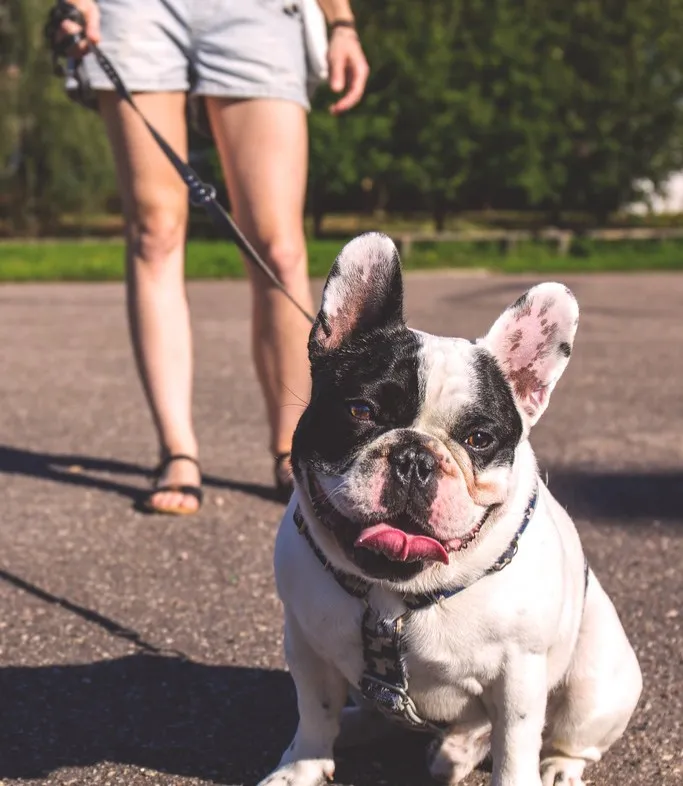
Here’s a controversial one: a lot of dogs labeled “difficult” or “ignoring commands” in their senior years are actually going deaf, and owners misread it as behavioral regression. Walkers notice fast because commands that used to get instant compliance suddenly need repeating, or the dog only responds when it can see a hand signal.
This is one of the details walkers say gets dismissed the hardest. It’s genuinely frustrating to mention possible hearing loss and hear back “he’s just being stubborn in his old age.” Many walkers quietly switch to hand signals with senior dogs, because they’ve learned that raising your voice at a dog who can’t hear you just adds confusion to a problem that was never behavioral in the first place.
#5 – Weight Change Shows Up in the Harness Before the Scale
🔥 Would you like to save this?
We'll email this post to you, so you can come back to it later!
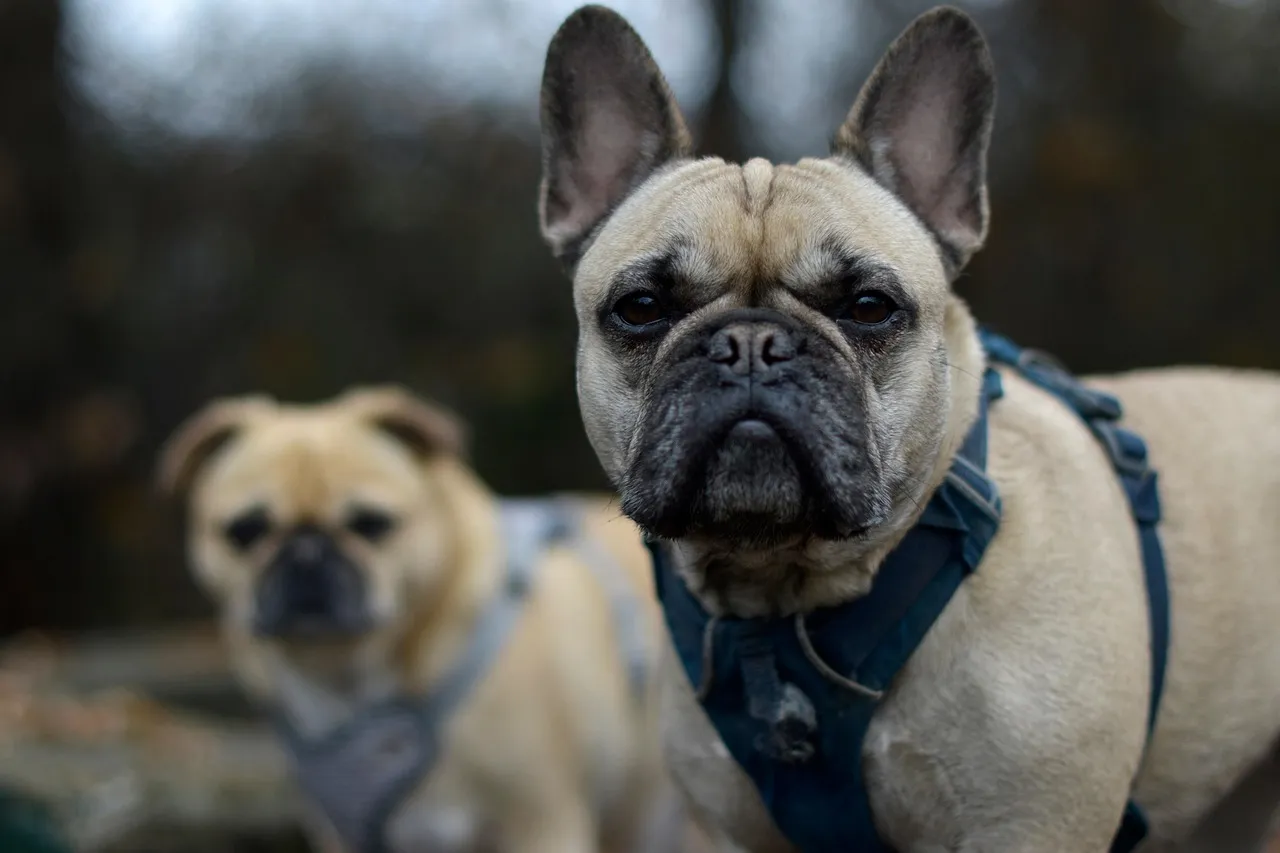
Walkers often catch weight change before a scale ever does, simply because they’re the ones tightening the same harness or collar every single day. A strap that suddenly needs an extra notch – or one that’s gone loose – is an early, physical clue that something metabolic or appetite-related is shifting.
Sudden weight loss in senior dogs is often one of the earliest red flags for anything from dental pain to organ changes, while weight gain can point to reduced activity or thyroid issues. Because walkers handle the same equipment daily, they notice these shifts in a tactile, almost unconscious way – long before it’s obvious in photos or casual observation at home.
#6 – The Coat Tells a Story Owners Stop Noticing
🔥 Would you like to save this?
We'll email this post to you, so you can come back to it later!
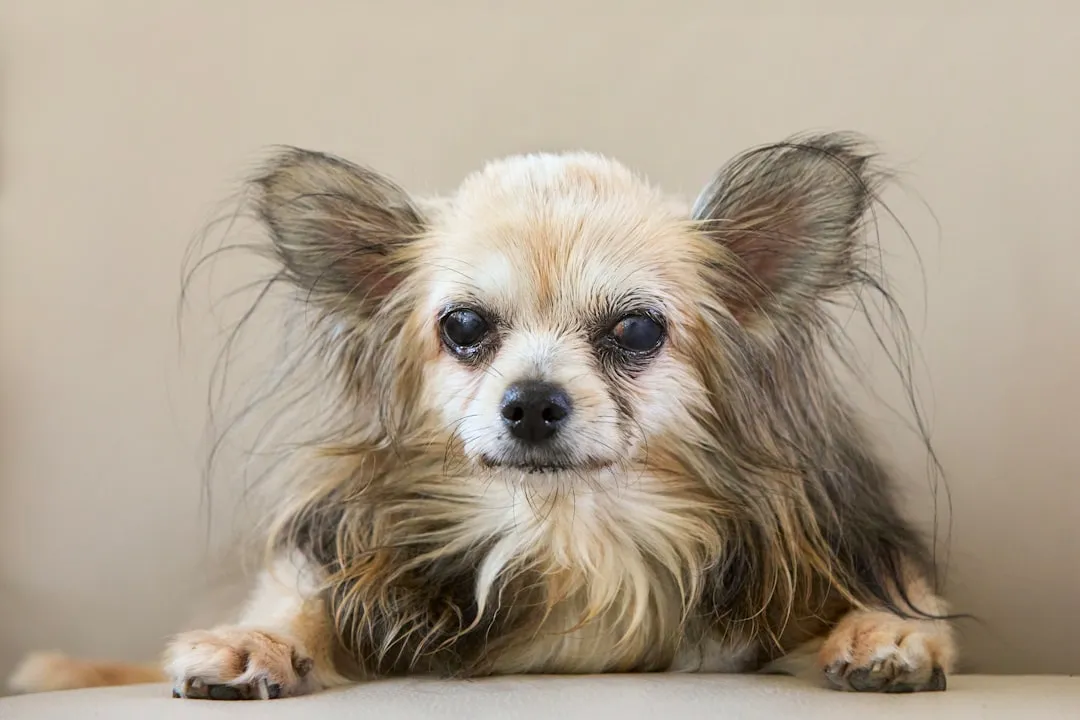
A coat that goes from smooth to dull, brittle, or patchy is one of the most reliable early signs walkers pick up on, mostly because they’re physically handling and leashing the dog daily in a way that makes texture changes obvious. Owners see their dog constantly, which paradoxically makes gradual coat changes easier to miss entirely.
Dull or thinning coats in senior dogs are commonly linked to nutritional shifts, hormonal changes, or reduced grooming ability when joint pain makes self-cleaning harder. Walkers who work with multiple senior dogs across different households develop a comparative sense for what’s normal aging versus what deserves a mention to the vet.
#7 – Bathroom Habits Change First, and Fastest
🔥 Would you like to save this?
We'll email this post to you, so you can come back to it later!
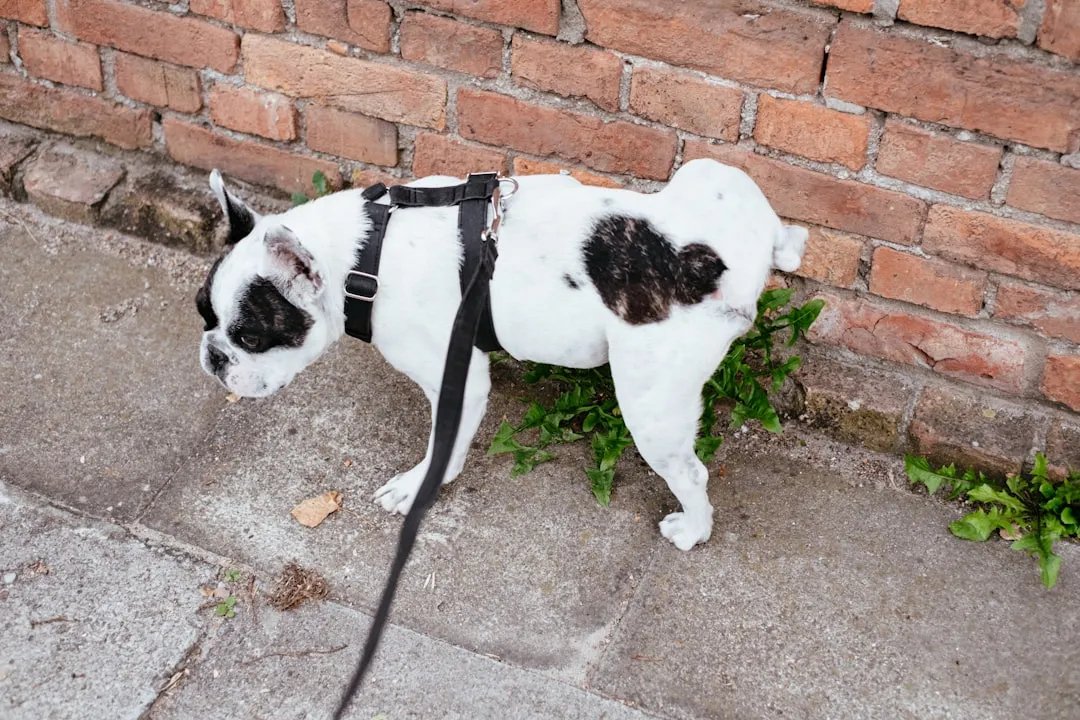
Few things get flagged faster than shifts in bathroom frequency, urgency, or accidents mid-walk, since tracking it is literally part of the job. A dog that used to hold it for the full walk suddenly needing multiple stops – or having accidents on the way to the yard – is often one of the very first signs something physiological is changing.
It’s a sensitive topic many owners don’t want to hear about, but walkers insist it’s one of the most important patterns they track. Increased frequency can point to kidney changes, diabetes, or urinary tract issues – all far easier to treat early. A walker who speaks up here is frequently the reason a treatable problem gets caught before it becomes an emergency.
Worth Knowing
- Increased urination frequency can signal kidney changes, diabetes, or hormonal shifts in older dogs.
- Accidents on familiar walks often trace back to weakening bladder control, not disobedience.
- A sudden change in stool consistency can point to diet issues or underlying organ stress.
- Most vets recommend flagging any bathroom change that lasts more than a few days.
#8 – Treat Enthusiasm Is a Surprisingly Honest Health Gauge
🔥 Would you like to save this?
We'll email this post to you, so you can come back to it later!
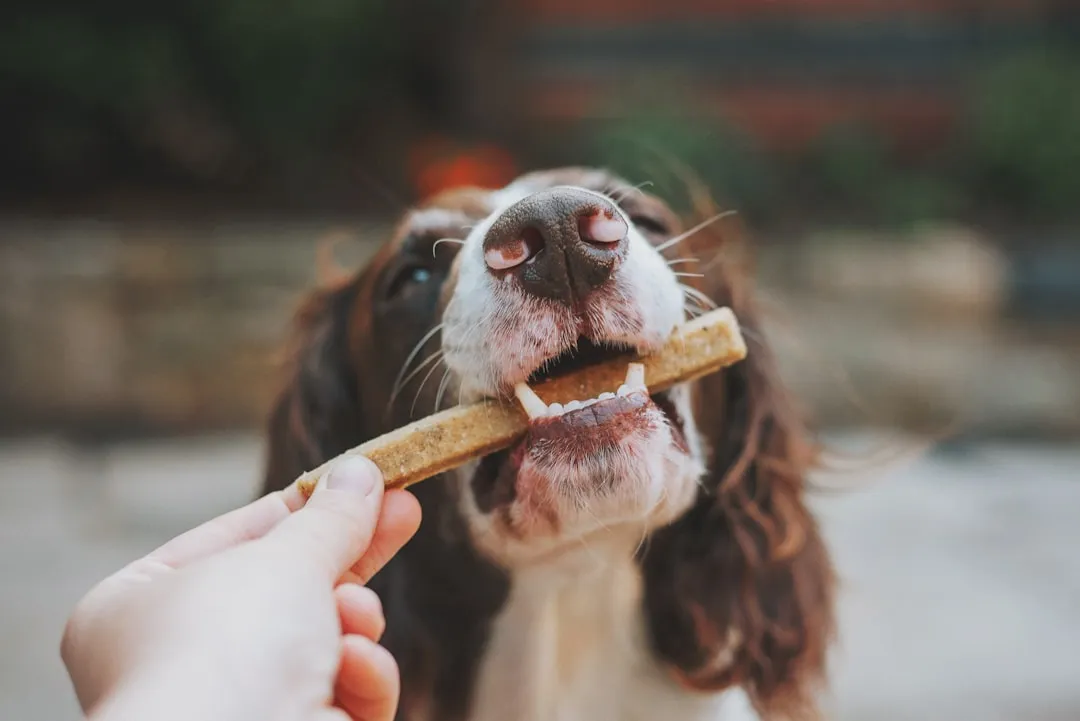
A senior dog that suddenly stops caring about treats is sending a louder signal than most owners realize. Walkers notice immediately because treats are usually baked into the walking routine itself – a dog that used to sit eagerly for a biscuit and now sniffs it and walks away is showing a change that shouldn’t get brushed off as pickiness.
Reduced interest in food, even high-value treats, is commonly tied to dental pain, nausea, or systemic illness in older dogs. Because walkers offer the same treat in the same context every day, they’re in a uniquely good position to notice the drop-off that owners – feeding varied meals at home – might chalk up to the dog “just not being hungry today.”
#9 – The Nap Schedule Rewrites the Whole Walk
🔥 Would you like to save this?
We'll email this post to you, so you can come back to it later!
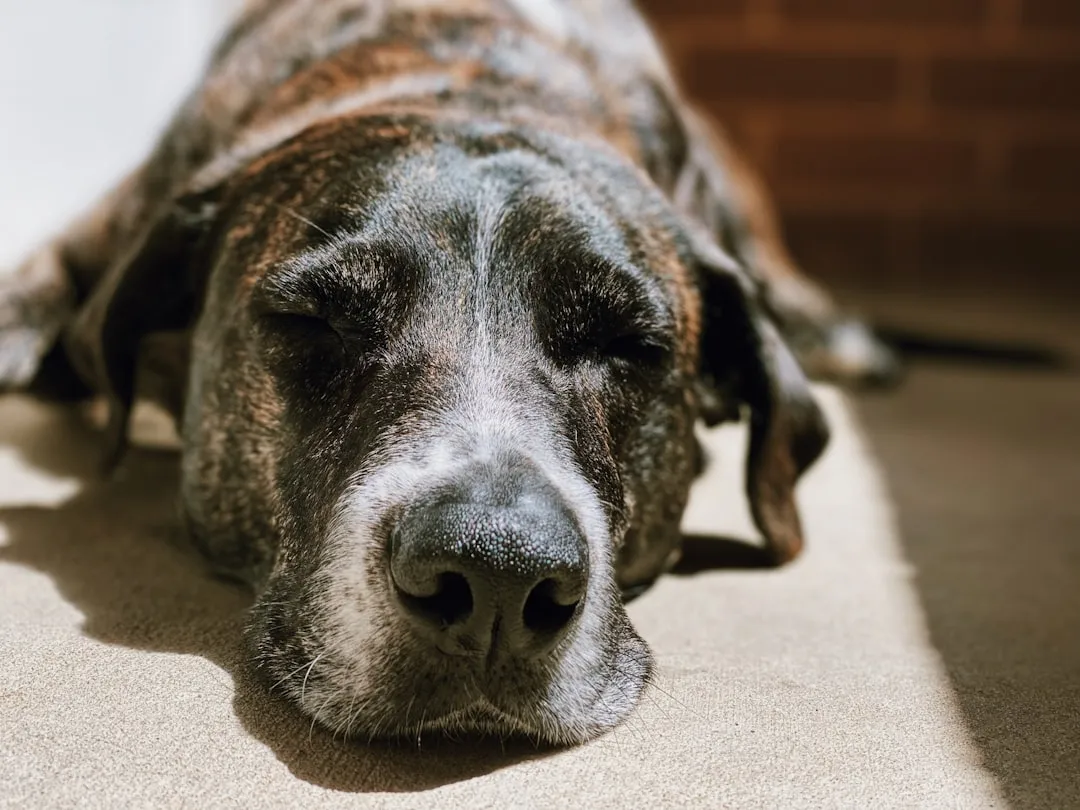
Walkers who’ve spent years with the same senior dog track something owners rarely bother to: the exact time of day the dog has real energy versus when it visibly wants to sleep. A dog that used to be equally thrilled for a 9am or 4pm walk may develop a sharp preference, needing more recovery time between activity bursts.
This isn’t just a cute observation. A narrower “energy window” and more daytime sleep is a well-recognized part of canine aging, not unlike what happens in aging humans. Walkers who catch this often quietly adjust walk timing on their own, without ever being asked, because they’ve learned to read when a senior dog is genuinely “on” versus running on fumes.
#10 – Clinginess Is Rarely “Just Getting Sweeter”
🔥 Would you like to save this?
We'll email this post to you, so you can come back to it later!
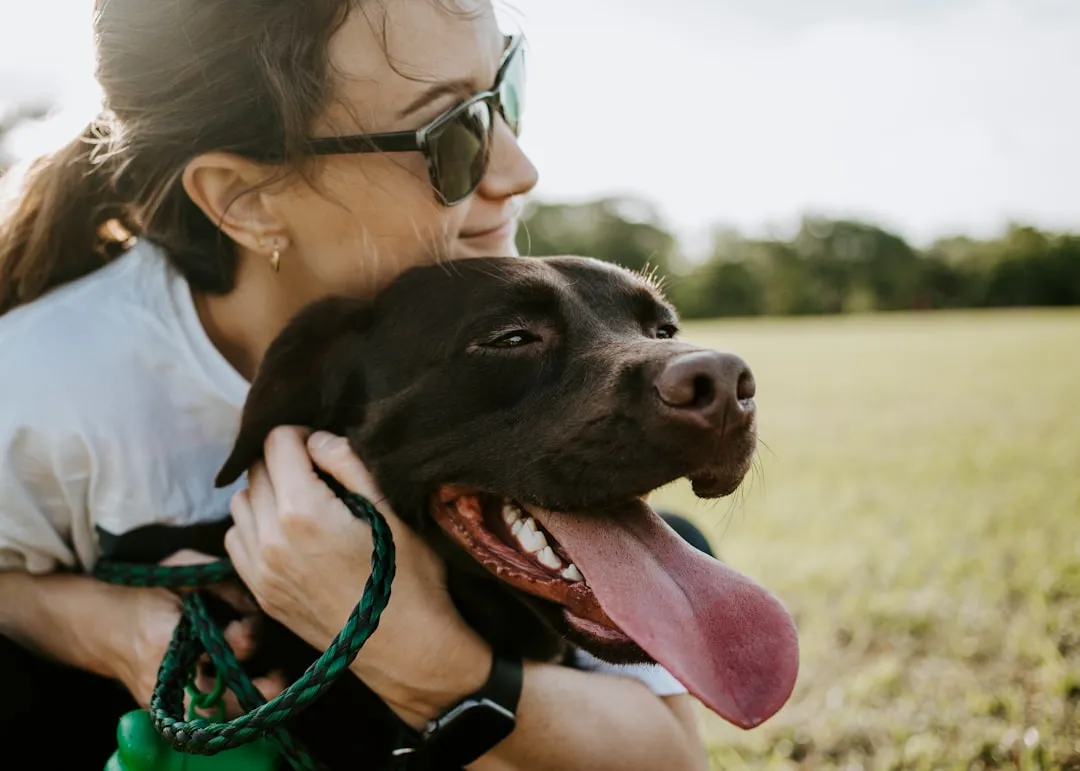
Here’s an opinion that tends to get pushback from owners: when an older dog suddenly becomes anxious or clingy on walks, it’s rarely just emotional aging – it’s frequently tied to declining senses. A dog losing hearing or vision often stays closer to a trusted walker because the world has become less predictable, not because it’s suddenly grown more affectionate.
Walkers notice this as a change in walking behavior itself – more glancing back, more hesitation to move ahead independently, more reliance on physical contact with the leash hand. Owners often read this as their dog “getting sweeter” in old age. Walkers, more often correctly, read it as a compensatory behavior tied to sensory decline.
#11 – Getting Lost on a Familiar Route Is a Red Flag
🔥 Would you like to save this?
We'll email this post to you, so you can come back to it later!
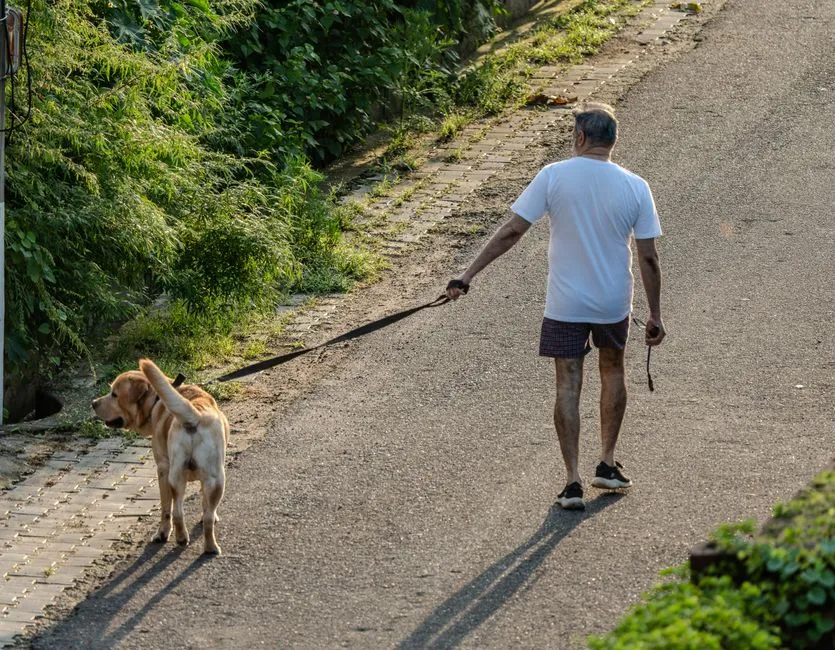
One of the more unsettling things walkers report is a senior dog briefly pausing or looking confused on a route it has walked hundreds of times – stopping at a corner as if genuinely unsure which way to turn. This is one of the earliest observable signs of canine cognitive change, and walkers catch it first because they walk the exact same paths on repeat.
Owners frequently write it off as “he’s just distracted” or “something caught his attention.” Experienced walkers know the difference between curiosity and genuine disorientation. Catching this early and flagging it to a vet can meaningfully change how cognitive decline is managed, which is exactly why so many walkers consider it one of the most important things they track.
At a Glance
- Canine Cognitive Dysfunction is estimated to affect a meaningful share of dogs over age 8, and more as dogs reach their mid-teens.
- Common signs include disorientation, disrupted sleep-wake cycles, and reduced interest in family or play.
- Early diagnosis opens the door to diet changes, enrichment, and medication that can slow progression.
- Getting “lost” on a familiar route is often one of the first tells visible to someone outside the household.
#12 – Breathing Changes Say More Than Fitness Ever Could
🔥 Would you like to save this?
We'll email this post to you, so you can come back to it later!
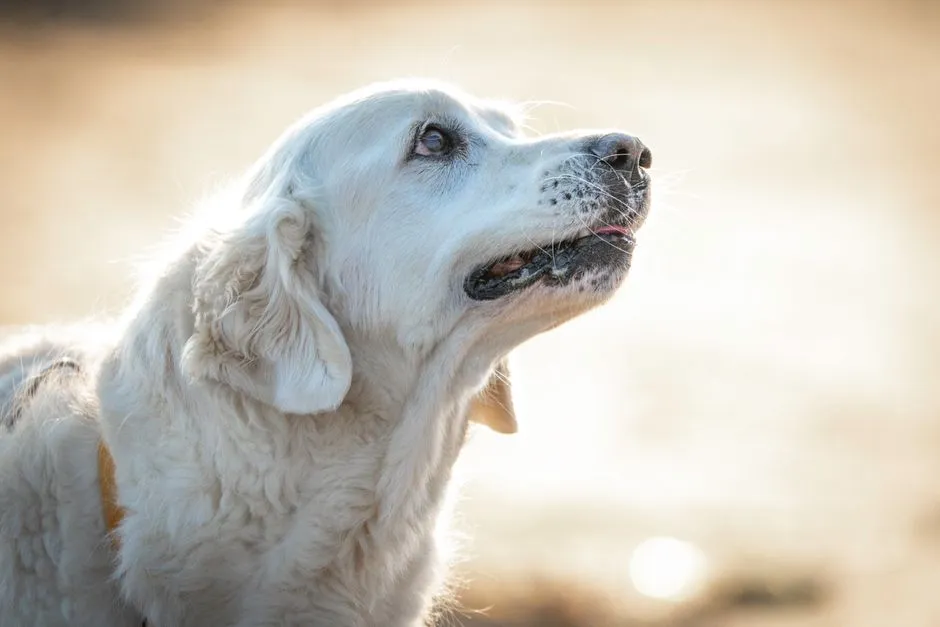
A senior dog panting heavily after minimal exertion, or developing a rougher, more labored breathing pattern on flat ground, is something walkers notice almost immediately because they’re physically present for the exertion. This is different from normal stamina loss – walkers describe a specific, off quality to labored breathing compared to the dog’s usual baseline.
Because walkers see the dog under real physical activity every day – something even attentive owners don’t always witness – they’re often the first to catch changes that could point to cardiac or respiratory issues. “He’s breathing differently on the same hill he’s always handled fine” is exactly the kind of specific, comparative detail that can push a vet visit up by weeks.
#13 – Flinching at a Touch Reveals Pain Before Behavior Does
🔥 Would you like to save this?
We'll email this post to you, so you can come back to it later!
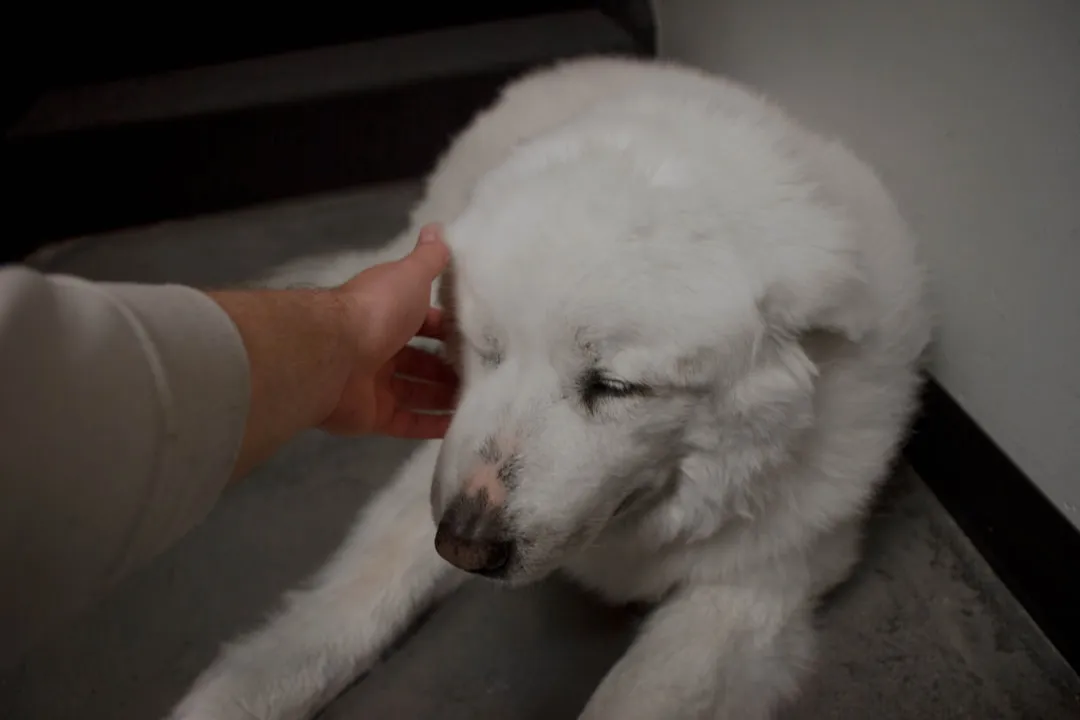
Walkers who put on harnesses, adjust collars, or towel off wet paws daily are often the first to notice a dog flinching, growling softly, or pulling away from touch in a spot that never used to bother it. This hands-on contact makes walkers uniquely positioned to detect pain that hasn’t yet shown up in gait or behavior.
This matters because pain-related flinching is frequently misread by owners as a mood swing or personality quirk rather than a physical symptom. Walkers who handle a dog’s body directly, multiple times a week, build a tactile map of what’s normal – making new sensitivity around joints, hips, or the spine hard to miss, and hard to ignore.
Quick Compare
- Mood swing: Inconsistent, not tied to touch or a specific body area.
- Pain response: Consistent flinching at the same exact spot, every time it’s touched.
- Mood swing: Often fades quickly once the dog is distracted or moving again.
- Pain response: Repeats across multiple days and with different handlers.
#14 – A Personality Shift Is the Last Warning Sign – and the Loudest
🔥 Would you like to save this?
We'll email this post to you, so you can come back to it later!
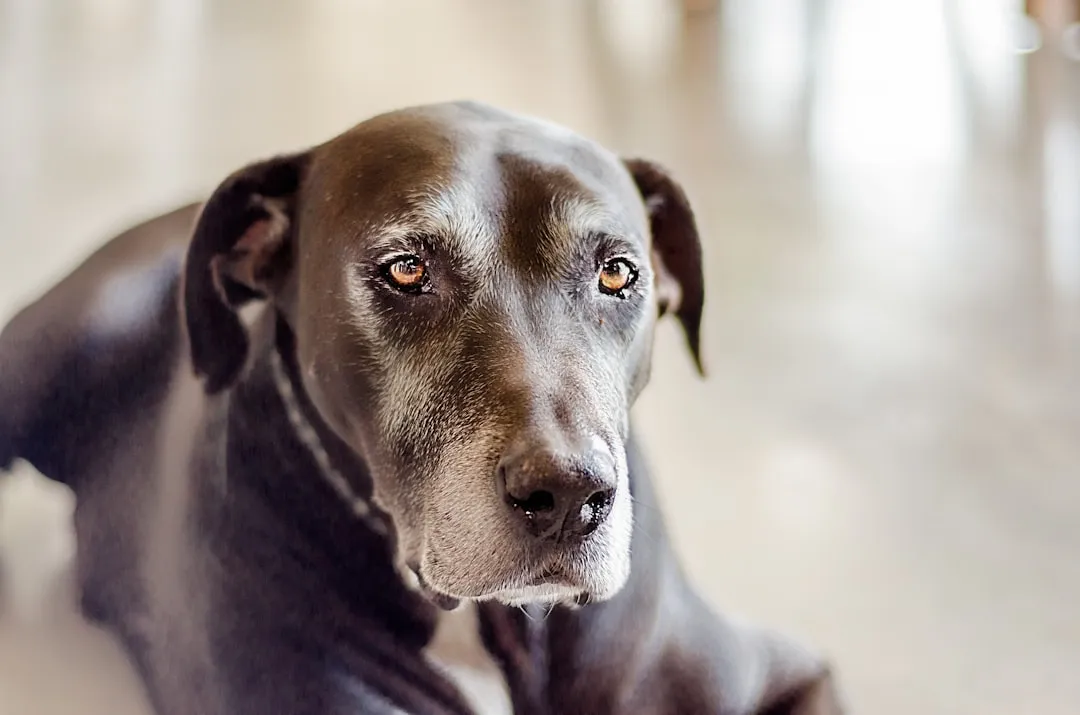
By the time a walker notices a genuine shift in a senior dog’s core personality – a normally social dog going quiet, a calm dog turning irritable – it’s usually the sum of several smaller physical changes finally catching up. Walkers describe this as the moment they stop guessing and start strongly recommending a full vet workup, because personality is typically the most stable trait a dog has, and the last thing to change without a real physiological reason behind it.
This might be the most controversial opinion among professional walkers: many believe personality change is dramatically underweighted by owners and overweighted by vets running through a generic checklist. A walker who’s spent months or years with a dog often has a sharper read on “this isn’t him” than a single annual exam ever could – because they watched every small change that led there, one walk at a time.
The Bottom Line
🔥 Would you like to save this?
We'll email this post to you, so you can come back to it later!
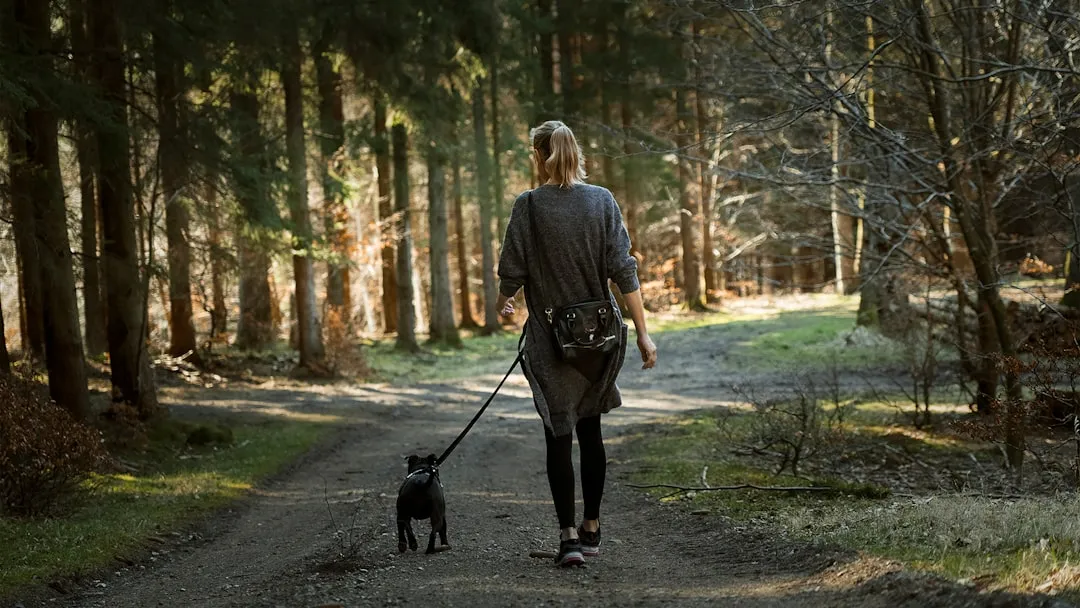
Here’s the uncomfortable part: professional dog walkers often notice aging-related health changes before owners – and sometimes before vets – simply because of the daily, hands-on, repeated exposure no other caregiver gets. Pace changes, touch sensitivity, breathing shifts, personality changes – none of these show up in isolation. They build slowly, quietly, and walkers are usually the first ones connecting the dots.
If you have an older dog and a regular walker, their offhand observations deserve a lot more weight than most owners currently give them. That casual comment about a stiff morning or a slower hill isn’t small talk – it’s often the earliest data point you’re going to get. Has your dog’s walker ever caught something before you did? Tell us what it was in the comments.

- 23 Warm Corners an Elderly Cat Keeps Returning To All Winter - October 29, 2026
- 16 Behaviours Showing a Cat Considers a House Permanent Now - October 29, 2026
- 15 Wildlife Programmes a Lifetime Pass Holder Over 62 Can Join Free - October 29, 2026