
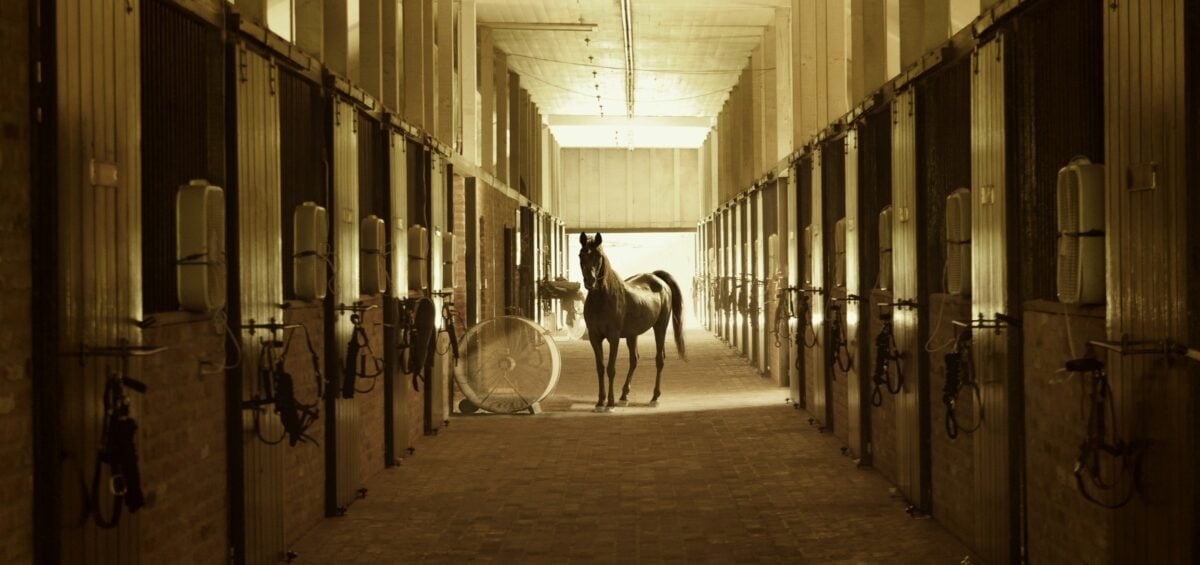
You’d think a new horse’s first day is simple: a clean stall, fresh hay, maybe a nervous sniff over the stall door. But in the barns that almost never get hit with outbreaks, something much less cozy is going on. Someone is watching, quietly and constantly, with a mental checklist most owners never see.
Here’s the strange part: the earliest warning signs rarely look like sickness at all. They look like a horse that’s a little slow at the hay net, a little too still in the corner, a little off on one front foot. Below are the 14 things careful stables track, counting down to the one that even veteran grooms say can change how they read a horse.
#14 – A Temperature Reading That Looks “Fine” Until It Isn’t
🔥 Would you like to save this?
We'll email this post to you, so you can come back to it later!
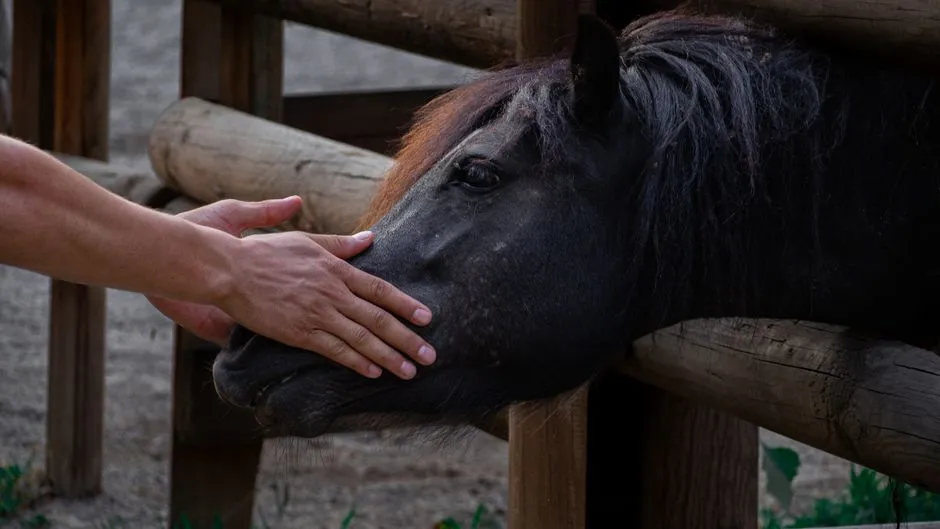
The thermometer is the first tool many barns reach for, and it’s usually the first real clue. Fever can show up hours or even days before a horse looks sick, which is why a new arrival often gets its temperature taken a few hours after unloading and again on a regular schedule through quarantine.
A normal adult horse typically runs between about 99 and 101.5°F. Anything that stays above that range gets a recheck, a call to the vet, and usually a move to isolation. Travel, heat, and excitement can nudge a reading upward, so smart staff don’t panic over one number. They look for the trend.
The detail that surprises people is how much the horse’s behavior during the check matters. A horse that stands dull and heavy-lidded while the thermometer is in tells a different story than one that fidgets and pins its ears out of pure annoyance. Good barns write both down.
- Take readings at the same times each day so patterns stand out.
- If a number lands slightly high, let the horse rest quietly and recheck later.
- Log the horse’s mood next to the number.
Fever is the headline sign, but the next clue is often quieter and sits right in the feed tub.
#13 – The Hay Pile That Doesn’t Shrink the Way It Should
🔥 Would you like to save this?
We'll email this post to you, so you can come back to it later!
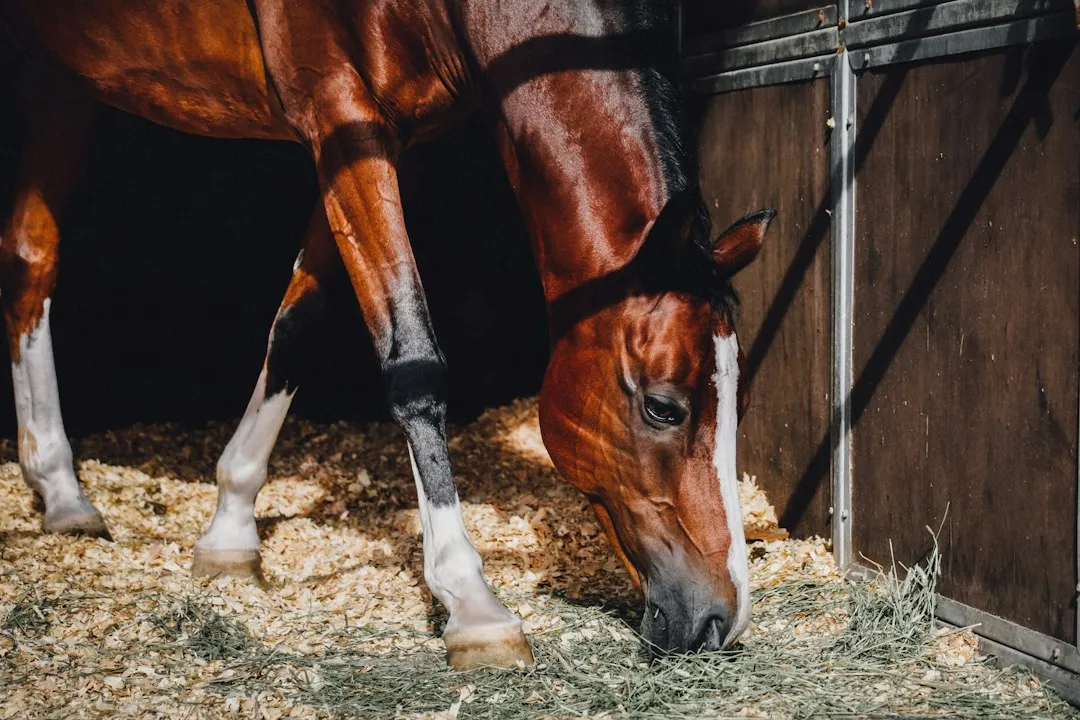
Horses are creatures of routine, and appetite is one of the loudest ways they communicate. A new horse that ignores breakfast or picks at its feed gets noticed immediately, even if nobody says a word about it.
Here’s the tricky part. Trailering stress can dampen appetite all by itself, so a skipped meal doesn’t always mean disease. What worries experienced staff is the horse that keeps refusing, or the one that chews slowly, drops feed, and walks away after a few bites. That can point to fever, dental pain, or an upset gut.
Instead of piling on a big meal, careful barns offer small, frequent portions of familiar-type hay and watch what happens. They also resist the easy label of “picky.” That word has hidden a lot of early illness.
Of course, a horse that eats well can still be quietly dehydrated, which is why the water bucket gets just as much attention.
#12 – Water Buckets That Barely Move
🔥 Would you like to save this?
We'll email this post to you, so you can come back to it later!
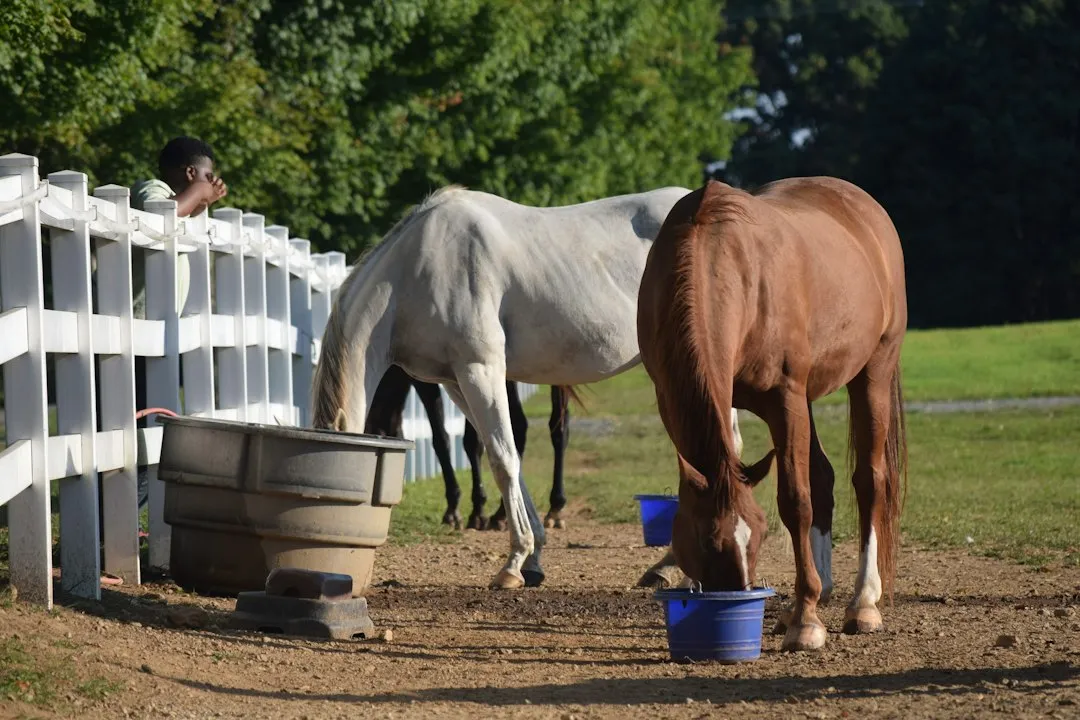
Ask a seasoned barn manager what they check without thinking, and many will say the buckets. Adult horses commonly drink somewhere around 5 to 10 gallons a day, more in heat or on dry hay, so a bucket that stays suspiciously full tells a story.
A new horse may drink less because the water tastes different, the bucket is in a strange spot, or the trailer ride left it rattled. That’s normal for a short while. But if low intake drags on, the risk of impaction colic climbs, especially when the horse is also eating drier feed than it’s used to.
Fast Facts
- Typical adult intake: about 5 to 10 gallons per day.
- Heat, sweating, and dry hay all push that number higher.
- Two buckets in different spots can reveal a horse that is picky about location, not thirst.
- Low intake plus dry manure is a combination worth a vet call.
Many barns respond by offering more than one clean water source in different spots, and some add a light electrolyte flavor to tempt a reluctant drinker. Staff also glance at urine and manure to see whether the horse’s output matches its intake.
That last detail is a good reason to move on, because manure may be the most underrated clue on the whole property.
#11 – What the Manure Pile Is Trying to Say
🔥 Would you like to save this?
We'll email this post to you, so you can come back to it later!
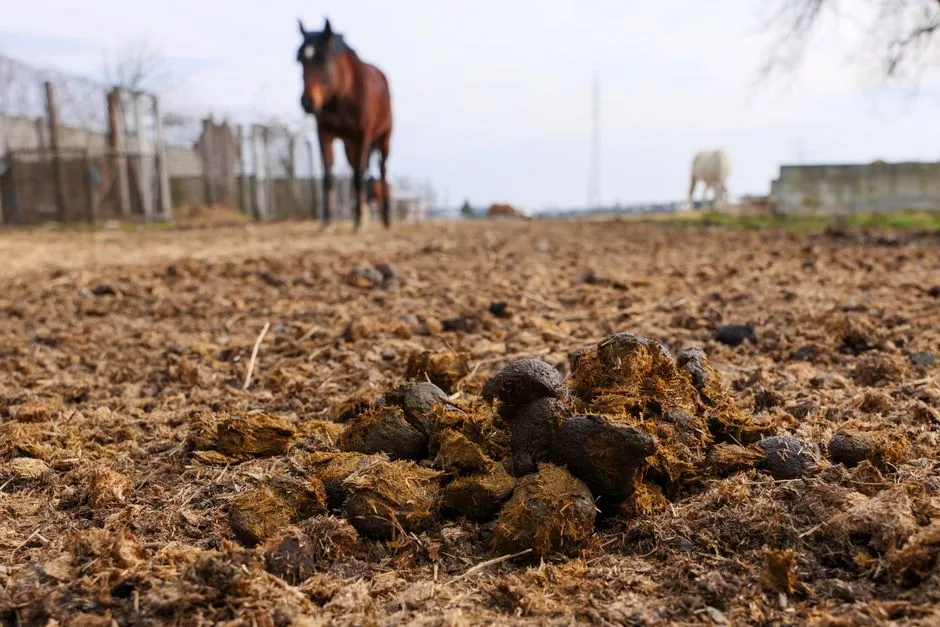
It isn’t glamorous, but manure is basically a daily report card from the gut. Fewer piles, smaller piles, or dry, hard balls can hint at dehydration or colic risk. Loose, watery, or foul-smelling droppings can point to infection, parasites, or a rough feed transition.
Good barns look at both quantity and quality, ideally twice a day in the first week, when travel and a new diet are stacking stress on top of each other. They also note blood, mucus, or undigested feed. Quarantined horses often get a separate muck bucket or heap so nothing gets tracked back to the herd.
- Most healthy adults produce roughly 8–12 piles a day.
- Watch for a sudden drop in output or complete absence.
- Cow-pat consistency or watery manure deserves a call to the vet.
The gut can whisper first, but the lungs are often next in line.
#10 – The Tiny Cough Nobody Else Heard
🔥 Would you like to save this?
We'll email this post to you, so you can come back to it later!
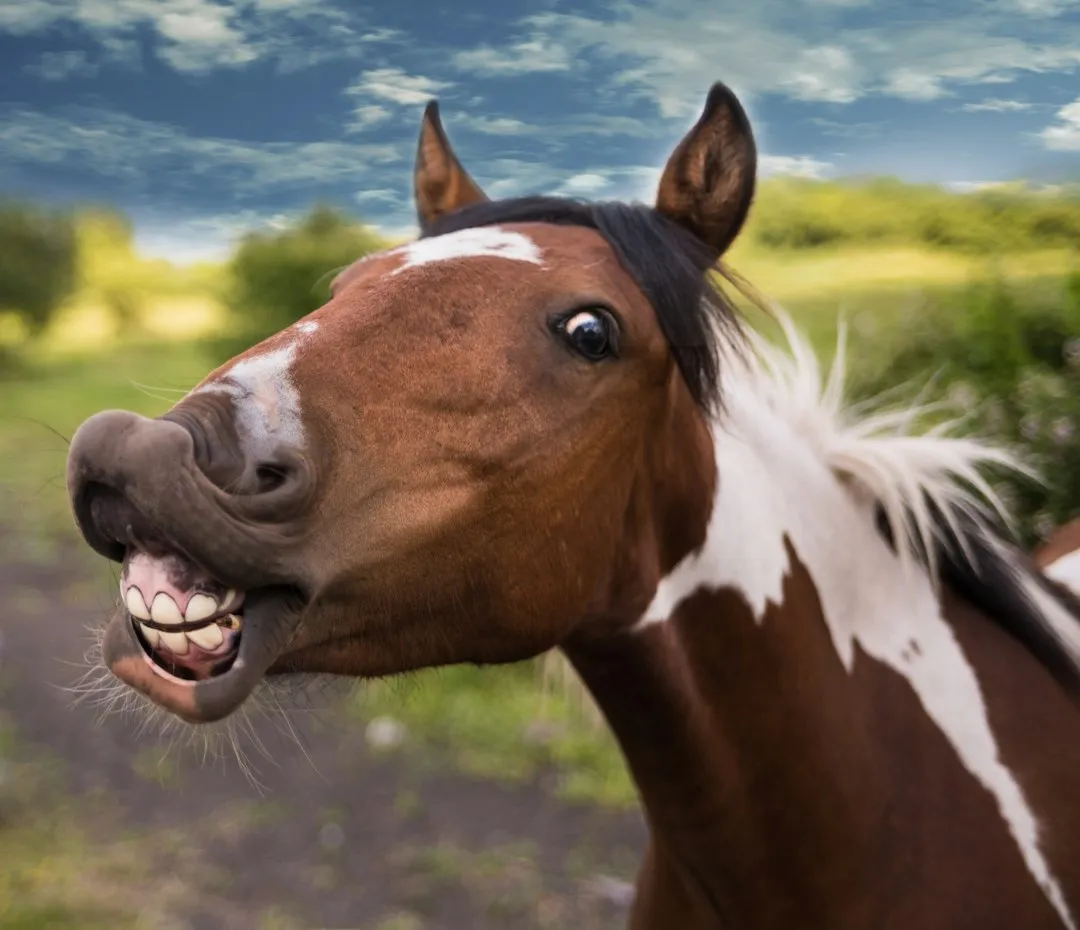
One dry cough at feeding time. A faint nasal drip that’s gone by the time you look again. These are easy to wave off, yet they’re exactly what attentive grooms listen for, because respiratory illnesses like influenza, equine herpesvirus, and strangles can start small.
Staff pay attention to the character of any discharge: clear, cloudy, thick, or from one nostril only. They listen to breathing at rest and after movement. They also keep quarantined horses on separate airspace with their own buckets, brushes, and gear, since respiratory germs travel on hands and equipment as easily as through the air.
Worth Knowing
- Strangles usually shows up within roughly 3 to 14 days of exposure, so a clear first week proves little.
- Equine influenza can appear in as little as 1 to 3 days.
- Hands, buckets, and brushes can carry germs between horses, not just coughs.
- Thick discharge from one nostril is worth reporting the same day.
Long hauls add another concern. Horses that travel far, especially with their heads restrained high, can develop lung problems afterward, which is one reason a cough on day two gets more attention than owners expect. Auction and sale horses, with their mixed travel history, usually earn a more cautious approach. Some facilities even record a short video of the horse’s breathing on arrival so changes are easy to spot.
Then there’s the sign that doesn’t involve the body at all, only the horse’s spot in the pasture.
#9 – The Horse Standing Off by Itself
🔥 Would you like to save this?
We'll email this post to you, so you can come back to it later!
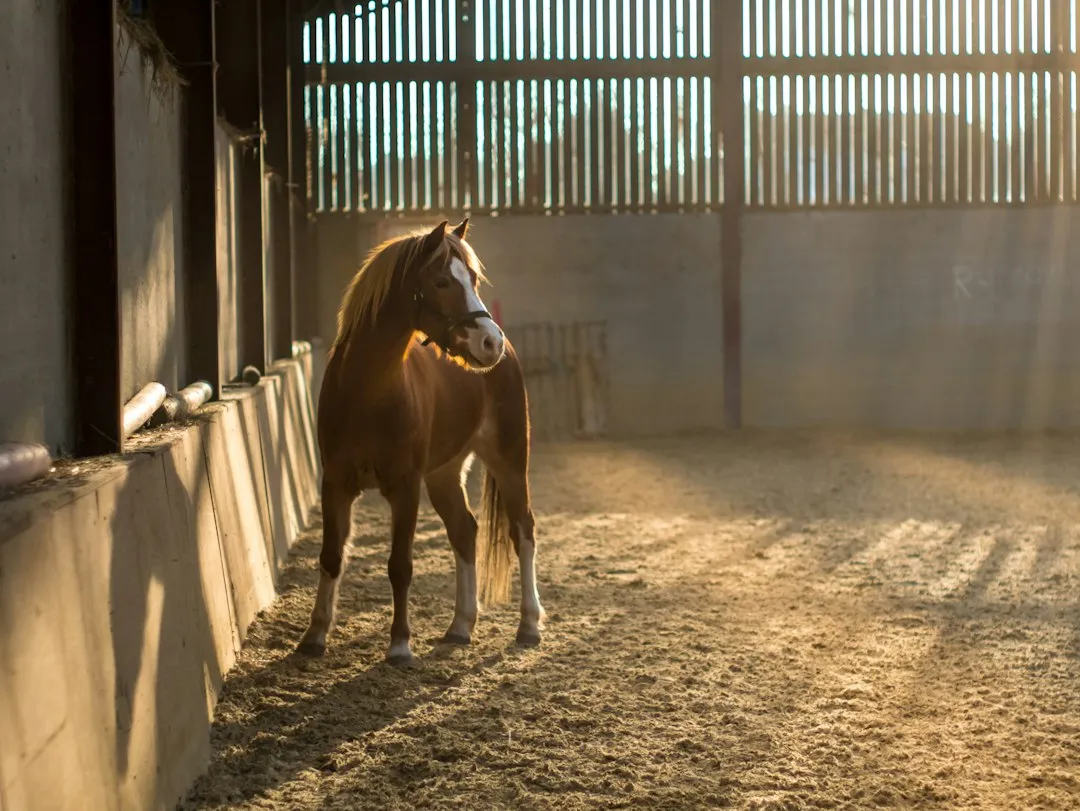
A normally social horse that drifts to the edge of the paddock, head low, ears barely moving, is sending a message. That quiet withdrawal is often one of the first changes a sharp-eyed groom notices, sometimes before appetite drops.
Staff compare what they see to the horse’s known history once the travel haze lifts. Is this a naturally reserved horse, or a bright one that’s gone flat? They pair that observation with temperature logs rather than assuming the horse is “just settling in.”
This is also where barns get opinionated. Owners are often eager to turn their new horse out with the herd right away, since it looks kinder. Many professionals argue that rushing that step is how preventable outbreaks begin, because a horse can bring in an illness before anyone knows it’s there.
Next up is a clue that can be seen from across the yard, if you know how to look.
#8 – The Slight Head Bob That Shouldn’t Be There
🔥 Would you like to save this?
We'll email this post to you, so you can come back to it later!
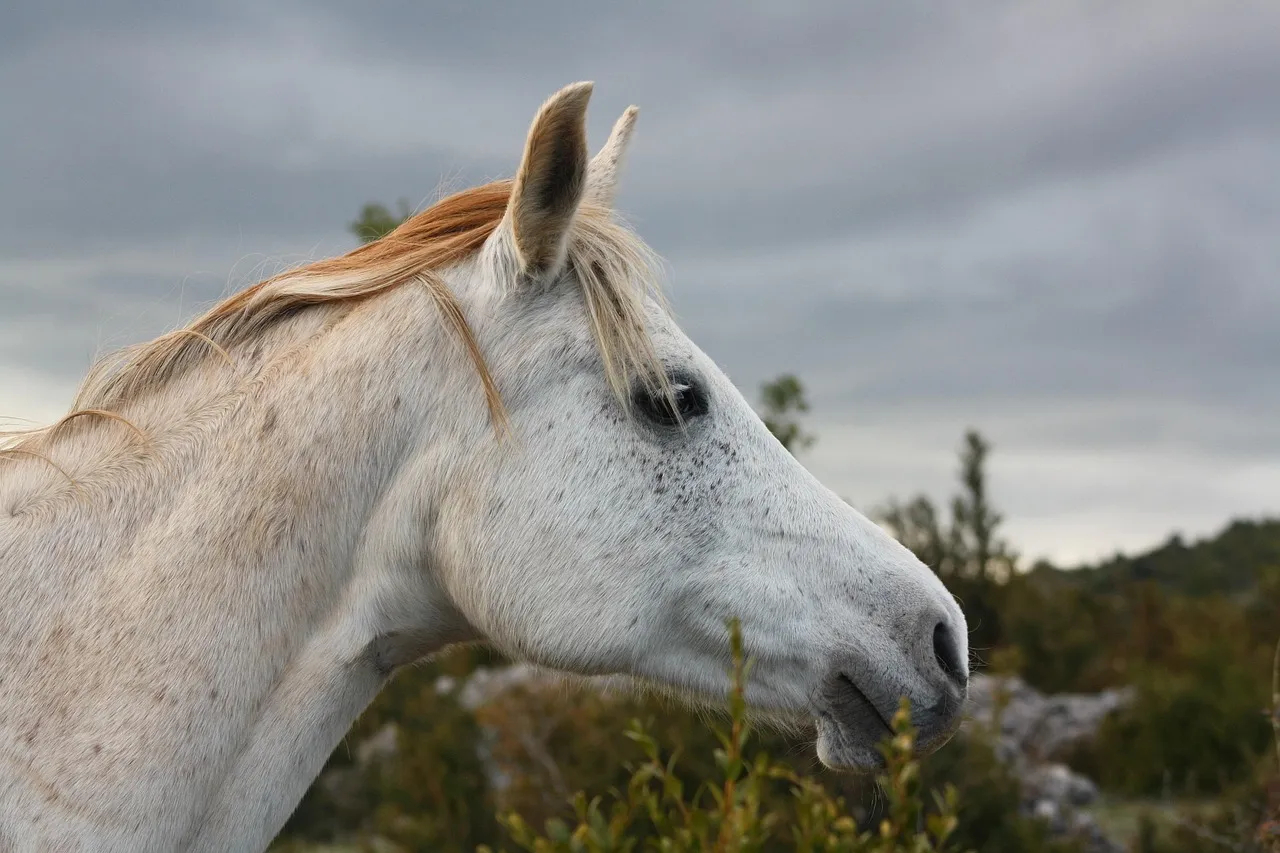
Mild lameness doesn’t always look dramatic. It might be a head that dips just a bit on one stride, a shorter step on hard ground, or a horse that shifts its weight more than it should when standing still.
Careful stables walk and trot the new horse on different surfaces and watch how it turns. They also run hands down the legs for heat and swelling. Travel can leave a horse sore and stiff, but it can also uncover problems like hoof abscesses or the early stages of laminitis that were easy to miss in a sale-day walk-through.
Many barns bring in the farrier early rather than waiting for a limp. It protects the horse, and honestly, it protects the barn’s reputation too.
- Look for pointing a front foot or reluctance to turn tightly.
- Compare left and right limbs for symmetry.
- Note anything that gets worse after a few days of movement.
And if a horse is already favoring a foot, the hoof itself is where the next answer usually hides.
#7 – Hooves That Tell the Horse’s Real Backstory
🔥 Would you like to save this?
We'll email this post to you, so you can come back to it later!
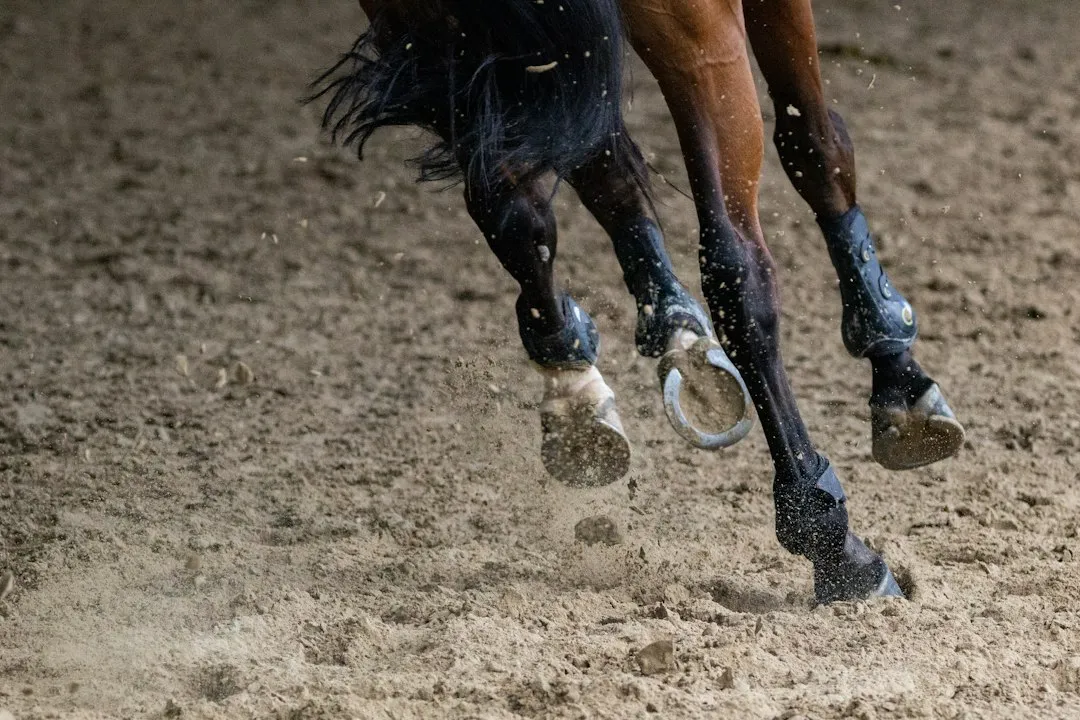
You can learn a lot about how a horse has been cared for by looking at its feet. Overgrown toes, cracks, a stinky frog that suggests thrush, or flaky separation along the white line can all hint at neglect or a rough past, and these problems can flare up in a new bedding or footing situation.
Good barns pick up each foot on arrival and look again about two days later, after any packed-in debris from travel has cleared. They note bruised soles and small gaps in the white line that might not cause limping yet but can turn into abscesses.
It’s tempting to say the feet will sort themselves out. Experienced managers tend to disagree, because early attention from a farrier can save months of corrective work later. A hoof that’s quietly struggling on day one can become a full lameness issue by week three.
While you’re down at ground level, there’s another category of trouble that likes to hide in plain sight.
#6 – Skin Problems That Spread Through Shared Brushes
🔥 Would you like to save this?
We'll email this post to you, so you can come back to it later!
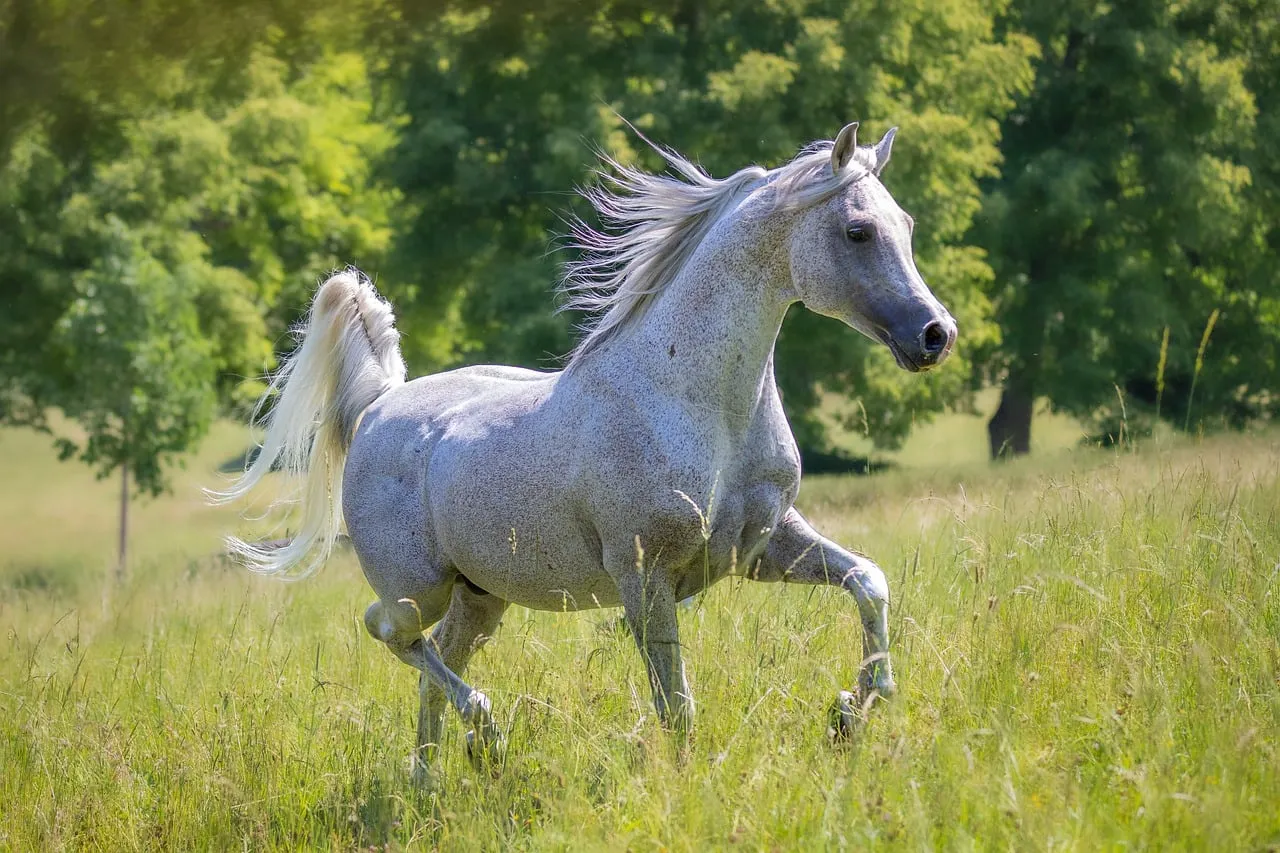
Rain rot, ringworm, and lice are the sort of problems that can look minor and still cause a barn-wide headache. Ringworm in particular is a fungus that can hop from horse to horse on brushes, blankets, saddle pads, and hands.
That’s why staff run their hands over the coat daily and check the places where moisture and dirt settle: under the mane, along the tail head, across the girth area. They look for scabs, scaly patches, hair loss, and spots where the horse keeps rubbing. Sometimes these signs only appear after a horse relaxes and its skin has a few days to react to the new environment.
A horse can look glossy and perfectly groomed on arrival and still carry parasites or early skin infection. Dedicated grooming kits and separate turnout are standard in quarantine for this reason. Some barns also ask the previous facility for any notes on skin problems, since these signs are so easy to overlook at first glance.
Skin issues are visible, but the next clue lives in the legs, where heat and puffiness can be easy to rationalize.
#5 – Legs That Look a Little Too Full
🔥 Would you like to save this?
We'll email this post to you, so you can come back to it later!
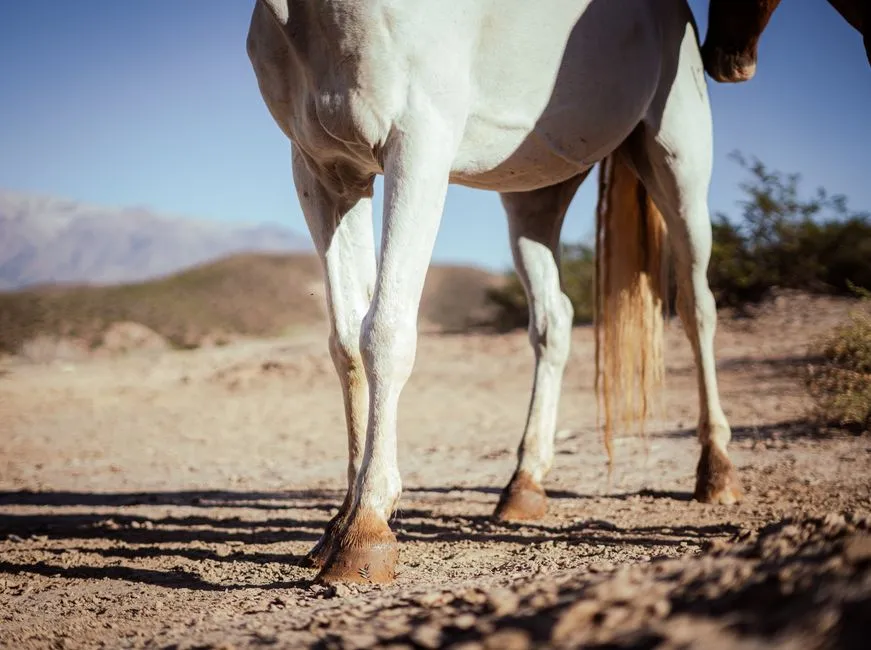
After a long trailer ride, legs sometimes “stock up,” which means mild swelling from standing still for hours. It’s common, and it often improves with movement. But swelling that sticks around, appears on just one leg, or comes with heat is a different matter.
Quick Compare
- Likely harmless: Cool, even swelling in both legs that fades with a short walk.
- Worth a call: Swelling on one leg, with heat, tenderness, or lameness.
- Urgent: Swelling that keeps growing, or a horse that refuses to bear weight.
Staff run their hands down each limb daily and compare it to photos or notes from the first day. They check joints for warmth and tendons for tenderness. That quick routine can separate harmless stiffness from early cellulitis, an injury, or a tendon strain from the haul.
Cold hosing and short, controlled walks help tell the difference. If the swelling fades with gentle movement, that’s often reassuring. If it doesn’t, the vet gets a call.
Some facilities skip leg checks on horses that look sound and lively. That shortcut has led to preventable layoffs more than once, and careful barns would rather spend two minutes a day than two months on stall rest.
Now for a check that takes about as long as a blink.
#4 – The Two-Second Gum Test
🔥 Would you like to save this?
We'll email this post to you, so you can come back to it later!
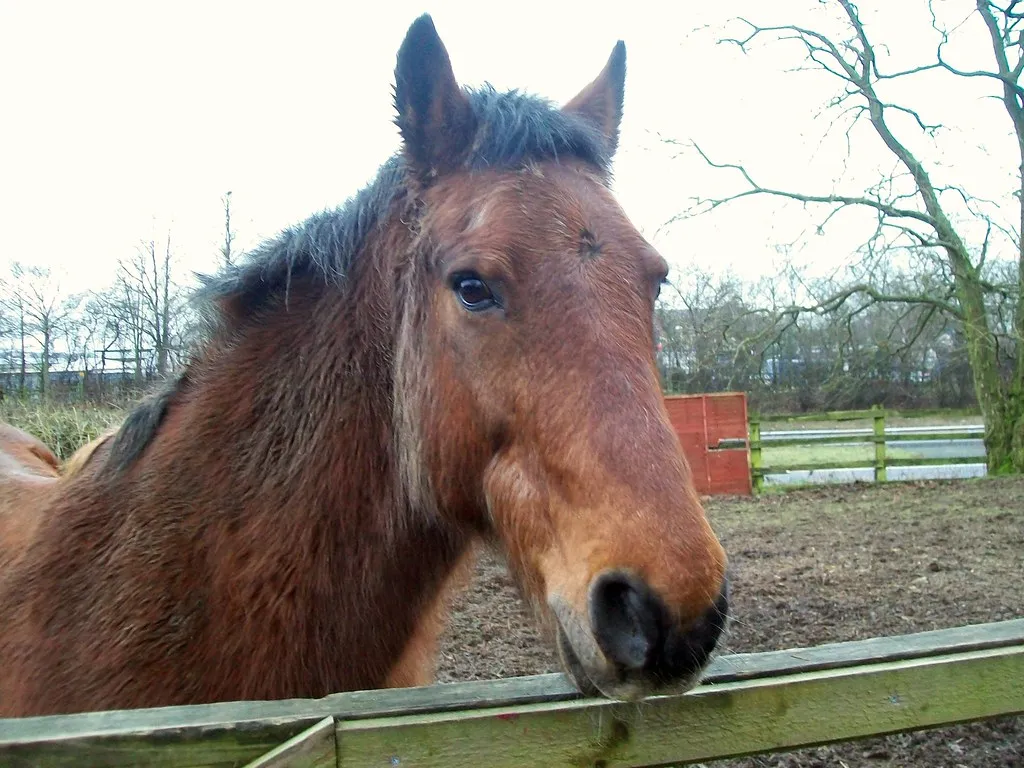
Lift the lip, press a thumb against the gum, let go, and count. That’s it. In a healthy horse, the gums are moist and a healthy pink, and the pale spot where you pressed fills back in within about two seconds.
Pale, bright red, dark, or muddy-looking gums can point to anemia, dehydration, shock, or toxicity, and slow refill can suggest circulation trouble. Many barns do this check every time they take a temperature, so it becomes a habit rather than a special event.
It takes almost no time, needs no equipment, and can flag trouble when a horse otherwise looks fine. Owners tend to focus on dramatic symptoms like limping or coughing. Professionals quietly rely on the little checks that never make it into the barn’s social media posts.
Another quick check works the same way, using nothing but a pinch of skin.
#3 – The Skin Pinch and the Look in the Eye
🔥 Would you like to save this?
We'll email this post to you, so you can come back to it later!
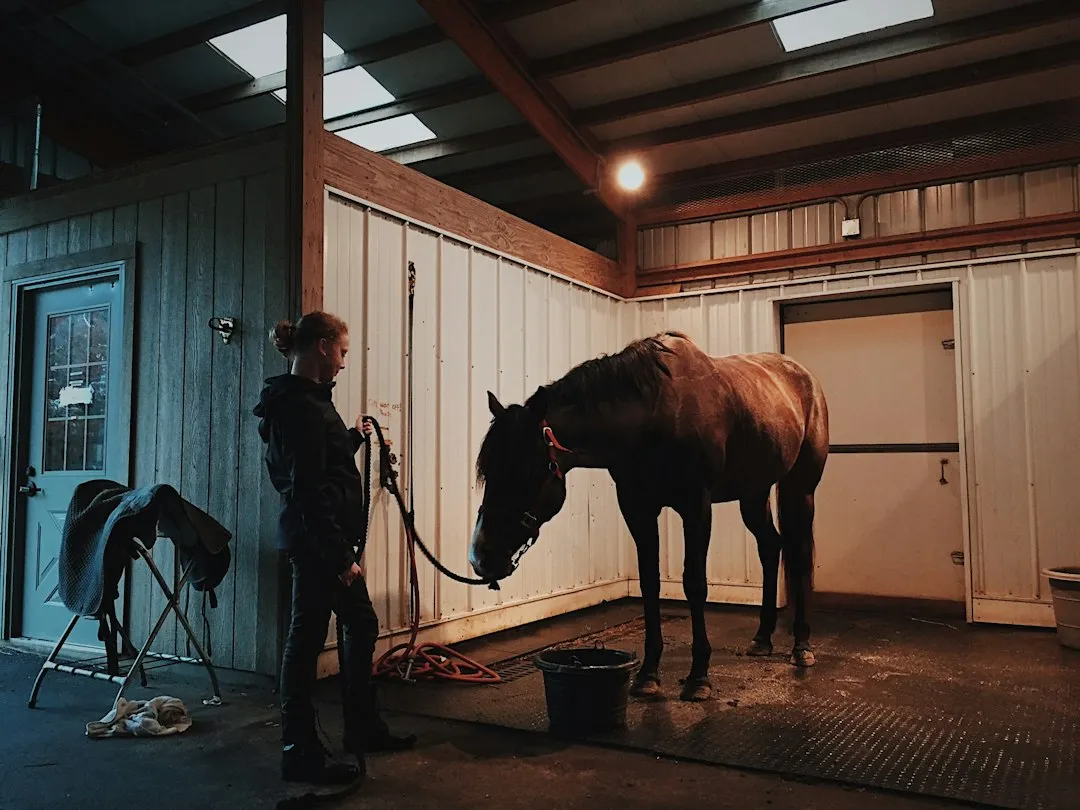
Pinch a fold of skin on the horse’s neck or shoulder, release it, and watch how fast it flattens. In a well-hydrated horse it snaps back quickly. If it lingers for a couple of seconds, the horse may be dehydrated.
Staff pair this with a look at the eyes. Bright, clear, and alert is the goal. Sunken or dull eyes can be a hint that something is off. Because many horses arrive a little dried out from the trailer, this check helps set a baseline for the days ahead.
That baseline matters more than people realize. Mild dehydration can make a healthy horse look sluggish, while a sick horse can be mistaken for a tired traveler. Giving free-choice water, with electrolytes if the vet approves, helps bring readings back to normal so real problems don’t hide behind travel fatigue.
Many top barns train every staff member to use the same technique, since a pinch done differently by different people can muddy the results. Consistency makes the data trustworthy.
All of these physical clues matter, but the next one is about what the horse feels, and how it shows it to people.
#2 – How the Horse Reacts to Being Handled
🔥 Would you like to save this?
We'll email this post to you, so you can come back to it later!
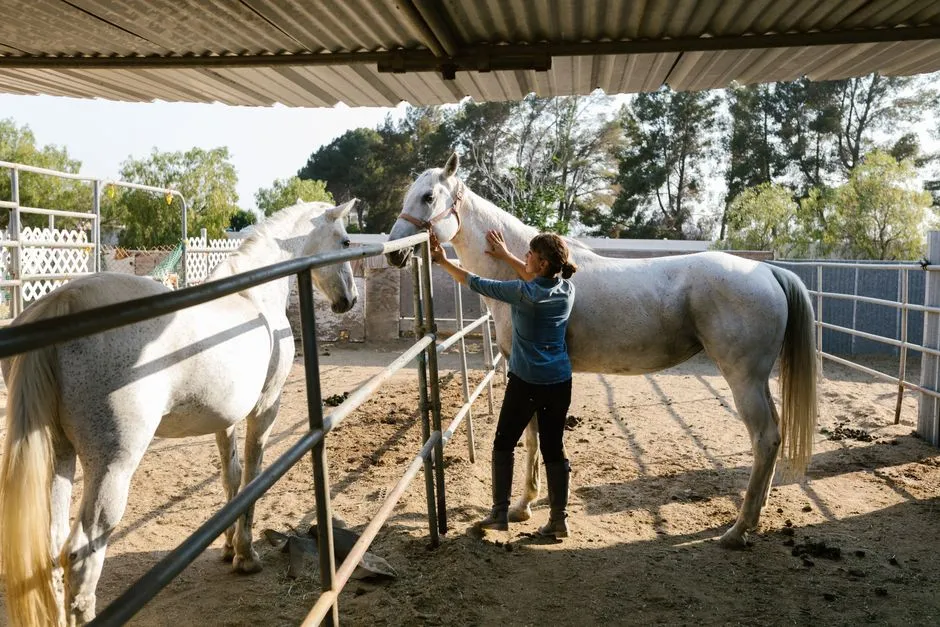
Haltering, leading, grooming, picking up feet: these routine moments reveal more than most people think. A new horse that suddenly becomes pushy, jumpy, or oddly shut down may not simply have a “personality.” It might be hurting.
Staff watch for flinching when a brush crosses a certain spot, resistance to having a hind foot lifted, or a horse that pins its ears when the girth area is touched. Some horses hide pain well, and everyday handling is where it leaks out. Barn teams compare these reactions to any history they received and look for patterns, either improving or escalating.
There’s a practical payoff beyond health, too. Spending these first days calmly handling the horse builds trust, which makes later steps like vet visits, farrier work, and herd introductions safer for everyone. It’s easy to blame “new home nerves” for every odd reaction, and sometimes that’s true. Professionals just refuse to assume.
And then there’s the final layer, the one that ties all the others together and is hardest to teach.
#1 – The “Spark” and the Subtle Neurological Red Flags
🔥 Would you like to save this?
We'll email this post to you, so you can come back to it later!
If you ask experienced horse people what they notice first, many will struggle to put it into words. It’s the spark: the brightness, the interest, the way a horse carries itself and tracks what’s happening around it. They’ll tell you they just know when it’s off.
Behind that gut feeling are very specific things. A slight head tilt, circling, stumbling, a hind end that crosses or drags, or odd coordination can point to neurological trouble. That might mean the neurological form of equine herpesvirus, or EPM, which is caused by a parasite and isn’t spread from horse to horse the way respiratory viruses are. Either way, it’s the kind of change that deserves a vet right away.
That’s why barns document the horse’s baseline attitude within the first 24 hours and flag any deviation. And it’s why the quietest new horse can be the one that worries them most. Calm is not the same as healthy, and “he’s just chill” has covered for more than one developing problem.
Many barns treat a quarantine of up to 21 days, with dedicated buckets, tools, and handling routines, as the gold standard for exactly this reason. No single test beats consistent, patient watching.
At a Glance
- First 24 hours: Record temperature, gum color, and the horse’s baseline attitude.
- Daily: Check temperature, appetite, water, manure, and legs.
- Throughout: Use dedicated buckets, brushes, and gear, and handle the quarantined horse last.
- Up to 21 days: Keep the horse apart from the herd before turnout.
Here’s my take: a quarantine stall isn’t rude, and it isn’t paranoia. It’s the most honest welcome a barn can give a new horse, because it says, “We want you here long-term, and we’re not going to gamble the whole herd to find out whether you’re okay.”
The owners who push for instant turnout usually mean well, but the barns that never make the news for outbreaks are almost always the ones that waited. Patience feels slow and a little boring. Boring is exactly what you want when the alternative is a barn-wide fever, a locked-down property, and a very bad week.
So next time you see a new horse standing alone in a quiet stall, don’t feel sorry for it. Someone is paying close attention, and that attention is what keeps the whole barn healthy.

- 7 Everyday Habits That Can Make Your Senior Dog Happier - November 5, 2026
- 10 Enigmatic Structures That Continue to Puzzle Scientists Today - November 5, 2026
- 10 Strange Ruins in the Americas That Challenge What We Know About Early History - November 5, 2026