
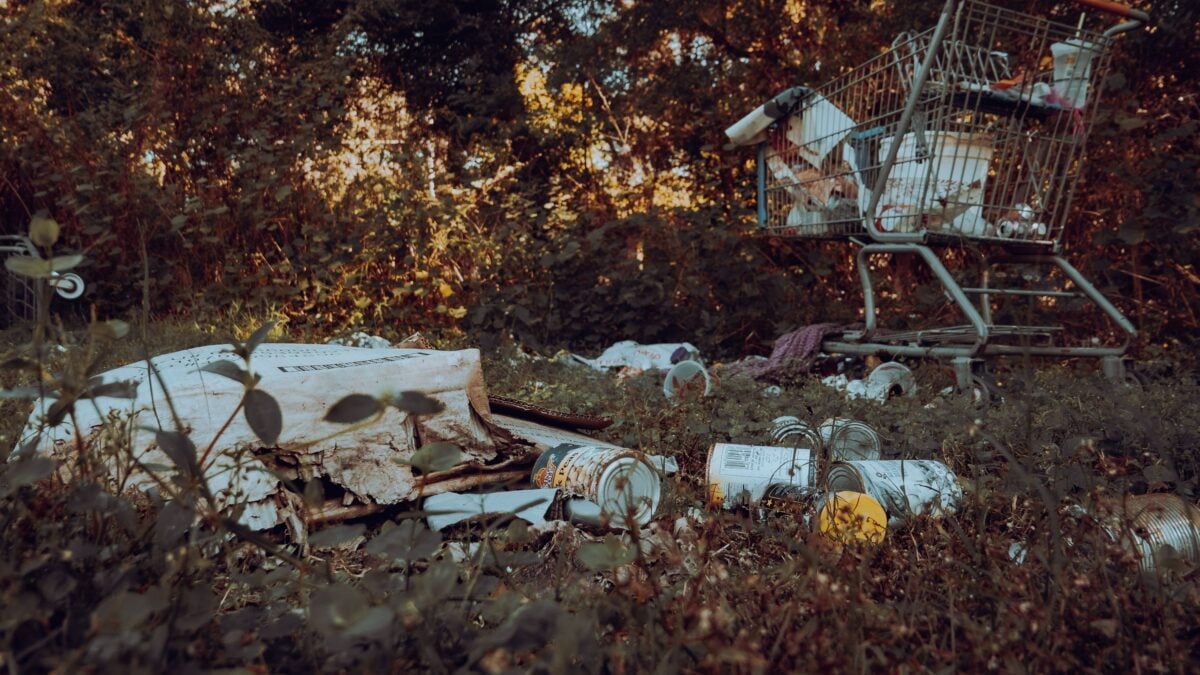
Walk through any city park on a busy weekend and you might notice more than just scattered wrappers or bottles. The animals that call these green spaces home often respond in ways that go far beyond simple avoidance or curiosity. Litter does not stay inert on the ground. It quietly reshapes daily routines, risk assessments, and even social interactions among the creatures that live there.
Over time these changes add up. What begins as an opportunistic snack or a novel object can lead to lasting adjustments in how animals find food, raise young, and move through their environment. The effects appear across species from squirrels and birds to larger mammals that frequent park edges.
Shifts in Foraging Patterns
🔥 Would you like to save this?
We'll email this post to you, so you can come back to it later!
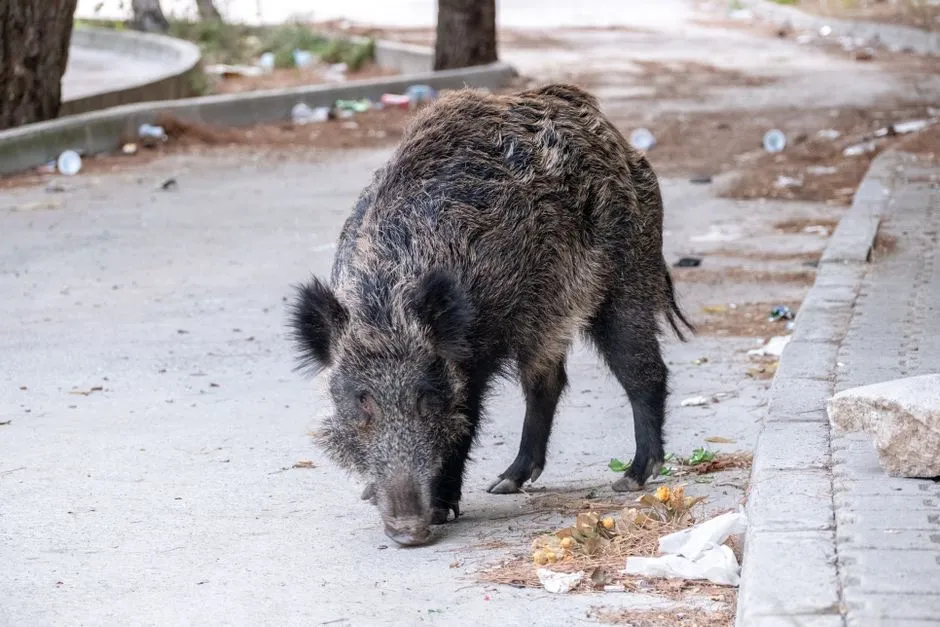
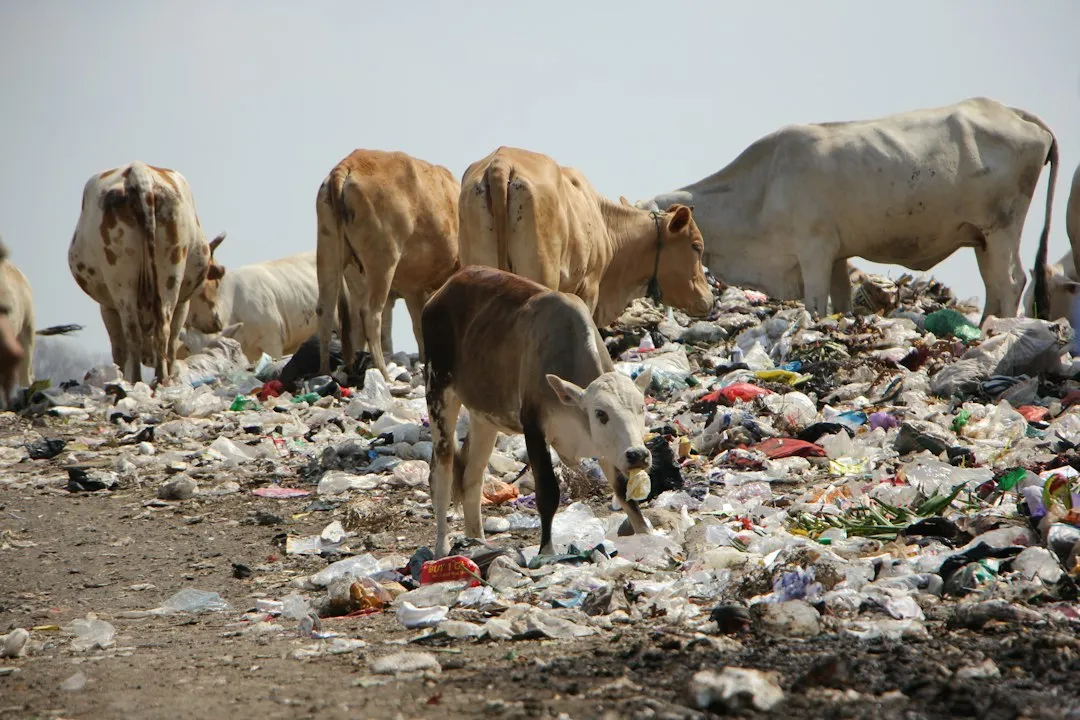
Animals in parks quickly learn to associate certain human items with easy calories. Food wrappers and discarded snacks draw species like crows, raccoons, and squirrels away from their usual search for seeds, insects, or natural scraps. This shortcut changes the time they spend hunting and the distances they travel each day.
Over repeated exposures the animals begin to prioritize these artificial sources. Generalist scavengers increase their presence near picnic areas and trash bins while native foragers that rely on scattered natural resources may decline in the same spots. The reliable presence of waste also encourages bolder approaches during daylight hours when parks see heavy foot traffic.
Habituation and Human Encounters
🔥 Would you like to save this?
We'll email this post to you, so you can come back to it later!
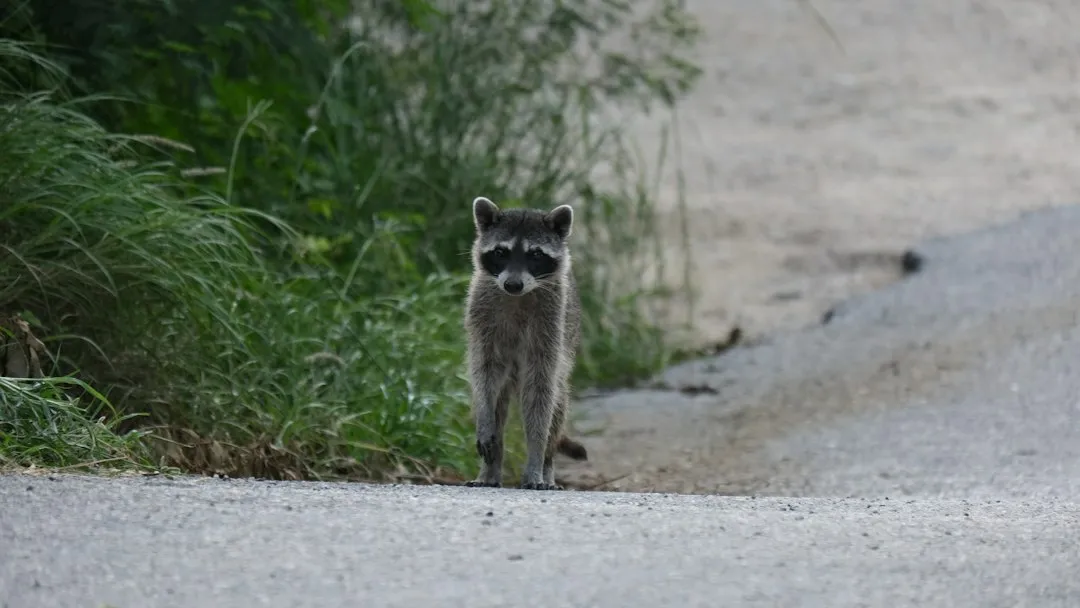
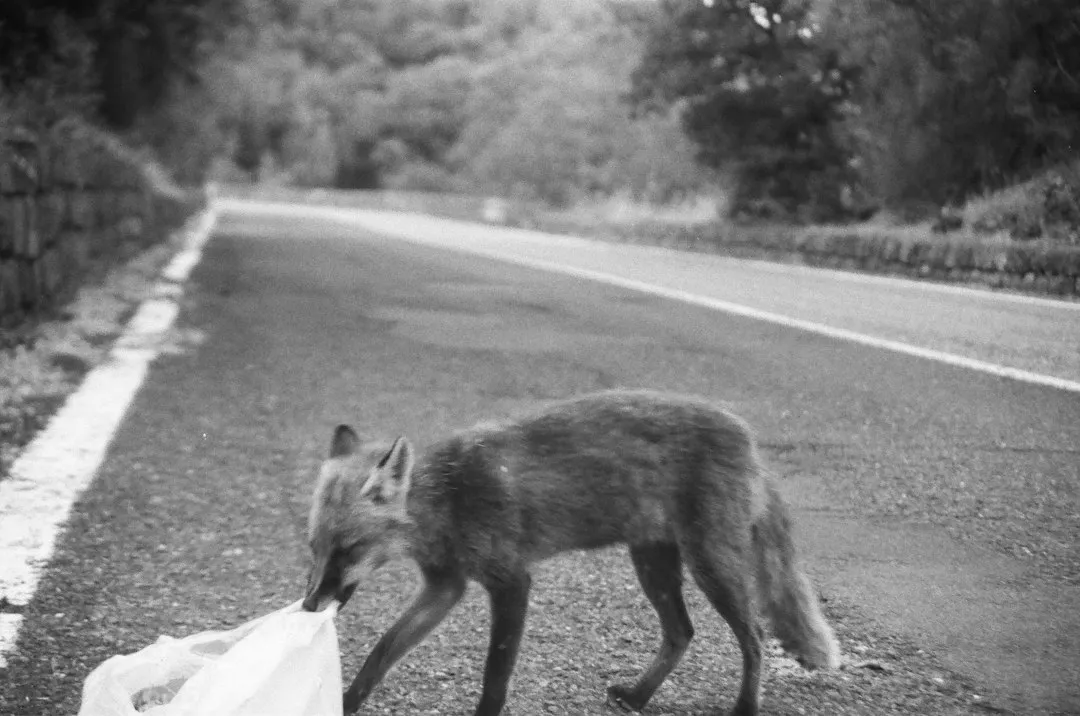
Regular access to litter reduces the natural caution many park animals show toward people. Raccoons and foxes that once retreated at the sound of voices now linger near benches or paths in hopes of finding remnants. This shift brings them into closer and more frequent contact with visitors and their pets.
Habituation carries clear downsides. Animals that lose their wariness face higher chances of vehicle strikes along park roads or aggressive responses when they approach too closely. Park managers sometimes end up relocating or euthanizing individuals that have grown dependent on human food sources rather than returning to wild foraging.
Risks from Entanglement and Traps
🔥 Would you like to save this?
We'll email this post to you, so you can come back to it later!
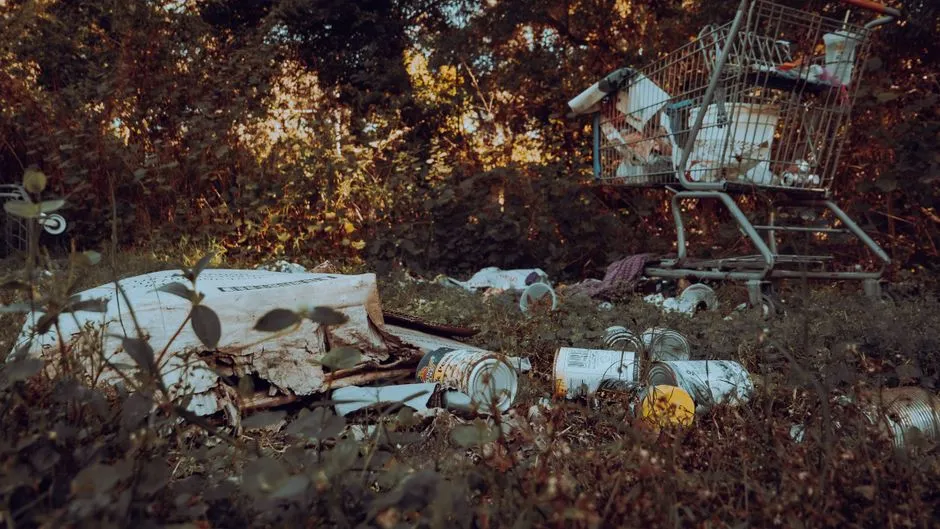
Discarded containers turn into unintended hazards that alter movement and survival rates. Small mammals and invertebrates crawl into bottles or cans seeking shelter or moisture and become trapped inside. Studies document thousands of such deaths each year in urban and park settings where litter accumulates.
Entanglement in plastic rings or fabric scraps restricts normal activities like climbing or escaping predators. Birds that investigate shiny objects or mammals that chew on metal edges suffer injuries that limit their ability to feed or care for offspring. These physical barriers reshape which individuals survive long enough to reproduce in littered areas.
Effects on Nesting and Reproduction
🔥 Would you like to save this?
We'll email this post to you, so you can come back to it later!
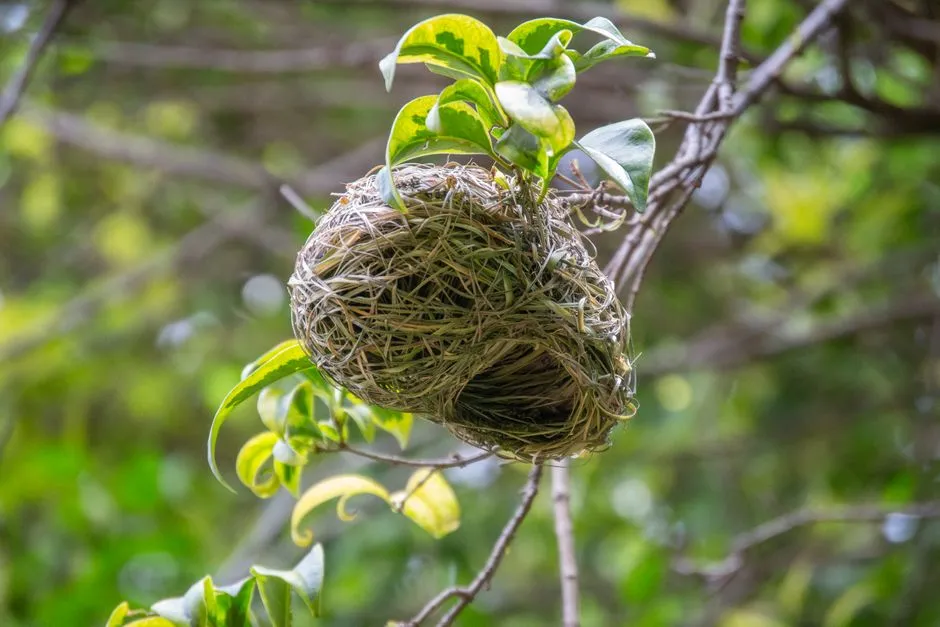
Many birds incorporate plastic strips and other litter into their nests when natural materials grow scarce. This substitution can change nest temperature and stability while increasing the risk that young become tangled in the synthetic fibers. Research on urban and park nesting species shows higher entanglement rates in nests built with human debris.
Food subsidies from litter also influence breeding success for some scavengers. Species that exploit waste may produce larger clutches or raise more young in the short term. Yet the same populations often face elevated disease transmission and toxic exposure that can reduce long term viability of offspring.
Changes in Movement and Habitat Use
🔥 Would you like to save this?
We'll email this post to you, so you can come back to it later!
Litter concentration draws animals into specific zones of a park while pushing others away. Predators may concentrate near reliable food scraps which alters predation pressure on smaller species in those patches. Meanwhile sensitive animals avoid heavily littered trails or open areas where debris signals human activity.
These spatial adjustments affect how nutrients move through the park ecosystem. Concentrated foraging changes seed dispersal patterns and insect populations in ways that ripple outward. Over seasons the overall distribution of species within the park can shift as some thrive near waste while others retreat to cleaner edges.
Looking Ahead
🔥 Would you like to save this?
We'll email this post to you, so you can come back to it later!
Park animals demonstrate remarkable flexibility when faced with human leftovers yet that adaptability comes at a cost. Behavioral changes that seem minor at first can compound into population level shifts and reduced resilience against other pressures. Clean up efforts and better waste infrastructure help but lasting improvement requires visitors to treat every item as something that will influence the next generation of wildlife.
The quiet ways litter rewires daily life in parks remind us that small actions accumulate. Keeping these spaces free of debris supports the natural rhythms animals depend on rather than forcing them into new and often riskier patterns.

- 7 Everyday Habits That Can Make Your Senior Dog Happier - November 5, 2026
- 10 Enigmatic Structures That Continue to Puzzle Scientists Today - November 5, 2026
- 10 Strange Ruins in the Americas That Challenge What We Know About Early History - November 5, 2026