
Everyone assumes the garden that fails belongs to someone lazy. Someone who forgot to water, or bought the wrong seeds, or just didn’t have a green thumb. But talk to gardeners who’ve survived a decade of dead tomatoes and bolted lettuce, and they’ll tell you something uncomfortable: most first seasons aren’t lost to laziness. They’re lost to confidence. New gardeners do everything the packet tells them, follow the Pinterest board to the letter, and still watch it all wilt by July.
The truth veteran growers eventually learn isn’t in any seed catalog. It’s the stuff nobody says out loud until you’ve already wasted a season figuring it out yourself. Here are the 14 lessons that separate a garden that limps along from one that actually feeds you – and a few of them might sting a little.
#1 – Your Soil Matters More Than Your Seeds
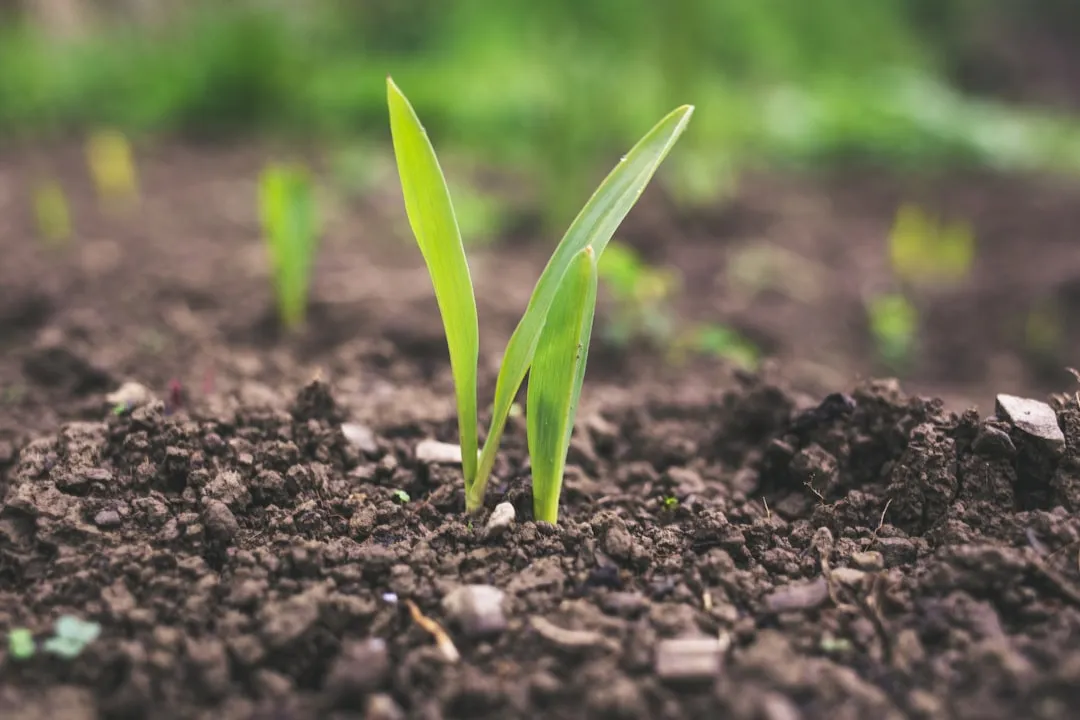
Every beginner starts the same way: standing in a nursery aisle, falling in love with a plant tag. Veterans know that’s backwards. If your soil is bad, your season was already decided before you touched a trowel. They joke that soil is less like scenery and more like a pet – something you feed, not something you ignore until it complains.
Most first-timers skip soil testing entirely, then spend all summer confused about why their tomatoes stayed the size of golf balls. A simple test from a local extension office reveals what’s actually wrong – too much clay, not enough organic matter, or pH that’s fighting you the whole way. Veterans also treat compost as a yearly ritual, not a one-time fix, layering in 2-3 inches every season so the soil stays alive instead of turning into dust or hardpan.
Fast Facts
- Most vegetables want soil pH between 6.0 and 7.0
- Local extension office soil tests are usually inexpensive and low-effort
- Add 2-3 inches of fresh compost every single season
- Stunted growth and pale leaves are classic warning signs of poor soil, not weak seeds
#2 – You’re Probably Planting a Month Too Early
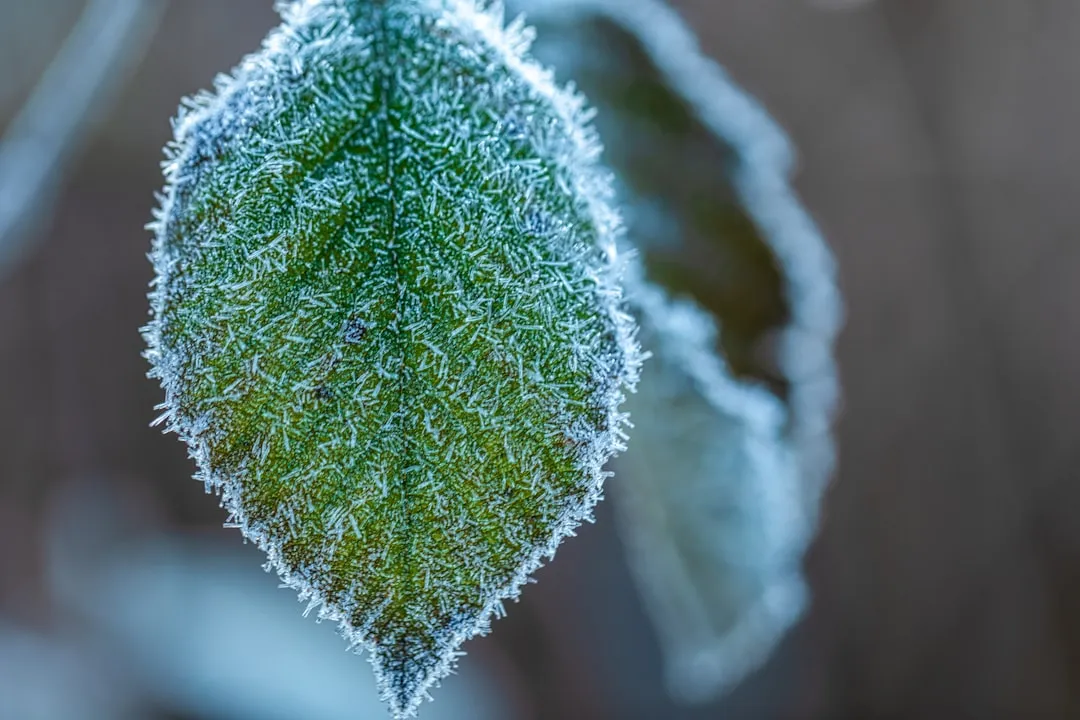
One warm Saturday in spring and new gardeners sprint to the nursery like it’s a starting gun. Veteran growers just watch quietly, already knowing those seedlings are on a countdown to frost damage. Confusing the “last frost date” with “time to plant everything” is one of the most expensive mistakes in gardening.
That frost date is only an average – not a promise. One cold snap can flatten an entire bed overnight, especially tender crops like tomatoes, peppers, and basil. Experienced growers watch soil temperature instead of the calendar, often waiting a full 1-3 weeks past the “official” date, with row covers or backup seedlings ready just in case. It feels agonizingly slow. But late and thriving always beats early and dead.
#3 – Overwatering Kills More Plants Than Drought Ever Will
Most new gardeners are terrified of underwatering, so they soak their beds daily like an act of devotion. Veteran gardeners will tell you bluntly: roots rot in love, not in neglect. Too much water pushes oxygen out of the soil, invites fungal disease, and rots roots quietly until the damage is already done.
Here’s the cruel irony – a drowning plant looks droopy, so beginners water it even more. Experienced growers check the soil, not the leaves, sticking a finger a couple inches down before deciding anything. They water deeply but rarely, training roots to dig down instead of staying shallow and desperate. Once you see how much healthier a plant looks with less fuss, you stop believing more water is ever the answer.
#4 – Sunlight Is Non-Negotiable, and Almost Everyone Misjudges It
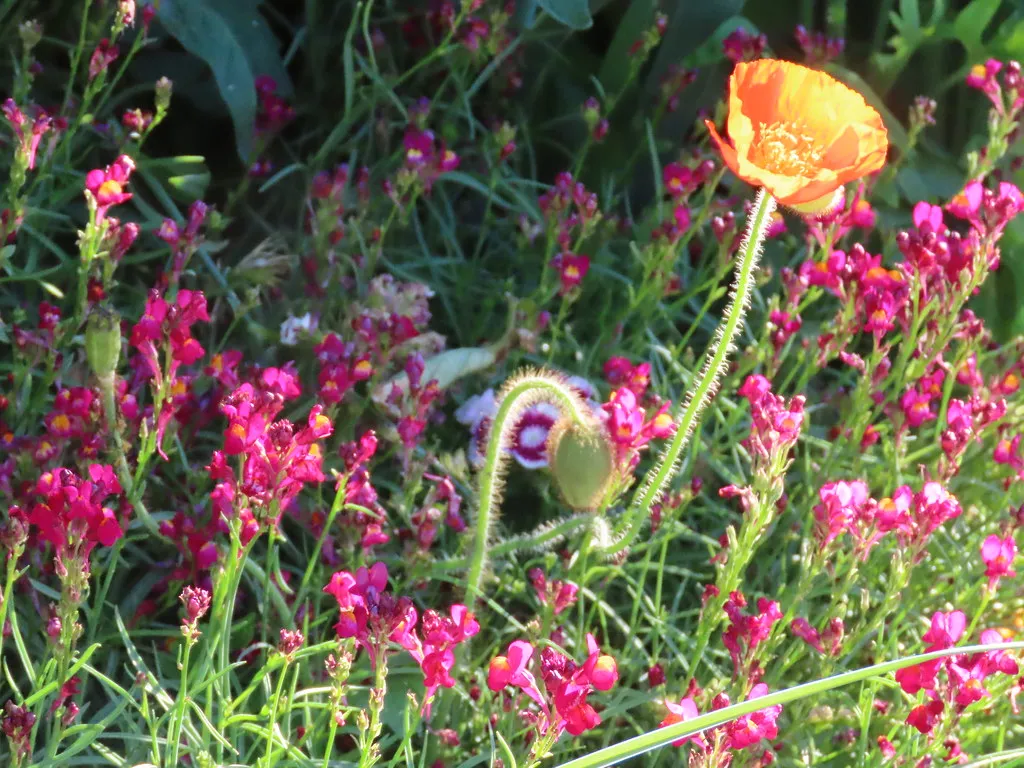
Ask a veteran gardener about seed packets that say “full sun” or “partial shade,” and they’ll roll their eyes. Those words don’t mean what beginners think. Most first-timers wildly overestimate how much sun their yard actually gets. That “sunny spot” by the fence might only get four hours – borderline for almost anything that fruits.
Tomatoes, peppers, squash, and melons want a real 6-8 hours of direct sun to perform. Veterans literally track light with a phone or notebook for a full day before planting anything, noticing the shed that steals afternoon sun or the neighbor’s tree that shades the bed by noon. Then they design around reality instead of hope:
- Full-sun hogs like tomatoes, peppers, and cucumbers go in the brightest zones
- Greens and herbs get tucked into the part-shade fringe
Quick Compare
- Full sun (6-8 hours): tomatoes, peppers, squash, melons
- Part sun (4-6 hours): lettuce, spinach, most leafy herbs
- Light shade (2-4 hours): mint, cilantro, some lettuces
Once you accept your yard’s true light situation, your harvest finally starts matching your effort.
#5 – Skipping Mulch Is a Regret You Only Make Once
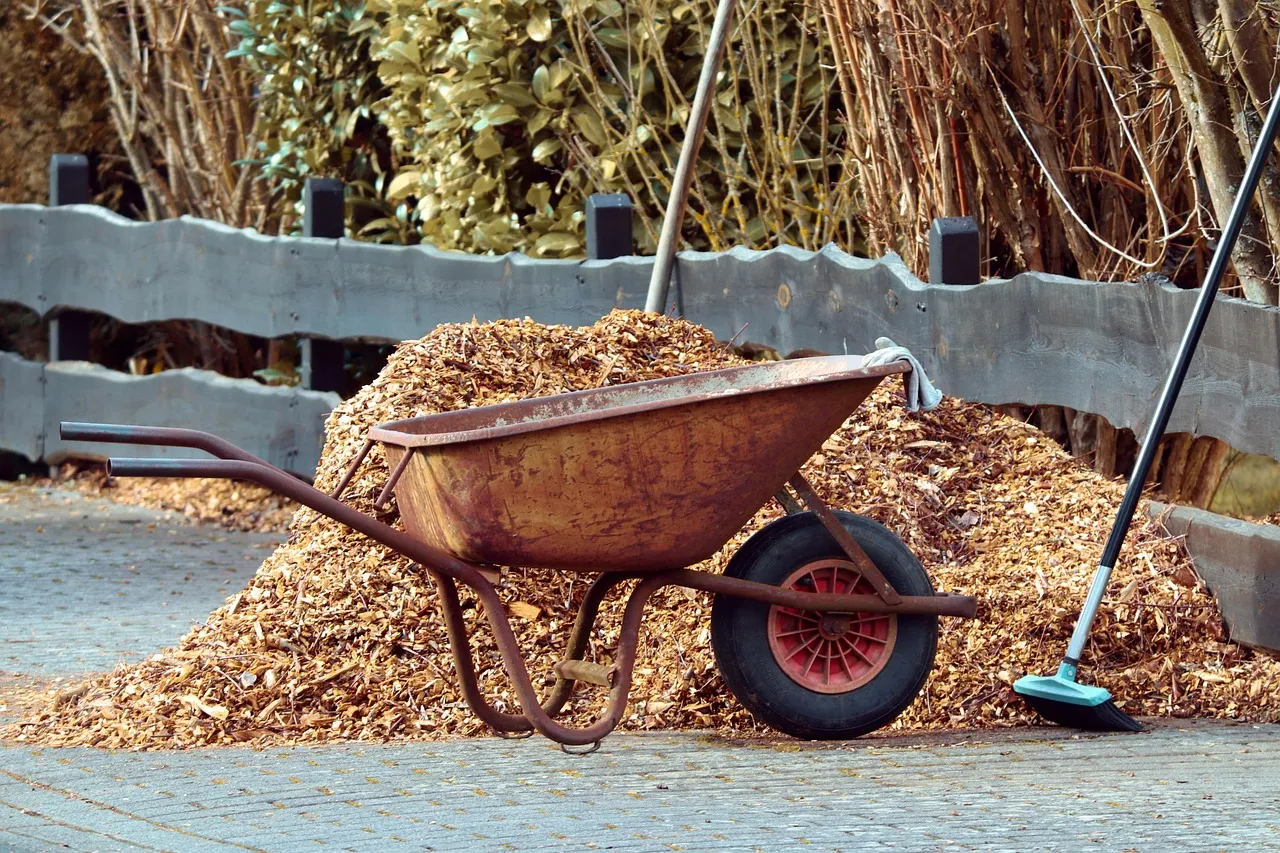
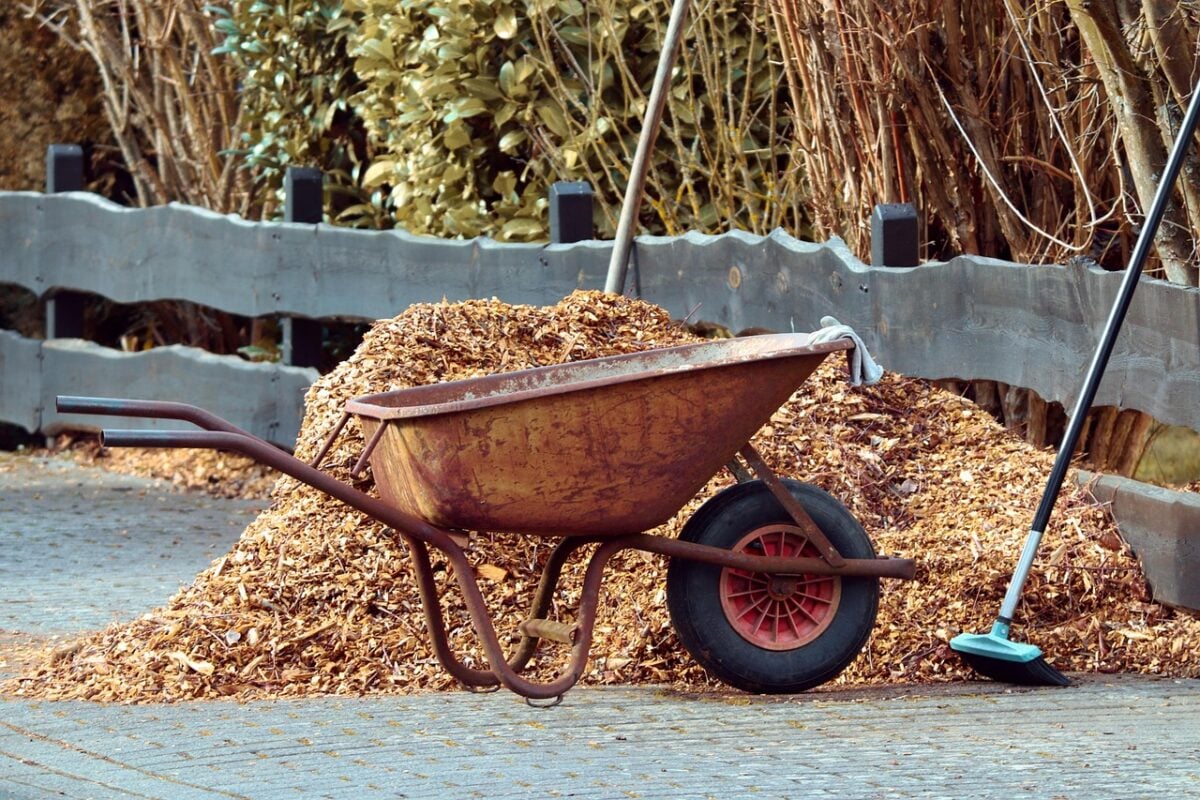
Almost no beginner understands how much labor mulch actually saves. Veterans practically beg newcomers: “Please, just mulch it.” It smothers weeds, regulates soil temperature, and slows evaporation all at once. Skip it, and you’re left fighting crusted soil, exploding weeds, and plants stressed by heat and drought.
Plenty of gardeners quietly admit their best season was the year they finally mulched everything. Straw, shredded leaves, wood chips, or dried grass clippings go down in a solid 2-4 inch layer, pulled back slightly from stems to prevent rot. It’s real work upfront. But watching your beds stay tidy while the neighbor’s turn into a weed jungle is one of gardening’s quiet, satisfying revenges.
#6 – You Don’t Need 90% of the Fancy Tools You’re Being Sold
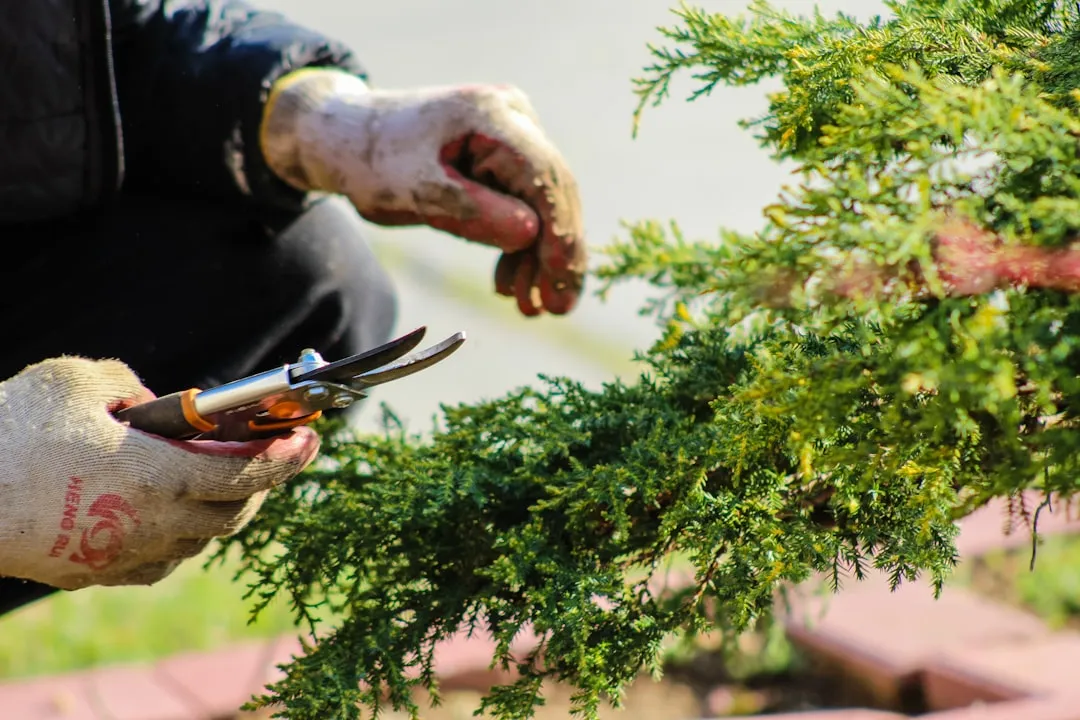
New gardeners walk into a garden center and get ambushed – specialty pruners, obscure weeders, decorative watering cans. Veteran gardeners quietly laugh, because they use the same 5-7 tools over and over and ignore the rest of the aisle. If your budget is tight, they’ll steer you toward:
- A solid hand trowel and hand fork
- A quality digging shovel
- A sturdy hoe or stirrup hoe for weeds
- Sharp bypass pruners
Most of the “cute” gear breaks fast or slows you down. Experienced gardeners put their money into long-lasting tools and soil amendments instead of gimmicks, and many swear secondhand tools from estate sales outperform anything shiny and new. Your harvest will never care whether your watering can was Instagram-ready.
#7 – You’re Planting Way More Than You Can Manage
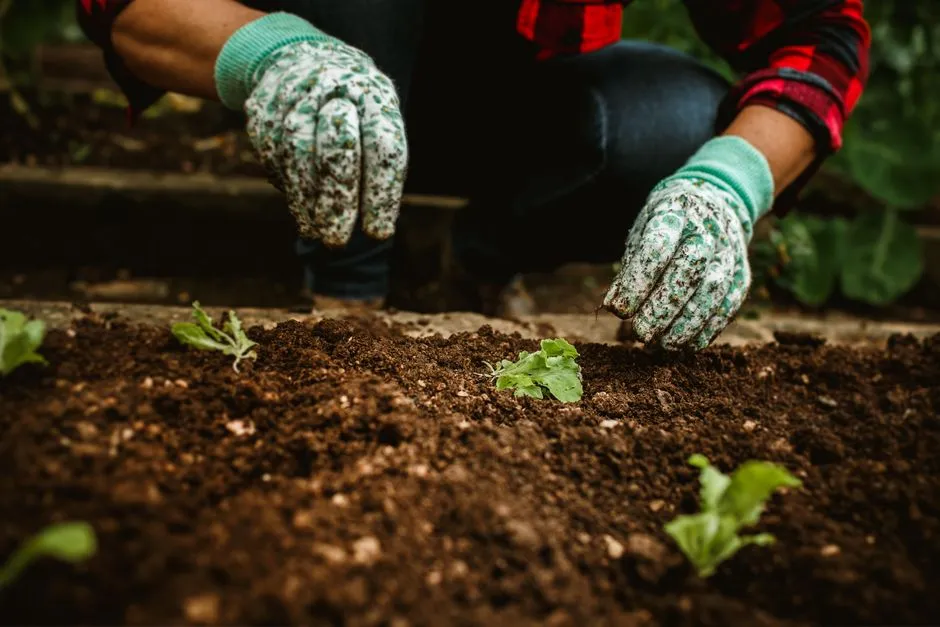
The biggest rookie mistake isn’t a wrong plant choice – it’s turning the entire yard into a farm on day one. Veterans almost universally say, “I wish I’d started smaller.” A sprawling first-year garden looks thrilling in March and turns into a guilt-ridden jungle by July, and a lot of people quietly quit gardening after exactly one overwhelming season.
Long-time gardeners suggest starting with one or two manageable beds and crops you actually eat. They learn how those specific plants behave, how local pests operate, and how much time they can really commit each week before ever expanding. Ironically, gardeners with small, well-tended plots often out-harvest the ones with sprawling, neglected ones. Control beats chaos, every single time.
Worth Knowing
- Start with just 1-2 raised beds or a small plot instead of the whole yard
- Pick 4-6 crops you genuinely eat every week
- Track your real weekly time commitment before adding more beds
- A tidy small garden reliably outperforms a neglected big one
#8 – Bugs Don’t Mean You’re Failing, But Chemicals Often Do
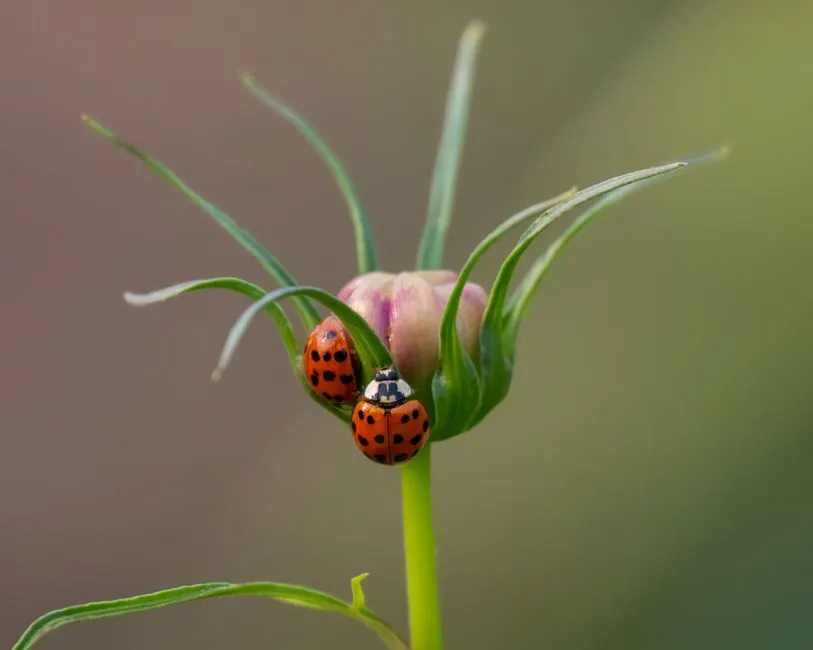
New gardeners see one hole in a leaf and sprint for the pesticide aisle. Experienced gardeners roll their eyes, because a perfectly spotless plant usually means you’ve nuked everything – the pests and your own pest control. A healthy garden is supposed to be alive with insects.
Ladybugs, lacewings, parasitic wasps, and ground beetles are your unpaid crew, and broad-spectrum spray kills them first. Veterans tolerate a little damage, knowing plants can outgrow minor attacks, and start gentle when they do intervene – hand-picking pests, row cover fabric, or soapy water instead of carpet-bombing the whole ecosystem. Once you watch a ladybug larva demolish an aphid colony in an afternoon, you understand why old-school growers say: don’t reach for the spray, reach for your brain first.
#9 – Seedlings Need “Hardening Off” or They’ll Collapse
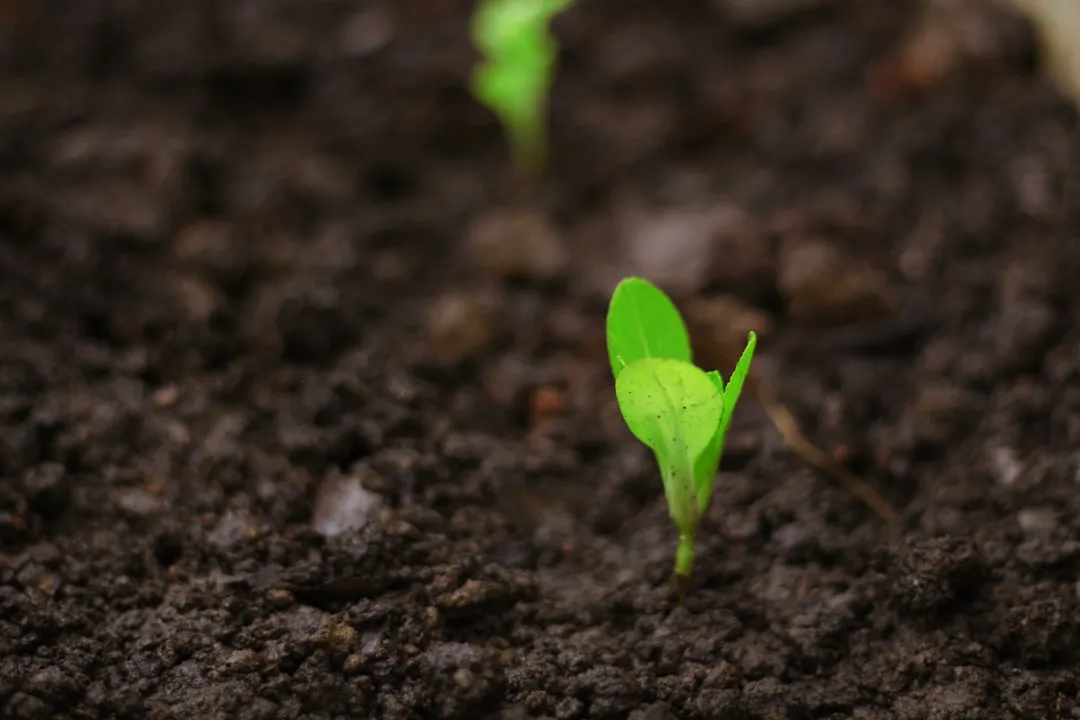
Every new gardener does this once: grow gorgeous seedlings indoors, plant them proudly into the garden, and watch them wilt, bleach, or die within days. Veteran gardeners know this heartbreak by name – failure to harden off. Indoor-grown seedlings are sheltered kids, and direct sun, wind, and cool nights shock them hard.
Experienced growers spend 7-10 days toughening seedlings up before they ever hit open ground. The process is simple but non-negotiable:
- Start with just a few hours of shade outdoors
- Gradually increase light, time, and wind exposure each day
By planting day, those seedlings barely notice the change. Gardeners who skip this step usually only do it once – the difference between pampered and hardened plants is impossible to unsee.
#10 – Succession Planting Is the Secret to a Harvest That Never Quits
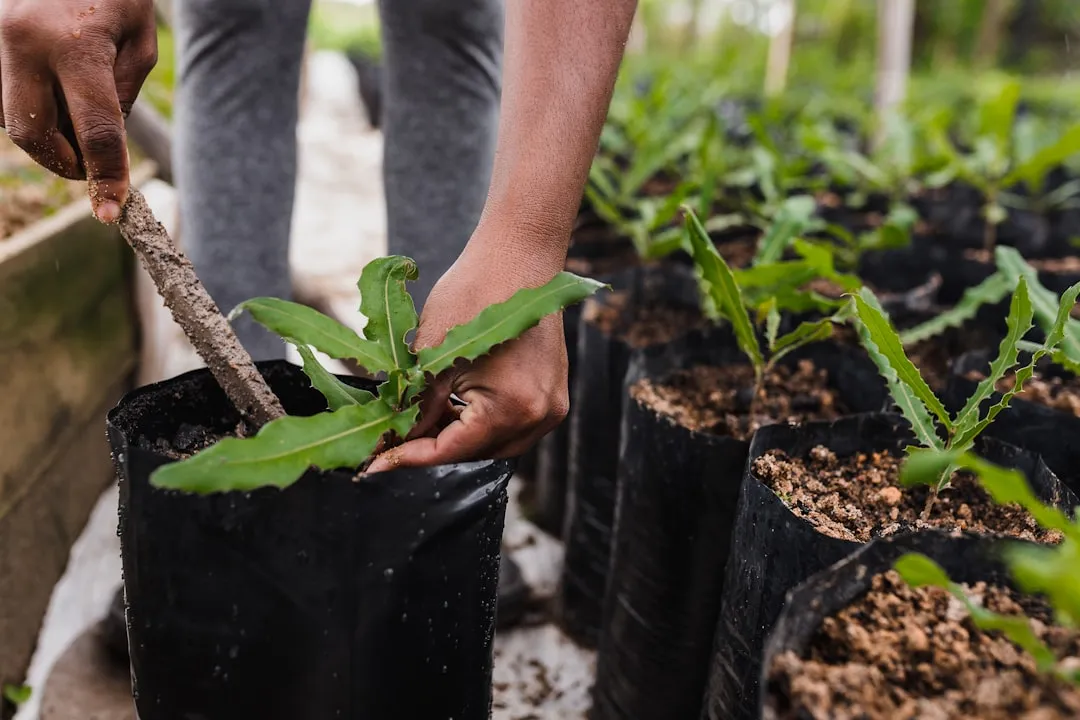
Most beginners plant everything on one magical weekend, and then everything ripens at exactly the same time. Cue 40 cucumbers in a single week, followed by absolutely nothing. Seasoned gardeners do something different: they stagger their plantings so the harvest never really stops.
This is succession planting, and it’s the difference between a short, chaotic glut and a steady trickle of food for months. Pros sow a new row of lettuce or radishes every 1-2 weeks, plant beans in waves, and follow spring peas with heat-lovers like squash in the same bed once the season shifts. It takes more upfront thinking, but once you realize a single bed can host two or three crops in one year, you never go back to planting everything at once.
#11 – Vertical Growing Saves You From an Actual Jungle
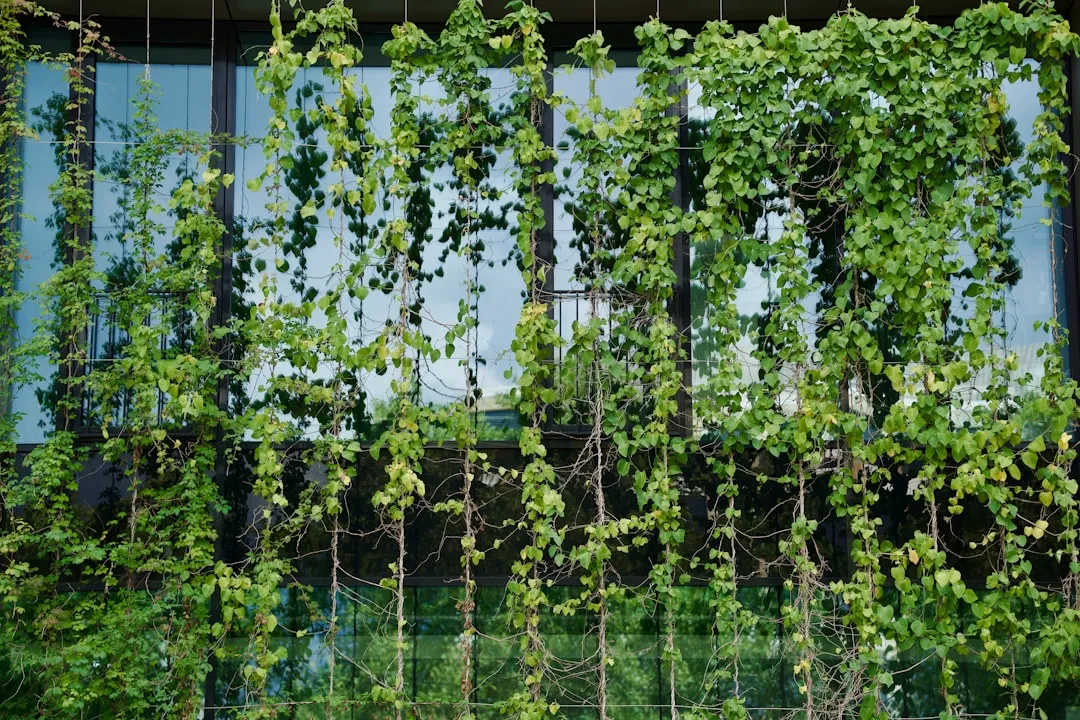
Rookie beds tend to collapse into ground-level chaos – squash sprawling into the path, tomatoes flopping over, cucumbers strangling their neighbors. Veterans avoid this by thinking upward instead of outward. Trellises, cages, and stakes aren’t optional extras; they’re how you reclaim your sanity.
Indeterminate tomatoes, pole beans, peas, and most cucumbers are simply happier climbing – better airflow, more light, easier harvesting. Experienced gardeners invest early in sturdy structures, not the flimsy tomato cages from the discount bin, and tie plants up from the moment they’re big enough instead of waiting for the jungle to arrive. Less disease, fewer slugs, and dramatically easier weeding once the ground isn’t buried in vines.
At a Glance
- Climbing crops get better airflow, which cuts down on fungal disease
- Vertical beds free up ground space for companion plantings
- Sturdy stakes or cages should go in at planting time, not after the fact
- Elevated fruit means fewer slug and rot problems at harvest
#12 – Composting Isn’t Optional if You’re in This for the Long Haul
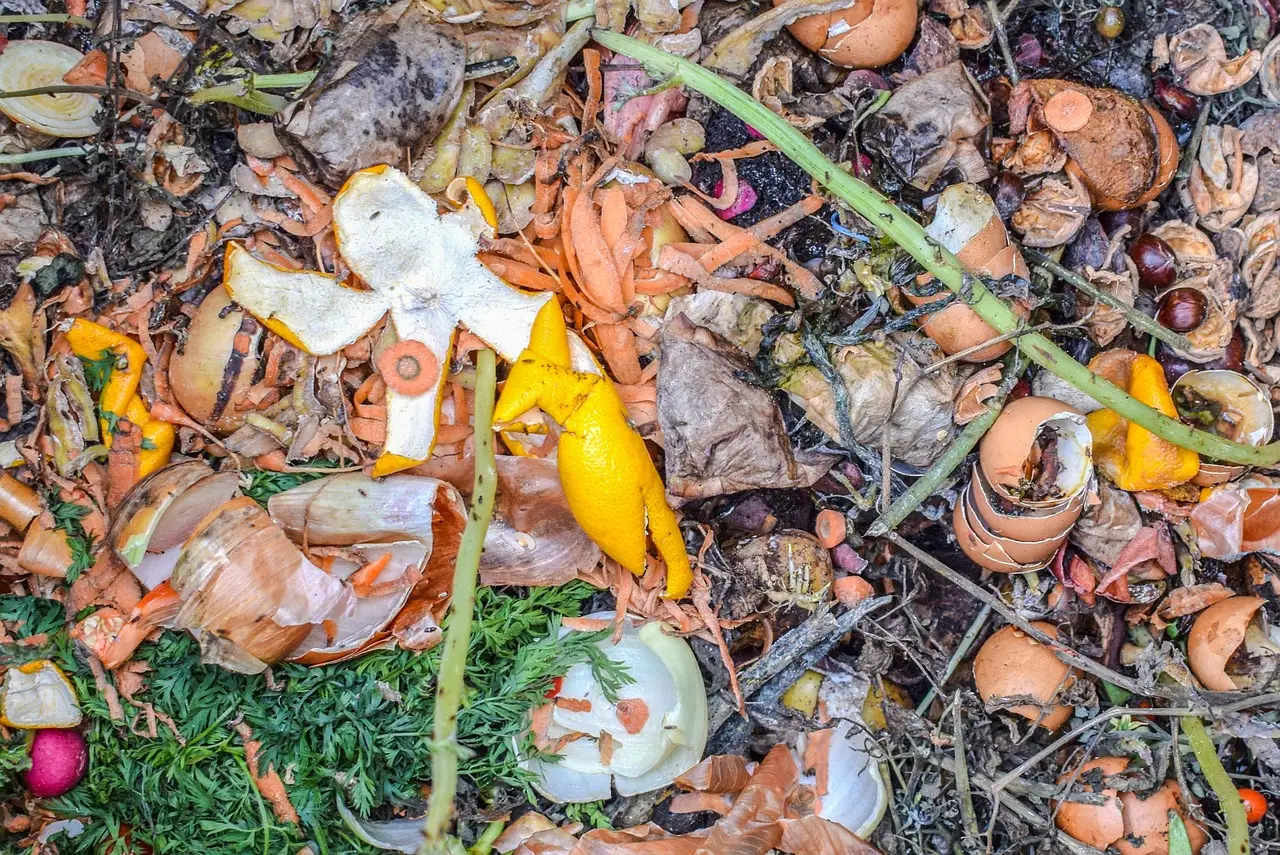
New gardeners treat compost like a nice extra. Veteran gardeners treat it as their backbone fertilizer and waste management system, knowing every pulled weed and trimmed carrot top is future soil in disguise. Buying bagged compost year after year gets expensive fast, while building your own turns kitchen scraps into free black gold.
Experienced growers keep it simple: a pile layered with “greens” like fresh scraps and “browns” like leaves and shredded cardboard, kept moist and occasionally turned. It doesn’t need to be perfect – nature wants to decompose things whether you help or not. Over a season or two, you end up with rich, crumbly compost that feeds soil far more gently than anything synthetic ever could.
#13 – You Have to Plan for Failure, On Purpose
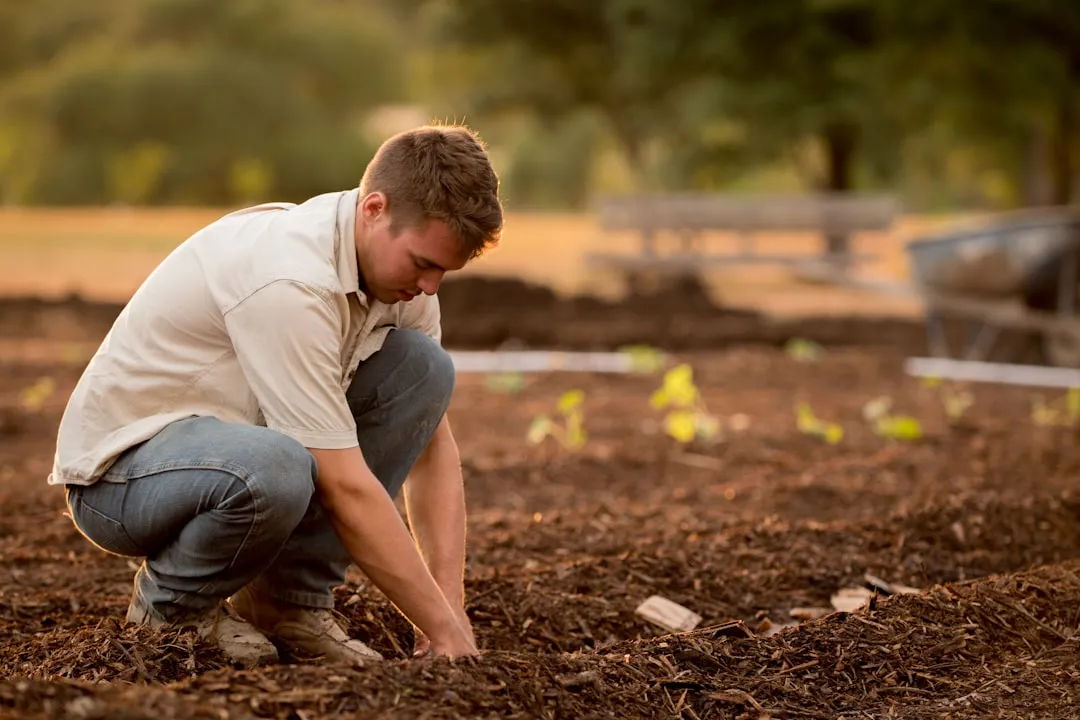
New gardeners quietly assume that if they “do it right,” everything will live. Veteran gardeners assume the opposite: something will fail every single year, no matter what. Late frost, freak heatwaves, mystery bugs, the neighbor’s dog – it’s always something.
The difference is that experienced growers budget for it. They plant extras, choose multiple varieties, and never put all their hope in one crop – three types of tomatoes instead of one, backup seedlings tucked in spare containers, a mental list of fast crops like radishes ready to plug into any gap. This mindset shift, from perfection to resilience, is what keeps veteran gardeners from quitting. The real question was never “will something go wrong,” it’s what your Plan B looks like when it does.
#14 – The Real Payoff Was Never Just the Harvest
Most first-timers think the entire point of a garden is maximum food output. Veteran gardeners, if they’re honest, will tell you that’s only half the story. The real reward is the ritual – stepping outside at dusk, checking new growth, noticing bees, watching a storm roll in and somehow spare your beds.
To plant a garden is to believe in tomorrow.
Audrey Hepburn
Once that clicks, gardening stops feeling like a production line and starts feeling like a long relationship. It doesn’t mean you accept a bad yield – it means you choose crops you actually enjoy eating and a size you can maintain without resentment. Many veteran gardeners say their biggest regret was never a dead plant. It was the seasons they spent trying to keep up with someone else’s garden instead of building one that matched their own rhythm.
The Bottom Line
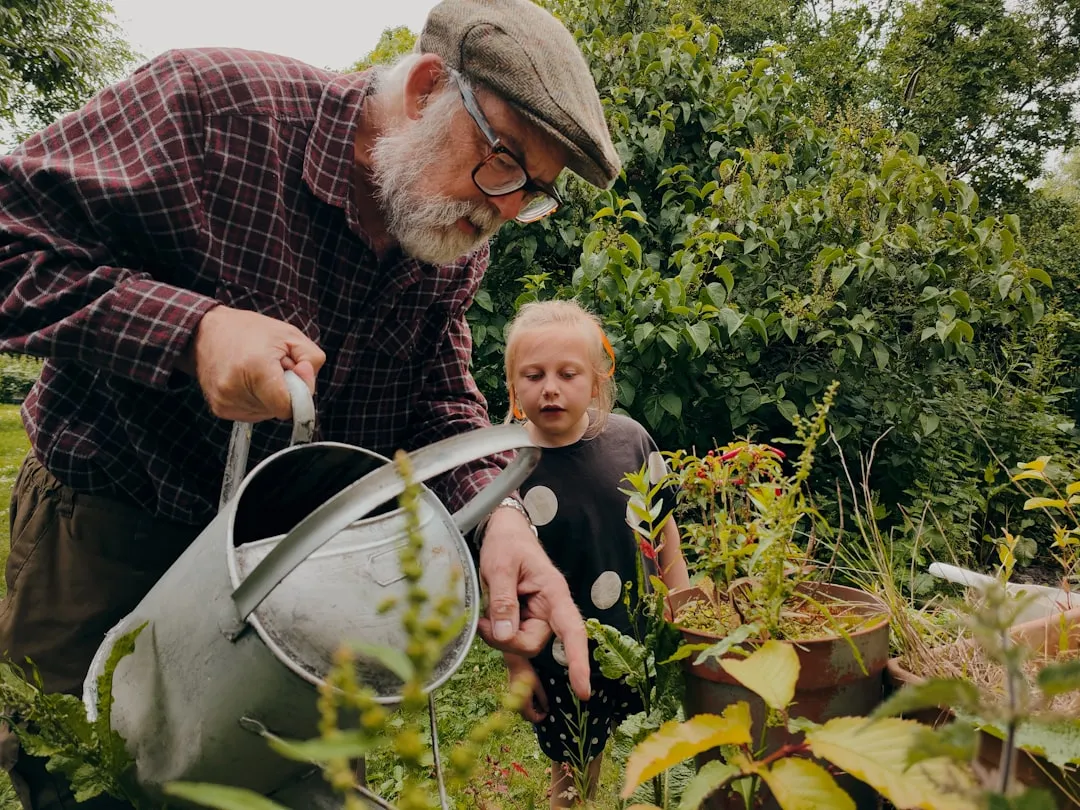
Veteran gardeners don’t have magical green thumbs. They just stopped believing the pretty myths. They learned the hard way that soil health beats seed hype, timing beats enthusiasm, and planning for failure beats chasing perfection.
They know mulch prevents burnout, vertical structures prevent chaos, and a smaller, well-tended plot will feed you better than a sprawling “dream garden” you secretly dread walking past. Most controversial of all, plenty of them will admit the garden’s real value was never measured in pounds of tomatoes – it was in the quiet daily habit of paying attention to something alive.
You can learn all of this the slow, painful way, one dead plant at a time. Or you can treat this list as your apprenticeship and skip a decade of mistakes before you’ve even bought your first packet of seeds. Which lesson do you think most new gardeners stubbornly refuse to believe until it’s too late?

- 16 Garden Choices Experienced Growers Wish They Had Made a Full Decade Earlier Than They Did - August 1, 2026
- 14 Things Veteran Gardeners Wish Someone Had Told Them Before Their Very First Full Planting Season - August 1, 2026
- 17 Plants Experienced Gardeners Say They Wish They Had Put In Years Before They Finally Did - August 1, 2026