
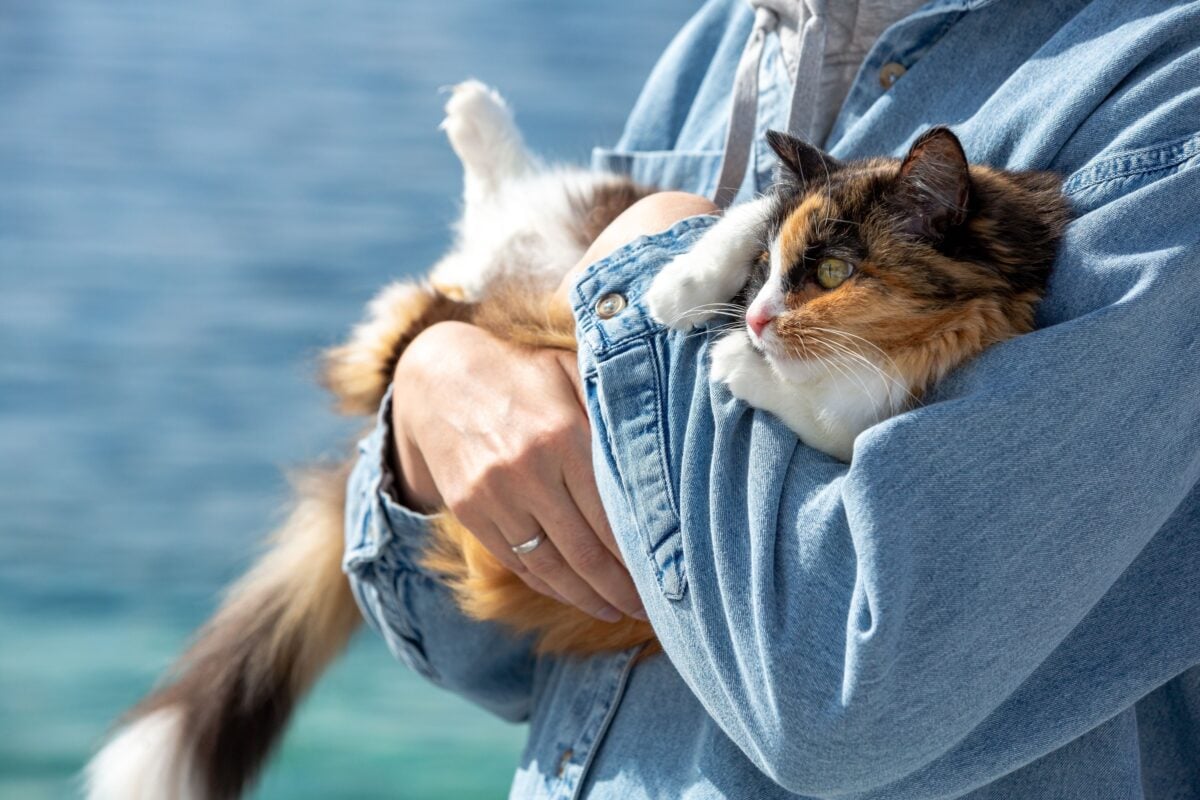
Most people believe a dying cat will do what instinct has told cats to do for thousands of years: crawl under the porch, disappear into a closet, and quietly slip away where no one can see. That’s the myth. It’s not always the reality.
A surprising number of cats do the opposite. They lean in. They stay close. They choose their person, again and again, right up until the very end. If you’ve ever wondered why a cat who once avoided your lap suddenly won’t leave it, the answer is more emotional than anyone expects.
14 – The Cat That Won’t Leave Your Side
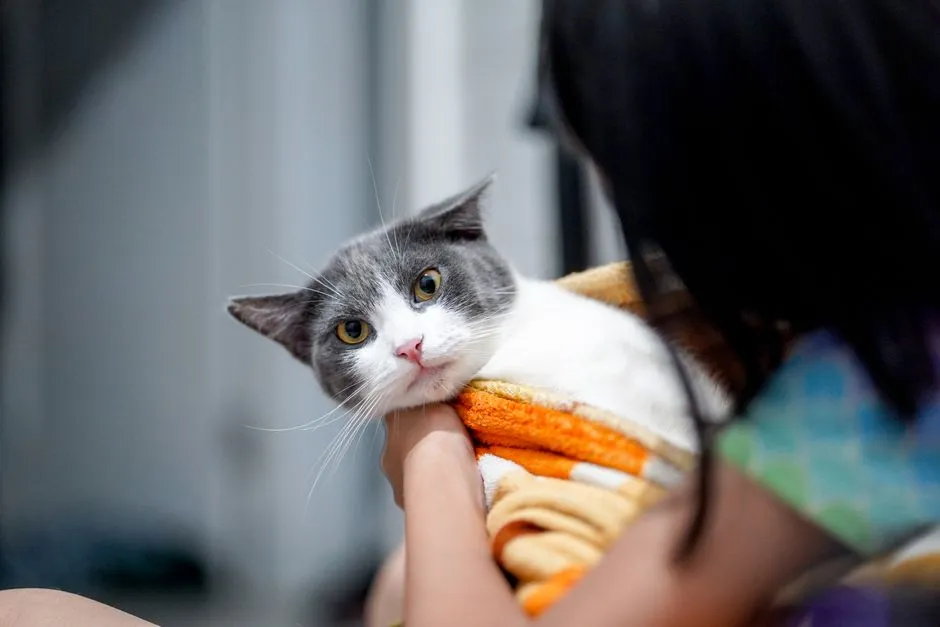
Some cats spend their entire lives keeping a respectful distance, content to be nearby but not touching. Then, in their final weeks, something shifts. They start trailing you into the bathroom, waiting outside doors, refusing to settle unless they’re touching some part of you.
Vets who work with aging pets describe this as a search for safety. A dying cat’s world is shrinking, and you have become the only fixed point left in it. The clinginess isn’t neediness for its own sake, it’s a quiet request: don’t go anywhere.
Fast Facts
- Vets often call this shift “proximity seeking,” a pattern commonly seen in cats entering their final stage of life
- It frequently shows up alongside other quiet changes, like reduced appetite or slower movement
- The behavior can appear gradually over several weeks or emerge suddenly within just a few days
- Even naturally independent cats can develop this need for near-constant contact once their body starts to decline
13 – Sleeping Beside You, Every Single Night
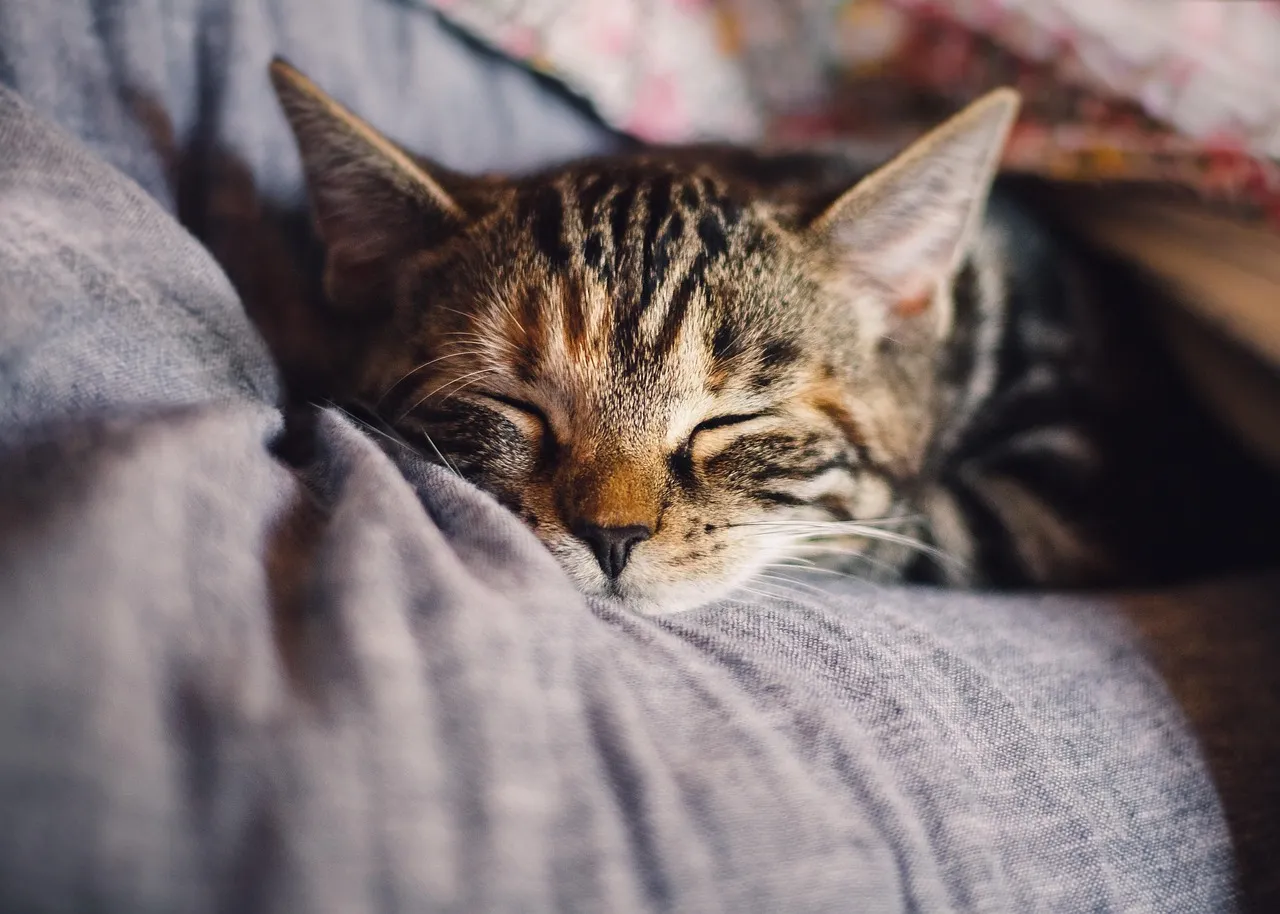
A cat that used to vanish at bedtime may suddenly claim the spot next to your pillow and never give it up. This isn’t only about warmth, though a failing body does struggle to regulate temperature. It’s about sound and rhythm.
Your heartbeat and breathing are steady, predictable, and calming in a way nothing else in a sick cat’s world is anymore. Sleeping pressed against you is one of the last ways they know how to say they still trust you completely.
12 – The Shadow That Follows You Room to Room
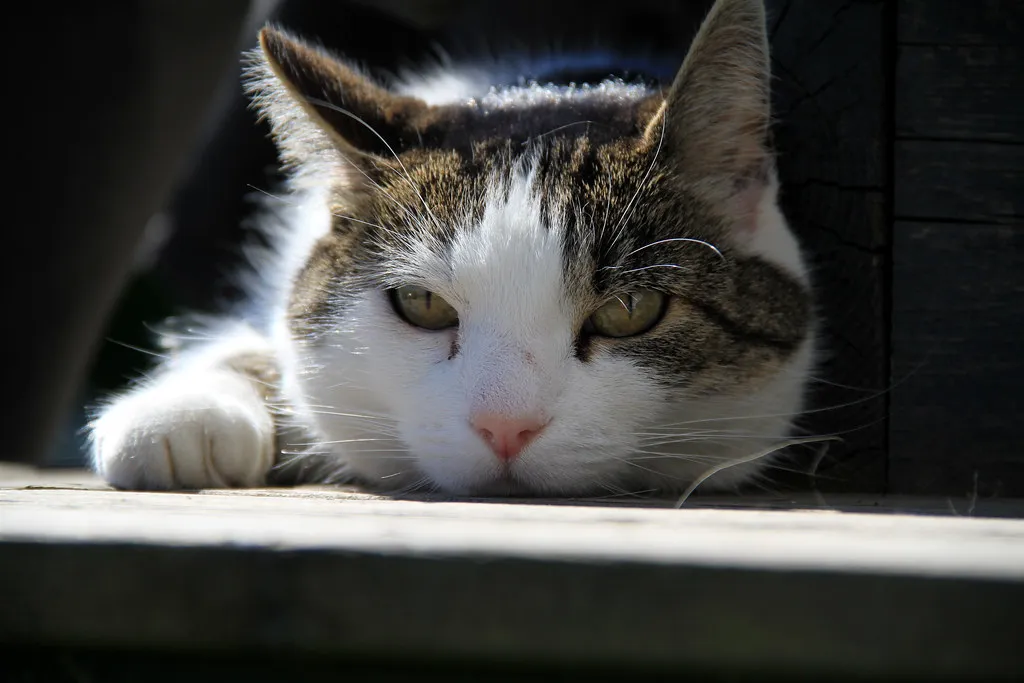
Independence is practically a cat’s whole personality, right up until it isn’t. Owners of dying cats often describe a strange new habit: the cat trails them from the kitchen to the living room to the bedroom, refusing to be left in a room alone.
It can feel unsettling at first, almost eerie. But it’s less about surveillance and more about not wanting to miss a single moment. Time has become precious, and the cat seems to know it.
11 – The New Voice You’ve Never Heard Before
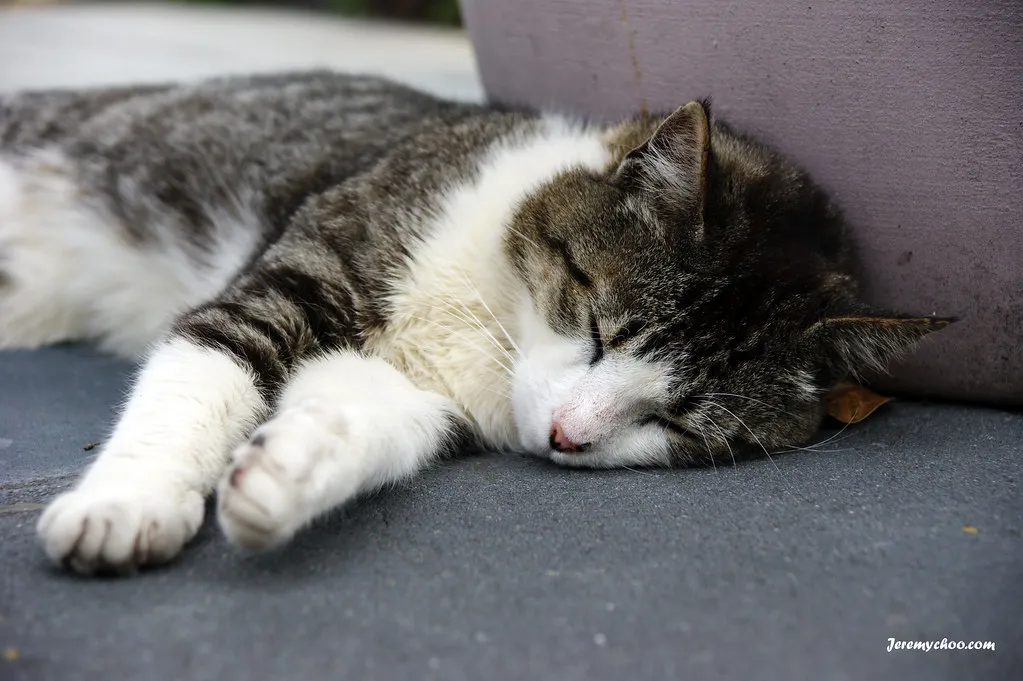
Some cats go quiet as they decline. Others do the opposite, developing a new vocabulary of meows, chirps, and low cries that owners swear they’ve never heard before. It can be startling, even a little heartbreaking, in the middle of the night.
This vocalization can signal discomfort, confusion, or simply a need to be reassured that you’re still there. A calm voice and a gentle hand are often the only medicine that actually helps.
10 – Bringing You the Toy They Loved Most
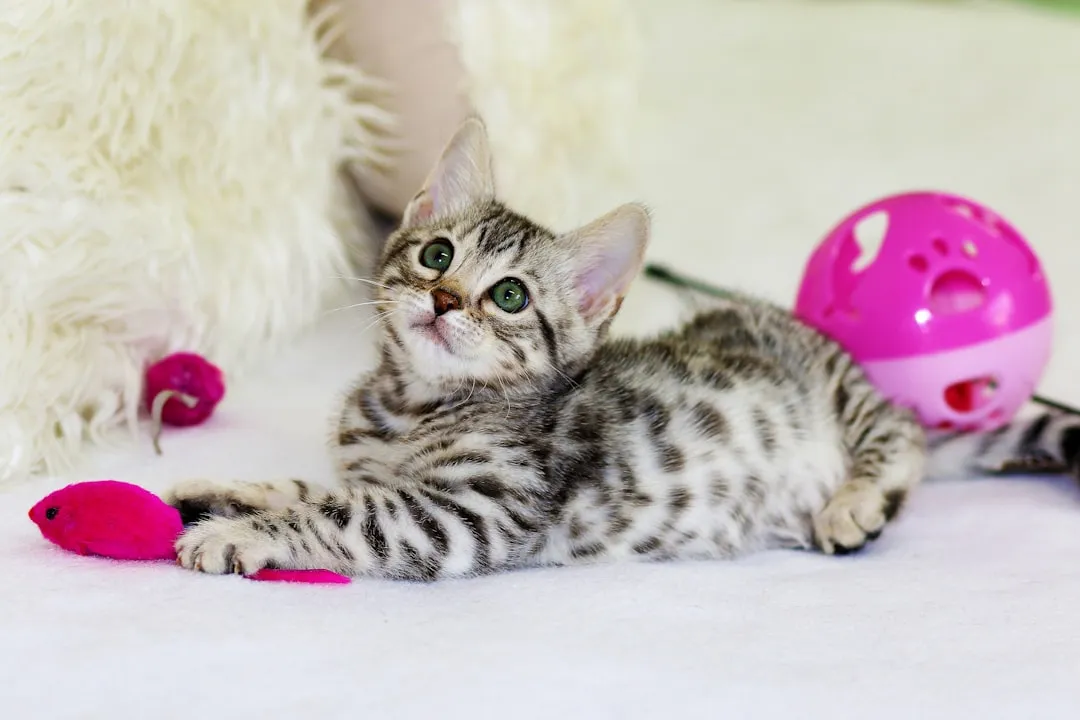
Every once in a while, a dying cat will do something that stops an owner cold: dragging a beloved toy across the house and dropping it at their feet, the way they haven’t done since they were young.
It reads like an offering, a small act of trust and affection dressed up as play. Some behaviorists see it as an attempt to return to a familiar, happy ritual, one more shared moment before everything changes.
9 – The Purr That Means Something Different Now
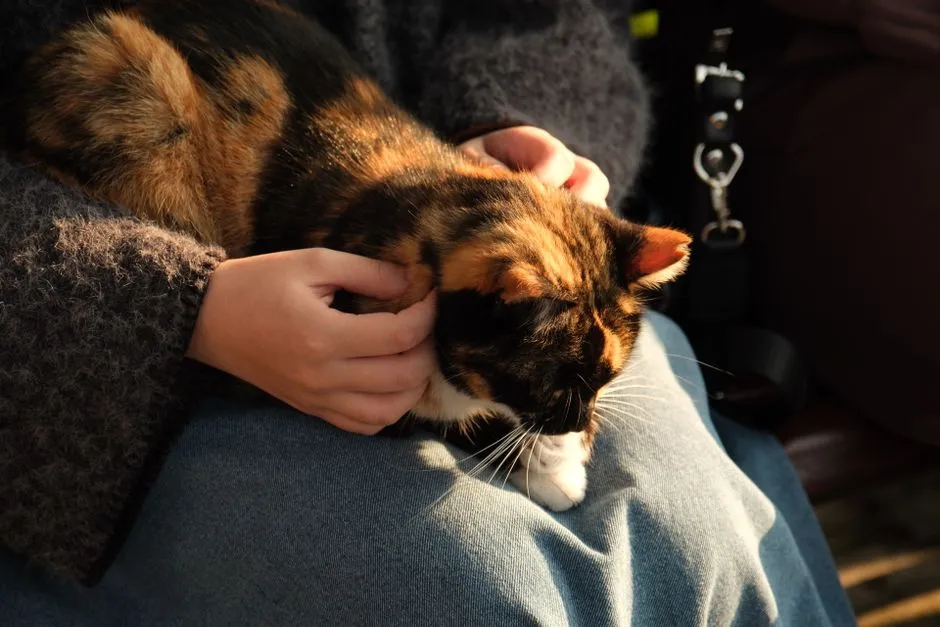
Purring gets sold to us as the sound of a happy cat, but that’s only half true. Cats also purr when they’re frightened, in pain, or trying to calm themselves down, and a dying cat’s purr often falls into that second category.
Rather than contentment, it can be self-soothing, a survival reflex some scientists believe may even have mild healing properties. When your cat purrs against you in these final days, they may be comforting themselves as much as accepting comfort from you.
Worth Knowing
- A cat’s purr typically vibrates between 25 and 150 Hertz, a range some researchers associate with tissue and bone healing
- Purring uses very little energy, making it one of the few comforting behaviors a weakened cat can still manage
- Cats also purr while eating, nursing kittens, or approaching another cat, showing it’s tied to comfort-seeking, not just happiness
- A change in purr pitch or rhythm is something many hospice-focused vets watch for closely
8 – When Your Cat Starts Grooming You
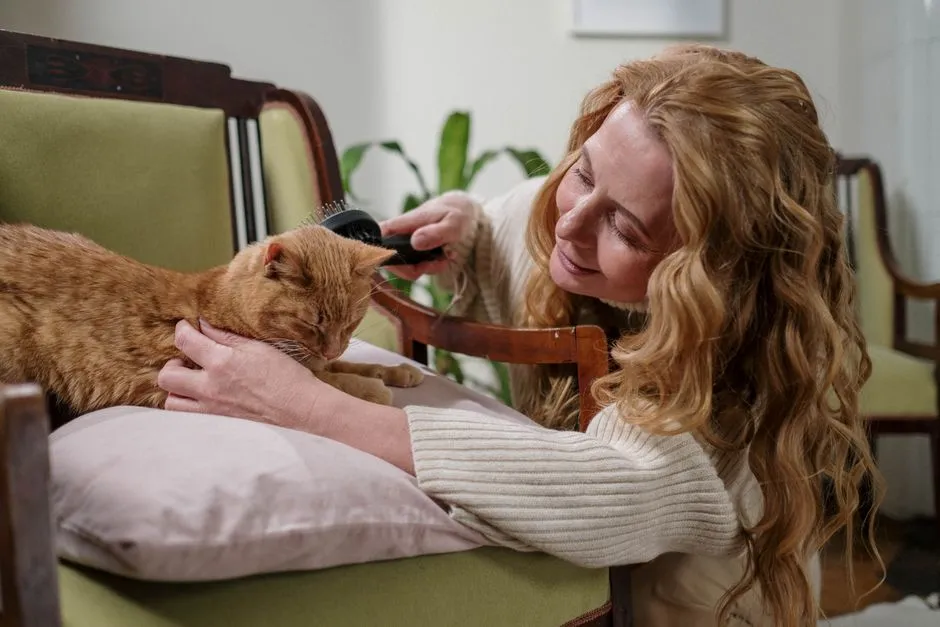
A cat licking your hand or your cheek is never just hygiene. Grooming is one of the deepest bonding behaviors in a cat’s repertoire, usually reserved for other cats they trust completely.
When a dying cat starts grooming their owner more than usual, it’s often read as a last act of closeness, an attempt to fold you into their world the same way they’d fold in a littermate. It’s tender, and for many owners, almost unbearably moving.
7 – The Long, Steady Stare
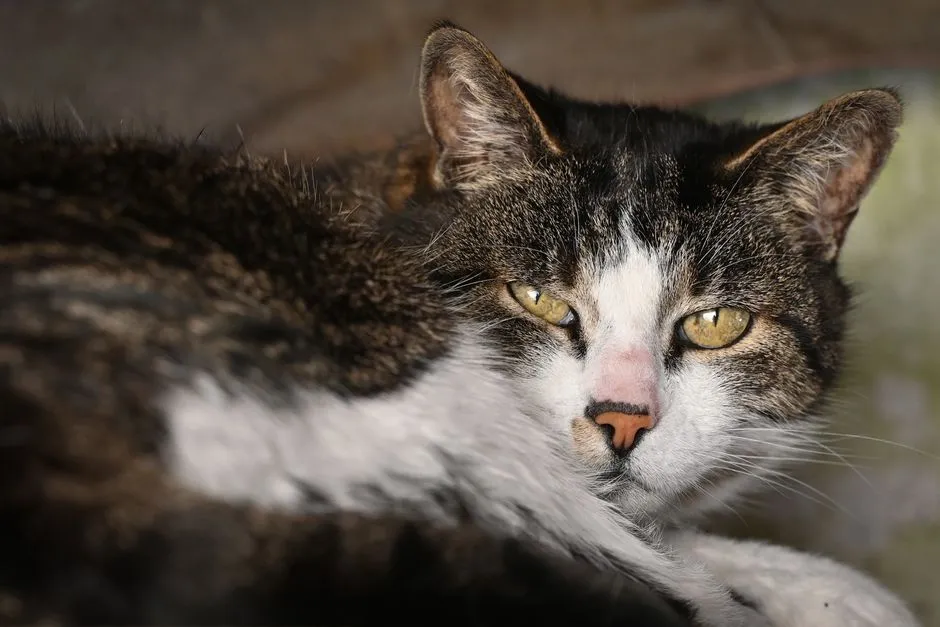
Cats are famous for avoiding prolonged eye contact, treating a hard stare as a challenge. So it can feel almost startling when a dying cat locks eyes with you and simply doesn’t look away.
This isn’t confrontation. It’s connection. A slow blink or steady gaze in these final days often functions as a cat’s version of a conversation, one that says more than any meow could.
6 – Sleeping on Your Sweater, Your Shoes, Your Pillow
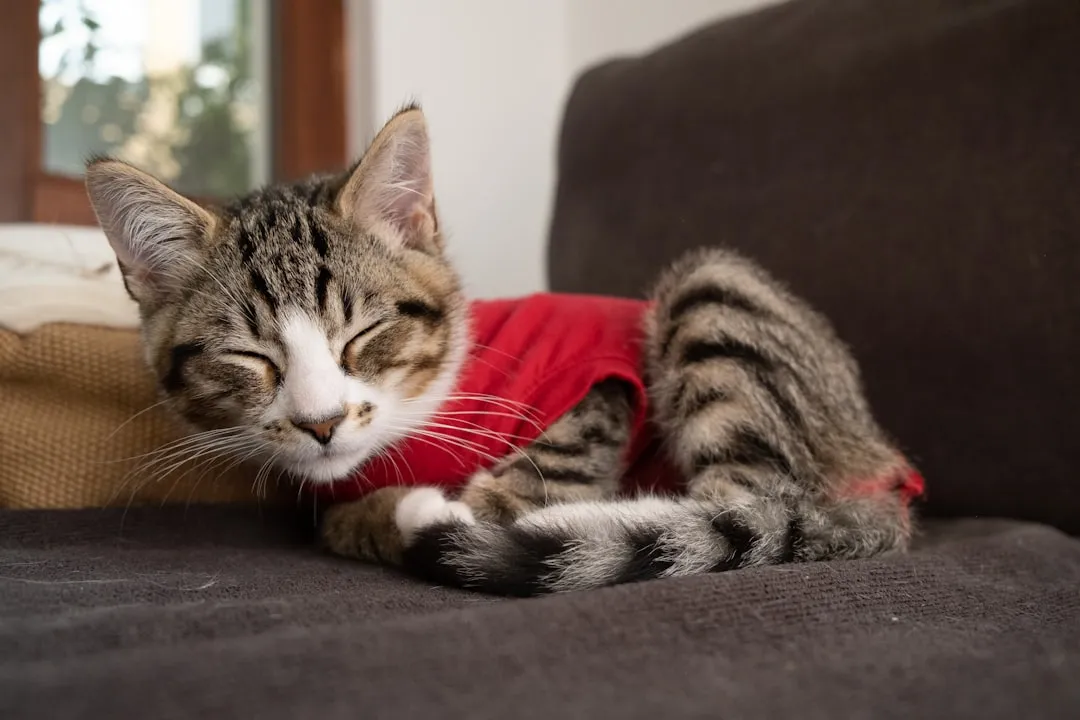
Even when a cat can’t be physically near you every hour of the day, they’ll often seek out the next best thing: anything that smells like you. A worn sweater, a pair of shoes, an unmade pillow all become makeshift substitutes for your presence.
Scent is one of the most powerful senses a cat has, and it doesn’t fade the way sight or mobility might in these final weeks. Curling up in your scent is a quiet, private way of staying close, even in your absence.
Quick Compare
- Sight and hearing often dull first as a cat’s body weakens
- Mobility and coordination typically decline early, making long walks or jumps difficult
- Smell tends to stay sharp the longest, which is why scent-driven comfort still works in late-stage illness
- Touch sensitivity often remains strong, which is why gentle petting can still soothe a failing cat
5 – Standing Guard Between You and the World
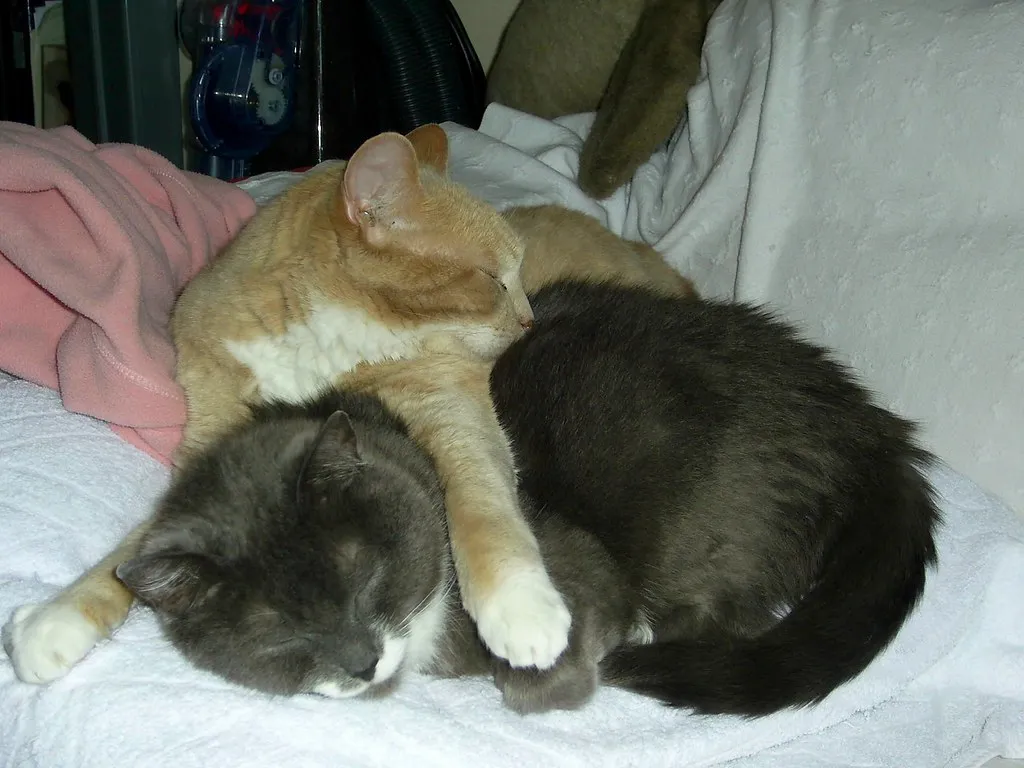
It seems almost backwards, a dying cat trying to protect its owner instead of the other way around, but it happens. Some cats become hyper-alert, positioning themselves near doors or between their person and unfamiliar visitors.
This protective instinct, even as their own body is failing, speaks to something deeper than survival. It suggests a bond strong enough to override self-preservation, right up until the end.
4 – Burying Their Face in Your Scent
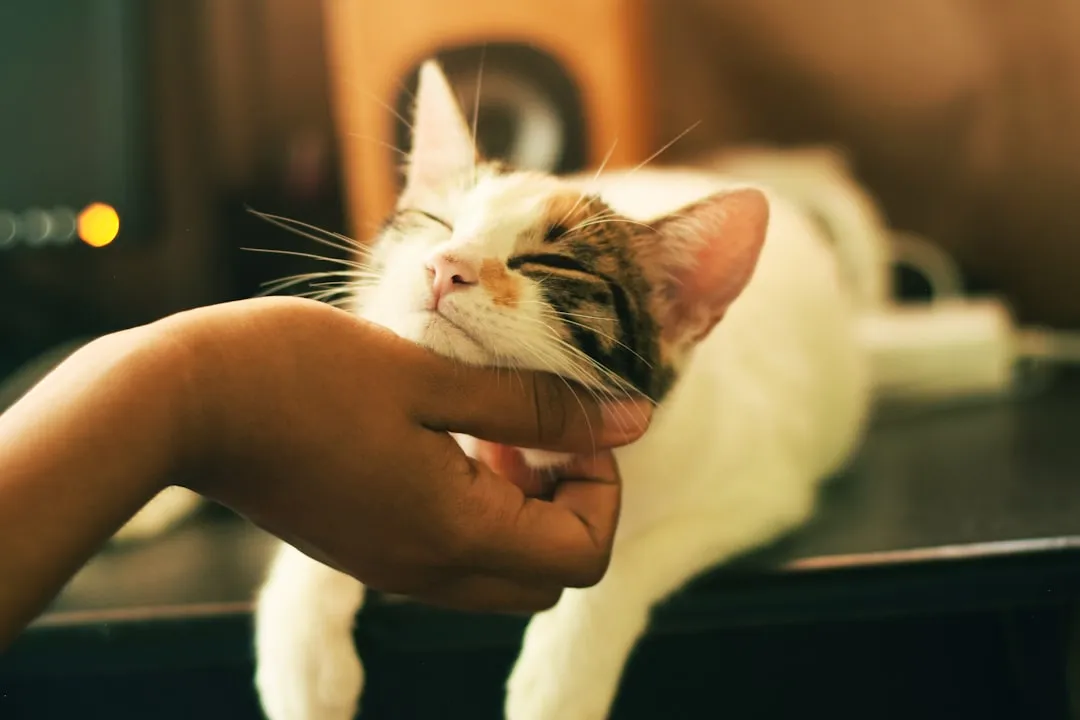
Beyond sleeping on your things, some cats will actively nuzzle and push their face into your neck, hands, or hair, breathing you in like they’re trying to memorize you. It’s a more active, urgent version of scent-seeking than simply curling up on your sweater.
Owners often describe this stage as the most affectionate their cat has ever been, a complete reversal from a lifetime of polite distance. It can feel like your cat is trying to hold onto you with the only tools they have left.
3 – The Cat Who Finally Lets You Hold Them
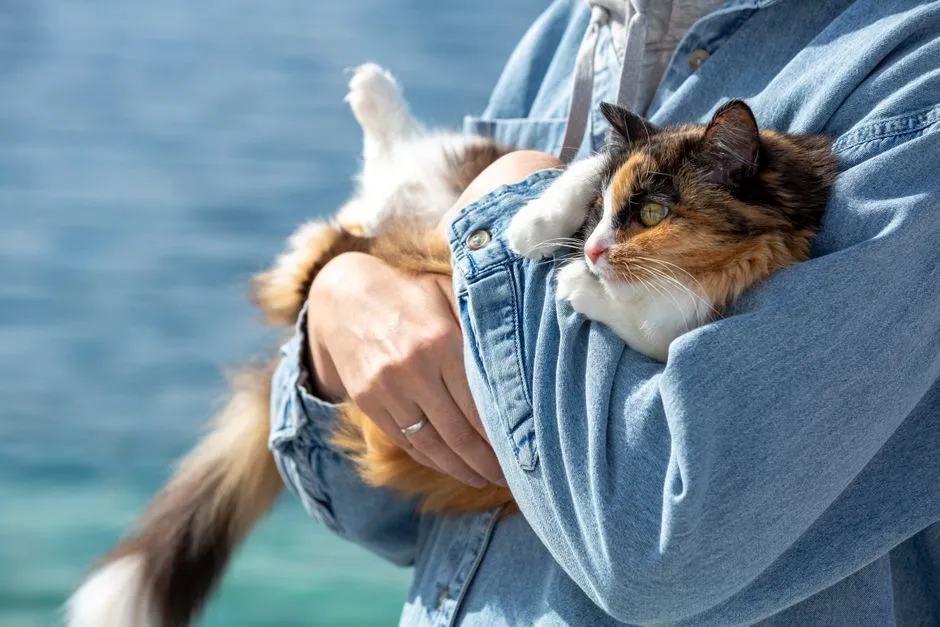
Some cats spend years squirming out of hugs, tolerating being held for exactly four seconds before demanding freedom. In their final days, that resistance often disappears entirely.
A cat who once refused to be cradled may go completely limp and relaxed in your arms, accepting affection they would have flatly rejected a year earlier. It’s one of the clearest signs that their guard, quite literally, is coming down.
2 – Curling Up Closer Than Ever Before
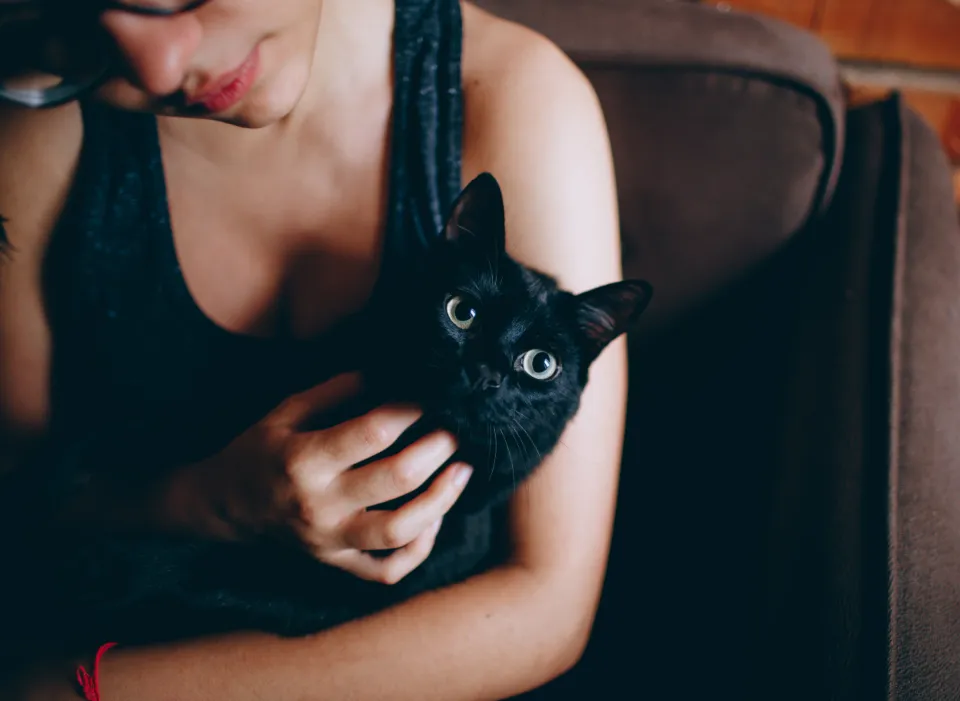
Beyond simply sleeping nearby, some cats push the boundary even further, wedging themselves into the crook of your arm, against your chest, or directly on top of you in a way they never allowed before.
This isn’t about comfort in the physical sense alone. It’s the closest a cat can physically get to another living thing, and in these last days, that proximity seems to matter more than anything else.
At a Glance
- Physical closeness like curling into your arms is one of the most commonly reported end-of-life behaviors in cats
- This shift often intensifies in the final days or weeks of a cat’s life
- It typically pairs with reduced appetite, lower energy, and longer stretches of sleep
- Many owners describe it as their cat “choosing” a person for comfort, not just for warmth
1 – Choosing to Die in Your Arms
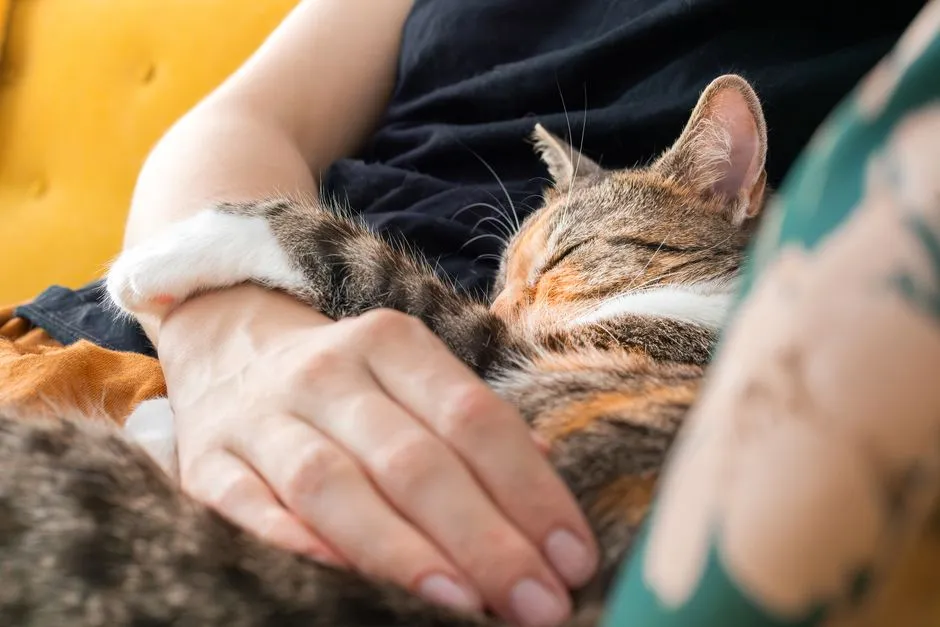
Wild instinct tells a sick or dying animal to hide, to disappear somewhere safe and vulnerable-free until the end comes. It’s one of the oldest survival rules in nature. And yet, remarkably often, cats break it.
Many owners have described the same moment: a cat who spent its whole life avoiding vulnerability finally choosing to let go while being held, touched, or simply lying pressed against the person it trusted most. It’s the final, quiet proof of a bond that never needed words to begin with.
What This Really Means
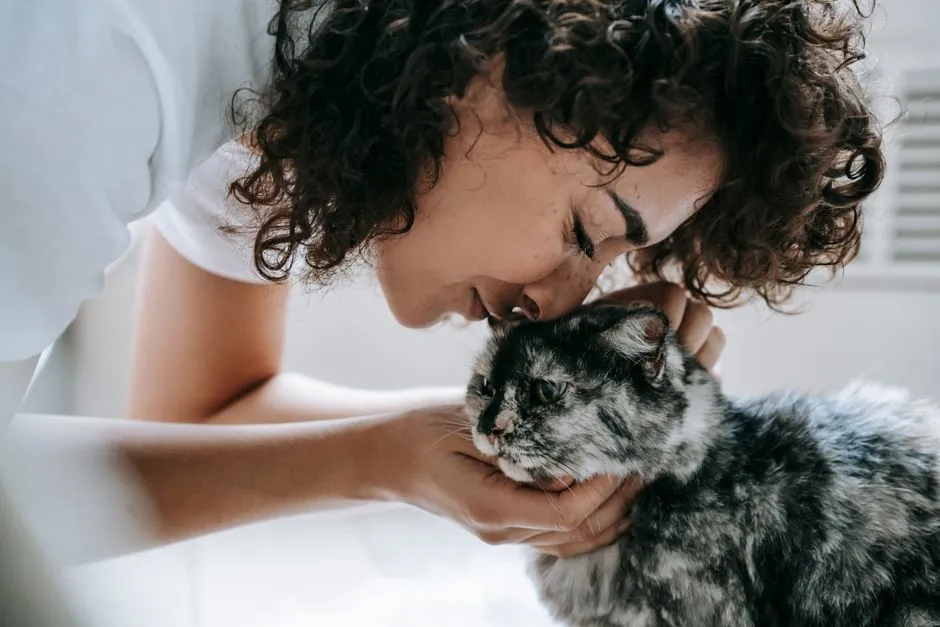
Here’s the opinion, and it’s not a gentle one: cats get an unfair reputation as aloof, self-sufficient, emotionally distant animals who tolerate us more than they love us. These final-day behaviors blow that reputation apart.
A cat that spends its life keeping polite distance and then spends its final days pressed against your chest isn’t performing instinct. It’s making a choice. If you’ve ever doubted whether your cat truly loved you back, this is the answer, delivered in the most heartbreaking way possible.
