
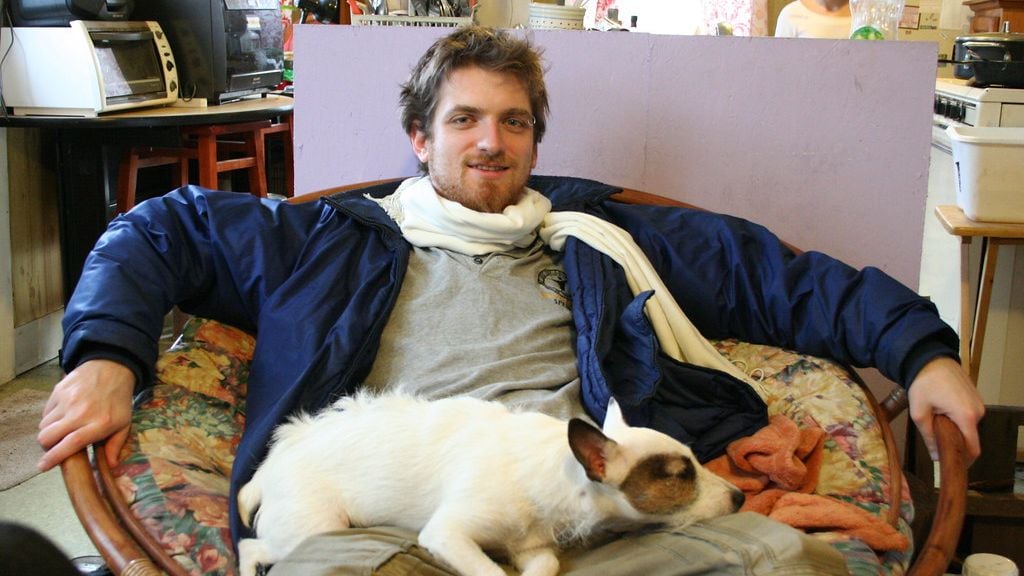
Most people brace for the end by preparing themselves to comfort their dog. What they don’t expect is for their dog to turn around and comfort them. In the weeks before they go, many senior dogs don’t withdraw the way we assume they will. Instead, something quieter and more deliberate happens – a tightening of the bond, a closing of distance, a series of small gestures that families only fully understand in hindsight.
What follows isn’t a clinical checklist. It’s a pattern that shows up again and again across owner accounts, animal hospice observations, and the kinds of stories people share in hushed voices after the loss. Some of these behaviors are heartbreakingly subtle. A few will stop you mid-scroll. And at least one – the last one – has a way of staying with people for the rest of their lives.
#14 – Following You Room to Room Like a Shadow
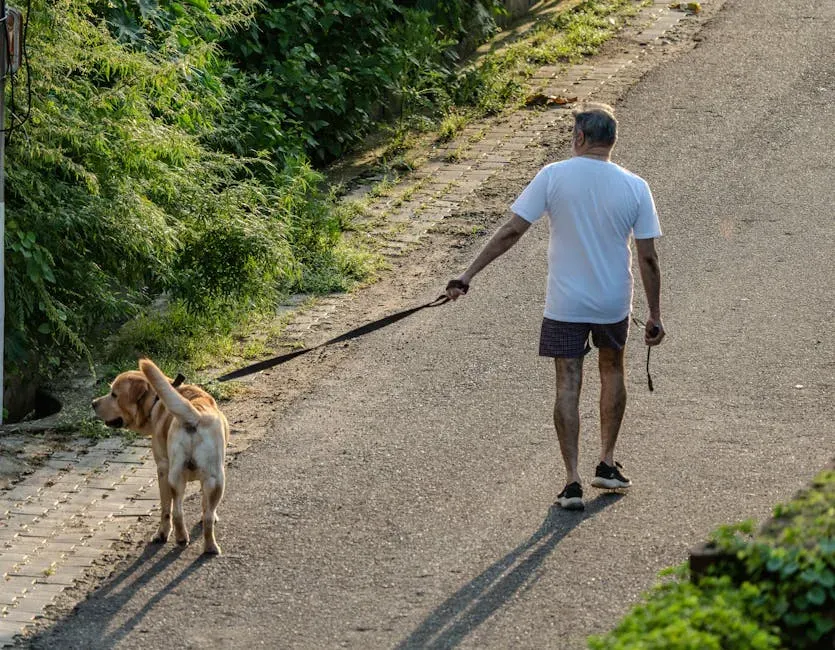
Owners who had independent dogs for a decade suddenly find them unwilling to be in a different room. The dog trails from kitchen to bathroom to bedroom and settles only when the person is within sight. It happens gradually at first, then becomes constant – a warm, quiet presence at your heels that feels less like need and more like intention.
What strikes families most is that these dogs often bypass their own soft beds to lie on hard floors near their owner’s feet. Comfort is secondary. Proximity is the point. Vets acknowledge that declining senses and discomfort can drive closeness, but what families consistently describe goes beyond restlessness – it feels protective. Like the dog has quietly decided that staying near you is the most important job left to do.
Fast Facts
- Most dogs are considered senior at age 7, though large breeds like Great Danes can reach senior status as early as 5–6 years old.
- The average dog lifespan is 10–13 years, with smaller breeds often reaching 14–16 years.
- Shadow-following in senior dogs is frequently tied to declining vision and hearing – you become their anchor point.
- Veterinary professionals often call this behavior “velcro dog syndrome” – and it intensifies near end of life.
- Dogs have roughly 300 million scent receptors; even a declining nose can track an owner through an entire home.
#13 – Offering Gentle Licks on Hands or Face
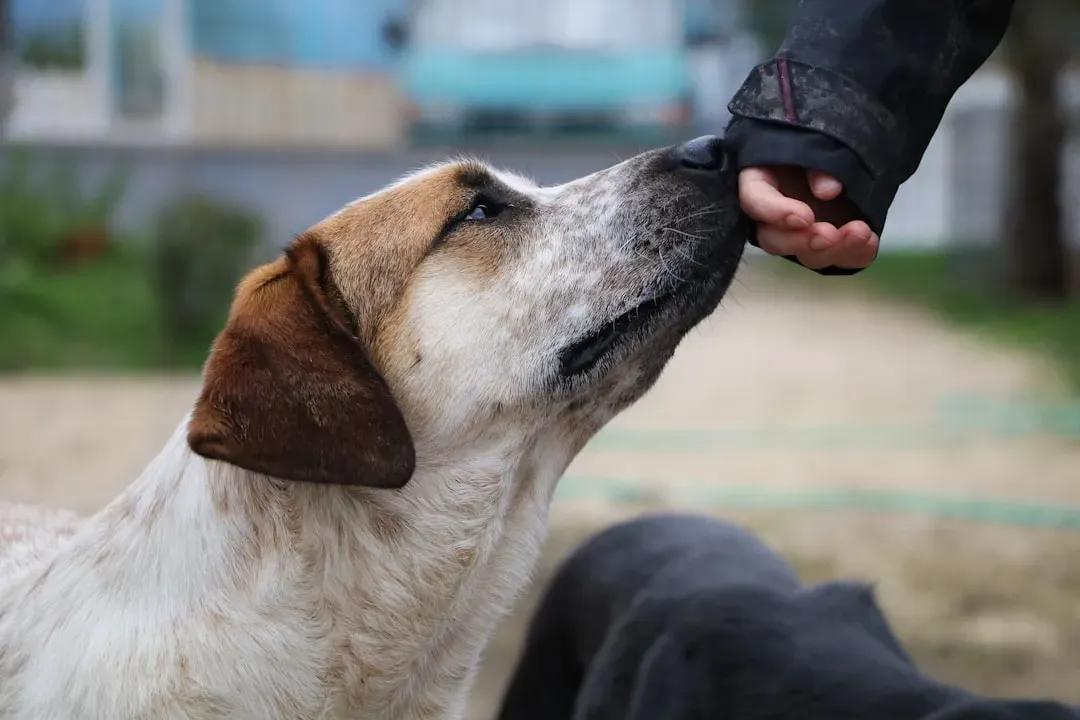
Not the frantic, full-body greeting of a younger dog. These are slow, deliberate licks – unhurried and soft – that land on a hand resting in a lap or a face bent close. Families notice them most during quiet moments, often when the owner is visibly sad or stressed, as if the dog has tuned into something in the room’s emotional temperature.
Animal hospice workers describe this as one of the most commonly reported behaviors in the final weeks, and one of the hardest to forget. It leaves no lasting trace except the memory of it – the warmth, the gentleness, the sense that the dog was trying to say something it didn’t have words for. Many owners describe these moments as the ones they return to most, long after everything else has blurred.
#12 – Resting Their Head on Your Lap or Chest
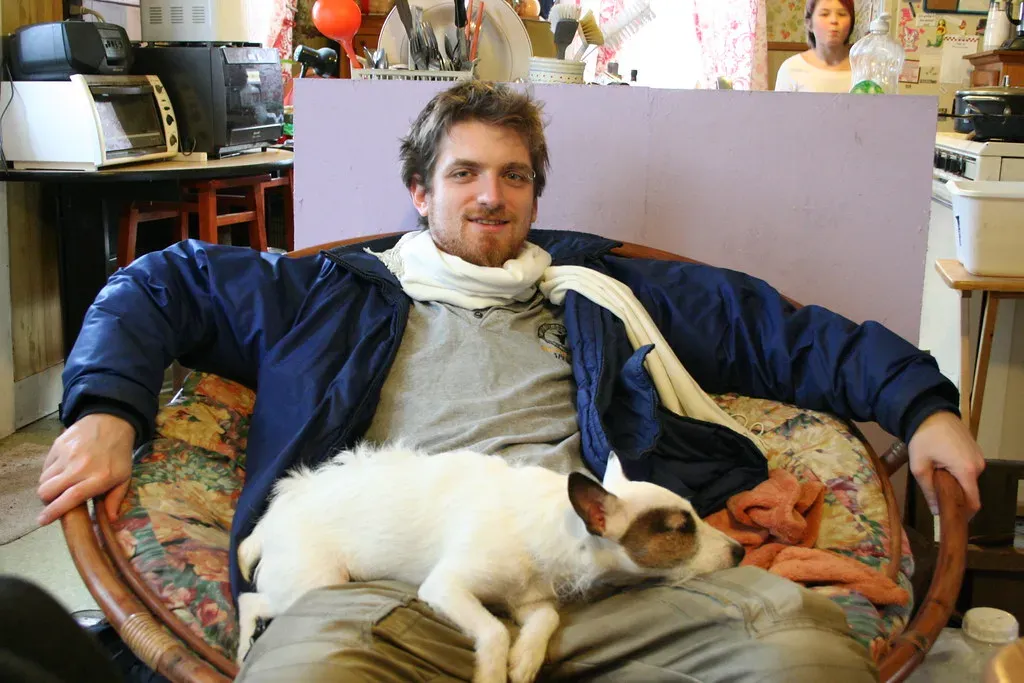
A dog that once preferred its own space starts placing its head deliberately on an owner’s lap or chest and staying there. The weight of it – that specific, warm heaviness – creates a stillness that feels mutual. It tends to happen in the evenings when the house quiets down, or right after the owner comes home from a long day.
What surprises families is the timing. The dog seems to sense when its person most needs the contact, overriding its own routines to provide it. Hospice caregivers document this kind of positioning frequently, noting that dogs in physical decline often redirect whatever energy they have toward maintaining closeness rather than seeking comfort for themselves. The lap becomes less a resting place and more a chosen post.
#11 – Seeking Out Every Member of the Family
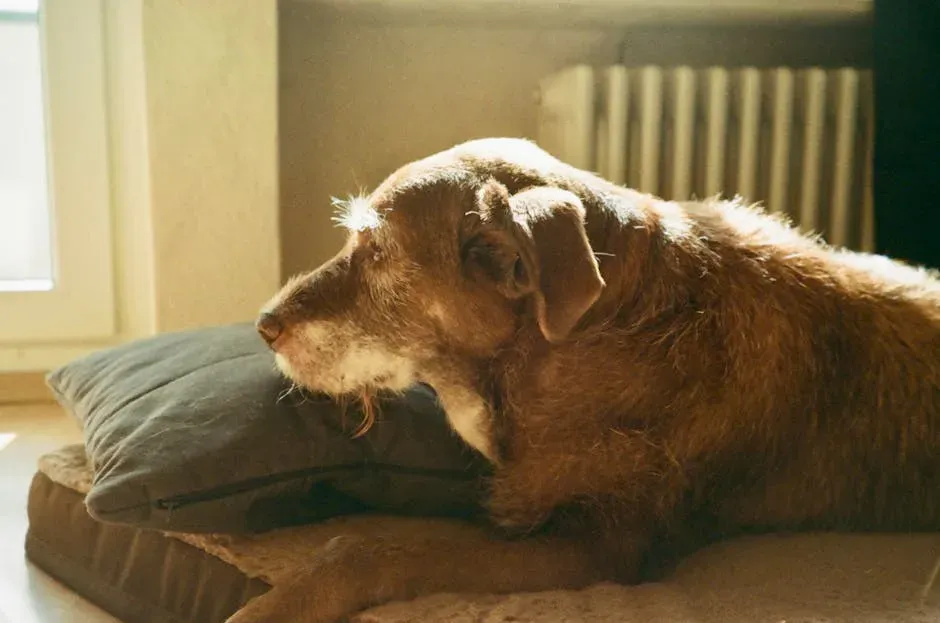
Instead of sticking to their one favorite person, some senior dogs begin making rounds. They spend real time with children they once only tolerated, or press against a partner who was always second on the list. It looks, unmistakably, like a goodbye tour – a deliberate effort to reach each person in the home before it’s too late.
Families often describe this as the behavior that finally broke through their denial. When the dog that always ignored the kids suddenly climbs into their bed for a cuddle, something shifts in the household’s understanding of what’s coming. It challenges the assumption that dying dogs withdraw. These dogs aren’t retreating – they’re making contact, one family member at a time, as if checking names off a list only they can see.
Worth Knowing
- Dogs read human emotional states through scent – stress hormones like cortisol produce detectable chemical changes your dog can smell.
- Therapy dogs in hospice settings are specifically observed to seek out whoever is most distressed in a room – personal pets do the same thing naturally.
- “Goodbye touring” across family members is documented in pet loss communities worldwide and cuts across breed, size, and temperament.
- Children often receive extra attention during this phase – dogs appear to register their smaller size and higher-pitched voices as requiring gentler, closer contact.
#10 – Choosing Unusual Resting Spots With Sightlines to You

The crate gets abandoned. So does the favorite corner. Instead, the dog settles in doorways, hallways, and open spaces that offer a clear view of wherever the owner is. Cooler tiles over warm blankets. Hard thresholds over cushioned beds. The choice is never about comfort – it’s always about keeping you in sight.
This shift tends to happen gradually, over days rather than overnight, which is part of why families don’t always notice it at first. But once they do, the pattern is impossible to unsee. The dog has quietly repositioned its entire world so that you remain at the center of it. Even in rest, even in sleep, the orientation is toward you.
#9 – Holding Prolonged Eye Contact
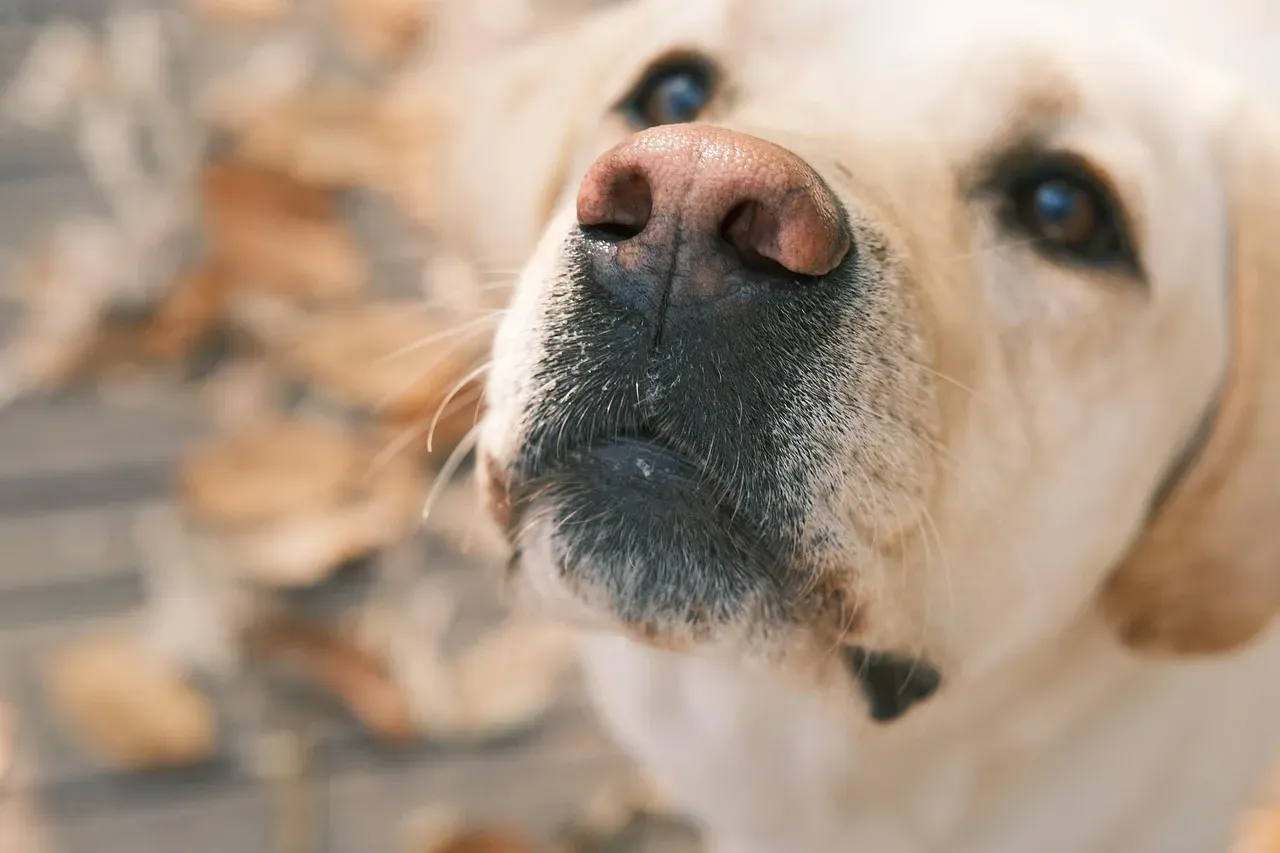
It’s a different kind of eye contact than the eager stare of a dog waiting for a treat. This is calm, steady, and long – sometimes lasting several minutes without the dog looking away. It tends to happen during quiet afternoons, or in the evenings when the TV is off and the room is still. Owners describe it as feeling less like a request and more like a conversation.
Many families say this is when it became real for them. Something in the quality of that gaze – the patience of it, the lack of agenda – communicates in a way that bypasses language entirely. Some owners say they talked to their dog during these moments, and that the dog just kept looking back. Steady. Present. Unhurried, in a way that felt like a gift given by something that understood it was running out of time.
At a Glance: The Science Behind the Gaze
- Research published in Science found that mutual gazing between dogs and their owners triggers an oxytocin surge in both species – the same “love hormone” involved in parent-infant bonding.
- Dogs and owners with stronger long-term bonds showed the most dramatic oxytocin increases during gazing sessions.
- This response is unique to domestic dogs – wolves raised by humans showed no comparable oxytocin reaction to eye contact.
- The biological pathway activated by a dog’s gaze is identical to the one that fires when a mother looks at her newborn child.
The dog lives in the present moment, and if you live with a dog you start to be pulled into its present too, and that’s a form of grace.
Mark Doty
#8 – Bringing a Toy or Object Without Any Interest in Playing
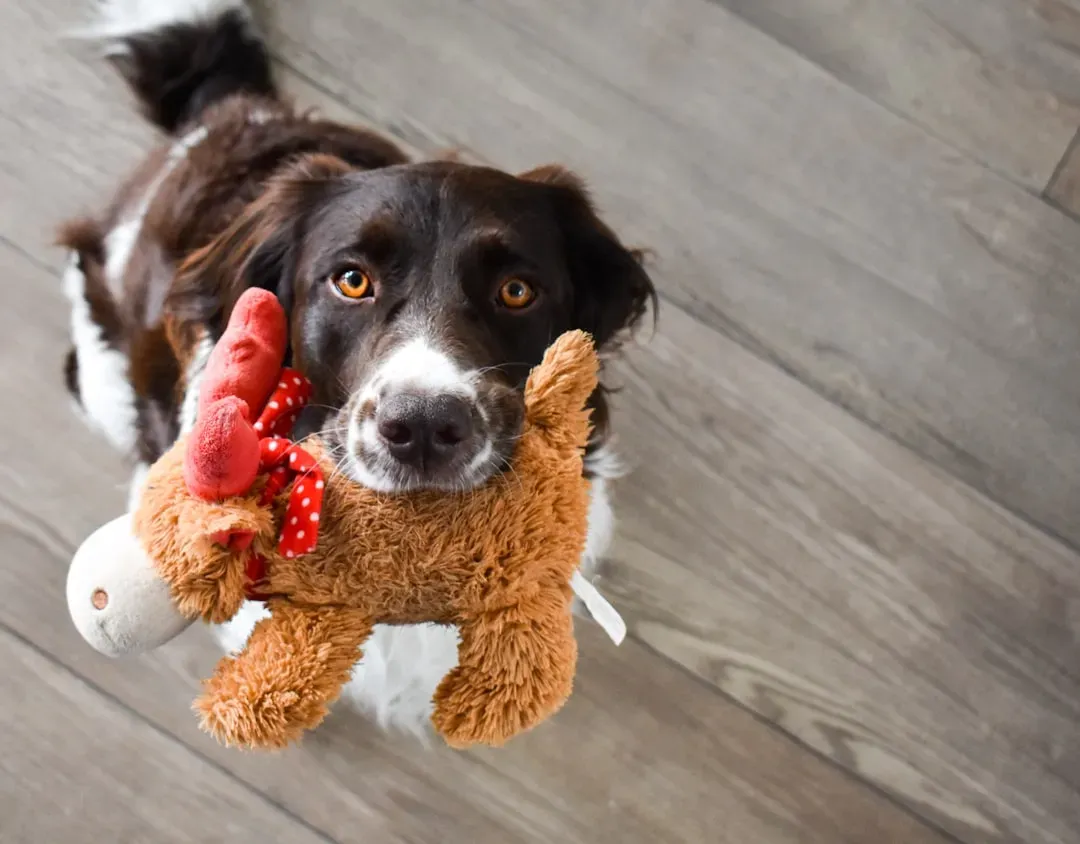
The dog retrieves a favorite toy – one that’s been around for years, maybe a little worn – and carries it over to the owner. Then sets it down. That’s it. No invitation to throw it, no excited circling. Just the offering, placed and left. It happens again the next day. And the day after that.
The items chosen tend to have shared history: the rope toy from puppyhood, the squeaky duck that survived a dozen washes. Families who’ve been through this often describe the moment with the same specific detail – where they were sitting, what the dog looked like carrying it over. It’s a small act, but it carries the full weight of everything the two of you have been to each other. And somehow the dog seems to know that.
#7 – Staying Close During the Night
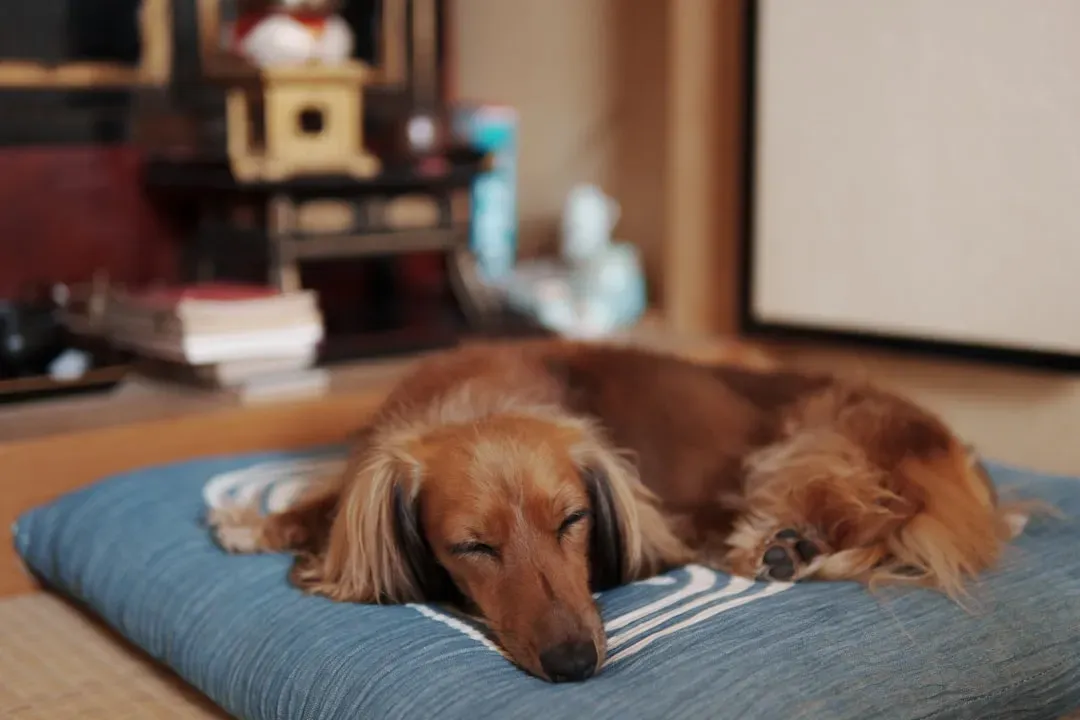
Dogs that spent years sleeping in their own beds or crates begin positioning themselves beside – or directly on – the owner’s bed through the night. They don’t necessarily sleep deeply. They shift position occasionally, but always back toward contact. Owners wake at 3 a.m. to find a warm weight pressed against their leg and realize the dog hasn’t moved far in hours.
This nighttime shift shows up in end-of-life accounts with striking consistency. There’s something about being chosen as a sleeping companion by an animal in its final weeks – something that lands differently than daytime closeness. The house is quiet. No one is performing anything. And still, the dog is there, breathing steadily beside you, as if guarding something it knows is ending.
#6 – Becoming Unusually Patient With Handling
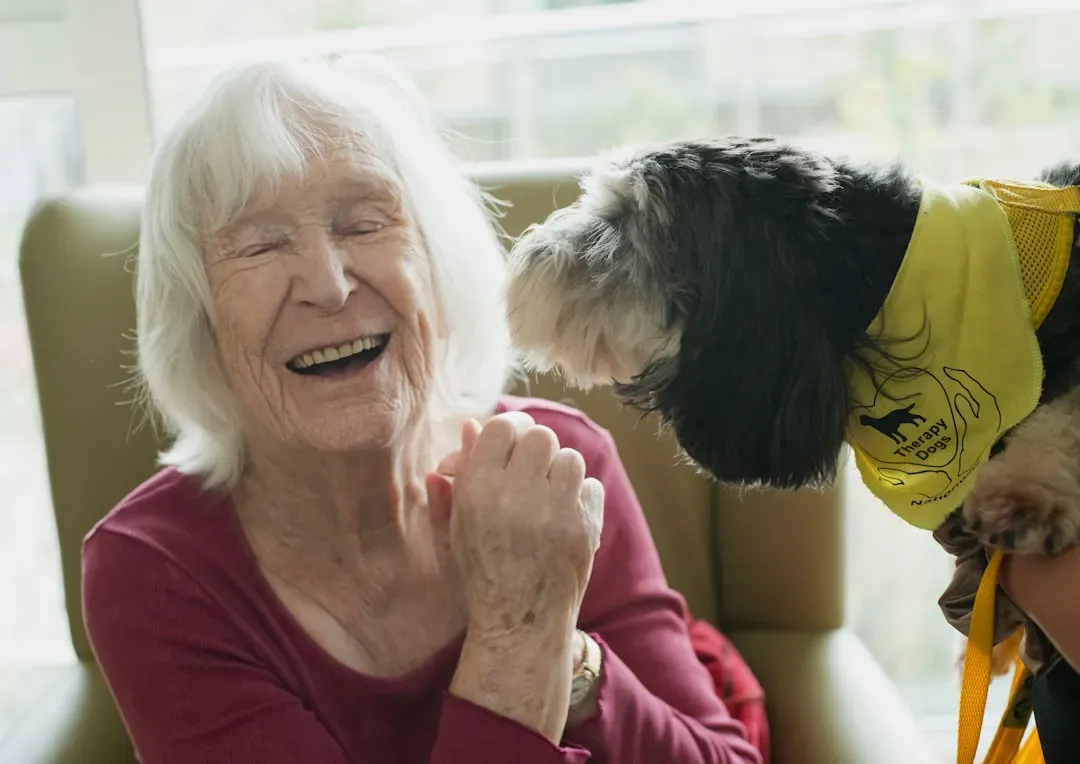
The dog that once squirmed away from being picked up, or grumbled at too much petting, goes still. It allows repositioning, extended strokes, long embraces – not just from its primary person, but from other family members who want to be close. The usual boundaries soften. The usual protests disappear. A space opens up for everyone to say what they need to say through touch.
Hospice caregivers observe this shift frequently and note how meaningful it becomes for grieving families. Children who were always told to be gentle get a chance to hold on. A partner who kept their emotions at arm’s length finally gets to lean in. The dog, in becoming easier to love physically, gives the people around it one last permission: to not hold back.
Quick Compare: How Senior Dogs Show Comfort vs. Distress
- Comfort-giving: Slow, deliberate licks – calm, targeted, unhurried
- Distress signal: Rapid, repetitive licking of paws or surfaces – anxious, unfocused
- Comfort-giving: Leaning full body weight against owner – still, grounded, warm
- Distress signal: Pacing, circling, inability to settle – restless, disoriented
- Comfort-giving: Soft, low vocalizations only when owner is present – conversational, directed
- Distress signal: Whining or howling regardless of who is in the room – generalized, urgent
#5 – Soft Vocalizations That Sound Almost Conversational
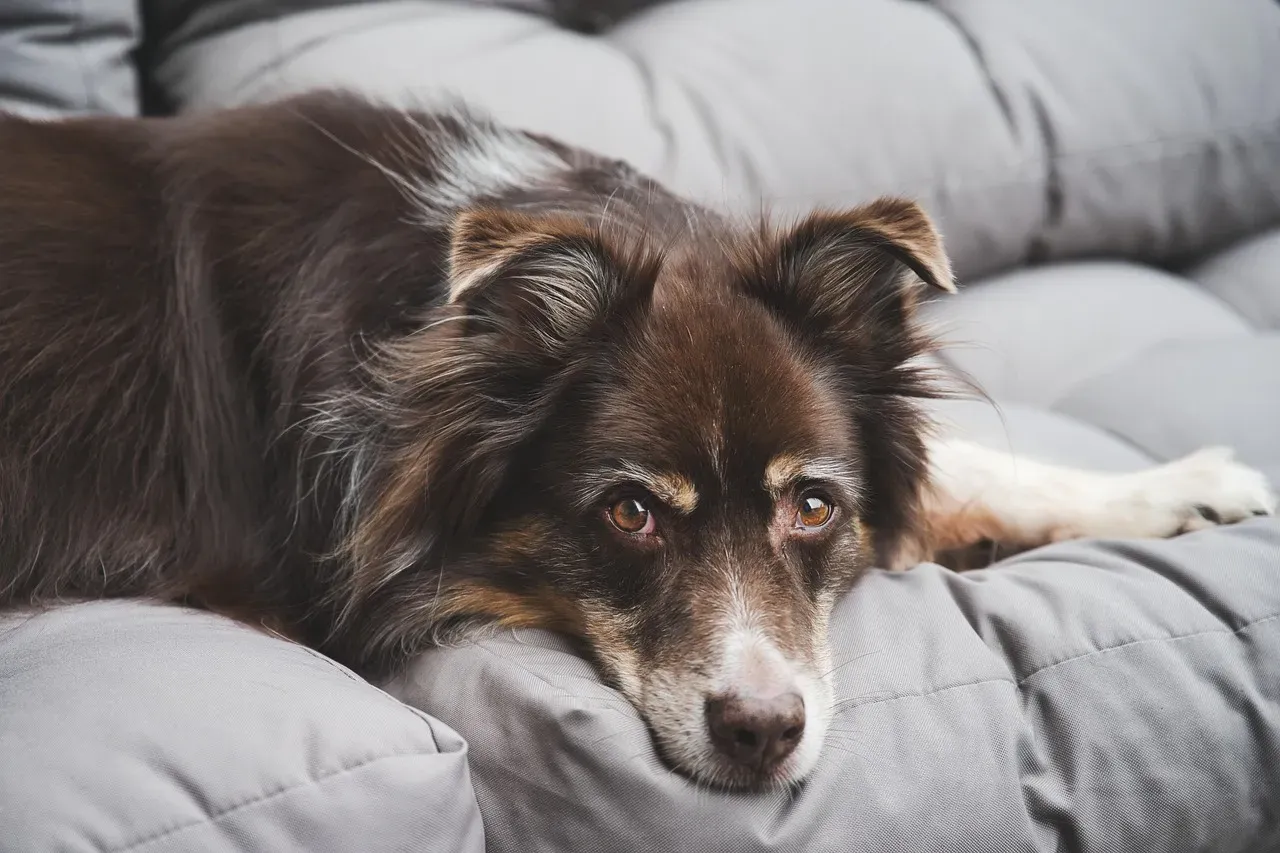
Not barking. Not whining for food or to go outside. Something lower and quieter – a gentle rumble or soft murmur that surfaces only when the owner is present and settles into silence when they leave the room. Families describe it as sounding like a response rather than a request, as if the dog is participating in something.
These sounds are easy to miss if you’re not paying attention, which is part of what makes them linger afterward. Owners who caught them often wish they’d sat with them longer. The dog wasn’t asking for anything. It was just narrating presence, filling the space between two creatures who had shared years of life together, with something that had no name but didn’t need one.
#4 – Claiming Your Spot on the Couch or Chair
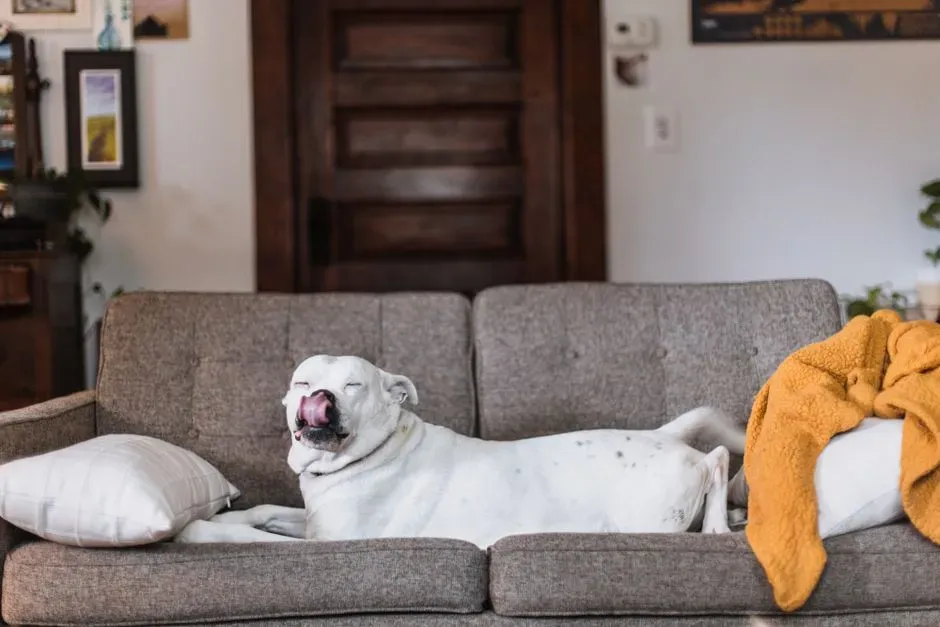
The dog starts settling into the owner’s usual seat during the day – not when the person is away, but sometimes right beside them, as if trying to occupy shared space. It’s deliberate in a way that random napping isn’t. The dog positions itself at the center of the household’s daily rhythm and stays there, conserving energy but refusing to drift to the margins.
Families often describe this with a mix of amusement and heartbreak. The dog looks so settled, so purposefully placed, that it becomes hard to move them. And most people don’t. They adjust, work around the warm body in their usual spot, and later count that accommodation among the small mercies – the ordinary moments they didn’t know they were storing away.
#3 – Reaching Out With a Paw or Leaning Their Full Weight Against You
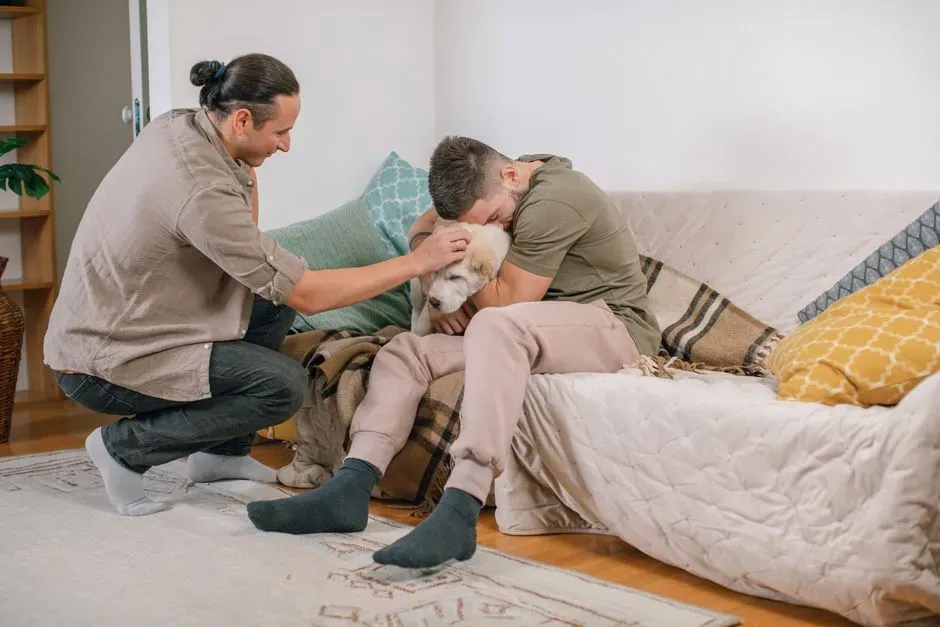
A gentle paw placed on a knee. A full-body lean that presses the dog’s side against the owner’s leg. These touches take real effort from a body that’s losing strength, which is part of what makes them land so hard. The dog isn’t doing this because it’s easy. It’s doing it because it still matters.
Caregivers who work in animal hospice settings specifically highlight this behavior – the deliberate, effortful reach toward contact – as one of the most emotionally significant patterns they observe. It tends to happen when the owner has gone quiet, or turned away, or gotten lost in their own grief. The paw comes down, the lean comes in, and suddenly the dog has pulled you back into the present moment. Which is, perhaps, the only place either of you can actually be together.
#2 – Sitting in Quiet Companionship Without Asking for Anything
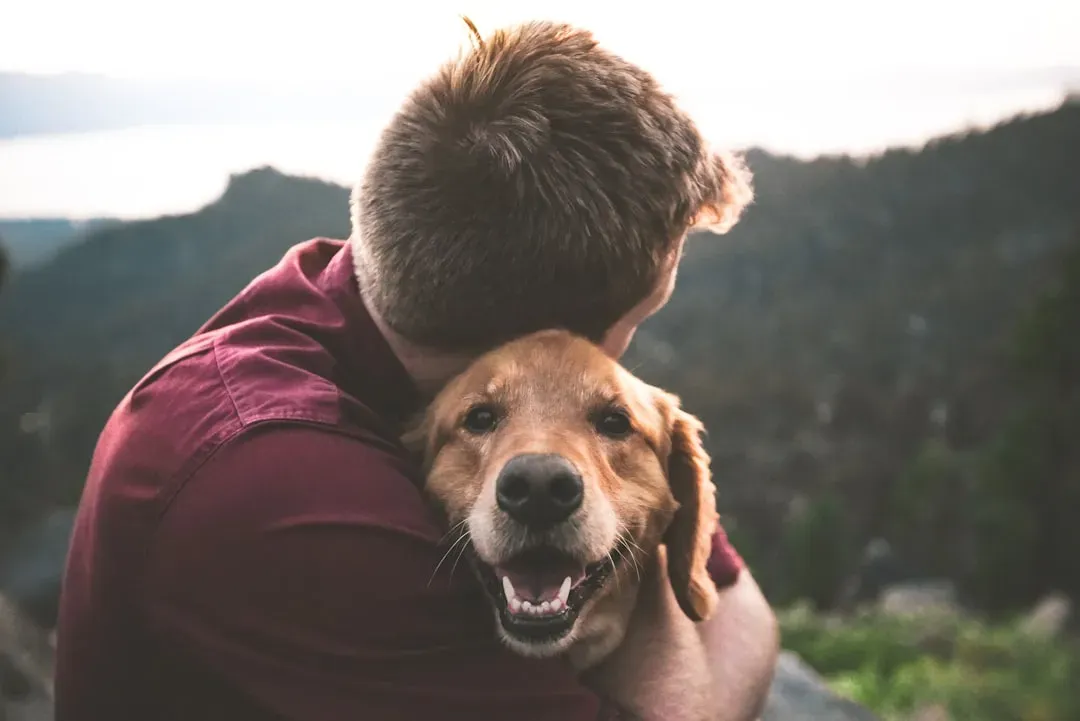
The pacing stops. The begging at the dinner table fades. What’s left is a dog that simply exists nearby – not demanding, not restless, just present. It settles close and stays. The silence between you becomes its own kind of conversation. Families often describe this phase as unexpectedly peaceful, even as they’re bracing for what’s coming.
There’s a particular quality to being truly kept company by an animal that wants nothing from you except to be near you. No performance, no agenda. Just the weight of years sitting quietly in the same room. People who’ve experienced this often say they didn’t fully appreciate it until it was gone – that the stillness of those final weeks became something they’d give almost anything to step back into, just once.
#1 – The Final Look, the Last Nuzzle
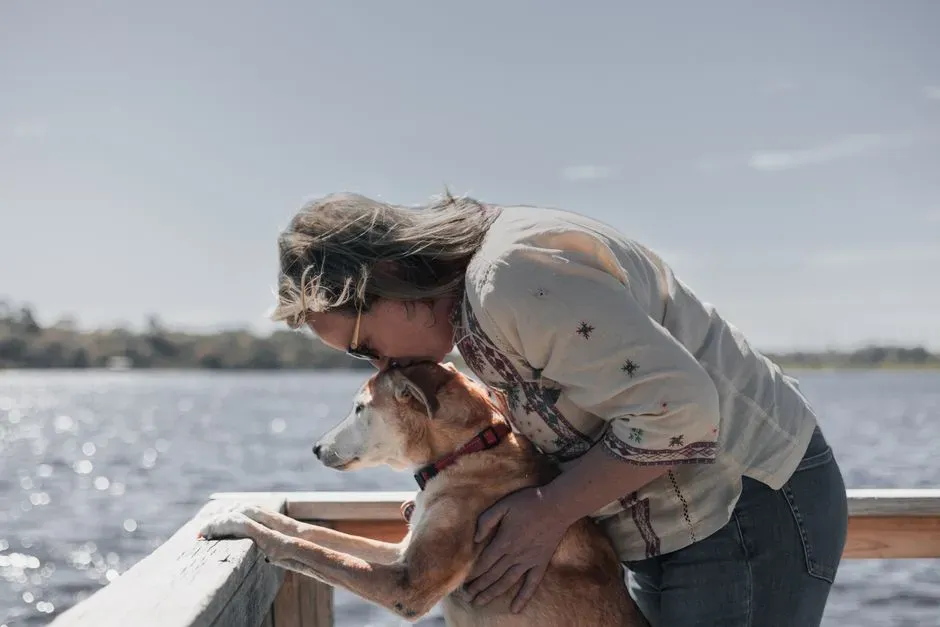
It doesn’t happen for every dog. But it happens often enough that animal hospice workers speak about it in nearly identical terms across cases they’ve witnessed. A moment – sometimes hours before passing, sometimes days – where the dog locks eyes or presses close in a way that feels unmistakably intentional. Not random. Not coincidence. A goodbye that the dog seems to have decided to give.
Owners who’ve received it carry it differently than the grief. The grief is heavy and shapeless. This moment has edges. It was real and specific and directed at them. Many say it was the most honest communication they ever had with their dog – more than years of play, more than all the happy greetings at the door. In that final look or nuzzle, the dog offered something wordless and complete. And the people on the receiving end have never quite figured out how to explain it, except to say: they knew. And so did we.
Why It Stands Out: What Makes the Final Goodbye Different
- Hospice doulas and end-of-life caregivers consistently report that pets – including dogs – appear to show intentional farewell behavior in their final hours or days.
- Dogs can detect physiological changes in humans through scent alone, including shifts in cortisol and adrenaline – they may sense their owner’s grief long before it’s spoken aloud.
- Unlike grief, which is diffuse and ongoing, families describe this final moment as sharply specific – a memory with clear edges that never fades.
- Many owners say the final nuzzle or gaze was the moment that allowed them to let go – as though the dog was granting permission as much as saying goodbye.
Here’s what I believe, having read through hundreds of these accounts: dogs don’t experience the end the way we fear they do, wrapped in confusion and suffering and isolation. Many of them spend their last weeks doing the opposite of withdrawing. They move toward us. They touch us. They look at us. Whatever is driving that – instinct, bond, love, something we don’t have a precise word for – the effect on the humans left behind is the same. They feel less alone in the loss because their dog made sure of it. That’s not nothing. That might be everything.

- 10 Orca Quirks That Will Make You Forget the Boat Attacks - June 19, 2026
- What Do Animals Dream About When They Sleep? - June 19, 2026
- 6 Winter Pests That Can Ruin Your Garden - June 19, 2026