


Embarking on a journey through our solar system reveals worlds far different from our own. These distant planets hold mysteries and peculiarities that challenge our understanding of the universe. Discovering the strange and unusual on these celestial bodies expands the boundaries of our imagination and science. Here, we present 14 weird things found on other planets that captivate and intrigue, offering a glimpse into the vast wonders of space.
The Great Red Spot of Jupiter

Jupiter, the largest planet in our solar system, hosts the Great Red Spot—a colossal storm raging for more than 350 years. This persistent high-pressure anticyclone, larger than Earth itself, swirls at speeds of up to 432 km/h (268 mph). Its reddish hue, potentially caused by chemical reactions involving phosphorus or sulfur, remains a subject of scientific debate and fascination.
Venus’s Roiling Acidic Atmosphere

Venus, often termed Earth’s “sister planet,” sports an atmosphere dominated by thick clouds of sulfuric acid. This caustic vapor enshrouds the planet, creating extreme greenhouse effects with surface temperatures hot enough to melt lead. Navigating this hostile atmosphere presents formidable challenges to spacecraft, yet the lure of its alien conditions continues to draw scientific interest.
Hexagonal Storms on Saturn
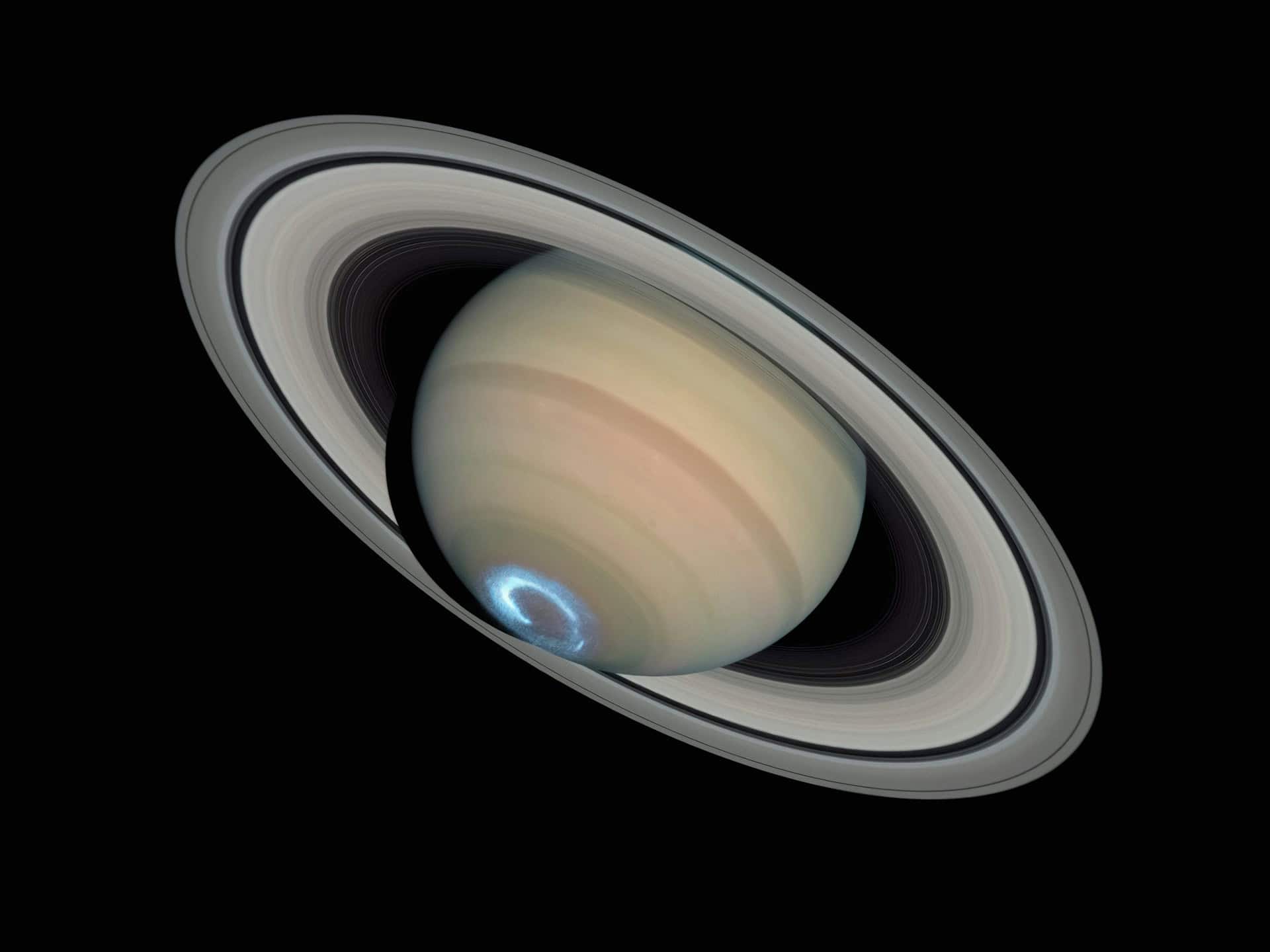
At Saturn’s north pole lies a bizarre, hexagon-shaped jet stream measuring around 30,000 kilometers in diameter. This atmospheric oddity has captivated astronomers since its discovery by the Voyager spacecraft in the early 1980s. Unlike circular storms on Earth, the hexagon’s straight edges and unusual structure remain topics of intense study, revealing the strange complexities of fluid dynamics in Saturn’s atmosphere.
The Floating Mountains of Titan
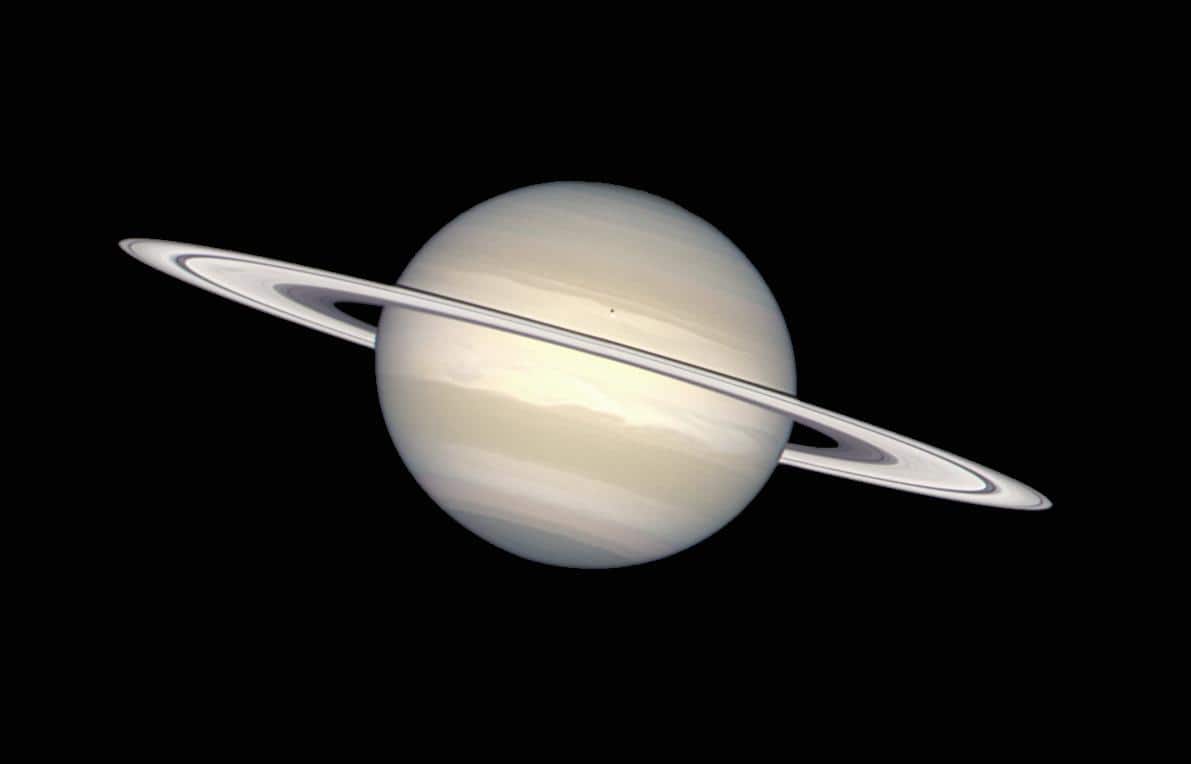
Titan, Saturn’s largest moon, offers a landscape unlike any other. Its surface is dotted with icy “floating mountains” atop vast seas of liquid methane and ethane. These mountains likely consist of water ice, more buoyant than the surrounding hydrocarbon seas, creating surreal floating formations. Titan presents a world where Earthly concepts of landscapes are turned upside down.
Ice Volcanoes on Neptune’s Moon Triton

Triton, the largest moon of Neptune, hosts ice volcanoes—geysers spewing nitrogen gas mixed with dust and organic compounds. These cryovolcanoes indicate active geological processes, reshaping Triton’s icy surface. The presence of such activity offers insights into potential habitable conditions beneath its frozen crust.
Mercury’s Shrinking Dress
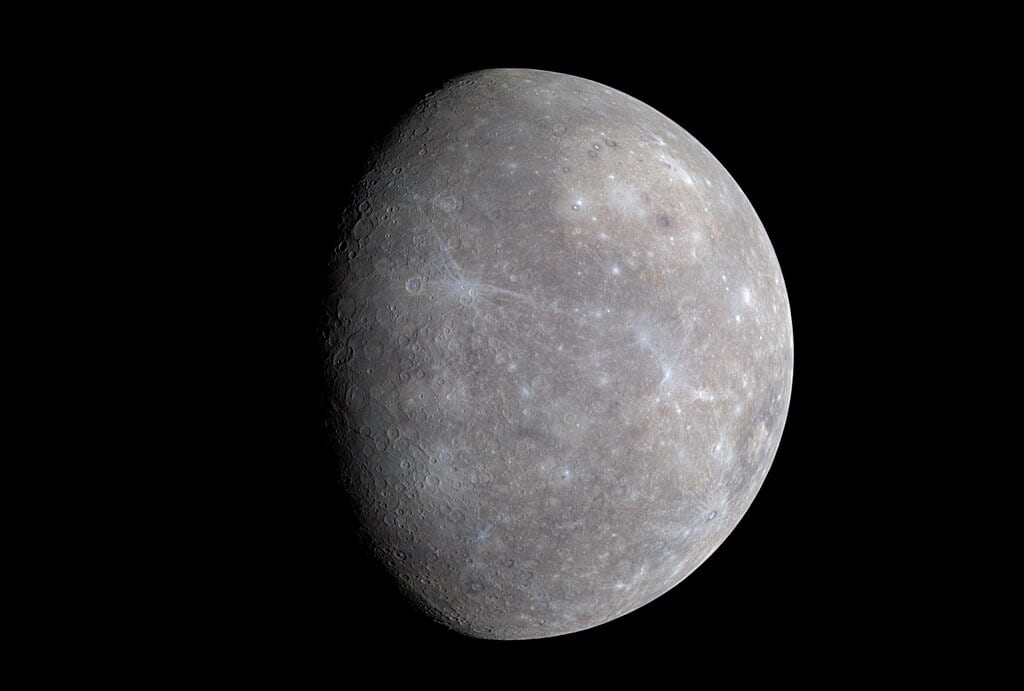
Mercury, the innermost planet, exhibits extensive cliff-like features called “lobate scarps.” These form as the planet cools and contracts, resizing its structure over time. Evidence suggests this shrinkage continues today, making Mercury’s dynamic geology a focus for scientists probing the narrative of planetary evolution.
Diamonds in Neptune’s Atmosphere
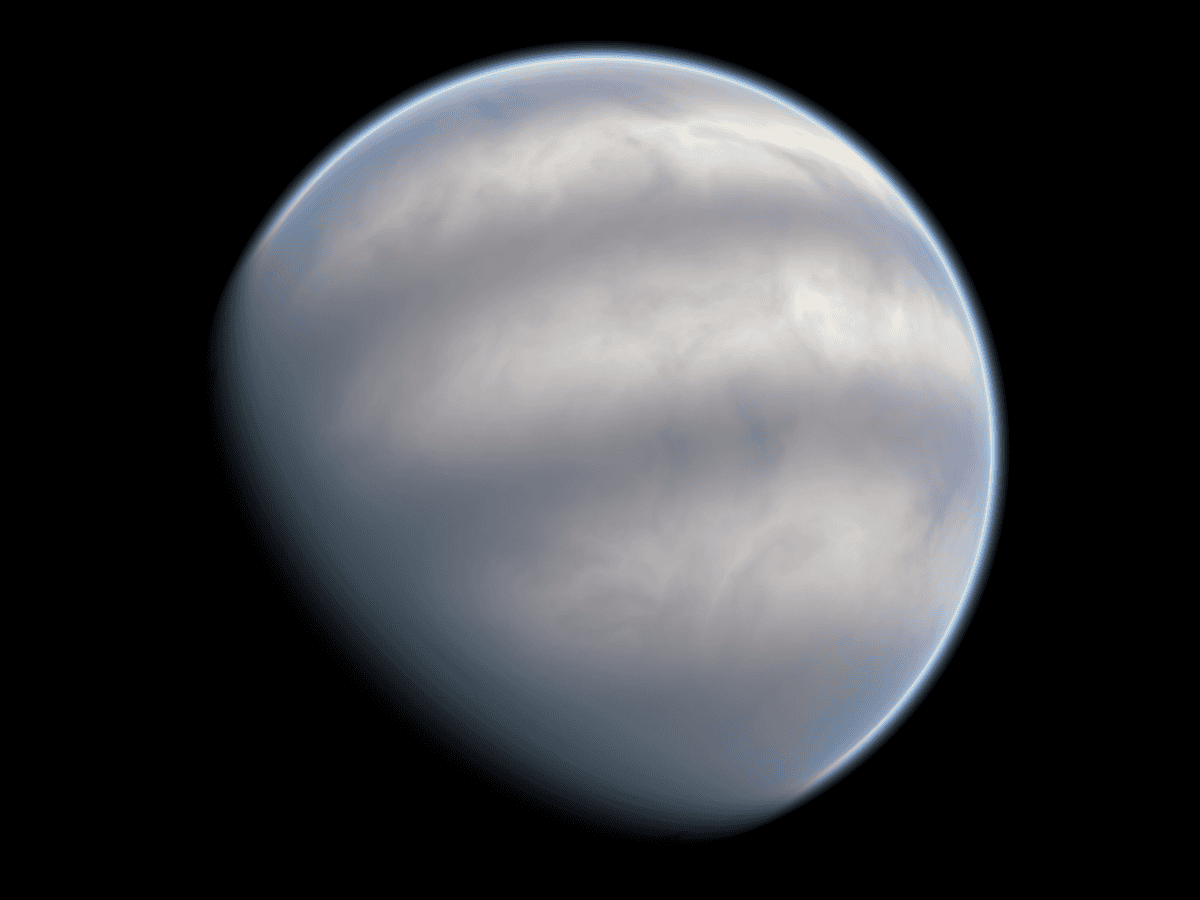
Neptune’s atmosphere might hold a treasure trove of diamonds. Scientists theorize that immense pressure deep within the planet could compress carbon into diamond rain. This unusual form of precipitation challenges our understanding of planetary atmospheres and suggests that Neptune hides a trove of sparkling secrets beneath its azure clouds.
Mars’s Dust Devils

The Martian surface is marked by the dizzying dance of dust devils—towering whirlwinds of dust and sand. These temporary phenomena can stretch up to 10 kilometers high, altering the landscape and providing clues about Mars’s climate and weather patterns. Observing these swirling giants aids in unraveling the Martian environment’s mysteries.
Pluto’s Icy Heart

Pluto, once considered the ninth planet, gained new fame with the discovery of its “heart,” a bright, heart-shaped region called Tombaugh Regio. This icy plain, composed primarily of nitrogen and methane ice, captures the imagination, reflecting both Pluto’s quirks and the affection for this dwarf planet discovered by Clyde Tombaugh in 1930.
The Methane Lakes of Titan
Returning to Titan, we find its surface dotted with vast lakes of liquid methane and ethane. These hydrocarbon lakes, the only known stable surface liquids outside Earth, offer a parallel to our planet’s water cycle, driven by heavy methane rainfall and evaporation. Studying these lakes provides a window into the processes that could support life under alien conditions.
Uranus’s Tilted Axis

The seventh planet, Uranus, rotates on an axis tilted by 98 degrees, essentially rolling on its side relative to its orbit. This extreme tilt, likely the result of a colossal collision, leads to unusual seasonal changes, with each pole exposed to 42 years of continuous sunlight followed by 42 years of darkness. Uranus’s orientation presents a peculiar puzzle in planetary dynamics.
Jupiter’s Extraterrestrial Auroras

Jupiter enthralls with spectacular auroras, created not by solar winds, as on Earth, but by volcanic eruptions on its moon Io. These eruptions expel charged particles, which interact with Jupiter’s magnetic field to create brilliant auroral displays. Studying these phenomena sheds light on the powerful magnetic interactions governing the Jovian system.
Venus’s Unpredictable Rotational Direction

Venus presents another enigma: it rotates in the opposite direction to most planets, including Earth. This retrograde rotation causes the Sun to rise in the west and set in the east, contributing to a day on Venus lasting longer than its year. The mechanisms behind this peculiar rotation remain a subject of scientific curiosity, furthering the mystery of Venus’s enigmatic character.
Conclusion: A Universe Full of Wonders

The cosmos is a vast tapestry of peculiarities and wonders, each discovery on other planets offering a tantalizing glimpse into the unknown. From the swirling storms of Jupiter to the icy orbs of Triton, these celestial phenomena challenge our understanding and inspire a sense of awe. As our exploration of the solar system continues, so too does our journey into the depths of imagination and possibility, reminding us of the endless wonders awaiting discovery in the universe.

As a little kid, I fell in love with nature, wildlife, and animals. Living in the USA, South Africa, Italy, China and Germany gave me the opportunity to discover the world's Wildlife. My favorite animals are Mountain Gorillas, Siberian Tigers, and Great White Sharks.
I'm a certified PADI Open Water Diver, went to Everest Base Camp and Trekked Gorillas in Uganda. I hold a Master of Science in Economics and Finance.
Please send any feedback to feedback@animalsaroundtheglobe.com
- 14 Weird Things Found on Other Planets - August 14, 2026
- 15 Wild Animals That Communicate With Complex Sounds - August 14, 2026
- Can Dogs Actually Understand Words - August 14, 2026
Leave a comment
You must be logged in to post a comment.