
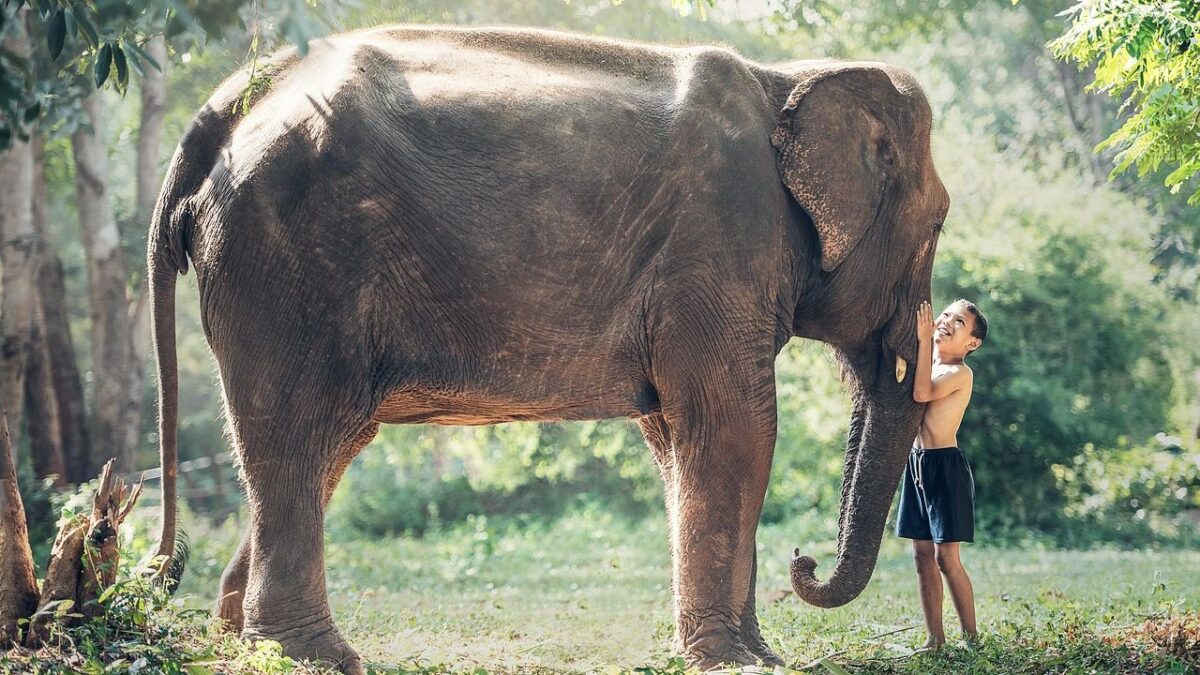
Most of us grow up believing wild animals operate on pure instinct – that no matter how gently you raise them, they’ll eventually revert, forget you, and vanish back into the wild without a second glance. That assumption feels safe, logical, even scientifically responsible. It’s also, in dozens of documented cases, completely wrong.
Some wild animals don’t just tolerate the humans who raise them. They remember them for decades. They seek them out. They grieve when they’re gone. What follows are 14 species whose bonds with their human caregivers have stunned researchers, broken hearts, and rewritten what we thought we knew about loyalty in the animal kingdom. By the time you reach #1, the story gets genuinely hard to shake.
#14 – Wolves That Never Forget Their Human Pack
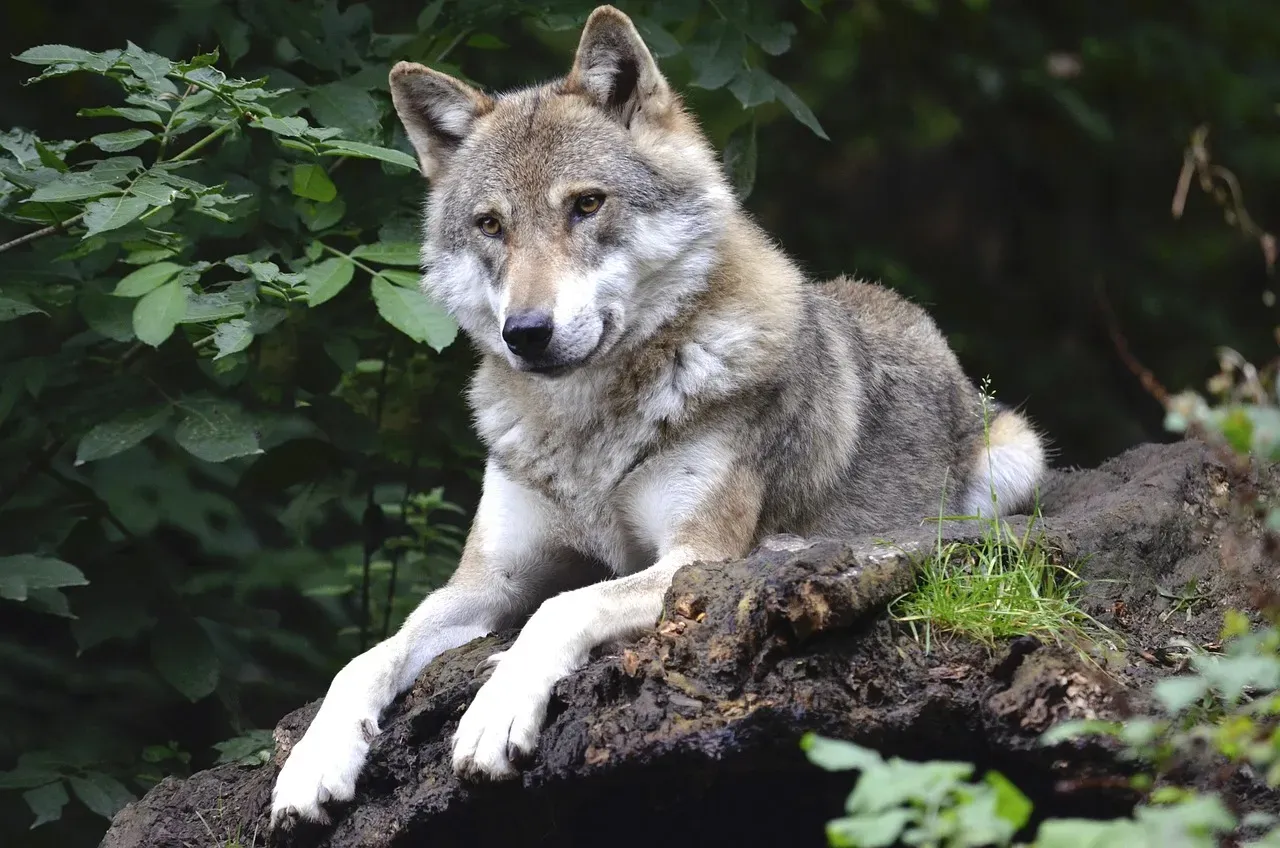
Most experts once argued that wolves could never truly bond with individual humans beyond basic conditioning – that any affection was just trained behavior, not genuine attachment. Hand-raised wolves have repeatedly proven that assumption wrong. These animals frequently treat their primary caregiver as the alpha for life, returning to that same person with tail wags and submissive postures even after years of separation or relocation to a sanctuary miles away.
What makes these bonds so striking is how selective they are. A hand-raised wolf may ignore every other person in the room and walk straight to the one human who raised it from a pup. Caregivers describe wolves refusing food from unfamiliar hands, howling at night when their person is absent, and pressing their full body weight against a familiar leg the moment they reunite. It’s pack loyalty – but the pack has a human at the center.
Fast Facts
- Researchers at Stockholm University hand-raised 10 gray wolves from just 10 days old – before their eyes even opened – to study human-animal attachment.
- In controlled tests, hand-raised wolves scored 4.6 out of 5 on greeting behavior toward their familiar caregiver – identical to dogs raised the same way.
- When stressed in an unfamiliar room, wolves paced – but stopped immediately when their human caregiver returned, using the person as a “social stress buffer.”
- Wolves clearly distinguished their caregiver from a stranger, showing more physical contact-seeking with the familiar person in every test scenario.
- Scientists now believe the capacity to bond with humans existed in wolves long before dog domestication ever began.
#13 – Bears That Seek Out Their Rescuers
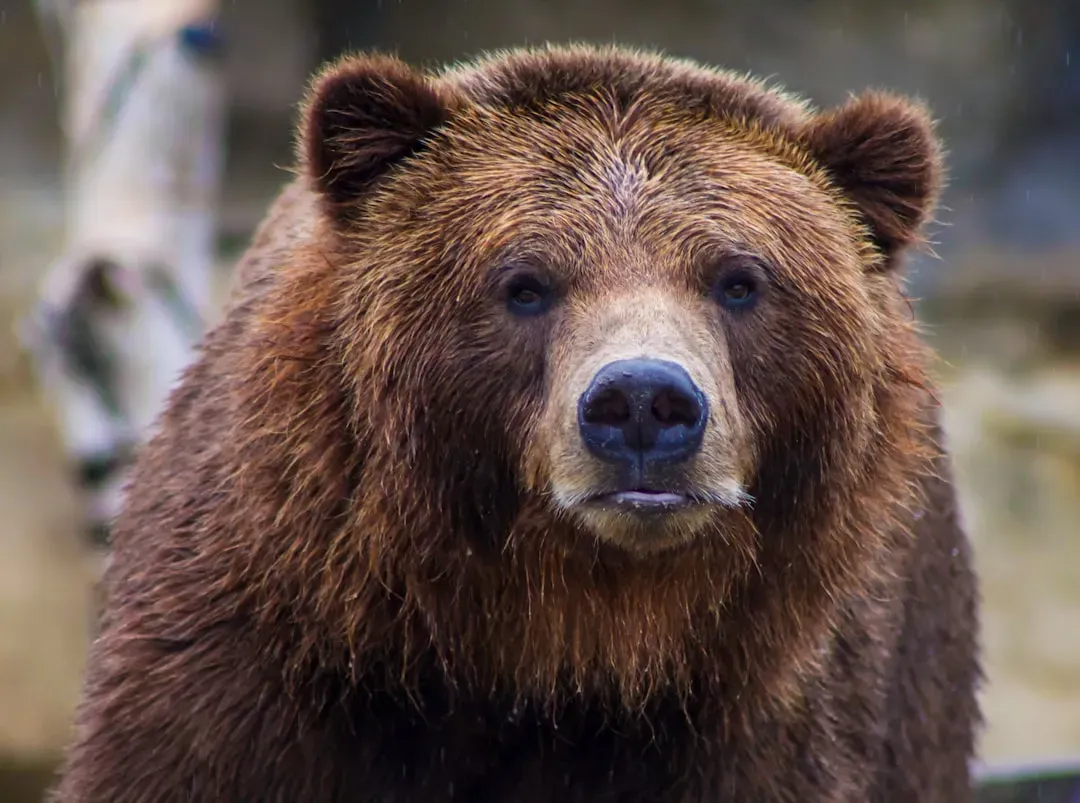
Bears have a reputation as solitary wanderers with no real need for companionship, which is exactly why their documented attachments to human caregivers are so disarming. Cubs rescued and raised by humans often develop fierce preferences for specific people – approaching them for comfort, following them during enclosure walks, and visibly relaxing in ways they never do around strangers. The attachment doesn’t fade as the bears grow. If anything, it deepens.
Sanctuaries that handle rescued bears regularly document something that complicates rewilding efforts: a bear that was raised by one particular person will walk past multiple staff members to reach that individual. Some remember feeding routines and vocal cues years, even decades, after their early caregiving days. One keeper becomes, in the bear’s social world, simply irreplaceable. That’s not instinct. That’s memory with an emotional edge.
#12 – Tigers That Form Human-Centered Prides
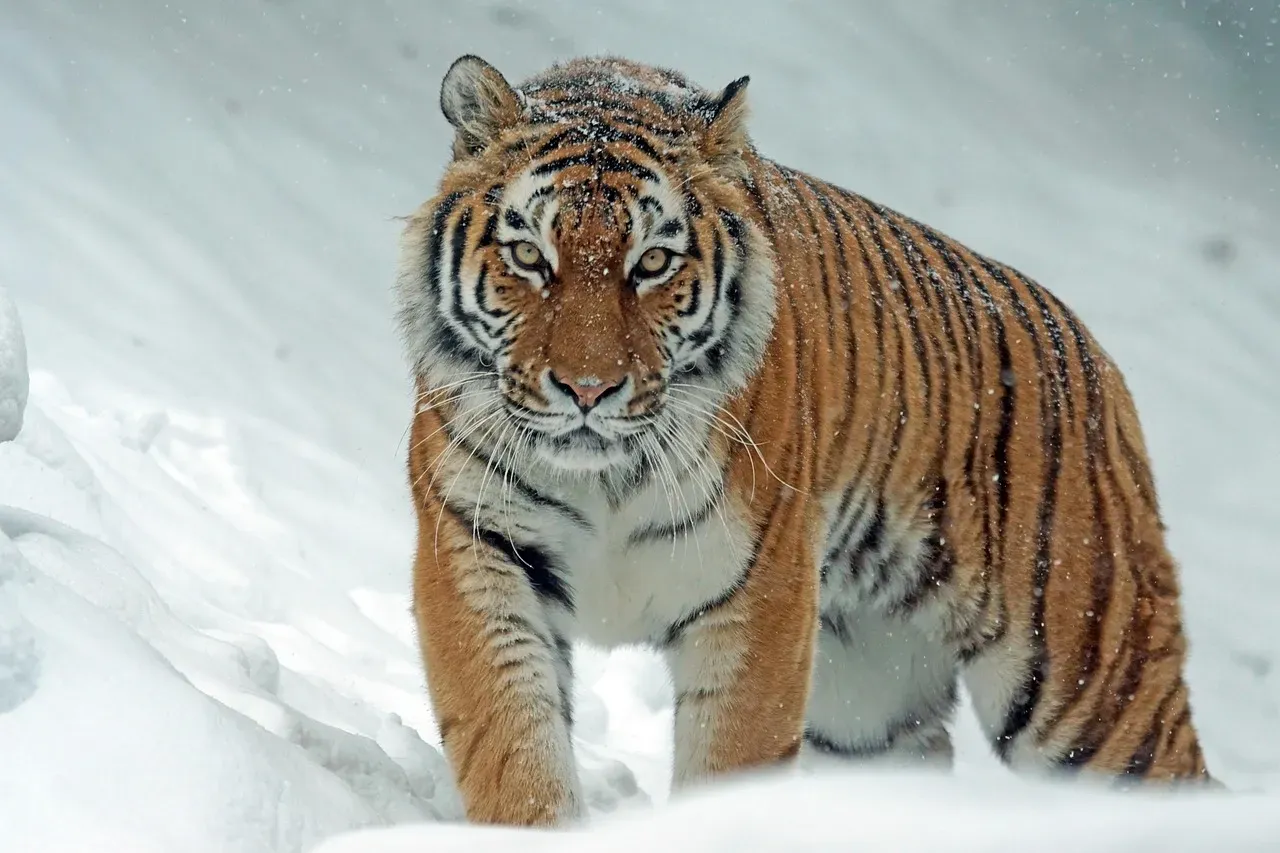
Tigers are supposed to be solitary. That’s the textbook version. But tigers raised by dedicated keepers from cubhood frequently reject that programming entirely, orienting their entire social world around one trusted human. They greet that person with soft chuffs and slow head rubs – gestures typically reserved for close kin – while remaining tense and watchful around everyone else.
Multiple documented cases show hand-raised tigers physically positioning themselves between their caregiver and a perceived threat, a protective instinct that should, by all logic, be reserved for tigers alone. Keepers describe animals that pace and vocalize when their person is absent, then go completely still and calm the moment that familiar scent or voice returns. Release programs struggle with these animals not because they can’t survive, but because they actively choose human company over independence. That choice is not trivial.
#11 – Lions That Return for Reunions
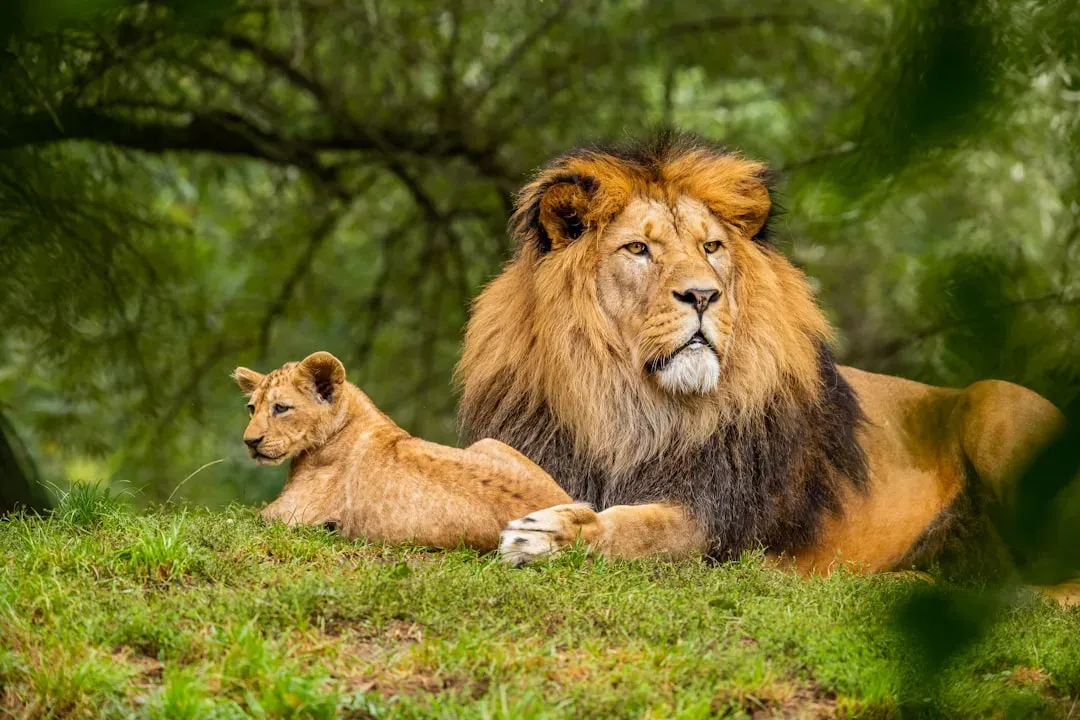
If you’ve never seen the footage of Christian the lion – raised in London, released in Africa, reunited with his former owners a year later – stop and find it. The lion sprints toward the two men, rears up, drapes his paws over their shoulders, and buries his face against them. Experts who dismissed the footage as staged eventually had to reckon with what it actually showed: a wild lion, living in a pride, recognizing and choosing specific humans over a year after last contact.
Christian isn’t an isolated case. Hand-raised lions that have integrated into wild or semi-wild prides consistently distinguish their original human family from strangers, showing explosive excitement for the former and cautious indifference toward the latter. The recognition isn’t just visual – it’s layered with scent, sound, and something that looks very much like joy. Sanctuaries working with these animals have had to redesign protocols because “released” doesn’t always mean “gone.”
You can’t just walk up to a wild lion. But Christian did what lions don’t do – he remembered, and he came back.
Widely documented by researchers and filmmakers who studied Christian’s reunion
#10 – Gorillas That Remember Their Human Friends
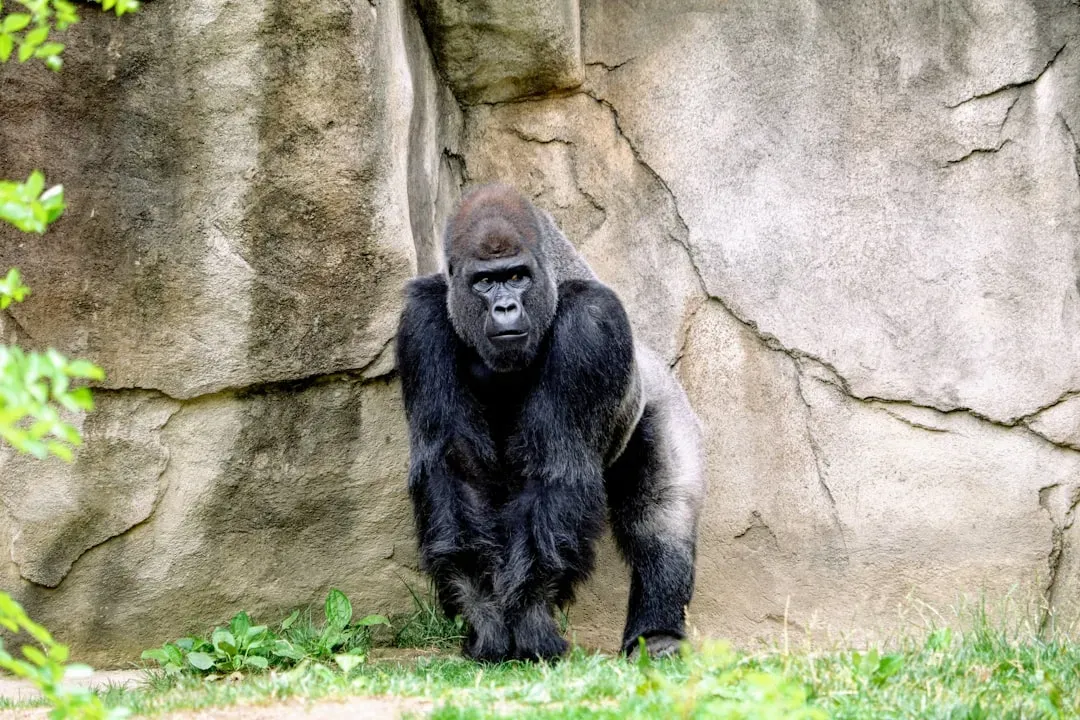
Dian Fossey spent years living among mountain gorillas in Rwanda, and the relationships she built weren’t one-sided performance – the gorillas accepted her into their social world in ways that had never been scientifically recorded before. Gentle touches, proximity during rest, the willingness to allow her presence during vulnerable moments: these weren’t trained behaviors. They were choices made by animals with long memories and complex emotional lives.
Caregivers at gorilla sanctuaries today describe similar dynamics. A gorilla that bonded with one keeper years earlier will still recognize that person on a return visit – sitting nearby, offering a slow, deliberate gaze, sometimes reaching out to make contact. They extend to trusted humans the same protective instincts they reserve for troop members. What’s hardest to dismiss is the consistency: these aren’t random acts of tolerance. They’re targeted expressions of remembered relationship.
#9 – Chimpanzees That Treat Humans as Family
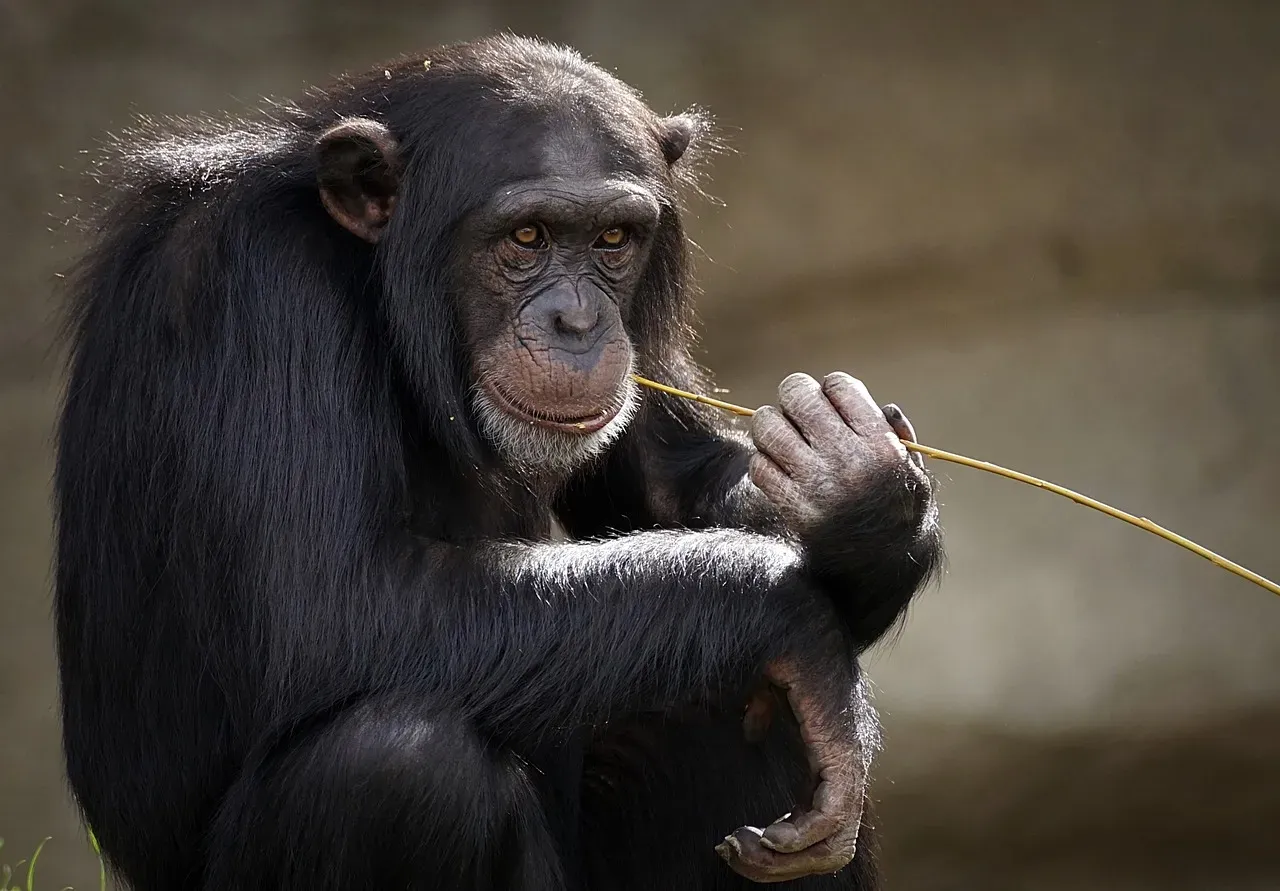
Chimpanzees are arguably the most emotionally complex animals on earth after humans, and their capacity for lasting cross-species bonds reflects exactly that. Chimps raised in sanctuaries or alongside researchers often form deep, specific attachments to individual people – seeking grooming sessions, initiating play, and positioning themselves near their preferred human during stressful situations the way a child gravitates toward a trusted adult.
What’s harder to witness is what happens during separation. Sanctuary staff have documented chimps displaying grief-like behaviors when long-term human companions leave – reduced appetite, social withdrawal, repetitive rocking. They hold grudges against people who treat them poorly and maintain fierce loyalty to those who treated them well, sometimes across many years and through significant life changes. That’s not instinct. That’s a relationship with a history.
Worth Knowing
- Chimpanzees share approximately 98.7% of their DNA with humans – making their emotional responses to loss and reunion unsettlingly familiar.
- Chimps have been observed returning to the location where a beloved human companion last sat, sometimes days after that person’s departure.
- Researchers who spent years with specific chimps report being recognized immediately on return visits – greeted with vocalizations used for no other individual.
- Like humans, chimps form in-group loyalties: those who were kind get remembered as allies; those who weren’t are avoided or confronted years later.
#8 – Orangutans That Choose Their Humans
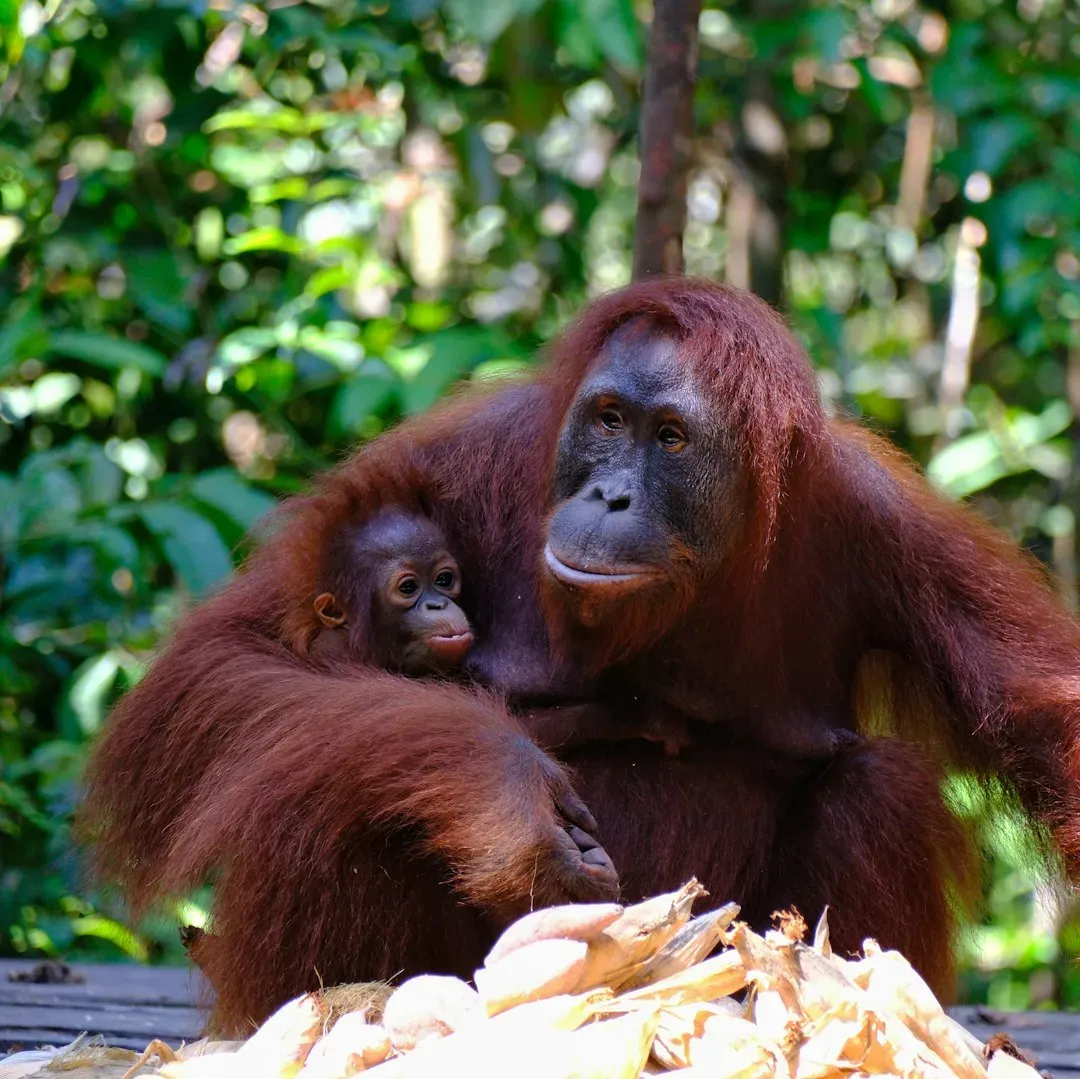
Orangutans are among the most intelligent animals alive, and their social choices reflect that intelligence in ways that consistently surprise researchers. In sanctuary environments, they single out specific caregivers for preferential treatment – learning those individuals’ routines, anticipating their arrival, and showing unmistakable excitement when they appear. The preference isn’t random. It’s built over time, through trust, and it holds.
New staff members at orangutan facilities often discover this firsthand: an animal that will engage warmly with its original caregiver will flatly ignore a stranger offering the same food, the same gestures, the same tone of voice. The bond isn’t about the interaction – it’s about the individual. Some orangutans maintain these preferences into old age in captivity, carrying their loyalty across decades like a quiet, stubborn fact about who matters and who doesn’t.
#7 – Elephants That Never Lose the Connection
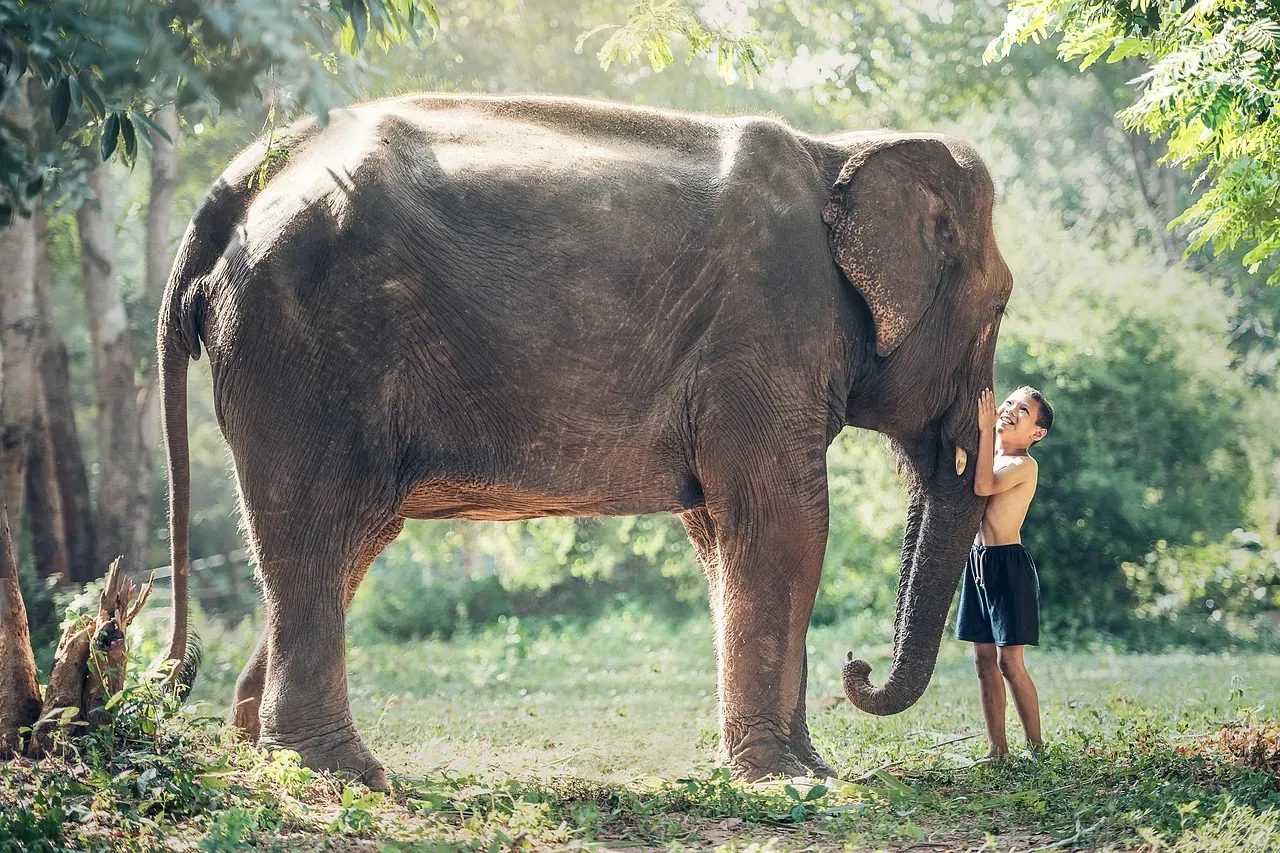
Elephants remember. That phrase has become almost cliché – but when you see it applied to a specific elephant greeting a specific human after years of separation, the cliché dissolves and something much more powerful takes its place. Rescued elephants raised by caregivers at sanctuaries have been documented traveling toward familiar humans during release walks, rumbling low vocalizations used only for trusted individuals, and extending their trunks in slow, deliberate touches that look, unmistakably, like tenderness.
These bonds mirror the elephant’s legendary family structures almost exactly. In the wild, elephants grieve their dead, return to the bones of lost herd members, and maintain matriarchal relationships across decades. When a trusted human caregiver is absent for an extended period, sanctuary elephants have displayed mourning behaviors parallel to those observed after losing a herd member. They don’t distinguish between species when they love someone. They just remember who showed up and who didn’t.
At a Glance
- A landmark German study tested two African elephants – Bibi and Panya – who had been separated from their keepers for over 13 years. They still recognized their former caregivers’ scents from worn T-shirts over any stranger’s.
- Elephants possess a large hippocampus – the brain region linked to emotion and spatial memory – structured similarly to the human brain.
- In experiments, elephants repeatedly stretched their trunks toward familiar keeper scents even when they couldn’t physically reach the source.
- Researchers concluded that a stable, long-term relationship with one caregiver can have a measurably positive effect on an elephant’s psychological well-being.
- Elephants in the wild have been documented returning to the bones of deceased herd members – the same mourning architecture appears when they lose a trusted human.
#6 – Dolphins That Maintain Human Ties
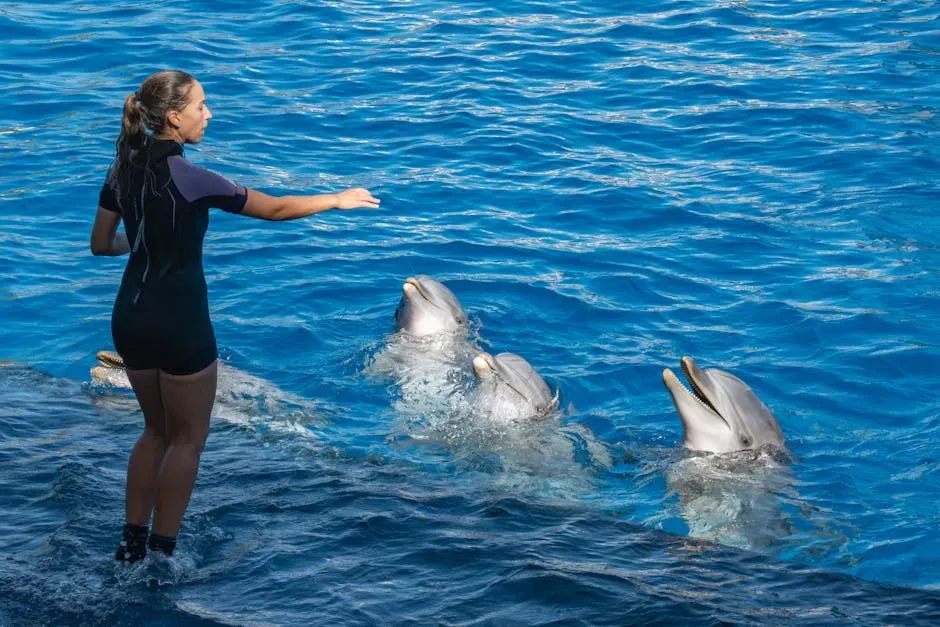
Dolphins in research and rescue environments frequently develop strong preferences for specific trainers or handlers, performing signature behaviors – unique leaps, vocalizations, approaches – exclusively for those individuals. The attachment isn’t about food reward. Dolphins will seek out their preferred human even when the interaction offers no tangible benefit, approaching for contact, swimming alongside, matching pace in the water the way pod members do with each other.
What raises the ethical stakes is how clearly these bonds persist. A dolphin that formed a deep connection with one researcher during a multi-year study has been observed seeking that person out on return visits long after regular contact ended. Their social intelligence is vast enough to track individual humans within the complex, ever-shifting context of their environment. The bond isn’t incidental. For the dolphin, it’s structural – woven into how they understand their world.
#5 – Parrots That Bond for Decades
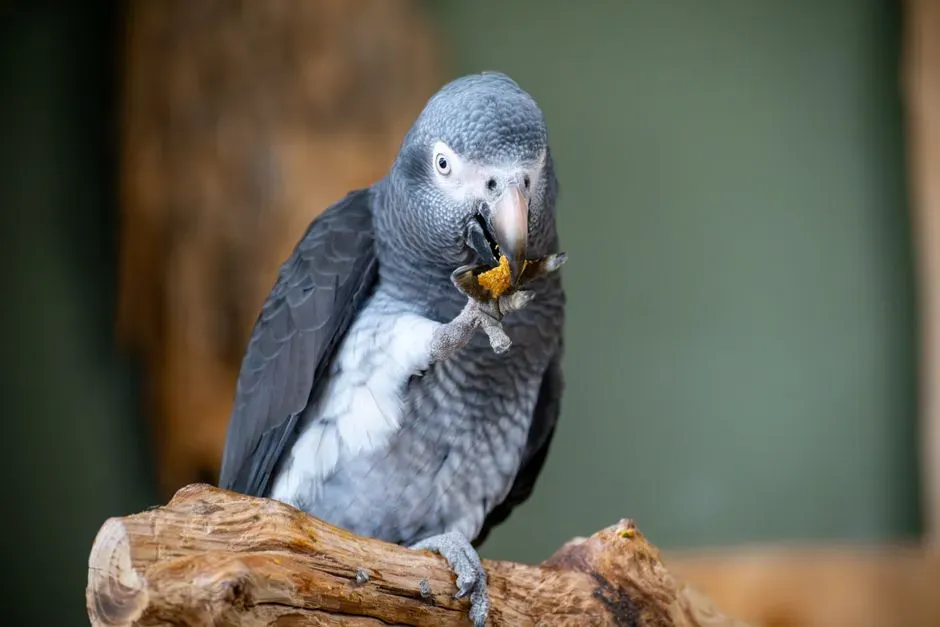
African grey parrots and large macaws can live 45 to 60 years in captivity – longer than many of the humans who first raise them. That lifespan creates bonds of extraordinary duration and depth. A parrot raised from a chick by one person will often spend decades mimicking that individual’s voice, laugh, and speech patterns with an accuracy that can stop visitors cold. The mimicry isn’t just imitation. It’s identification. That human’s voice becomes part of how the bird defines itself.
The distress these birds show when separated from their primary person is well-documented and genuinely difficult to watch. Feather plucking, refusal to eat, repetitive calling – behaviors that persist even when every physical need is met by a new caregiver. Owners who’ve had to rehome long-bonded parrots describe the experience as mutual grief. The bird doesn’t forget. It simply waits, or mourns, or both. There’s no clean way to characterize a decades-long loyalty that gets broken by a human’s change of circumstance.
Quick Compare
| Species | Captive Lifespan | Bond Type |
|---|---|---|
| African Grey Parrot | 45–60 years | One-person devotion; mimics caregiver’s voice |
| Blue & Gold Macaw | 50–60 years | Pair-bond intensity transferred to primary human |
| Cockatoo | 40–70 years | Physical contact-seeking; severe separation distress |
#4 – Ravens That Recognize Their People
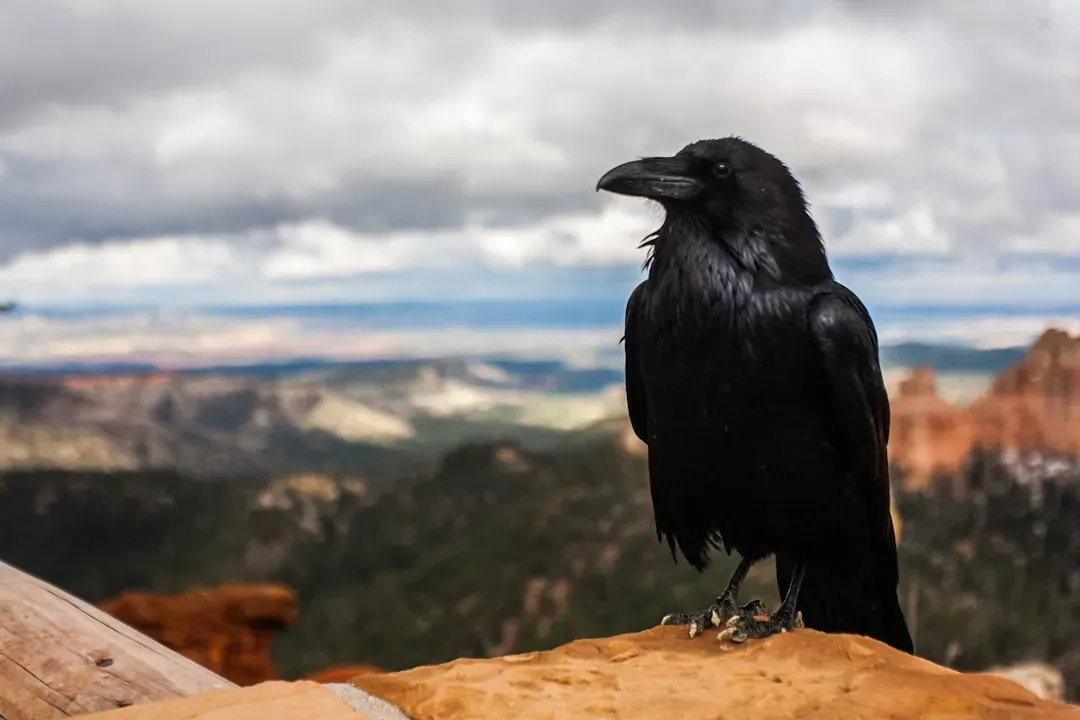
Ravens are cognitively closer to great apes than to most other birds – capable of planning, tool use, and, critically, long-term social memory. Hand-raised ravens treat their caregivers with a quality of attention that borders on surveillance: they track that person’s movements, anticipate their schedules, and bring objects – a shiny scrap, a small stone – as apparent gifts in a behavior researchers haven’t fully explained but consistently observe.
They also remember who wronged them. Ravens have been documented holding grudges against specific individuals for years, avoiding them or actively harassing them in ways that demonstrate clear, sustained recognition. Flip that coin and you get the loyalty side: a raven that trusts its raiser will play elaborate games with that person, solve problems to get their attention, and show genuine agitation when they disappear. Their world is organized around social relationships, and a trusted human sits near the top of that hierarchy for life.
#3 – Orcas That Remember Human Care
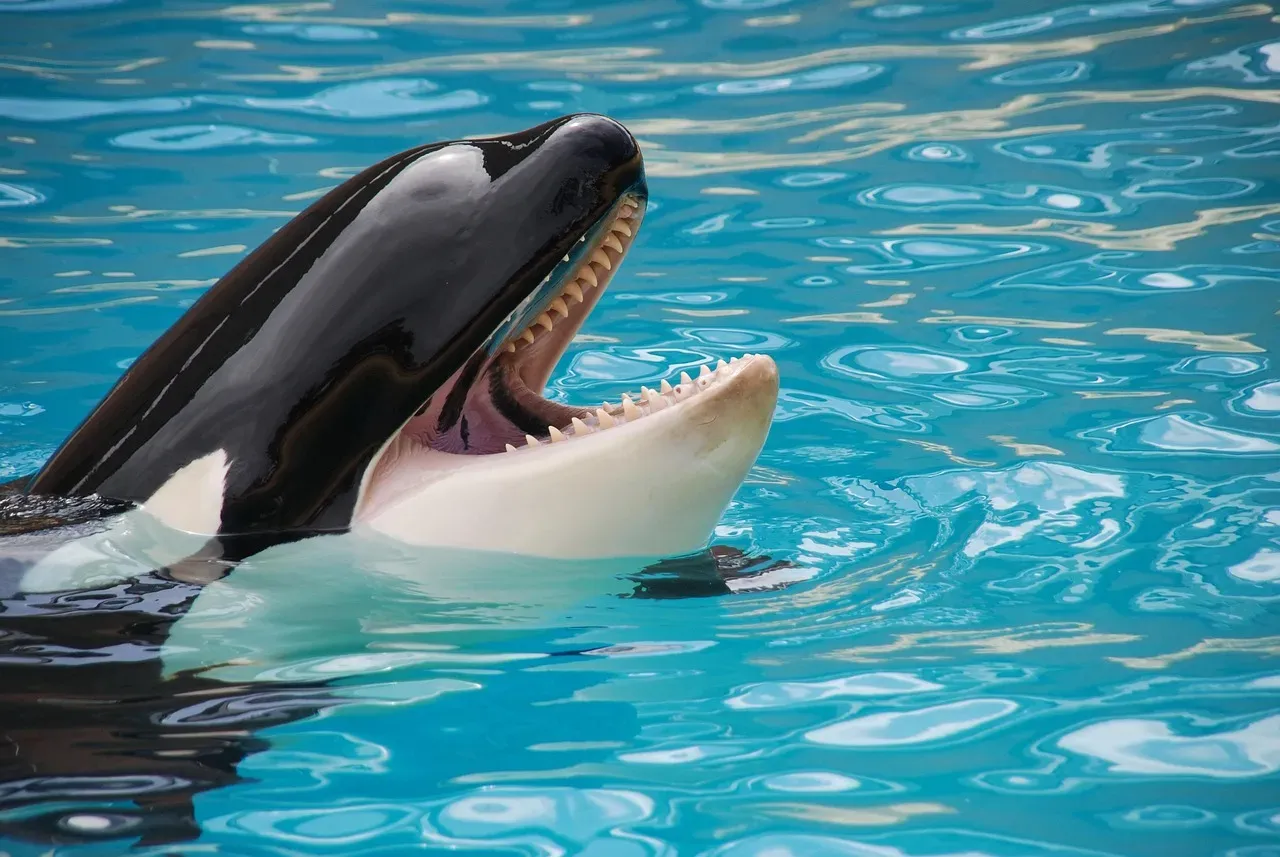
Orcas live in matrilineal pods with bonds that last entire lifetimes – sons remain with their mothers until one of them dies. That social architecture makes their attachments to individual trainers in research or captive settings less surprising in principle, but no less extraordinary in practice. Orcas trained by a specific person develop interaction styles unique to that relationship: vocalizations, positioning, behaviors that they perform with that trainer and not others, even after extended time apart.
Former trainers who return to facilities after years away have described orcas recognizing them immediately – approaching the edge, vocalizing, mirroring old interaction patterns with an accuracy that suggests the memory never went anywhere. For an animal whose entire identity is rooted in the permanence of family bonds, it may be that a trusted human simply gets filed in the same cognitive category as a pod member. The distinction between species may matter far less to them than the distinction between known and unknown.
#2 – Hippos That Defy Every Expectation
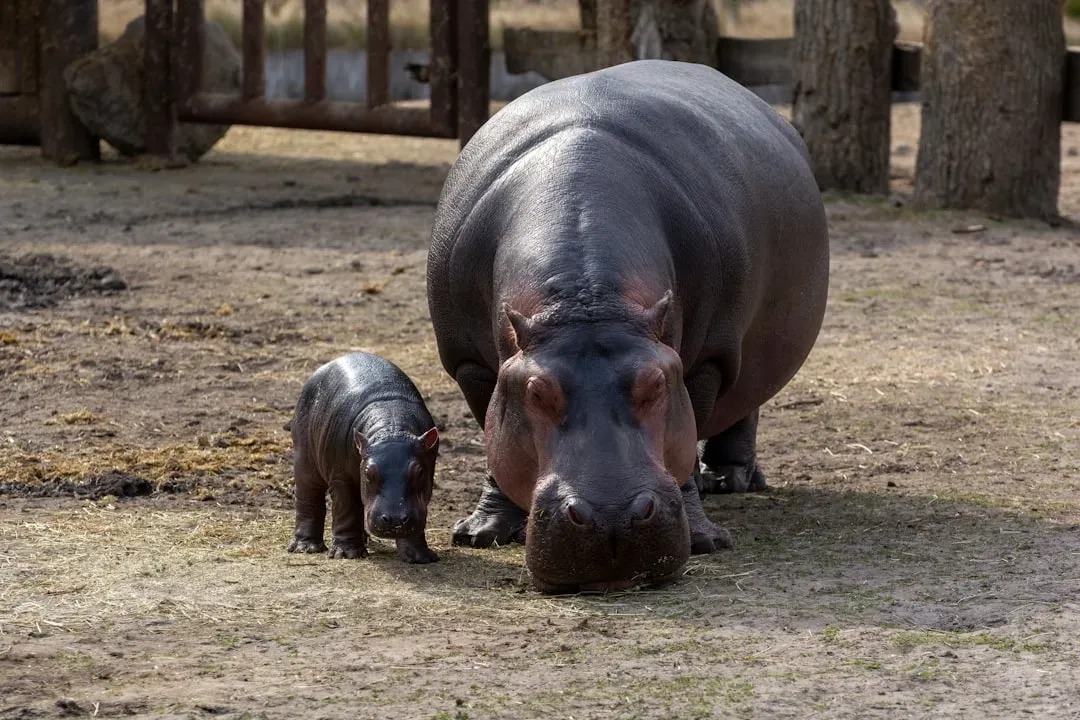
Hippopotamuses kill more people in Africa each year than almost any other large animal. They are not, by any reasonable measure, a species you’d expect to form tender, lasting bonds with a single human. Which is precisely what makes documented cases involving hand-raised hippos so jarring. Sanctuary hippos raised from infancy often follow their caregivers like oversized, armored shadows – calm and docile in their presence, agitated and unpredictable without them.
These animals show protective behaviors toward their human raisers that are almost impossible to reconcile with their wild reputation. They position themselves between the caregiver and perceived threats. They seek physical contact – leaning, nudging – during moments that appear to function as comfort-seeking rather than play. The bond doesn’t diminish the danger; a hippo is always a hippo. But it reveals something important: even in species wired for aggression, the right early relationship can create an attachment that overrides years of solitary, territorial programming.
Why It Stands Out
- Hippos are among Africa’s most dangerous animals – yet hand-raised individuals have been documented choosing to follow one specific human through an enclosure over any other person or animal present.
- The calming effect of a trusted caregiver on a hippo mirrors the “social stress buffer” effect observed in hand-raised wolves – suggesting cross-species attachment operates on shared emotional wiring.
- Sanctuary staff routinely report that a hand-raised hippo’s personality visibly shifts between caregivers – gentle and leaning with one person, tense and unpredictable with all others.
- This makes the hippo one of the most startling entries on this list: not because the bond is surprising in context, but because the species itself makes it feel impossible.
#1 – Great Apes in Long-Term Human Studies
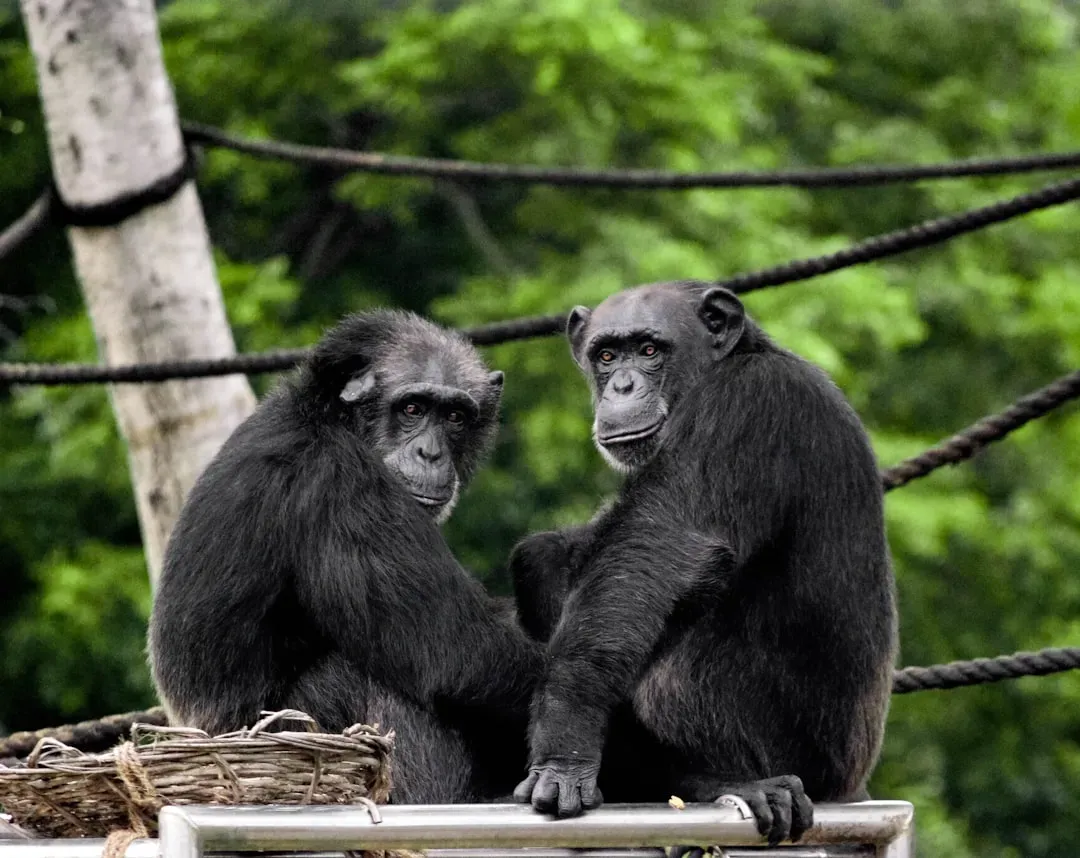
No group of wild animals has demonstrated deeper, more complex, or longer-lasting bonds with human caregivers than the great apes – chimpanzees, bonobos, and gorillas studied or raised over decades. These are animals capable of remembering not just faces but histories. A chimp that hasn’t seen a former researcher in ten years may still react to their return with the same excited vocalization it used during years of daily contact. The recognition is specific, immediate, and emotional in a way that is genuinely difficult to rationalize away.
What elevates these bonds above every other entry on this list is the complexity of what they contain: trust built over years, memory that spans decades, grief at loss, joy at reunion, and a social integration so complete that the human becomes, in the ape’s cognitive world, a permanent member of the group. Researchers who’ve spent careers with these animals consistently describe the relationship as the most meaningful of their professional lives – and often of their personal ones. That symmetry, the bond running both directions with equal depth, is what makes it extraordinary. Some connections, it turns out, don’t care what species either party belongs to.
These 14 animals don’t fit the story we’ve told ourselves about wild creatures and human outsiders. They remember. They choose. They grieve. And in at least a few cases, they’ve crossed miles of wilderness just to find the one person who mattered most. The harder question – the one sanctuaries and researchers live with daily – is what we owe them in return when we’re the ones who walk away.

- Secrets of Longevity: Animals That Live for Centuries and What We Learn From Them - August 15, 2026
- 10 Most Beautiful Mountain Towns in The World - August 15, 2026
- 10 Cats That Bring Emotional Comfort Without the High Financial Stress - August 15, 2026