


Discovering the great outdoors and observing wildlife in their natural habitat is an unparalleled experience that stirs the soul and ignites our passion for the natural world. In the United States, national parks offer some of the most spectacular opportunities to witness wildlife in all its glory. From the dense forests of the Great Smoky Mountains to the sweeping vistas of Yellowstone, every park presents a unique ecosystem bustling with incredible creatures. Below is a guide to twelve must-visit American national parks where you can spot remarkable wildlife.
Yellowstone National Park

Located primarily in Wyoming, Yellowstone National Park is a haven for wildlife enthusiasts. This iconic park is home to a wide array of animals, including bison, elk, wolves, and grizzly bears. The Lamar Valley is renowned as a prime wildlife-watching spot, offering enthusiasts the chance to see large herds of bison and spot predators like wolves and bears. Early morning and dusk are the best times to witness the diverse fauna of Yellowstone, as animals are most active during these cooler hours.
Denali National Park

Alaska’s Denali National Park offers a unique wildlife viewing experience unlike anywhere else in the United States. Known for its breathtaking landscapes and the majestic peak of Denali, the park’s vast wilderness is home to “The Big Five”: grizzly bears, moose, caribou, Dall sheep, and wolves. Guided tours often provide the best opportunities to glimpse these creatures, along with birds like the majestic golden eagle soaring overhead.
Great Smoky Mountains National Park

Straddling the border between North Carolina and Tennessee, Great Smoky Mountains National Park is famed for its extensive biodiversity. The park harbors over 1,500 black bears, making it one of the best places in the Eastern U.S. to see these gentle giants. Additionally, elk, white-tailed deer, and a plethora of bird species, including vibrant warblers, inhabit the park’s rich and varied habitats, attracting both casual visitors and seasoned bird watchers alike.
Everglades National Park
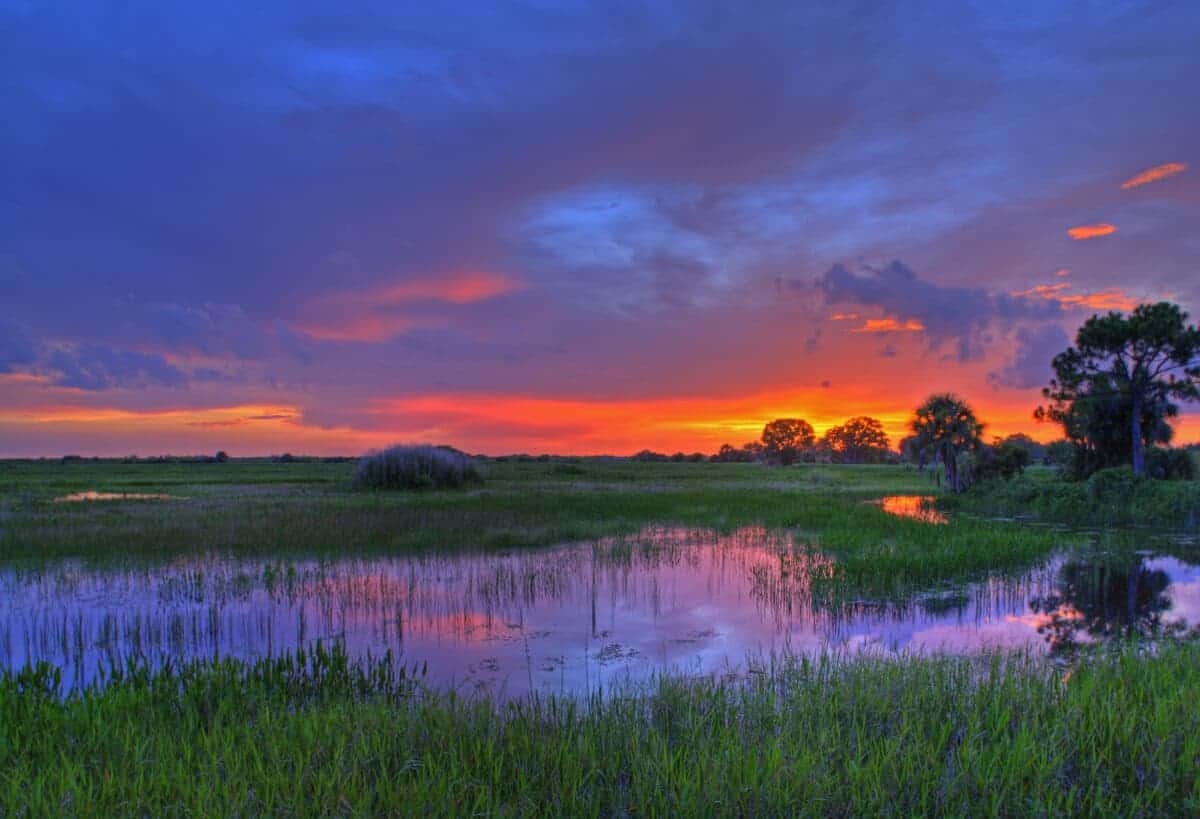
In southern Florida, the Everglades provide a fascinating network of wetlands that’s home to a plethora of wildlife species. The park’s iconic American alligator is a must-see, frequently visible from boardwalks and along the park’s waterways. Keep your eyes peeled for the elusive Florida panther and a rainbow of birds, such as the vibrant roseate spoonbill and the graceful great blue heron. Exploring this unique ecosystem by boat or kayak offers the best vantage points for wildlife observation.
Glacier National Park

Glacier National Park, situated in Montana, is an untouched sanctuary brimming with wildlife and breathtaking scenery. The park’s diverse habitats support mountain goats, bighorn sheep, and grizzly bears. The Going-to-the-Sun Road provides spectacular viewing opportunities, and hiking trails such as the Highline Trail allow trekkers to immerse themselves in the wilderness, increasing their chances of close encounters with these magnificent animals.
Zion National Park

In the heart of Utah, Zion National Park offers a striking landscape of towering red cliffs and lively wildlife. Mule deer and bighorn sheep are frequently spotted along the scenic drives and trails. Bird enthusiasts will appreciate the park’s variety of avian species, including the impressive California condor, thanks to successful reintroduction programs. Spring and fall are particularly rewarding times for wildlife watching, as many animals are more visible during these transitional seasons.
Yosemite National Park

California’s Yosemite National Park is not only known for its awe-inspiring granite cliffs and waterfalls but also for its rich wildlife. The park is home to black bears, mule deer, and bobcats, which can often be spotted in the valleys and meadows. Yosemite is also celebrated for its diverse bird population, including the mountain bluebird and peregrine falcon, which make their homes in the park’s varied landscapes.
Rocky Mountain National Park
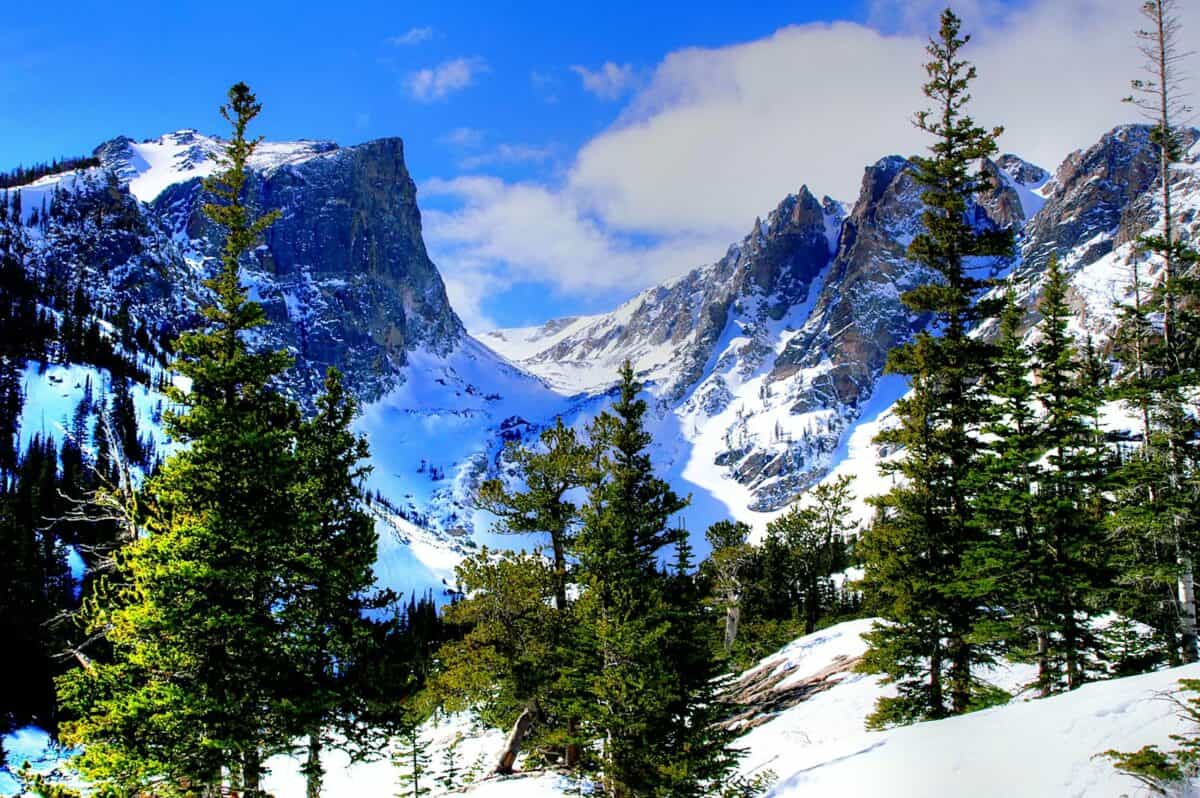
In northern Colorado, Rocky Mountain National Park is a masterpiece of alpine greens and pristine wilderness that hosts an array of wildlife. Elks are among the most prominent inhabitants, frequently observed grazing in park meadows. During fall, the park echoes with the eerie calls of bugling elk during the rut, an enchanting experience for visitors. Other species, such as bighorn sheep and marmots, add to the charismatic wildlife tapestry of the park.
Grand Teton National Park
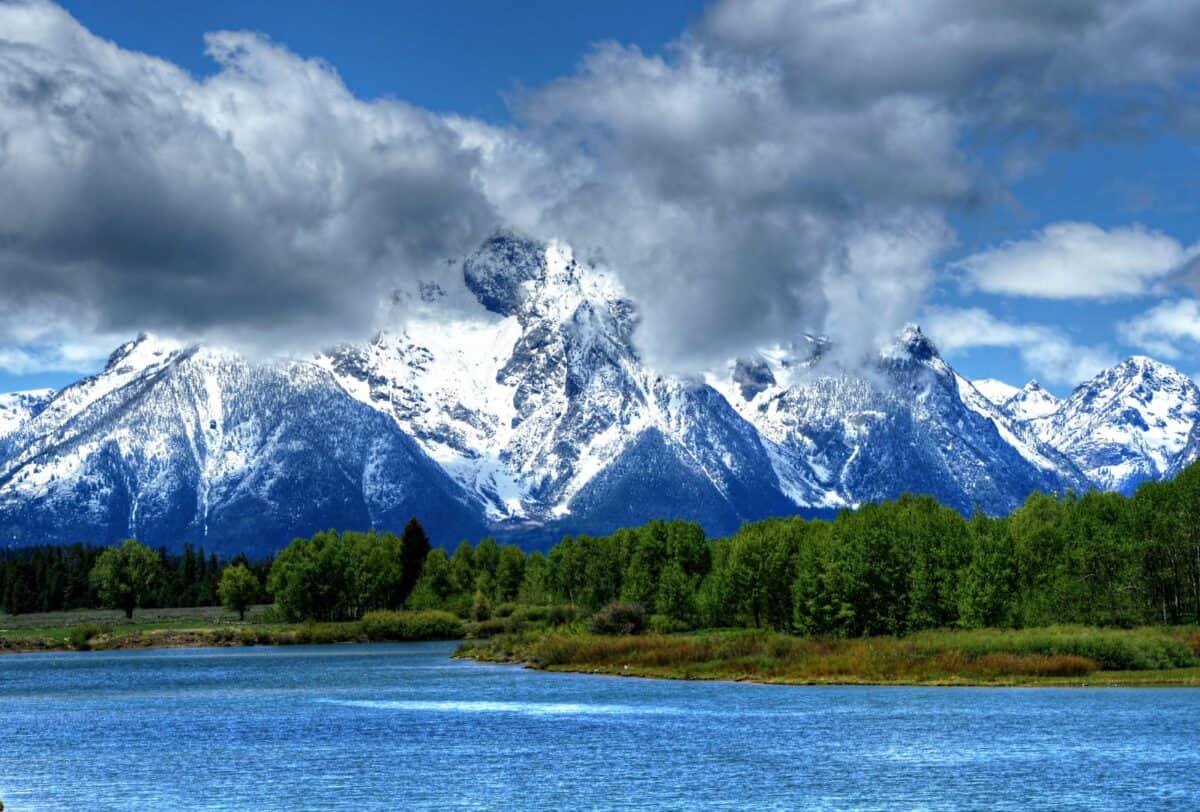
Adjacent to Yellowstone, Wyoming’s Grand Teton National Park offers a stunning backdrop of rugged mountains and remarkable wildlife diversity. Visitors have the chance to see moose, bison, and eagles against the majestic Teton Range. The area’s lakes and rivers provide habitats for otters and beavers, while occasional sightings of black bears and cougars add excitement to wildlife adventures in the park.
Shenandoah National Park

Virginia’s Shenandoah National Park is a treasure trove of wildlife and scenic beauty, located along the Blue Ridge Mountains. The park is renowned for its abundant populations of black bears, white-tailed deer, and a host of woodland creatures. Bird watchers will find it a paradise, with species such as woodpeckers and warblers filling the forests with song. Skyline Drive offers an easily accessible route for those eager to spot wildlife from the comfort of their car.
Olympic National Park

Olympic National Park in Washington State encompasses diverse ecosystems, from temperate rainforests to rugged coastlines, each teeming with distinctive wildlife. Roosevelt elk and black-tailed deer wander the lush forests, while tidal pools along the Pacific coast reveal starfish, crabs, and diverse marine life. Bird watchers might glimpse the marbled murrelet or the rare northern spotted owl amidst the towering spruce and fir trees.
Acadia National Park

On the rocky coast of Maine, Acadia National Park presents a unique blend of mountain and ocean ecosystems, drawing wildlife enthusiasts year-round. White-tailed deer and red foxes roam the forests, and the park’s waters are rich with marine life, including harbor seals and various seabirds such as the black guillemot. The changing tides and seasons create a dynamic environment for observing coastal and inland wildlife alike.
Conclusion:

In conclusion, America’s national parks serve as vital refuges for wildlife, inspiring countless visitors with their awe-inspiring ecosystems and diverse fauna. Whether you’re an avid birder, a photographer seeking the perfect shot, or a nature lover yearning for a connection with the wild, these parks offer unforgettable experiences. As stewards of these cherished lands, we have a responsibility to preserve their beauty and ensure that the magic of wildlife encounters remains for generations to come.

As a little kid, I fell in love with nature, wildlife, and animals. Living in the USA, South Africa, Italy, China and Germany gave me the opportunity to discover the world's Wildlife. My favorite animals are Mountain Gorillas, Siberian Tigers, and Great White Sharks.
I'm a certified PADI Open Water Diver, went to Everest Base Camp and Trekked Gorillas in Uganda. I hold a Master of Science in Economics and Finance.
Please send any feedback to feedback@animalsaroundtheglobe.com
- 10 Animals with the Worst Memory in the World - August 15, 2026
- Top 10 Animals and Wildlife in Wisconsin - August 15, 2026
- Animals and Wildlife in Antarctica - August 15, 2026