

The American Southwest stretches across sun-baked deserts, jagged canyons, and sparse woodlands, creating harsh conditions that have shaped some of the world’s most specialized wildlife. Places like Arizona’s Sonoran Desert or New Mexico’s Chihuahuan expanses host creatures perfectly tuned to extremes of heat, drought, and isolation.[1][2]
These animals have evolved remarkable adaptations, from glowing scorpions to sheep that climb sheer cliffs. Spotting them requires patience and the right season, often at dawn or dusk when the landscape cools.
Giant Desert Hairy Scorpion
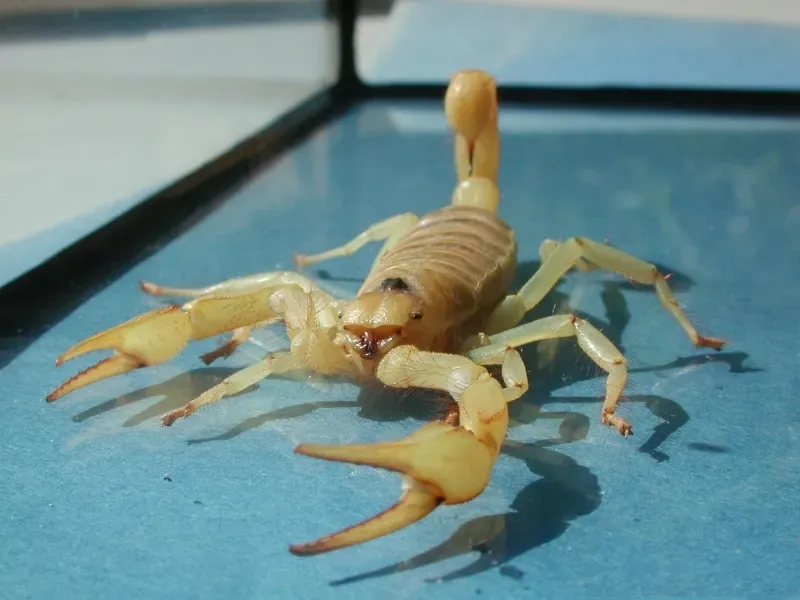
This arachnid reaches up to five and a half inches, making it the largest scorpion in the U.S. It gives birth to live young that hitch rides on the mother’s back for protection. Covered in brown hairs, it senses vibrations from prey like insects and small lizards.[1]
Under blacklight, the scorpion glows a vivid green, a trait useful for researchers tracking them at night. It digs burrows up to eight feet deep in Arizona’s rocky deserts. Though its sting packs a punch, it’s rarely fatal to humans and more defensive than aggressive. These nocturnal hunters emerge after dark to patrol their arid domain.
Desert Bighorn Sheep
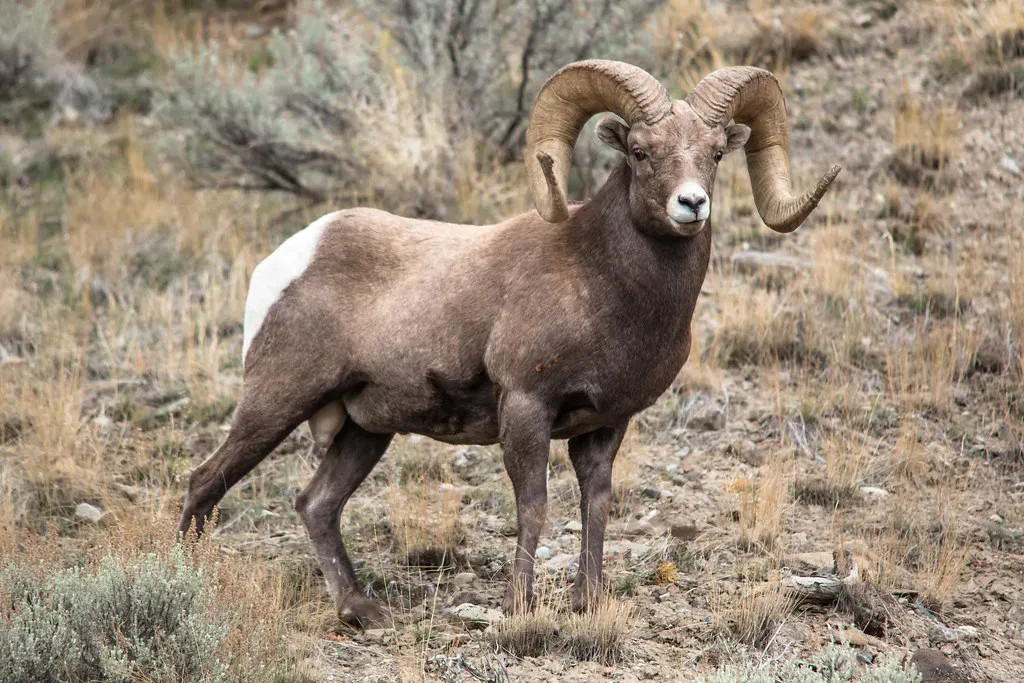
Rams boast massive horns curling over three feet, weighing up to thirty pounds. They navigate steep, rocky canyons with concave hooves that grip like mountain climbing gear. Desert bighorns go weeks without water, drawing moisture from grasses and cacti.[1]
Predators like mountain lions struggle to catch them on precipitous slopes. Populations dipped from habitat loss but rebound thanks to reintroductions and water sources. Males clash heads in epic battles lasting hours during rutting season. Their agility turns unforgiving terrain into safe haven.
Gila Monster
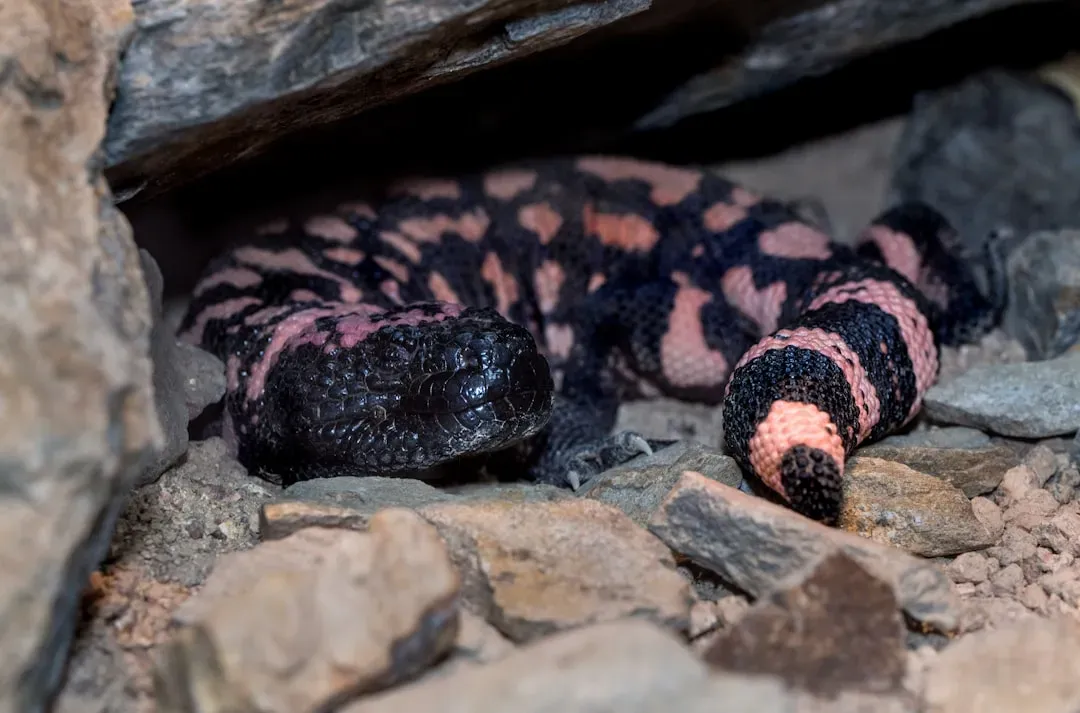
America’s lone venomous lizard, it stretches twenty-two inches with black-and-orange beaded scales. It lurks underground most of the time, emerging to hunt eggs and small mammals. Fat stored in its tail sustains it between infrequent meals.[1][2]
The bite delivers neurotoxin through grooved teeth, but it’s slow and non-aggressive. Found in Sonoran and Mojave deserts, it chews to envenomate prey. This ancient survivor moves deliberately across the baked earth. Conservation protects its shrinking habitat from development.
Javelina (Collared Peccary)
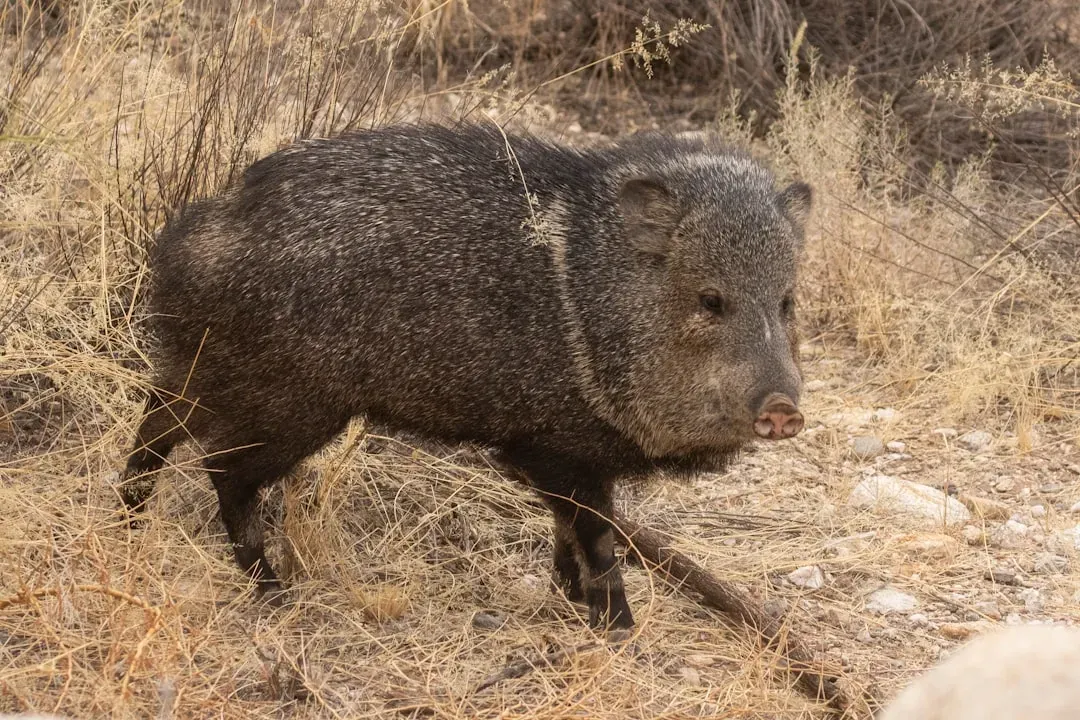
Not a true pig, this pig-like grazer weighs forty to fifty-five pounds with a musky odor. Herds root for roots, cactus fruits, and mesquite beans using keen smell over poor eyesight. They charge if startled, tusks ready for defense.[1]
Social groups of six to twelve roam southwestern deserts year-round. They process spiny prickly pear pads effortlessly. Urban edges bring more human encounters, but stable numbers persist. Their white collar marks them amid grayish fur.
Kit Fox
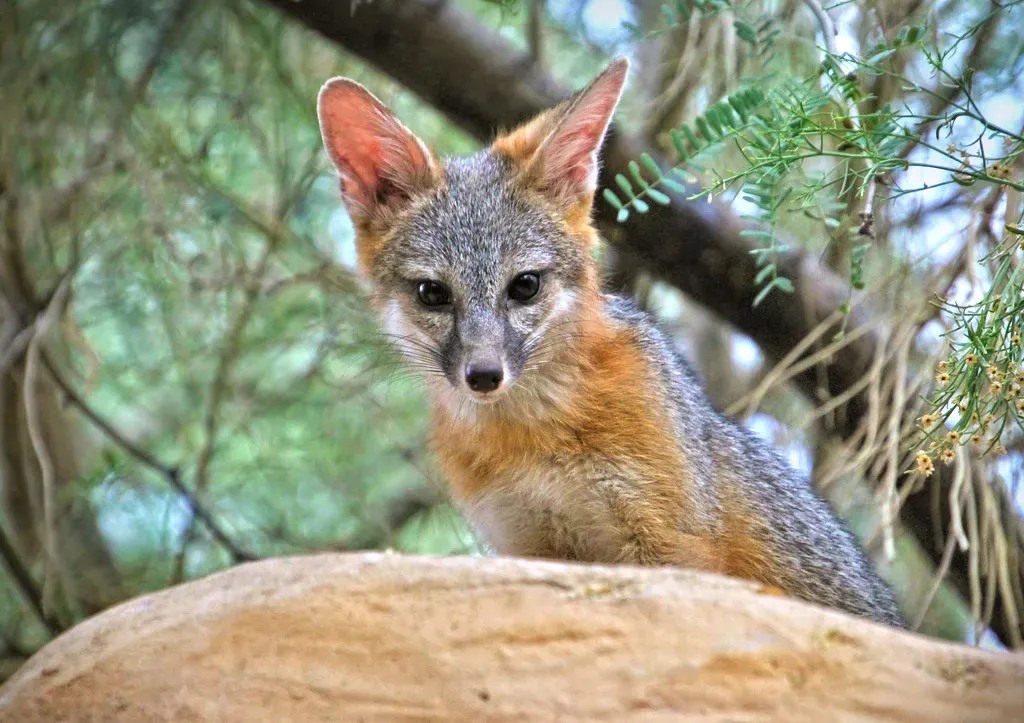
North America’s tiniest wild dog, with oversized ears shedding heat in scorching days. It rarely drinks, pulling water from rodents and insects caught at night. Sandy fur blends into desert floors from California to Texas.[1]
Endangered in some spots from habitat squeeze, it dens in burrows. Agile hunters share nights with bobcats. Those big ears also pinpoint faint prey sounds. Survival hinges on vast open spaces now fragmented by cities.
Kangaroo Rat
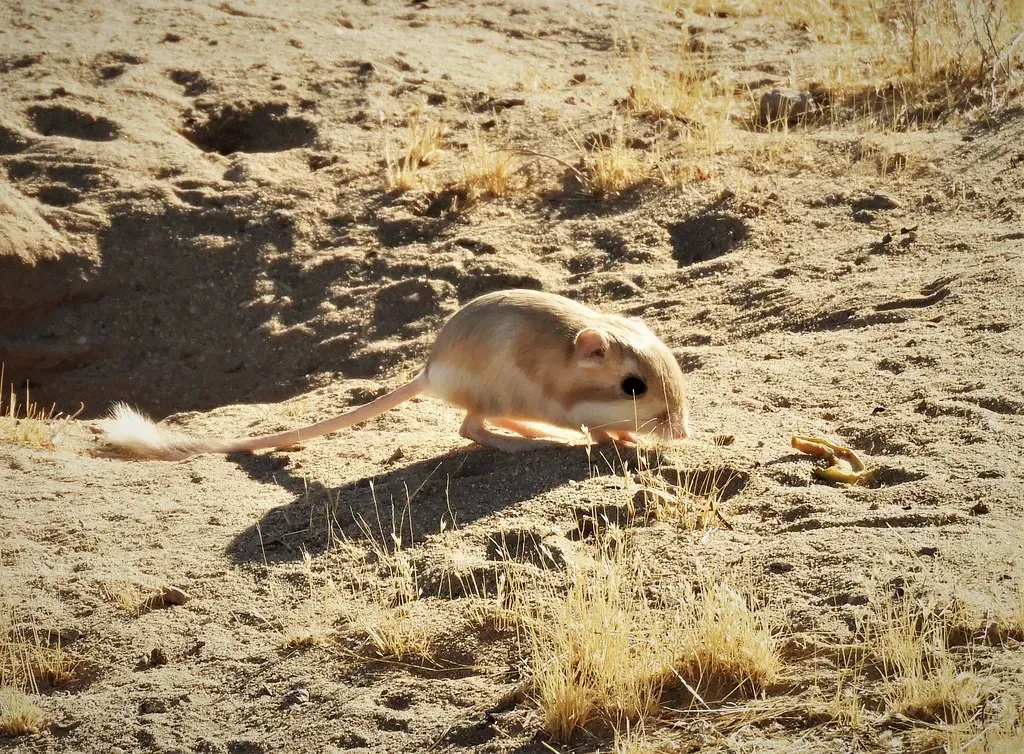
Hind legs propel it in leaps up to nine feet, tail balancing like a rudder. Burrows sprawl seven feet deep, housing generations without ever needing water. Seeds provide all moisture, kidneys super-efficient at conservation.[1]
Nocturnal forager stuffs cheeks with harvest, sorting later underground. Common across arid southwest lowlands. Their hopping silhouette darts under moonlight. This seed superpower defines desert rodent life.
Coatimundi
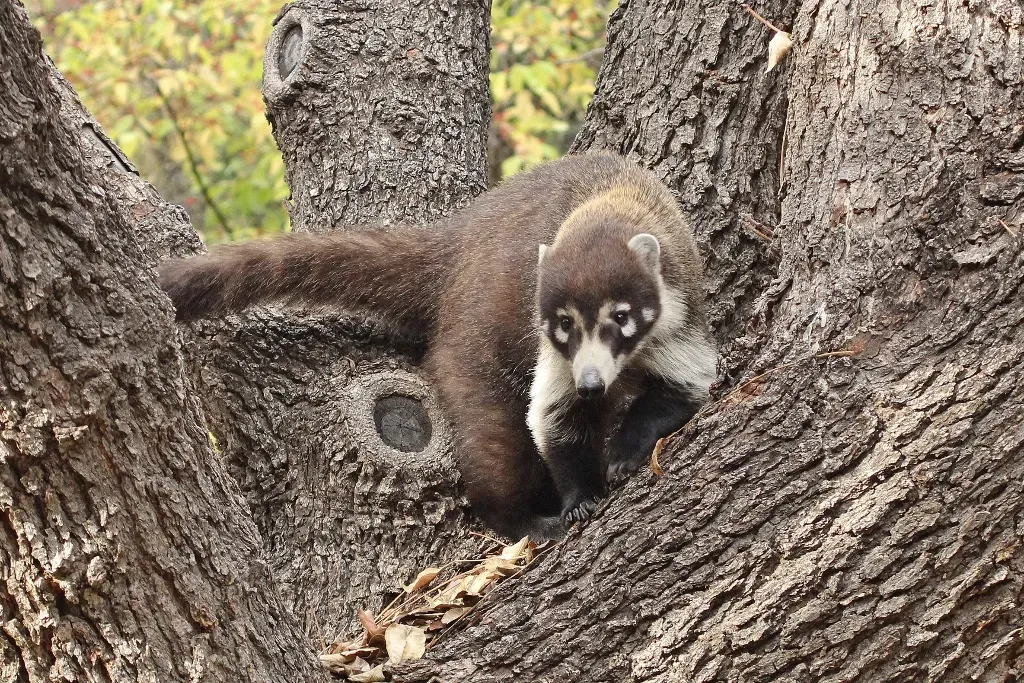
Raccoon relative with a flexible snout probing for grubs under rocks. Climbs oaks for berries and eggs, flips debris for lizards. Bands of females and young forage mornings and afternoons.[1]
Males solitary, larger with bolder attitudes. Arizona canyons host them near water. That snout acts like a living detector sweeping soil. Curious climbers often peer at hikers from branches.
Greater Roadrunner
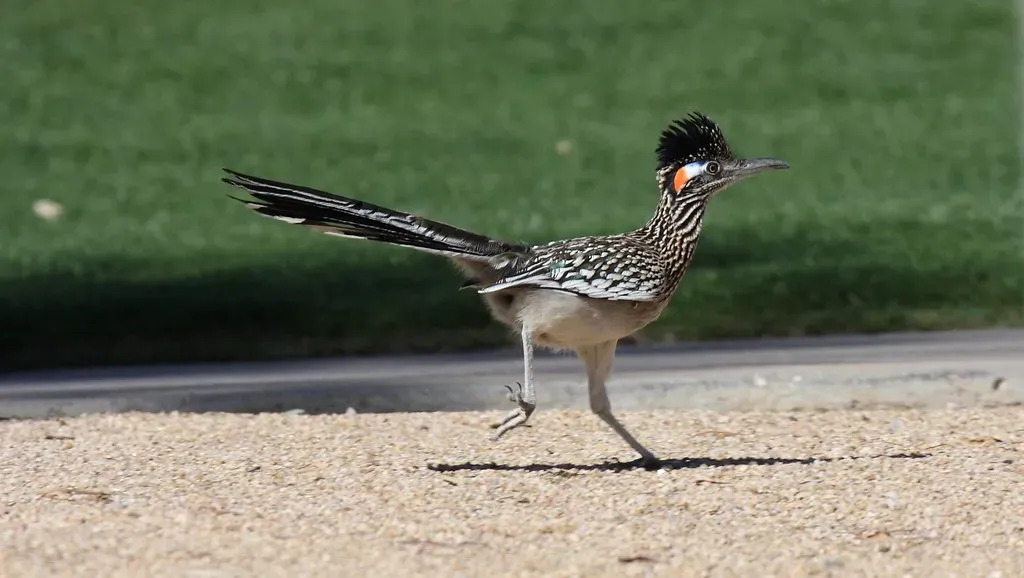
Sprints fifteen miles per hour, tail steering sharp turns. Pairs team up on rattlesnakes, one distracting while the other strikes. Cartoon fame undersells its real predator prowess.[1]
Diet skips lizards, insects, even scorpions. Grounded most days, flies low when needed. Males court with food gifts. Icon of open deserts from Texas to California.
Elf Owl
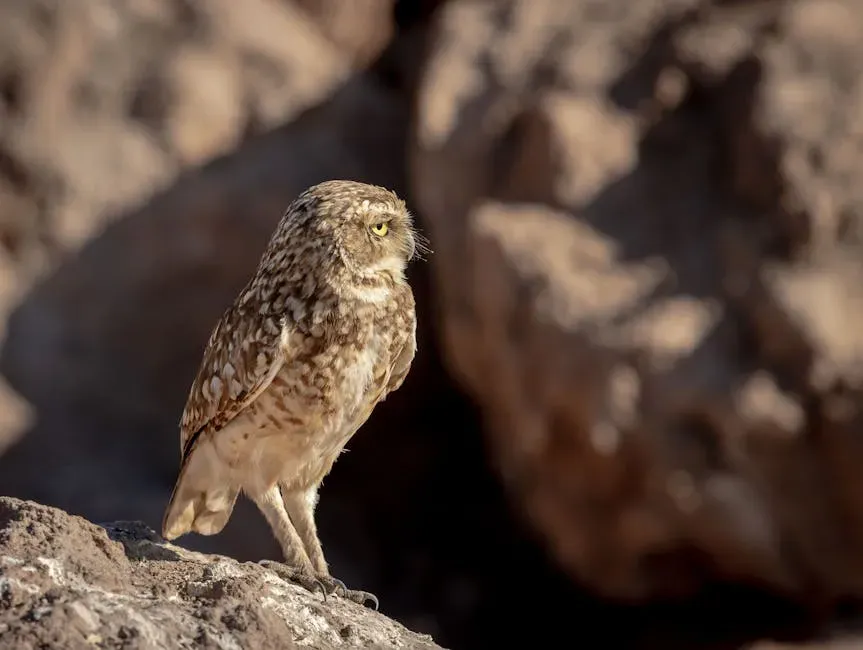
Tiny at five inches, nests in saguaro holes like luxury lofts. Hunts bugs and scorpions at night, calls with soft yelps. Sparrow-sized but owl fierce.[1]
Spends summers in riparian zones, migrates south winter. Insects fuel its water needs too. Worlds smallest owl thrives in cactus country. Dusk brings their chorus alive.
Burrowing Owl
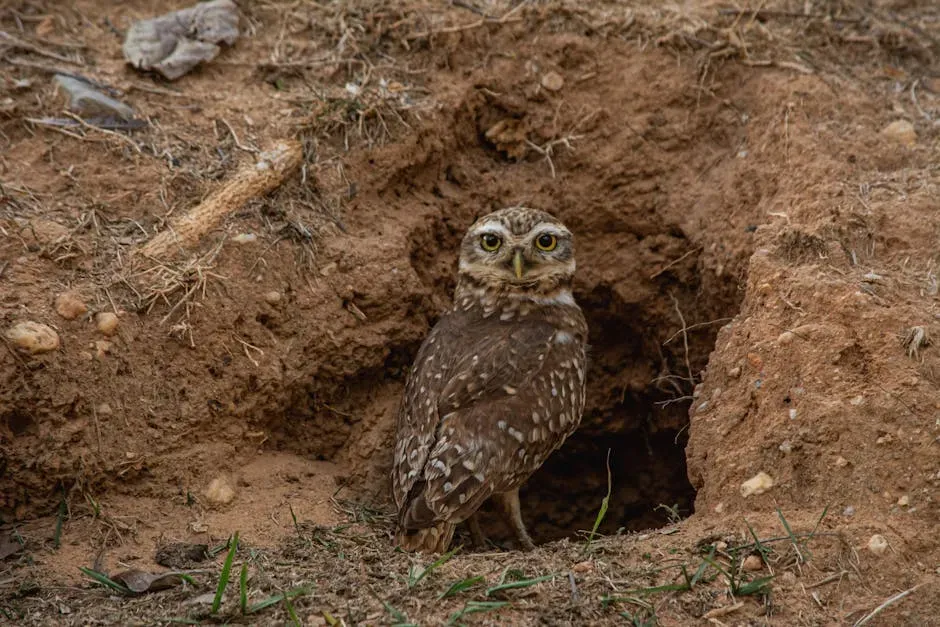
Ground-dweller uses prairie dog tunnels for nests, lays eggs underground. Bobs head at threats, perches low in open flats. Small size belies watchful eyes.[1]
Artificial burrows aid Phoenix recovery efforts. Hunts daylight insects, small vertebrates. Southwest grasslands suit their quirky stance. Relentless urban sprawl challenges homes.
Ringtail
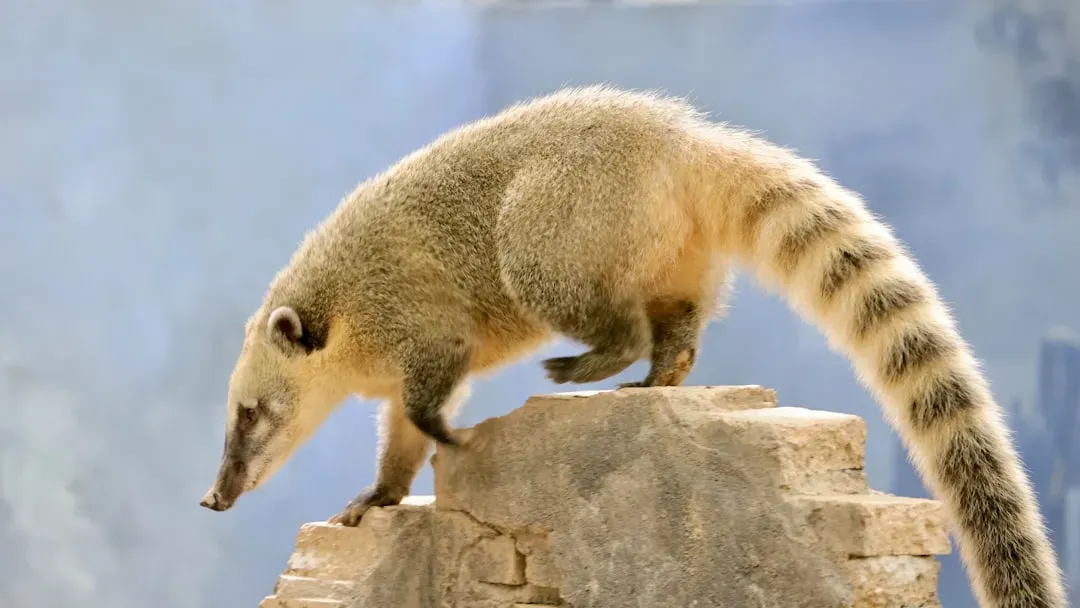
Arizona’s state mammal, raccoon kin with ringed tail and cat reflexes. Nocturnal climber scales cliffs for rodents, fruits. Elusive shadow in rocky dens.[1]
Short claws grip sheer faces. Lemur tail aids balance mid-leap. Arid southwest from deserts to pines. Rare glimpses reward night hikes.
Ocelot
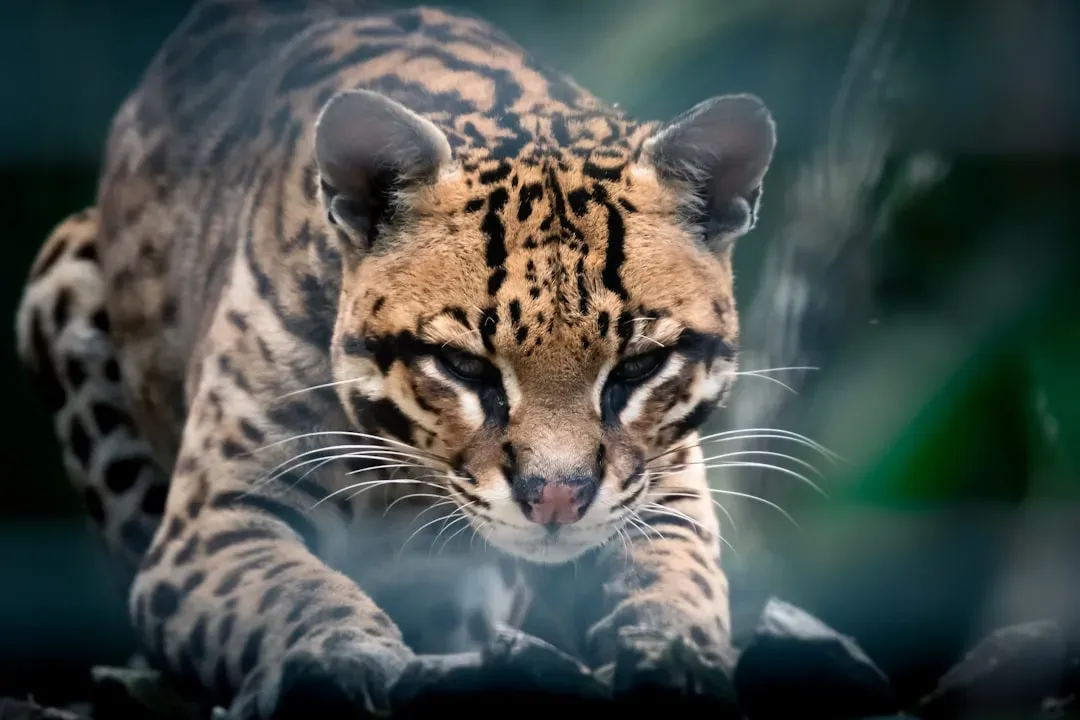
Spotted cat blends in thorny thickets, fewer than a hundred roam U.S. wilds. Hunts rabbits, birds solo at night. Endangered beauty in southeast Arizona.[1]
Trade threats add to habitat woes. Dense brush hides their prowl. Camera traps catch fleeting proof. Recovery demands connected wild corridors.
Jaguar
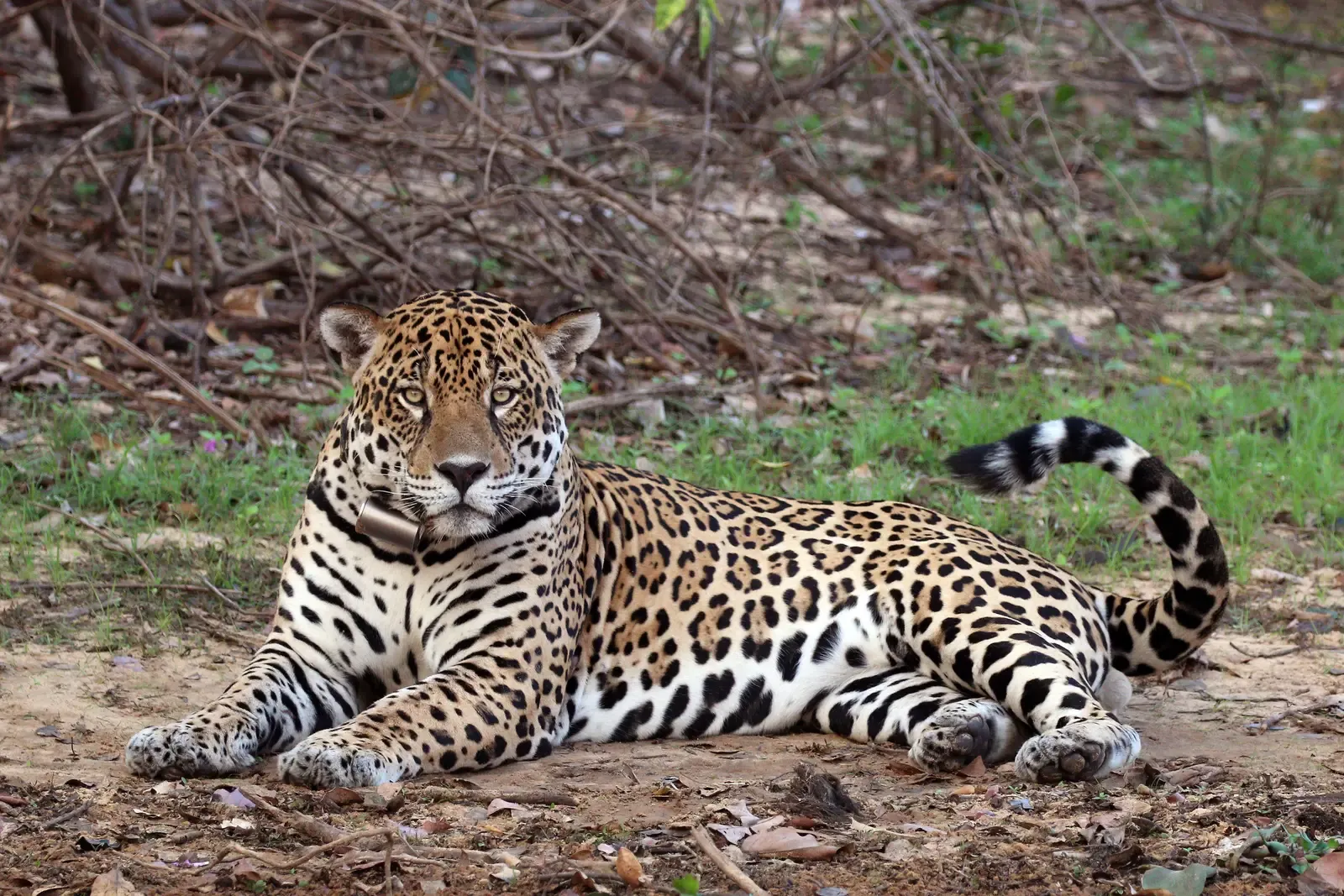
Powerful jaws crush skulls, rare wanderers from Mexico into Arizona canyons. Males disperse north, marking territory. Sonoran ghosts amid human pressures.[1]
Tracks and trail cams confirm presence. Preys on deer, javelina stealthily. Borderlands hold hope for comeback. Their roar echoes seldom now.
Desert Tortoise
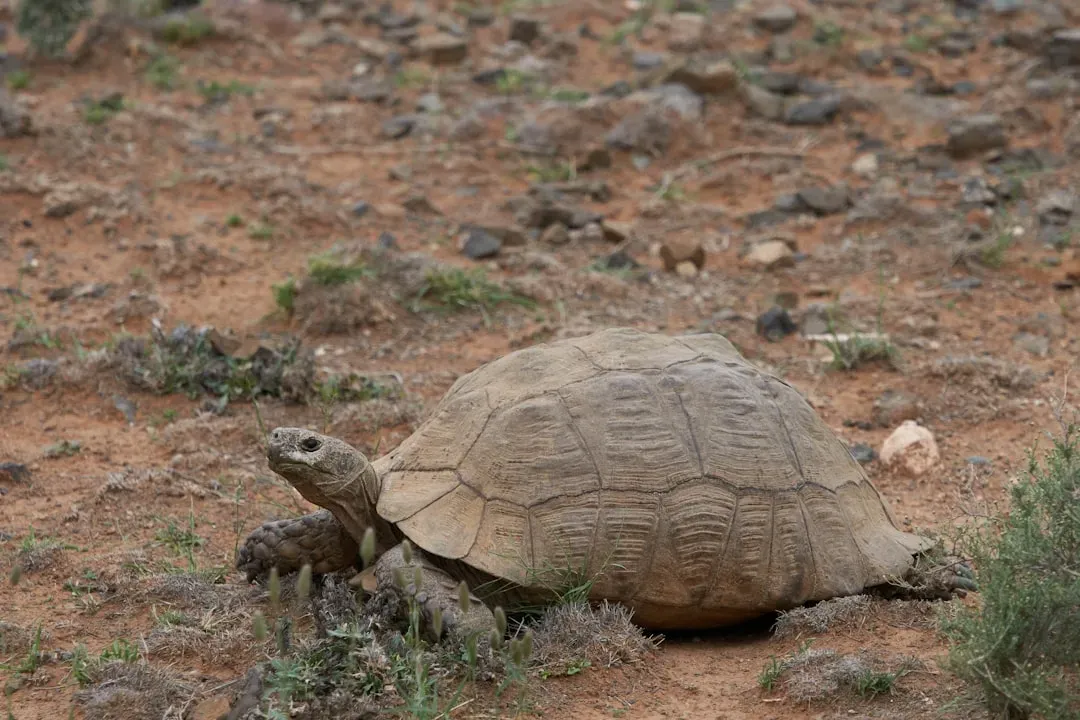
Dome-shelled ancient digs thirty-foot burrows for shade and moisture storage. Lives fifty to eighty years, hibernates deep. Mojave and Sonoran resident.[2]
Bladder water reabsorbs in drought. Emerges spring for greens. Over ninety percent decline spurs protection. Slow pace mirrors patient survival.
Arizona Bark Scorpion
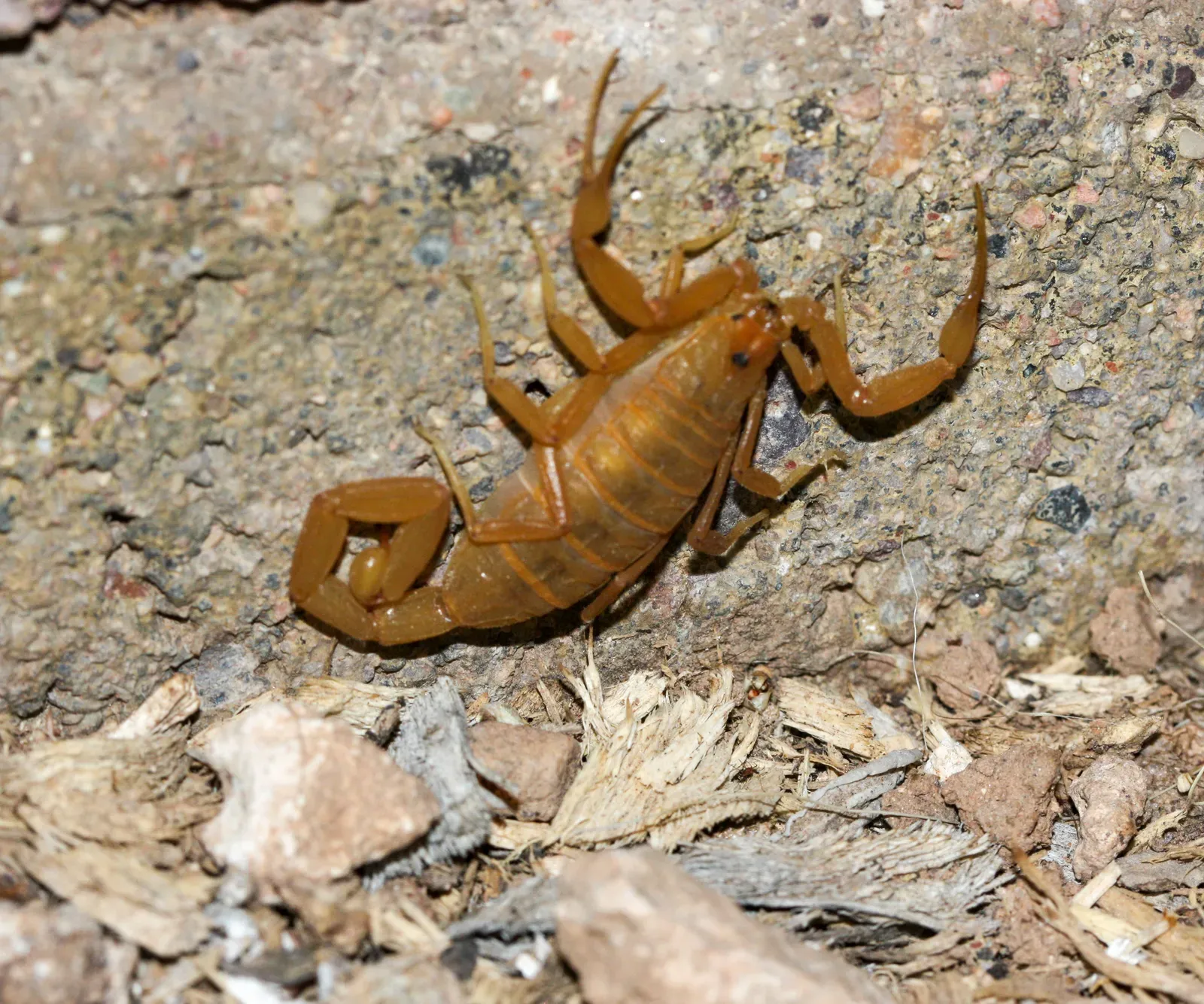
Light brown climber scales walls upside down, fluoresces blue under UV. Most venomous in U.S., neurotoxin stings painfully. Rocky crevices day hideouts.[2]
Nocturnal pincer grabs crickets. Sensitive hairs detect vibes. Arizona homes demand caution barefoot. Glow hunts make night hikes eerie.
Protecting Southwest Wonders
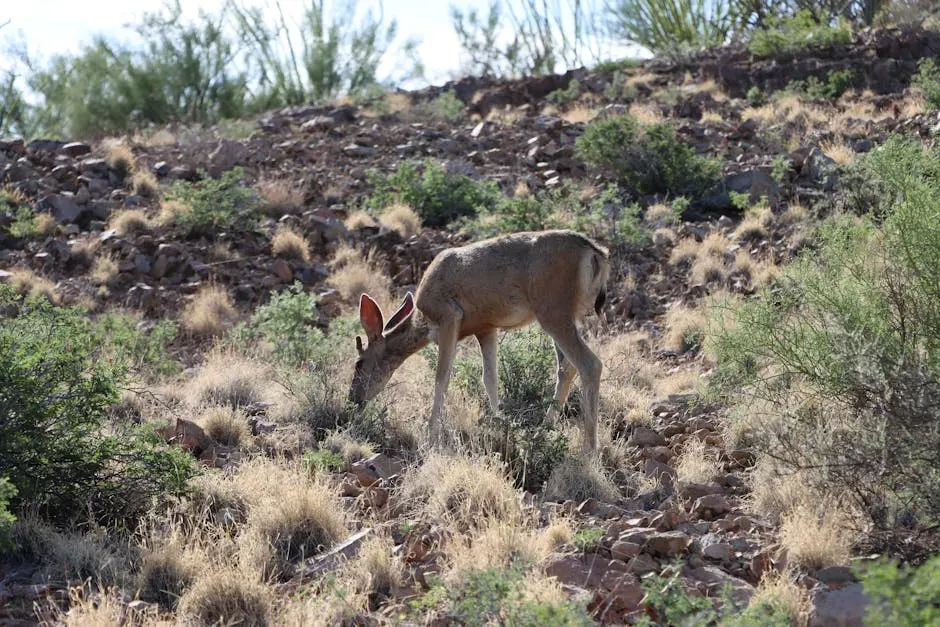
These creatures thrive through clever tricks, yet face roads, cities, and climate shifts. Conservation refills water holes, restores habitats, fights invasives. Visitors tread light to preserve the balance.
Next desert trek might reveal a roadrunner dash or scorpion glow. Such encounters remind how fragile, vital this wildlife remains in 2026’s changing world. Quiet respect keeps the southwest wild.

- Does Your Cat Actually Miss You When You’re Gone? Scientists Finally Have the Answer - August 15, 2026
- 12 Incredible Animal Architects Whose Creations Will Astonish You - August 15, 2026
- 7 US States With the Most Prairie Dogs - August 15, 2026