
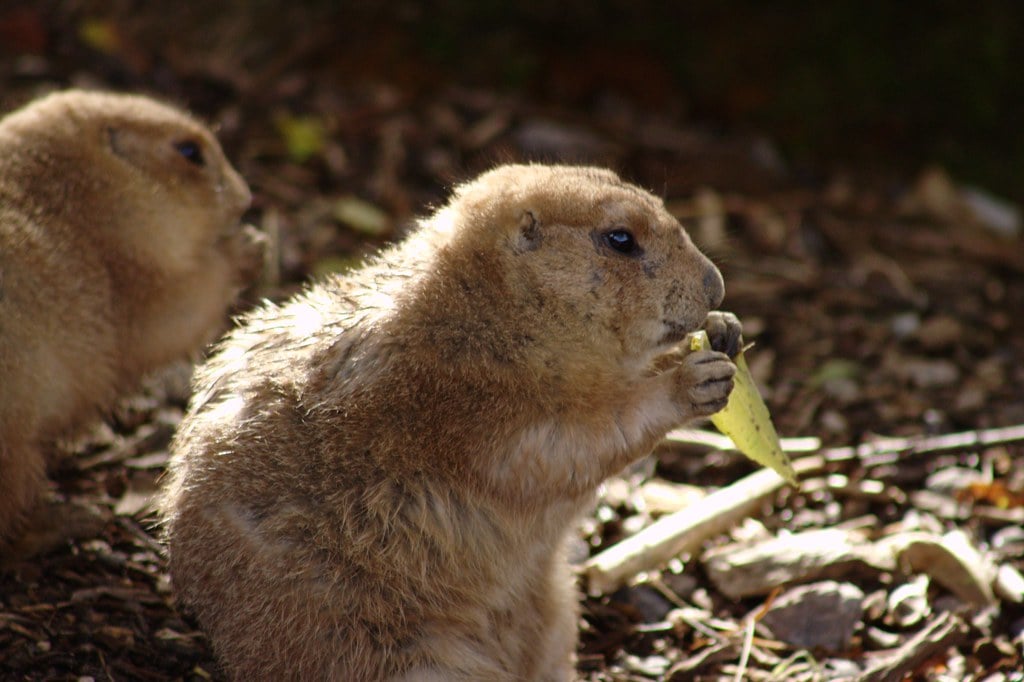
#1 South Dakota
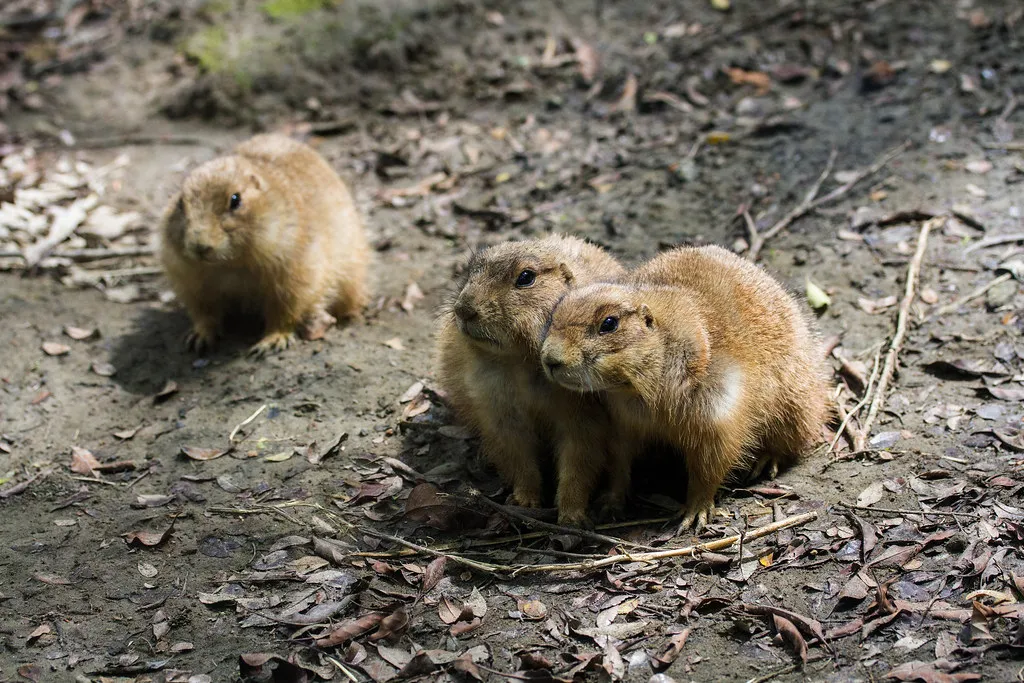
South Dakota stands out for its extensive black tailed prairie dog colonies scattered across the western half of the state. The mixed grass prairies and protected areas like Badlands National Park provide ideal conditions for large groups to thrive. These rodents play a key role in turning soil and creating homes for other species.
Visitors often spot them popping up near roadsides or in open fields. State wildlife managers balance ranching interests with efforts to maintain viable populations. The result is a landscape where prairie dogs remain a visible and influential part of daily life for both wildlife and people.
#2 Colorado
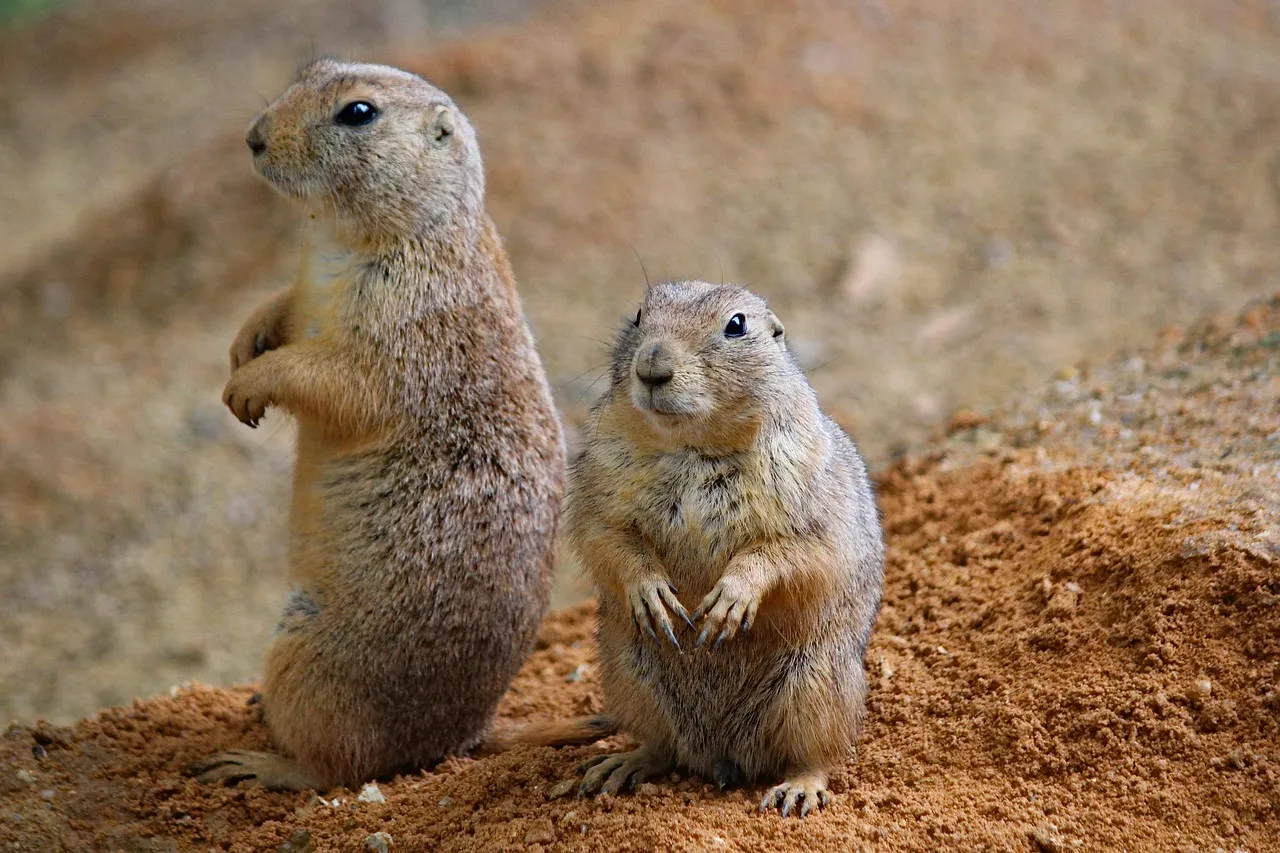
Colorado hosts both black tailed and Gunnison prairie dogs across its eastern plains and mountain valleys. The varied terrain from shortgrass prairie to higher elevation meadows supports different species in distinct regions. This diversity helps explain why the state ranks high in overall numbers.
Urban expansion near Denver and other cities has squeezed some colonies yet many persist on public lands and ranches. Researchers track plague outbreaks that can wipe out local groups quickly. Still the combination of protected parks and private conservation keeps Colorado near the top of the list.
#3 Wyoming
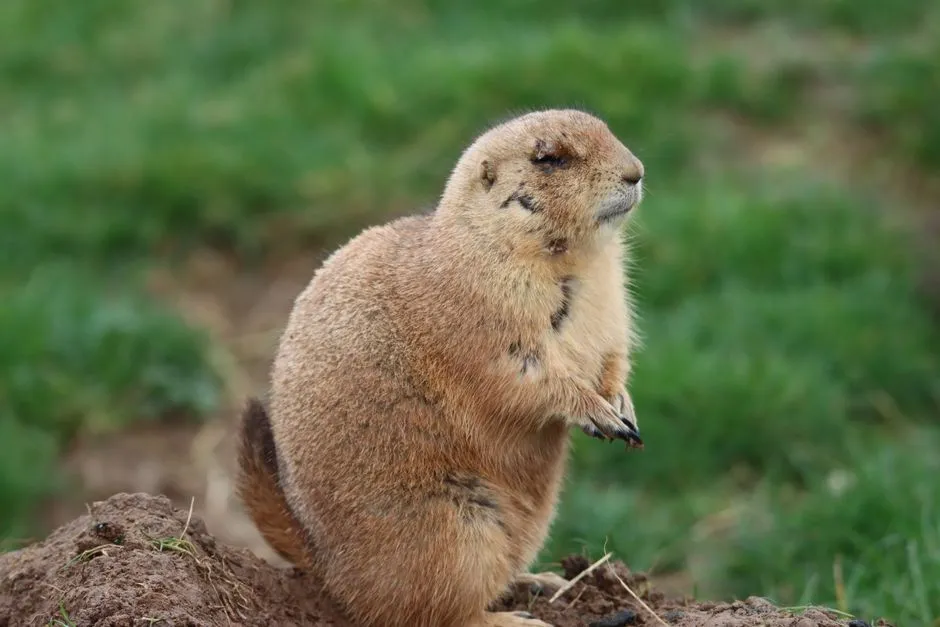
Wyoming features white tailed prairie dogs in its western valleys alongside black tailed populations farther east. The open sagebrush steppe and shortgrass areas offer plenty of room for colonies to expand. Ranchers and wildlife agencies often work together on management plans here.
These animals help maintain grassland health by clipping vegetation and aerating soil. Their towns also attract predators like ferrets and hawks that rely on them for food. The state wide distribution makes Wyoming a stronghold even as overall prairie dog acreage has shrunk across the West.
#4 Montana
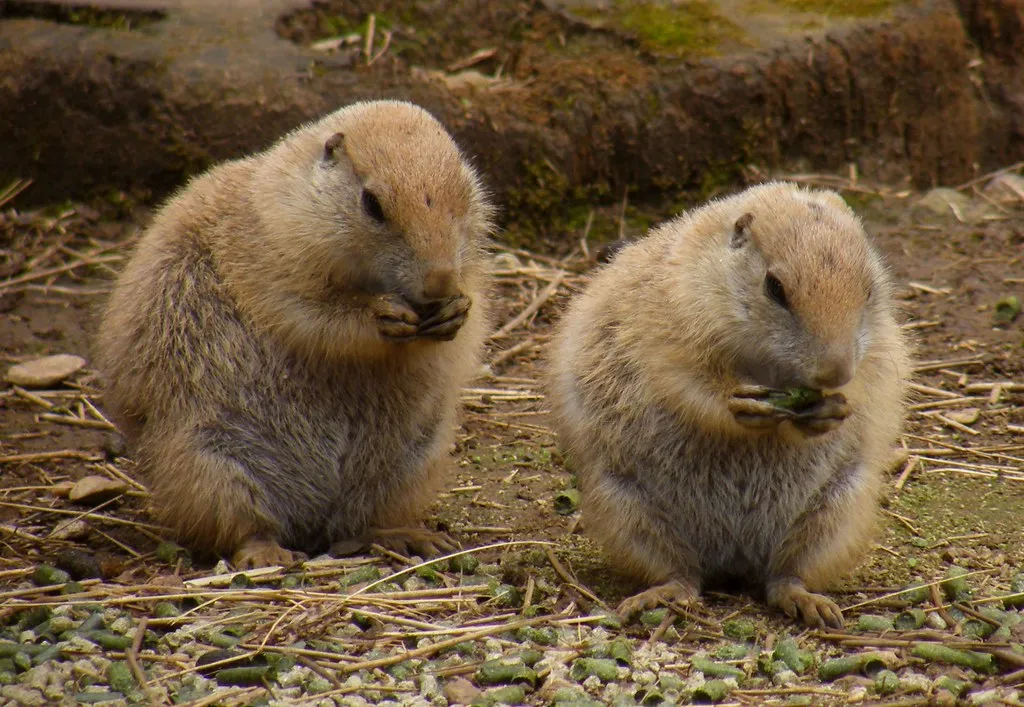
Montana supports sizable black tailed colonies in its eastern plains and some white tailed groups near the Rockies. Vast stretches of native grassland remain relatively intact compared with more developed states. This space allows colonies to reach impressive sizes in good years.
Conservation groups focus on reconnecting fragmented habitats to help populations recover from past declines. Prairie dogs here influence everything from plant diversity to the presence of endangered black footed ferrets. The result is an ecosystem that still feels wild in many corners of the state.
#5 Kansas
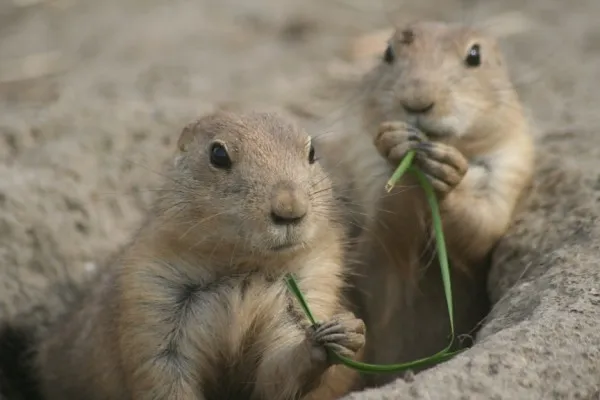
Kansas holds steady populations of black tailed prairie dogs mainly in the western and central regions. The Flint Hills and other prairie remnants provide the short vegetation these animals prefer. Local landowners sometimes view them as both a nuisance and a natural feature worth preserving.
Education programs highlight how colonies boost biodiversity by creating microhabitats. State agencies monitor numbers to avoid conflicts with agriculture while protecting core areas. This balanced approach helps Kansas maintain its place among states with notable prairie dog presence.
#6 New Mexico
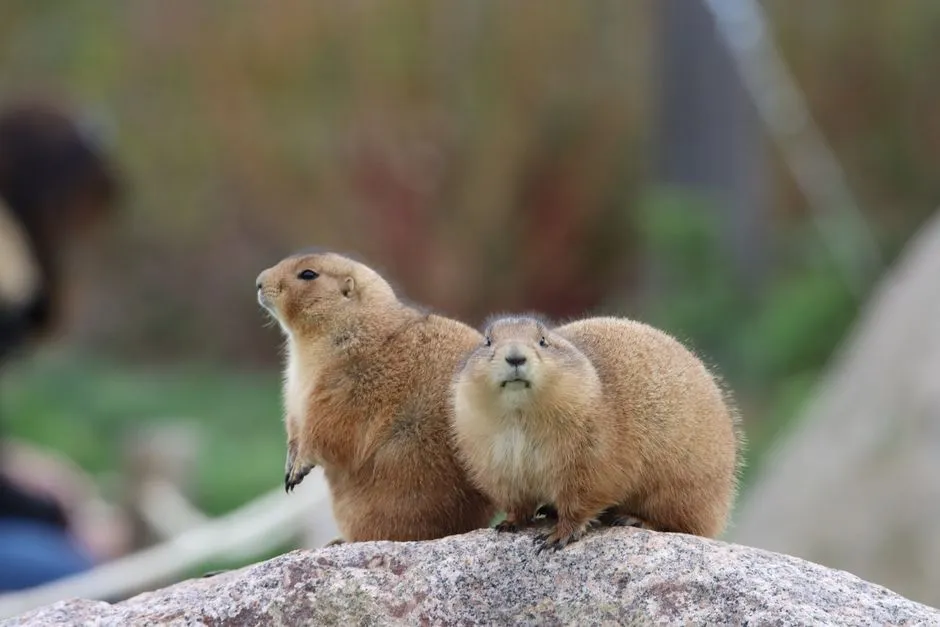
New Mexico features Gunnison prairie dogs in the north and black tailed groups in the eastern plains. The mix of desert grasslands and higher elevation meadows creates varied opportunities for different species. Some of the largest remaining colonies sit on tribal lands and federal refuges.
Climate patterns and grazing practices shape where the animals can expand. Efforts to restore prairie dog towns also support other grassland species that depend on them. The state continues to see these rodents as an important part of its natural heritage.
#7 Texas
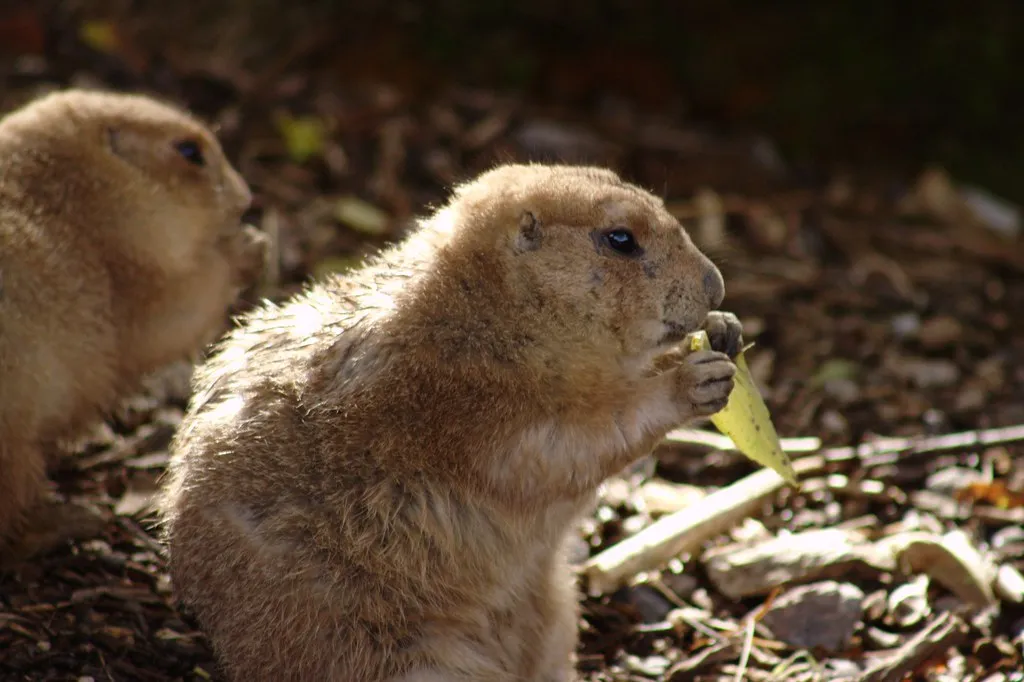
Texas once held one of the largest prairie dog towns on record though numbers have dropped sharply since then. Black tailed colonies still occupy parts of the Panhandle and other northern areas today. The remaining groups play a quiet but steady role in the southern Great Plains ecosystem.
Private ranches and a few protected sites keep small populations going amid heavy agricultural use. Land managers experiment with ways to coexist with the animals rather than eradicate them entirely. Texas rounds out the list because even reduced numbers add up across its vast territory.
A Measured Outlook
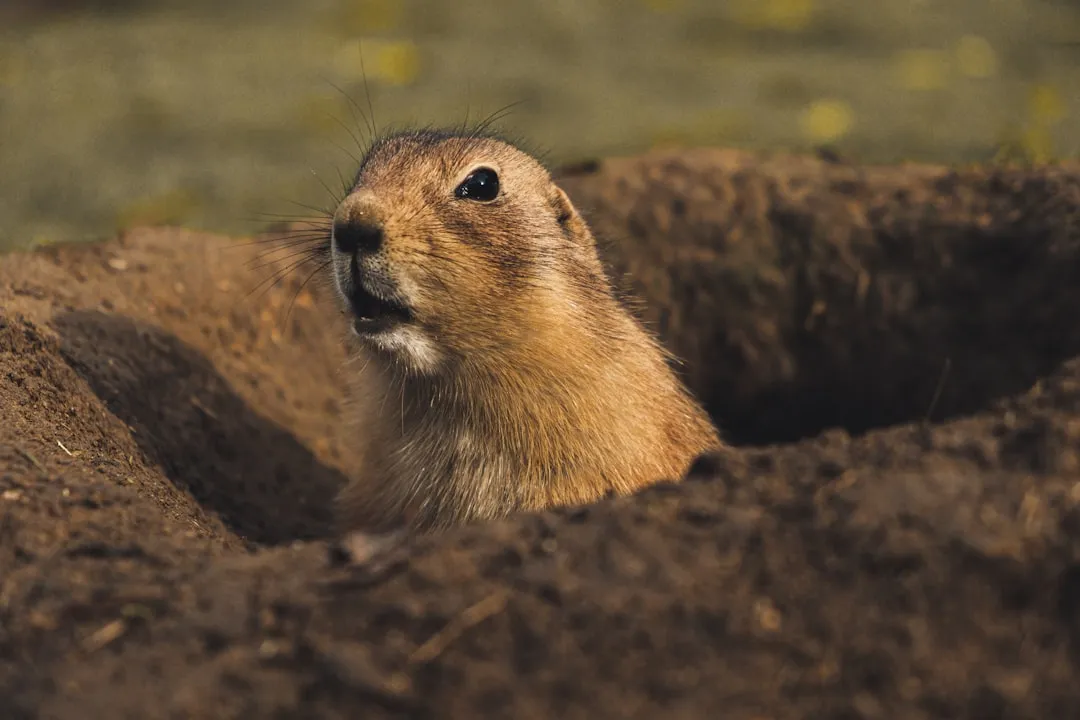
Prairie dogs remind us that even small creatures can leave big marks on the land. The states with the strongest populations show what thoughtful management can achieve when habitat stays connected. Yet ongoing pressures from disease and land use mean these numbers are never guaranteed.
Paying attention to where these animals still thrive offers a practical way to support broader grassland health. The top states on this list demonstrate that coexistence is possible when priorities align. In the end the future of prairie dogs rests on continued care for the places they call home.

- Does Your Cat Actually Miss You When You’re Gone? Scientists Finally Have the Answer - August 15, 2026
- 12 Incredible Animal Architects Whose Creations Will Astonish You - August 15, 2026
- 7 US States With the Most Prairie Dogs - August 15, 2026