

The animal kingdom is full of wonders that often defy human imagination. From creatures with extraordinary abilities to bizarre biological adaptations, nature continues to surprise even the most knowledgeable wildlife enthusiasts. In this article, we’ll explore fifteen genuinely astonishing animal facts that might seem implausible at first glance but are actually scientifically verified. These remarkable truths highlight just how diverse and fascinating our planet’s fauna truly is, reminding us that reality can sometimes be stranger than fiction.
15. Octopuses Have Three Hearts and Blue Blood

Octopuses possess one of the most unique cardiovascular systems in the animal kingdom. These intelligent cephalopods have three hearts: two pump blood through the gills, while the third circulates it to the rest of the body. Even more surprising is the color of their blood – it’s blue! Unlike humans who use hemoglobin (containing iron) to transport oxygen, octopuses use a copper-based protein called hemocyanin. When oxygenated, this protein turns a striking blue color, giving octopus blood its distinctive hue. This adaptation allows them to survive in the deep, cold waters where oxygen is scarce, as hemocyanin works more efficiently than hemoglobin in low-temperature environments.
14. Flamingos Can Only Eat with Their Heads Upside Down

The distinctive feeding method of flamingos might seem like an uncomfortable choice, but it’s actually an ingenious adaptation. Flamingos must feed with their heads inverted because their bills are designed to be used upside down. Their specialized bills work like filters – when a flamingo places its head upside down in water, it pumps water through its bill, and tiny plate-like structures called lamellae filter out small shrimp, algae, and other aquatic organisms. This unique feeding mechanism allows them to extract food from muddy waters with remarkable efficiency. The high concentration of beta-carotene in their diet is also responsible for their iconic pink coloration – without it, flamingos would actually be white or gray!
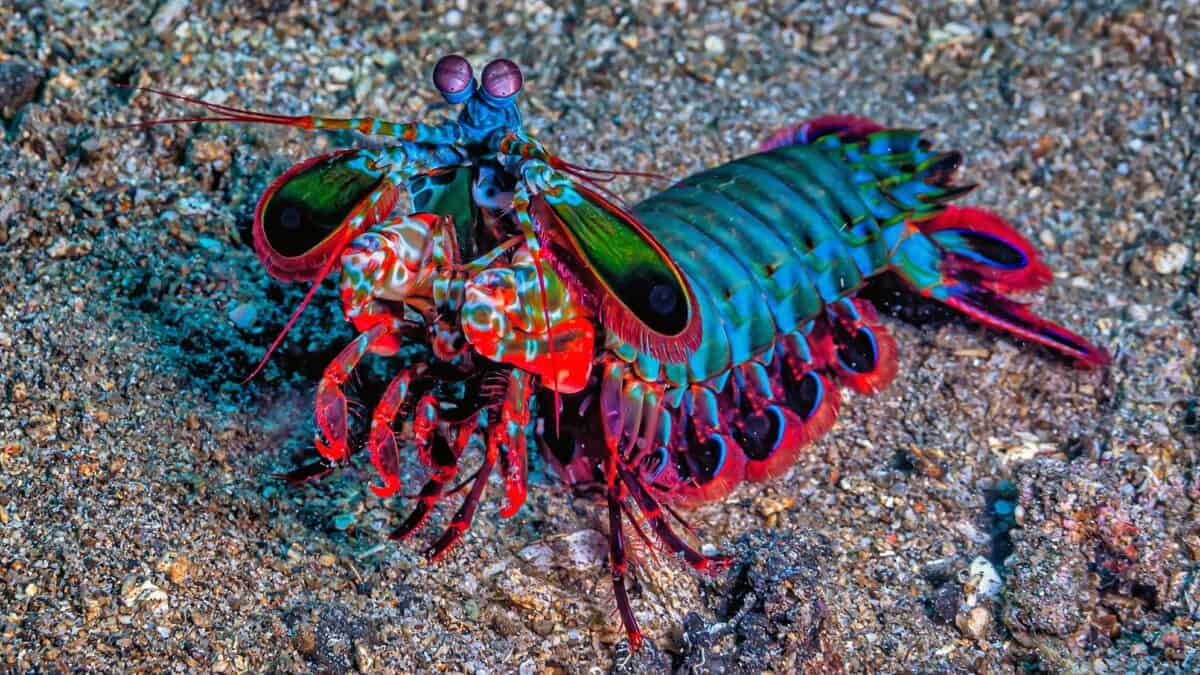
13. Mantis Shrimp Can Strike as Fast as a Bullet

The peacock mantis shrimp may be small, but it packs one of the most powerful punches in nature. These colorful crustaceans can strike with their specialized forelimbs at speeds of up to 23 meters per second (51 mph) – as fast as a .22 caliber bullet. The force generated is so intense that it can break aquarium glass and creates a phenomenon called cavitation, where the impact produces tiny vapor-filled bubbles that collapse and release energy in the form of light and heat reaching temperatures nearly as hot as the surface of the sun. This remarkable ability helps them crack open hard-shelled prey like clams and crabs. Scientists are studying the structure of mantis shrimp limbs to develop better body armor and sports equipment.
12. Wombats Produce Cube-Shaped Poop
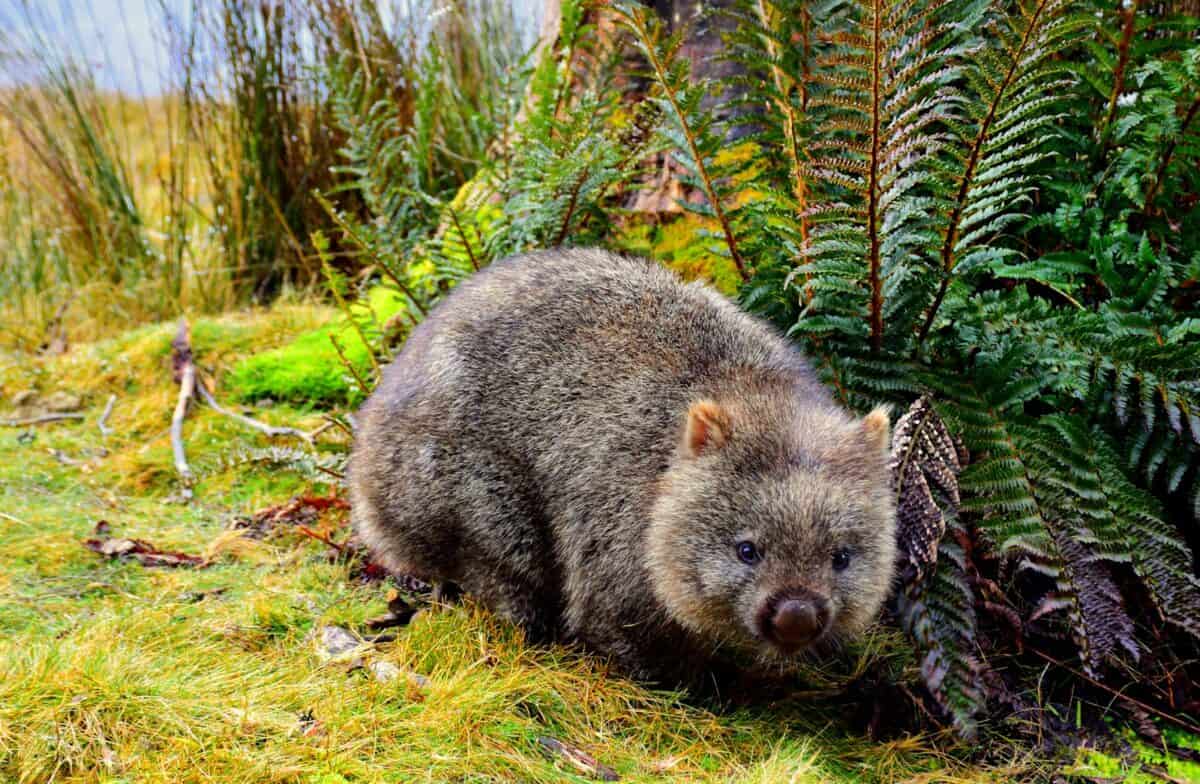
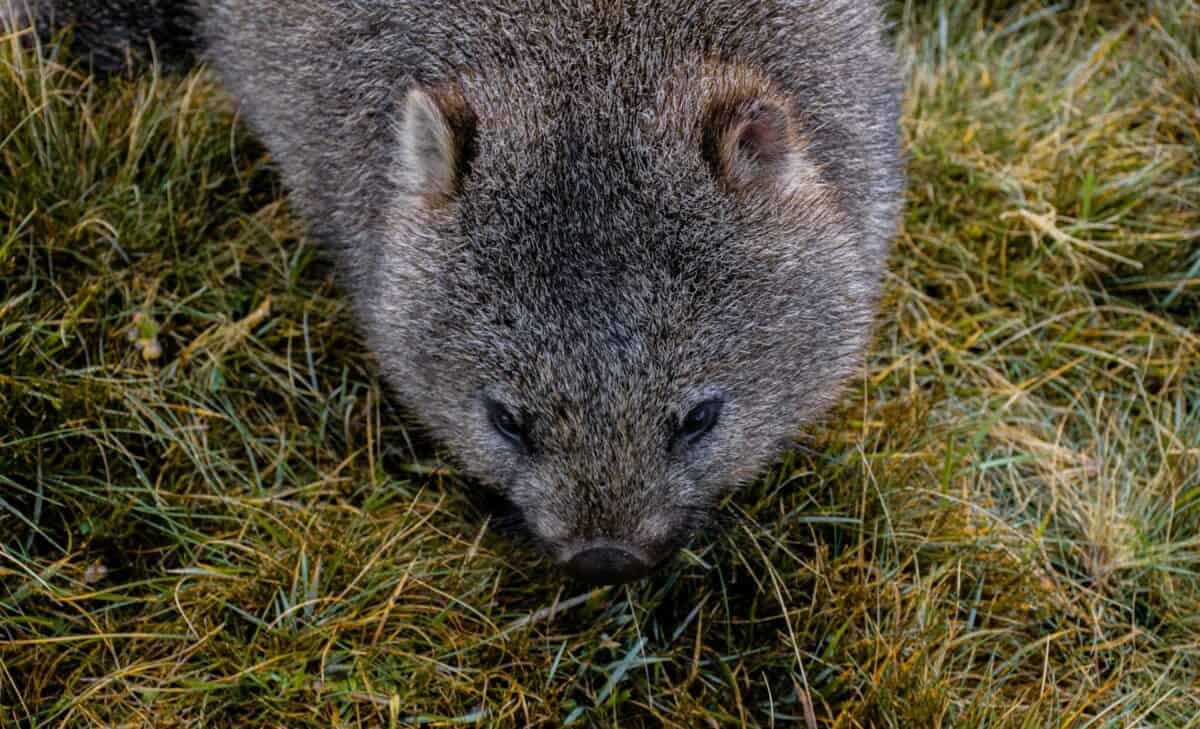
Among all the curious biological processes in the animal kingdom, the wombat’s ability to produce cube-shaped feces stands out as particularly unusual. These Australian marsupials are the only known animals to produce distinctly cubic scat, with nearly perfect 90-degree angles. This geometric oddity isn’t random – it’s an evolutionary adaptation. Wombats use their droppings to mark territory, and the cubic shape prevents them from rolling away from where they’re deposited, especially on the sloped terrain of their habitats. Research published in 2021 revealed that this unique shape forms in the last 8% of the intestine, where varying elasticity in the gut walls helps mold the distinctive cubes.
11. Tardigrades Can Survive in Space
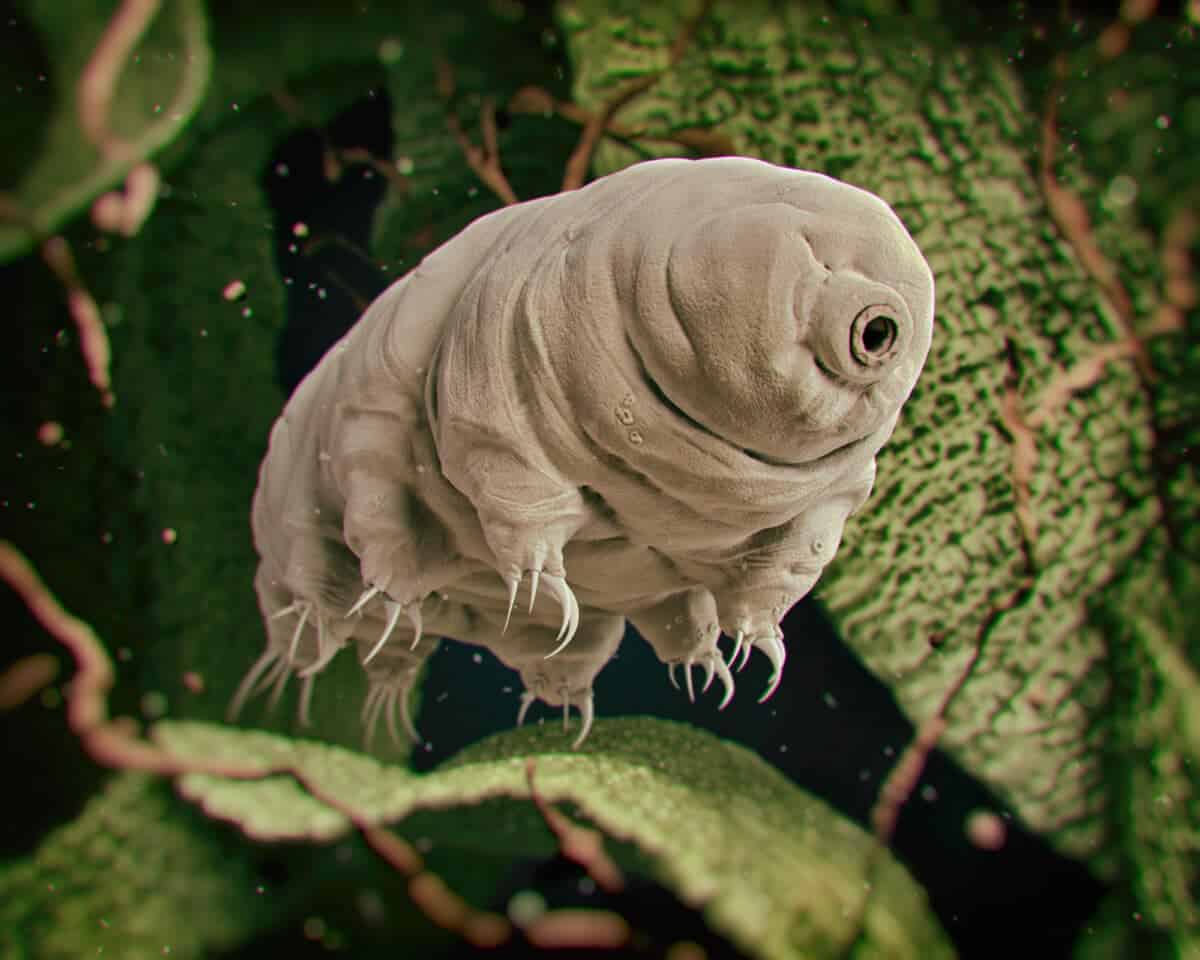
Tardigrades, also known as water bears or moss piglets, might be microscopic (typically 0.5mm long), but they’re arguably the toughest animals on Earth – and beyond. These eight-legged micro-animals can survive conditions that would be fatal to almost all other life forms. In 2007, thousands of tardigrades were exposed to the vacuum of space for 10 days during a European Space Agency experiment. Remarkably, many survived the extreme radiation, temperature fluctuations, and complete lack of oxygen. They accomplish this feat through cryptobiosis – entering a dehydrated state where their metabolism slows to near zero, allowing them to withstand extreme environments. Tardigrades can remain in this suspended animation for decades and then revive when conditions improve, making them perhaps the most resilient animals on our planet.
10. A Group of Flamingos is Called a “Flamboyance”
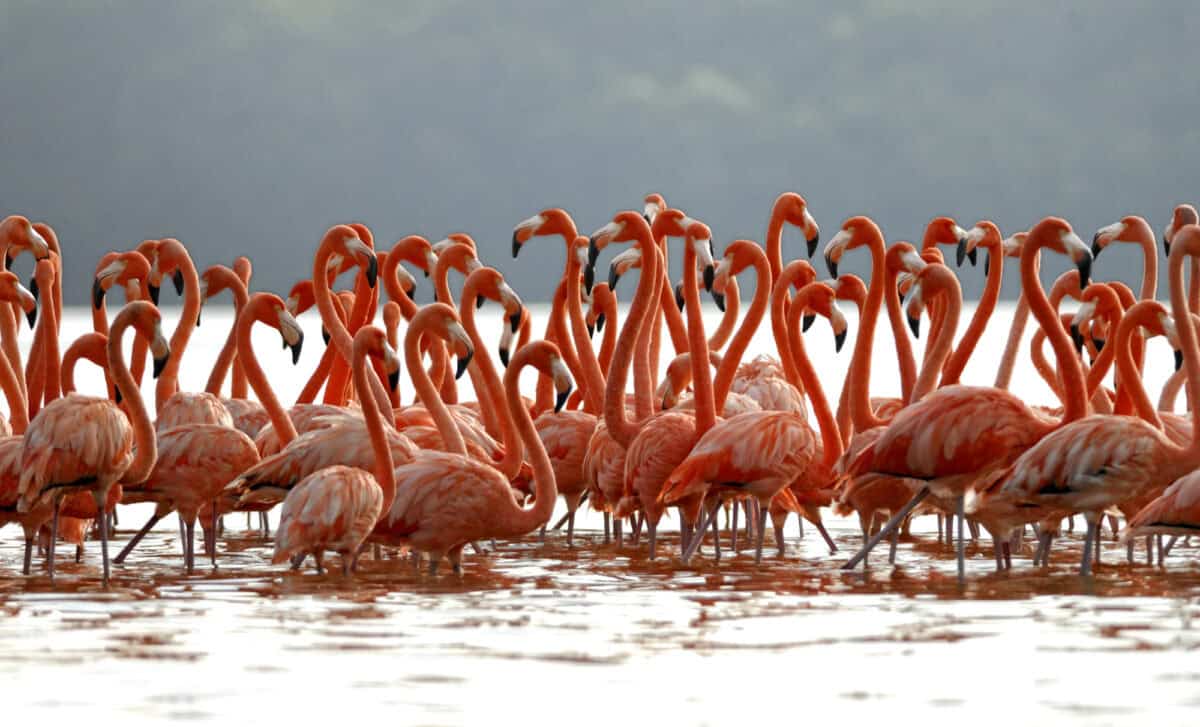
Collective animal nouns are often colorful and descriptive, but few are as aptly named as a “flamboyance” of flamingos. This term perfectly captures the flamboyant nature of these vibrant pink birds when gathered in their characteristic social groups. Flamingos are highly social birds that live in colonies that can number in the thousands or even millions in some locations. Their group behaviors are as striking as their appearance – they perform synchronized mating dances where hundreds or thousands of birds move together in coordinated displays. These massive colonies provide protection from predators and create optimal breeding conditions. Other memorable collective nouns in the animal kingdom include a “parliament” of owls, a “bloat” of hippopotamuses, and a “tower” of giraffes.
9. Honeybees Can Recognize Human Faces

Despite having brains the size of a sesame seed, honeybees possess remarkable cognitive abilities, including the capacity to recognize human faces. Research conducted at the University of Cambridge demonstrated that bees can be trained to distinguish between different human facial features and remember them for extended periods. Scientists trained bees by associating sugar water rewards with specific faces, and the insects quickly learned to fly toward the rewarded faces when presented with choices. This facial recognition ability is even more impressive considering bees have compound eyes with about 6,900 lenses, which provide a very different visual experience than human eyes. This cognitive prowess helps bees navigate complex environments, remember flower locations, and maintain the intricate social structure of their hives.
8. Koalas Have Fingerprints Nearly Identical to Humans
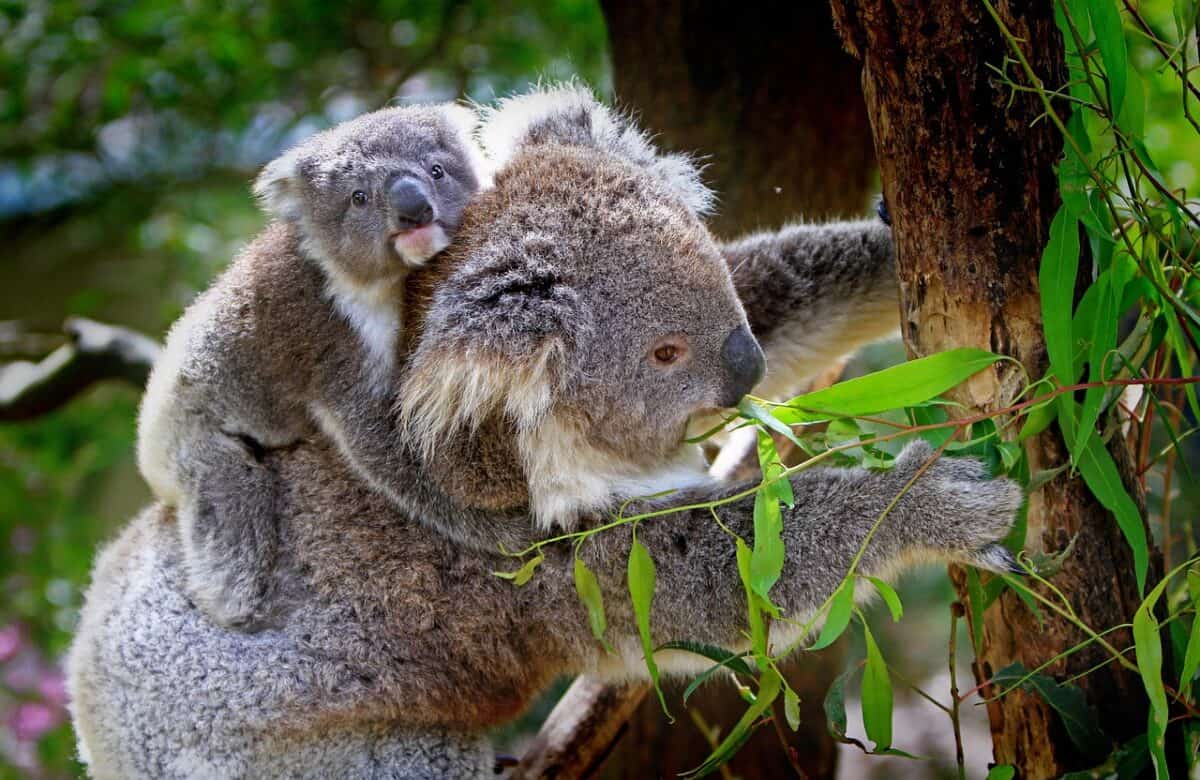
In a remarkable case of convergent evolution, koalas have developed fingerprints that are virtually indistinguishable from human fingerprints, even under electron microscopes. This similarity is so striking that koala prints have actually been mistaken for human prints at crime scenes in Australia. What makes this fact even more fascinating is that koalas and humans last shared a common ancestor about 70 million years ago, meaning these identical features evolved completely independently. Scientists believe the koala’s fingerprints developed to help them grip smooth eucalyptus branches while climbing and feeding. The complex whorls and ridges provide enhanced friction, allowing these tree-dwelling marsupials to maintain a secure hold even while sleeping – which they do for up to 22 hours per day.
7. The Immortal Jellyfish Can Reverse Its Age

The Turritopsis dohrnii, commonly known as the immortal jellyfish, possesses what might be the animal kingdom’s most extraordinary superpower: biological immortality. When faced with starvation, physical damage, or environmental stress, this tiny jellyfish (about 4.5mm across) can revert from its mature medusa stage back to its juvenile polyp stage through a process called transdifferentiation. In essence, it transforms its existing cells from one type to another, effectively reversing its life cycle. This remarkable ability allows the jellyfish to potentially live forever by continuously cycling between adult and juvenile forms. Since its discovery in the 1980s, the immortal jellyfish has spread from its native Caribbean waters to oceans worldwide. Scientists are studying these creatures intensively, hoping their unique cellular processes might offer insights for human regenerative medicine and aging research.
6. Cows Have Best Friends and Get Stressed When Separated

Despite their seemingly placid demeanor, cows lead complex social lives and form strong emotional bonds with specific herd members. Research conducted at the University of Northampton revealed that cows develop preferred partners – essentially best friends – and experience measurable stress when separated from them. Scientists observed that when paired with their preferred partners, cows had lower heart rates and reduced cortisol (stress hormone) levels. When separated, they exhibited signs of anxiety and distress. These bovine friendships typically involve grooming one another, grazing together, and even sleeping side by side. This finding has significant implications for animal welfare practices in dairy and beef industries, suggesting that keeping bonded animals together could improve both their emotional well-being and physical health, potentially even increasing milk production.
5. Platypuses Glow Under Ultraviolet Light
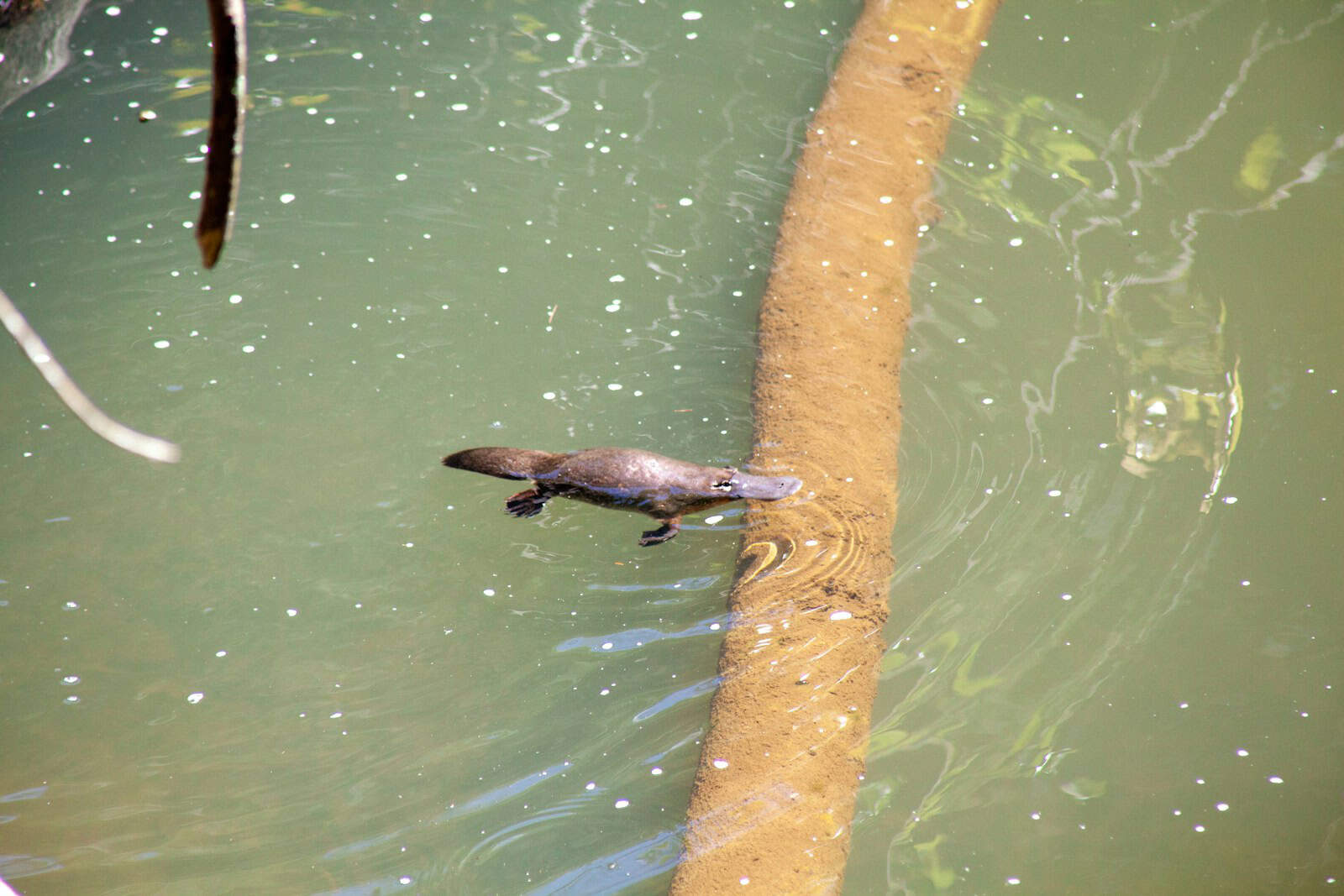
As if platypuses weren’t already strange enough with their duck bills, beaver tails, otter feet, and ability to lay eggs despite being mammals, scientists discovered in 2020 that they also biofluoresce under ultraviolet light. When exposed to UV light, the platypus’s fur absorbs the short wavelengths and re-emits them as a blue-green glow. This unusual trait is shared with only a few other mammals, including some opossums and flying squirrels. The purpose of this fluorescence remains unclear – it may help with camouflage in low-light conditions, provide protection from UV radiation, or assist with communication between individuals. Since platypuses are primarily nocturnal and have poor eyesight, relying instead on electrolocation to find prey underwater, the fluorescence may play a role in how they perceive their environment or each other during twilight hours.
4. Horses Can’t Vomit

Unlike most mammals, horses are physically incapable of vomiting. This unusual limitation is due to several anatomical factors, including an extremely strong lower esophageal sphincter that works as a one-way valve, preventing food from traveling back up. Additionally, their esophagus joins the stomach at a sharp angle, creating another barrier to reverse flow, and their stomach muscles aren’t arranged in a way that allows for the coordinated contractions needed for vomiting. While this might seem like a design flaw, it actually evolved as a survival adaptation for these grazing animals. Since horses are designed to eat small amounts continuously throughout the day rather than large meals, the inability to vomit rarely poses problems in natural conditions. However, this characteristic makes horses particularly vulnerable to colic and food poisoning, as they cannot expel toxins or relieve stomach pressure through vomiting.
3. Japanese Macaques Wash Their Food in Saltwater to Season It

On the Japanese island of Koshima, a population of Japanese macaques (snow monkeys) has developed a remarkable cultural tradition that demonstrates their intelligence and adaptability. In 1953, researchers observed a female macaque named Imo washing sweet potatoes in a freshwater stream to remove dirt. This behavior alone was impressive, but what happened next was extraordinary: Imo discovered that washing the potatoes in saltwater from the ocean not only cleaned them but enhanced their flavor. This innovation quickly spread through the troop, first to Imo’s close relatives and friends, then to younger monkeys, and eventually becoming standard practice within the community. Today, these macaques regularly carry their food to the shoreline to dip it in seawater before eating, effectively seasoning their meals. This behavior represents one of the clearest examples of cultural transmission in non-human animals and shows that primates can develop food preferences based on taste rather than just nutritional value.
2. The Greenland Shark Can Live for Over 500 Years

Lurking in the frigid waters of the North Atlantic, the Greenland shark (Somniosus microcephalus) holds the title of the longest-lived vertebrate known to science. These slow-moving predators can live for at least 272 years, with some individuals estimated to be over 500 years old. Scientists determine their age by radiocarbon dating the center of their eye lenses, which contain proteins that form during prenatal development and remain unchanged throughout life. Their extraordinary longevity is attributed to their extremely slow metabolism, a consequence of living in near-freezing waters and growing at a rate of less than 1 cm per year. A Greenland shark born during the reign of King Henry VIII could still be swimming in the ocean today. Adding to their peculiarity, these ancient creatures don’t reach sexual maturity until around 150 years of age, making them not only the longest-lived vertebrates but also the latest to mature.
1. Snails Can Sleep for Up to Three Years

When environmental conditions become unfavorable, certain species of snails can enter a deep dormancy called estivation – a state of torpor that can last for astonishingly long periods. During estivation, snails retreat into their shells and secrete a layer of mucus that hardens into a covering called an epiphragm, which seals the shell opening and prevents dehydration. Their metabolic rate drops dramatically, and they can remain in this suspended animation for up to three years, depending on the species and conditions. This remarkable adaptation allows snails to survive extended drought periods or extreme temperatures. When conditions become favorable again – typically with the return of moisture – they rehydrate, break through the epiphragm, and resume their active lives as if no time had passed. This ability has helped snails colonize diverse habitats around the world, from deserts to gardens, making them one of the most successful and widespread animal groups on Earth.
Nature’s Extraordinary Truths
The animal kingdom continues to surprise and humble us with adaptations and abilities that often seem too extraordinary to be real. These fifteen facts represent just a fraction of the astonishing biological diversity that surrounds us. From immortal jellyfish that can reverse their aging process to sharks that might have been alive during the Renaissance, nature’s innovations often surpass what we might imagine possible. These remarkable truths remind us that the natural world remains full of mysteries and wonders yet to be fully understood. As science advances, we continue to discover new facets of animal biology that challenge our assumptions and expand our appreciation for the incredible diversity of life on Earth – proving once again that fact can indeed be stranger than fiction.

As a little kid, I fell in love with nature, wildlife, and animals. Living in the USA, South Africa, Italy, China and Germany gave me the opportunity to discover the world's Wildlife. My favorite animals are Mountain Gorillas, Siberian Tigers, and Great White Sharks.
I'm a certified PADI Open Water Diver, went to Everest Base Camp and Trekked Gorillas in Uganda. I hold a Master of Science in Economics and Finance.
Please send any feedback to feedback@animalsaroundtheglobe.com
- How Long Do Rats Live? - August 10, 2026
- 16 Creatures That Sleep With One Eye Open - August 10, 2026
- 14 Species Found Nowhere Else But Madagascar - August 10, 2026