

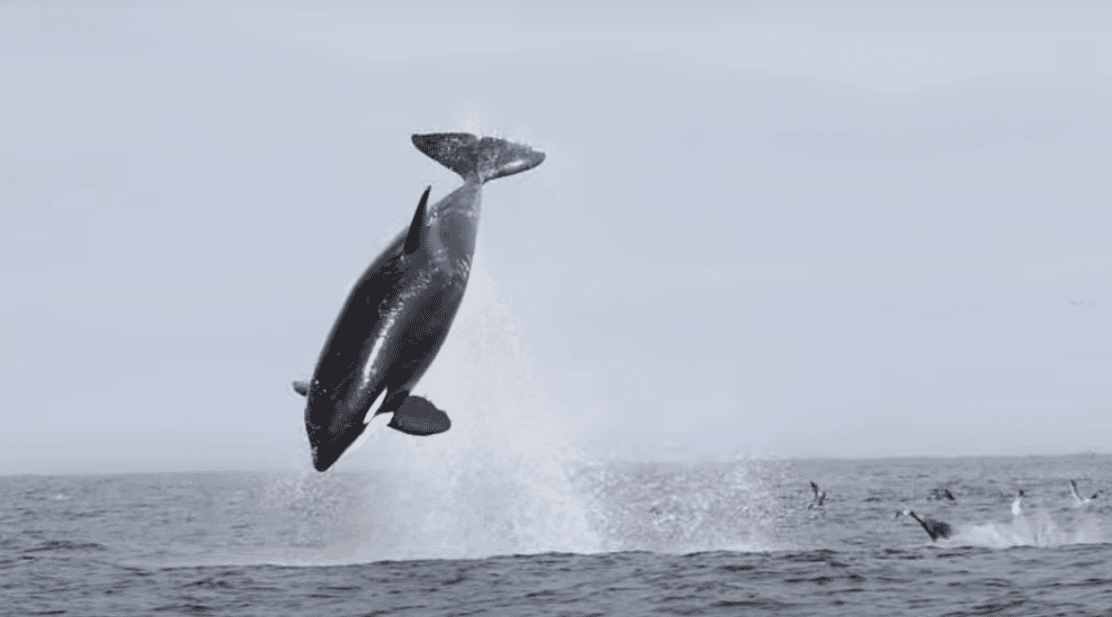
Sleep is a vulnerable state for most creatures on our planet. Predators lurk, environments change, and dangers emerge when consciousness fades. However, nature has developed fascinating adaptations to keep animals safe during rest. One of the most remarkable is unihemispheric sleep – the ability to rest one half of the brain while keeping the other alert, allowing creatures to literally sleep with one eye open. This evolutionary marvel helps numerous species survive in challenging environments where constant vigilance is necessary. Let’s explore 16 remarkable creatures that have mastered this unique sleeping technique and discover how this adaptation gives them a crucial edge in the struggle for survival.
Dolphins Masters of Unihemispheric Sleep

Dolphins represent perhaps the most well-known example of unihemispheric sleep. These intelligent marine mammals must consciously breathe at the surface, making traditional sleep potentially fatal. Their solution is remarkable – they rest one hemisphere of their brain at a time while keeping the other active. The eye opposite to the sleeping hemisphere remains open, scanning for predators and obstacles, while the other eye closes. This adaptation allows dolphins to continue swimming, surfacing for air, and remaining vigilant against threats like sharks. Research has shown that bottlenose dolphins can maintain this alternating pattern for days during long migrations, with each hemisphere receiving adequate rest without ever fully surrendering to unconsciousness.
Whales Breathing Conscious Sleepers
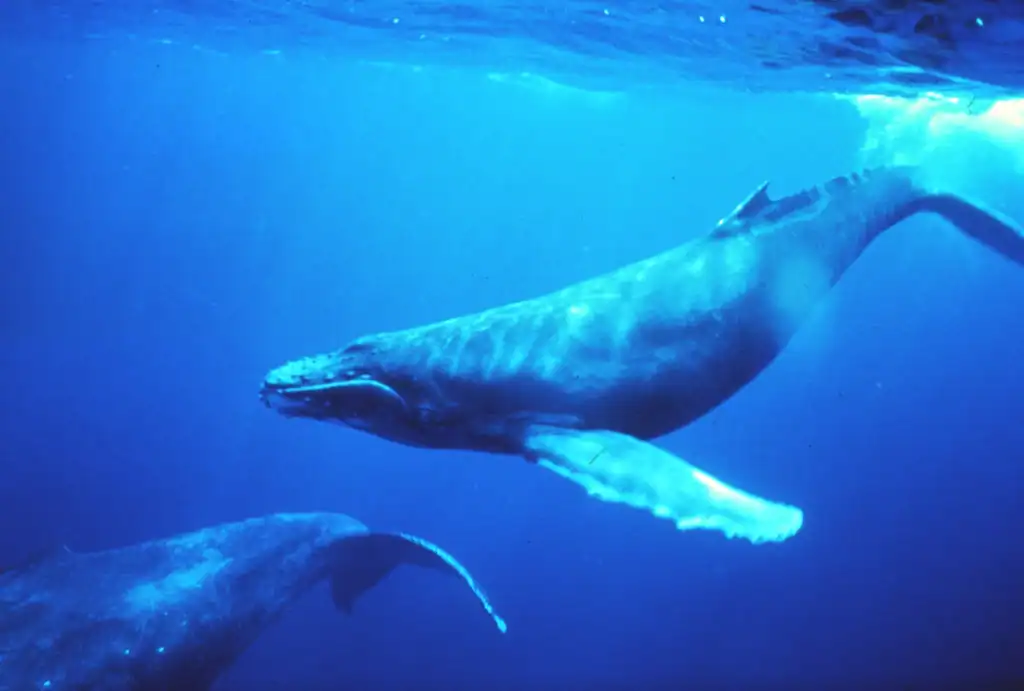
Like their dolphin relatives, many whale species employ unihemispheric sleep to manage their need for constant surfacing to breathe. Baleen whales, such as humpbacks and blue whales, can rest one hemisphere while maintaining enough awareness to continue their breathing cycle. Sperm whales take this adaptation to extremes – they’ve been observed “standing” vertically in the water column, motionless except for occasional breathing movements, with one eye slightly open during these rest periods. This unusual sleeping posture, combined with their hemispheric alertness, allows these massive creatures to maintain their position in the water column while getting much-needed rest during their deep diving lifestyle. Some whale species can maintain this sleep pattern for periods of up to eight hours, ensuring adequate rest without compromising safety.
Birds The Original One-Eyed Sleepers
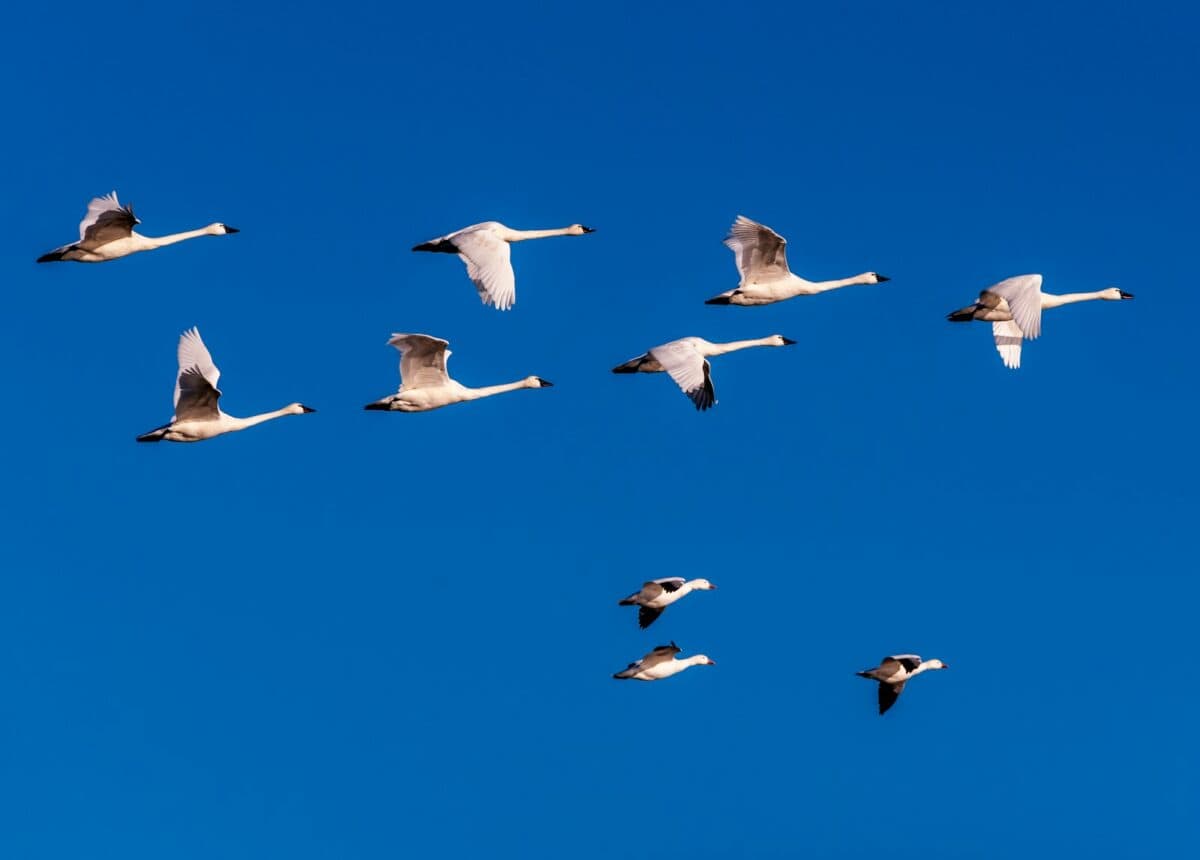
Birds were among the first animals discovered to exhibit unihemispheric sleep. Numerous avian species, from domestic chickens to wild ducks, can rest one brain hemisphere while keeping the other alert. This adaptation is particularly pronounced in species that must maintain vigilance against predators. Research has shown that birds positioned at the edge of a flock are more likely to keep the outward-facing eye open, scanning for threats while the inward-facing eye closes as that brain hemisphere rests. This creates a collective security system where sleeping birds at the group’s center enjoy deeper sleep with both eyes closed, while peripheral birds maintain the one-eye-open watch. Some migratory birds can even sleep while flying, alternating brain hemispheres to maintain their flight path during long journeys over open water or inhospitable terrain.
Seals Amphibious Sleep Specialists

Seals face unique challenges as amphibious mammals that must be vigilant both on land and at sea. Their solution involves remarkable flexibility in sleep patterns. When on land, many seal species can sleep conventionally with both hemispheres resting. However, when sleeping in water – particularly in areas with predators like sharks or orcas – they employ unihemispheric sleep. The Northern fur seal demonstrates this adaptation clearly, keeping one flipper in motion to maintain position in the water while one eye remains vigilant. Research from the University of California has documented that seals can spend as much as 50% of their sleep time in this unihemispheric state when sleeping in water, compared to much lower rates when safely ashore on breeding grounds. This ability to switch between sleep modes based on environmental safety represents a remarkable adaptation.
Crocodiles Ancient Ambush Predators
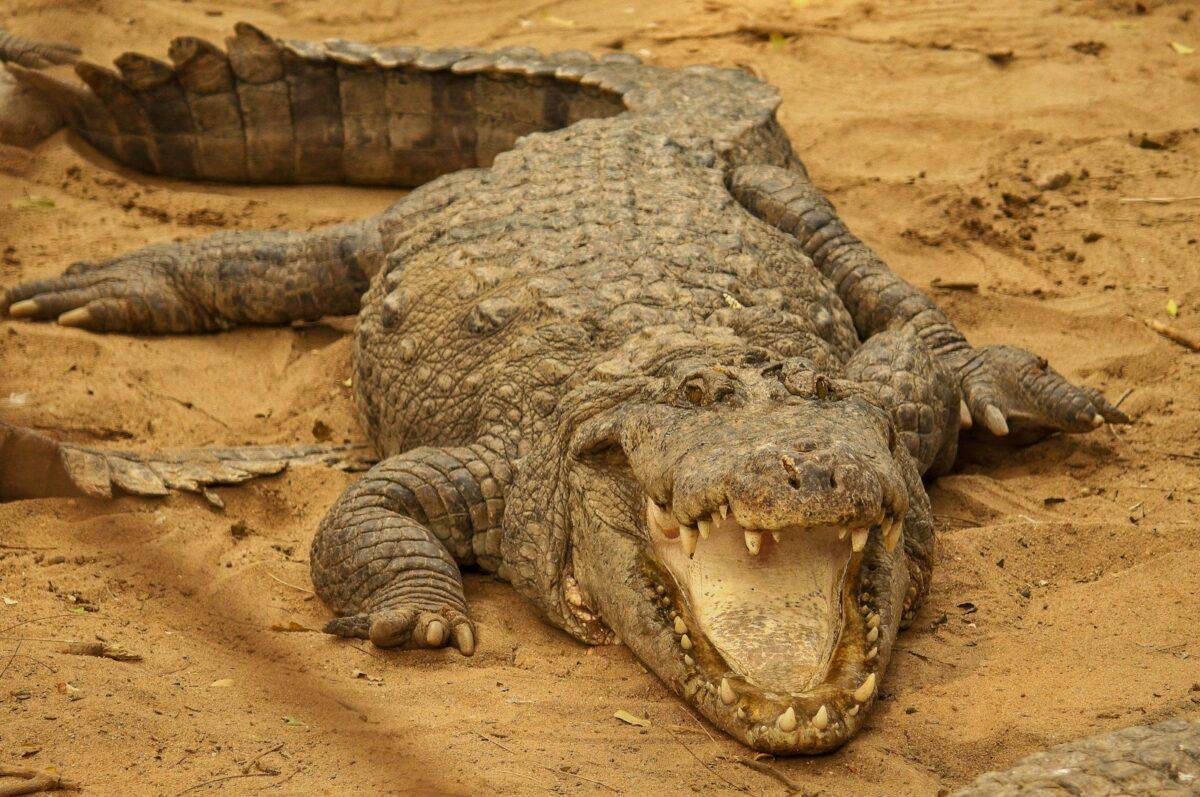
Crocodilians, including crocodiles and alligators, have evolved unihemispheric sleep as both a predatory and defensive adaptation. These ancient reptiles often appear to be dozing with both eyes closed, but research has revealed they frequently keep one brain hemisphere alert and the corresponding eye partially open. This serves two purposes – it allows them to detect potential prey that might venture close while also remaining vigilant against larger predators or threats. Crocodiles are particularly vulnerable during sleep because, despite their fearsome reputation, they can become prey to larger crocodiles or, historically, land predators. Their unihemispheric sleep adaptation has likely contributed to their evolutionary success, allowing them to survive for over 200 million years through countless environmental changes while maintaining their basic body plan and behavior patterns.
Sea Lions Social Sleepers with One Eye Open

Sea lions demonstrate a fascinating social dimension to unihemispheric sleep. These pinnipeds often rest in large colonies where social dynamics and predator awareness require constant vigilance. When sleeping in water, sea lions assume a distinctive posture called “bottling,” where they float vertically with their nose above water, one flipper raised, and one eye typically remaining open. What makes sea lions unique is how they coordinate this behavior in groups – they often sleep in formations where individuals face different directions, creating a collective surveillance system where the open eyes cover all approaches. Research at the Scripps Institution of Oceanography has shown that sea lions can modify the depth of their unihemispheric sleep based on environmental threat levels, becoming more alert in areas with known predator activity while enjoying deeper rest in safer locations.
Manatees Gentle Giants with Vigilant Rest

Manatees, despite their lack of natural predators as adults, have also developed the ability to sleep with one eye open. These gentle marine mammals typically rest for several hours each day, often floating near the surface where they must regularly rise to breathe. During these rest periods, researchers have observed that manatees frequently maintain awareness in one brain hemisphere, keeping the corresponding eye partially open. This adaptation likely evolved as protection against prehistoric predators and now serves to help manatees avoid boat collisions – one of their greatest modern threats. Studies conducted in Florida’s Crystal River have documented that manatees in areas with higher boat traffic spend significantly more time in unihemispheric sleep states compared to those in protected sanctuaries, showing how this ancient adaptation has found new utility in the modern world.
Lizards Reptilian Rest with One Eye Alert
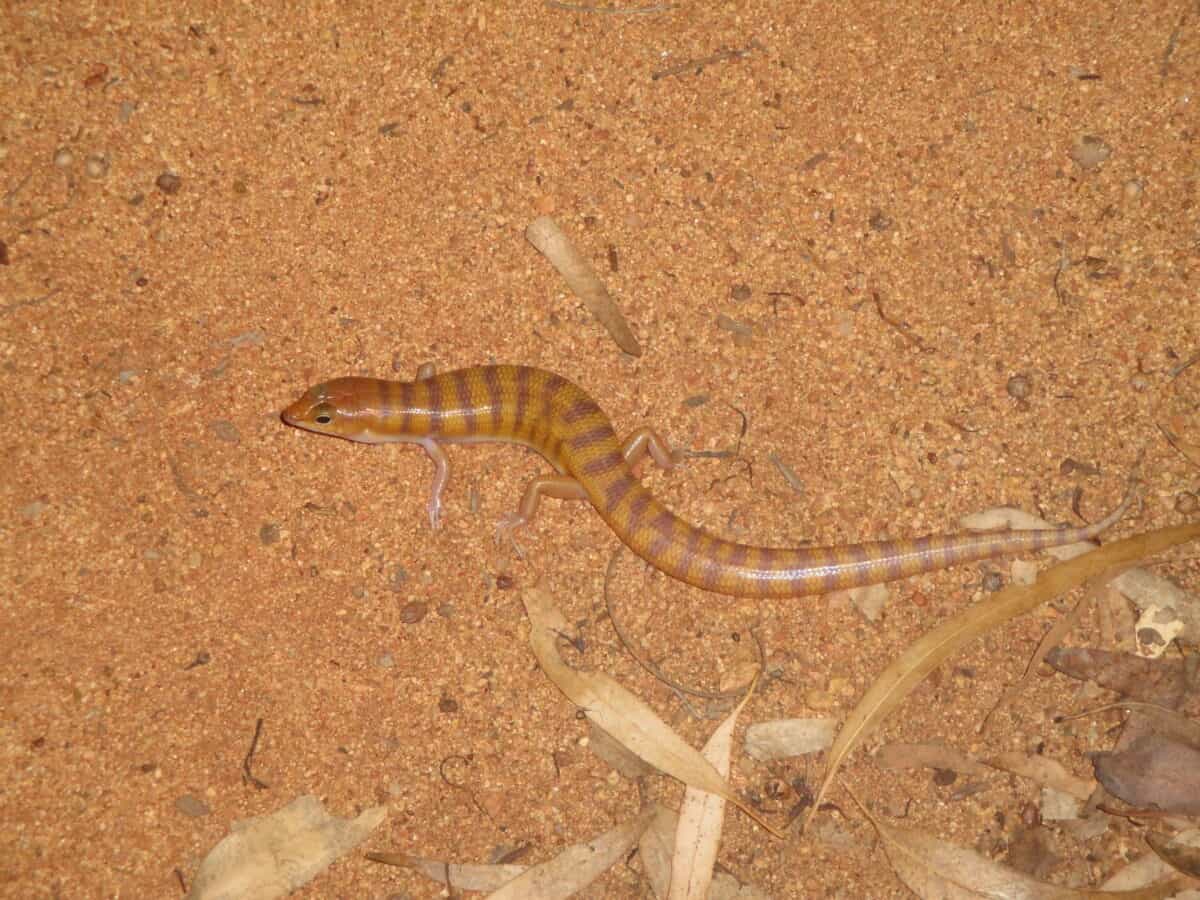
Many lizard species demonstrate unihemispheric sleep patterns, though the mechanisms differ somewhat from mammals and birds. Bearded dragons, popular as pets, have been observed keeping one eye partially open during rest periods, with the corresponding brain hemisphere showing different electrical activity patterns. This adaptation helps these ground-dwelling reptiles detect approaching predators from above, such as birds of prey. The ability varies among lizard species based on their ecological niche – arboreal (tree-dwelling) lizards like chameleons show stronger unihemispheric tendencies than burrowing species that can retreat to safer sleeping locations. Research published in the Journal of Comparative Neurology has demonstrated that this sleep adaptation is particularly pronounced in lizard species from environments with high predator diversity, showing how ecological pressures shape sleep behavior across the animal kingdom.
Walruses Strategic Sleepers of the Arctic
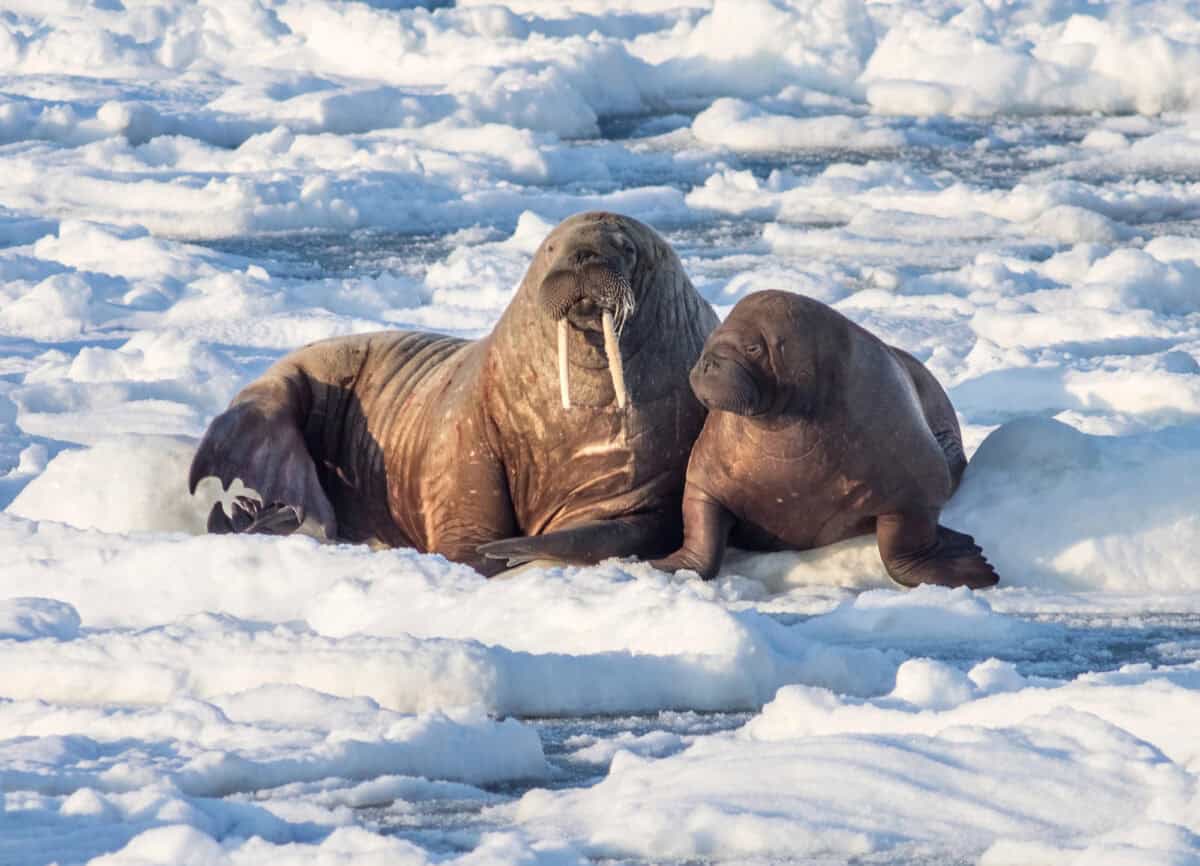
Walruses employ a sophisticated version of unihemispheric sleep adapted to their Arctic lifestyle. These massive pinnipeds must maintain body position in frigid waters while remaining alert for polar bears and orcas. They’ve developed a remarkable technique of hooking their distinctive tusks over ice edges or special adaptations in their pharyngeal pouches that can inflate to keep their heads above water during sleep. During these rest periods, walruses frequently exhibit unihemispheric sleep, with one eye scanning their surroundings. What makes walrus sleep particularly interesting is its social component – groups often rest together in a formation called a “huddle,” with peripheral individuals maintaining higher rates of unihemispheric alertness compared to those in protected central positions. This social sleep strategy maximizes collective rest while maintaining group safety in the challenging Arctic environment.
Platypuses Monotremes with Modern Sleep

The platypus, already extraordinary for its combination of mammalian, reptilian, and avian features, also demonstrates unique sleep adaptations. Research from the University of Melbourne has revealed that platypuses exhibit a form of unihemispheric sleep unlike any other mammal studied. When resting, these egg-laying mammals show brain wave patterns suggesting one hemisphere maintains higher alertness, though their eye-opening behavior is less pronounced than in marine mammals. This adaptation helps platypuses remain vigilant for both predators and prey in their aquatic environment. What makes platypus sleep particularly fascinating to scientists is that it may represent an evolutionary transition between reptilian and mammalian sleep patterns. Their primitive brain structure combined with this advanced sleep adaptation provides valuable insights into how sleep evolved across vertebrate species over millions of years.
Beluga Whales Arctic Sentinels
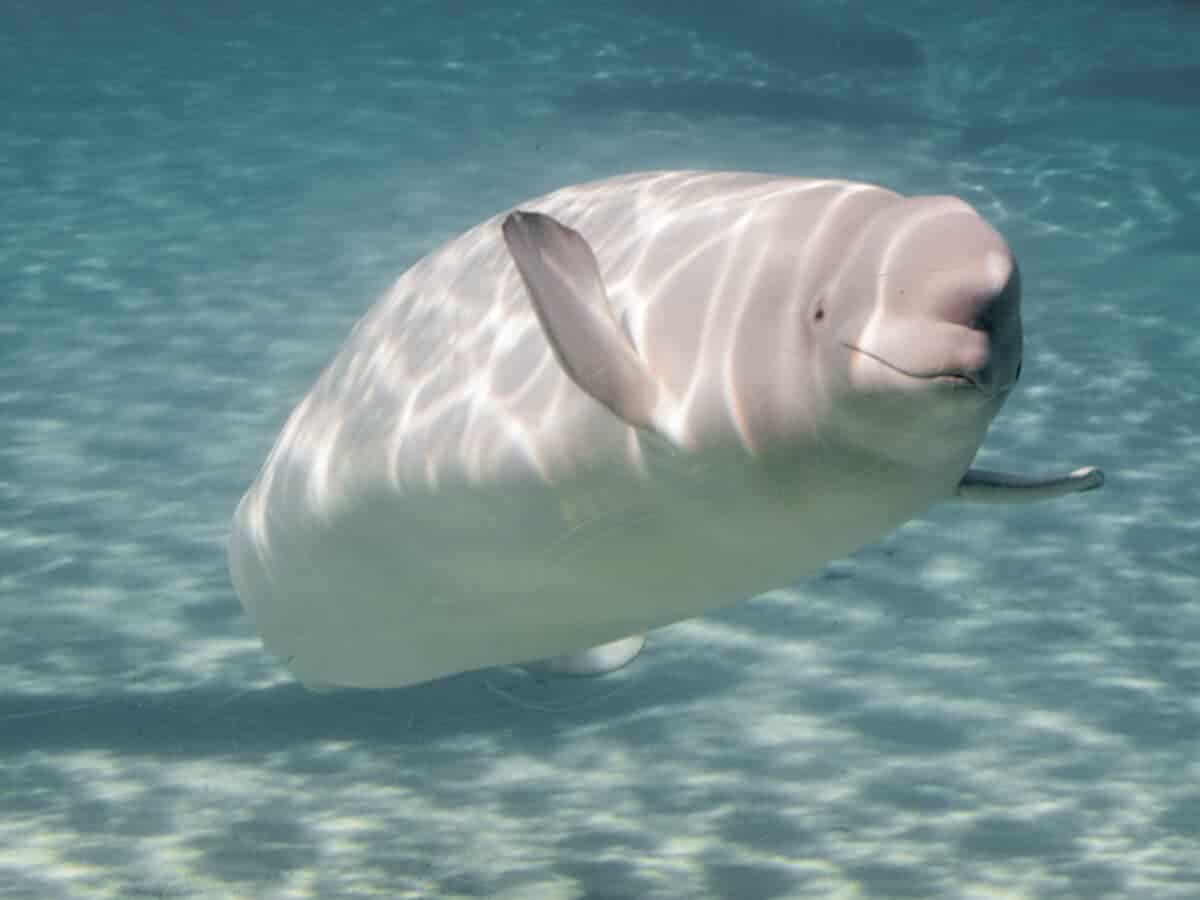
Beluga whales, known as “sea canaries” for their vocalizations, demonstrate one of the most pronounced examples of unihemispheric sleep among cetaceans. Living in Arctic and sub-Arctic waters with predators like polar bears and killer whales, belugas have developed highly refined unihemispheric sleep patterns. Research conducted at Russia’s Utrish Marine Station has documented that belugas can maintain continuous swimming for over 40 days using alternating hemisphere sleep. Their distinctive white coloration, lack of dorsal fin, and flexible neck allow them to navigate ice floes even while half-asleep. Particularly interesting is how beluga calves develop this skill gradually – newborns initially sleep with both hemispheres, requiring constant maternal support, but develop unihemispheric capabilities within their first few weeks of life as they become more independent swimmers. This demonstrates how this specialized sleep pattern is both innate and refined through early development.
Frigate Birds Aerial Sleep Masters

Frigate birds achieve something truly remarkable – they can sleep while flying. These oceanic birds can stay aloft for up to two months during migration, traveling over 1,800 miles without landing. Research published in Nature Communications used small EEG devices attached to frigates during flight and discovered they employ unihemispheric sleep at high altitudes, typically when riding thermal currents that require less active navigation. The birds keep one eye open, corresponding to the alert hemisphere, which maintains wing control while the other hemisphere rests. What makes this even more impressive is that frigates can switch which hemisphere sleeps as needed to monitor changing conditions. This adaptation allows them to cross vast oceanic expanses where landing would mean certain death by drowning, as their feathers aren’t waterproof enough for extended floating. Frigate birds represent one of nature’s most extreme examples of adapting sleep to environmental constraints.
Mallard Ducks The Row Sleepers
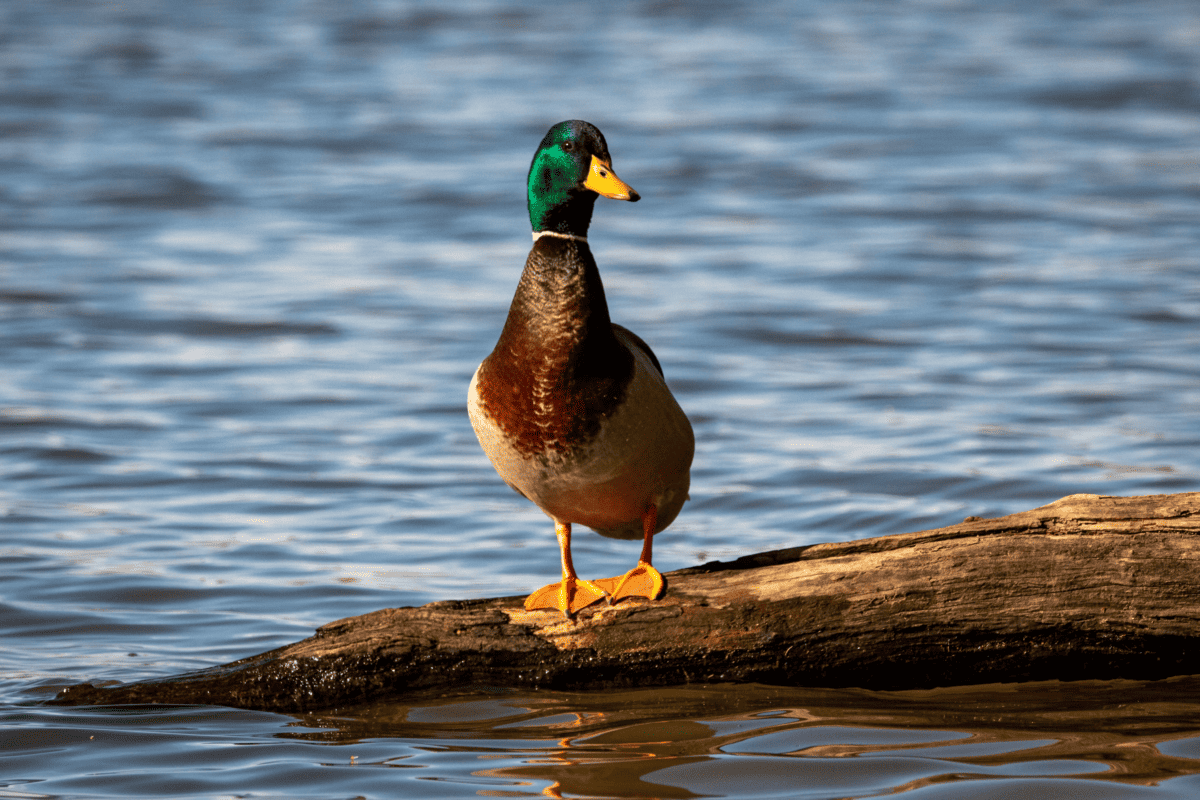
Mallard ducks exhibit a fascinating social dimension to unihemispheric sleep. When resting in groups, these common waterfowl typically arrange themselves in a row, and researchers have observed a remarkable pattern: ducks at the ends of the row show higher rates of unihemispheric sleep, keeping the outward-facing eye open to scan for predators. What makes mallards particularly interesting is how they periodically rotate positions within the group. A duck that has been maintaining vigilance at the edge will eventually move to a more central position where it can enjoy deeper, bihemispheric sleep, while a more rested individual takes the sentinel position. This rotation ensures that all members of the group receive adequate rest while maintaining collective safety. Studies conducted at the Max Planck Institute have shown that the rate of position rotation increases in areas with higher predator activity, demonstrating the flexible, responsive nature of this social sleep strategy.
Fur Seals Adaptive Sleep Switchers

Northern fur seals demonstrate perhaps the most dramatic contrast in sleep patterns of any creature studied. When on land during breeding season, these pinnipeds sleep conventionally with both hemispheres resting simultaneously. However, upon returning to their oceanic lifestyle, they switch almost exclusively to unihemispheric sleep. This dramatic shift has allowed researchers at UCLA and the University of Toronto to study how the brain compensates for different sleep patterns. Their research revealed that fur seals experience an initial “rebound” period when switching between sleep modes, with the brain compensating for changes in sleep quality. This suggests their brains have remarkable plasticity in sleep regulation. Additionally, fur seals exhibit a unique sleep posture in water called the “jughandle position,” floating on their side with one front flipper raised out of the water like a handle, one eye open, and occasionally paddling with their rear flippers to maintain position – a perfect adaptation for rest while maintaining maritime vigilance.
Owls Nocturnal Vigilance

Owls, despite their reputation as nocturnal hunters, must rest during daylight hours when they’re vulnerable to mobbing by smaller birds and attacks from larger predators. Many owl species have developed unihemispheric sleep as a defensive adaptation during these vulnerable daylight periods. Great horned owls, for example, often appear to be sleeping with their eyes closed while perched, but research using infrared cameras has revealed they frequently keep one eye slightly open, with the corresponding brain hemisphere maintaining vigilance. What makes owl unihemispheric sleep particularly effective is how it complements their other adaptations – their ability to rotate their heads nearly 270 degrees allows them to scan much of their surroundings even while remaining motionless, and their exceptional hearing remains partially active even in the sleeping hemisphere. This multi-sensory vigilance system allows owls to detect approaching threats and transition quickly from rest to full alertness when needed.
The Evolutionary Marvel of One-Eyed Sleep

The ability to sleep with one eye open represents one of nature’s most fascinating adaptations, highlighting how the fundamental need for rest must sometimes be balanced against survival requirements. This unihemispheric sleep has evolved independently in multiple animal lineages, demonstrating convergent evolution toward a similar solution for the vulnerability sleep creates. What’s particularly remarkable is how each species has refined this basic adaptation to suit their specific ecological niche and lifestyle requirements. From the constant swimming of dolphins to the flight marathon of frigate birds, from the social sleep strategies of ducks to the environmental switching of fur seals, each variation offers insights into the pressures that shaped these creatures’ evolution. As researchers continue studying these remarkable adaptations, they gain valuable knowledge not just about animal behavior but about the fundamental nature of sleep itself – knowledge that may eventually help address human sleep disorders or develop better rest strategies for people who must maintain vigilance in critical professions.

As a little kid, I fell in love with nature, wildlife, and animals. Living in the USA, South Africa, Italy, China and Germany gave me the opportunity to discover the world's Wildlife. My favorite animals are Mountain Gorillas, Siberian Tigers, and Great White Sharks.
I'm a certified PADI Open Water Diver, went to Everest Base Camp and Trekked Gorillas in Uganda. I hold a Master of Science in Economics and Finance.
Please send any feedback to feedback@animalsaroundtheglobe.com
- 16 Creatures That Sleep With One Eye Open - August 10, 2026
- 14 Species Found Nowhere Else But Madagascar - August 10, 2026
- Can Pets Sense Earthquakes Before Humans? - August 10, 2026
Leave a comment
You must be logged in to post a comment.