

The natural world is filled with mysteries, and few tales are as captivating as those of species making a remarkable comeback from the brink of extinction. In the United States, a number of animals once believed lost to history have re-emerged, reigniting hope for conservationists and nature enthusiasts alike. These animals remind us of nature’s resilience and the impact of dedicated conservation efforts. Let’s explore 15 such incredible stories of rebound and resurgence.
The Cuban Crocodile: A Fierce Survivor

🔥 Would you like to save this?
We'll email this post to you, so you can come back to it later!
The Cuban crocodile was presumed extinct in the wilds of Florida due to habitat destruction and hunting. However, in a surprising twist, small populations were rediscovered. Conservation efforts at zoos and wildlife preserves have been pivotal, providing these crocodiles with environments reminiscent of their native habitats. Today, they stand as a testament to successful breeding programs.
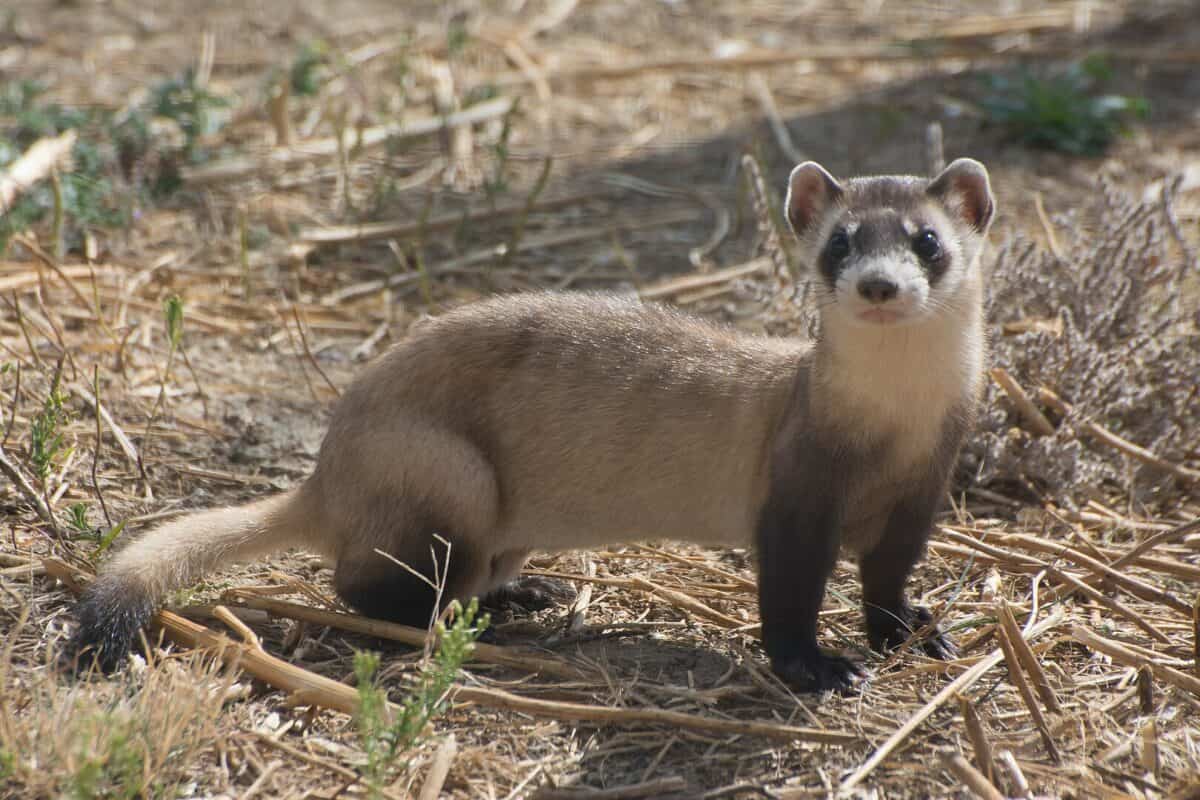
The Black-Footed Ferret: From Dark Times to a Bright Future
🔥 Would you like to save this?
We'll email this post to you, so you can come back to it later!
Once thought extinct due to the loss of prairie dogs, their primary food source, black-footed ferrets made a stunning return when a small population was discovered in Wyoming in 1981. Since then, intense reintroduction programs have bolstered their numbers. Today, thanks to breeding programs and land conservation efforts, black-footed ferrets roam once more on the prairie expanses.
The Elusive Ivory-Billed Woodpecker

🔥 Would you like to save this?
We'll email this post to you, so you can come back to it later!
Long believed extinct due to deforestation, the elusive ivory-billed woodpecker stunned bird enthusiasts with rare, documented sightings in the early 2000s. Efforts to preserve remaining swamp and forest habitats provide a slim possibility for them to thrive once more, sparking an exhilarating quest among bird watchers across the southeast.
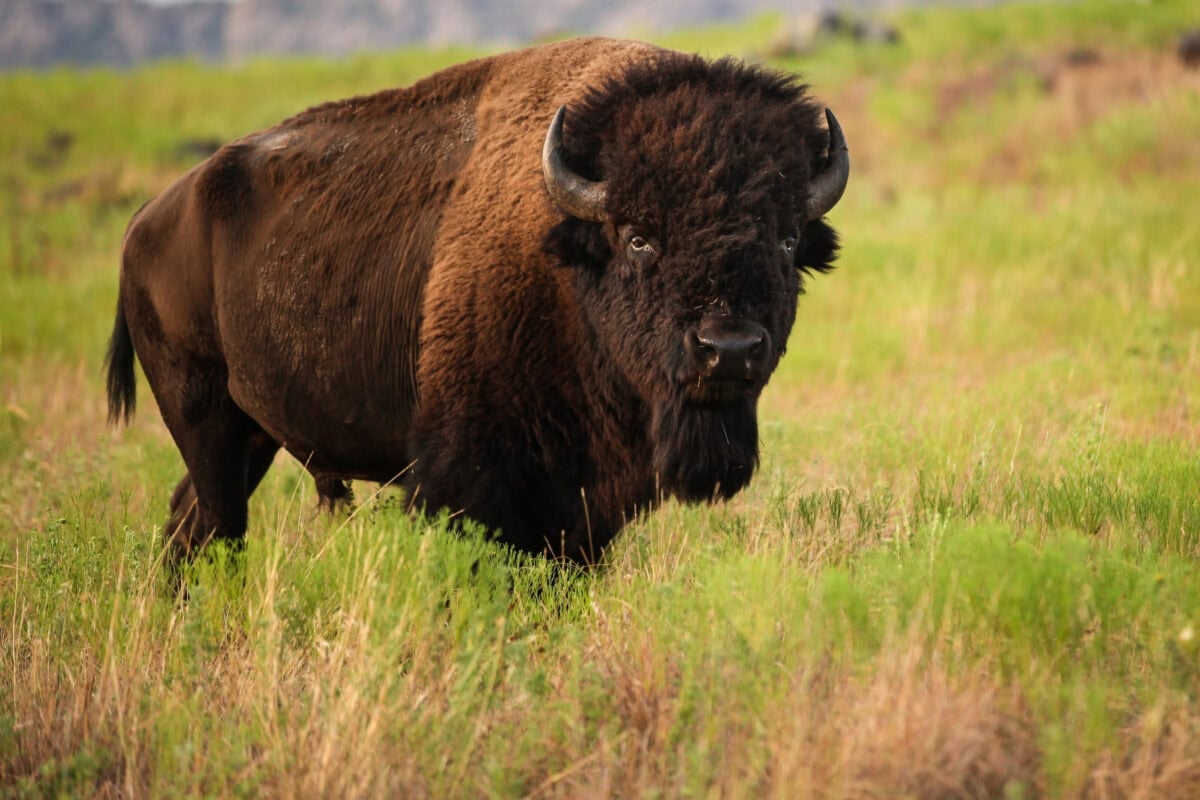
The American Bison’s Resilient Roar
🔥 Would you like to save this?
We'll email this post to you, so you can come back to it later!
From teetering on the edge in the late 19th century, the American bison story is one of the most famous conservation success stories. Protective legislation and managed care in national parks allowed these gentle giants to recover, making them emblematic of the resilience of America’s wildlife heritage.
California Condor Takes Flight Again

🔥 Would you like to save this?
We'll email this post to you, so you can come back to it later!
The magnificent California condor nearly vanished, with just 27 individuals remaining in the 1980s. Rigorous conservation measures, including captive breeding and lead-free environments, have rejuvenated their populations. Today, they soar once more across the skies of California and beyond, inspiring conservationists worldwide.
Gray Wolves Howl in Celebration

🔥 Would you like to save this?
We'll email this post to you, so you can come back to it later!
Exterminated from much of their historic range, the gray wolf’s resurgence has been a beacon of ecological restoration. Reintroduction efforts in the Northern Rockies restored predator-prey dynamics, emphasizing the wolves’ crucial role in maintaining healthy ecosystems.
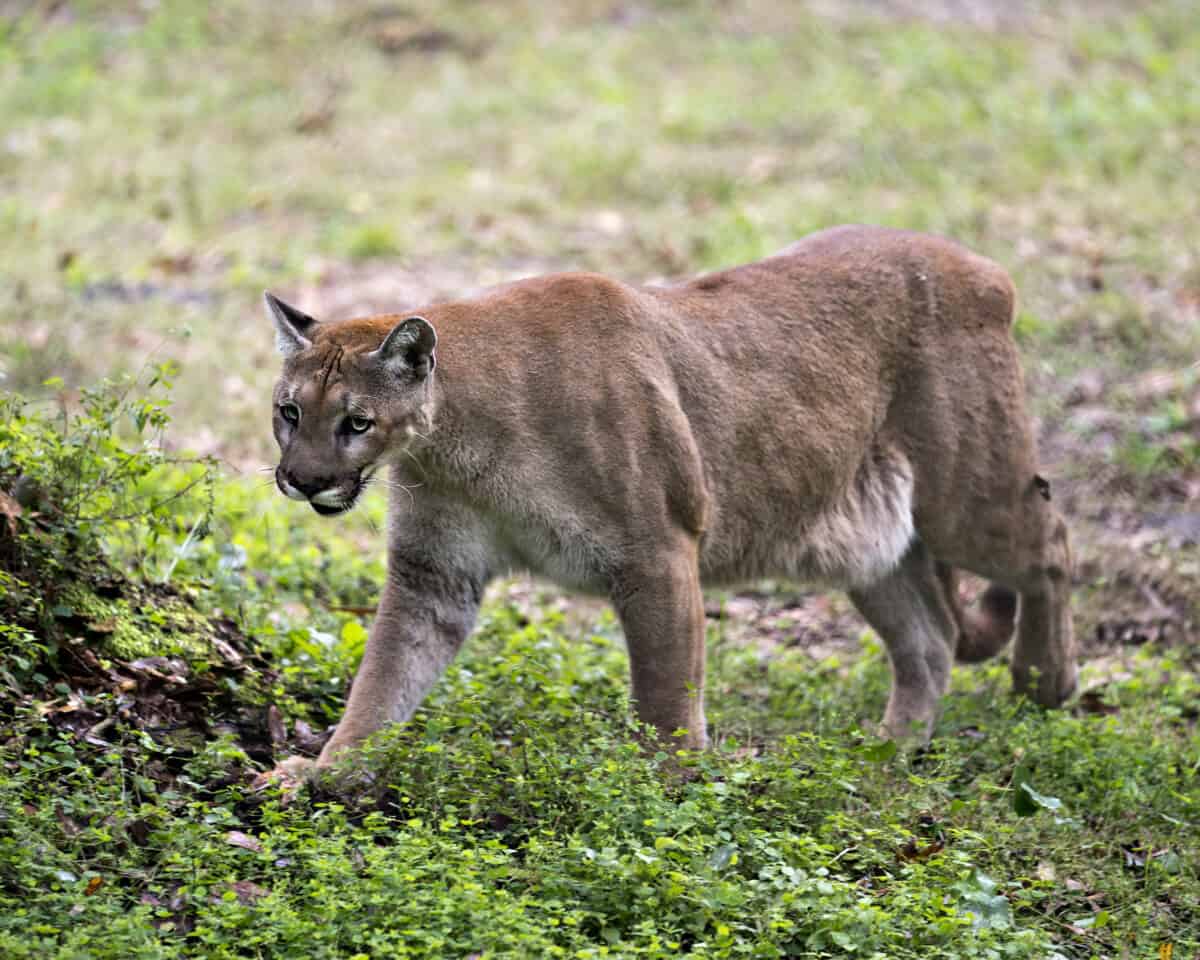
The Florida Panther’s Narrow Escape
🔥 Would you like to save this?
We'll email this post to you, so you can come back to it later!
The Florida panther’s road to recovery has been fraught with challenges. Efforts to prevent further habitat loss and strategic breeding programs are slowly increasing its population, promising a future for these stealthy feline prowlers amidst the dense Florida underbrush.
American Alligator: From Menace to Marvel

🔥 Would you like to save this?
We'll email this post to you, so you can come back to it later!
Once deemed endangered due to hunting and habitat loss, the American alligator has rebounded impressively. Protective measures allowed its population to flourish, transforming this formidable reptile from a conservation concern to a triumphant comeback story.
Sea Otters: Guardians of the Kelp Forests

🔥 Would you like to save this?
We'll email this post to you, so you can come back to it later!
Hunted almost to extinction for their pelts, sea otter populations have resurged along the Pacific coast. Vital to maintaining marine ecosystem balance, these playful creatures ensure the health of kelp forests, benefiting a wide variety of marine life.
Monarch Butterfly Migrates Back

🔥 Would you like to save this?
We'll email this post to you, so you can come back to it later!
While still vulnerable, the iconic monarch butterfly has sparked hope with recent increases in their migration numbers. Initiatives fostering milkweed growth—critical for their reproduction—are vital, as climate change and deforestation continue to pose threats.
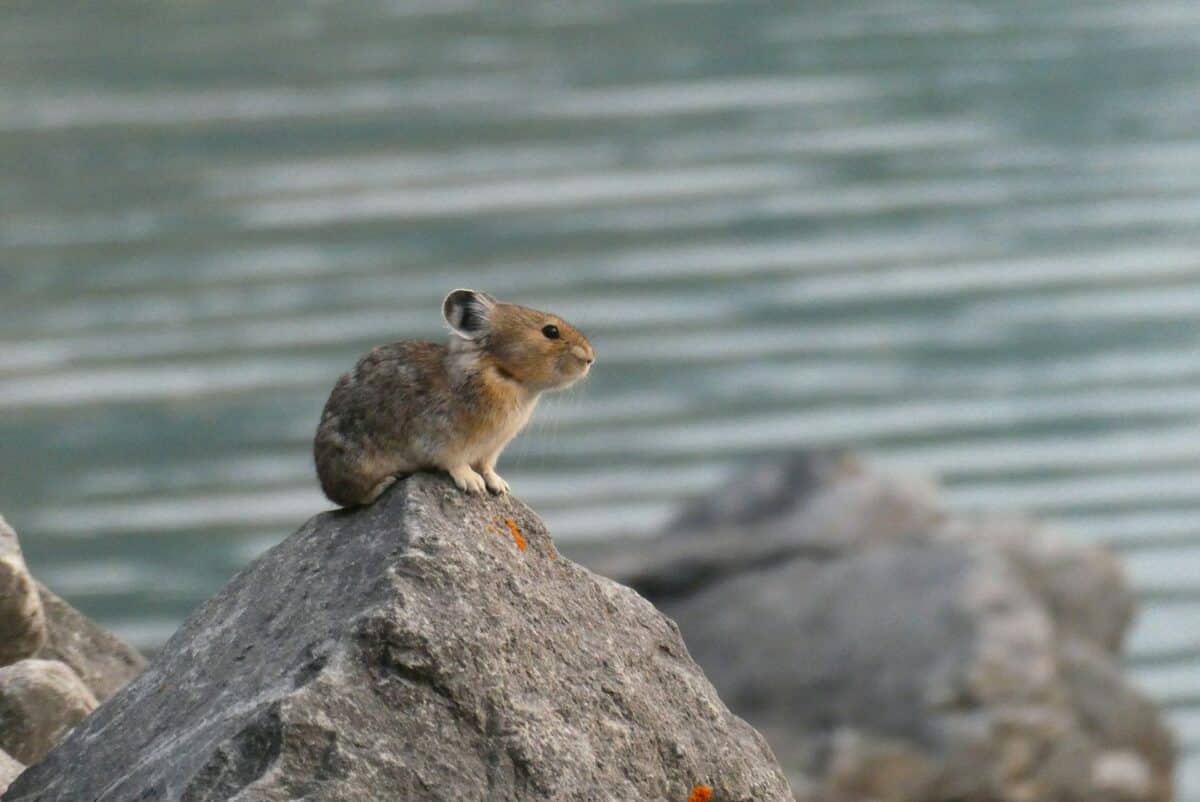
Pika Populations Hang On

🔥 Would you like to save this?
We'll email this post to you, so you can come back to it later!
Often used as indicators of climate change, pikas in the American West were once feared at risk of local extinction due to rising temperatures. Preservation of connected habitats and careful monitoring have allowed these charming lagomorphs to persist amidst shifting environmental conditions.
The Spotted Owl’s Silent Comeback

🔥 Would you like to save this?
We'll email this post to you, so you can come back to it later!
Spotted owls, hit hard by logging practices, have shown signs of recovery thanks to habitat conservation and protective regulations. Their presence today highlights the complex interplay between forest management and the survival of old-growth forest species.
Oregon Silverspot Butterfly Returns

🔥 Would you like to save this?
We'll email this post to you, so you can come back to it later!
The Oregon silverspot butterfly’s critical decline due to habitat loss saw its reversal with focused habitat restoration and captive breeding programs. Enthusiasts are thrilled to see them fluttering among coastal grasslands once again.
Whooping Crane’s Majestic Flight

🔥 Would you like to save this?
We'll email this post to you, so you can come back to it later!
The whooping crane, one of North America’s tallest birds, has made an inspiring recovery journey from the brink of extinction due to aggressive conservation programs. Breeding and extensive habitat protections have given them a promising future.
The Gopher Tortoise: Diggers of the South

🔥 Would you like to save this?
We'll email this post to you, so you can come back to it later!
Gopher tortoises, vital for their underground burrows serving as shelters for various species, faced habitat destruction in the southeast. Persistent efforts to preserve and restore their environments have seen their numbers stabilize, ensuring their tunnels stay busy.
Conclusion: Renewed Hope Through Resilience
🔥 Would you like to save this?
We'll email this post to you, so you can come back to it later!
The stories of these animals serve as poignant reminders of nature’s awe-inspiring ability to recover and the critical role of human intervention in conservation. While challenges persist, the resurgence of these species offers hope and underscores the importance of sustained efforts to protect wildlife and their habitats. As champions of biodiversity, every recovery is a step towards a healthier planet for future generations.

- Simple Ways to Keep Your Pumpkins Safe from Squirrel Attacks - October 26, 2026
- Transform Your Garden with Vibrant and Everlasting Strawflowers - October 22, 2026
- How to Win Over Judges in Dressage Competitions - October 19, 2026