

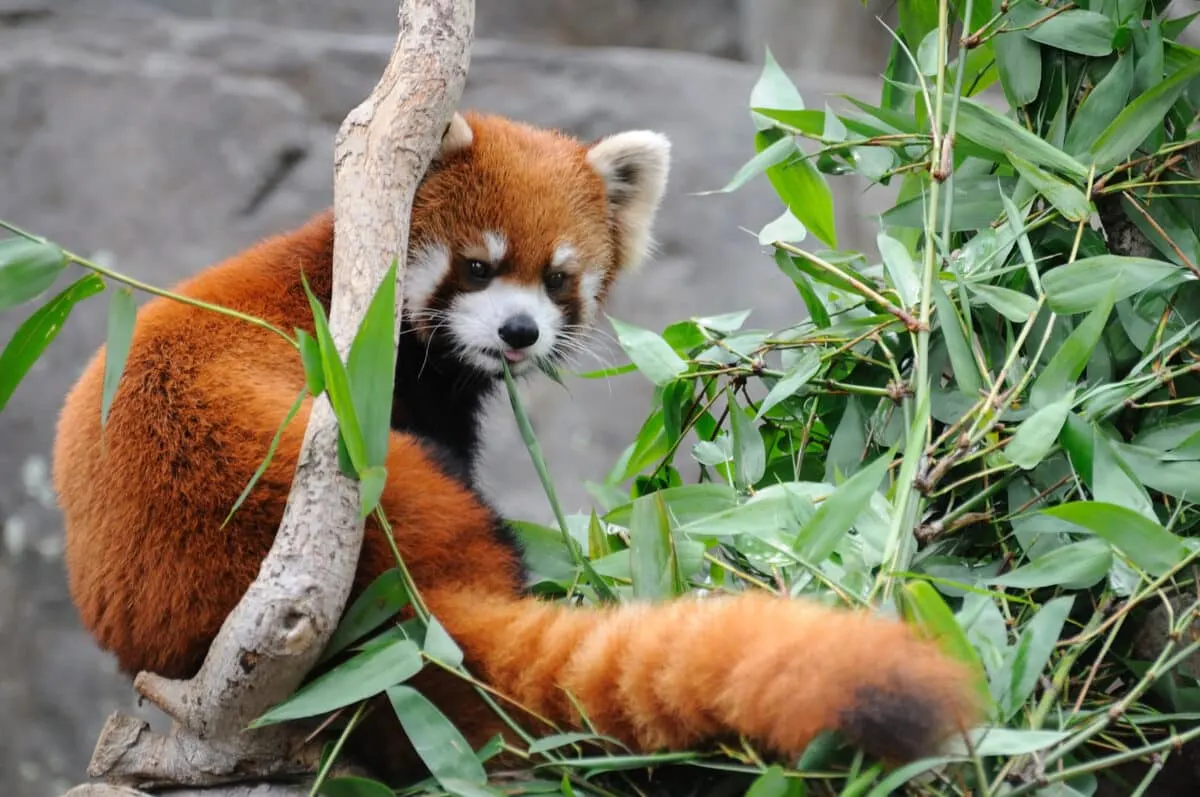
Welcome to everything you need to know about endangered animals.
Nature is full of interesting animals and wildlife, each with its unique role in the worldwide harmony of ecosystems. Sadly, there are many species whose populations have declined to such an extent that they are considered endangered.
Endangered Animal Topics
-
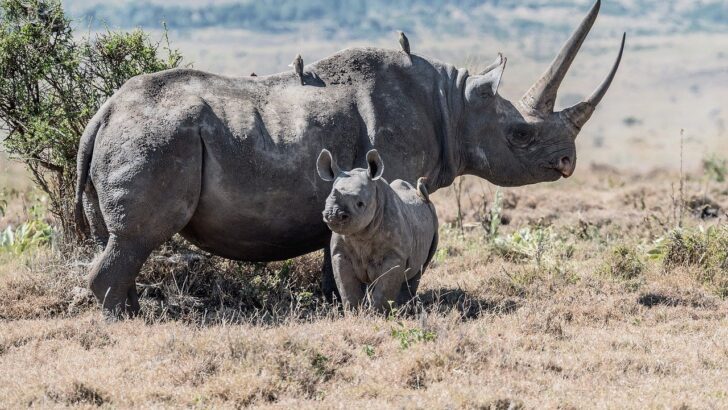

The World’s Rarest Animals Are Making a Comeback: A Glimmer of Hope
-
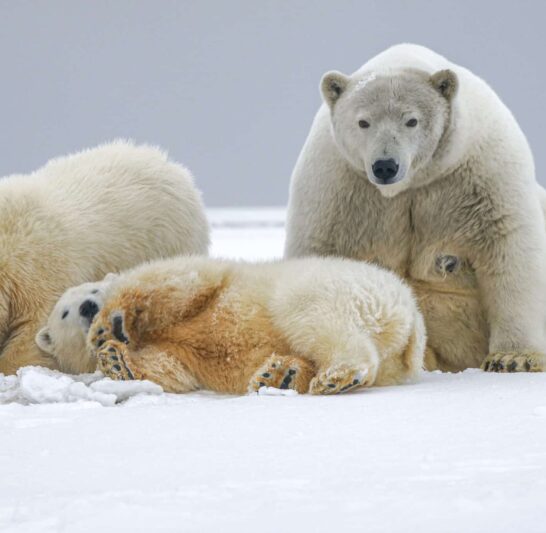
15 Most Endangered Animals at the North Pole
-

This Dolphin Is Risking Extinction Sooner Than Expected
-
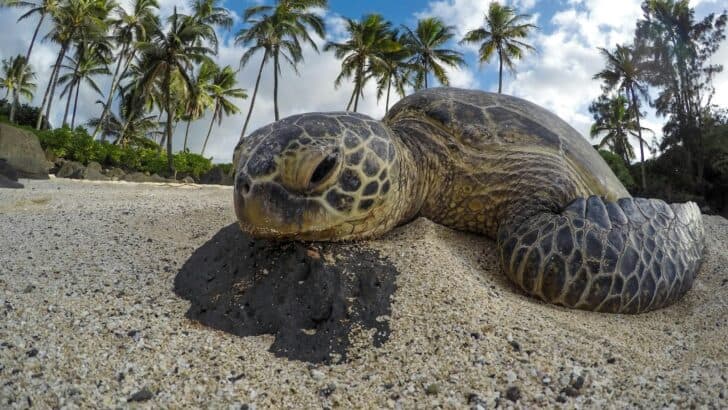
How You Can Help Protect Turtles on Beaches This Summer
-
The AMES Foundation and Their Fight Against Rhino Poaching
-
7 Reasons Black Bears Are Returning to Missouri
-
7 Species Returning to States Where They Disappeared Generations Ago
-
8 American Wildlife Comebacks That Prove Conservation Can Work
-
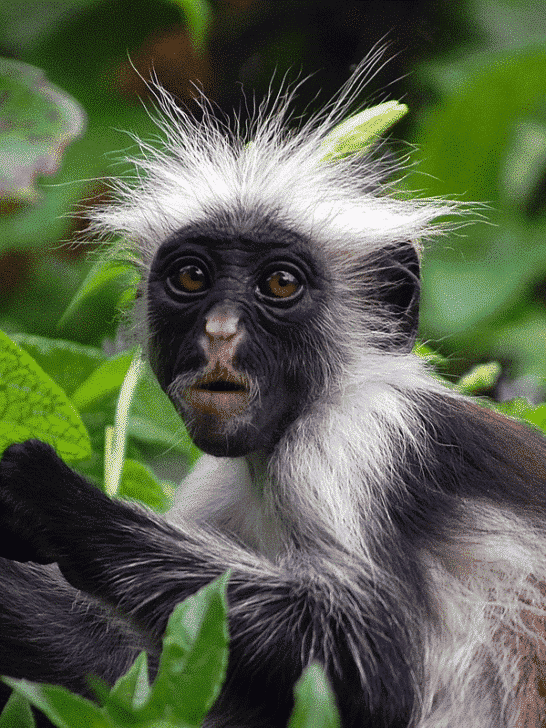
21 Most Endangered Primates – That You’ve Never Even Heard Of
-
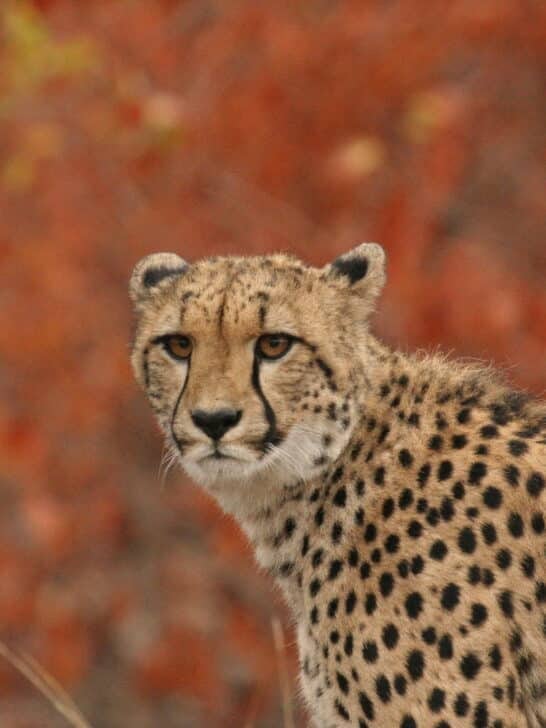
14 Most Endangered Big Cats In The World
-

Why Marine Iguanas Are at Risk—and How You Can Help
-
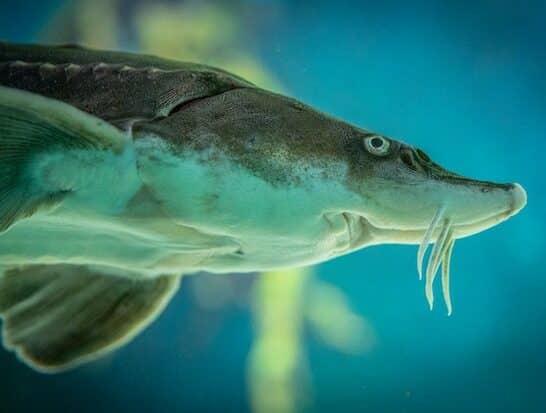
Top 10 Most Endangered Fish That You Should Know About
-

What Scientists Learned from Tagging 1,000 Sea Turtles
-

Could Artificial Islands Save Endangered Species?
-

Did You Know Red Pandas Are Sometimes Called “Fire Foxes”?
-

Why Turtles Are Among the Most Endangered Animals on Earth
-
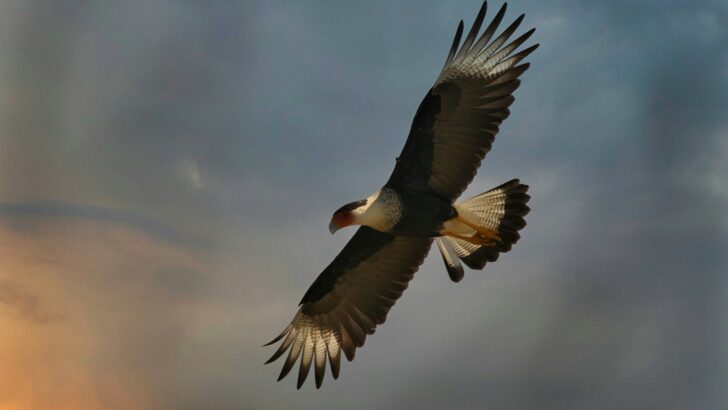
20 Endangered Birds in the US Due to Climate Shifts
-

Could the Tasmanian Tiger Be Brought Back to Life?
-
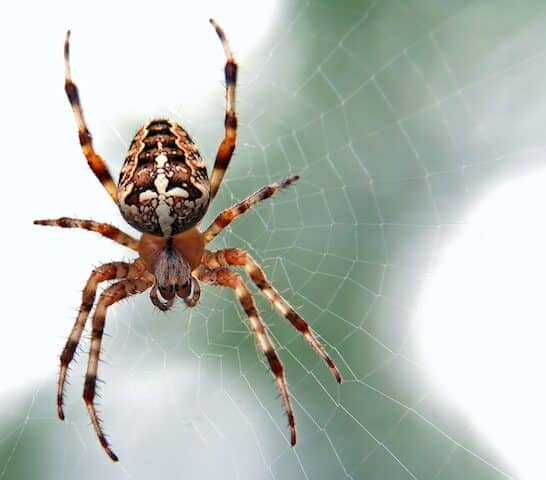
23 Most Endangered Spiders
-

12 Endangered Animals Fighting for Survival Right Now
-

The Story Behind the Red Panda’s Endangered Status
-

This River Delta Is a Magnet for Endangered Birds
-

What’s Happening to Animals in Conflict Zones Like Ukraine and Gaza?
-
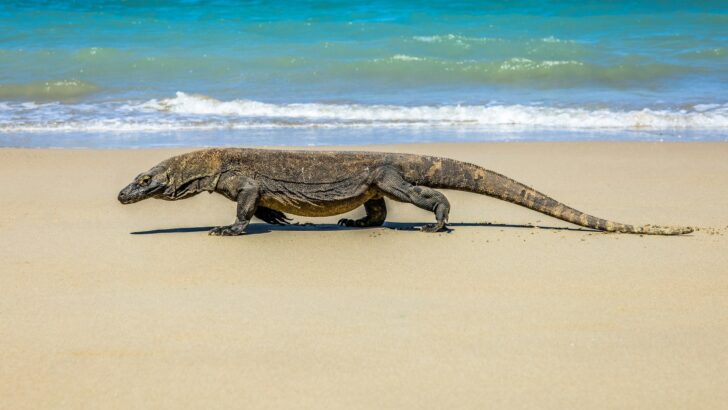
8 Animals Once Listed in Ancient Sources as Mythology That Turned Out to Be Real When Specimens Were Finally Collected
-

The Role of Zoos in Saving Critically Endangered Amphibians
-

Are Captive Breeding Programs Helping or Hurting Endangered Species?
-

Would You Support Banning Zoos for Endangered Species
-

What It Takes to Bring a Species Back From the Brink
-

10 Facts about China’s Endangered “Smiling Angel” Desperately Fighting for Survival
-

Kentucky’s Biodiversity is in Danger
-

How Museums Help Protect Endangered Species
-
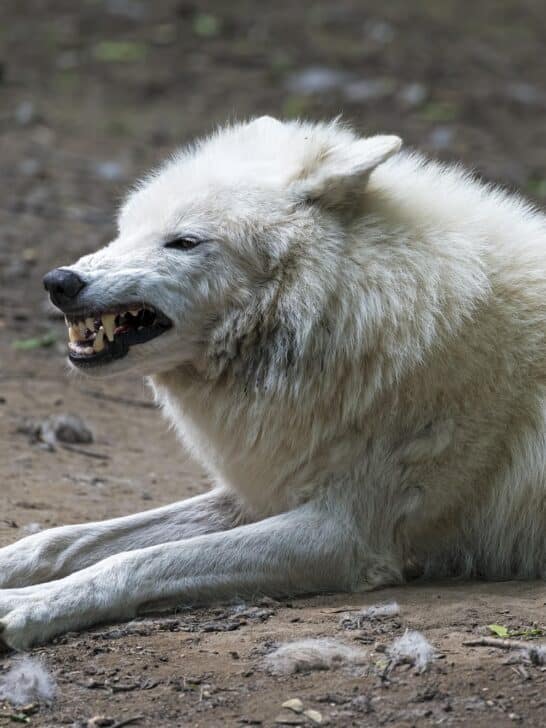
The Biggest Arctic Wolf Ever Recorded
-

Pandas Survive on Bamboo, But Scientists Are Still Puzzled By How They Get Enough Nutrients
-

The 24 Most Endangered Animals In Wisconsin
-

This Tiny Bird’s Migration Covers the Entire Western Hemisphere
-

24 Most Endangered Animals In Arkansas
-

15 Most Endangered Animals In Kansas
-

What the U.S. Endangered Species Act Has Achieved (So Far)
-
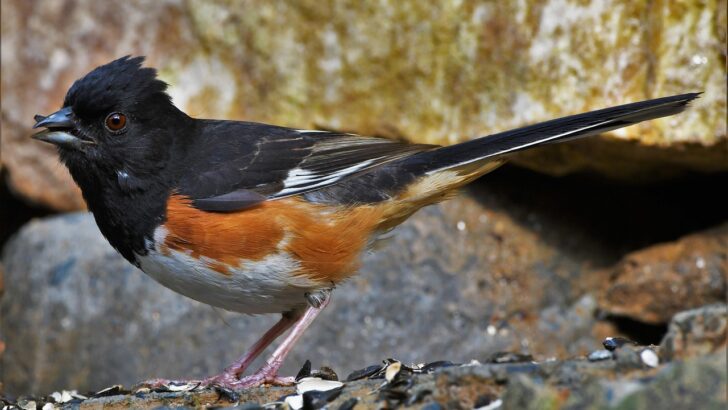
15 Backyard Birds That Were Everywhere in the 1980s but Are Vanishing Today
-

The 19 Most Endangered Animals in Connecticut
-

16 Most Endangered Animals in the Bahamas
-

Gardens as Safe Havens for Endangered Animals
-
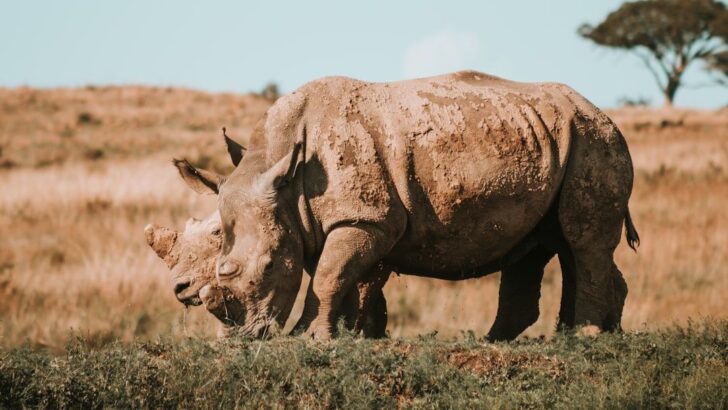
15 Wildlife Recovery Events From This Decade That Prove Ecosystems Can Reverse Course Faster Than Any Climate Projection Modelled
-
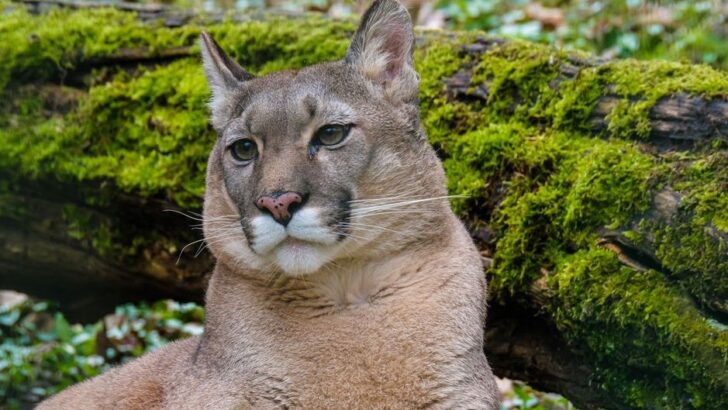
10 American Animals Facing Extinction – and the Science Giving Them Hope
-

Endangered Species of the Pacific You Might Not Know About
-

This Hidden U.S. Forest Is a Haven for Endangered Birds
-

Interesting Facts About the Alpaca
-

These Endangered Animals Are Making a Comeback
-

The Best Places to See Elephants in The Wild
-
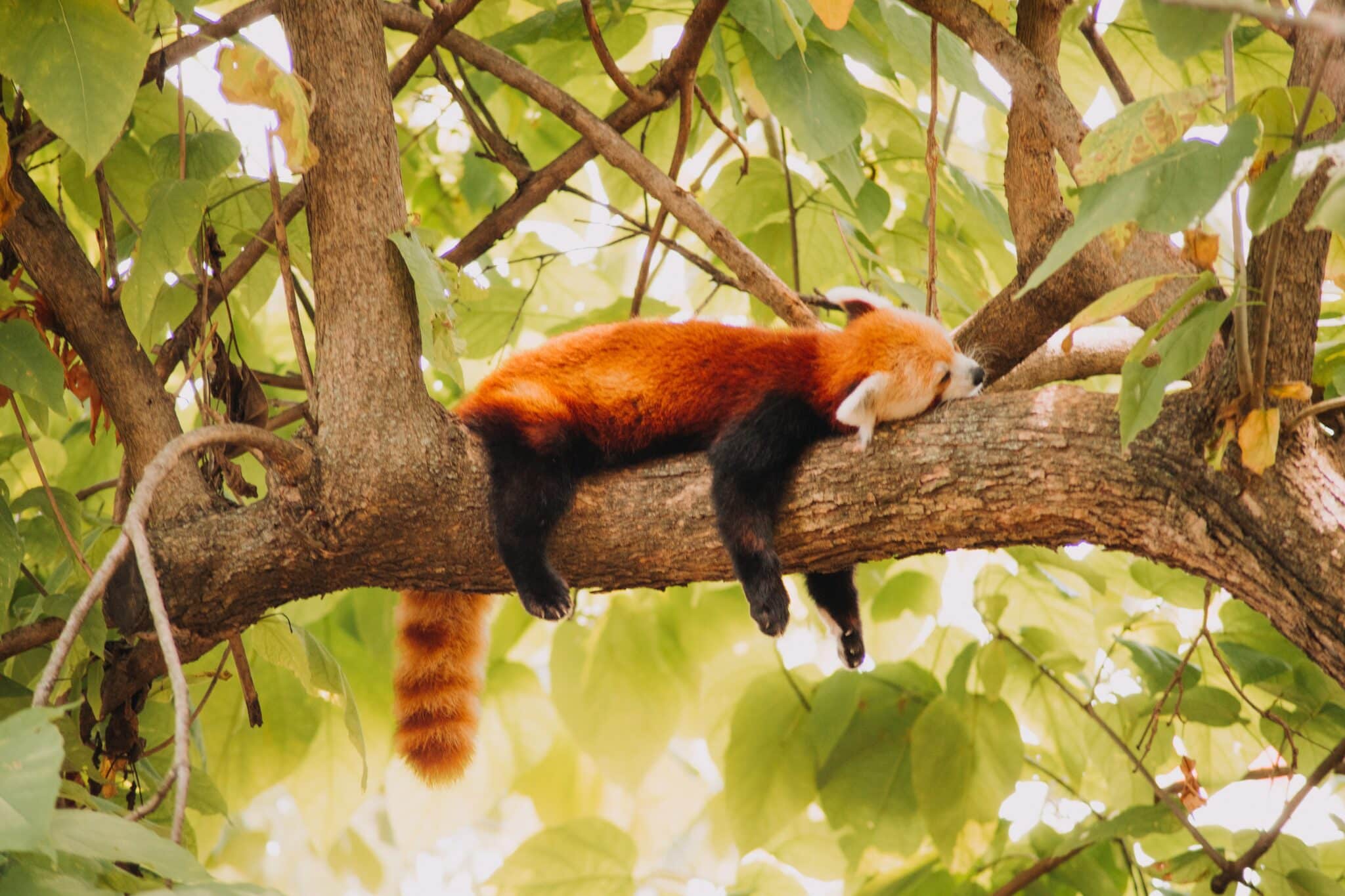
Top 10 Most Endangered Animals in India
-

The 10 Most Endangered Sounds Of Nature—And Why We Might Never Hear Them Again
List of Endangered Animal Classifications (IUCN)
These categories are defined by the International Union for Conservation of Nature (IUCN) in their Red List of Threatened Species, which is the most comprehensive inventory of the global conservation status of biological species and is updated yearly.
| Classification | Description | Examples |
|---|---|---|
| Extinct (EX) | No known individuals remaining. | Passenger Pigeon, Dodo |
| Extinct in the Wild (EW) | Known only to survive in captivity, or as a naturalized population outside its historic range. | Guam Kingfisher, Scimitar Oryx |
| Critically Endangered (CR) | Extremely high risk of extinction in the wild. | Javan Rhino, Vaquita |
| Endangered (EN) | High risk of extinction in the wild. | Mountain Gorilla, Amur Leopard |
| Vulnerable (VU) | High risk of endangerment in the wild. | Polar Bear, African Elephant |
| Near Threatened (NT) | Likely to become endangered in the near future. | Blue Poison Dart Frog, Emperor Penguin |
| Least Concern (LC) | Lowest risk; does not qualify for a more at-risk category. Widespread and abundant species are included here. | American Robin, House Mouse |
| Data Deficient (DD) | Not enough data to make an assessment of its risk of extinction. | Kakapo, Long-beaked Echidna |
| Not Evaluated (NE) | Has not yet been evaluated against the criteria. | Many newly discovered species or those not yet assessed comprehensively |
Endangered Animals FAQs
An animal is classified as endangered when its population has declined to a point where it’s at risk of extinction. This decline can be caused by several factors, including #1 habitat loss due to human development, #2 climate change, #3 pollution, #4 overhunting or poaching, and #5 disease. The classification is part of a system used by conservation organizations, such as the International Union for Conservation of Nature (IUCN), to assess the risk of extinction to species across the globe. An endangered status indicates that urgent conservation efforts are needed to prevent the species from becoming extinct.
Endangered animals are protected through a variety of local, national, and international laws and agreements. Efforts include habitat preservation, legal protection from hunting and trade, breeding programs in captivity, and reintroduction projects. The Convention on International Trade in Endangered Species of Wild Fauna and Flora (CITES) is an international agreement between governments that aims to ensure that international trade in specimens of wild animals and plants does not threaten their survival. Additionally, conservation groups and governments work to protect ecosystems and promote sustainable practices among local communities.
Donating to or volunteering with wildlife conservation organizations can have a direct impact.
Also by reducing waste, using eco-friendly products, and limiting energy consumption can help reduce habitat destruction and pollution.
And: Raising awareness about endangered species and conservation efforts can inspire more people to take action.
If you have any feedback please reach out to us via feedback@animalsaroundtheglobe.com
Newest Category: Endangered Animals

As a little kid, I fell in love with nature, wildlife, and animals. Living in the USA, South Africa, Italy, China and Germany gave me the opportunity to discover the world's Wildlife. My favorite animals are Mountain Gorillas, Siberian Tigers, and Great White Sharks.
I'm a certified PADI Open Water Diver, went to Everest Base Camp and Trekked Gorillas in Uganda. I hold a Master of Science in Economics and Finance.
Please send any feedback to feedback@animalsaroundtheglobe.com
- 11 Sharks That Lurk in Rivers Not Oceans - July 30, 2026
- 11 Spiders That Dance to Attract a Mate - July 30, 2026
- The Mantis Shrimp An Underwater Hunter Without a Sound - July 30, 2026