

Animals have evolved with an astonishing array of sensory abilities, but perhaps the most captivating is their acute sense of smell. This incredible ability not only helps them find food and communicate but also allows them to detect danger from miles away. Through intricate evolutionary processes, many animals have developed olfactory skills that can put even the most sophisticated human technology to shame. In this article, we’ll explore 15 remarkable animals that rely on their noses to navigate and survive in a world filled with potential threats.
Elephants Giants With a Gentle Sniffer

While elephants are renowned for their size and intelligence, their sense of smell is nothing short of extraordinary. These majestic giants have a highly developed olfactory system, enabling them to detect water sources up to 12 miles away. Their keen noses are also adept at sensing danger, such as predators or human threats, allowing them to swiftly respond to potential risks.
Sharks Predators of the Ocean with Unmatched Detection

Sharks are often portrayed as the ultimate ocean predators, but it is their sense of smell that truly highlights their prowess. These marine creatures possess a highly sensitive olfactory system capable of detecting blood from as far as a quarter-mile away. Their smell is so acute that they can discern the direction of a scent, an essential skill for both hunting prey and avoiding potential threats.
Dogs Man’s Best Friend With a Nose for Hazard

Dogs have long been celebrated for their extraordinary sense of smell, utilized in a myriad of tasks ranging from search and rescue operations to detecting explosives and illicit substances. With up to 300 million scent receptors, canines can detect danger from great distances and are frequently employed in security roles to prevent potential threats.
Bears Forest Dwellers With a Sharp Sense

Bears, both omnivores and opportunistic feeders, rely heavily on their sense of smell to locate food, mates, and detect danger. Their olfactory capabilities are among the best in the animal kingdom, allowing them to sense a carcass from over 20 miles away. This remarkable ability helps them avoid dangerous encounters and locate resources efficiently in vast wilderness areas.
Vultures Nature’s Cleanup Crew with a Nose for Necessity
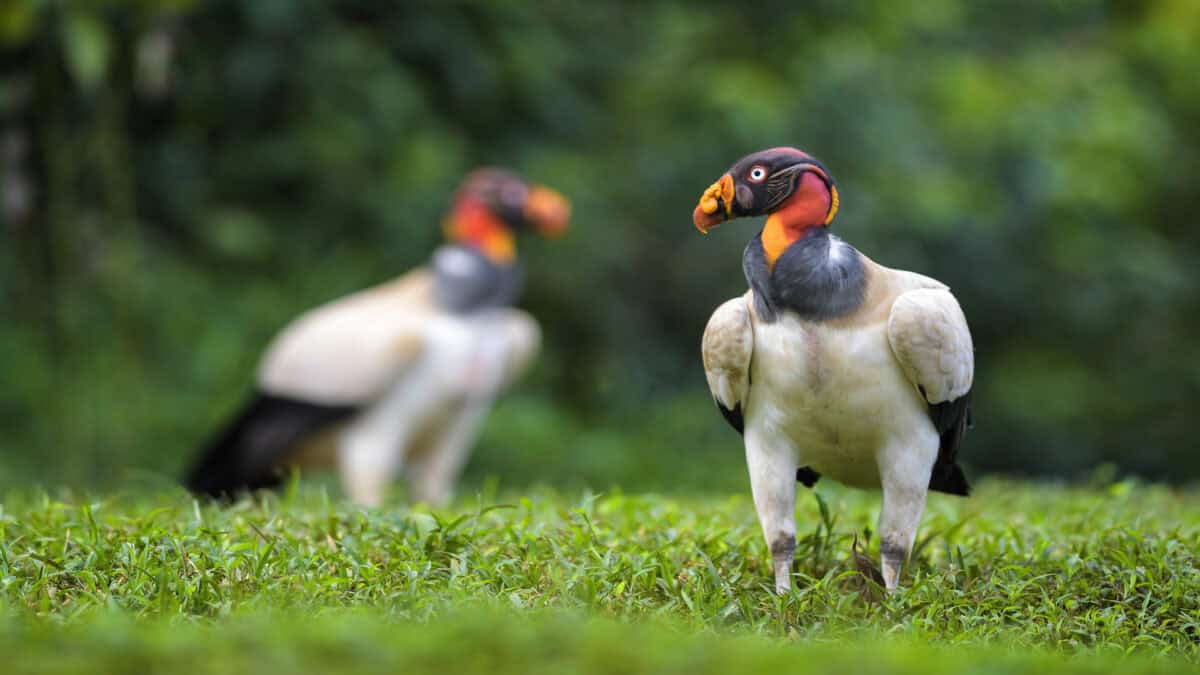
Often seen circling ominously in the sky, vultures are nature’s cleanup crew, their keen sense of smell leading them to carcasses. Contrary to popular belief, vultures rely heavily on smell rather than sight to locate decaying flesh, even under dense forest canopies. This skill is vital for their survival, and it also serves ecosystems by ensuring swift disposal of potential sources of disease.
Moths Nocturnal Navigators with a Keen Olfactory Sense

While moths are not typically associated with a strong sense of smell, they possess a highly developed olfactory system crucial for their reproductive success. Male moths can detect female pheromones from miles away, ensuring they can locate mates efficiently. This ability, indirectly, allows them to avoid threats by ensuring their species’ continuation.
Snakes Silent Scent Trackers

Snakes may be regarded with fear, but their olfactory organs, particularly the Jacobson’s organ, allow them to sense potential threats and prey. By flicking their tongues, they gather scent particles, which are analyzed to determine if danger is near, aiding in their stealthy navigation of various environments.
Rats Highly Adaptable Rodents with Keen Senses

Though often seen as pests, rats are marvels of adaptability, partly due to their acute sense of smell. This ability allows them to detect danger, find food, and communicate with other rats through pheromones. Their sensitivity to changes in their environment makes them highly successful survivors, even in urban landscapes.
Honeybees Small but Scent-Savvy

Honeybees play a critical role in ecosystems through pollination, using their sense of smell to navigate their surroundings. They can detect pheromones and volatile compounds, which help them locate flowers and return to their hives. Bees also use their scent to sense potential threats to their colonies, ensuring their hive’s safety and productivity.
Kiwi Birds Flightless Birds with a Sense of Survival

The kiwi bird, native to New Zealand, has made up for its flightlessness with an exceptional sense of smell. Unusual for birds, their nostrils are located at the end of their long beaks, allowing them to detect earthworms and insects hidden in the soil. This keen sense also helps them detect predators, providing an essential survival mechanism in their isolated habitats.
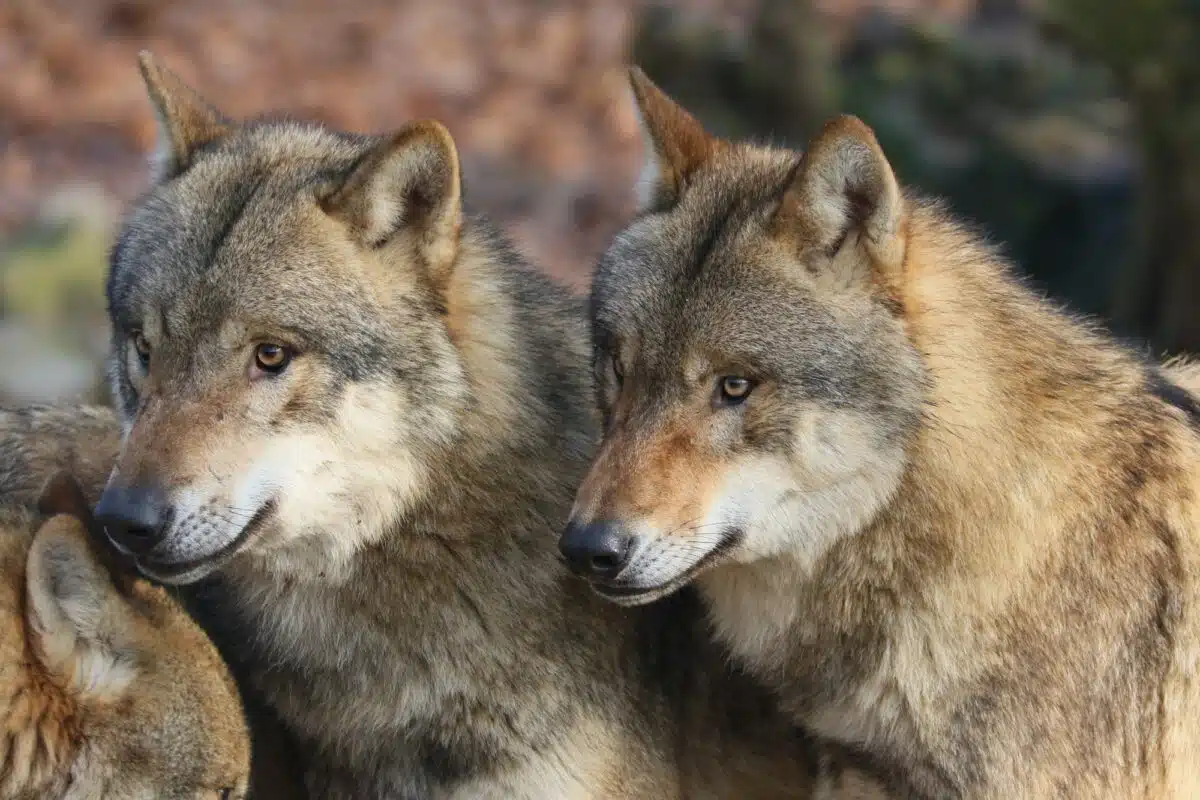
Wolves Pack Leaders with Remarkable Scent Detection

Wolves are social predators with a sense of smell that enhances their hunting and communication. They can detect prey from great distances, often over a mile away. By picking up on scent cues, wolves coordinate their pack activities, ensuring successful hunts and territorial defense, vital for their survival in the wild.
Ants Tiny Insects with an Enormous Scent Network

Despite their minuscule size, ants have an incredible ability to detect scents that guide them in daily activities. They communicate using pheromones, which can signal danger to the colony. This system enables them to work cohesively, maintain the colony’s safety, and efficiently locate food sources in their environment.
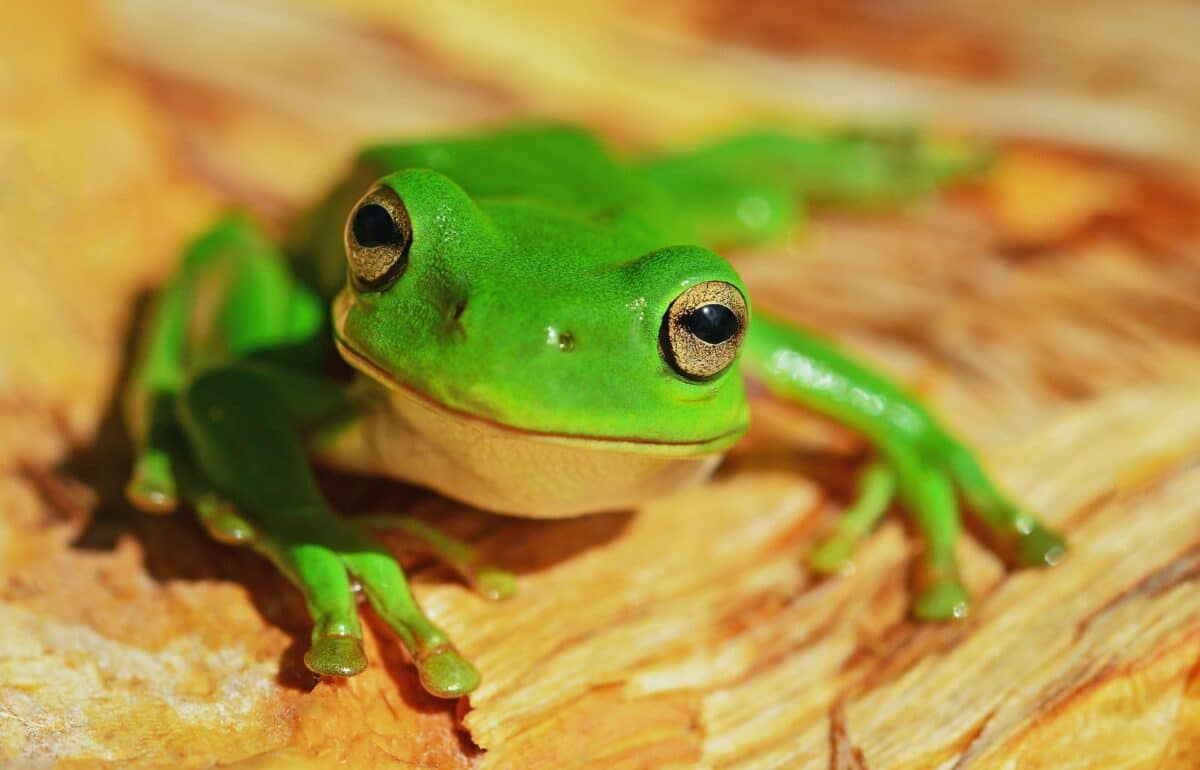
Frogs Amphibians with Acute Chemical Detection

Frogs utilize olfactory cues more than other amphibians to find mates and food and to avoid predators. Their ability to detect chemical changes in their environment is crucial for survival in diverse ecosystems, including terrestrial and aquatic habitats. This heightened sense helps them evade potential predators and navigate complex landscapes.
Coyotes Adaptable Canines with Keen Olfactory Skills

Coyotes, known for their adaptability, have an olfactory acuity that allows them to detect food, recognize territory boundaries, and sense impending danger. Their sense of smell is comparable to that of domestic dogs, assisting them in navigating both urban and wild environments effectively.
Dolphins Intelligent Marine Mammals with Advanced Detection

While dolphins are often celebrated for their intelligence and echolocation abilities, they also possess a refined sense of chemical detection. Though less developed than other senses, it aids in social communication and helps them avoid threats by identifying chemical cues in the water, crucial in the diverse marine environments they inhabit.
Conclusion:
In the animal kingdom, survival often hinges on the ability to detect danger before it strikes. The incredible olfactory abilities of these 15 animals showcase the diversity and adaptiveness of nature, ensuring that these species thrive in environments filled with potential perils. Their remarkable noses are key to their survival, and they remind us of the intricate balance and beauty of the natural world.

As a little kid, I fell in love with nature, wildlife, and animals. Living in the USA, South Africa, Italy, China and Germany gave me the opportunity to discover the world's Wildlife. My favorite animals are Mountain Gorillas, Siberian Tigers, and Great White Sharks.
I'm a certified PADI Open Water Diver, went to Everest Base Camp and Trekked Gorillas in Uganda. I hold a Master of Science in Economics and Finance.
Please send any feedback to feedback@animalsaroundtheglobe.com
- $100k+ Hunting Experiences The Most Expensive Animals to Pursue - July 30, 2026
- D.C. Region Gets Drought Relief from Midweek Showers After Warm Winds - July 30, 2026
- 10 Most Puzzling Animal Mysteries Solved in the U.S. - July 30, 2026