
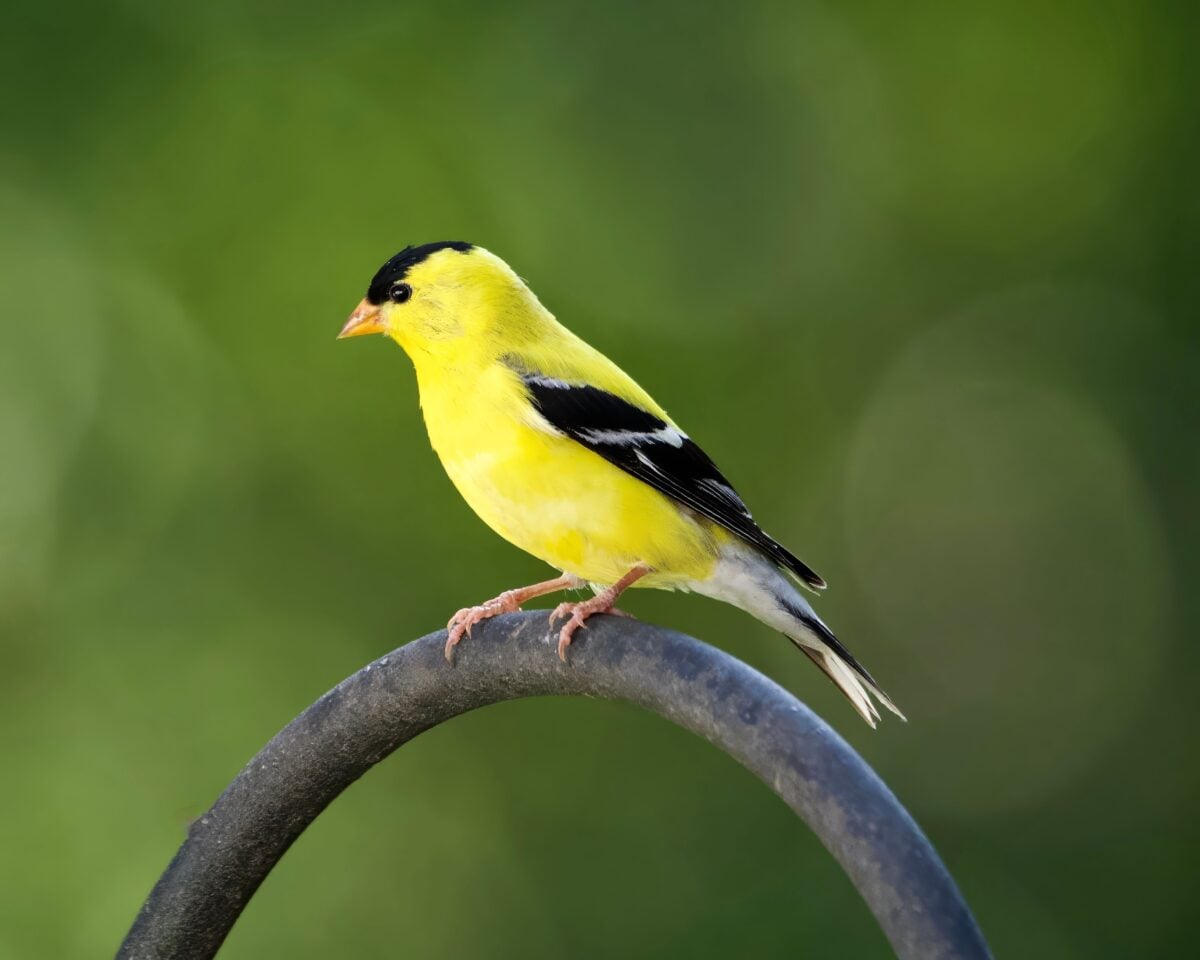
If you grew up in the ’80s, you probably remember your backyard sounding busier. Feeders mobbed with finches, fence posts lined with singing meadowlarks, barns dripping with swallow nests – it felt permanent, like background noise that would never stop.
It stopped. Nearly three billion birds have quietly disappeared from North America since 1970, and the losses aren’t hiding in some remote rainforest – they’re happening in the exact species that used to crowd your childhood yard. Here are the 15 that took the hardest hits, ranked from bad to almost unbelievable.
#15 – Dark-eyed Junco: The Snowbird That Stopped Showing Up
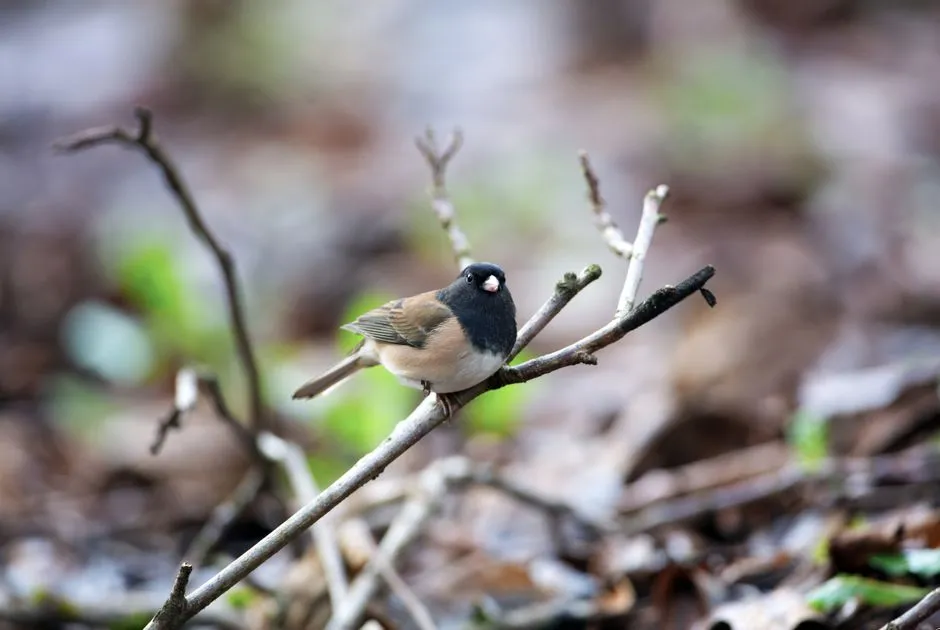
Every winter in the ’80s, you could count on the “snowbirds” arriving in tidy little flocks, hopping under the feeder and scratching through fallen seed. Dark-eyed Juncos were as reliable as the first frost. Now they’re not – the species has lost somewhere between 168 and 175 million individuals since 1970, one of the largest raw losses of any backyard bird in North America.
Habitat fragmentation is part of it, but so are milder winters that have nudged juncos’ wintering range farther north, away from the yards that used to host them. Add rising cat predation to the mix and you get flocks of dozens shrinking down to a scattered pair or two. Longtime feeder-watchers notice it first – the ground under the feeder just isn’t as busy anymore.
#14 – White-throated Sparrow: The Voice That’s Going Quiet
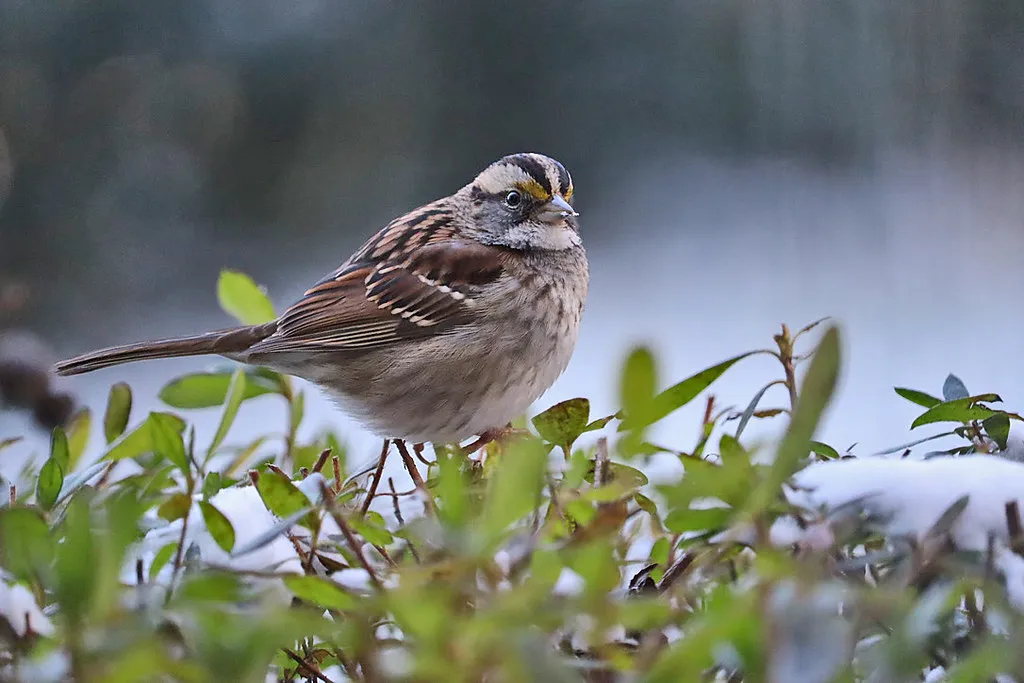
“Old Sam Peabody, Peabody, Peabody” – if you know that whistle, you know exactly the bird. White-throated Sparrows used to sing from every brushy hedgerow and thicket edge, especially in fall and winter. That familiar tune has dropped off dramatically, with the species losing an estimated 93 million birds since 1970.
Forest maturation sounds harmless, but it’s actually removed the scrubby, brush-choked edges these sparrows depend on for cover and food. Pesticide use has thinned out their insect diet too, and suburban sprawl keeps eating into what’s left. Older birders swear the call feels rarer every single year, and the data backs them up.
#13 – Red-winged Blackbird: The Marsh Chorus That’s Fading
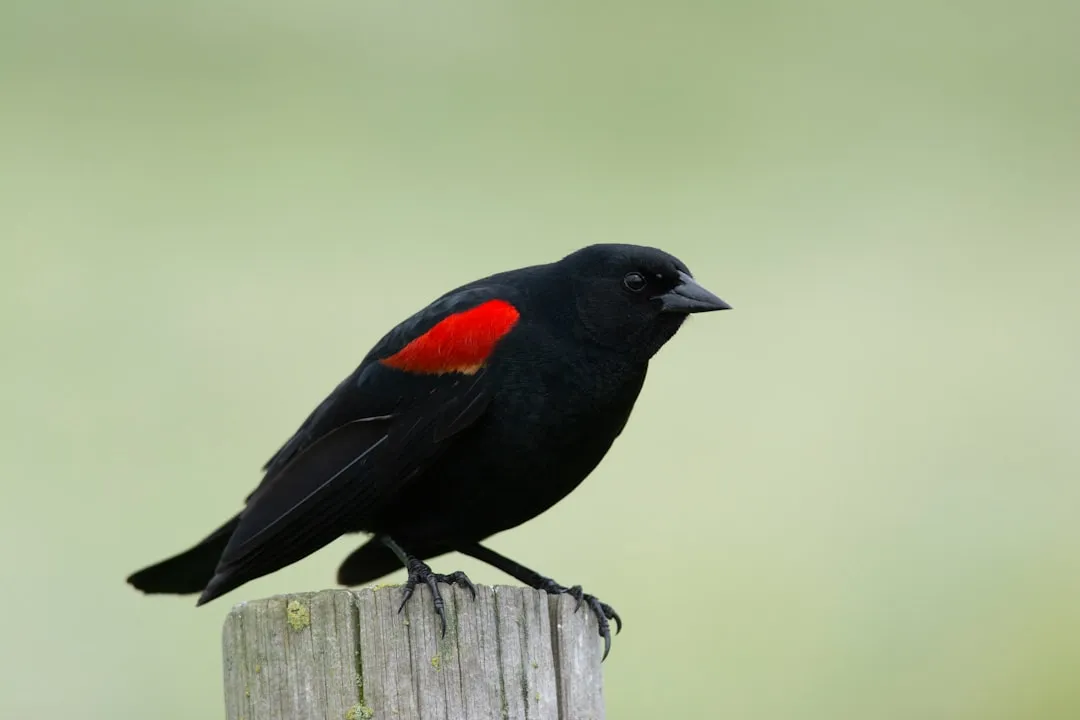
Red-winged Blackbirds were the actual soundtrack of spring – that harsh, unmistakable “conk-la-ree” ringing out over every roadside ditch and farm pond. They’re still around, which almost makes the numbers more unsettling: the species has shed roughly 92 million birds, close to a third of its entire population, since 1970.
Wetland drainage and industrial-scale agriculture have gutted the marshy edges these birds nest in, while shifting grassland management has pulled the rug out from under them elsewhere. In plenty of regions, the flashy red-and-yellow males still display on cattails – just fewer of them, and fewer cattails to display on.
Fast Facts
- Population loss since 1970: about 92 million birds, close to a third of the total
- Core habitat: cattail marshes, wet ditches, farm pond edges
- Main threats: wetland drainage, industrial-scale row-crop agriculture, changing grassland management
#12 – Eastern Meadowlark: The Fence-Post Singer That Ran Out of Fences
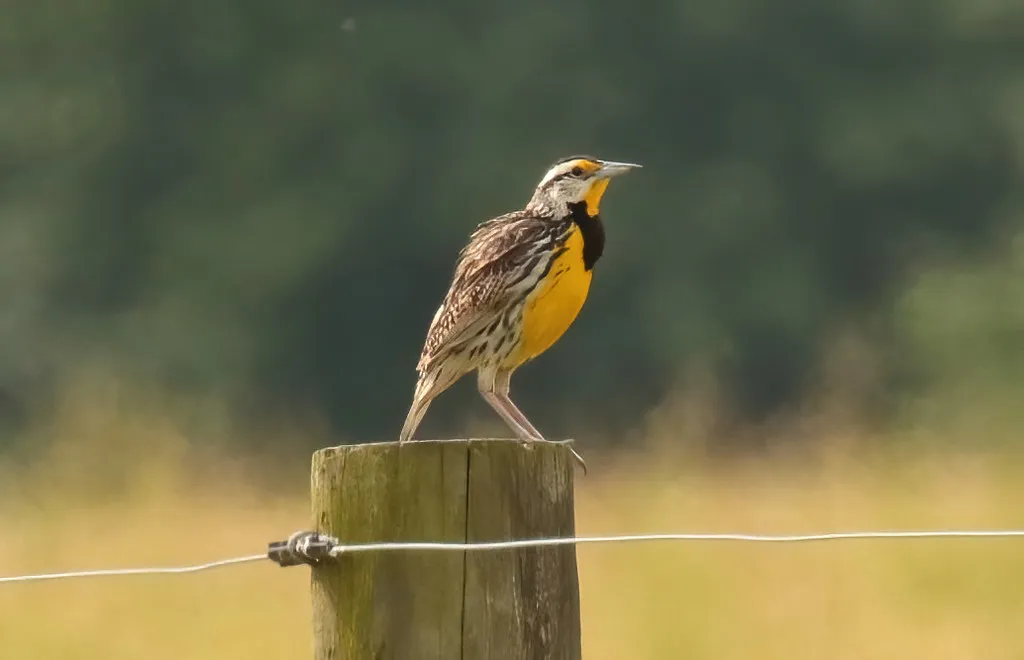
Eastern Meadowlarks used to own the open fields – a flash of yellow on a fence post, then that clear, slurred whistle carrying across the pasture. Combined with their Western cousins, meadowlark populations have collapsed by 139 million birds, among the steepest declines of any bird group tracked since 1970.
These are grassland specialists, and grasslands are exactly what modern farming eliminated. Aggressive mowing schedules, pesticide-saturated row crops, and the wholesale conversion of pasture into cropland wiped out their nesting grounds almost overnight in bird-population terms. Former strongholds that once held dozens of singing males now go quiet for entire seasons.
#11 – Evening Grosbeak: The Feeder Bird That Became a Rare Sighting
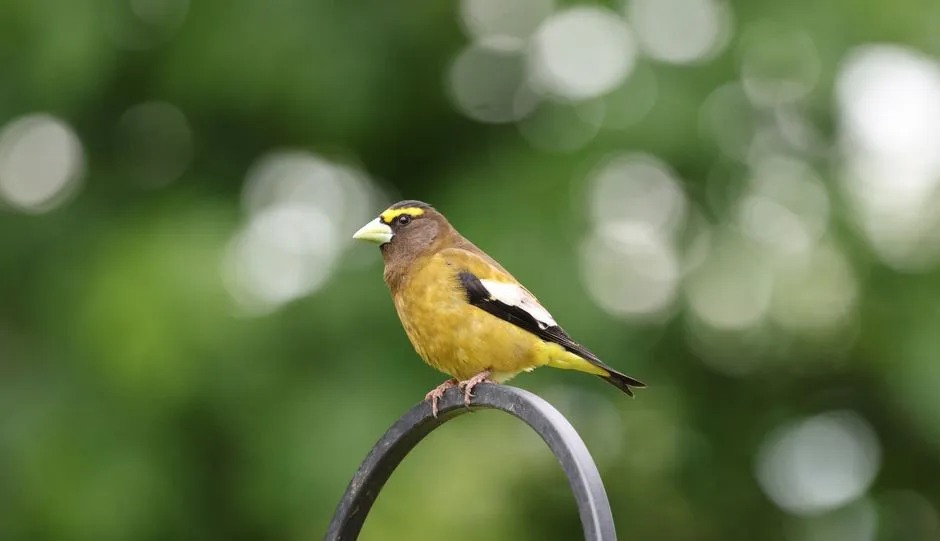
Evening Grosbeaks were the show-stoppers of winter feeder season – chunky, gold-and-black, and loud enough to announce themselves before you saw them. In the Northeast and Midwest, they used to arrive in flocks thick enough to empty a sunflower feeder in an afternoon. Today, spotting even a handful feels like a genuine event in many eastern states.
Disease outbreaks, boom-and-bust spruce budworm cycles, and long-term shifts in forest composition have all chipped away at their numbers. Feeder counts from the 1980s routinely logged dozens at a time. Now birders post excitedly online just for a photo of two or three.
#10 – Barn Swallow: The Barnyard Acrobat Running Out of Barns
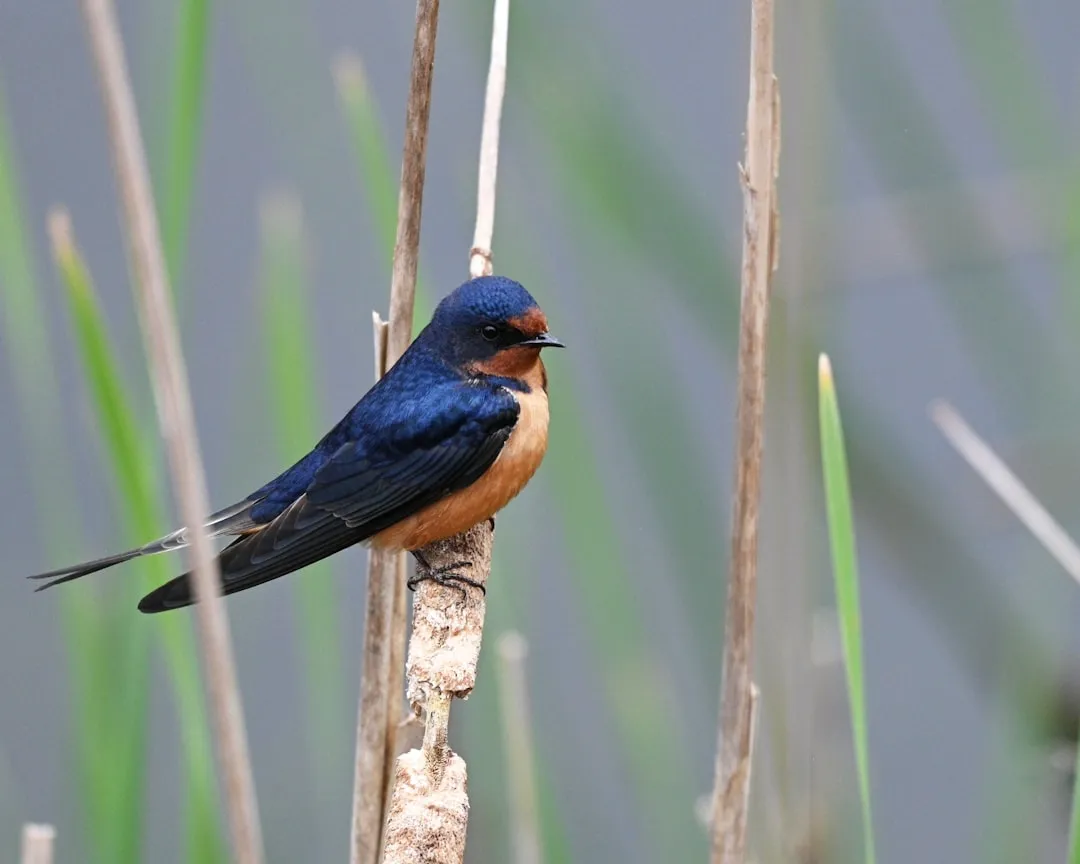
Nothing said summer evening like Barn Swallows skimming inches above the grass, snapping up insects mid-flight with that effortless, swooping grace. In parts of the Northeast, populations have fallen to roughly half of what they were in the mid-1980s – a stunning drop for a bird that once seemed inexhaustible.
Two things are working against them at once: old barns and outbuildings, their preferred nesting sites, keep disappearing, and the flying insects they hunt have declined right alongside them thanks to widespread pesticide use. The swirling, sky-filling flocks of forty years ago have thinned into something noticeably smaller.
#9 – House Sparrow: When Even the Invader Starts Disappearing
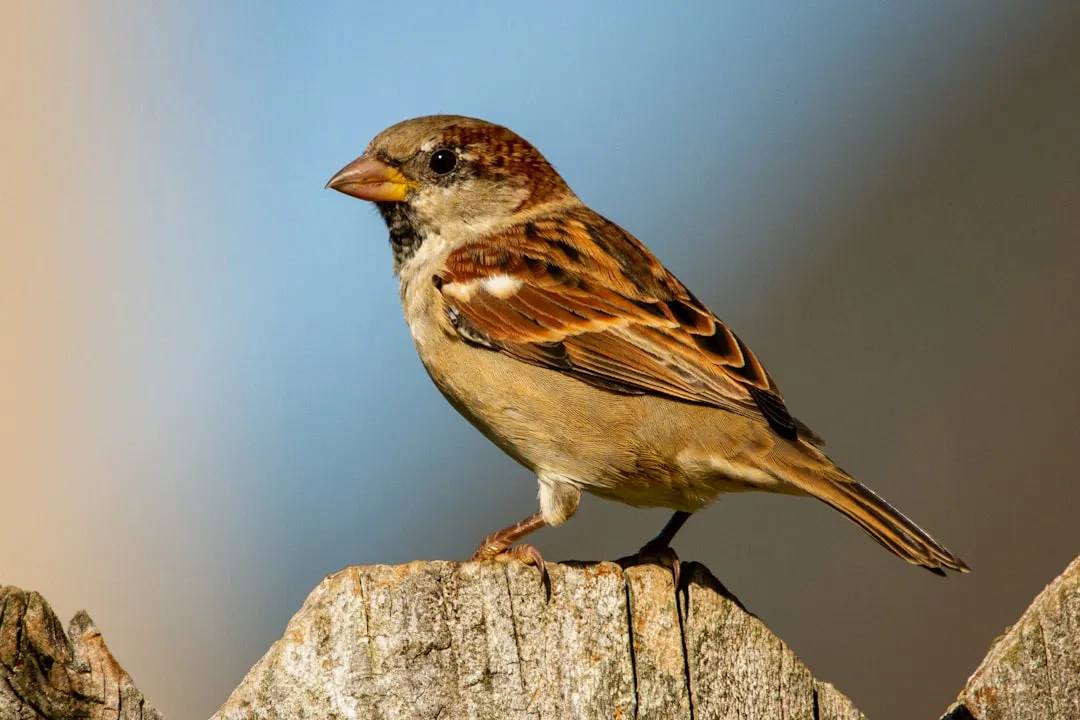
House Sparrows weren’t just common in the ’80s – they were the bullies of the backyard, muscling out native birds at nearly every feeder in every city and suburb. So it’s almost ironic that even this famously tough, invasive species is now measurably declining across many regions.
Cleaner urban environments and the disappearance of livestock operations mean less spilled grain and less waste grain lying around for them to raid. Competition dynamics have shifted too, in ways researchers are still untangling. Longtime city dwellers notice emptier parking lots and quieter awnings where chirping flocks used to be a nuisance.
#8 – Song Sparrow: The Default Backyard Bird That’s Losing Ground
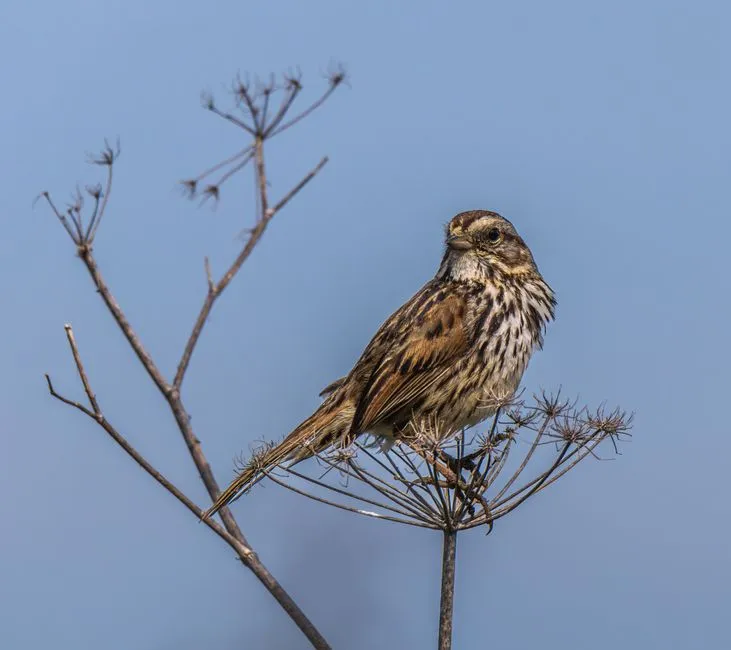
Every yard had one – the streaky little brown bird belting out its own slightly different version of the same basic tune from a shrub or fence line. Song Sparrows were so common they barely registered as noteworthy. But sparrow family losses overall now run into the hundreds of millions, and Song Sparrows are very much part of that decline.
Habitat simplification, nest predation from cats and raccoons, and shrinking insect availability have combined to quietly empty out territories that used to be full. The songs still ring out in plenty of places. There are just fewer birds left to sing them.
#7 – Chipping Sparrow: The Lawn Regular That Stopped Nesting Nearby
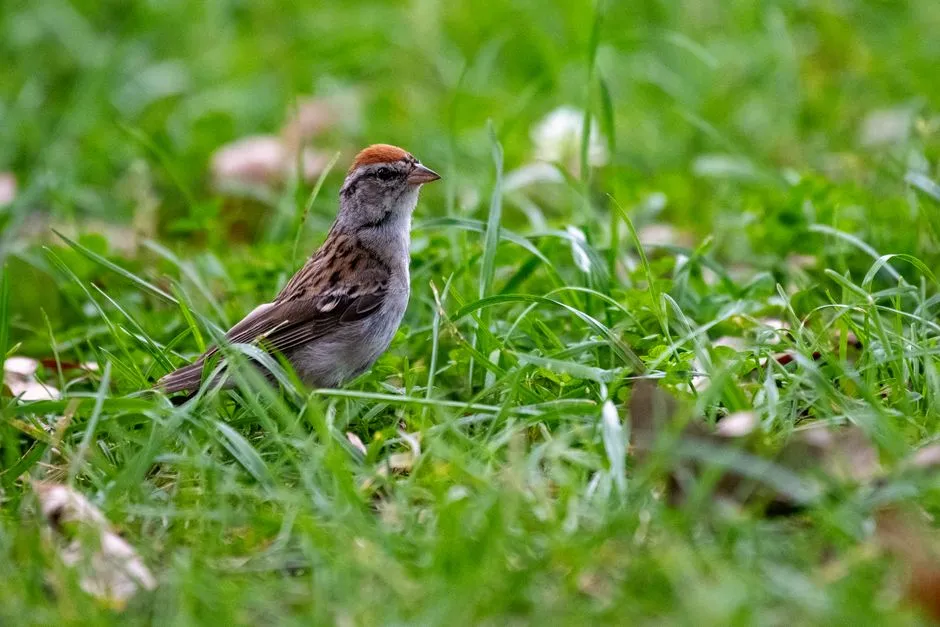
Chipping Sparrows were the small, rusty-capped sparrows nesting in ornamental conifers and foraging politely across suburban lawns. They belong to the same hard-hit sparrow family showing massive cumulative losses continent-wide, and their decline traces back to something painfully familiar: the lawn itself.
Chemical treatments on suburban grass and the steady disappearance of shrubby edges have made it much harder for chicks to survive their first weeks. Yards that once hosted two or three breeding pairs now see the species only as passing migrants, here for a few days and gone.
Quick Compare
- White-throated Sparrow: down about 93 million birds since 1970, driven out by vanishing brushy edges
- Song Sparrow: part of hundreds of millions in combined sparrow-family losses, hit hard by nest predation
- Chipping Sparrow: pushed out of suburban lawns by chemical treatments and lost shrub cover
#6 – Purple Finch: The Raspberry-Colored Visitor Getting Crowded Out
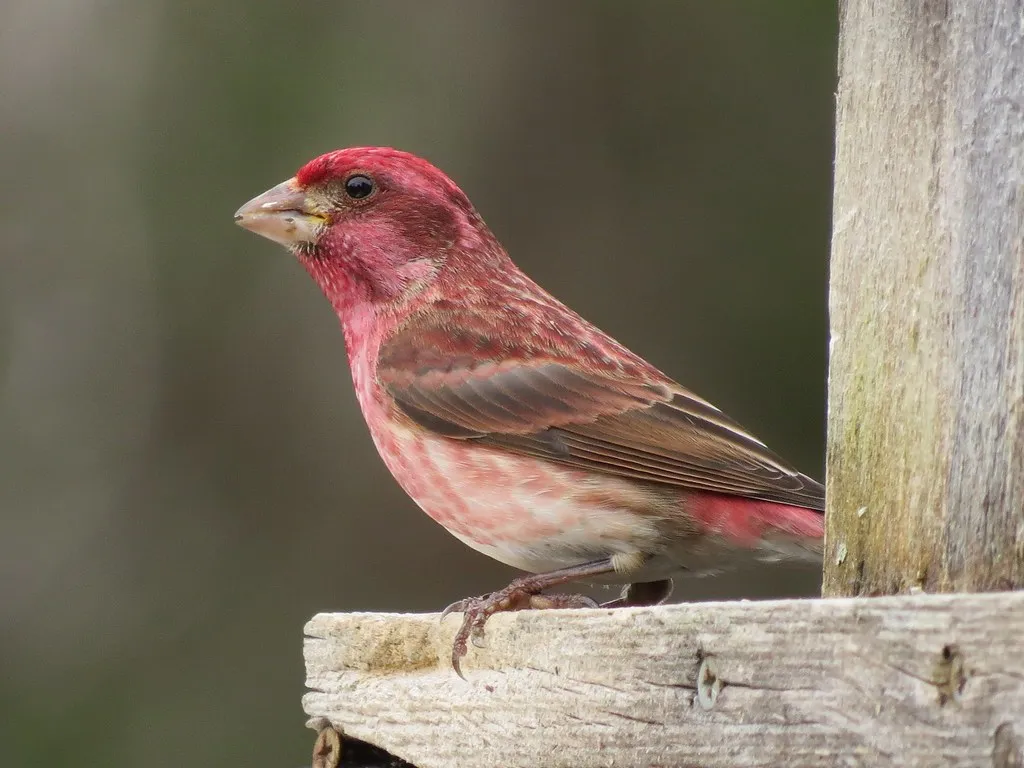
Purple Finches used to bring a genuine splash of color to northern feeders each winter, the males looking like they’d been dipped in raspberry juice. Finch family declines have been steep across the board, and Purple Finches are squarely part of that documented drop.
Competition from the more aggressive House Finch, along with disease and changing conifer habitat, has squeezed them out of areas they used to dominate. In former core territories, a Purple Finch sighting has gone from routine to genuinely sporadic.
#5 – Pine Siskin: The Nomad Whose Big Years Keep Getting Smaller
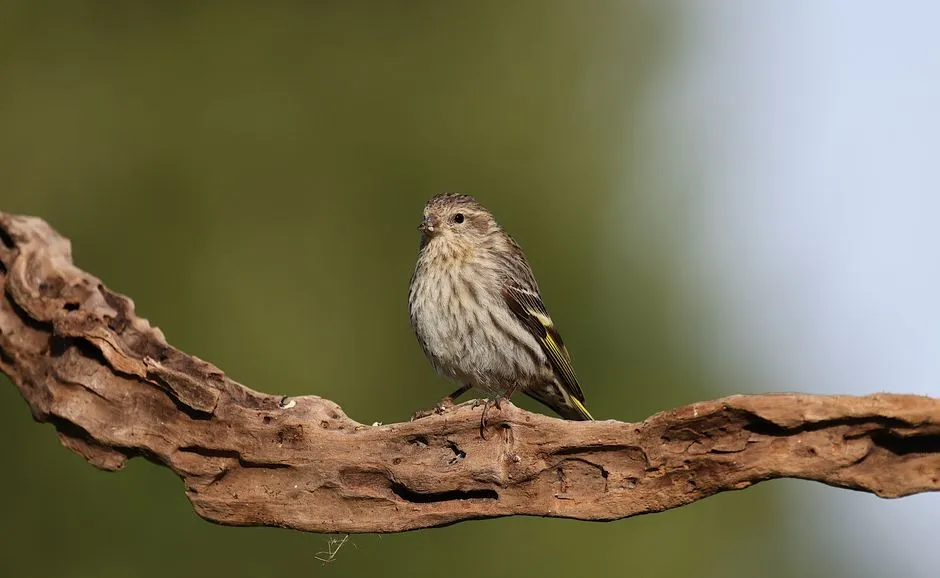
Pine Siskins were the wildcard of the ’80s feeder scene – unpredictable, but when they showed up, they showed up in force, mobbing thistle feeders by the dozen. These nomadic finches still irrupt some winters, but the overall trend line points sharply downward, tied to conifer seed cycles and long-term habitat loss.
Even the good years feel different now. What used to be reliably huge irruptions have become smaller and more irregular, leaving longtime feeder-watchers unsure whether this winter will bring siskins at all.
#4 – American Goldfinch: The Summer Staple Losing Its Grip
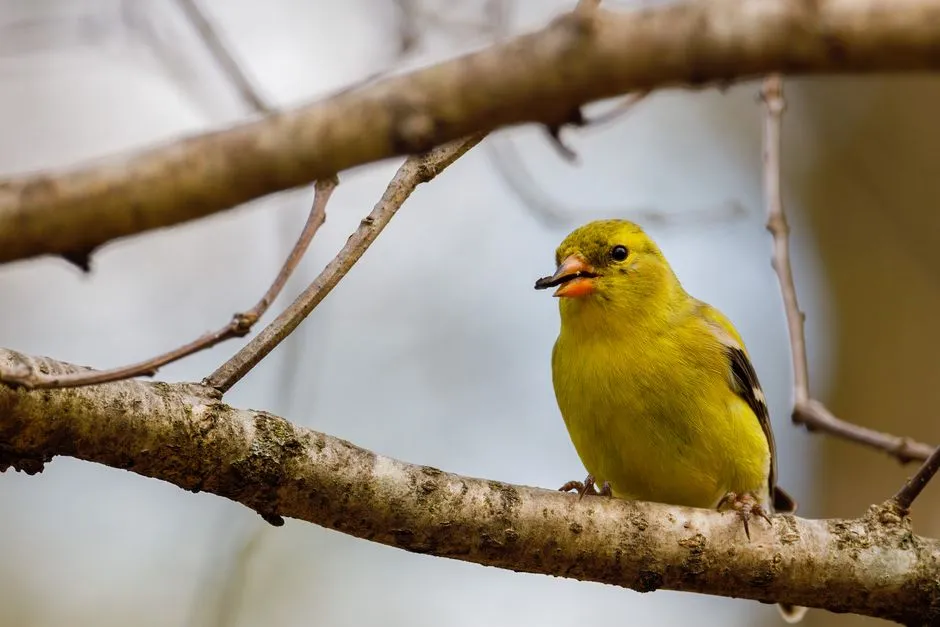
American Goldfinches were the easy win of backyard birding – bright yellow, undulating in flight, calling “per-chick-a-ree” as they bounced from thistle feeder to sunflower patch. They’re still widespread, which is exactly why their softening numbers feel like a warning sign for everything else on this list.
Goldfinches nest unusually late in the season, timed to coincide with thistle and milkweed seed production, which makes them especially sensitive to shifts in landscape and climate. As grassland and field habitat keeps disappearing, a bird once considered bulletproof is starting to show cracks.
Worth Knowing
- Goldfinches nest later than almost any other North American songbird, timed to milkweed and thistle seed
- Still one of the most frequently reported feeder birds, which is exactly why softening numbers stand out
- Considered a bellwether species – when goldfinches slip, other field and grassland birds are usually struggling too
#3 – Common Nighthawk: The Dusk Flyer That Vanished from the Sky
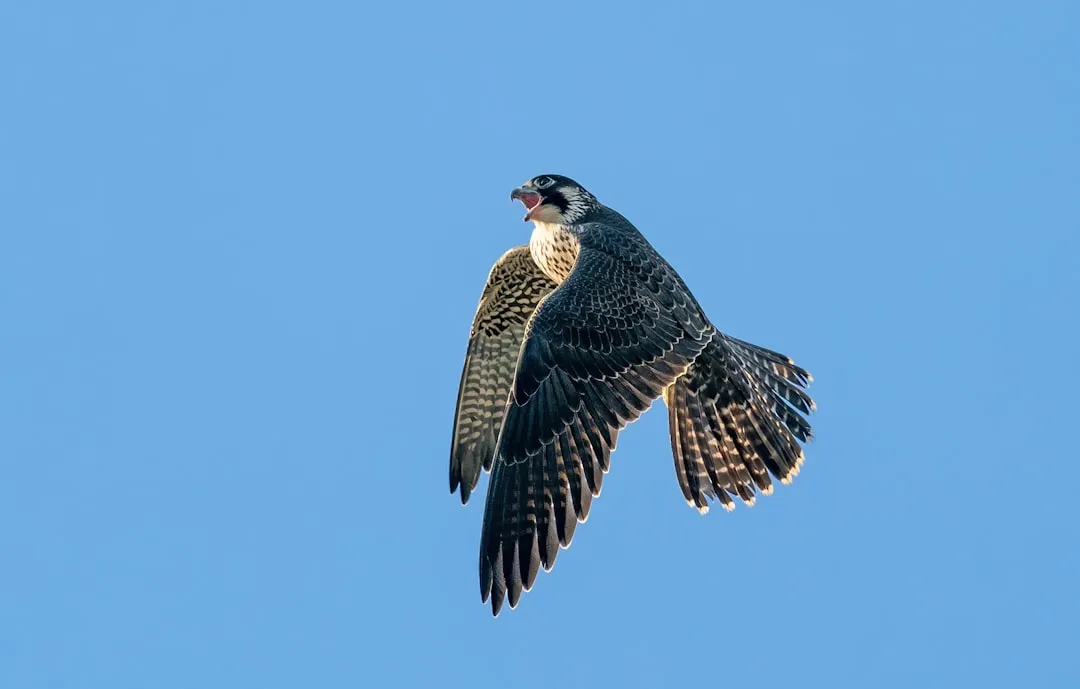
If you remember lying in the backyard at dusk and hearing that buzzy, nasal “peent” overhead, followed by a sudden diving “boom,” you were watching a Common Nighthawk hunt. In the 1980s, they were a fixture over small towns, gravel rooftops, and open fields at twilight. Now, in many parts of their range, that sound has gone completely silent.
Nighthawks are aerial insectivores, meaning their entire existence depends on flying insects – exactly the food source pesticide use has been quietly wiping out for decades. Gravel rooftops, which nighthawks once used as nesting sites in cities and towns, have also largely disappeared, replaced by materials that offer no cover at all. Some regions have seen declines well over half since the 1970s, and the loss is easy to miss because it happens after dark.
#2 – Wood Thrush: The Backyard Flute Song Growing Fainter
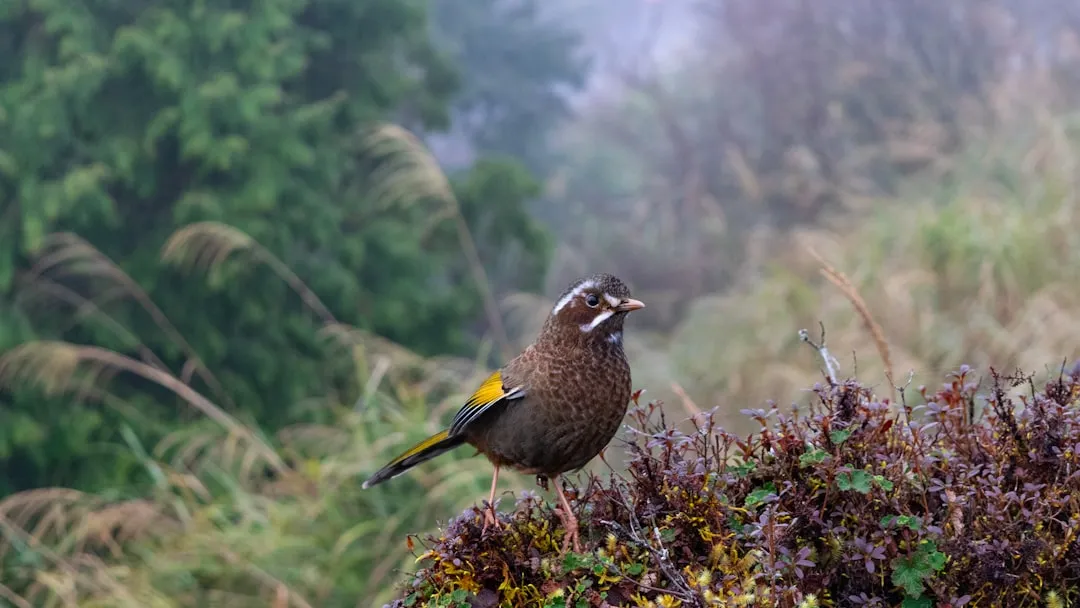
There’s a reason the Wood Thrush’s song gets described as flute-like, ethereal, almost otherworldly – it’s genuinely one of the most beautiful sounds in North American nature, and it used to drift out of wooded backyards and forest edges every summer evening. That sound has become noticeably rarer, with populations falling by more than half since the 1970s.
The problem stretches across two continents: fragmented forests here in North America mean more nest predators and cowbird parasitism, while deforestation on their wintering grounds in Central America shrinks the habitat they need to survive the rest of the year. A bird that once defined a peaceful summer evening now requires increasingly intact, mature forest just to hang on.
#1 – Rusty Blackbird: The Steepest Fall of Any Backyard Bird in America
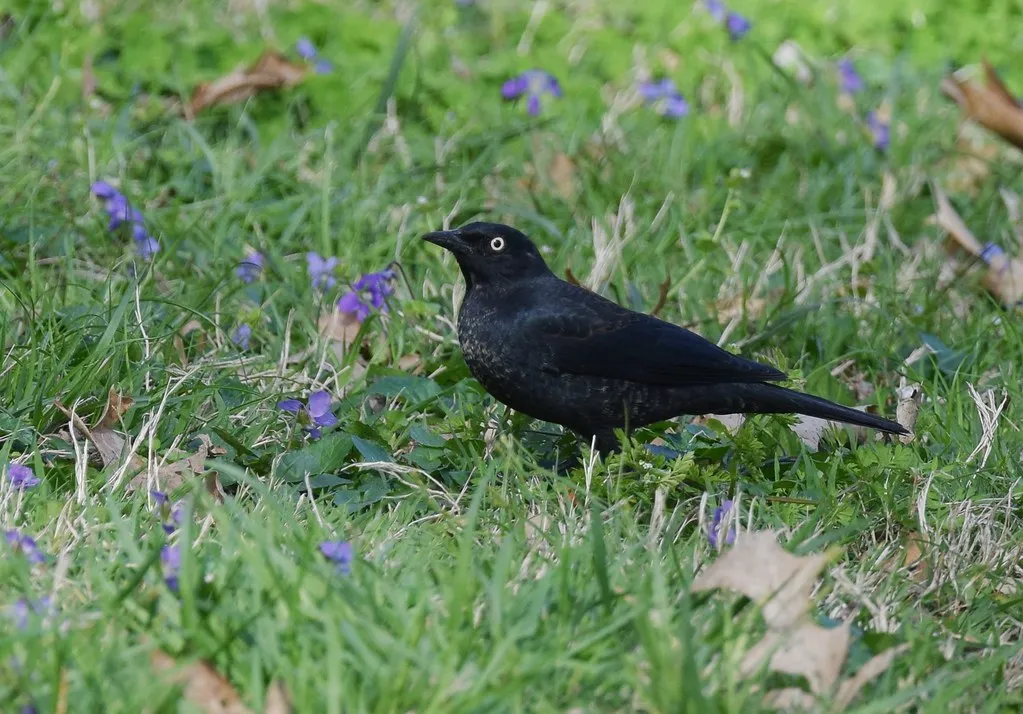
Here’s the one that should genuinely stop you: the Rusty Blackbird has lost somewhere between 85 and 95 percent of its population since the mid-20th century, making it one of the fastest, steepest declines ever recorded for a North American landbird. In the 1980s, migrating flocks moved through wooded swamps and wet backyards across the eastern half of the country in numbers that seemed unshakeable.
Wetland drainage across their breeding and wintering range, combined with changes in forest management and possible mercury contamination in the wet soils they forage in, has driven a collapse that even researchers describe as alarming. This is the same family as the Red-winged Blackbirds still holding on in marshes today – proof that even birds from a familiar, common group can quietly become one of the continent’s rarest success stories in reverse.
Why It Stands Out
- Population loss: 85 to 95 percent since the mid-20th century – the steepest drop of any bird on this list
- Close relative of the still-common Red-winged Blackbird, proof that abundance offers no long-term protection
- Likely drivers: wetland drainage, changing forest management, and mercury contamination in wet foraging soils
The Bottom Line
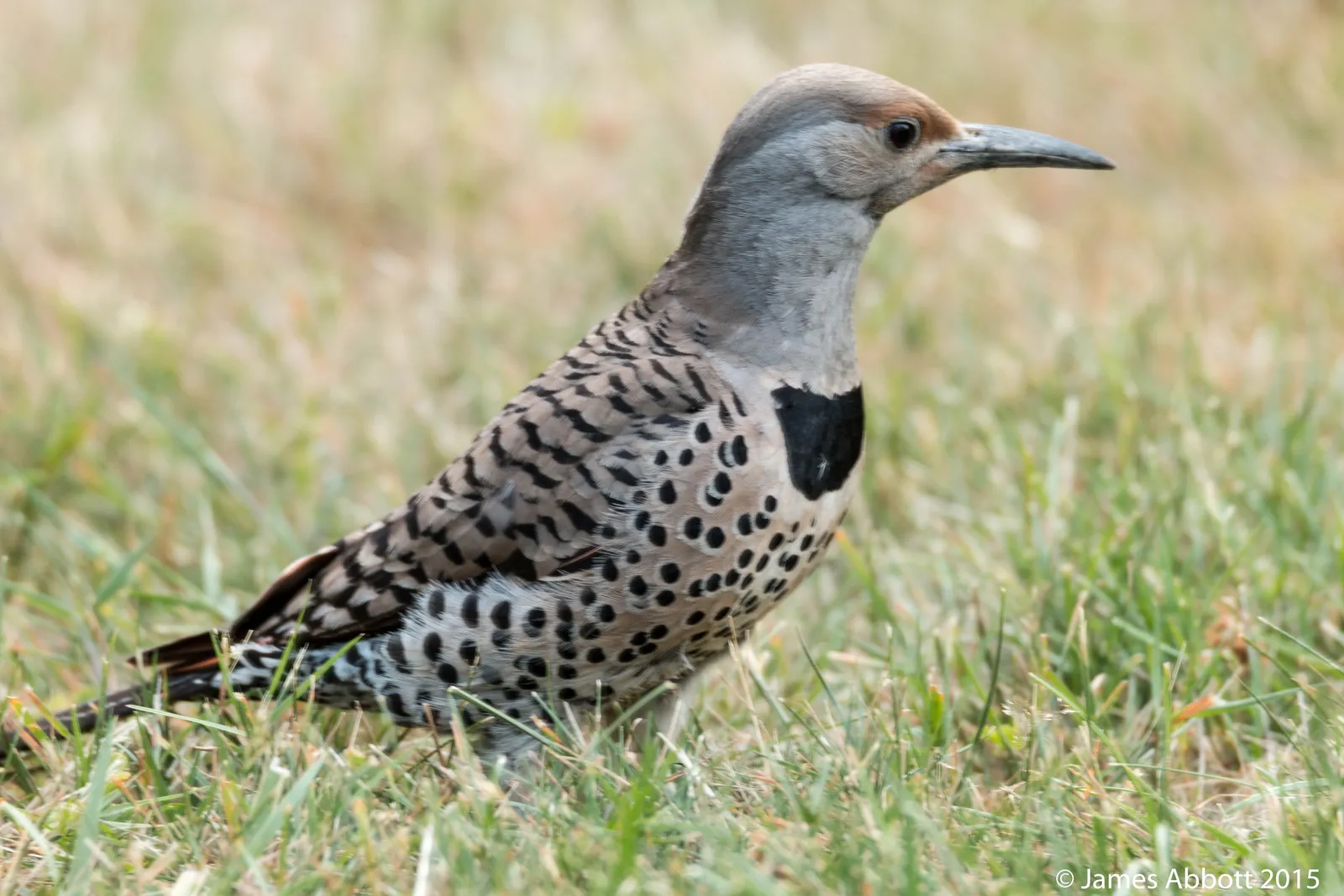
Nearly three billion birds have disappeared in half a century, and the ones that filled 1980s backyards – juncos, sparrows, blackbirds, swallows, thrushes, and meadowlarks – have absorbed the worst of it. Habitat loss, pesticides, outdoor cats, and shifting climate patterns all share the blame, and none of it happened because of one single villain. It happened because thousands of small decisions about land use added up.
What bothers me most isn’t the rare or exotic species disappearing – it’s that the birds vanishing fastest are the ones nobody thought to protect, because they were too common to seem fragile. Abundance was never a guarantee. If the last fifty years proved anything, it’s that “everywhere” can quietly become “nowhere” while nobody’s watching the feeder closely enough. Did one of these disappear from your yard? Tell us which one in the comments.

- 7 Surprising Benefits of Spending Time Outdoors With Your Dog Every Day - July 10, 2026
- 7 Costly Mistakes When Starting a Hobby Farm - July 10, 2026
- 9 Animals Making a Comeback Across Missouri - July 10, 2026