
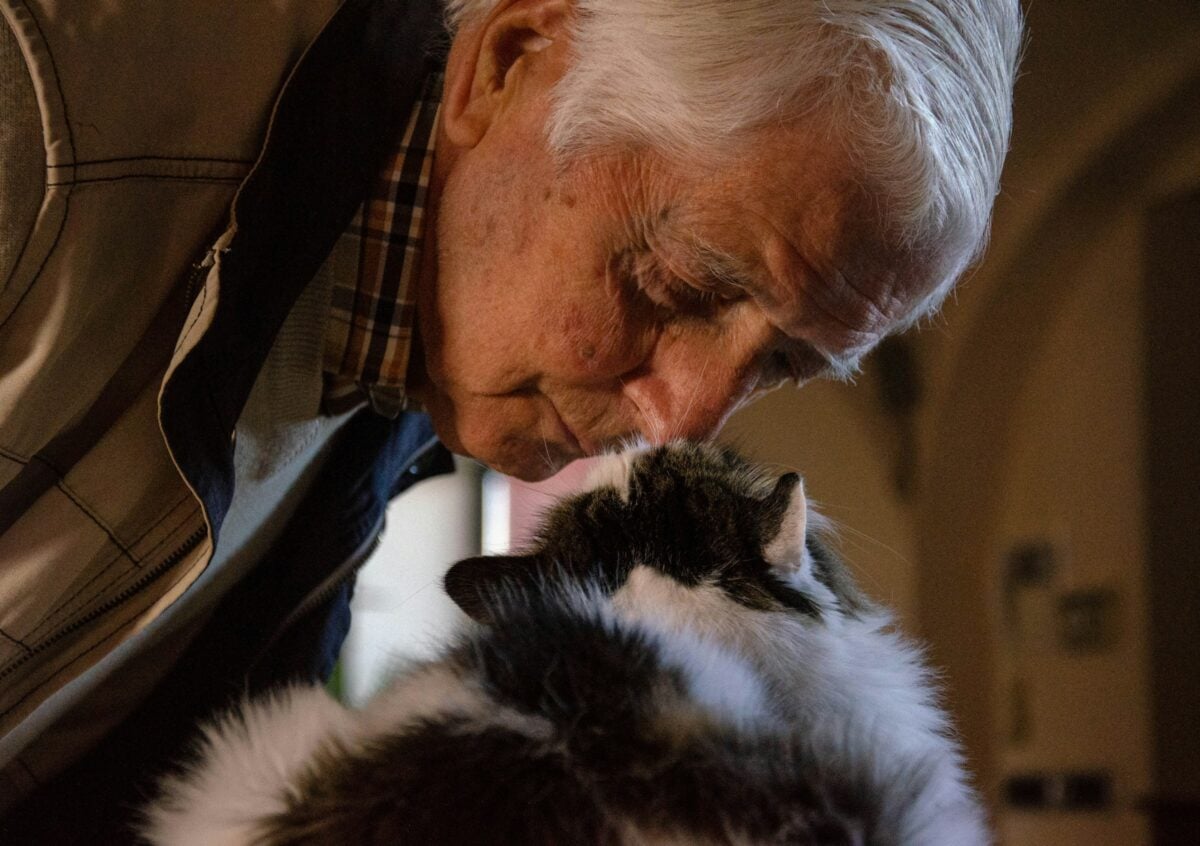
Everyone assumes an old cat is a simple cat – slower, sleepier, finally easy to read. Then yours starts howling at a blank wall at 3 a.m., refuses the water bowl she’s used for a decade, or suddenly treats your partner like a stranger who broke into the house. You go looking for answers. What you find instead is a strange kind of silence: vets nod knowingly, behaviourists shrug, and the actual research… mostly isn’t there.
That’s not because your cat is broken or you’re imagining things. It’s because these late-life quirks are too weird, too individual, and too hard to measure in a lab to ever make it into a tidy study. Fifteen of the strangest ones are sitting quietly in vet notes, owner forums, and 3 a.m. group chats – never fully explained, never seriously investigated. Here’s what nobody’s cracked yet, starting with the one almost every senior-cat owner already knows by heart.
#1 – The 3 a.m. Existential Yowling Session
🔥 Would you like to save this?
We'll email this post to you, so you can come back to it later!
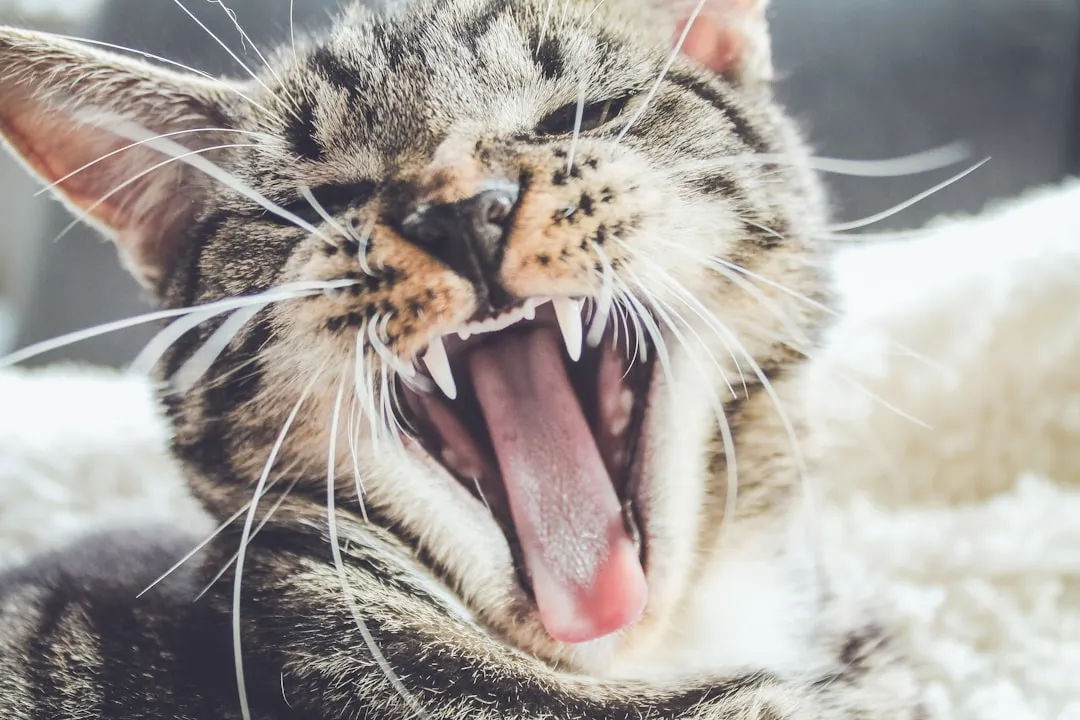
Your cat isn’t “just being annoying” when she screams into the void at 3 a.m. Something is happening in that little brain that science still can’t fully pin down. Cognitive decline, anxiety, hearing loss, and plain boredom can all play a role, but no study has nailed why some seniors become nightly opera singers while others stay dead silent their whole lives.
The sounds themselves are bizarre – long, echoing howls that make you bolt upright, convinced something is horribly wrong, until she wanders over and instantly shuts up. Most data comes from owner reports, and those reports are all over the map: some cats yowl only in one room, some only after the litter box, some at a single wall. That pattern screams “something specific,” but nobody has the funding, or the patience, to wire up 5,000 living rooms and find out.
Fast Facts
- Cats are officially considered seniors once they turn 10 years old, according to the American Association of Feline Practitioners
- Roughly 28% of cats aged 11 to 14 show at least one behavior change linked to cognitive dysfunction, a number that climbs to 50% in cats 15 and older
- Vocalization changes, disrupted sleep-wake cycles, and disorientation are among the most commonly reported symptoms
#2 – The Sudden Obsession With Staring at Absolutely Nothing
🔥 Would you like to save this?
We'll email this post to you, so you can come back to it later!
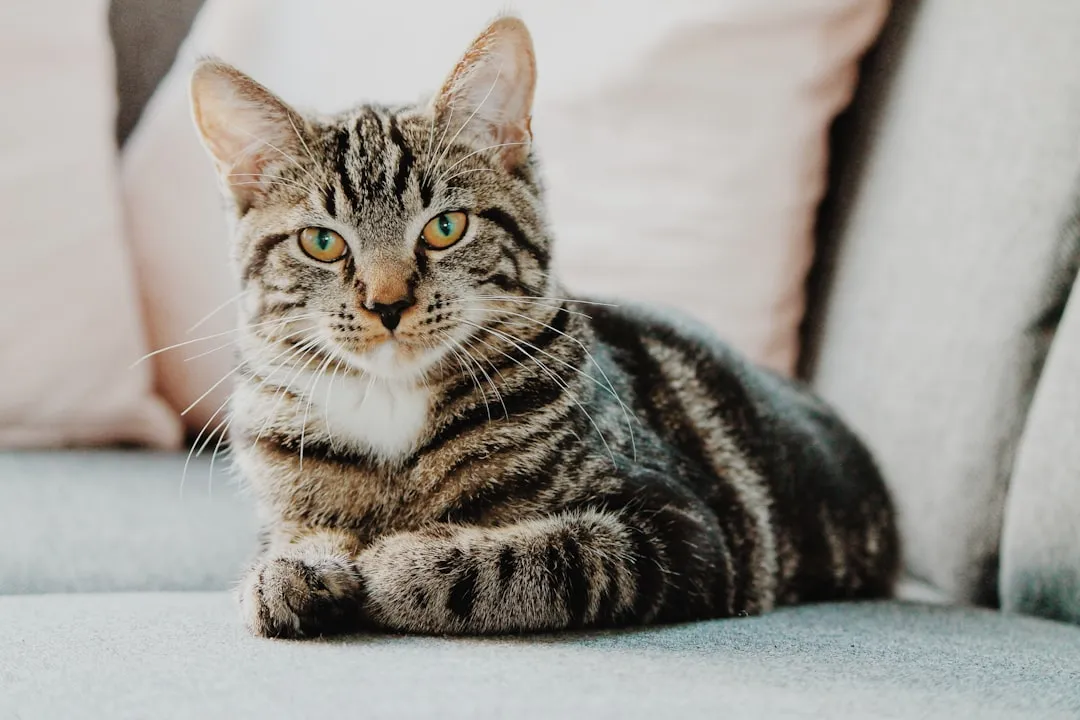
If you live with an older cat, you’ve seen it: she freezes, locks her eyes onto a blank corner, and stares so hard you start wondering if the house is haunted. Neurologists float ideas about tiny vision changes, micro-seizures, or slow visual processing. Behaviourists call it “displacement” – something a confused or conflicted cat does when she doesn’t know what else to do with her body.
But dig into the literature and this strange, fixed staring gets almost no direct research attention, mostly because nobody can figure out how to quantify “spooky staring.” In a lab, a frozen gaze could mean fear, focus, pain, or nothing at all. In the real world, owners swear their senior cats are seeing something invisible – a shadow moving slower than it should, a sound just outside our range. Research teams quietly file it under “non-specific behaviour” and move on to easier things, like counting how many hours she sleeps.
#3 – The Late-Life Litter Box Drama They Never Used to Have
🔥 Would you like to save this?
We'll email this post to you, so you can come back to it later!
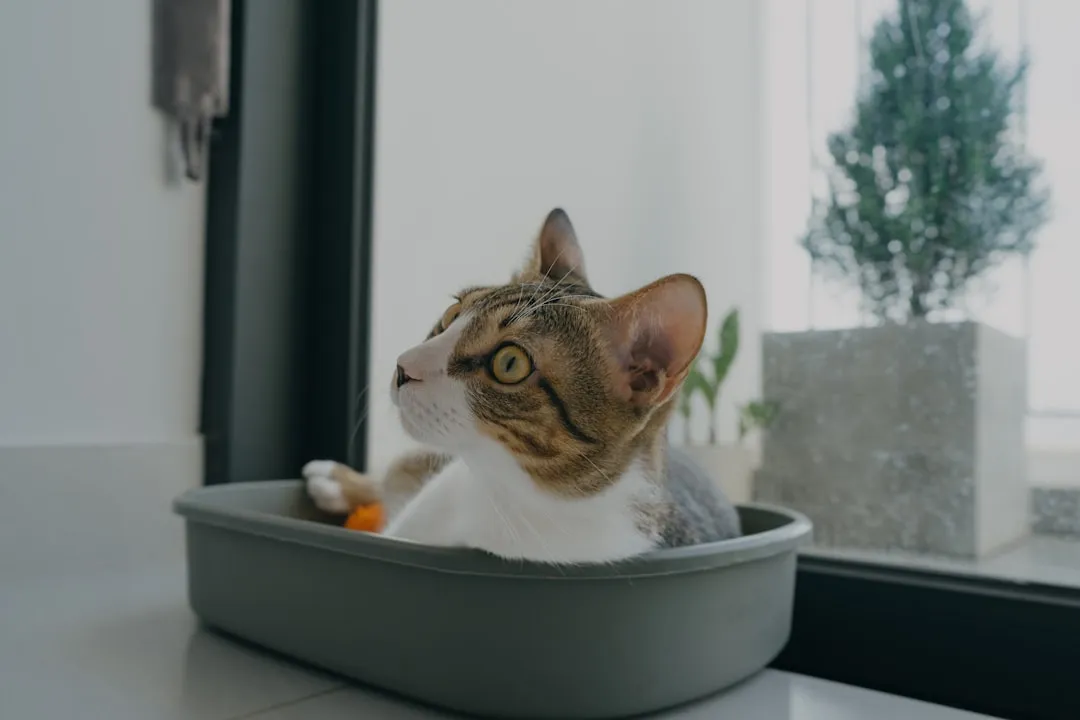
Nearly every senior-cat guardian deals with this one, and yet scientists mostly sidestep the emotional part: the cat who was perfectly tidy for twelve years suddenly starts peeing exactly three inches outside the box. We know a lot about the physical side – arthritis, kidney disease, constipation, urinary trouble. What research quietly stalls on is the weirdly specific, “almost there but not quite” choice of spot.
In real homes, older cats build complicated relationships with their boxes. Maybe the high sides hurt when they jump. Maybe the litter feels wrong under aging paws. Maybe one painful pee marked that box as dangerous forever. Studies prefer clean variables – uses the box or doesn’t – but your cat lives in the messy middle, and no model exists for how memory, pain, and cat-level grudges collide in that exact four-foot patch of flooring.
#4 – The “I Only Eat If You Watch Me” Food Ritual
🔥 Would you like to save this?
We'll email this post to you, so you can come back to it later!
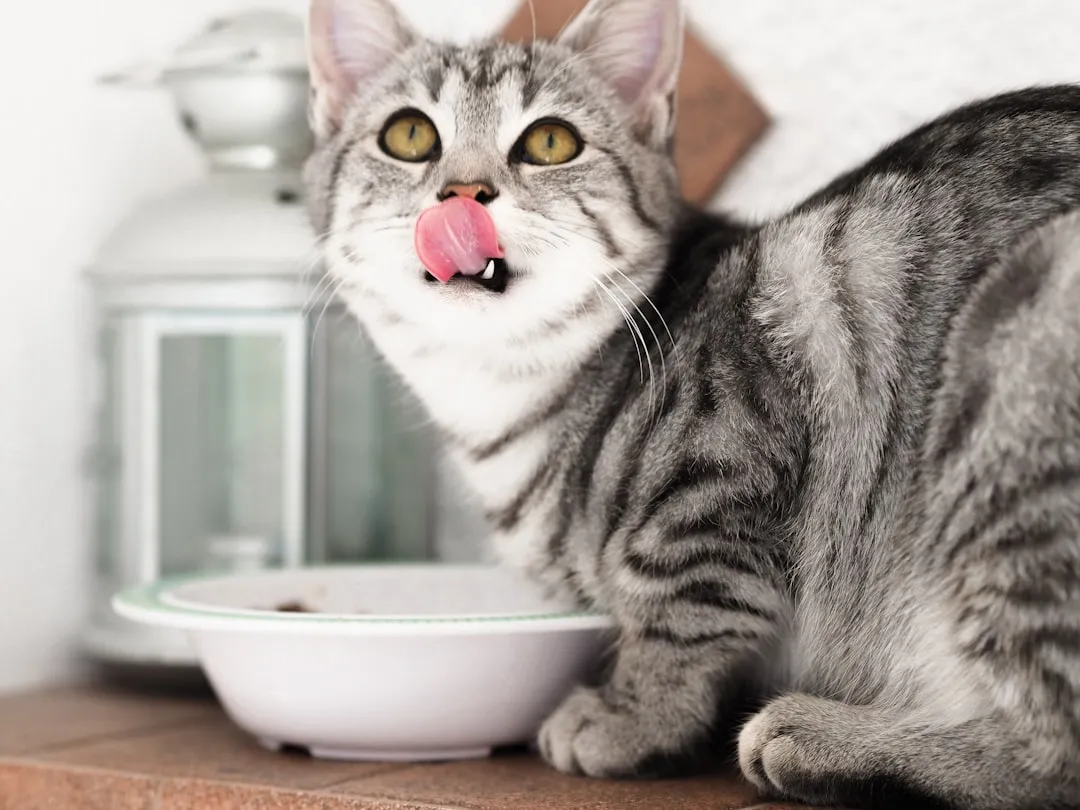
You’d think feeding a cat was the most measurable thing in the world. Yet one of the strangest senior behaviours is barely studied at all: the cat who will happily eat a full meal only if you stand there supervising like a tiny, furry celebrity with a private chef. The moment you leave, appetite vanishes – no disease, no pain, just an insistence on an audience.
Older cats can feel more physically vulnerable. Senses dull, reflexes slow, and their place in a multi-pet home can shift overnight. Eating is a risky moment in the wild, which may explain why so many seniors suddenly demand a security check: stand here while I chew, human, prove the hallway monster isn’t coming. But you can’t ethically standardize “emotional dependence while eating” in a lab, so it gets reduced to “owner-reported preference” – which is science-speak for we see it, we believe you, and we have no clean data on why it happens.
#5 – The Random, Rule-Breaking Affection Surges
🔥 Would you like to save this?
We'll email this post to you, so you can come back to it later!
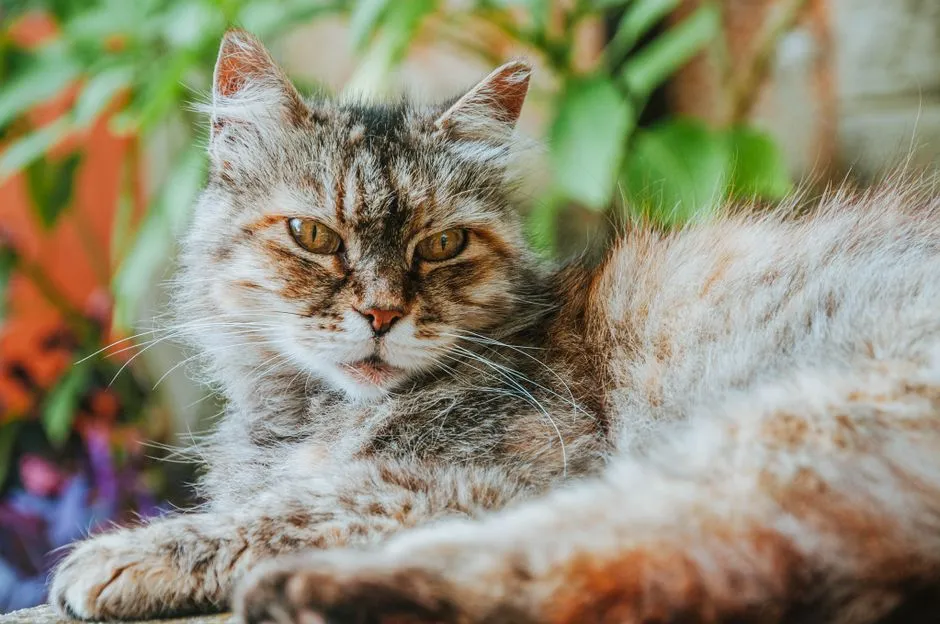
Most people imagine senior cats getting gradually cuddlier and calmer. What actually happens is often more chaotic: a cat who was proudly aloof for a decade suddenly turns clingy, then snaps back to “don’t touch me” without warning. Behaviour textbooks mention cognitive dysfunction, pain, or anxiety, but they don’t explain why a cat that hated laps for fifteen years abruptly decides your chest is home base.
Part of the problem is that research treats “personality” as fixed. In reality, older cats go through the same slow-motion identity shift humans do – favourite spots get too cold, too high, too bright, and suddenly your body heat and your voice become the new safe object. That jittery push-and-pull between clinginess and withdrawal doesn’t fit neatly on a behaviour chart, so most studies simply don’t go there.
#6 – The Bizarre New “Friendships” With Inanimate Objects
🔥 Would you like to save this?
We'll email this post to you, so you can come back to it later!
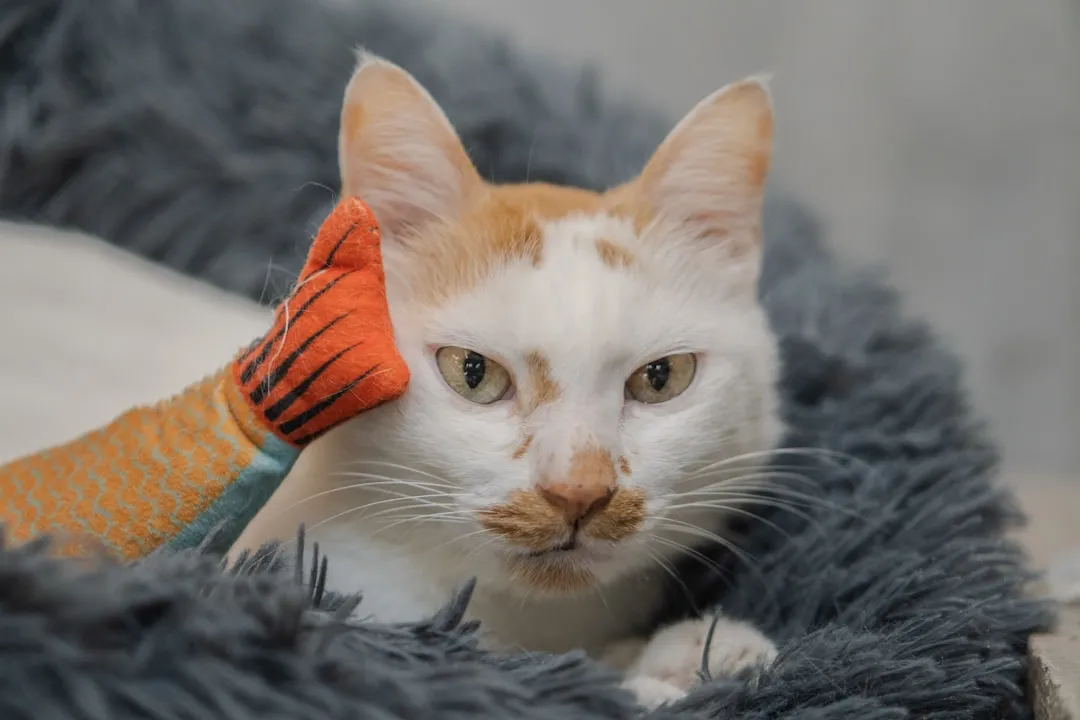
You’ve seen the photos: a senior cat fixates on one sock, one stuffed animal, one shoe, or a specific grocery bag. She sleeps on it, licks it, guards it, and panics if anyone moves it two inches. It looks like attachment, or grief, or some kind of self-soothing ritual – but you won’t find a tidy paper titled “Object Attachment in Geriatric Cats” with a clean answer.
Science focuses on human-cat bonds and cat-cat interactions because those are easier to measure. A cat’s relationship with one specific pink slipper from 2017 is too niche for grant funding. Yet owners repeatedly describe senior cats “adopting” objects right after a family change – a move, a death, a kid leaving for college. Scent comfort? A stand-in for someone missing? Nobody’s really trying to find out, so this data lives entirely in living rooms and never makes it into a spreadsheet.
#7 – The Strange, Hyper-Specific Route Changes Around the House
🔥 Would you like to save this?
We'll email this post to you, so you can come back to it later!
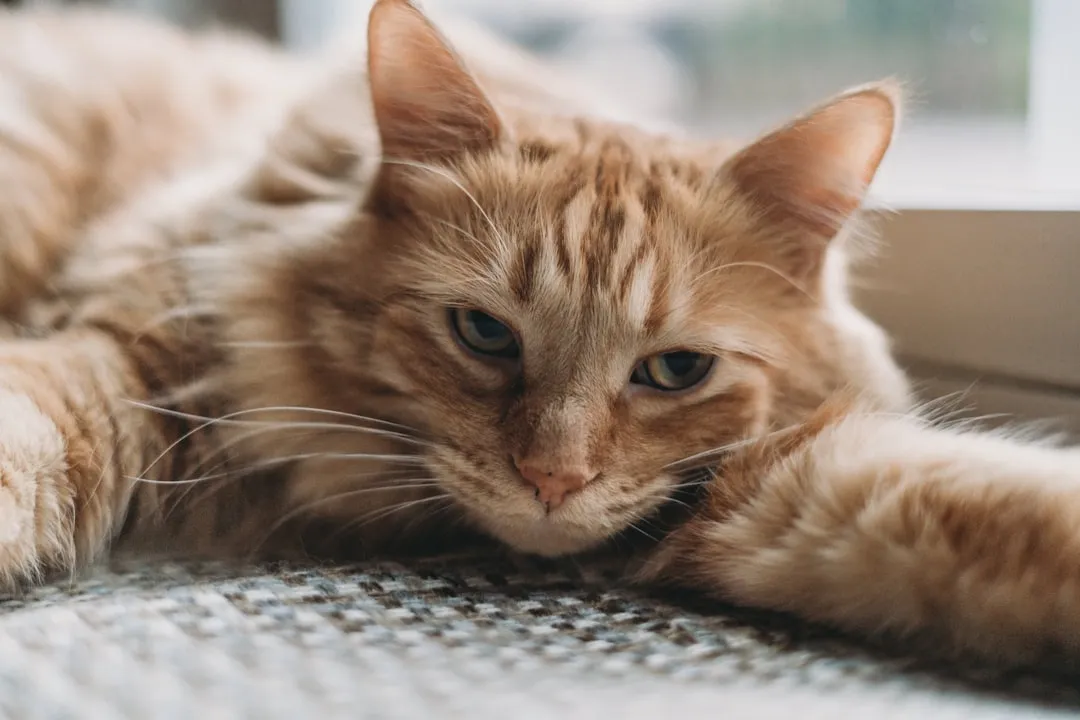
One of the most underrated senior behaviours is so subtle you only notice it if you live with it daily: your cat starts taking oddly specific paths. Always clockwise around the couch. Never through the hallway after 9 p.m. Avoids one particular tile, or insists on jumping chair-to-table-to-windowsill in the exact same order, every single time.
Researchers track “activity levels,” but almost never the actual route logic behind an aging cat’s movements. Vision loss and joint pain are obvious culprits, but what’s genuinely fascinating is how cats quietly redraw their own mental maps. One misjudged jump, and that spot gets marked “danger” forever. A certain shadow starts looking like a void. These micro-adjustments are impossible to track in a sterile lab with a few shelves, which means your cat’s internal GPS is more complex than any maze science has ever built for her.
Worth Knowing
- Senior cats often develop iris changes or a slight cloudiness in their eyes, which can quietly affect how confidently they judge distance and height
- A cat that’s 11 or older is roughly age 60 in human years, right around when joint stiffness starts making familiar jumps feel riskier
- Vets generally recommend eye and mobility checks every six months starting at age 10, since these small shifts are easy to miss day to day
#8 – The “Sudden Hatred” of Long-Loved People or Pets
🔥 Would you like to save this?
We'll email this post to you, so you can come back to it later!
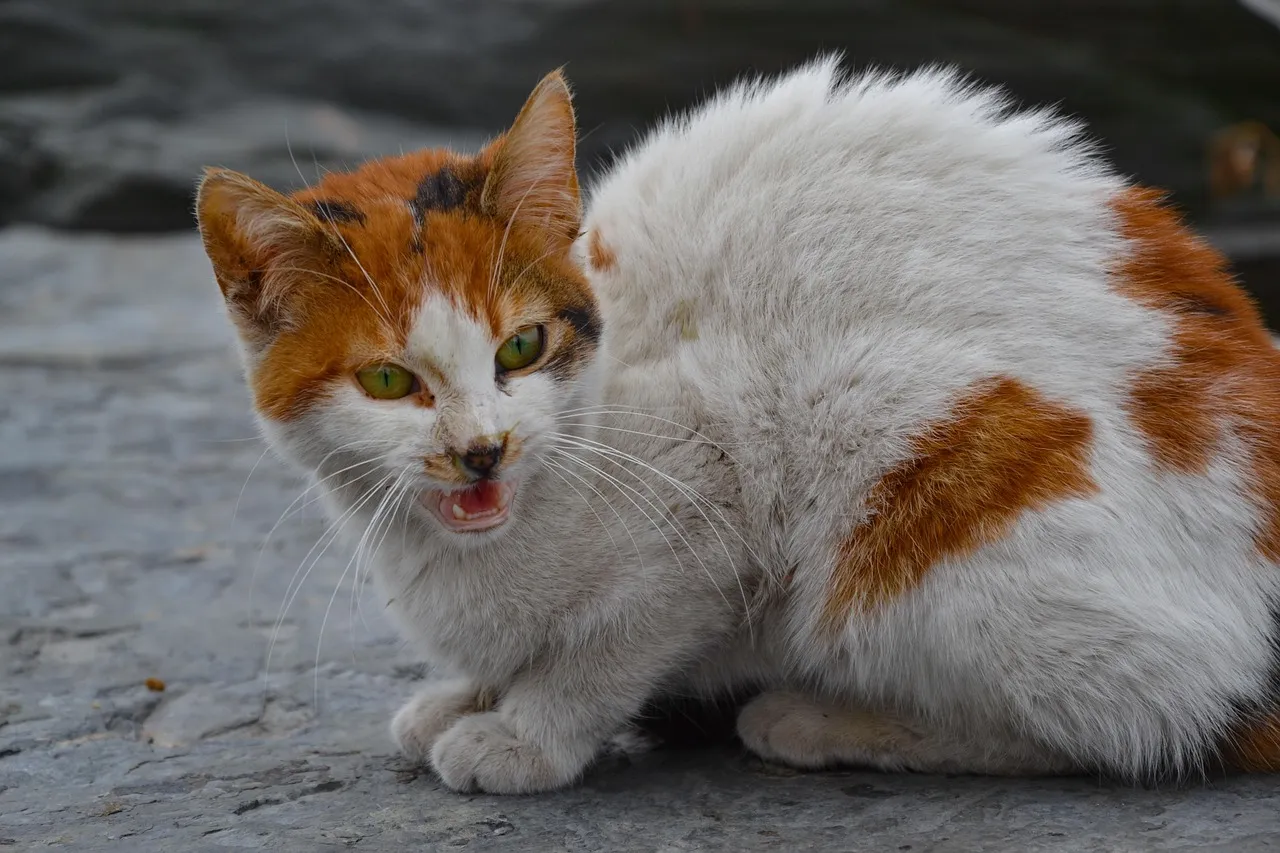
Owners hate talking about this one because it feels personal. The cat who slept with your partner for a decade suddenly hisses when they walk in. The senior who peacefully coexisted with the family dog now swats and growls on sight. Vets will check pain, illness, and sensory changes, but no one can fully explain the abrupt emotional rebranding of “you are safe” into “you are the enemy.”
Part of the truth is uncomfortable: older cats may simply have a lower threshold for nonsense. A dog bump that never bothered her now hurts. A new cologne smells like a stranger. One accidentally stepped-on tail becomes a permanent betrayal in a brain that’s less flexible about forgiveness these days.
A cat has absolute emotional honesty: human beings, for one reason or another, may hide their feelings, but a cat does not.
Ernest Hemingway
There’s almost no formal research on “relationship decay” in geriatric cats, because deliberately provoking it looks cruel. So the real patterns live in anecdotes, vet notes, and late-night confessions online – because it’s easier to blame “age-related irritability” than admit we’re out of our depth.
#9 – The Mysterious “One Room Panic” Episodes
🔥 Would you like to save this?
We'll email this post to you, so you can come back to it later!
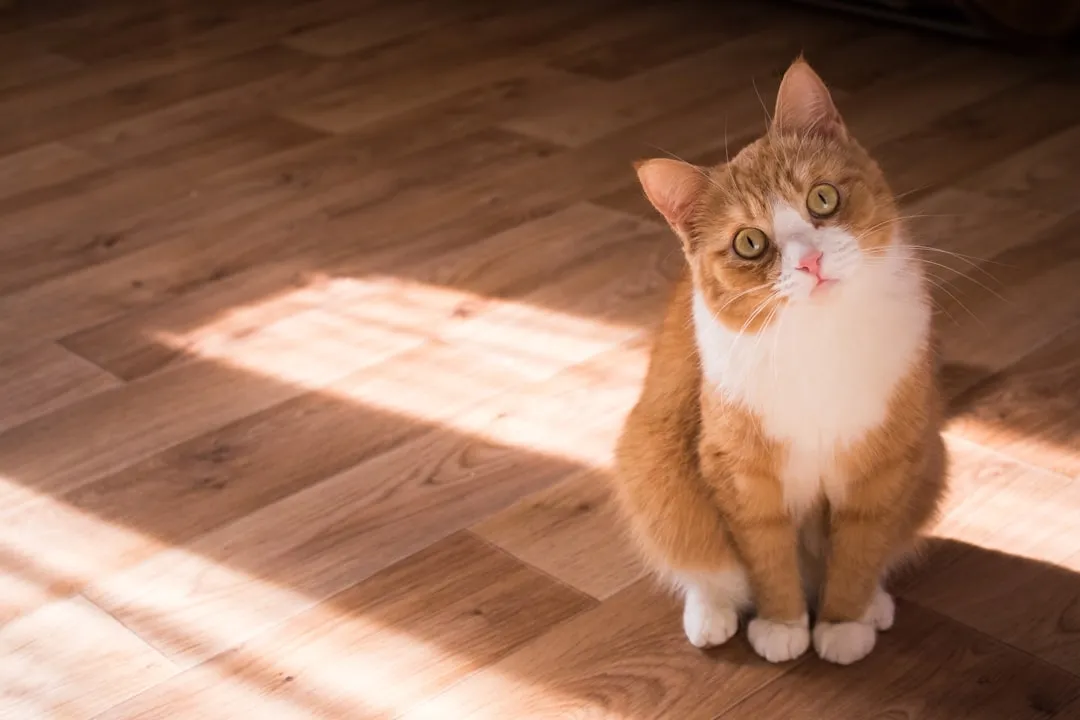
Why would a cat who’s lived in the same house for fourteen years suddenly bolt, wide-eyed, out of the bedroom or basement like the floor exploded? Owners report room-specific freak-outs constantly – an area that’s fine one day, terrifying the next. Behaviour science has plenty on generalized anxiety, but almost nothing on these hyper-local, on-off fear zones.
Maybe a noise we barely registered – a distant truck, a dropped object, a one-time smoke alarm chirp – imprinted that room as unsafe. Maybe a bout of dizziness or pain happened exactly in that spot, and her brain logged it as bad forever. You can’t ethically recreate random episodes of terror in elderly animals for a study, so researchers file it under “phobic responses” while owners rearrange furniture like amateur exorcists.
At a Glance
- Meowing more often, avoiding a once-favorite resting spot, and missing the litter box are all documented signs of aging in cats
- Vets increasingly treat “suddenly avoids that room” as worth mentioning at a checkup, not just a personality quirk
- Because pain and cognitive decline can produce similar avoidance patterns, ruling out physical causes usually comes before labeling it anxiety
#10 – The Weird New Textures They Suddenly Must Lick, Chew, or Sleep On
🔥 Would you like to save this?
We'll email this post to you, so you can come back to it later!
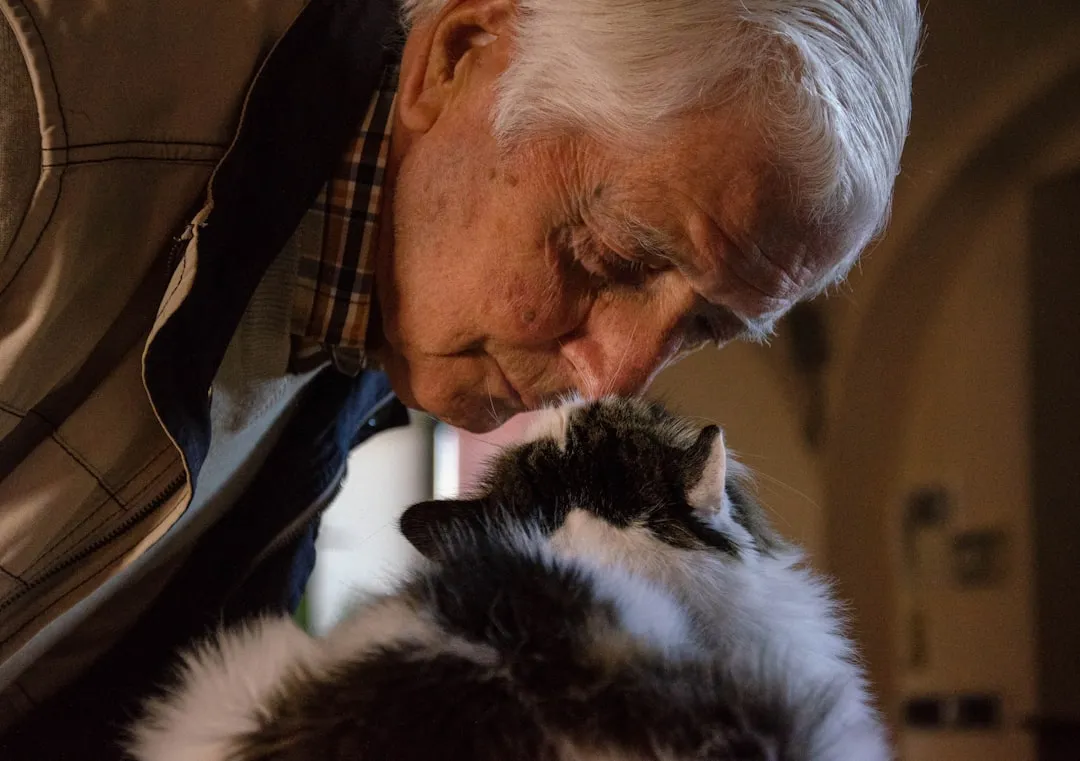
Pica gets studied in younger cats, but the late-life version is different and far less understood. Seniors who never chewed anything suddenly seek out plastic bags, cardboard edges, wool blankets, or very specifically, the one woven rug in the entire house. Some just knead and drool; others nibble or suckle like it’s a comfort object.
Dental pain, nausea, and sensory-seeking are the obvious guesses, but nobody has a robust data set on why a thirteen-year-old cat falls in love with a specific silicone phone case. There’s no grant money in “The Elderly Cat vs. That One IKEA Throw,” yet fabric dyes and treatments might be interacting with an aging sense of smell in ways nobody’s mapped. Your cat’s grocery-bag obsession is probably not random – it’s just not something any research team is racing to solve.
#11 – The Ritualized “Pre-Nap Negotiations” With You
🔥 Would you like to save this?
We'll email this post to you, so you can come back to it later!
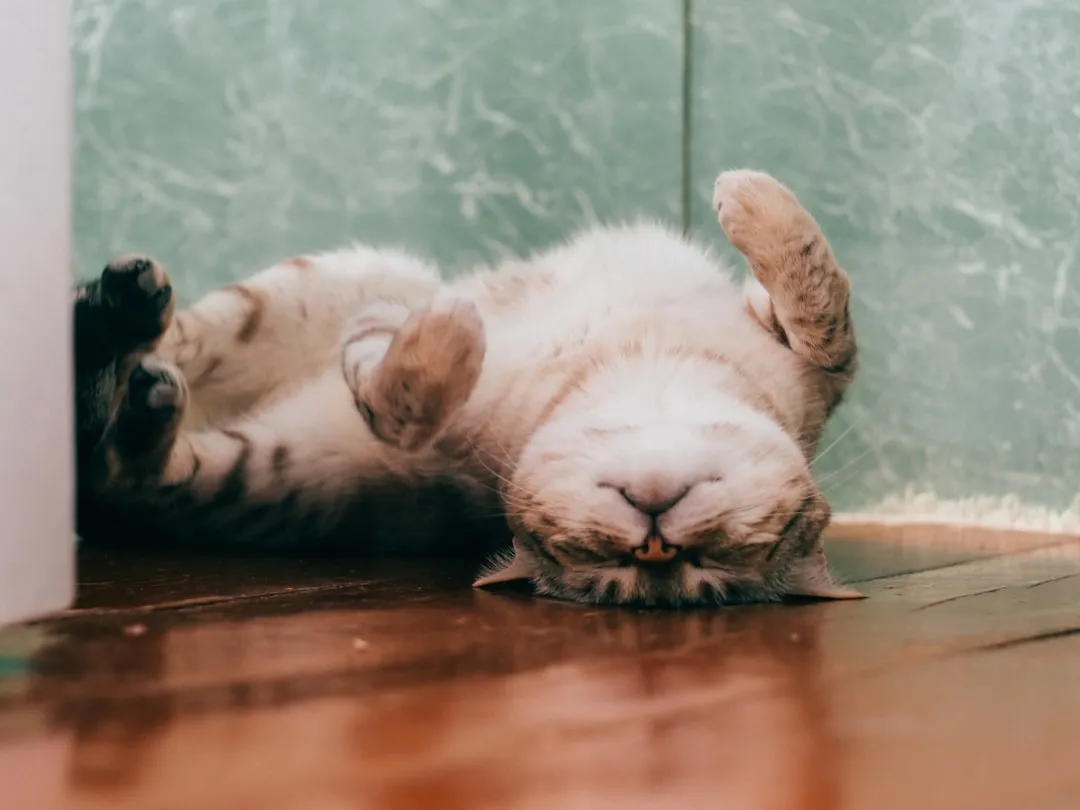
Young cats crash wherever, whenever. Seniors often develop elaborate rituals instead, especially ones involving your body. Maybe she circles you exactly three times, taps your face, leaves, comes back, meows, then finally settles on your shoulder. Change your position and the entire script resets like you’ve broken an ancient contract.
Sleep research on cats tracks REM cycles and total sleep time because those are quantifiable. The emotional choreography of “I must touch your ankle and check the door twice before I can rest” doesn’t fit any spreadsheet, even though these rituals tend to explode in old age, right when vulnerability and dependence spike. No lab protocol allows for “requires her favourite human’s exact leg-pillow configuration,” so this deeply personal soundtrack to your nights stays completely uncharted.
#12 – The Late-Onset “We Have to Talk About the Water Bowl” Drama
🔥 Would you like to save this?
We'll email this post to you, so you can come back to it later!
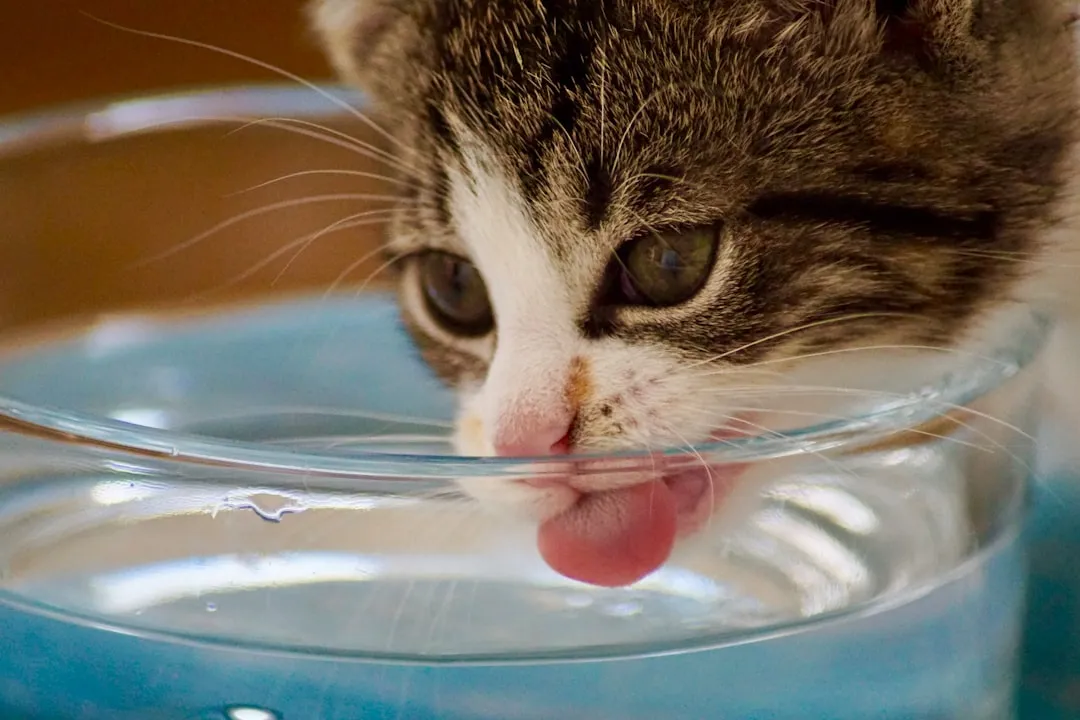
Here’s a classic that drives owners wild: the senior cat who decides the water bowl she’s used for a decade is suddenly unacceptable. She screams for the sink tap, licks the shower floor, demands only moving water from one specific fountain at one specific flow rate, or refuses to drink unless the bowl was just refilled – and watches you fill it, just to be sure.
Hydration gets heavily studied because of kidney disease, but the behavioural circus around how and where they drink is barely touched. Whiskers can hurt against narrow bowls, taste and smell get sharper for certain additives, depth perception makes still water harder to judge. The part that looks “spoiled” from the outside – demanding you serve her like a sommelier – is really a mash-up of sensory shifts and anxiety management that nobody’s designed a controlled trial for, because no grad student is standing by a sink at 3 a.m. on command.
Quick Compare
- Normal quirk: Preferring moving water or one specific bowl because whiskers and depth perception feel different with age
- Worth a vet visit: Drinking noticeably more paired with unexplained weight loss
- Normal quirk: Wanting you to “supervise” every refill as a comfort ritual
- Worth a vet visit: Increased thirst on top of other changes, since senior cats face a higher risk of chronic conditions like kidney disease
#13 – The Impossible-to-Predict Zoomies That Come Out of Nowhere
🔥 Would you like to save this?
We'll email this post to you, so you can come back to it later!
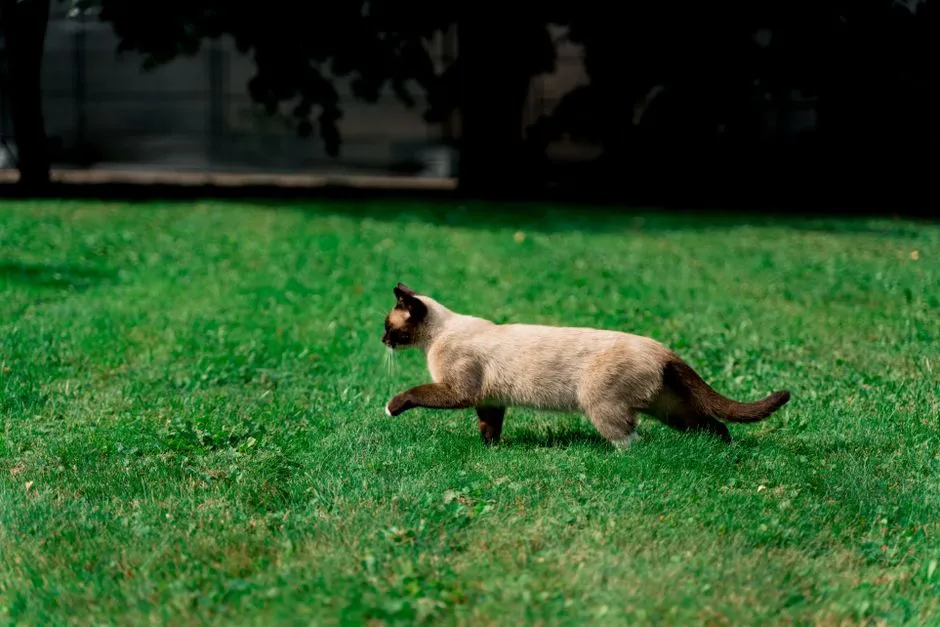
Zoomies are expected from kittens. But when a fifteen-year-old cat suddenly tears through the house at midnight, launches off the couch, then collapses like nothing happened, owners are left baffled. Studies on feline activity with age show a general slowdown – they don’t explain these short, wild bursts that look like she’s briefly possessed by the ghost of her kittenhood.
Older muscles are weaker and joints stiffer, yet the brain sometimes seems to override all of it and slam the “go” button anyway. Stress release, a cognitive glitch, leftover prey-drive – all plausible, none proven, because you can’t tell a fourteen-year-old cat to perform her random sprint on cue in front of cameras. Your cat’s thirty seconds of chaos might be telling us something real about how aging brains manage energy. Nobody’s cracked that code yet.
#14 – The Strange, Selective “Deafness” That Only Applies to You
🔥 Would you like to save this?
We'll email this post to you, so you can come back to it later!
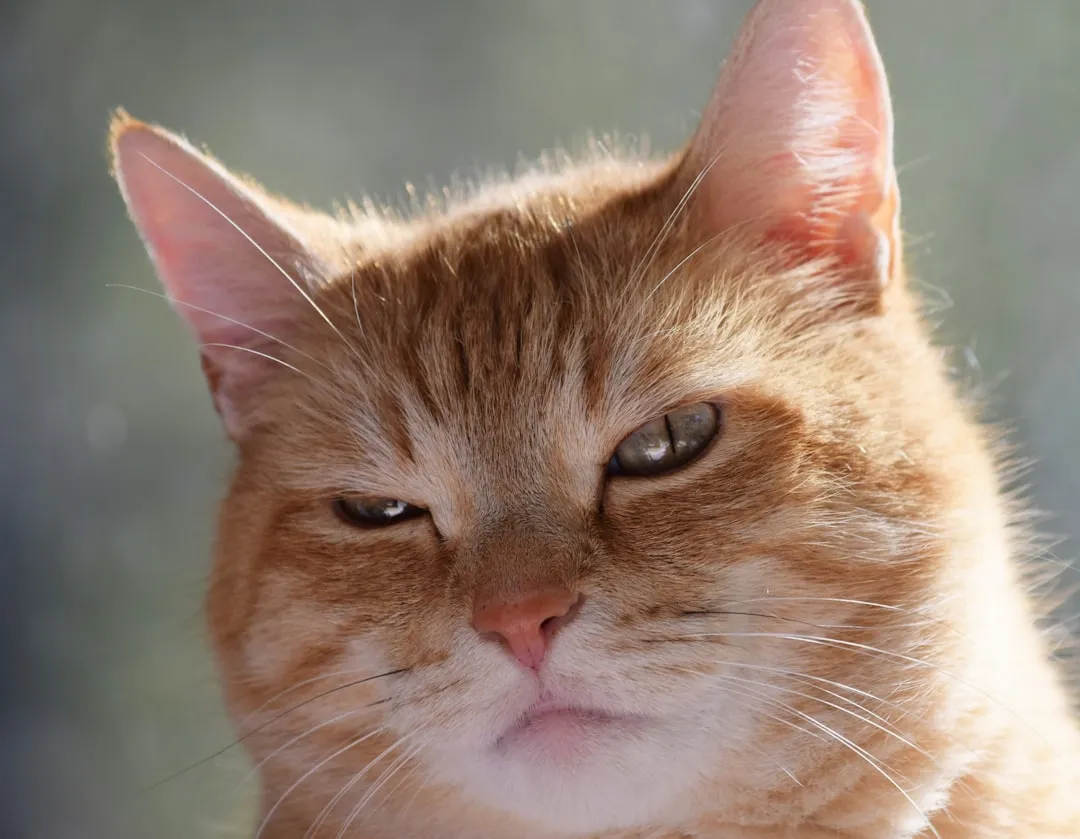
Many senior cats develop real hearing loss. But owners constantly report something weirder: their cat seems deaf to their voice or the food cupboard, yet somehow hears the treat bag crinkle or the fridge door open from two rooms away. Behaviourally it looks like attitude. Medically it looks like inconsistent decline. In reality it’s probably both, and almost nobody has mapped where the two overlap.
Aging brains filter sound constantly, and your voice may just be background noise in a house full of hums and fans. A treat bag, reinforced by years of “hear this, get food,” cuts through like a knife because it’s earned priority status in her brain. Hearing studies focus on thresholds and frequencies, not on real-life selective attention – so when you insist “she hears what she wants,” you’re probably closer to the truth than most research papers are willing to admit.
#15 – The Quiet, Eerie “Goodbye Tour” Behaviour No One Wants to Study
🔥 Would you like to save this?
We'll email this post to you, so you can come back to it later!
Here’s the one researchers really don’t touch, mostly for ethical and emotional reasons: in their final weeks or months, many senior cats seem to do a goodbye tour. They visit old favourite spots they haven’t used in years, seek out long-ignored family members, or start sleeping somewhere symbolically heavy – your pillow, a childhood bedroom, a chair nobody else sits in anymore.
Owners describe a sense that the cat “knows” something is ending, and science, understandably cautious, dodges that language entirely. We have solid data on reduced activity and appetite changes before death, but no rigorous map of these quietly intentional-seeming choices. Most labs simply won’t design a study that watches animals die just to log “emotional” behaviour, so this deeply human-feeling pattern stays in whispered stories between vets, techs, and the people who loved them.
The bottom line: if you’re waiting for science to hand you a neat manual on your senior cat’s strangest behaviours, you’ll be waiting forever. Researchers are good at tracking pain, disease, and big-picture trends – but the 3 a.m. yowls, the slipper romances, the goodbye tours live in the unglamorous gap between “too emotional to measure” and “too common to ignore.” That gap is where you, not the lab, are the actual expert.
Here’s the uncomfortable truth I’ll stand behind: a lot of this has been quietly given up on, not because it isn’t real, but because it’s too individual, too tangled up in one aging animal in one specific home to ever fit a study design. Your job was never to wait for a paper. It’s to notice, adapt, and take your cat’s weirdness seriously, even when nobody in a lab coat will. So – which behaviour from your own senior cat do you think science has gotten completely wrong, or never even noticed at all?

- 10 Common Garden Pests That Are Actually Beneficial To Your Backyard Ecosystem - November 5, 2026
- 10 Unusual Reasons Older Adults Bond More Deeply With Certain Dog Breeds - November 5, 2026
- The Cheetah: The Speed King of the Animal Kingdom - November 5, 2026