
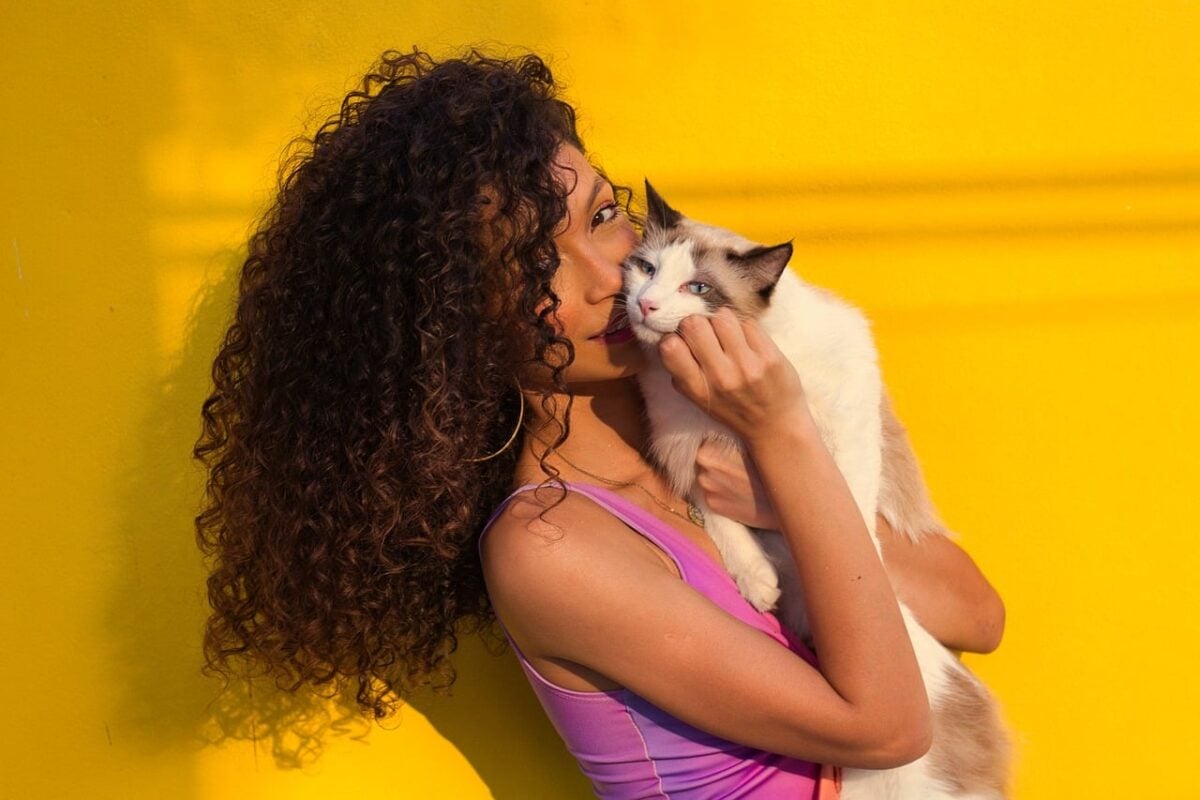
Everyone loves the tidy version of a rescue story: broken animal, patient human, slow healing, happy ending. It’s the version we post on social media and tear up over in shelter commercials.
But live with a rescue for more than a few months and a stranger picture starts to show up. These animals do things that don’t fit the “grateful but damaged” script at all – things so precise and well-timed that scientists usually shrug them off as anecdotes or owner bias. What if the anecdotes are actually the data nobody’s collecting? Here’s what the people who live with rescues every single day insist the research keeps missing.
#11 – Their Uncanny Sense for Human Emotional “Micro-Shifts”
🔥 Would you like to save this?
We'll email this post to you, so you can come back to it later!
Most research on dogs and cats admits they’re good at reading us, but it usually focuses on big, obvious signals – crying, shouting, slammed doors. What that research almost never touches is how rescues lock onto tiny emotional “micro-shifts” long before anything dramatic actually happens.
Owners describe a dog leaving the room ten minutes before a panic attack hits, or a shelter cat quietly sliding closer on the couch the exact second a phone call turns tense – even when the human’s voice hasn’t changed at all.
- A rescue dog that appears in the doorway every time your tone flattens out on a Zoom call.
- A cat who only curls onto your chest on the nights you’re replaying an old argument in your head.
It’s not magic. They’re almost certainly tracking micro-changes in breath, posture, scent, even how fast you glance at your phone. But what stands out is how consistently rescues seem to connect those dots in advance, like a homemade early-warning system for human emotion – something that simply doesn’t survive contact with a controlled lab, where emotions get treated as clean on/off switches.
Fast Facts
#10 – Their Ability to “Map” a Household’s Invisible Rules
🔥 Would you like to save this?
We'll email this post to you, so you can come back to it later!
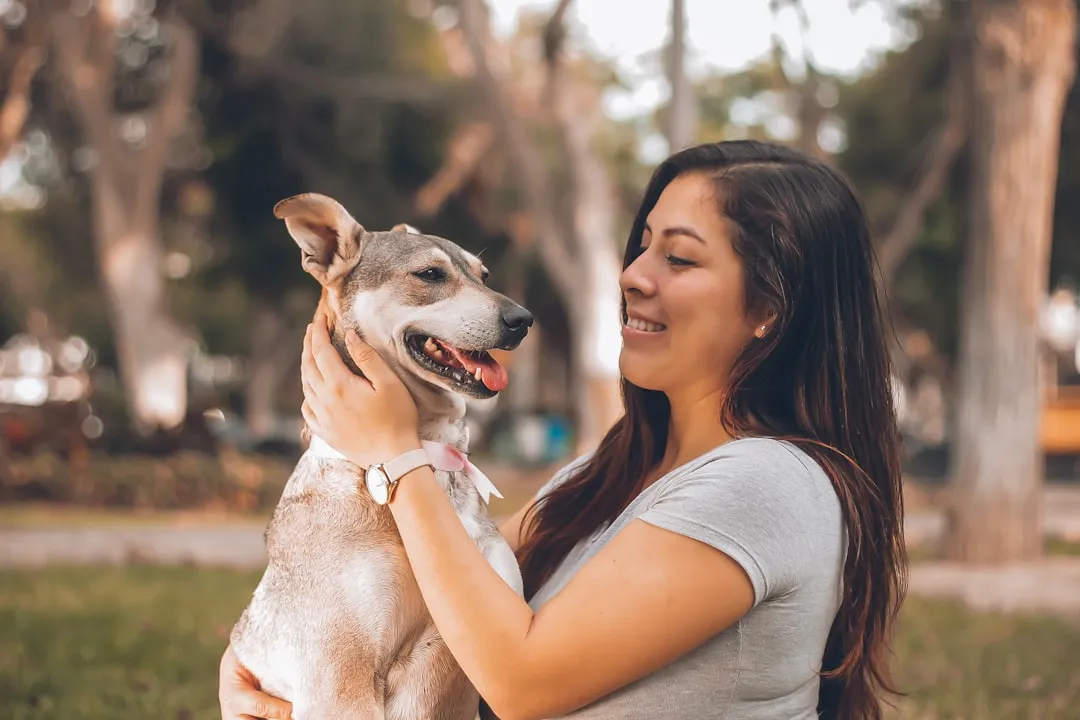
Most pet studies test whether an animal can follow obvious cues: sit, stay, come, maybe a puzzle box. Rescues walk into something far messier – a real household – and somehow reverse-engineer systems nobody ever explained to them.
Within weeks, plenty of rescues have figured out who actually enforces bedtime, who sneaks table scraps, and which human can be safely ignored after 9 p.m. That’s not basic conditioning. That’s social mapping.
- They’ll test the couch the second the strict one leaves the room, never while they’re still around.
- They learn which kid is clumsy with doors and station themselves there at exactly the right hour.
Behavior labs almost never replicate this kind of messy, multi-human environment. Yet in real homes, rescues build a working model of the entire household power structure within days, then quietly optimize around it like tiny furry politicians – learning not commands, but unspoken rules: what’s tolerated, what earns a sigh, what gets you crated.
#9 – Their “Context-Specific” Trust, Not Just Global Fear or Love
🔥 Would you like to save this?
We'll email this post to you, so you can come back to it later!
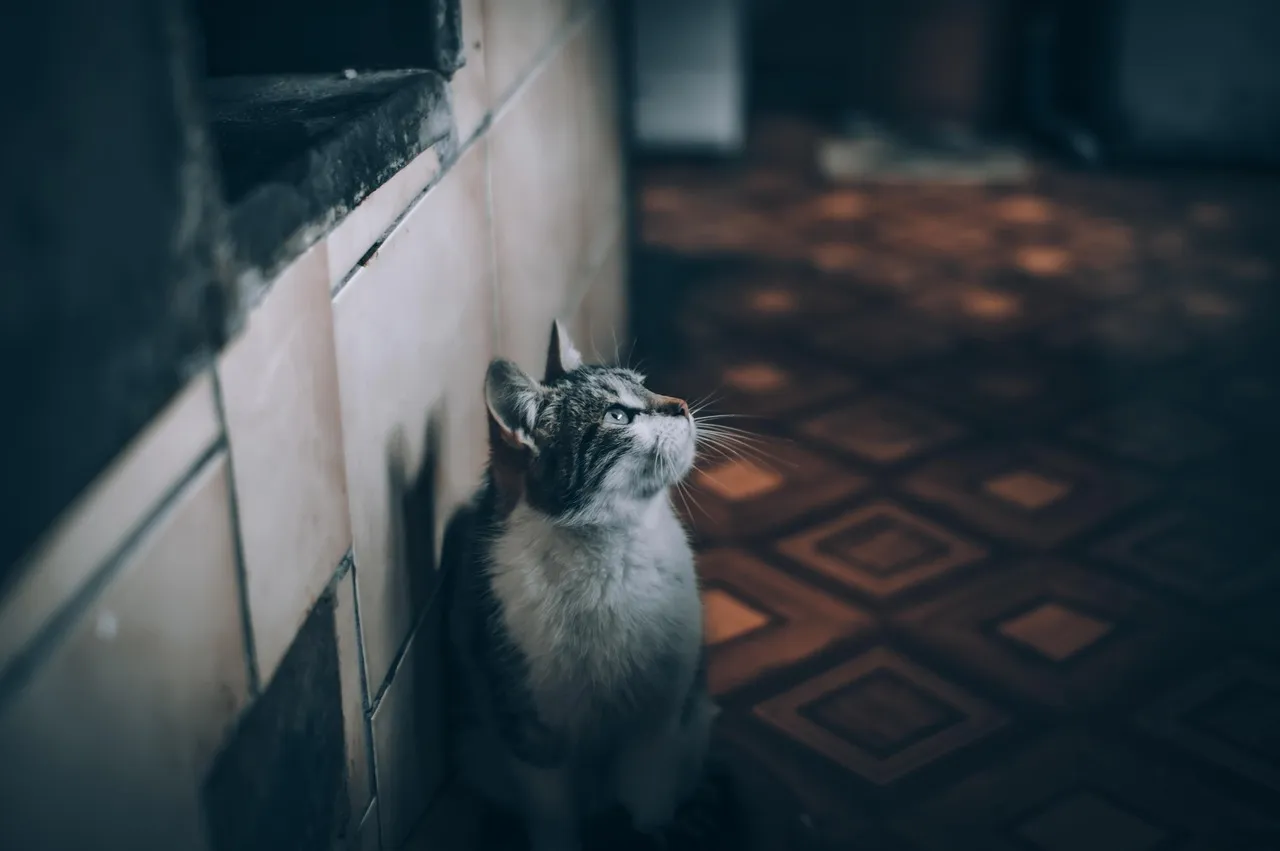
Most papers still talk about fear and attachment in broad strokes: “the dog is fearful,” “the cat is secure.” Rescue animals blow that framing apart. They show surgical, context-specific trust that a simple label can’t capture.
A dog terrified of men indoors might happily chase a ball with male joggers outside. A cat that flinches at a raised hand may sit calmly through nail trims once it’s been reframed as routine, not threat.
- A rescue who won’t eat with anyone watching – but shamelessly begs strangers for snacks at the park.
- A dog who panics at garbage bags on trash day but sleeps straight through fireworks.
What’s happening isn’t “generalized anxiety.” These animals are running a full internal risk calculation based on place, posture, scent, objects, and past outcomes stacked together. Standard lab trials strip that context away on purpose to control variables – then act baffled when the same animal behaves differently at home.
#8 – Their Weirdly Precise Long-Term Spatial Memory
🔥 Would you like to save this?
We'll email this post to you, so you can come back to it later!
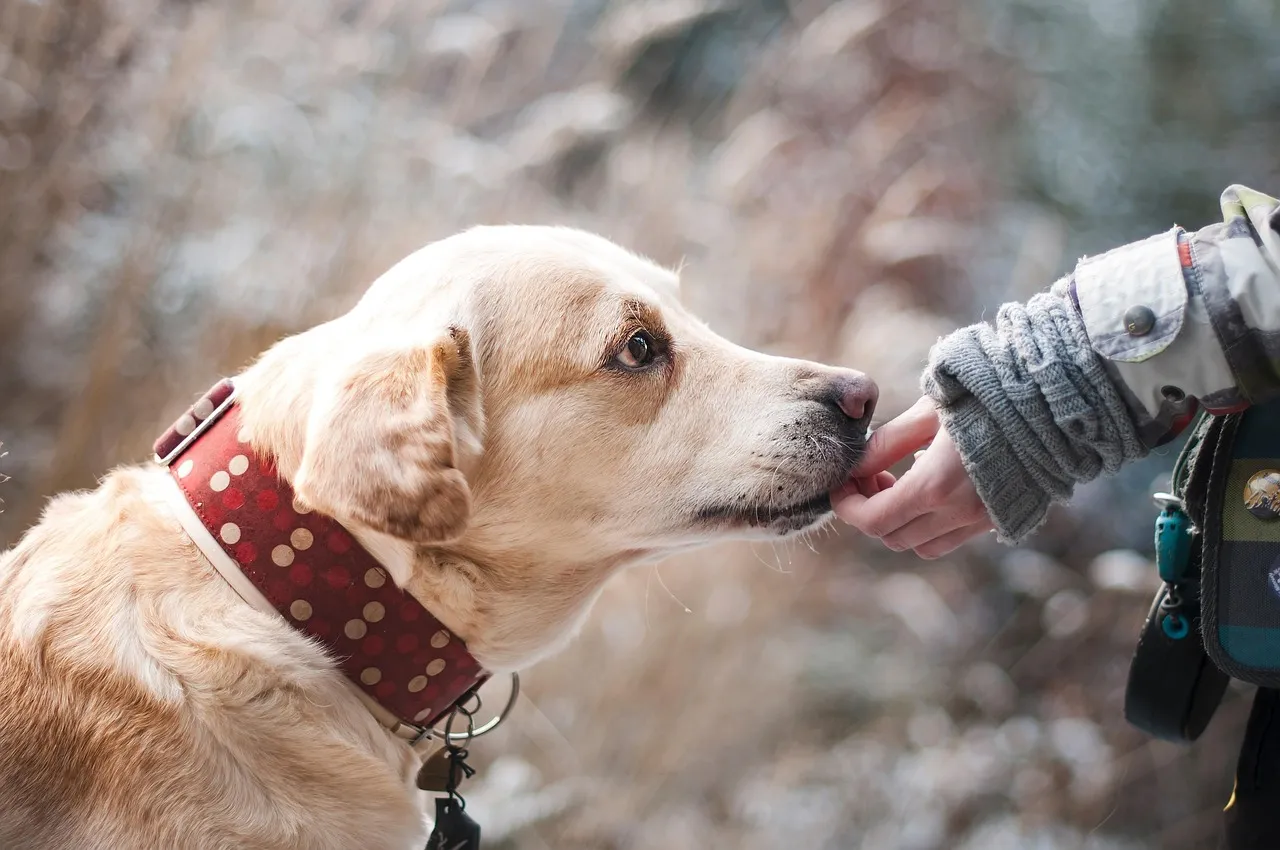
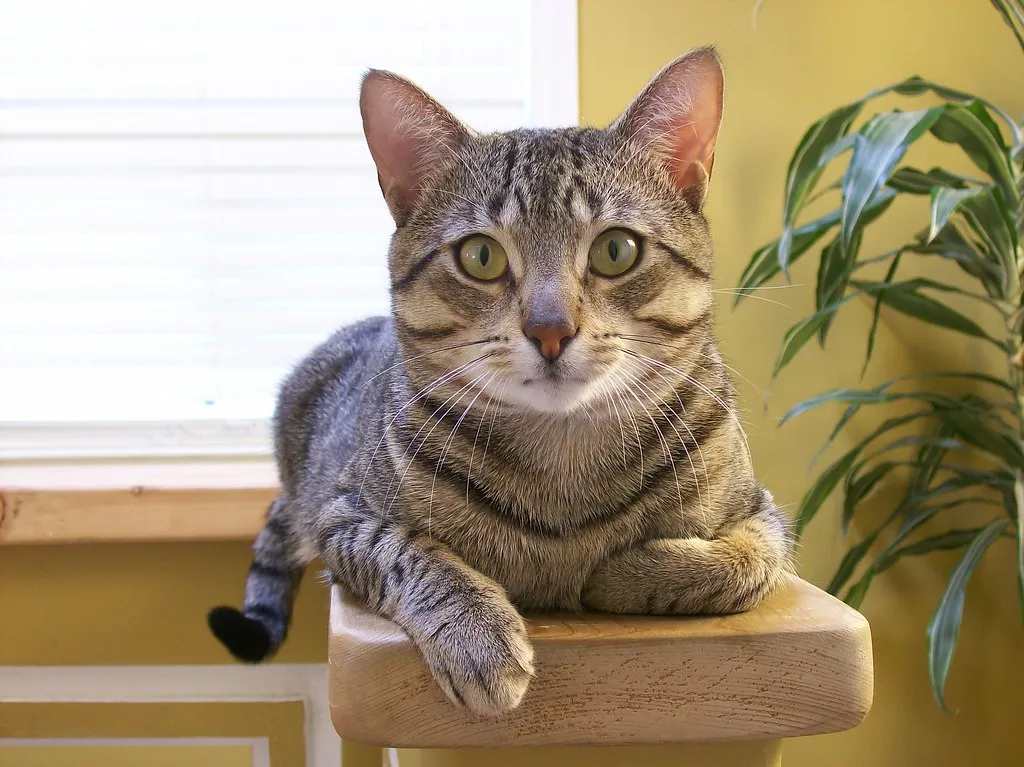
Spatial memory studies in animals usually mean mazes or hidden food. Rescues, especially former strays, carry around startlingly detailed mental maps of territory, routes, and “safe spots” that can last for years.
There are countless real cases of rescues finding their way back to a shelter or a former home across unfamiliar roads, despite being driven there in a car. Inside a house, the smaller version of this shows up constantly.
- A dog returning to the exact cupboard where food was once kept – in a different city, months later.
- A cat who can lead you straight back to the room where a carrier was hidden once, weeks ago.
Lab tasks reduce space to a couple of repeated paths in a sterile room. Rescue animals live in loud, layered, unpredictable environments and still build mental overlays of exits, threats, food spots, and hiding places across time. A formerly stray dog avoiding one specific alley for years – while perfectly relaxed everywhere else nearby – hints at a spatial-emotional memory richer than most maze studies ever attempt to capture.
Quick Compare
- Lab maze: a few repeated paths in a quiet room, tested over days, food hidden in one spot.
- Real rescue home: layered scents, sounds, and shifting furniture mapped continuously over months or years.
- Lab goal: locate hidden food once, under controlled conditions.
- Real-world goal: remember exits, hiding spots, and danger zones indefinitely, without ever being tested for it.
#7 – Their Relentless Pattern-Detection Around Human Conflict
🔥 Would you like to save this?
We'll email this post to you, so you can come back to it later!
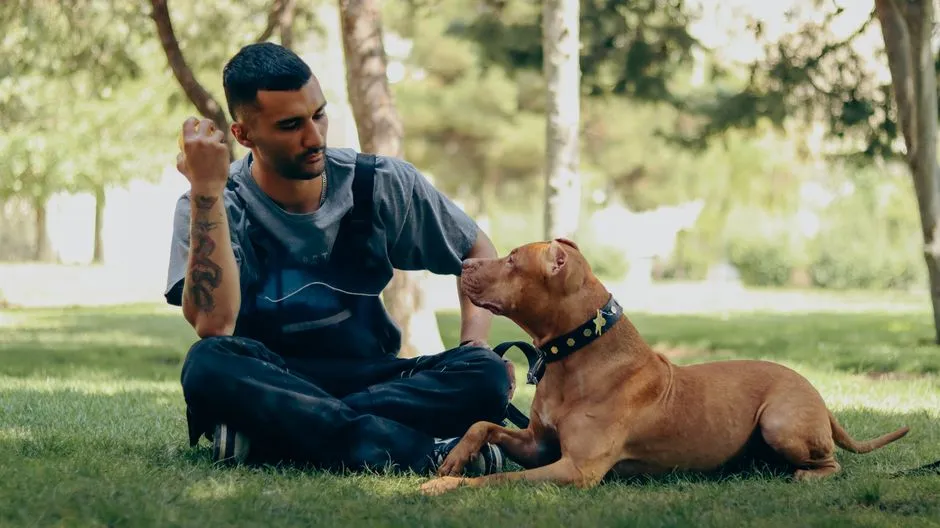
Science agrees dogs respond to tone and volume. What it undersells is how rescues from chaotic homes become hyper-specialized conflict detectors – and not in the obvious “yelling equals danger” way.
Many react to the silence right before an argument starts. To a specific phrase – “we need to talk” – said in a perfectly calm voice. To the sound of keys, bottles, or shoes being picked up in a particular sequence.
- Wedging themselves between two people the moment voices drop, not rise.
- Suddenly needing to go outside right as tension starts building in a room.
Owners describe animals intervening before an argument truly begins – pacing, whining, physically inserting themselves – as if running an internal script: if both adults go quiet, and someone stands up fast, and the TV goes off, then trouble is coming. Labs rarely expose animals to this kind of messy relational chaos, for good ethical reasons. But that also means the exact environments shaping rescues’ strangest skills are almost never studied at all.
#6 – Their Ability to “Co-Regulate” Human Stress, Not Just React to It
🔥 Would you like to save this?
We'll email this post to you, so you can come back to it later!
Most studies measure whether animals feel our stress – cortisol spikes, heart rate syncing. Almost none measure how often rescue animals seem to actively manage our state, using their own presence like a tool.
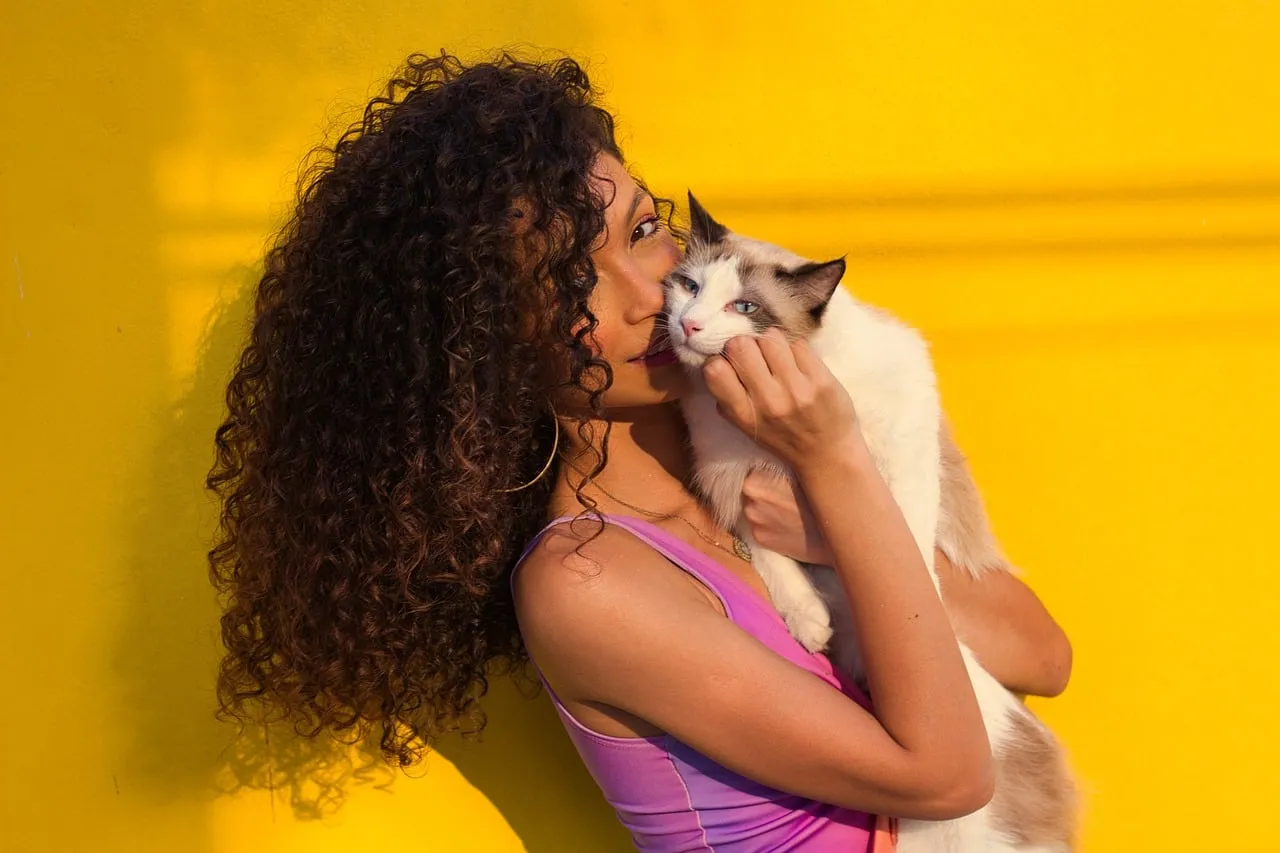
You’ll see dogs insist on sitting across your lap while you doom-scroll, or cats that avoid eye contact but position themselves exactly where your hand will absentmindedly land. It looks clingy. It often isn’t.
- They show up during your worst rumination windows – late night, post-work, right after a hard phone call.
- They push you into motion: nudging you off the couch, dropping a toy, demanding a walk exactly when your stress peaks.
This isn’t just mirroring your mood back at you. It’s closer to a primitive form of co-regulation, where the animal uses proximity, touch, and routine to drag your nervous system toward calmer ground. Unlike trained therapy dogs, rescues are rarely taught this. They’re improvising from experience – they’ve watched what dysregulated humans do, and they’ve quietly figured out what sometimes cuts it off early.
Until one has loved an animal, a part of one’s soul remains unawakened.
Anatole France
#5 – Their Strange Sense of “Fairness” Between Humans and Animals
🔥 Would you like to save this?
We'll email this post to you, so you can come back to it later!
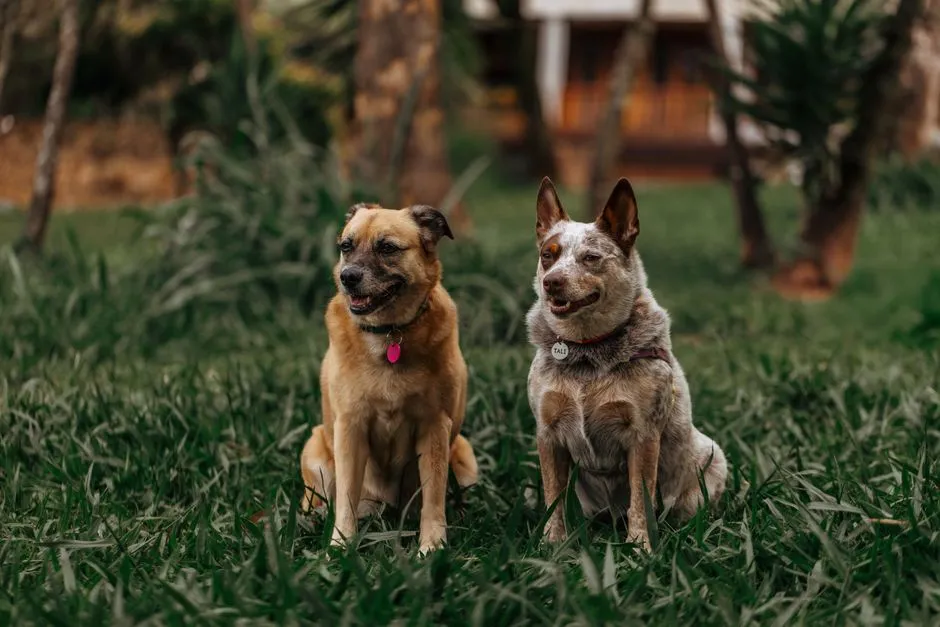
Fairness in dogs is already a studied topic – some experiments show dogs refusing treats if another dog gets a better reward. Rescues complicate that further by showing cross-species, cross-context fairness judgments that don’t fit any simple reward model.
They’ll protest when one child gets scolded harder than a sibling. They’ll intervene when another pet is repeatedly favored, over and over, day after day.
- A rescue dog physically inserting itself when one pet keeps getting pushed off the couch.
- A cat that only swats the adult who roughhouses one animal while baby-talking another.
This isn’t simple jealousy. In many households, the rescue consistently defends whoever is losing – the younger child, the timid dog, the new foster animal. They seem to track not just who gets more treats, but who gets more patience, more space, a softer tone. That moral flavor has no clean box in an experiment, so it gets flattened into “resource guarding” or “attention seeking,” even when the pattern of siding with the underdog is impossible to miss.
Worth Knowing
- In a well-known “give paw” experiment, researchers found that dogs refused to give their paw if they received nothing while their partner obtained a reward.
- That refusal came on faster and stronger than in tests where a dog simply wasn’t rewarded at all with no partner present.
- The pattern led scientists to conclude the dogs were sensitive to an unequal reward distribution, not just their own missing treat.
#4 – Their Hyper-Selective Memory for Single Traumatic Details
🔥 Would you like to save this?
We'll email this post to you, so you can come back to it later!
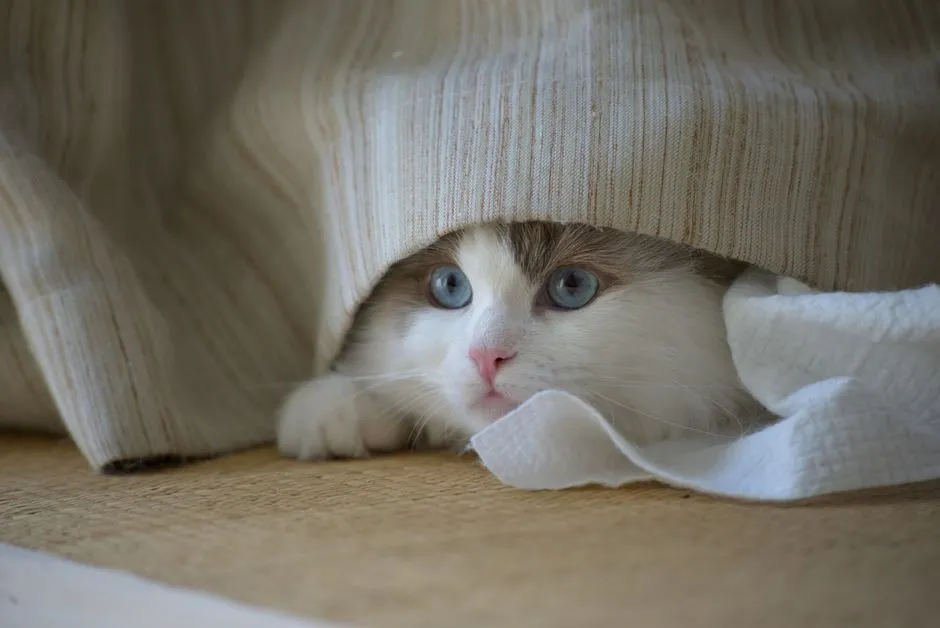
It’s well established that animals develop phobias. Rescue cases reveal something sharper: a narrow, laser-focused memory for one specific detail, completely detached from everything else happening around it at the time.
A dog might fear only men in a red baseball cap while staying relaxed around every other man alive. A cat might panic at the click of a lighter but sleep through a slammed door.
- A dog calm through thunderstorms but frantic at the beep of one specific microwave brand.
- A cat who hides only when a particular ringtone plays, even at a low volume.
This isn’t generalized fear so much as feature-locking – one sensory detail permanently fused to danger somewhere in the animal’s history. Labs tend to study trauma responses through broad aversive stimuli like loud noise or restraint, which produce equally broad fear. Real rescues show us the opposite reality: trauma often shrinks down to one absurdly small, unfairly powerful symbol.
#3 – Their Ability to Build “Second Lives” After Extreme Instability
🔥 Would you like to save this?
We'll email this post to you, so you can come back to it later!
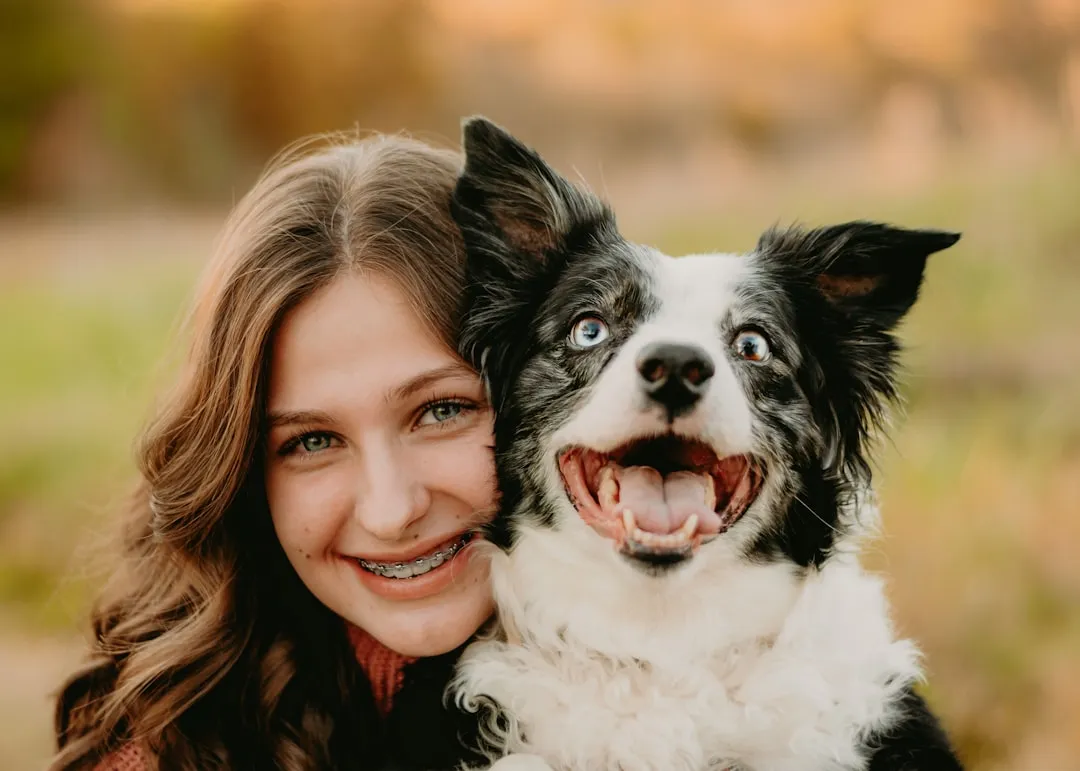
One thing scientific writing consistently underplays is how radically some rescues reinvent themselves. Not “they got a little less anxious” – they flip roles entirely, from shutdown and silent to household anchor, routine enforcer, even protector.
We talk about neuroplasticity in humans constantly. We almost never frame rescue animals the same way, even though they might be our most visible everyday proof of a behavioral “second life.”
- A dog who once wouldn’t leave a crate now insisting everyone get up on time for walks.
- A cat who spent months hiding now patrolling the house at night like security staff.
Labs usually work in weeks or months. Rescue transformations often unfold across years, and over that horizon these animals don’t just calm down – they rewrite their entire behavioral identity, turning safety and small wins into a completely new role in the family. That kind of role-level shift never shows up on a fear-score graph. It shows up the day the animal who once cowered in corners plants itself between a crying child and the door.
At a Glance
- Shutdown to anchor: some rescues move from hiding around the clock to enforcing the household’s daily schedule.
- Timeline: these shifts usually take months, not days – real transformation rarely follows a straight line.
- No single trigger: most owners can’t name one exact moment things clicked, just a slow build-up of safe repetition.
#2 – Their Quiet Talent for “Family Systems” Engineering
🔥 Would you like to save this?
We'll email this post to you, so you can come back to it later!
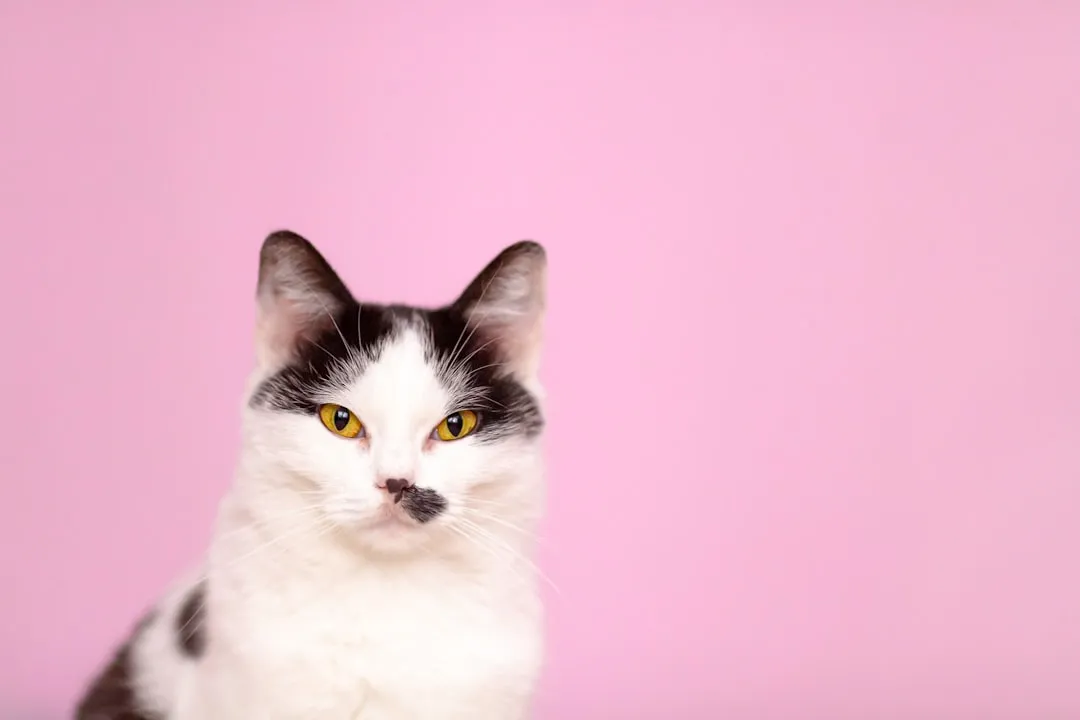
Most behavior research studies the animal alone: what does the dog do, what does the cat feel. Rescues keep stubbornly inserting themselves into entire family systems – shaping routines, mediating relationships, defusing conflict – in ways that feel almost deliberate.
They’re not just absorbing the family’s dynamic. They’re subtly rewiring it.
- The dog who insists everyone gather for one shared activity and gets visibly unsettled if someone opts out.
- The cat who always positions itself between an anxious teen and the door, slowing down the pacing without anyone noticing why.
Over time these tiny interventions can genuinely change how a family operates – more shared walks, fewer shouting matches, more predictable routines. The rescue becomes a structural part of the household, not a passenger in it. Most experimental designs deliberately avoid this multi-person messiness, which means the very thing rescues are eerily good at – nudging a whole system toward stability – gets flattened into the phrase “attachment behavior.”
#1 – Their Refusal to Fit the “Grateful, Broken, or Aggressive” Story
🔥 Would you like to save this?
We'll email this post to you, so you can come back to it later!
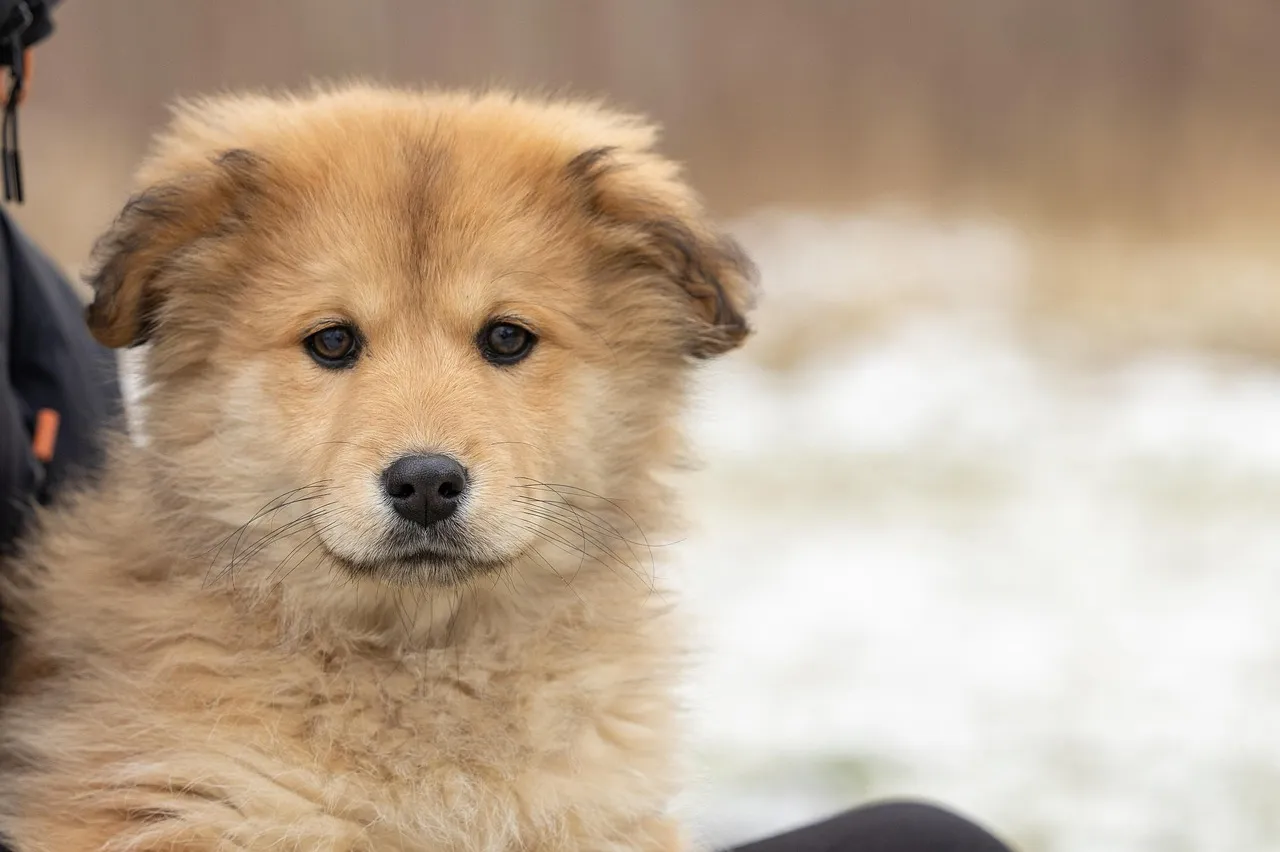
The most misunderstood ability rescue animals have is simple and a little uncomfortable: they resist our stories about them. We love to slap on a label – eternally grateful, permanently damaged, ticking time bomb. Watch closely over years, though, and a quieter truth surfaces. They insist on being individuals, not walking trauma reports.
One dog might be fearless with skateboards but terrified of tile floors. Deeply attached to one child, oddly distant with the adult who feeds them every day. Another might stay aloof for two full years, then suddenly decide it’s a lap dog after a single hospitalization or move.
- Sometimes they regress hard, then surge forward with no clear trigger.
- Sometimes they’re never cuddly, but become the one you’d trust most in an actual crisis.
Behavioral research, for all its value, tends to prioritize averages and clean categories. Rescue animals live at the jagged edges of those graphs, where the outliers pile up and refuse to be smoothed out. Their real ability is forcing us to confront how much we project onto them – proving, over and over, that no checklist, breed generalization, or trauma profile can predict who they’ll actually become, in one specific home, with one specific human, over one specific stretch of years.
The Bottom Line
🔥 Would you like to save this?
We'll email this post to you, so you can come back to it later!
Zoom out from the individual stories and the pattern gets hard to ignore: rescue animals aren’t just hurt pets waiting to be fixed. They’re specialists in human behavior, conflict, and recovery – trained by the worst of our chaos to navigate the rest of it with unnerving precision.
They sense our emotional micro-shifts long before we explode. They quietly re-engineer family routines toward stability. They encode tiny shards of trauma in ways no lab category can hold. And then, most annoying to our egos, they flatly refuse to match the narrative we’ve already written for them.
Why It Stands Out
- An estimated 5.8 million dogs and cats entered U.S. shelters and rescues in a single recent year.
- Roughly 4.2 million of them went on to find adoptive homes that same year.
- Every single one of those animals arrives with its own unrepeatable history – and, if this list is any indication, its own unstudied skill set.
None of this is mystical. It’s the messy, data-resistant reality of animals living in real homes with real, flawed humans. Behavioral studies have given us useful baselines, sure – but rescues keep demanding a different kind of science, one that respects lived complexity instead of averaging it into oblivion. If your rescue does something no study has ever put a name to, that’s not a gap in your imagination. That’s a gap in the research.

- 23 Warm Corners an Elderly Cat Keeps Returning To All Winter - October 29, 2026
- 16 Behaviours Showing a Cat Considers a House Permanent Now - October 29, 2026
- 15 Wildlife Programmes a Lifetime Pass Holder Over 62 Can Join Free - October 29, 2026